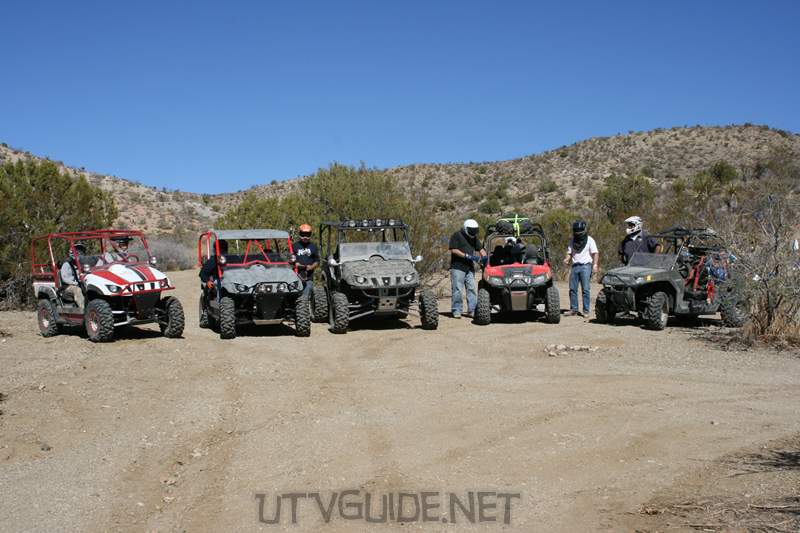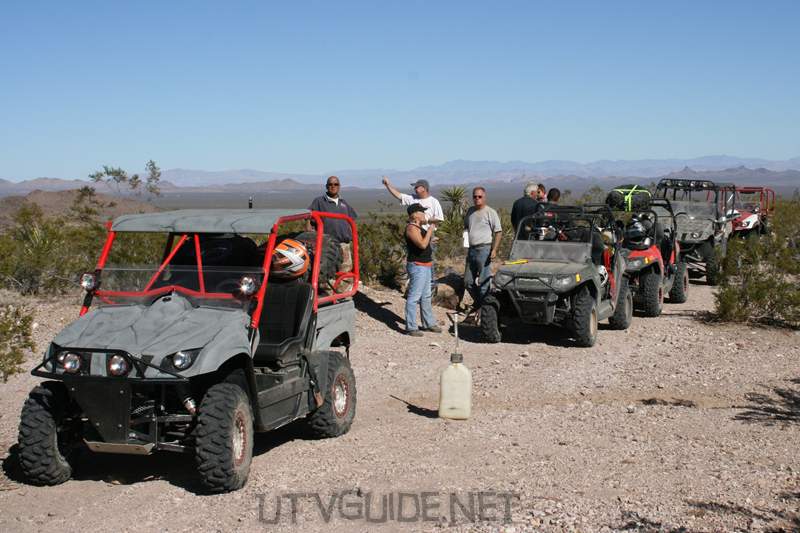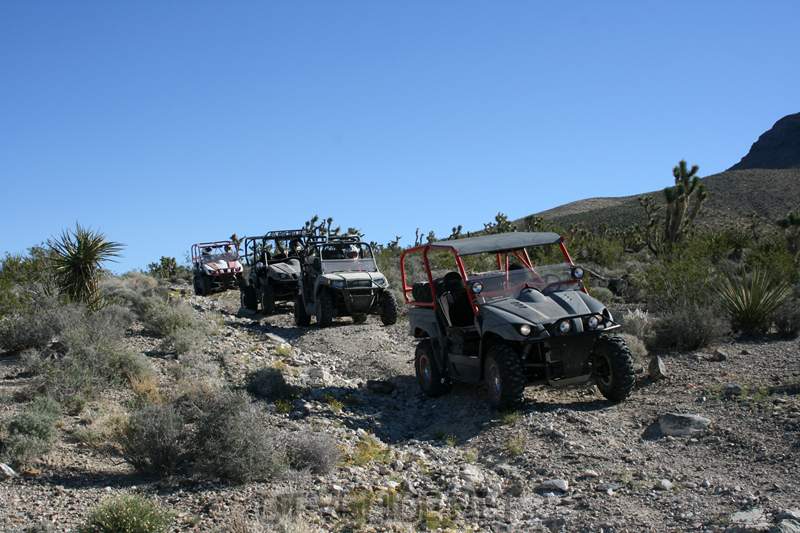
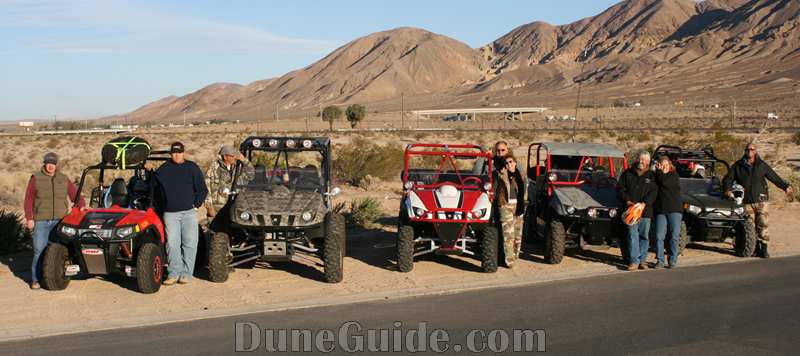
Originally published in 2007. This historical trip report documents an early multi-day UTV adventure involving three Yamaha Rhinos and two Polaris RZRs traveling between Calico, Laughlin and Primm.
Important access warning: This 2007 route is not a legal UTV itinerary today. After completing the trip, we learned that green-sticker vehicles were prohibited on portions of our route through Mojave National Preserve.
The National Park Service now states explicitly that UTVs, side-by-sides, RZRs, ATVs and other non-street-legal vehicles are prohibited throughout Mojave National Preserve, including the Mojave Road. California Green Sticker and Red Sticker registrations are not recognized. Consult the current National Park Service Mojave Road regulations before planning any trip in this region.
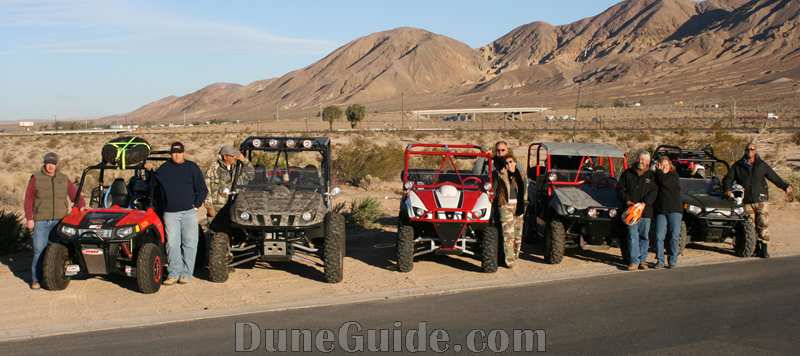
In 2007, five early recreational UTVs set out on an ambitious three-day journey across the Mojave Desert:
- Day One: Calico to Laughlin
- Day Two: Laughlin to Primm
- Day Three: Primm to Calico
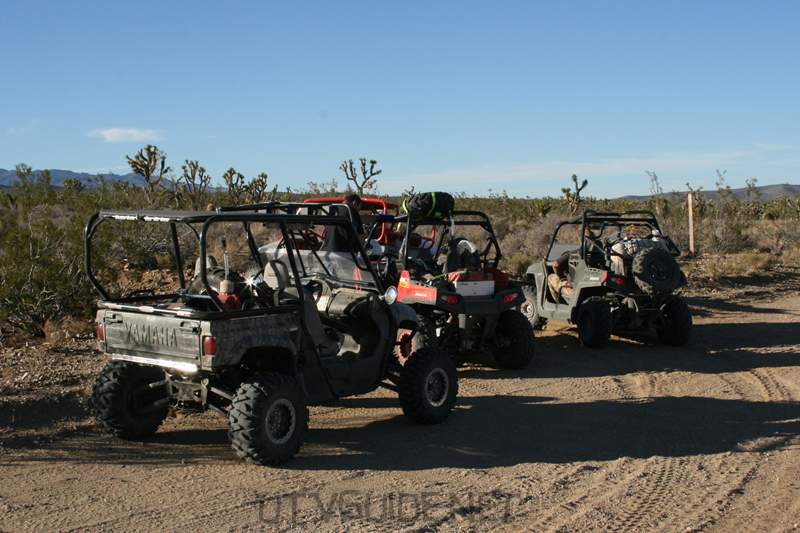
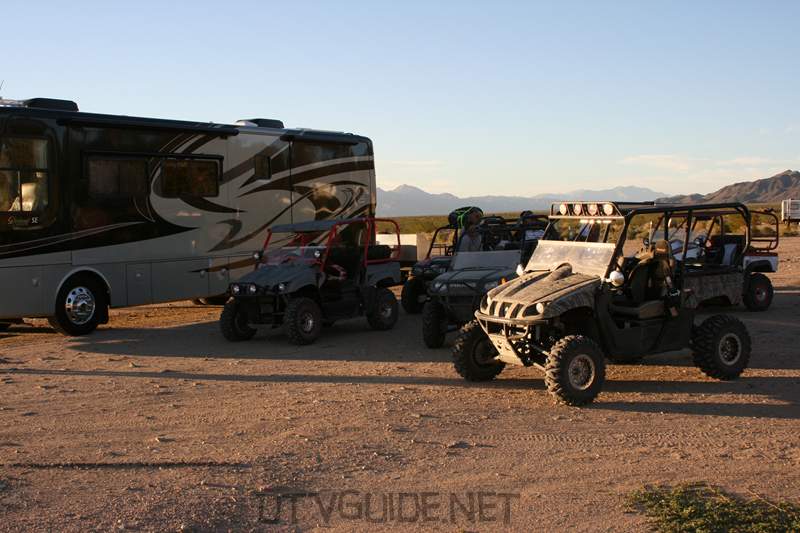
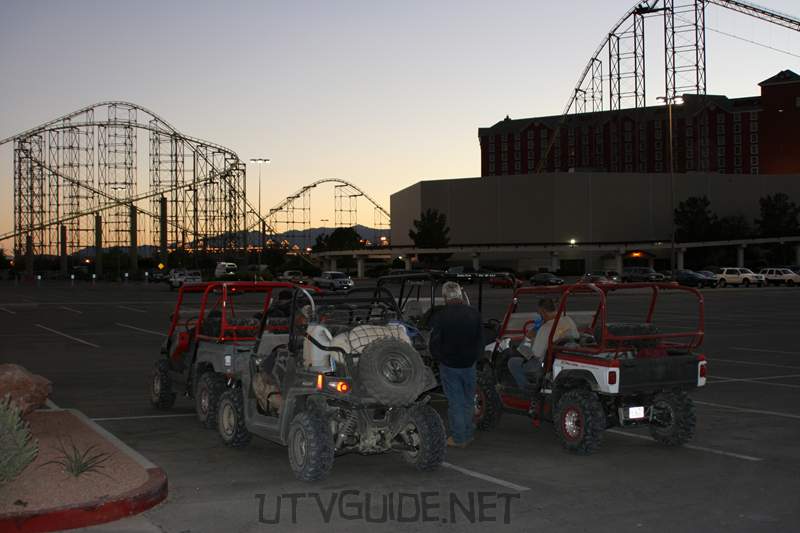
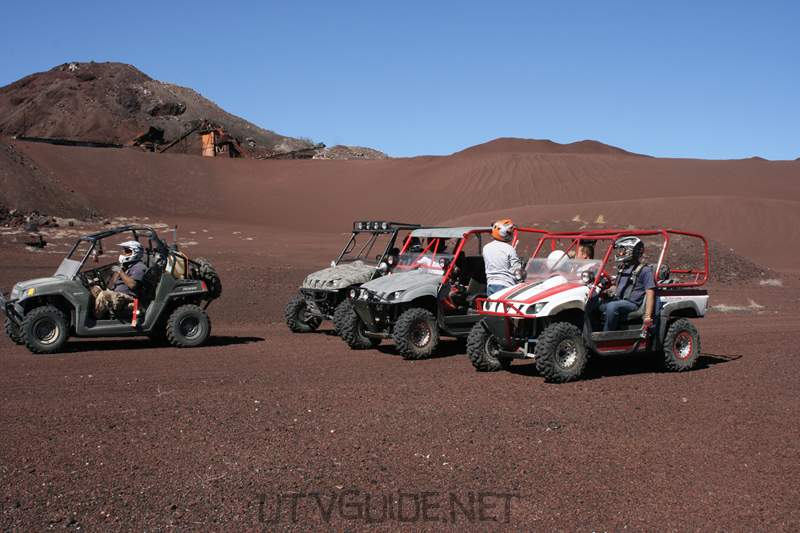
Our group consisted of three Yamaha Rhinos and two Polaris RZRs. The trip came during an important transition for the side-by-side industry. The Rhino had established the recreational UTV market, while the original RZR 800 had only recently arrived and was beginning to push the category toward dedicated sport performance.

An Early Long-Distance UTV Adventure
Long-distance UTV travel was still a relatively new idea in 2007. GPS navigation was less sophisticated, aftermarket support was in its early stages and neither the Rhino nor the original RZR offered the range, comfort or cargo capacity of a modern adventure side-by-side.
Our planned route would take us through remote sections of the Mojave Desert, connecting old roads, trails, towns and open OHV areas between Calico, Laughlin and Primm.
The Mojave Road itself is a historic route stretching approximately 130 miles between the Colorado River and Camp Cady. Much of it passes through Mojave National Preserve, where UTV travel is prohibited. This article preserves what happened in 2007 but should not be treated as a current navigation guide.
Day One: Calico to Laughlin
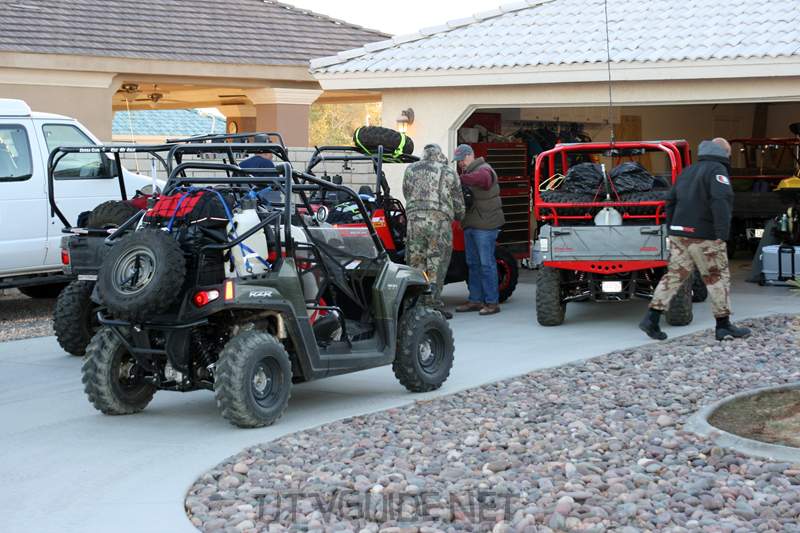
We assembled near Calico and prepared for the first leg toward Laughlin. Unfortunately, my Yamaha Rhino developed engine problems only about 10 miles into the ride.

The disabled Rhino was towed back toward the road, where a truck and trailer met us and returned the machine to Calico. Mike Lasher of Side x Side Action magazine started making calls in search of someone who could repair it quickly enough for us to continue.
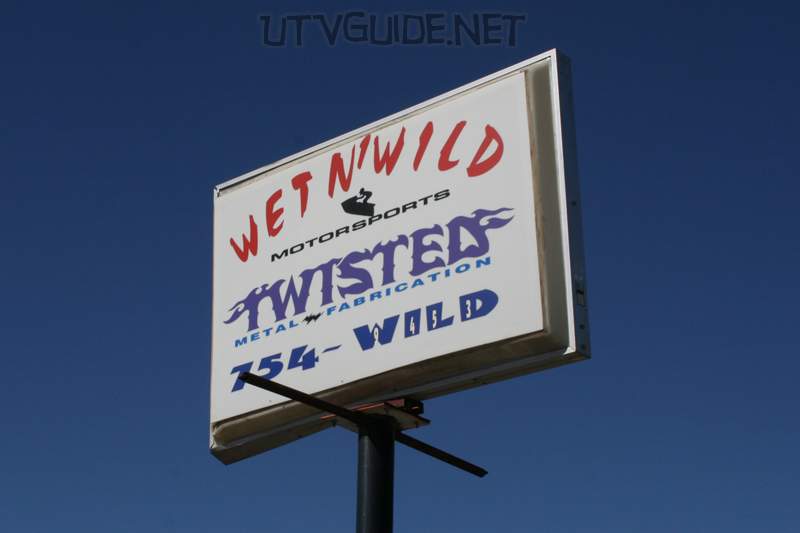
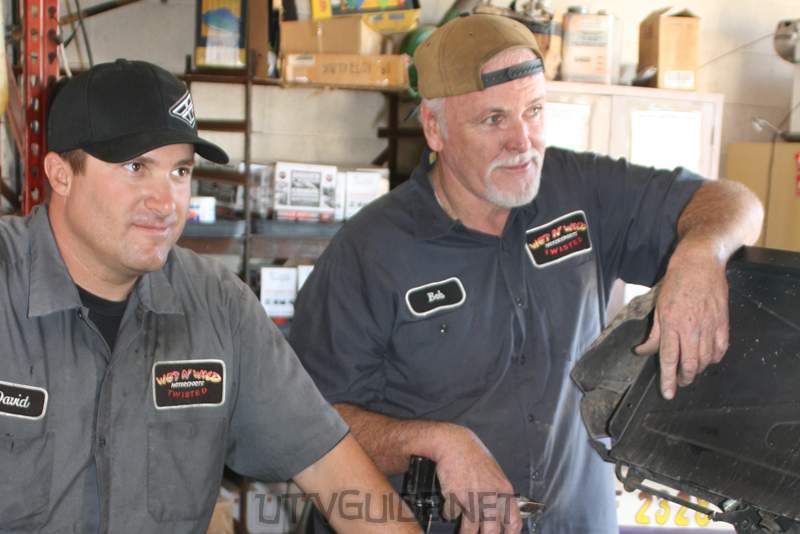
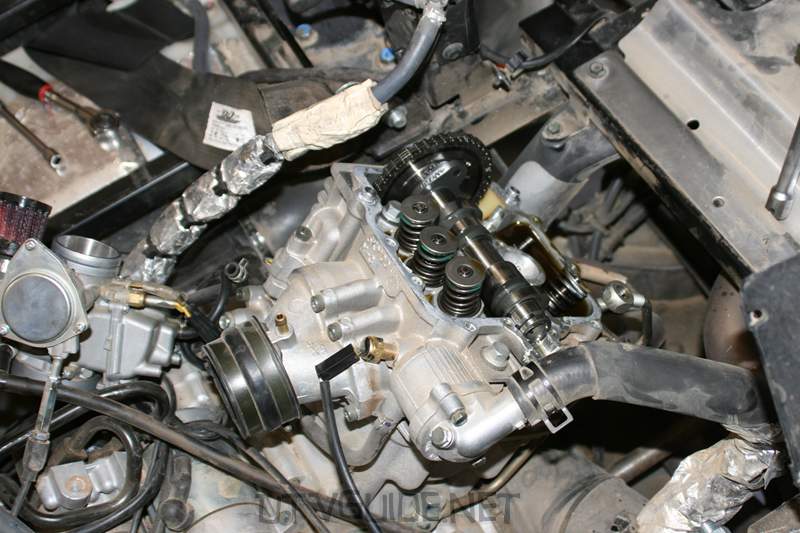
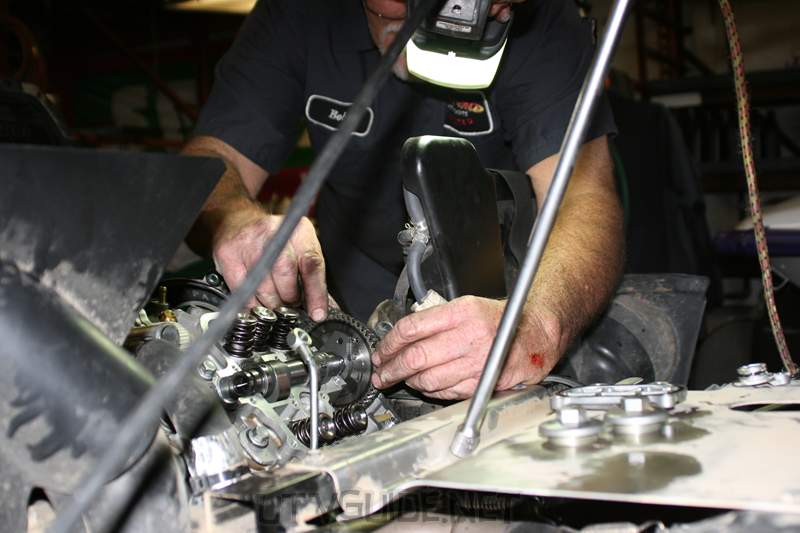
That search led us to Wet N Wild Motorsports in Bullhead City, Arizona. The crew dropped what they was doing and immediately began tearing into the Rhino 660 engine.
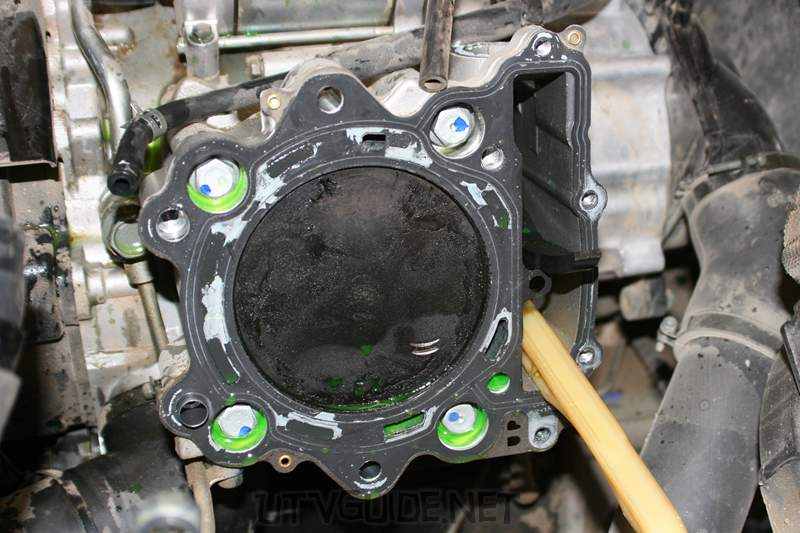
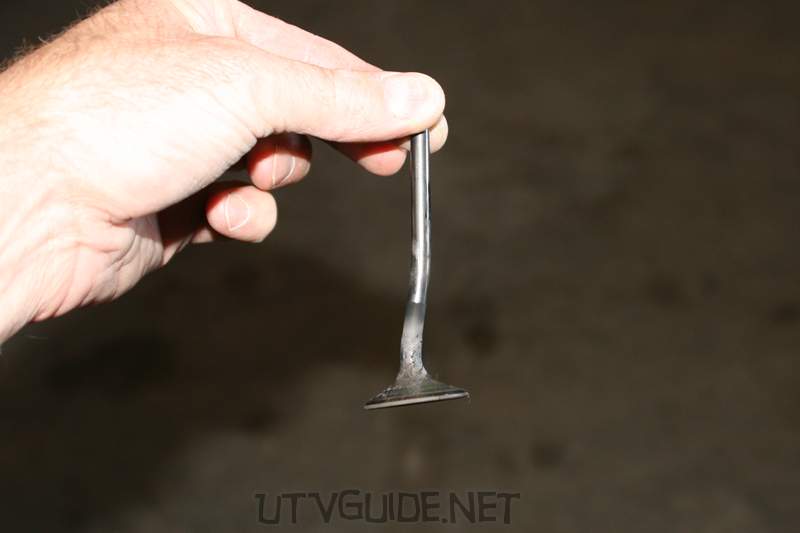
Diagnosing the Yamaha Rhino 660


A valve had floated and contacted the piston. Fortunately, the damage was not severe enough to end the trip.


With new valves and springs installed, the engine went back together and the timing was reset. The quick assistance from Wet N Wild Motorsports allowed us to rejoin the trip instead of heading home.

Day Two: Laughlin to Primm
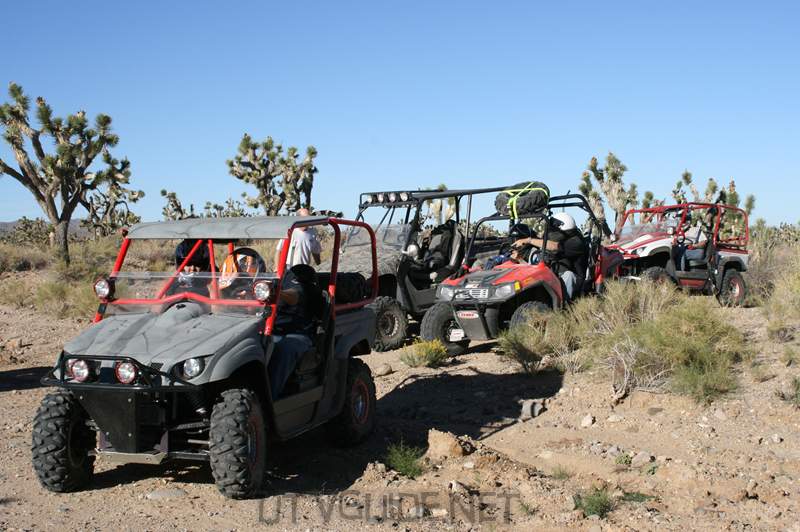
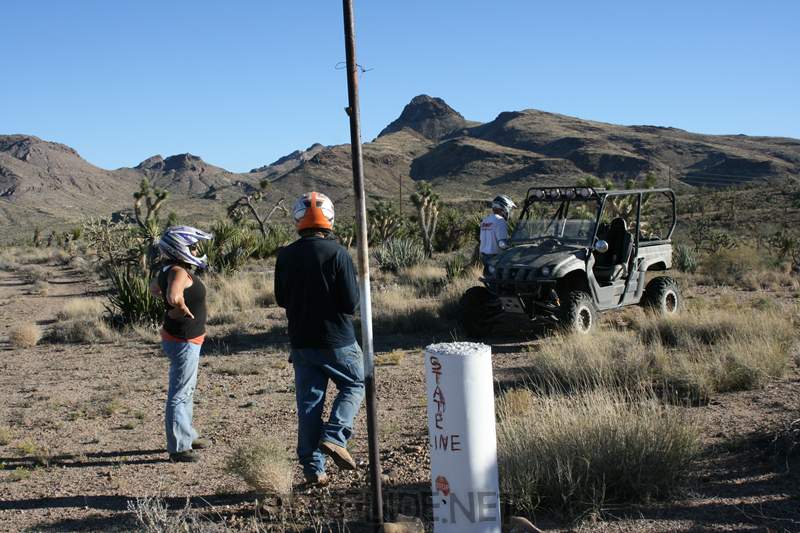
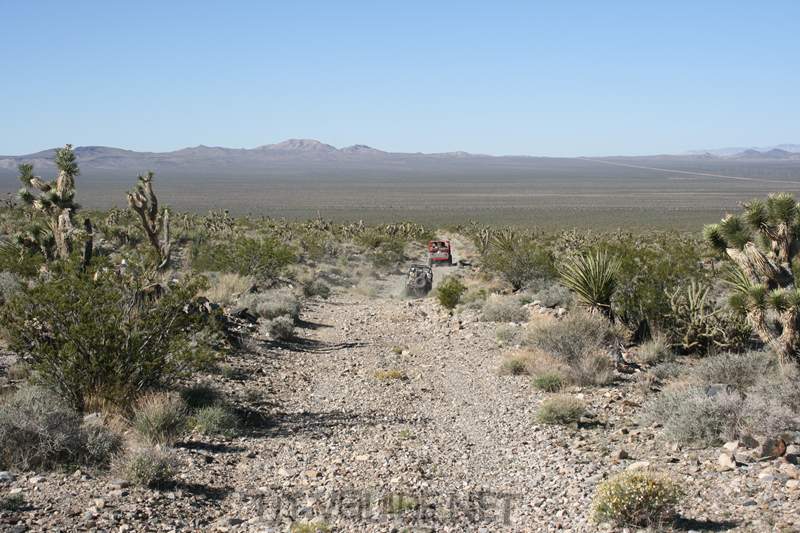
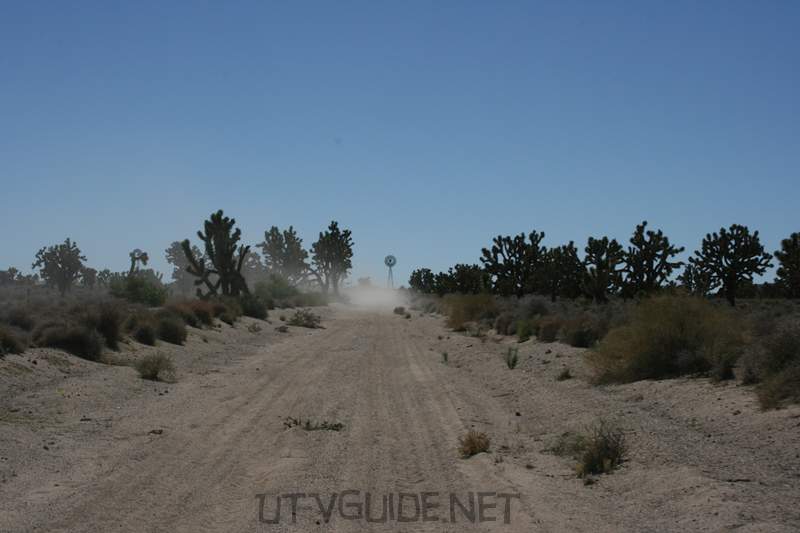
With the Rhino running again, we departed Laughlin for the second leg toward Primm. This section carried the group through open desert, Joshua tree country and remote trails near the California, Arizona and Nevada borders.


The mix of vehicles highlighted the changing UTV market. The Yamaha Rhino remained the proven platform for exploration and carrying equipment, while the new Polaris RZR brought a lower seating position and more sport-oriented handling.
You can read more about the significance of both machines in our history of the Yamaha Rhino and history of the Polaris RZR.

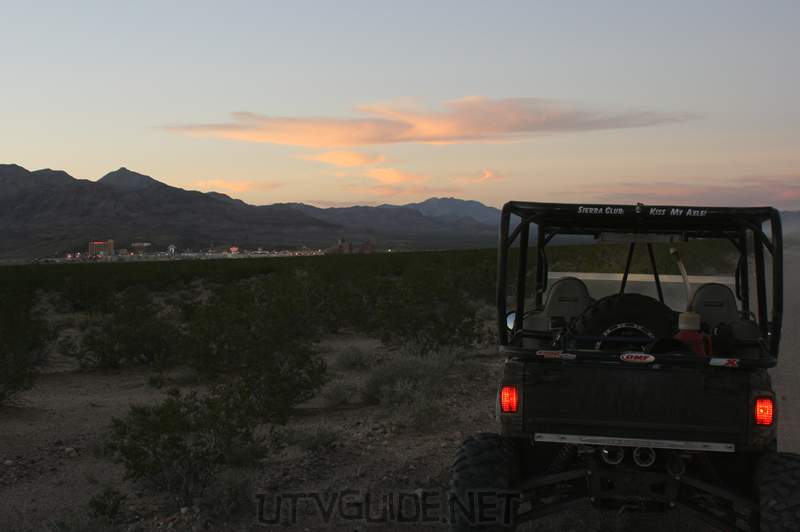
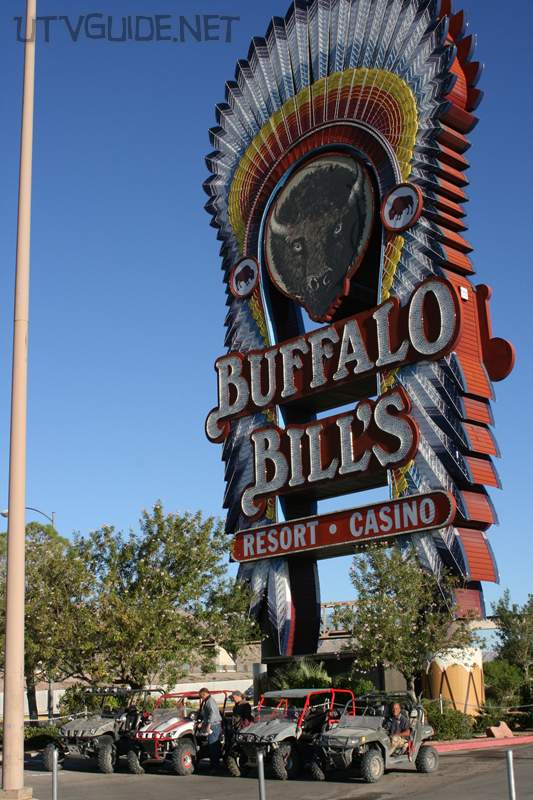
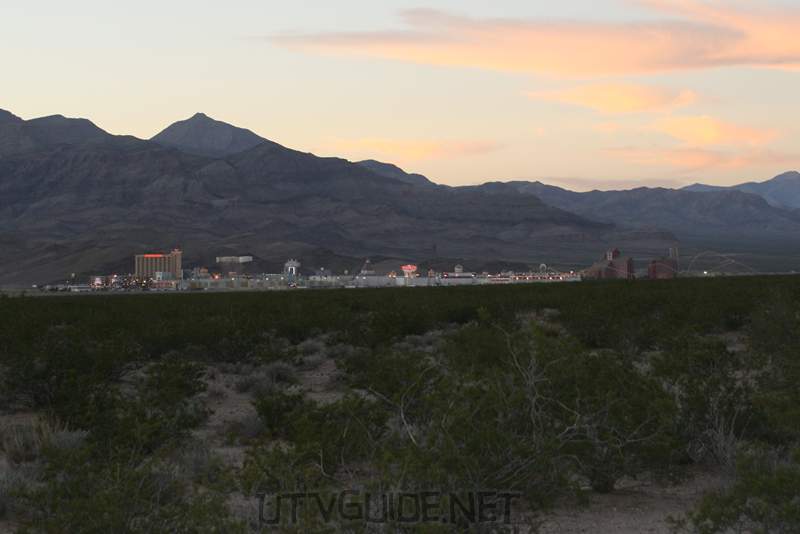
We met the support motorhome in Nipton, California, and continued toward Primm. Buffalo Bill’s was visible across the valley as daylight began disappearing.

Installing Walker Evans Shocks in Primm
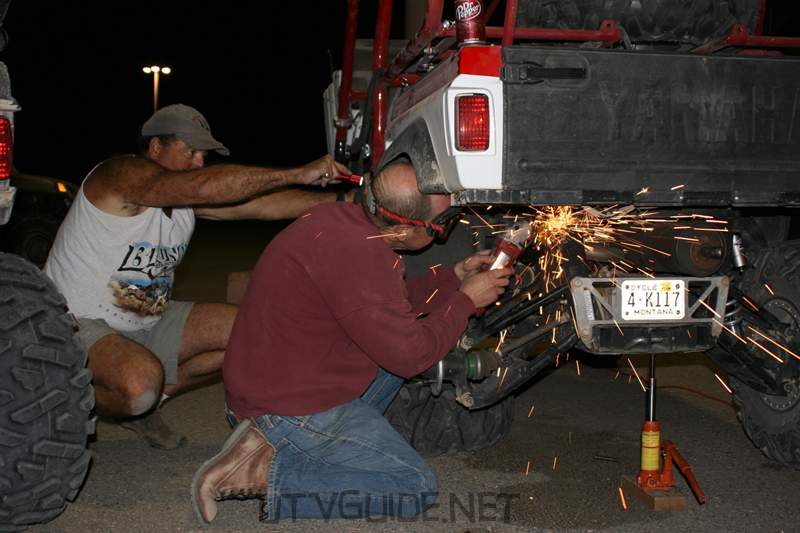
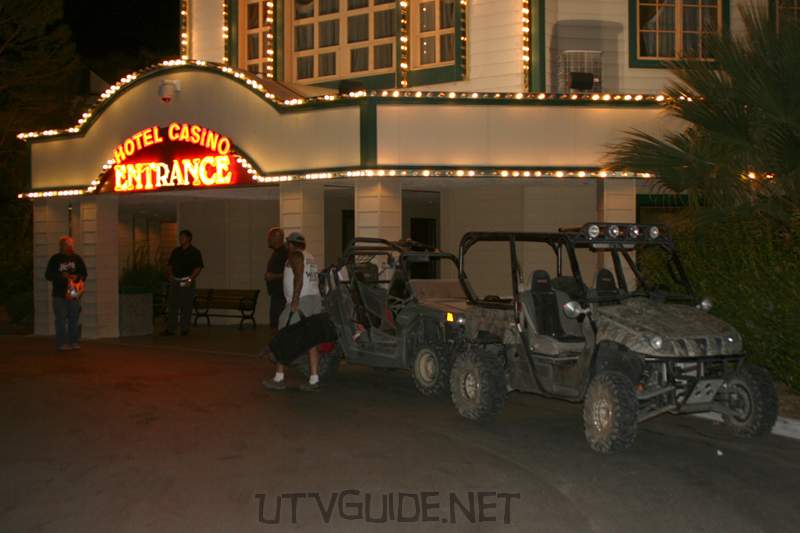
We reached Buffalo Bill’s around dark, but the mechanical work was not finished. George’s Rhino had worn out its stock shocks, so the group installed a set of Walker Evans Racing shocks before the final day.


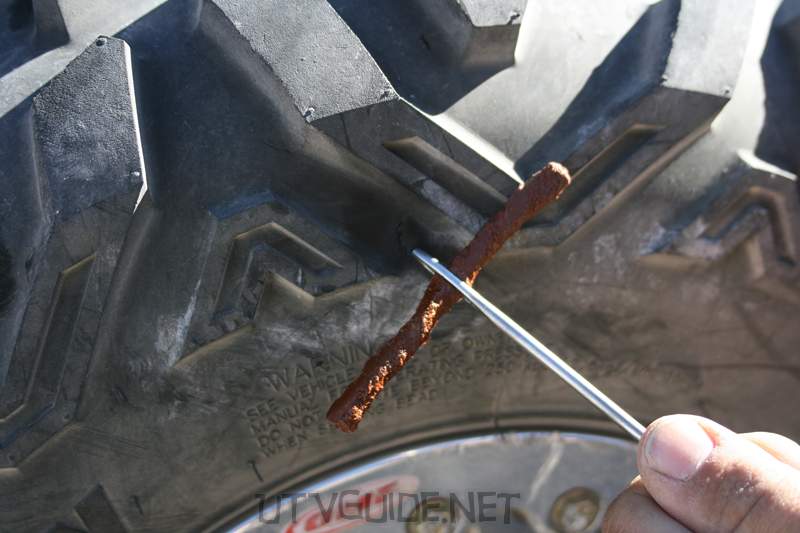
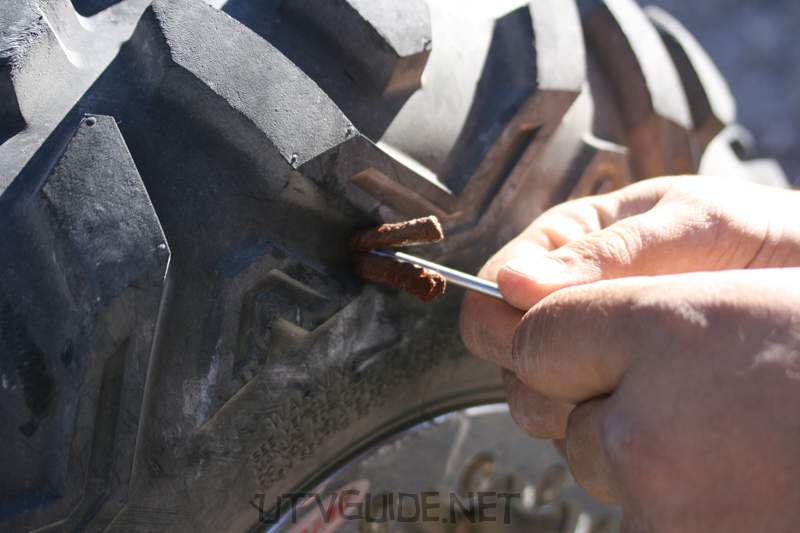
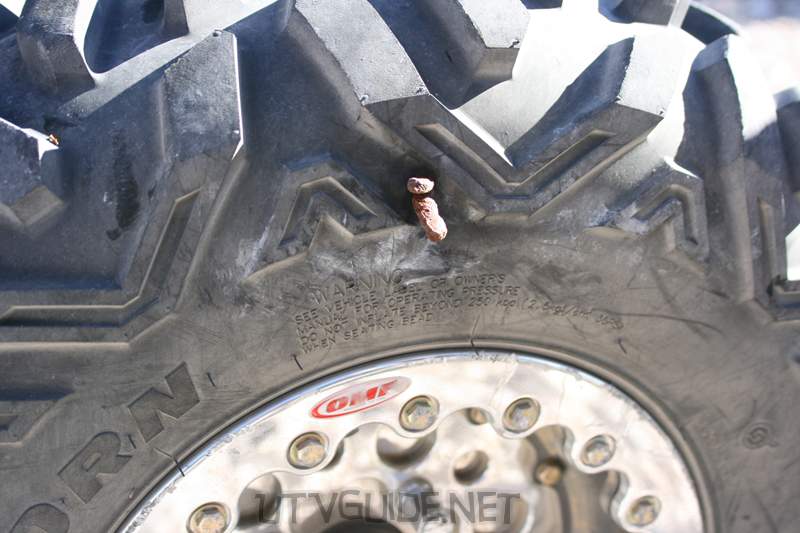
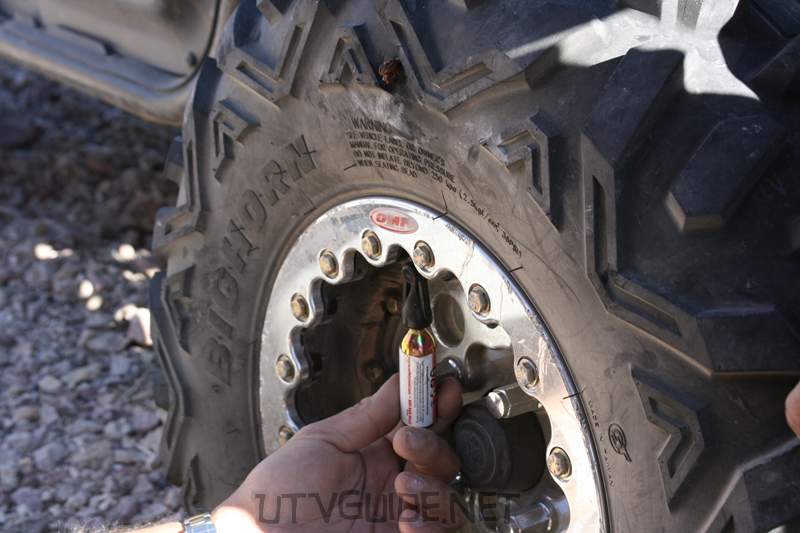
Repairing a Sliced Rhino Tire
We also hit a rock hard enough to slice the sidewall of one of the Rhino’s tires. Instead of replacing it on the trail, we repaired the damaged sidewall with a tire-plug kit.


Sidewall repairs are generally considered temporary, but in this case the plugs sealed the damage and got the Rhino through the remainder of the trip.
Day Three: Primm to Calico
The final morning began in Primm with the group heading southwest toward Calico. By this point one of the RZRs was no longer with the group, leaving three Rhinos and one RZR to complete the final leg.


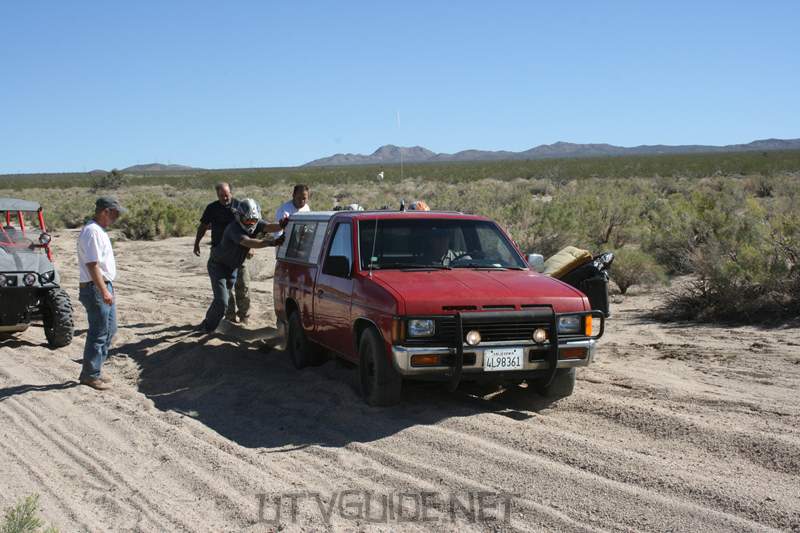
The terrain included cinder cones, sandy stretches, dry lakes and open desert. Along the way we encountered a driver who had taken a wrong turn and buried a two-wheel-drive pickup in the sand.


We lowered the pickup’s tire pressure and helped push it free. With additional flotation from the reduced pressure, the truck was able to drive out under its own power.
Soda Dry Lake and the Travelers Monument
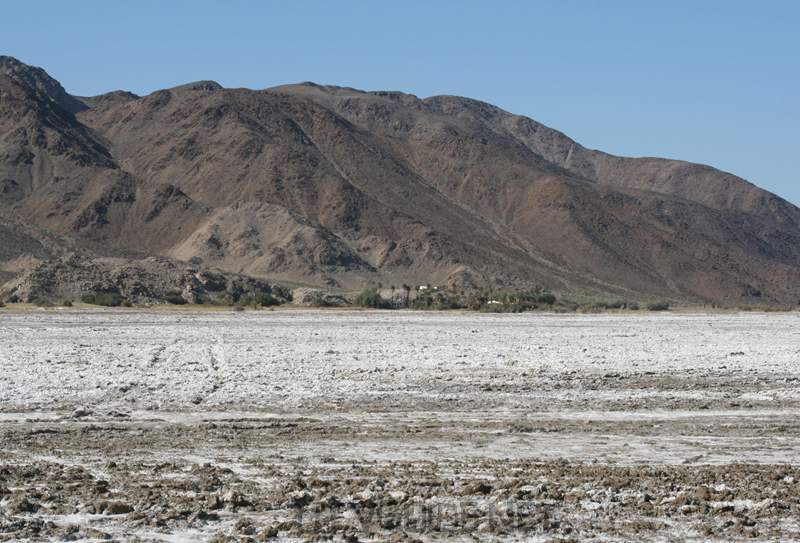
One of the recognizable landmarks along the historic Mojave Road is the Travelers Monument on Soda Dry Lake. Visitors have traditionally carried a rock across the lake and added it to the pile.

The original trip also passed near Zzyzx, one of the Mojave Desert’s most recognizable place names.

Rasor OHV Area
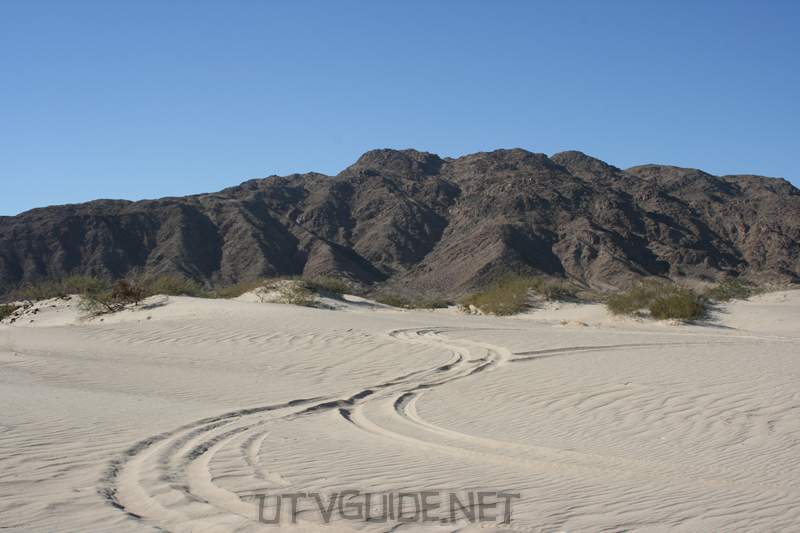
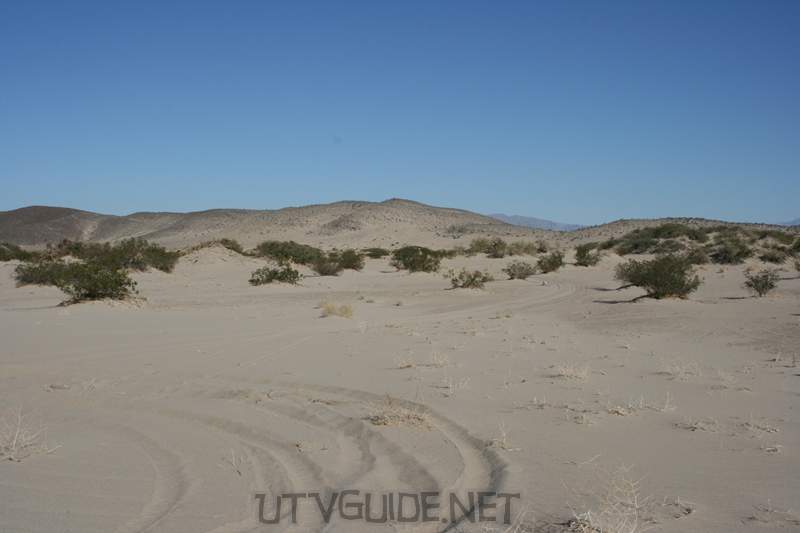
Unlike Mojave National Preserve, the nearby Rasor Off-Highway Vehicle Recreation Area is managed by the Bureau of Land Management for OHV use. Its open desert, dunes, rolling hills and sand washes provide legal opportunities for UTV riding, subject to current BLM regulations and any temporary closures.

Crossing the Mojave River
Near the end of the journey, George drove his Rhino through a Mojave River crossing before the group completed the return to Calico.

What This 2007 Trip Demonstrated
The trip did not go according to plan. We suffered an engine failure within the first 10 miles, rebuilt the Rhino in Bullhead City, replaced worn-out shocks in Primm and repaired a severely cut tire along the route.
Those problems were part of what made the journey significant.
In 2007, recreational UTVs were still proving what they could do. The Rhino had shown that a side-by-side could become a capable exploration vehicle, and the newly introduced RZR was bringing sport performance to the category. Completing a multi-day desert journey in these early machines helped establish the kind of UTV adventure travel that is common today.
It also taught us an important route-planning lesson. Vehicle capability does not determine legal access. Land jurisdiction, registration requirements and vehicle classifications must be researched before a trip begins.
This route should therefore be viewed as a piece of UTV history—not as a current trail guide.
More early UTV history: Read the history of the Yamaha Rhino and the history of the Polaris RZR.
More adventures: Browse the UTVGuide.net Adventure Ride archive and UTV trip reports.