Kawasaki

Browsing Category: Kawasaki

Kawasaki UTVs span nearly every part of the side-by-side market, from compact work-focused MULE utility vehicles to the 250-horsepower supercharged TERYX H2. This page brings together UTVGuide.net’s Kawasaki model guides, firsthand reviews, history, specifications, build projects, technical information and the latest Kawasaki side-by-side news.

Kawasaki has played an important role in the development of the modern side-by-side since introducing the original MULE 1000 for the 1988 model year. Its current off-road lineup includes the MULE, RIDGE, traditional TERYX, TERYX KRX and supercharged TERYX H2 families, with distinct platforms for work, trail riding, technical terrain and high-speed recreation.

Start Here: Kawasaki UTV Guides and Reviews

What’s New for 2027 Kawasaki Side-by-Sides?

Kawasaki’s 2027 side-by-side lineup brings important additions to its sport, recreational and utility families:

  • Two-seat TERYX H2: The new 2027 Kawasaki TERYX H2 and TERYX H2 Limited eS place Kawasaki’s 250-horsepower supercharged inline-four in a shorter 101-inch-wheelbase chassis. The Limited eS adds KECS+ electronically controlled FOX suspension, an electronic sway bar, Garmin navigation and integrated audio.
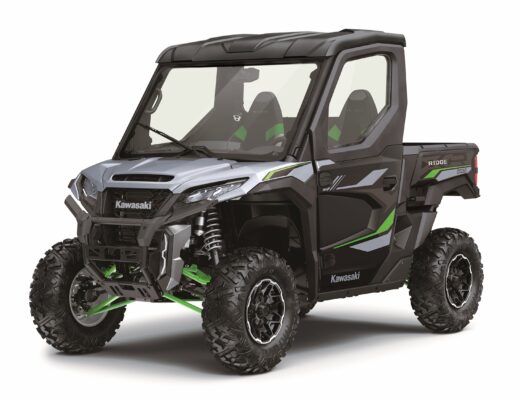
  • New RIDGE models: The 2027 Kawasaki RIDGE lineup expands with the five-passenger RIDGE CREW Platinum Sport HVAC and mud-oriented RIDGE Lifted Edition and RIDGE CREW Lifted Edition models.
  • 64-inch TERYX KRX TR models: The new TERYX KRX 1000 TR and KRX4 1000 TR narrow the KRX platform to 63.8 inches for 64-inch trail systems while retaining substantial suspension travel, 31-inch tires and the KRX’s technical-terrain focus.
  • Traditional MULE models return: The 2027 Kawasaki MULE 4000 and MULE 4010 lineup continues with two- and four-wheel-drive models, two-passenger and convertible Trans Cab configurations and a proven 617cc V-twin engine.

Kawasaki MULE Utility Side-by-Sides

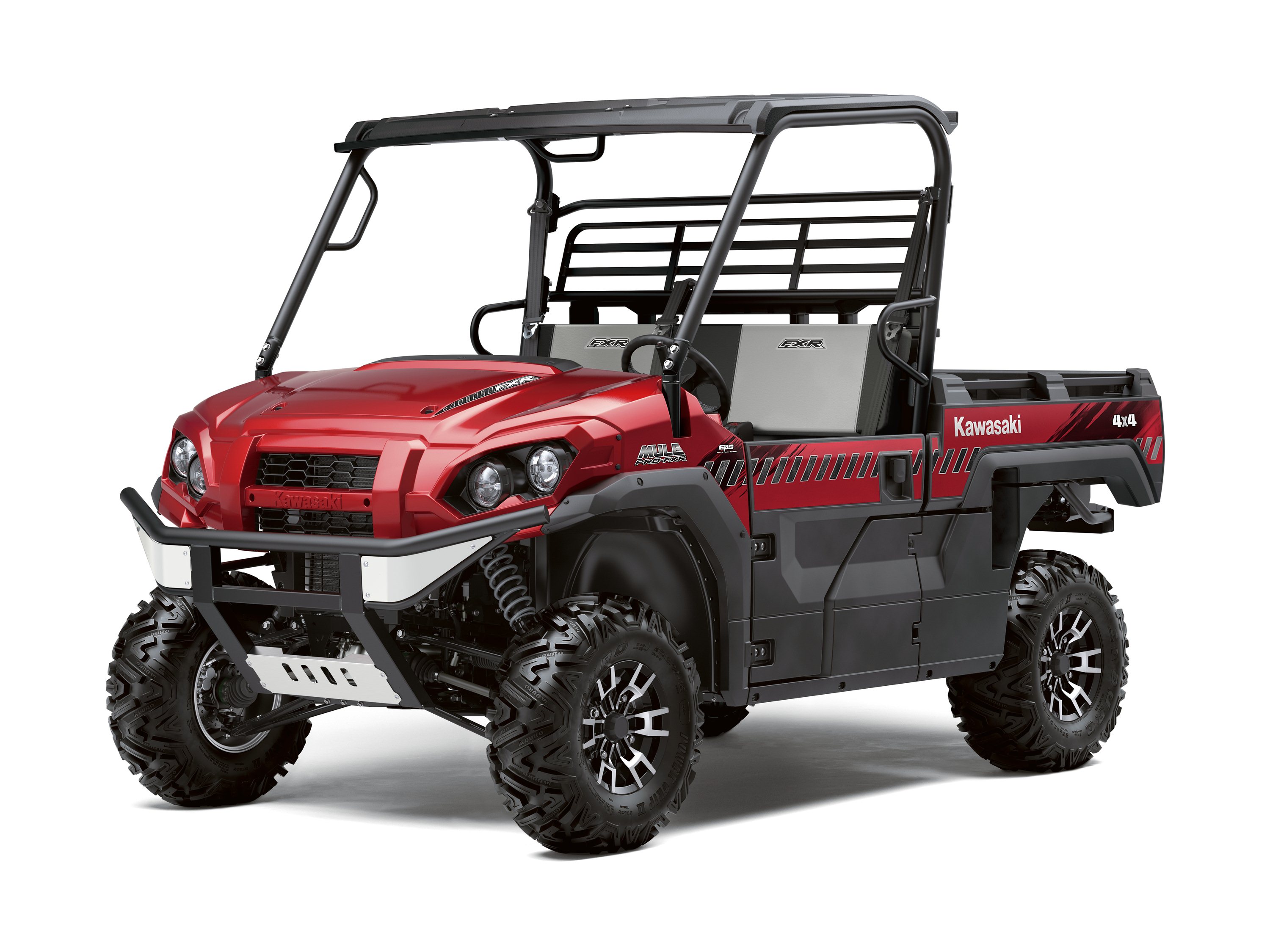
The Kawasaki MULE remains the work-focused foundation of the company’s side-by-side lineup. Current models range from compact MULE SX machines and traditional MULE 4000-series vehicles to the midsize MULE PRO-MX and full-size MULE PRO gasoline and diesel platforms.

Single-row models emphasize cargo-bed capacity, while Trans Cab-equipped machines can convert between additional passenger seating and a larger cargo area. The lineup includes simple property-maintenance vehicles, six-passenger machines, recreational utility models and diesel-powered UTVs intended for farms, commercial operations and fleet use.

Our complete Kawasaki MULE lineup guide compares the current families, engines, passenger capacities, cargo ratings and major differences. For a deeper look at the platform’s development, read the history of the Kawasaki MULE, from the original MULE 1000 through today’s compact, midsize, full-size and diesel models.

Kawasaki RIDGE and RIDGE CREW

The Kawasaki RIDGE family combines serious utility capability with a smoother, more automotive-inspired driving experience. Its naturally aspirated 999cc inline-four produces broad, usable power with less vibration than many large twin-cylinder UTV engines. Available fully enclosed cabs with heat and air conditioning make the RIDGE suitable for year-round work and recreation.

The family includes two-door RIDGE models and longer RIDGE CREW configurations, along with standard, XR, HVAC and specialty editions. Depending on the model, buyers can choose bench or bucket seating, 92- or 116-horsepower calibrations, premium cab equipment and factory-integrated Garmin displays.

Our Kawasaki RIDGE ride review examines the original platform after a full day of testing at West Virginia’s Hatfield-McCoy Trail System. The RIDGE CREW XR Limited HVAC review covers the comfort, handling and real-world performance of Kawasaki’s premium crew-cab model.

Kawasaki TERYX and TERYX4

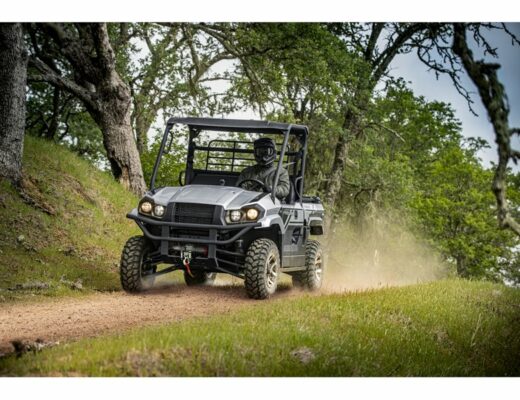
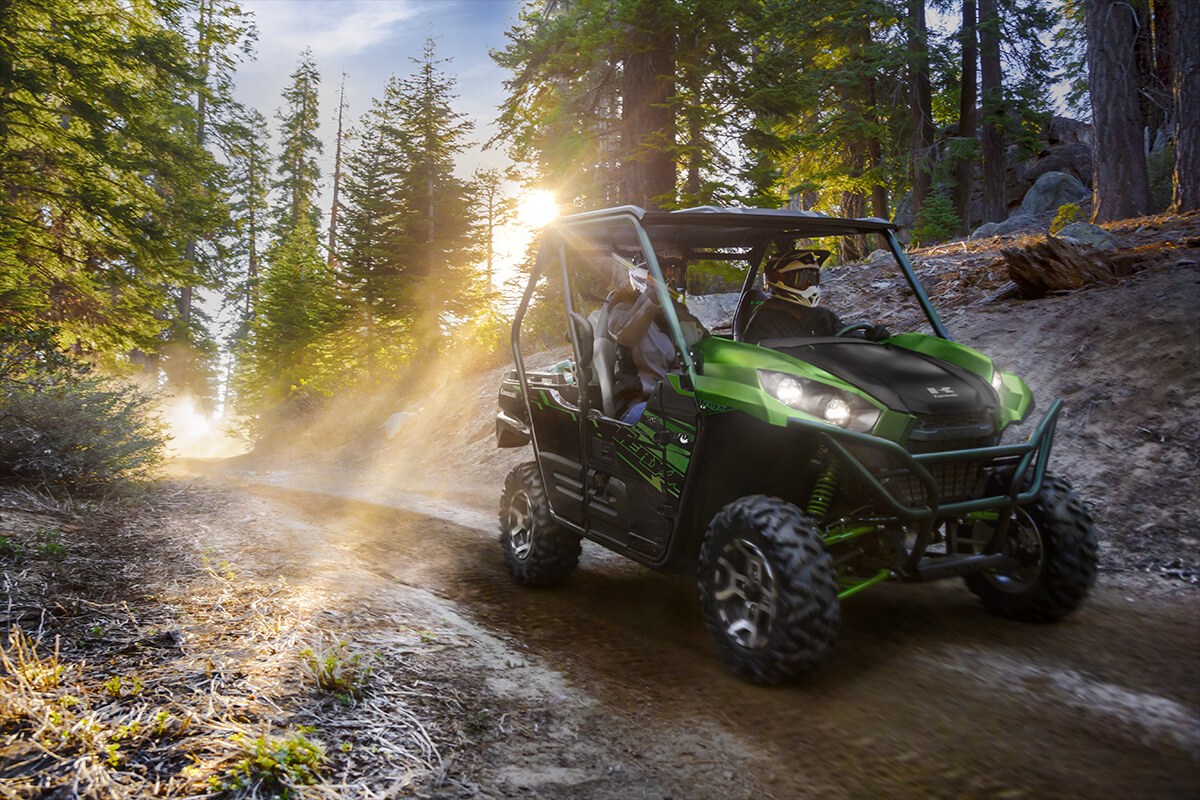
The traditional V-twin Kawasaki TERYX and TERYX4 remain compact recreational UTVs built for trail riding, hunting and backcountry exploration. The two-seat TERYX provides useful cargo capacity and storage behind the seats, while the TERYX4 carries four occupants without the length of many modern crew models.

Introduced for the 2008 model year, the original TERYX helped bridge the gap between work-oriented utility vehicles and the emerging recreational side-by-side category. Its compact dimensions, V-twin power and long-running chassis distinguish it from Kawasaki’s newer KRX and H2 sport platforms.

Explore the platform’s complete development in our history of the Kawasaki TERYX and TERYX4, including the important model updates that carried it from the original carbureted TERYX 750 to the modern fuel-injected 783cc machines.

Kawasaki TERYX KRX 1000 and KRX4 1000

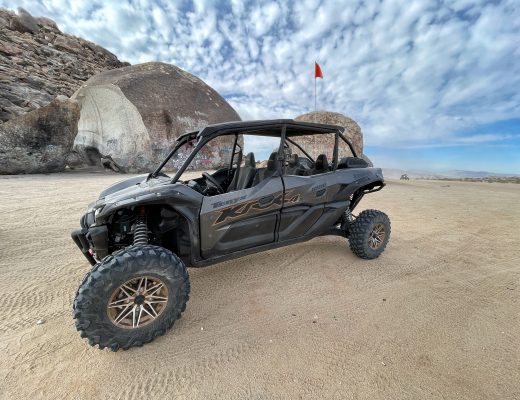
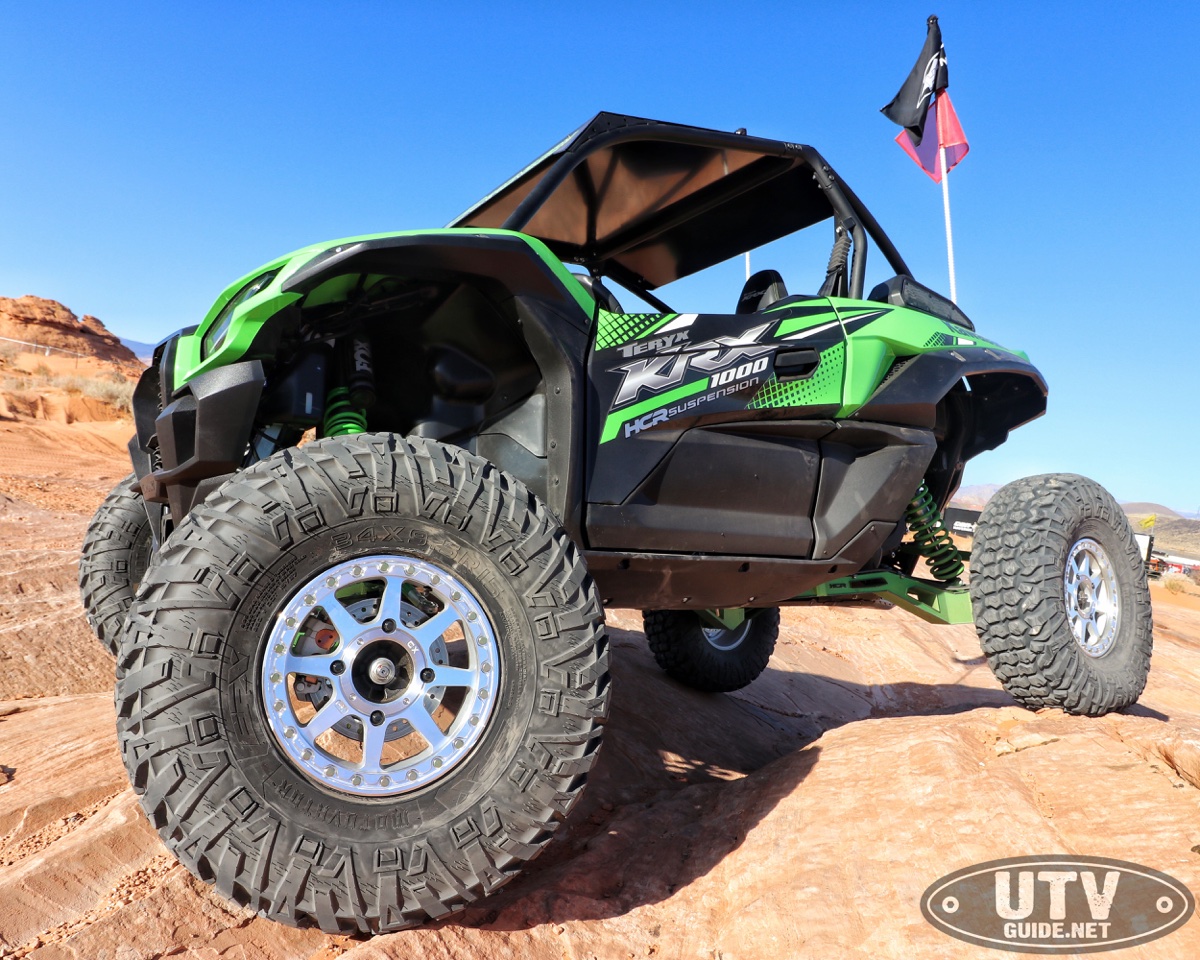
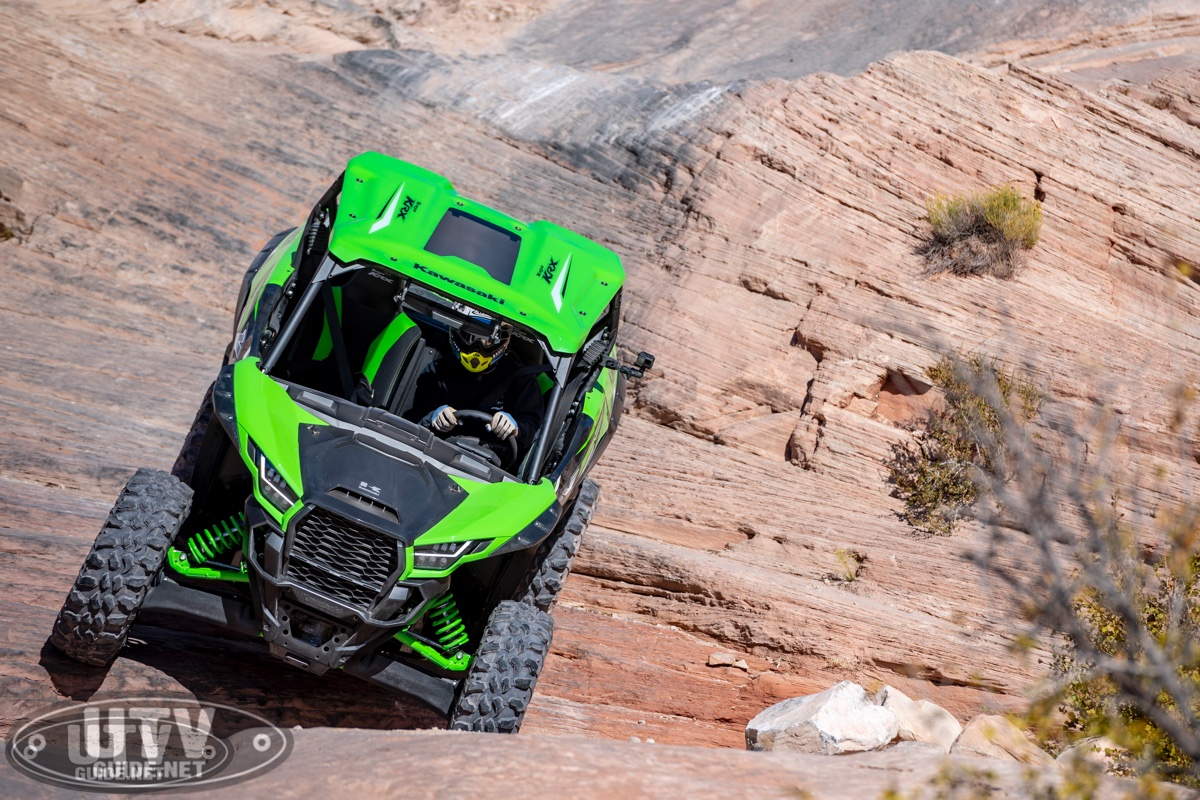
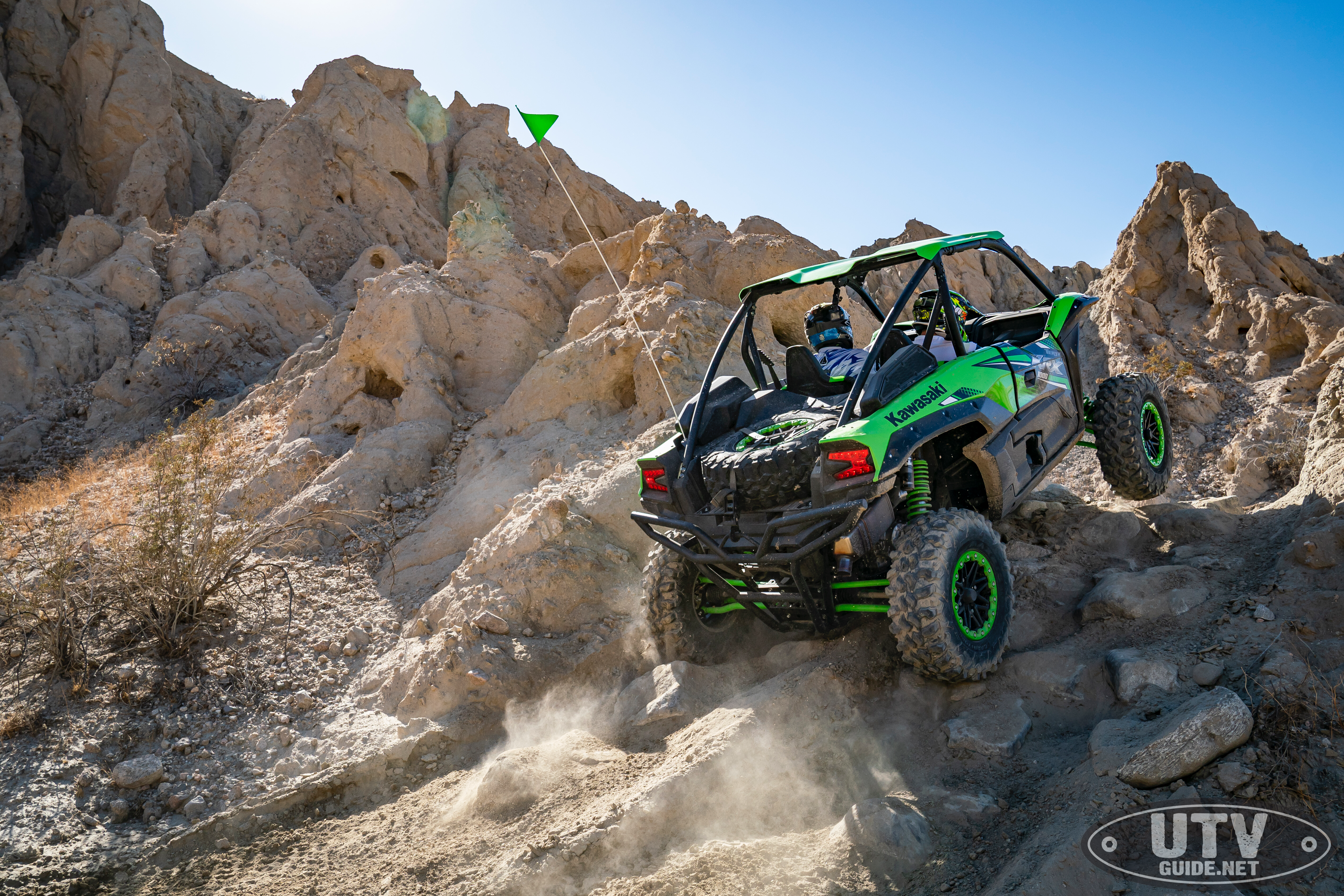
The TERYX KRX is Kawasaki’s naturally aspirated sport UTV platform. Its 999cc parallel-twin engine, centrifugal-clutch-equipped CVT, effective low-range gearing, strong chassis and substantial suspension travel make it particularly well suited to rock crawling and technical trails.

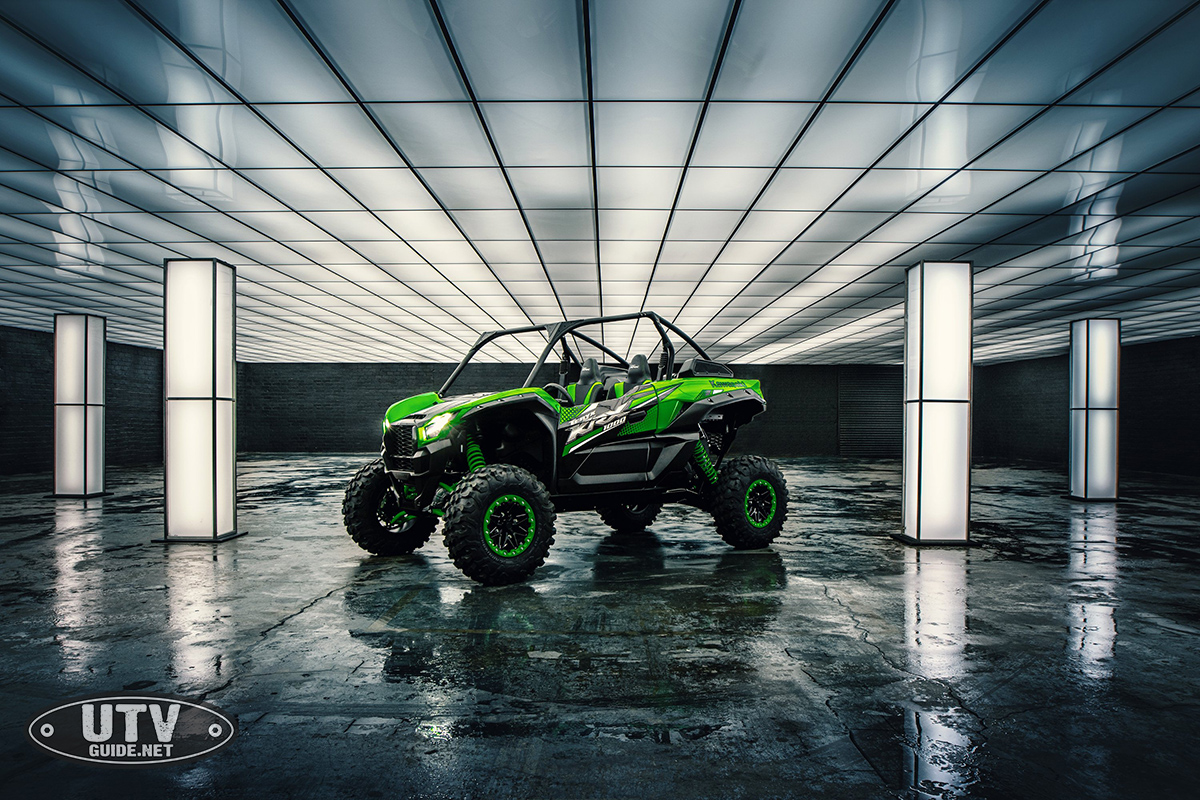
The family includes two- and four-seat models, electronically controlled suspension, factory-equipped specialty editions and the narrower TR versions developed for 64-inch trail systems. That gives KRX buyers a choice between traditional wide sport-UTV configurations and trail-width machines without abandoning the platform’s controlled power delivery and technical-terrain capability.

Read our Kawasaki TERYX KRX 1000 review for firsthand driving impressions, or use the KRX 1000 lineup guide to compare two-seat, four-seat, eS and specialty models.

UTVGuide.net has also used the KRX as a long-term rock-crawling project. See how portals, suspension components and 35-inch Maxxis Roxxzilla tires transformed the machine in our Kawasaki KRX 1000 Stage 2 build.

Supercharged Kawasaki TERYX H2

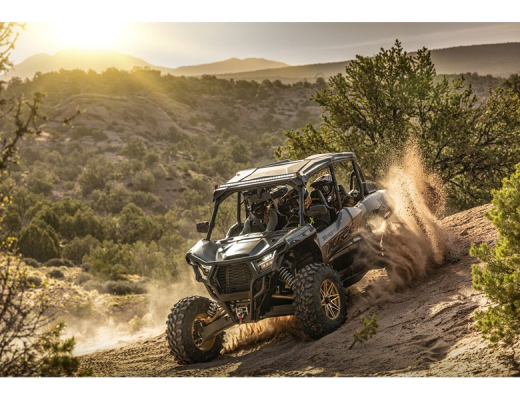
At the high-performance end of the lineup, the Kawasaki TERYX H2 uses a supercharged 999cc inline-four producing a claimed 250 horsepower. Its high-revving engine, wide chassis, long-travel suspension and immediate supercharged power give it a distinctly different mission from the naturally aspirated, technical-terrain-focused KRX.

The H2 family began with the four-passenger TERYX4 H2 and five-passenger TERYX5 H2 before expanding for 2027 with a shorter two-seat TERYX H2. Available equipment includes Kawasaki Electronic Control Suspension, an electronic sway bar, selectable power modes, Kawasaki Traction Control, Garmin navigation and integrated audio.

Our Kawasaki TERYX H2 first-drive review explains how the supercharged engine, suspension and longer multi-passenger chassis perform in open desert terrain.

Kawasaki NAV 4e Electric Vehicle

The Kawasaki NAV 4e is an adjacent part of Kawasaki’s four-wheel vehicle lineup, but it is not a conventional off-road UTV. It is a low-speed neighborhood electric vehicle intended for communities, resorts, campuses and short local trips rather than demanding trails or utility work.

The NAV 4e was Kawasaki’s first electric four-wheeled vehicle. Standard and LE configurations use different battery technologies and equipment packages, giving the vehicle a distinct purpose from the gasoline-powered MULE, RIDGE and TERYX families.

Kawasaki Side-by-Side Manufacturing in Nebraska

Kawasaki has a long connection to American side-by-side manufacturing. Many MULE, RIDGE and TERYX models are assembled using foreign and domestic components at Kawasaki’s facility in Lincoln, Nebraska.

Go inside the operation in our feature on how Kawasaki side-by-sides are built in Nebraska, where thousands of employees transform raw materials and components into finished off-road vehicles.

Browse the latest stories below for Kawasaki UTV news, model announcements, recalls, firsthand reviews, specifications, project vehicles, racing coverage and new-product information. You can also explore our complete UTV Models section to compare Kawasaki with other side-by-side manufacturers.

2026 KAWASAKI TERYX4 H2

2026 Kawasaki Teryx H2 Recall: Clutch Failure Risk

Kawasaki has recalled approximately 3,585 model-year 2026 Teryx4 H2 and Teryx5 H2 side-by-sides because the drive converter sheave can break and discharge metal fragments. Owners should stop using affected vehicles until a Kawasaki dealer completes the free repair.

Read More »