By Jon Crowley
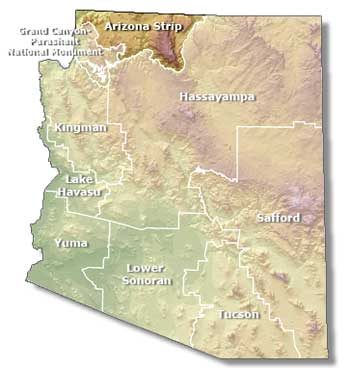
In 2012, I joined Wally Wallace of WallyWorld Adventures for a three-day UTV ride from Mesquite, Nevada, across the Arizona Strip to Bar 10 Ranch and the remote Toroweap Overlook on the north side of the Grand Canyon.
Our group included a collection of Polaris RZR XP 900s and Polaris Ranger XP 900s. Along for the ride were Bill Schueler and Blake Van de Loo from Jagged X Racing, Joey DiGiovanni from UTVUnderground.com, and Josh, Eddie and Caleb from Mad Media.
The route offered just about everything: fast rally-style roads, winding trails through the pines and challenging slickrock. More importantly, this trip unexpectedly helped shape my plans for the following year.
I brought the Polaris RZR XP 900 that Blake and I would race a few months later at the 2013 King of the Hammers. While having a few cocktails at Bar 10 Ranch, we hatched the plan to team up with Jagged X Racing for the event.
Related: 2013 King of the Hammers UTV Race: A 16-Second Finish
Grand Canyon-Parashant National Monument
Grand Canyon-Parashant National Monument encompasses roughly one million remote acres along the northwestern edge of the Grand Canyon. The National Park Service and Bureau of Land Management jointly manage the monument.
There are no paved roads within the monument. Its terrain stretches from low-elevation Mojave Desert vegetation to pinyon-juniper woodlands, grasslands, red-rock desert and forests at elevations approaching 8,000 feet.
The isolation is a major part of the experience, but it also demands preparation. Roads may be rough, rocky, poorly marked or absent from common navigation systems. A current Arizona Strip map and offline navigation are essential.
For another look at riding in this region, see our North Rim of the Grand Canyon ride guide.
Day One: Mesquite to Bar 10 Ranch
We left Mesquite and headed southeast into the Arizona Strip. The first day combined fast open roads with forest sections and more technical stretches of slickrock as we worked our way toward Bar 10 Ranch.


Mount Trumbull Schoolhouse

Settlers began arriving in this remote region around 1917 with plans to establish farms and cattle ranches. Each homesteader received 640 acres, but the dry climate and shortage of reliable well water made farming difficult. Mount Trumbull and the surrounding area reached a peak population of approximately 200 to 250 residents during the 1930s.
The original Mount Trumbull Schoolhouse was completed in 1922 and served the community for decades. After the historic building was destroyed by fire, volunteers constructed a replica on the original site.
The schoolhouse is near the junction of Mohave County Road 5 and BLM roads 1018 and 1045.
Mount Trumbull Schoolhouse coordinates: 36°24′42.58″N, 113°19′32.81″W
Bar 10 Ranch
Bar 10 Ranch is a working cattle ranch near the north rim of the Grand Canyon in Grand Canyon-Parashant National Monument. It provides lodging, country-style meals and access to a broad network of remote backcountry roads.
For our group, it also provided a welcome overnight stop after the long ride from Mesquite. Fuel and other services in this part of Arizona are extremely limited. Anyone planning to use the ranch as a destination or fuel stop should contact it well in advance and confirm current availability.
Bar 10 Ranch coordinates: 36°16′44.80″N, 113°13′57.32″W
Day Two: Bar 10 Ranch to Toroweap Overlook
Our destination on the second day was Toroweap Overlook in the Tuweep area of Grand Canyon National Park. This is one of the Grand Canyon’s most dramatic viewpoints—and one of its most difficult developed overlooks to reach.

Toroweap sits approximately 3,000 vertical feet above the Colorado River. The canyon is less than a mile wide here, creating a much more immediate view of the inner gorge than visitors find at many of the better-known Grand Canyon overlooks.
The viewpoint retains a primitive character. There are no guardrails along the cliff edge, and visitors need to watch their footing. The surrounding biological soil crust is also fragile, so travel should remain on established roads, parking areas, trails and exposed rock.
Toroweap Overlook coordinates: 36°12′53.00″N, 113°03′25.00″W
Tuweep Campground coordinates: 36°13′30.62″N, 113°03′37.65″W


Day Three: Bar 10 Ranch to Mesquite
The weather changed for our return trip. It rained nearly the entire way from Bar 10 Ranch back to Mesquite, making me especially thankful that I had packed a good rain suit.
Rain is more than an inconvenience on the Arizona Strip. Roads that are manageable when dry can quickly become muddy, slick and impassable. Turning around or delaying the trip is often the safest decision when roads are wet.


Important Current Tuweep Access Requirements
This trip took place in 2012. Access and camping requirements have changed substantially since then. Always verify current regulations before attempting this route.
The National Park Service currently requires visitors entering Tuweep to carry all of the following:
- An advance day-use permit or backcountry permit
- A valid park pass
- Photo identification
- A highway license plate
- Vehicle insurance
Permits and passes are not available at Tuweep and must be obtained before the trip. Groups are currently limited to no more than four vehicles and 11 people. Vehicles may not exceed 22 feet in total length, and the National Park Service prohibits driving on muddy roads.
These requirements mean that many UTVs will not qualify for the final approach to Toroweap, even if they are legal on surrounding Arizona Strip roads. Confirm that your particular vehicle, registration and insurance meet National Park Service requirements before planning the trip.
Tuweep has no fuel, water, food, lodging, Wi-Fi or reliable cell service. Carry enough fuel and drinking water for the entire trip, along with spare tires or plugs, an inflation system, tools, recovery equipment, emergency supplies and offline maps.
For the latest permit, vehicle and camping rules, visit the National Park Service Tuweep information page.
Arizona Strip Travel Considerations
- Do not rely entirely on mobile-phone navigation or cellular service.
- Carry a current Arizona Strip Visitor Map and download maps for offline use.
- Stay on existing designated roads and trails.
- Avoid driving when roads are wet or muddy.
- Tell someone your route and expected return time.
- Carry significantly more fuel and water than you expect to need.
- Bring multiple tire-repair options and a way to reinflate tires.
- Check current fire restrictions, road closures and camping regulations.
- Do not assume that help or towing will be readily available.