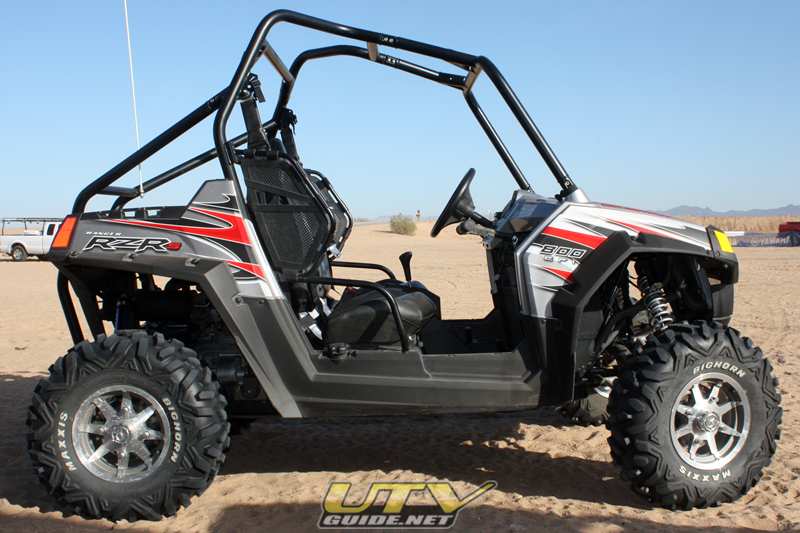
Originally published in 2009. This review covers a legacy suspension upgrade for the original Polaris RZR S 800. Product availability may have changed, but the installation experience, suspension-adjustment principles and firsthand Glamis test remain useful for owners maintaining or upgrading these machines.
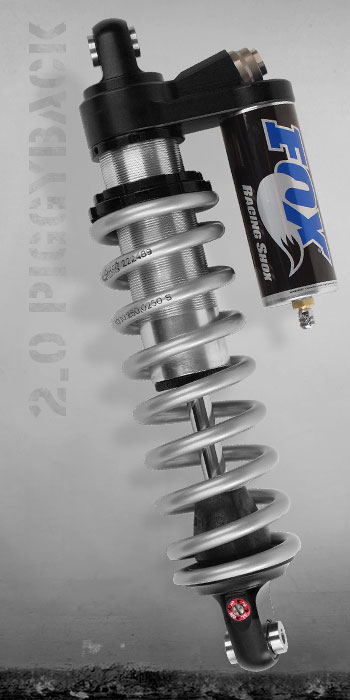
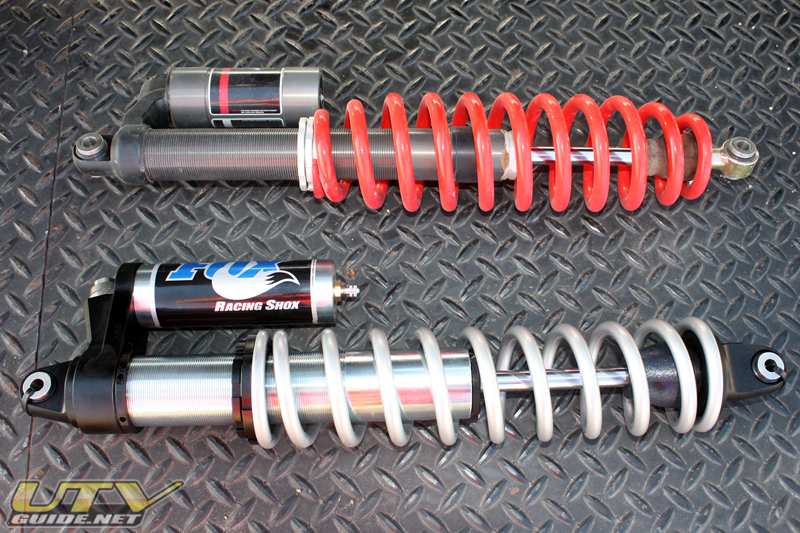
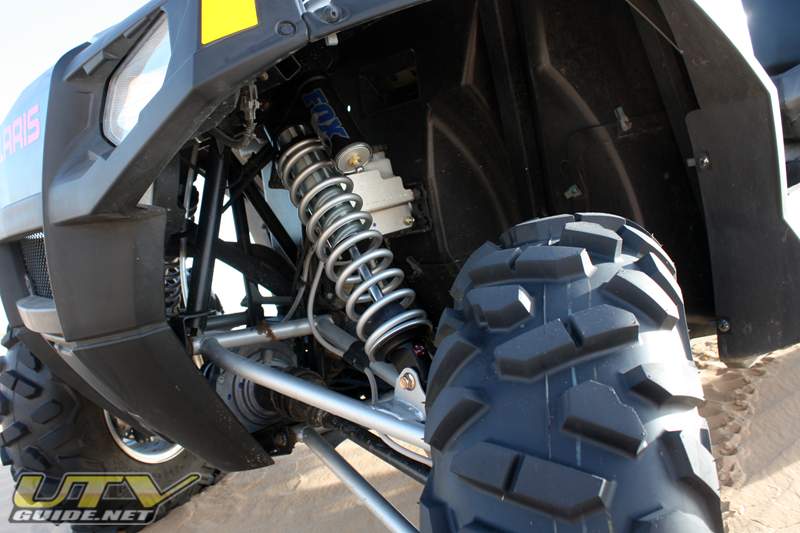
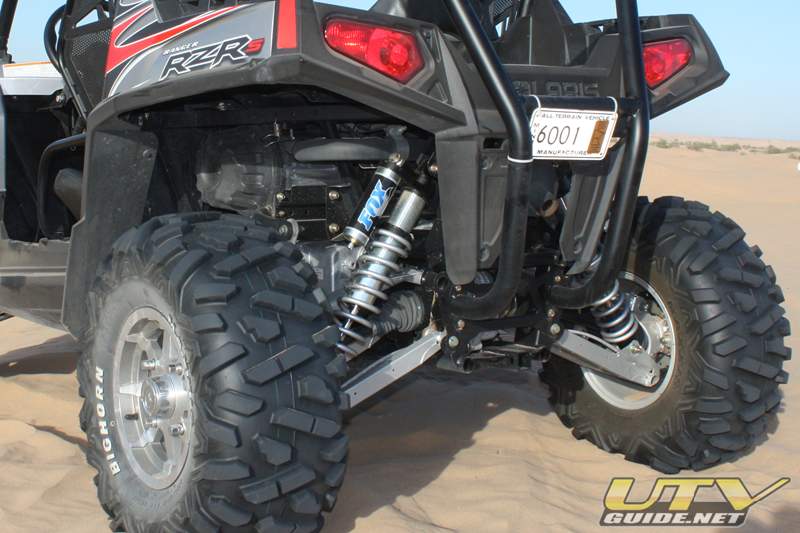
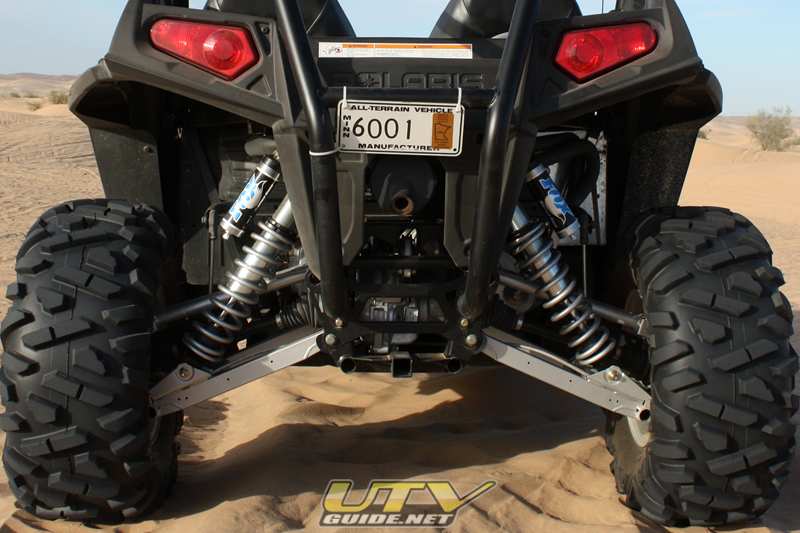
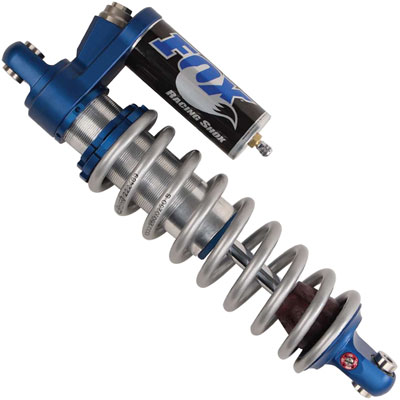
The original Polaris RZR S 800 was a major step forward for sport side-by-sides, but aggressive drivers could still reach the limits of its stock suspension. We replaced the factory FOX Podium shocks with FOX 2.0 Coil-Over Piggyback RC2 shocks to gain more damping capacity and independent adjustment of high-speed compression, low-speed compression and rebound.
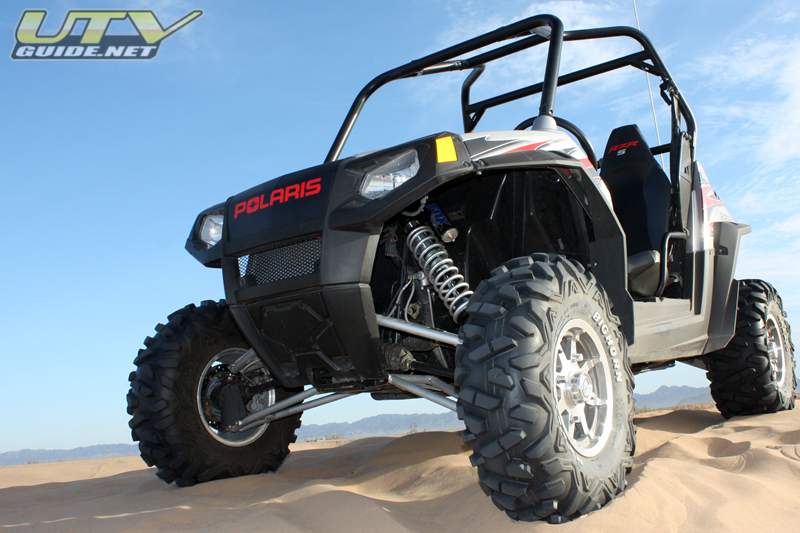
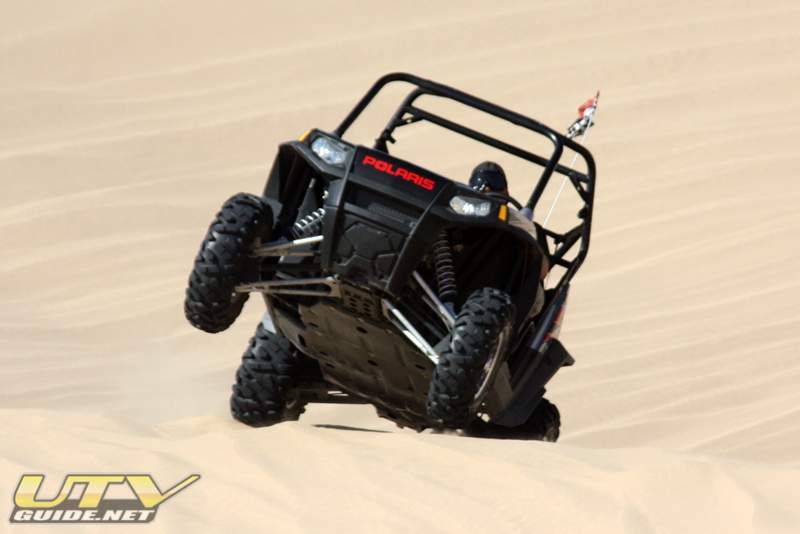
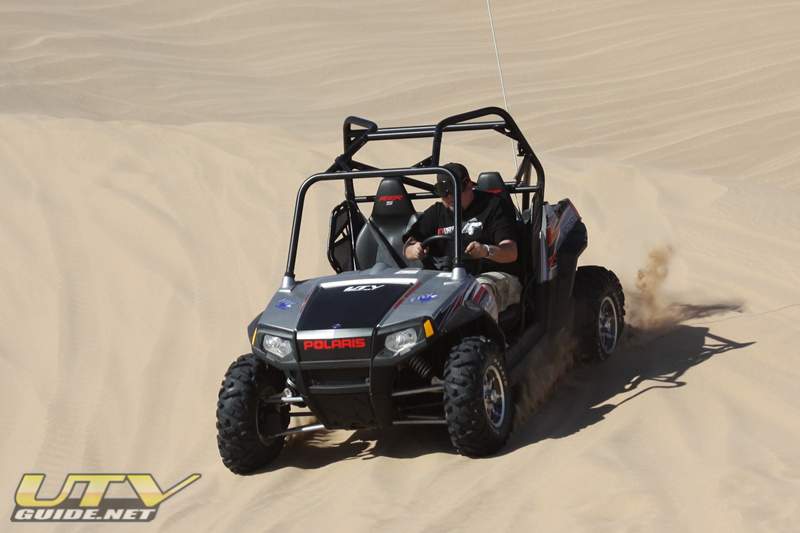
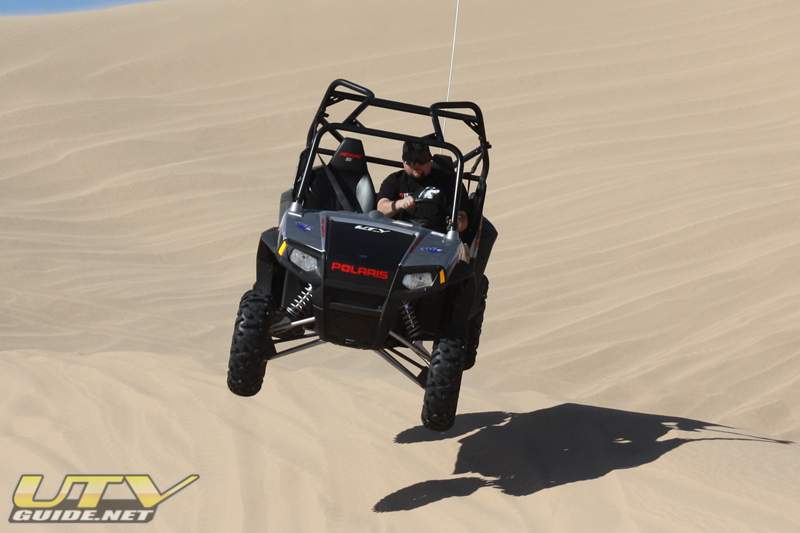
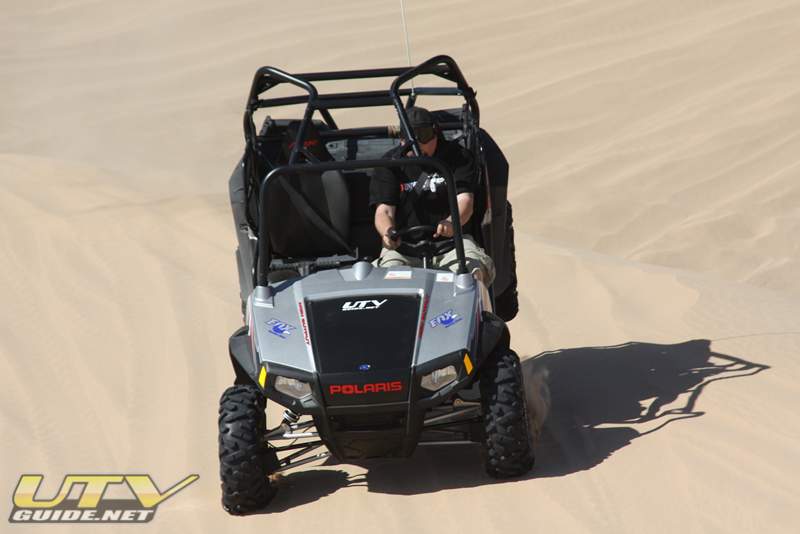
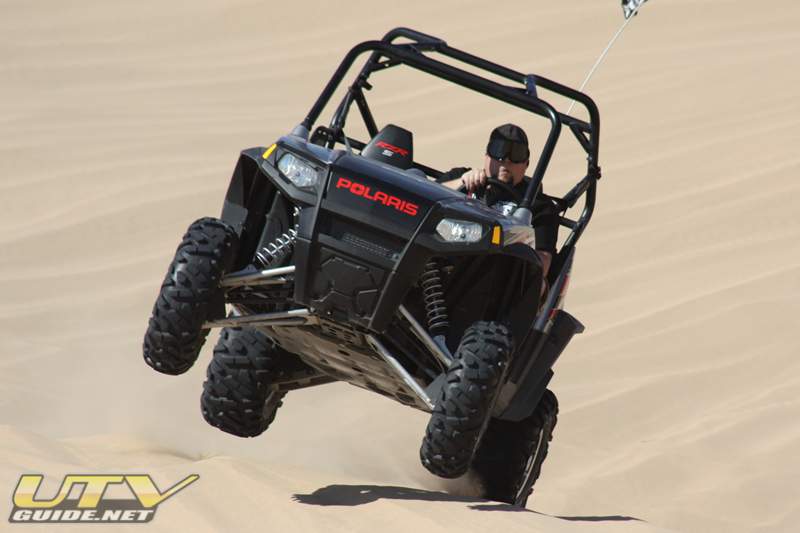
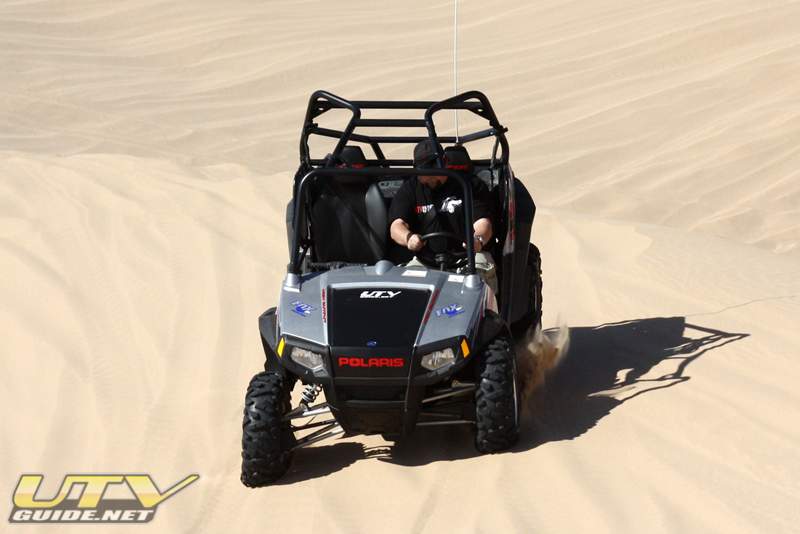
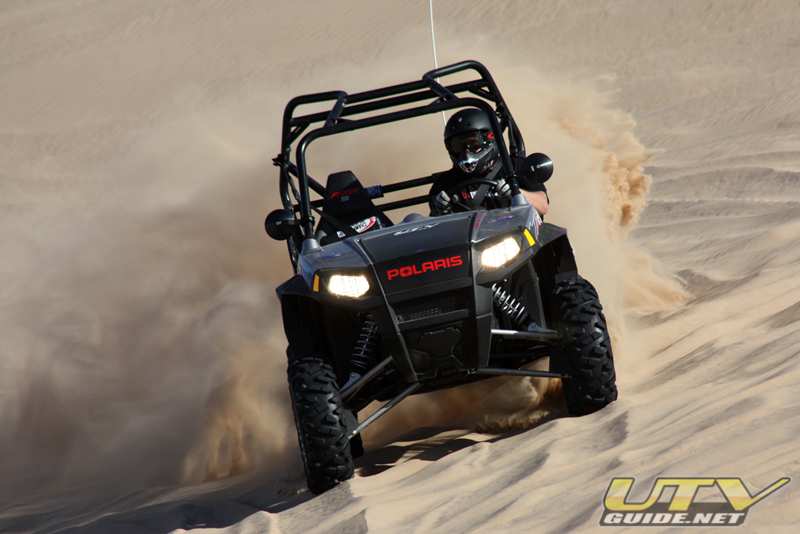
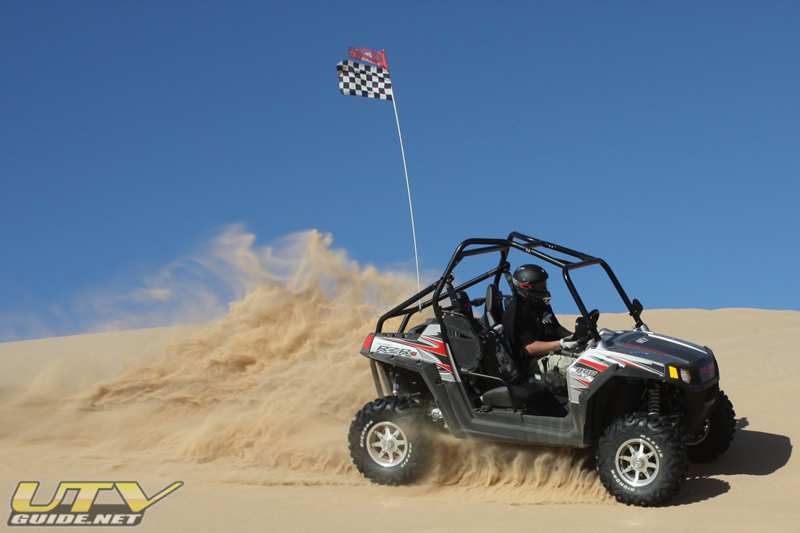
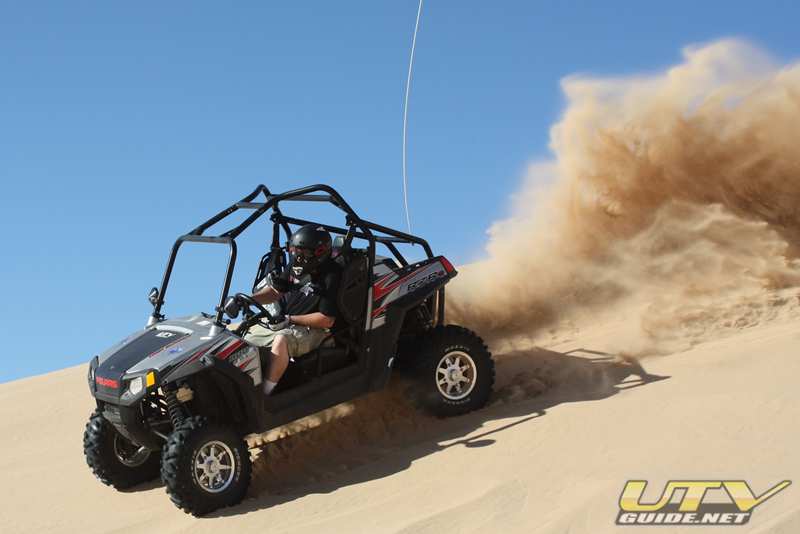
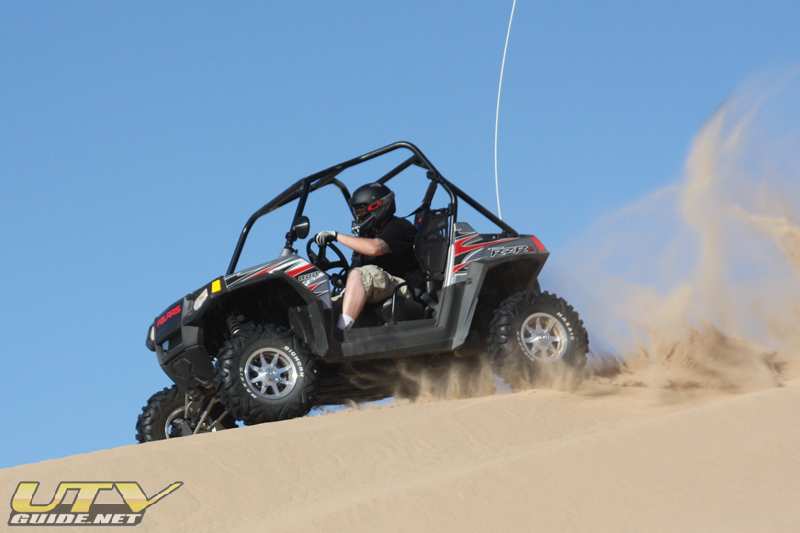
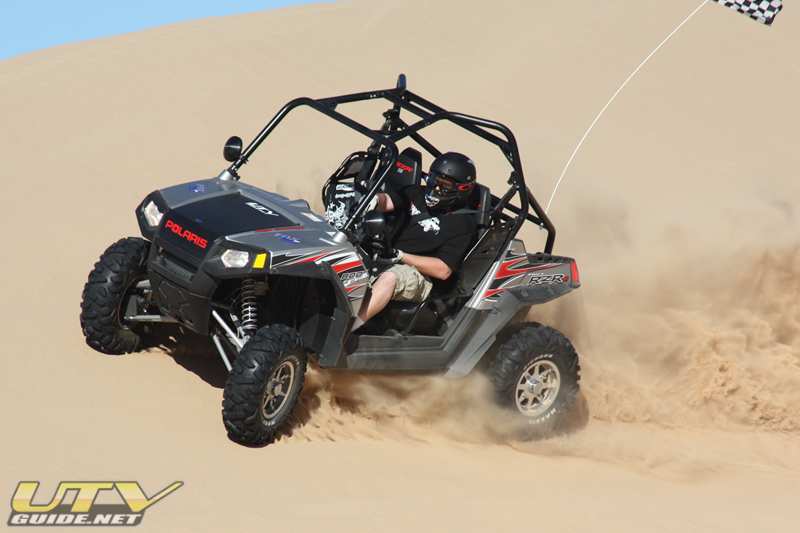
After installing the shocks, we put approximately 100 miles on the RZR S in the dunes at Glamis. The testing included small chop, transitions, g-outs, drop-offs and uneven jump landings.
FOX 2.0 Piggyback RC2 Overview

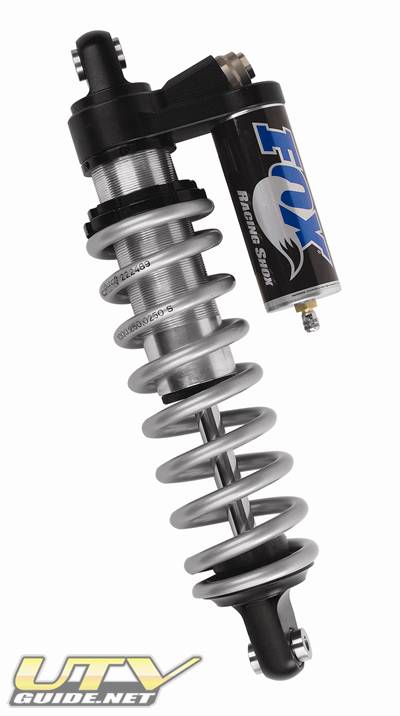
The FOX 2.0 RC2 was designed to provide consistent, fade-resistant damping for demanding UTV use. Its larger shock body and piggyback reservoir increased oil capacity and helped control heat during extended operation in rough terrain.
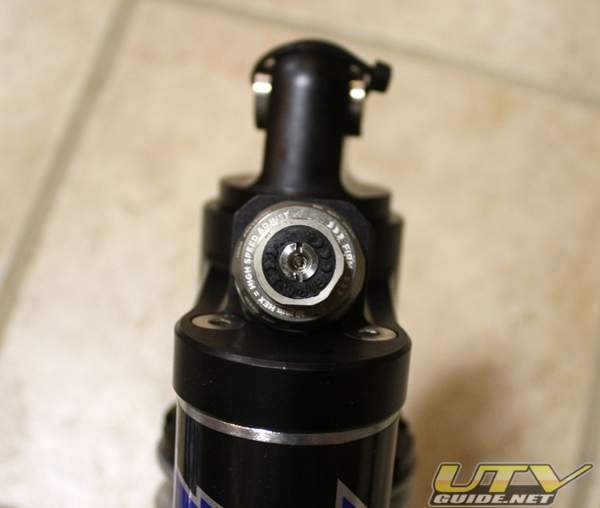
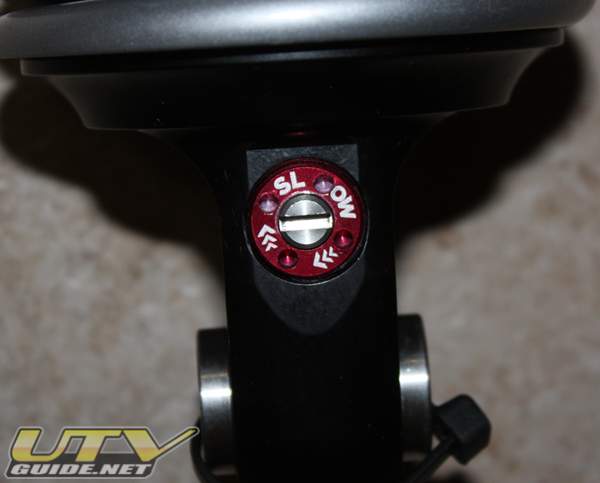
Most important, the RC2 gave the driver separate control over low-speed compression, high-speed compression and rebound. That made it possible to tune the same RZR S for very different conditions, from the dunes at Glamis to rough desert terrain around Ocotillo Wells.
Original FOX RC2 Features
- 2.0-inch cad-plated shock body
- 5/8-inch hard-chromed shaft
- High-flow aluminum piston
- Bottom-out bumper
- 2.5-inch-ID lightweight race spring
- Piggyback reservoir
Available Adjustments
- High-speed compression adjustment
- Low-speed compression adjustment
- Rebound adjustment
- 360-degree rotatable piggyback reservoir
Each damping circuit offered 24 adjustment positions, providing substantially more tuning range than the stock RZR S shocks.
Installing the FOX RC2 Shocks


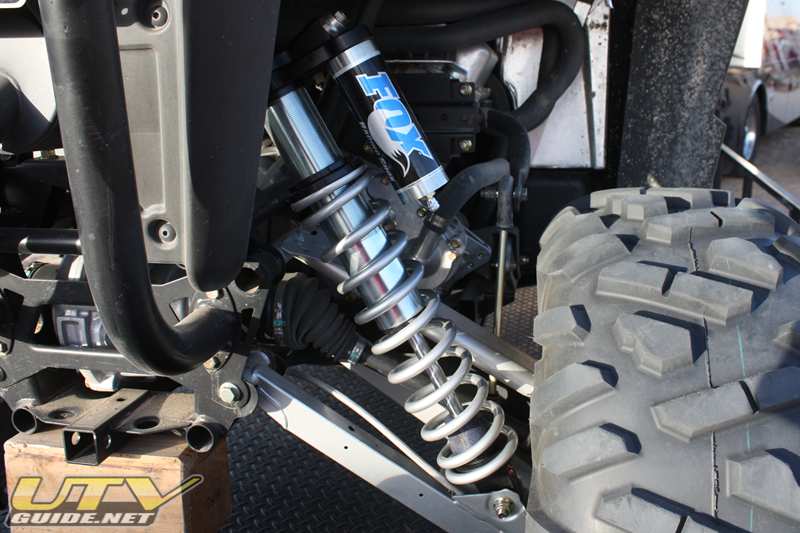
Installation was straightforward. We needed a jack, a 15mm socket and wrench, and approximately 45 minutes. The shocks bolted directly into the stock mounting points without fabrication or modification.
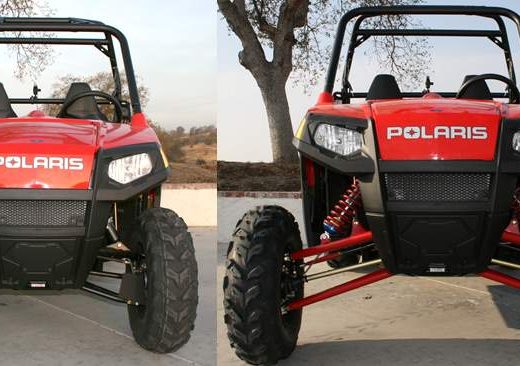
The standard FOX setup raised the RZR S approximately one inch compared with its previous ride height. Owners should measure ride height before and after installation and confirm that spring preload and crossover settings are appropriate for the vehicle’s weight and intended terrain.


For more background on the product as it was introduced, see our original FOX 2.0 Coil-Over Piggyback RC2 announcement.
Understanding the Three Adjustments

Low-Speed Compression
Low-speed compression damping primarily affects suspension response when the shock shaft is moving relatively slowly. It influences chassis movements such as body roll in corners, front-end dive under braking and rear squat under acceleration.
It can also affect how the vehicle responds during smoother jump landings and gradual g-outs. The goal is to use enough low-speed compression to maintain body control without making the ride harsh or reducing traction.
High-Speed Compression
High-speed compression damping affects faster shock-shaft movements caused by square-edged bumps, abrupt g-outs, steep jump faces, hard landings and aggressive whoops.
We generally prefer to use only as much high-speed compression damping as necessary to prevent frequent or severe bottoming. Excessive high-speed compression can make the suspension deflect instead of absorbing sharp impacts.
Rebound

Rebound damping controls how quickly the suspension extends after being compressed. Too little rebound damping can make the vehicle feel bouncy or unsettled. Too much can prevent the suspension from returning quickly enough between repeated bumps, causing it to pack down into its travel.
When making adjustments, change only one circuit at a time and record the number of clicks from fully closed. Small changes followed by testing on the same section of terrain make it much easier to understand what each adjustment is doing.
For a broader explanation of how damping and spring changes affect a UTV, see UTV Springs vs. Valving: What Each Suspension Upgrade Actually Does.
FOX RC2 Ride Review at Glamis
Joey DiGiovanni from UTVUnderground and I put approximately 100 miles on the RZR S with the new shocks in Glamis. The FOX RC2 shocks did an excellent job controlling the vehicle through uneven landings, dune chop, g-outs and sudden drop-offs.


Ride quality through the smaller chop was smoother than stock, while the additional damping capacity improved control through larger impacts. I was more confident approaching g-outs and sudden transitions because the suspension resisted bottoming and recovered more predictably.
The shocks also performed well during repeated dune use, where heat buildup can expose the limitations of smaller shock bodies and lower oil capacity.
Additional Glamis Testing


FOX 2.0 RC2 Review Verdict

The FOX 2.0 Piggyback RC2 shocks were a substantial upgrade over the original RZR S shocks for aggressive recreational driving. Fit and finish were excellent, installation was simple, and the additional damping capacity improved control through chop, g-outs and uneven landings.
The greatest advantage was adjustability. Independent high-speed compression, low-speed compression and rebound controls allowed us to tune the shocks for different terrain instead of accepting one compromise setting.
For an aggressive RZR S 800 owner who regularly reached the limits of the stock shocks, the FOX RC2 offered greater capacity, more precise tuning and better confidence in rough terrain. Because this is now a legacy application, owners should confirm current availability, shock length, spring rates and mounting compatibility before buying used or old-stock components.
FOX Position-Sensitive Shock Option

FOX also introduced 2.0 position-sensitive shocks in 6.5-, 8.5- and 10-inch lengths. At the time, the 6.5-inch version was suited to certain rear Polaris RZR S applications. These were separate products from the RC2 shocks reviewed here, so fitment and specifications should be verified carefully.
More Polaris RZR S Information
- Polaris RZR S 800 history, specifications and model-year changes
- Polaris RZR long-travel suspension guide
- Polaris RZR long-travel suspension review
- UTV springs vs. shock valving
FOX Contact Information

FOX Factory
Website: ridefox.com
This is a historical product review. Current parts, specifications, fitment and contact information may differ from what was available when the test was conducted.