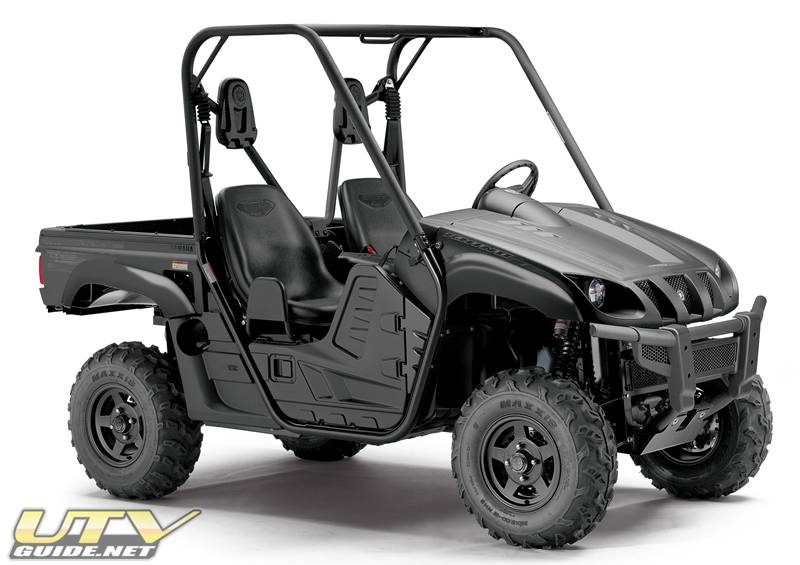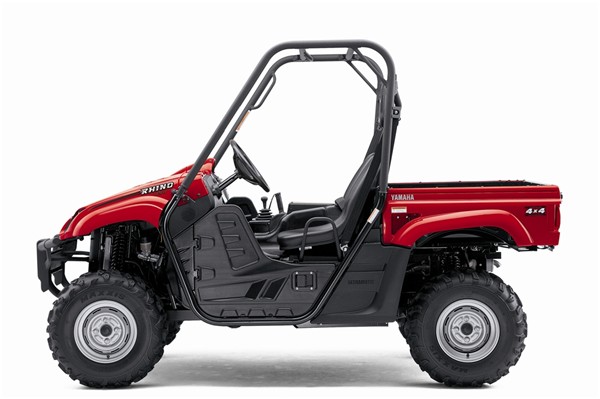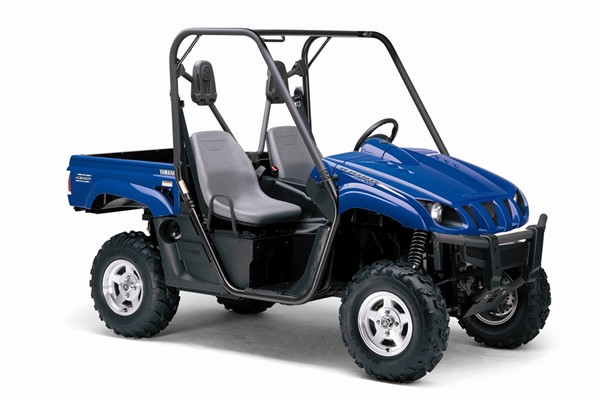
Introduced for the 2008 model year, the Yamaha Rhino 700 EFI replaced the carbureted Rhino 660 as Yamaha’s flagship recreational-utility side-by-side. The new model retained the Rhino’s compact dimensions, durable Ultramatic transmission and selectable four-wheel-drive system while adding a larger 686cc engine, electronic fuel injection, four-wheel disc brakes and numerous durability improvements.
The Rhino 700 was never intended to be the fastest side-by-side. Its appeal came from combining manageable trail dimensions with a dumping cargo bed, useful towing capacity and predictable off-road performance. That balance helped make it equally useful for trail riding, hunting, property maintenance and highly modified custom builds.
Editor’s Note: Introduced for the 2004 model year, the Yamaha Rhino 660 helped establish the recreational side-by-side category. For the complete story of its influence on Glamis, the aftermarket and the modern UTV industry, read our history of the Yamaha Rhino.
Yamaha Rhino 700 EFI at a Glance
| Model years | 2008–2013 |
|---|---|
| Engine | 686cc liquid-cooled single-cylinder four-stroke |
| Fuel system | Yamaha Fuel Injection |
| Transmission | Ultramatic CVT with High, Low, Neutral and Reverse |
| Drive system | On-Command 2WD, 4WD and locked 4WD |
| Width | 54.4 inches |
| Ground clearance | 12.1 inches |
| Suspension travel | 7.3 inches front and rear |
| Cargo-bed capacity | 400 pounds |
| Towing capacity | 1,212 pounds |
What Changed With the 2008 Yamaha Rhino 700?
The move from the Rhino 660 to the Rhino 700 involved considerably more than a small increase in displacement. Yamaha introduced a new 686cc engine with a four-valve cylinder head, forged piston and 9.2:1 compression ratio. Electronic fuel injection replaced the Rhino 660’s carburetor, providing easier cold starts and more consistent operation as temperature and elevation changed.
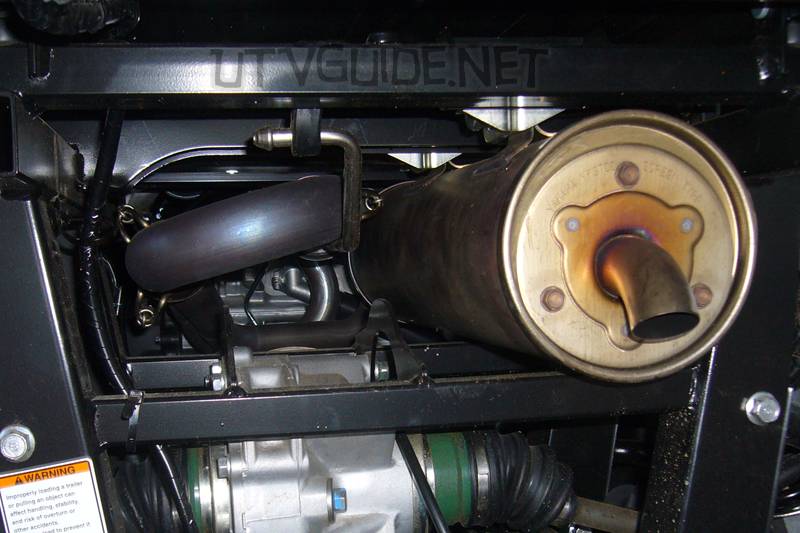
Yamaha also addressed several areas beyond the engine. The Rhino 700 received four-wheel hydraulic disc brakes, stronger axles and CV joints, an updated front differential, a larger radiator and cooling fan, and a redesigned CVT intake. A stainless-steel exhaust system with spherical joints provided improved support compared with earlier Rhino exhaust designs.
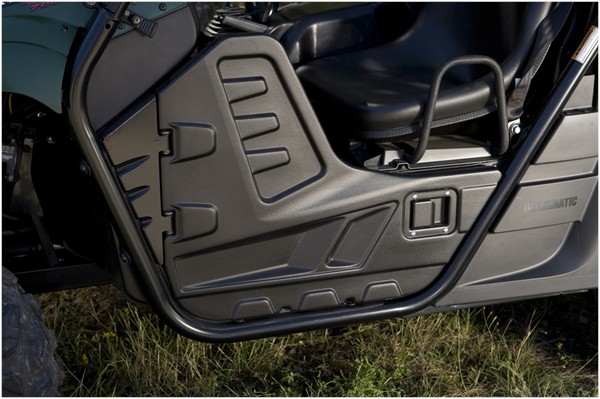
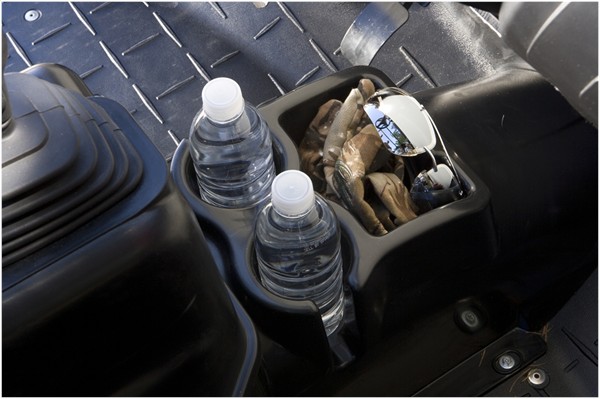
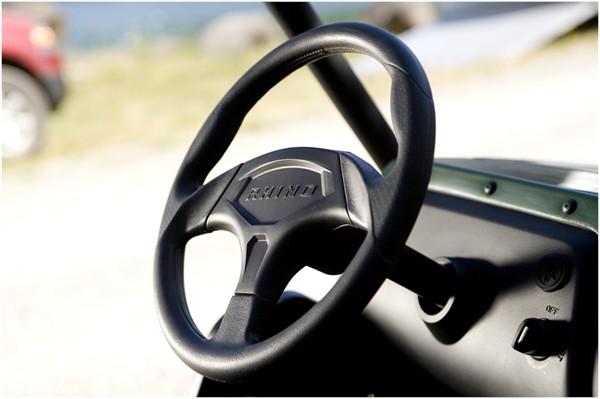
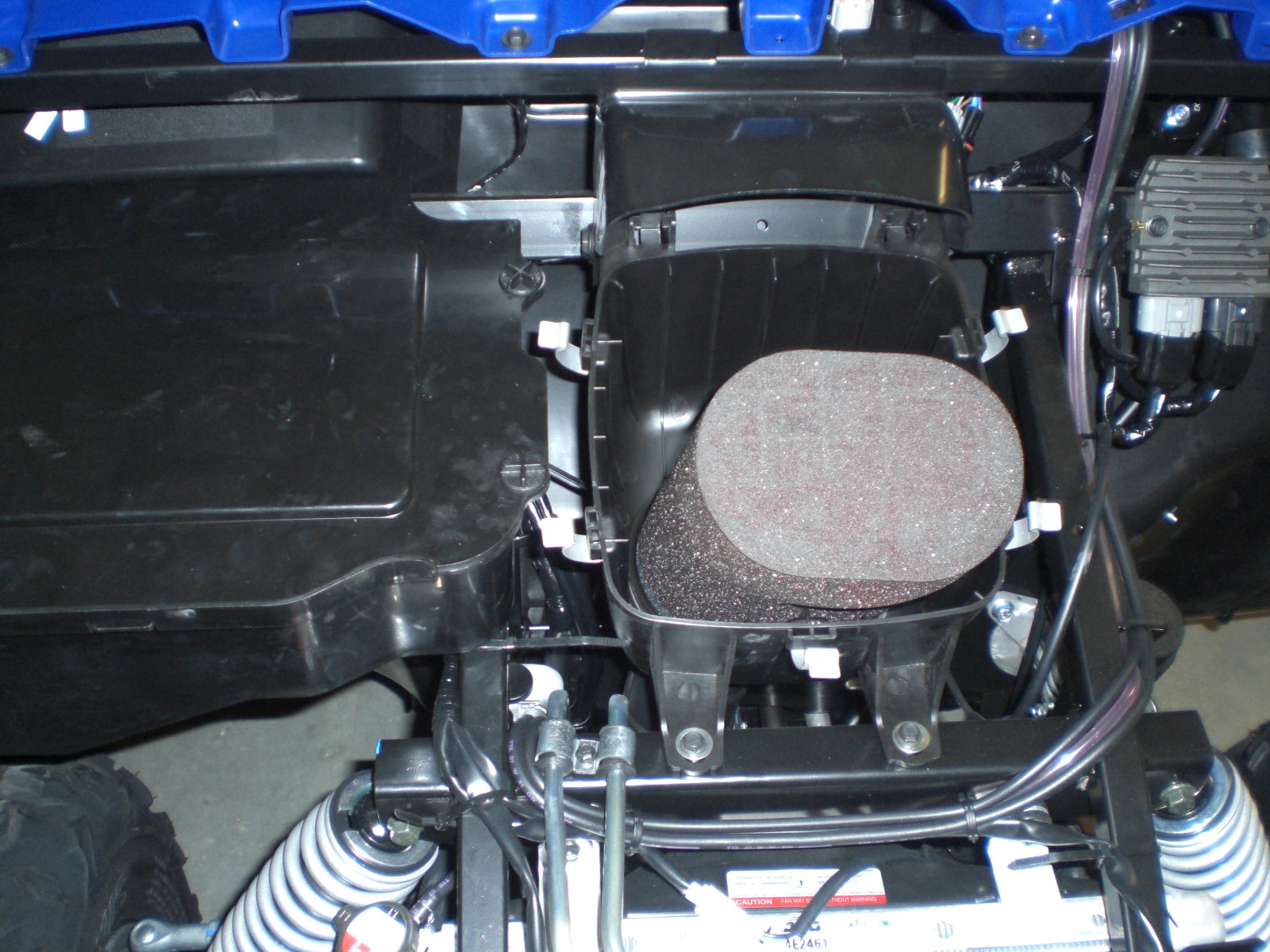
Occupant convenience improved as well. Rotomolded doors became standard equipment, while Yamaha added a redesigned steering wheel, passenger grab handles, two cup holders and a more convenient parking-brake arrangement. An underhood air filter could be accessed without tools, making routine service easier.
686cc Engine and Electronic Fuel Injection
The Rhino 700 is powered by a 686cc liquid-cooled, single-cylinder four-stroke engine. Its 102mm bore, 84mm stroke and four-valve SOHC cylinder head were designed to deliver usable low- and midrange power rather than the high horsepower associated with later sport UTVs.
Yamaha Fuel Injection was one of the Rhino 700’s most important upgrades. EFI reduced the need for carburetor adjustments and helped the engine maintain more consistent performance when riders moved between different elevations. That made the Rhino especially well suited to mountain trails, hunting trips and other rides involving substantial elevation changes.
Owners should still view the Rhino 700 as a recreational-utility UTV rather than a modern high-performance machine. Its strength is predictable power that is easy to manage on tight trails and while working at low speeds.
Ultramatic Transmission and On-Command 4WD
The 686cc engine is paired with Yamaha’s Ultramatic continuously variable transmission. The system provides High, Low, Neutral and Reverse ranges, allowing the driver to select Low range for steep terrain, heavy loads and slow-speed work.
Yamaha’s On-Command drive system gives the driver direct control over the drivetrain. A dashboard control allows selection between 2WD, 4WD and 4WD with the front differential locked. That differs from automatic systems that decide when to engage the front wheels, and it allows the driver to select the appropriate mode before encountering mud, rocks or a difficult climb.
The Ultramatic transmission became one of the Rhino’s defining features. Owners servicing or modifying the drivetrain can find more information in our Yamaha Rhino CVT belt guide.
Suspension, Brakes and Compact Dimensions
The Rhino 700 uses independent double-wishbone suspension at all four corners with five-way spring-preload adjustment. Front and rear suspension travel measure 7.3 inches, while ground clearance is listed at 12.1 inches.
Those numbers are modest compared with today’s recreational side-by-sides, but the Rhino’s compact size remains one of its advantages. At 54.4 inches wide with a 75.2-inch wheelbase, it is substantially smaller than many modern two-seat UTVs. That makes it maneuverable on tight trails and easier to transport, although its width prevents it from qualifying for trail systems with a strict 50-inch limit.
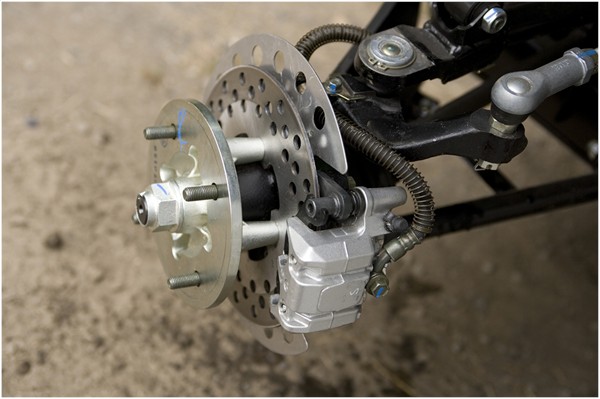
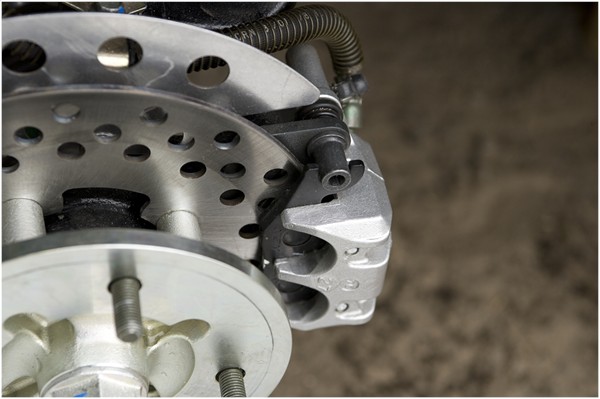
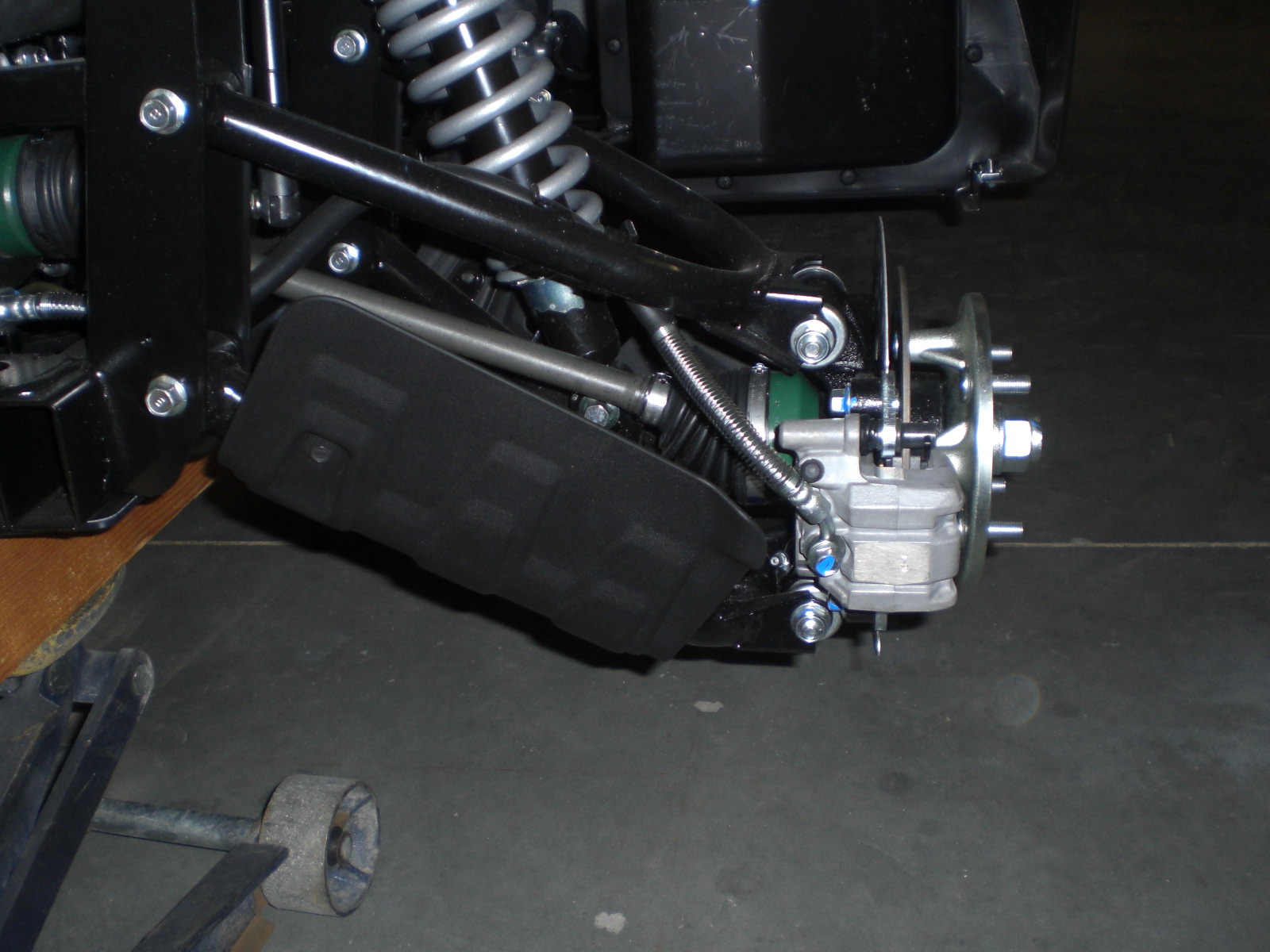
Four-wheel hydraulic disc brakes were another significant improvement for 2008. The front brakes use twin-piston calipers, while hydraulic discs at the rear replaced the earlier Rhino 660’s shaft-mounted rear braking arrangement.
Cargo and Towing Capacity
The Yamaha Rhino 700 combines two-person seating with a dumping cargo bed rated to carry up to 400 pounds. Its receiver hitch supports a listed towing capacity of 1,212 pounds.
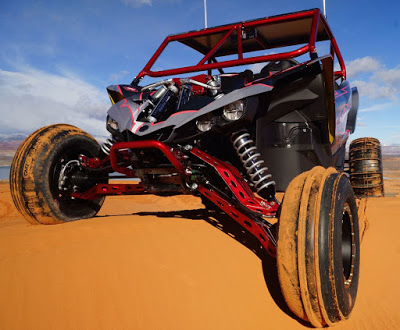
This practical side of the Rhino was central to its success. Owners could use the same machine to haul tools or firewood during the week and explore trails on the weekend. That versatility also made the platform popular for custom projects, including the heavily modified Yamaha Rhino 700 “Rhino Wrecker” built to recover vehicles in deep mud.
2008 Yamaha Rhino 700 Upgrades
- 686cc four-stroke engine with a four-valve cylinder head
- Yamaha electronic fuel injection
- Forged piston and 9.2:1 compression ratio
- Four-wheel hydraulic disc brakes
- Factory rotomolded doors
- Updated front differential
- Larger CV joints and stronger axles
- Larger radiator and cooling fan
- Redesigned CVT intake and filter
- Stainless-steel exhaust with spherical joints
- Tool-free underhood air-filter access
- Updated steering wheel and passenger grab handles
- Revised parking brake
- Two cup holders

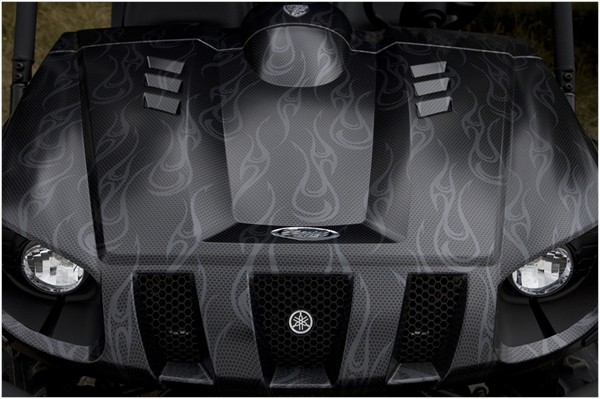
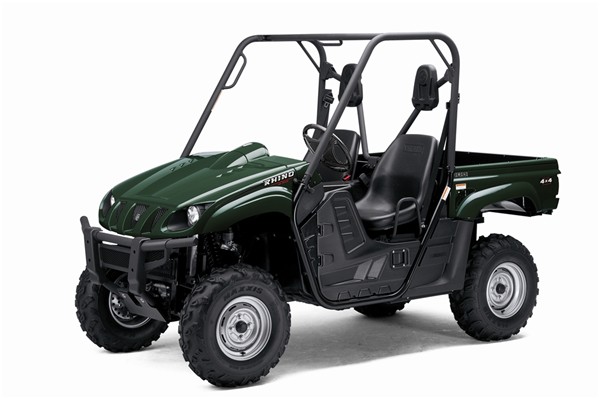
2008 Yamaha Rhino 700 EFI Special Edition in Midnight Armor.

Factory rotomolded doors were one of the important upgrades introduced with the Rhino 700.

The Rhino 700 introduced hydraulic disc brakes at all four wheels.

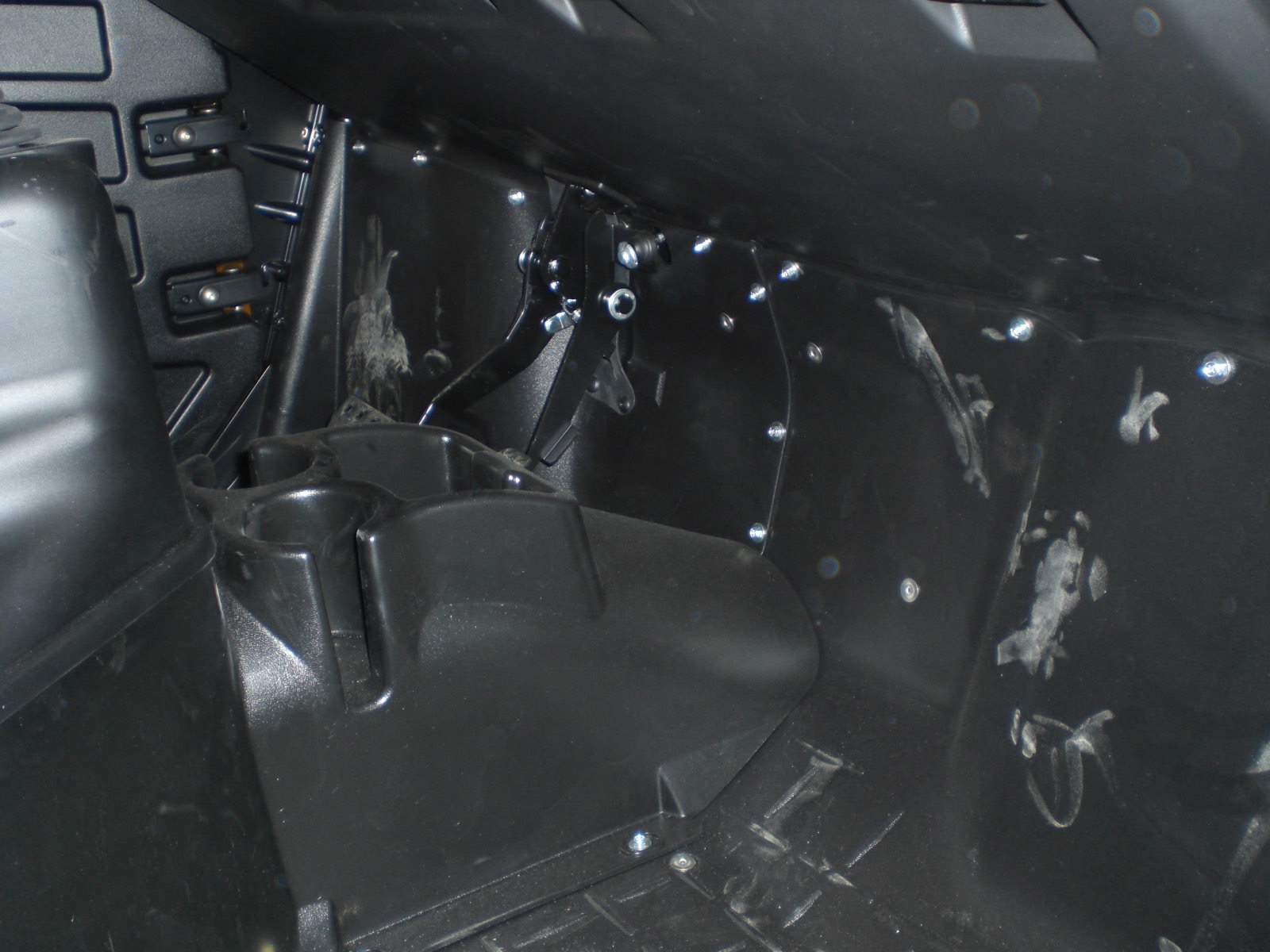
Two cup holders added a small but useful measure of convenience.

Updated Yamaha Rhino 700 steering wheel.

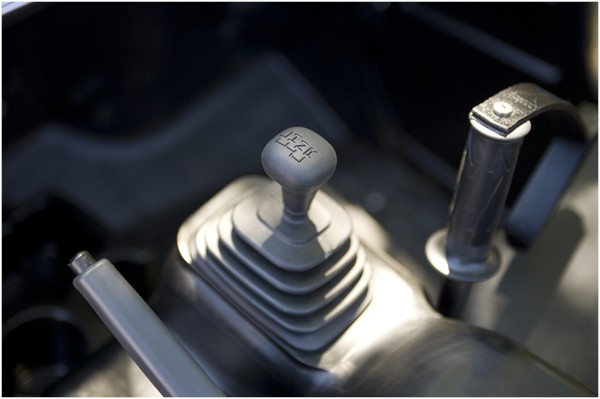
Shifter, revised parking brake and passenger grab handle.

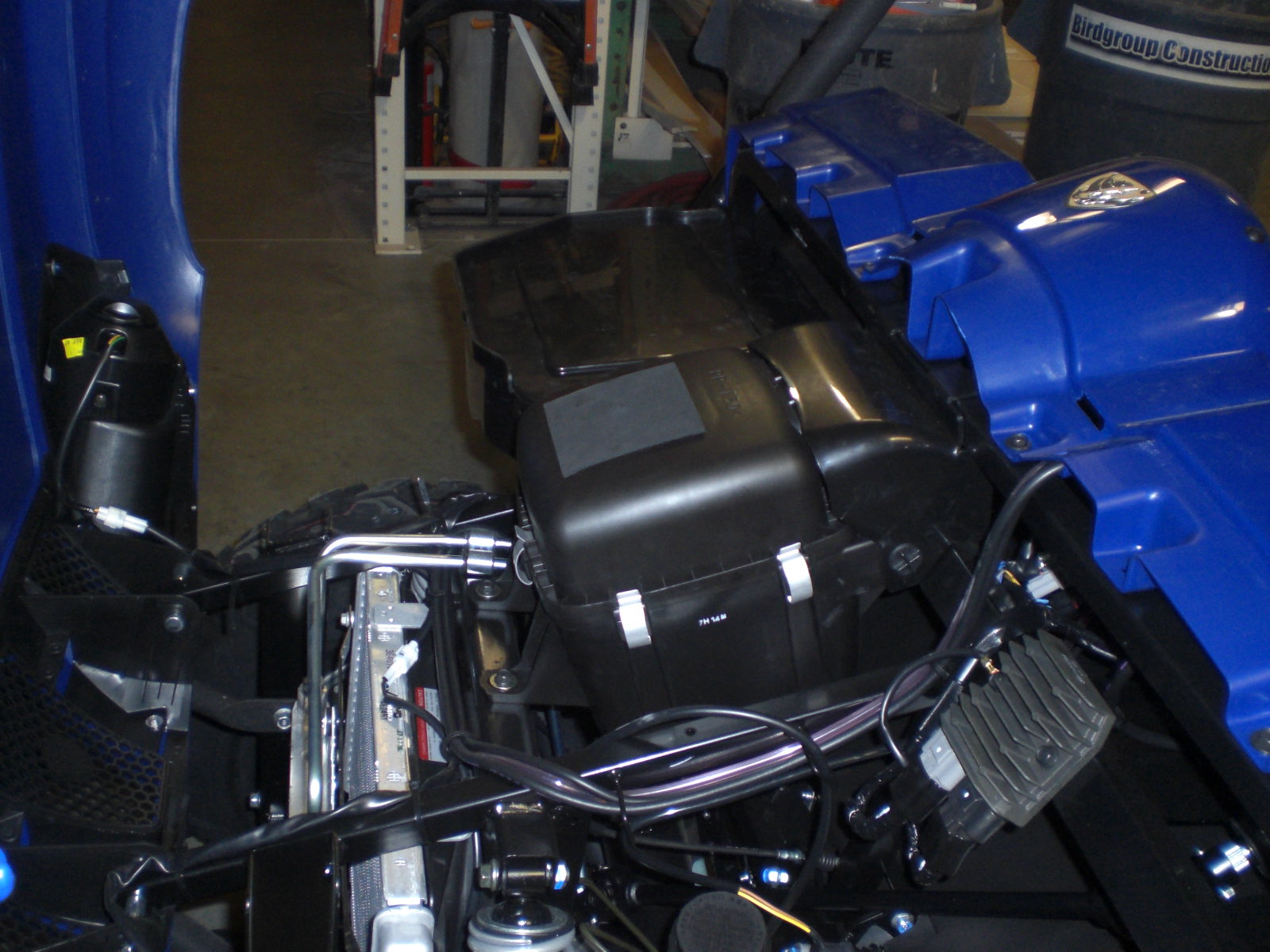
The underhood air filter could be accessed without tools.

The revised stainless-steel exhaust was better supported than the system used on earlier Rhino models. See our guide to Yamaha Rhino exhaust systems for additional information.
Yamaha Rhino 700 Specifications
Engine
| Engine type | Liquid-cooled single-cylinder four-stroke; SOHC, four valves |
|---|---|
| Displacement | 686cc |
| Bore x stroke | 102 x 84mm |
| Compression ratio | 9.2:1 |
| Fuel system | Yamaha Fuel Injection, 41mm throttle body |
| Ignition | 32-bit ECU |
| Starter | Electric |
Transmission and Drivetrain
| Transmission | Yamaha Ultramatic V-belt CVT with High, Low, Neutral and Reverse |
|---|---|
| Drive system | Yamaha On-Command selectable 2WD, 4WD and locked 4WD |
| Final drive | Shaft |
Suspension, Brakes and Tires
| Front suspension | Independent double wishbone with five-way preload adjustment; 7.3 inches of travel |
|---|---|
| Rear suspension | Independent double wishbone with five-way preload adjustment; 7.3 inches of travel |
| Front brakes | Dual hydraulic discs with twin-piston calipers |
| Rear brakes | Dual hydraulic discs |
| Front tires | AT25 x 8-12 NHS |
| Rear tires | AT25 x 10-12 NHS |
Dimensions and Capacities
| Length | 113.6 inches |
|---|---|
| Width | 54.4 inches |
| Height | 73 inches |
| Wheelbase | 75.2 inches |
| Ground clearance | 12.1 inches |
| Turning radius | 153.5 inches |
| Fuel capacity | 7.9 gallons |
| Cargo-bed capacity | 400 pounds |
| Towing capacity | 1,212 pounds |
Specifications and pricing can vary by model year and trim. The original 2008 Rhino 700 FI Auto 4×4 Sport Edition shown on this page had an MSRP of $10,699.
2013 Yamaha Rhino 700 Models

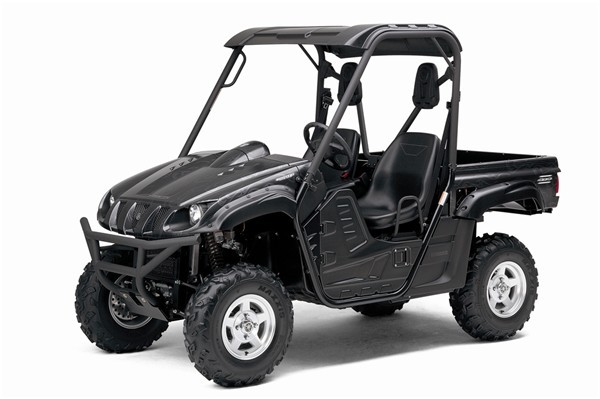
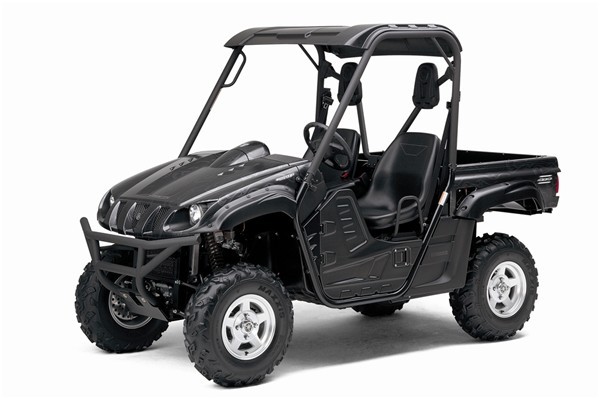
2013 Yamaha Rhino 700 Tactical Black Special Edition
For its final model year, Yamaha offered the 2013 Rhino 700 in Red and Hunter Green with an MSRP of $11,499, along with a Realtree AP HD camouflage version priced at $12,049.
The 2013 Rhino 700 Tactical Black Special Edition added matte-black bodywork and cast-aluminum wheels. Underneath its distinctive appearance, it retained the 686cc fuel-injected engine, Ultramatic transmission and On-Command 2WD, 4WD and differential-lock system that defined the Rhino 700 platform.
Additional Yamaha Rhino 700 Photos
Yamaha Rhino 700 Legacy
The Rhino 700 represented the most refined version of the original Yamaha Rhino platform. Electronic fuel injection, four-wheel disc brakes, stronger driveline components and improved occupant convenience addressed many of the limitations of the earlier Rhino 660 without abandoning the compact size and straightforward design that made the Rhino successful.
Modern side-by-sides provide substantially more power, suspension travel and cabin space, but they are also generally wider, longer and more complex. The Rhino 700’s manageable dimensions, durable drivetrain and balance between recreation and utility explain why many remain in service more than a decade after production ended.
For firsthand driving impressions, read our original Yamaha Rhino 700 EFI review. Readers considering how the classic Rhino compares with a current Yamaha trail machine can also see our Yamaha Rhino 700 vs. Wolverine X2 1000 comparison.
Frequently Asked Questions
What years was the Yamaha Rhino 700 made?
The Yamaha Rhino 700 was introduced for the 2008 model year as the replacement for the Rhino 660. It remained in Yamaha’s lineup through the 2013 model year.
What size engine does the Yamaha Rhino 700 have?
The Rhino 700 uses a 686cc liquid-cooled, single-cylinder four-stroke engine with electronic fuel injection. Despite the 700 name, its exact displacement is 686cc.
How wide is a Yamaha Rhino 700?
The Yamaha Rhino 700 is 54.4 inches wide. It is compact compared with most modern recreational side-by-sides, but it is too wide for trail systems that enforce a 50-inch vehicle-width limit.
What is the Yamaha Rhino 700 towing capacity?
The Yamaha Rhino 700 has a listed towing capacity of 1,212 pounds. Its dumping cargo bed is rated to carry up to 400 pounds.
Is the Yamaha Rhino 700 fuel injected?
Yes. All Rhino 700 models use Yamaha Fuel Injection. EFI was one of the most important changes Yamaha introduced when the Rhino 700 replaced the carbureted Rhino 660.
What is the difference between the Yamaha Rhino 660 and Rhino 700?
The Rhino 700 has a larger 686cc fuel-injected engine, while the Rhino 660 uses a carbureted 660cc engine. The 700 also introduced four-wheel disc brakes, factory doors, stronger axles and CV joints, improved cooling and several updated interior features. For complete specifications on the earlier model, see our Yamaha Rhino 660 guide.