Originally published in 2007. This report has been updated and reformatted with full-size photography to preserve an early Yamaha Rhino and Polaris RZR trip through California’s Imperial Sand Dunes.
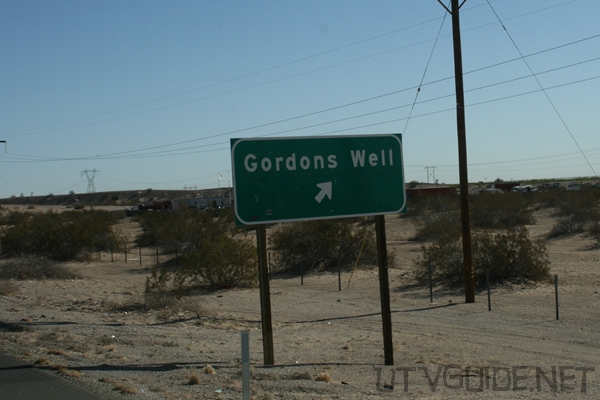
We spent the week between Christmas and New Year’s Day 2007 at Gordon’s Well in the southern portion of the Imperial Sand Dunes Recreation Area.
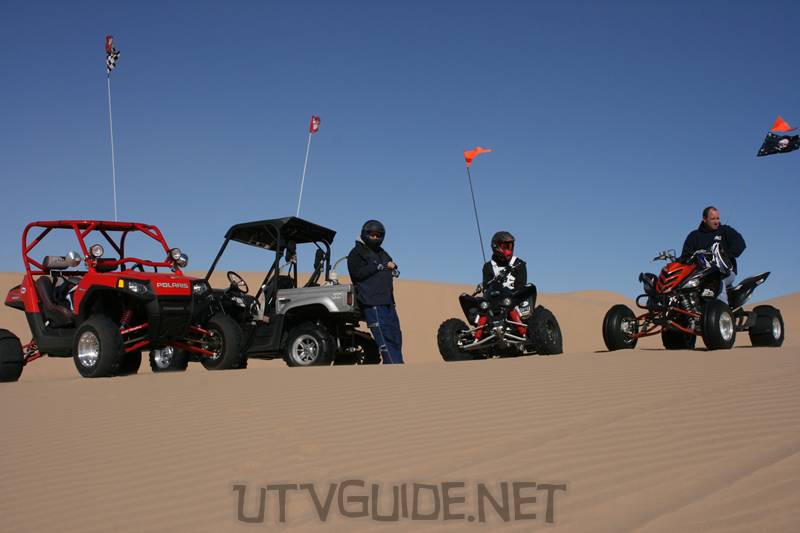
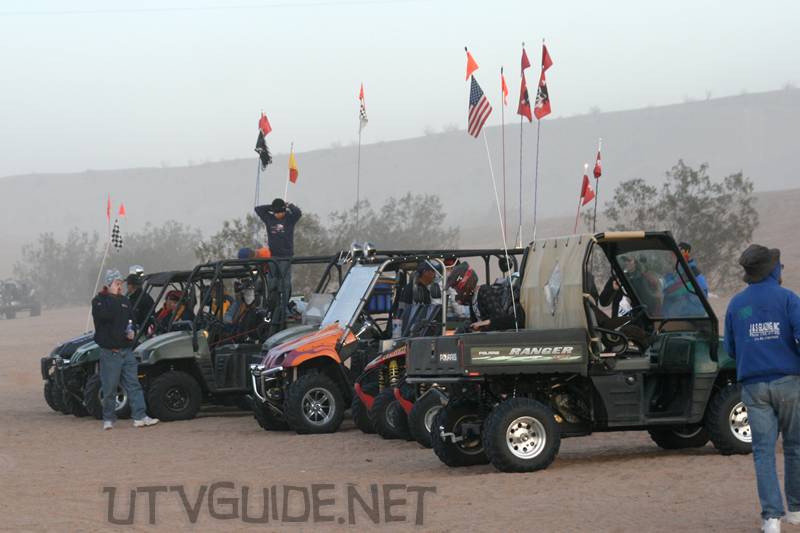
The trip came during a pivotal period for recreational UTVs. Modified Yamaha Rhinos had become common throughout the dunes, but the newly introduced Polaris RZR 800 was just beginning to establish itself as a dedicated sport side-by-side.
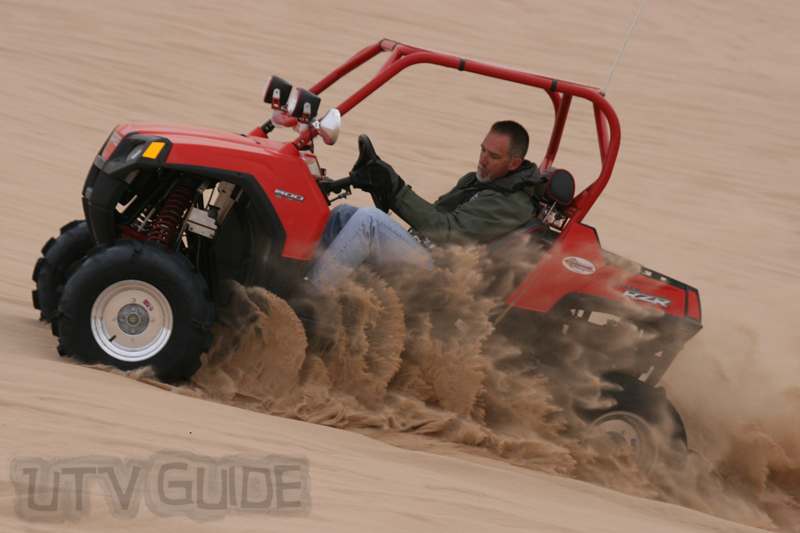
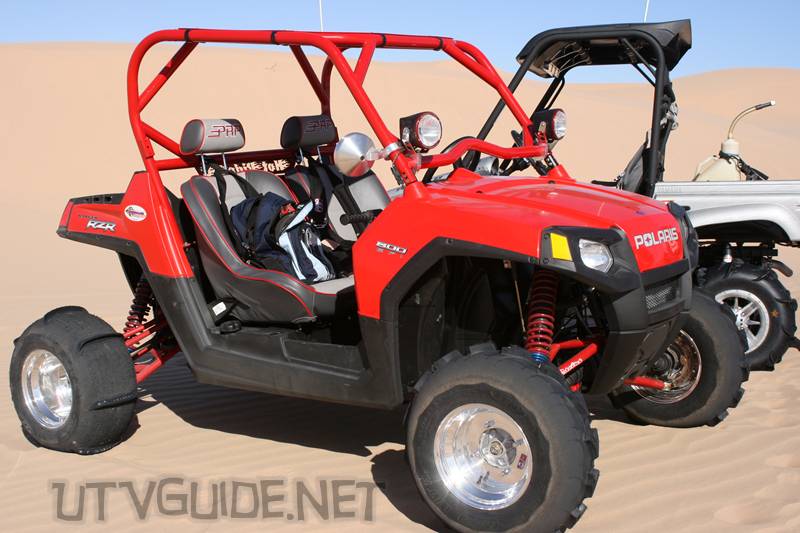
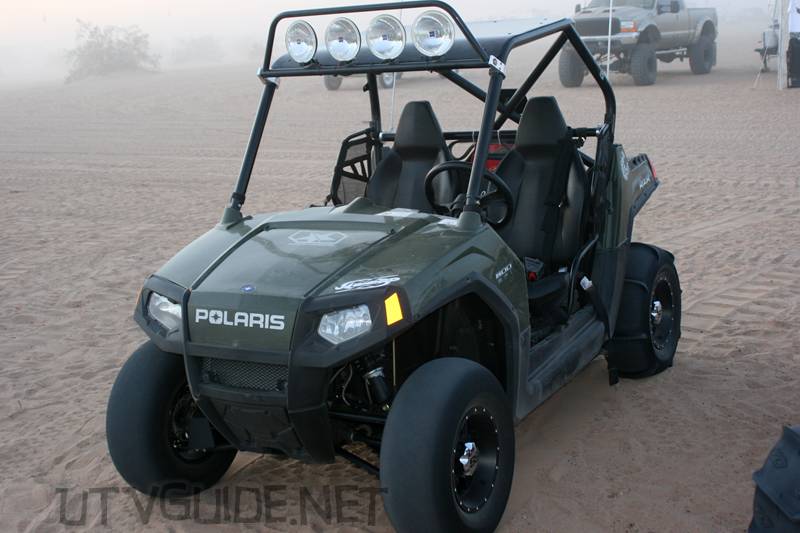
Our long-travel RZR was equipped with paddle tires for a real-world Polaris RZR 800 sand-tire test. We rode the dunes near Gordon’s Well, visited Dune Buggy Flats and Buttercup, and made the long run north to Oldsmobile Hill and Vendor Row in Glamis.
Gordon’s Well and the Imperial Sand Dunes
Gordon’s Well is located near Interstate 8 at the southern end of the Imperial Sand Dunes Recreation Area. The riding area is part of the larger Algodones Dunes system, a band of windblown sand extending for more than 40 miles through southeastern California.
Compared with the busier Glamis area to the north, Gordon’s Well provides convenient access to the southern dunes, Dune Buggy Flats, Buttercup and Patton Valley.


Polaris RZR and Yamaha Rhino in the Dunes
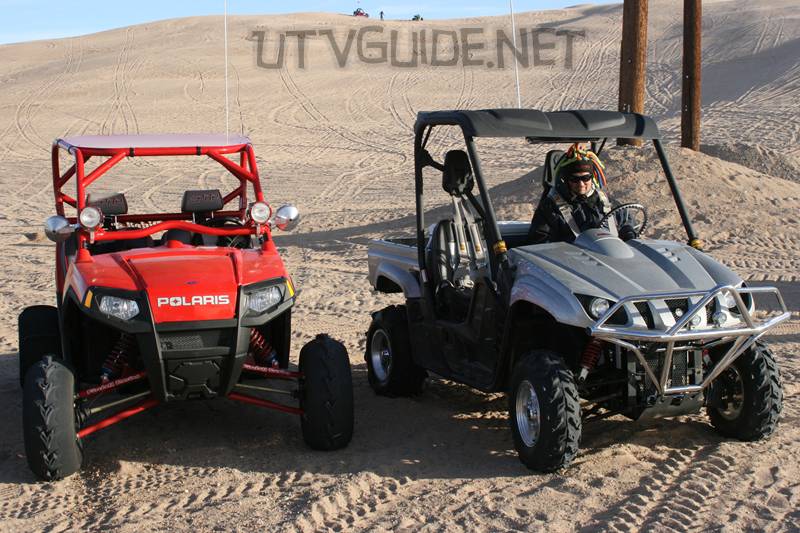
The differences between the RZR and Rhino were already apparent during this trip.
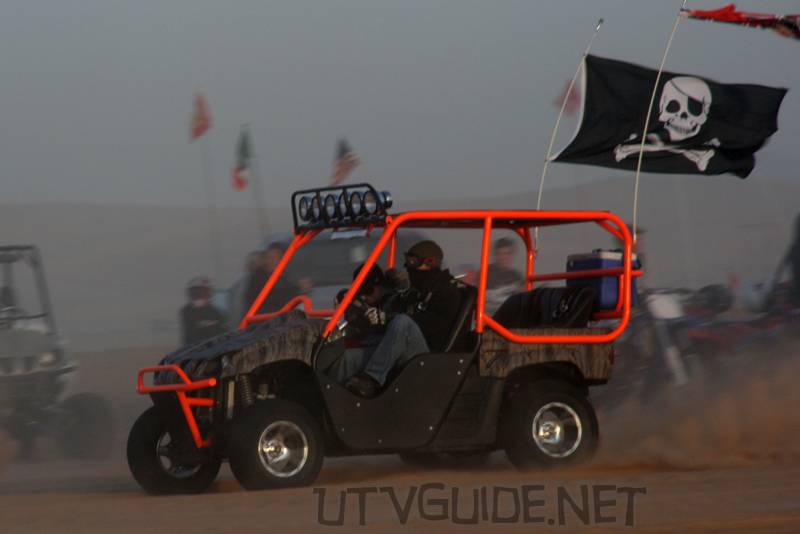
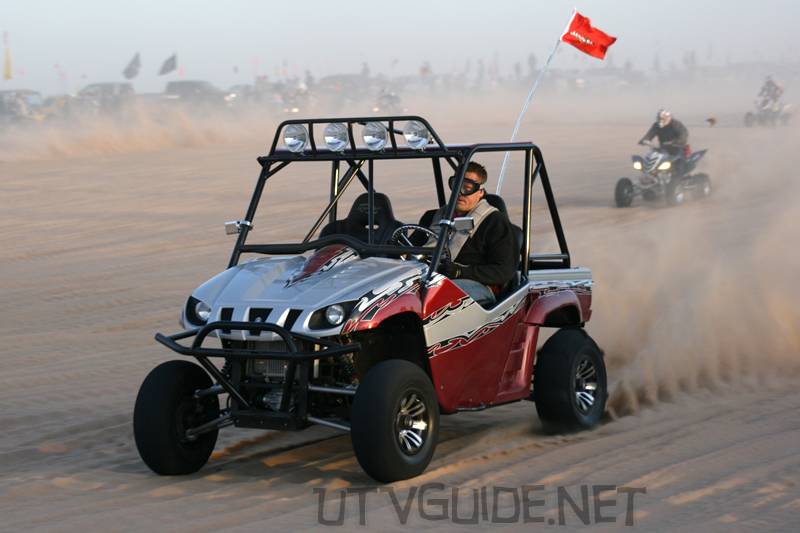
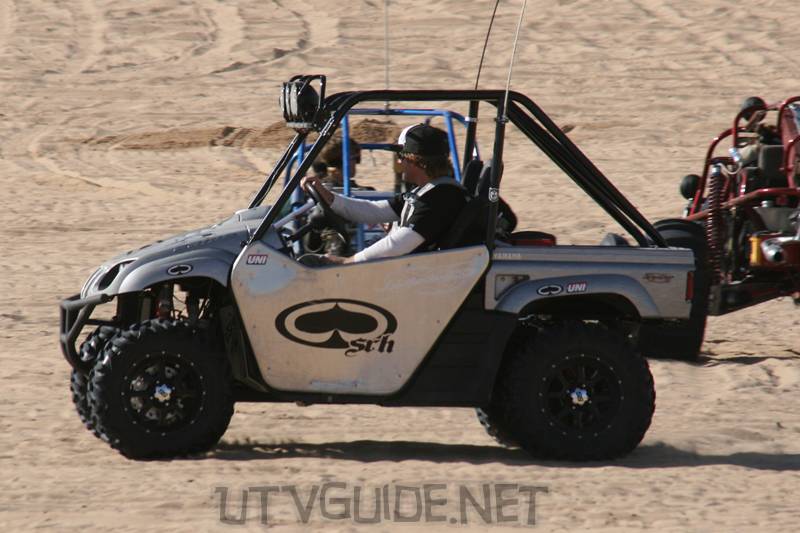
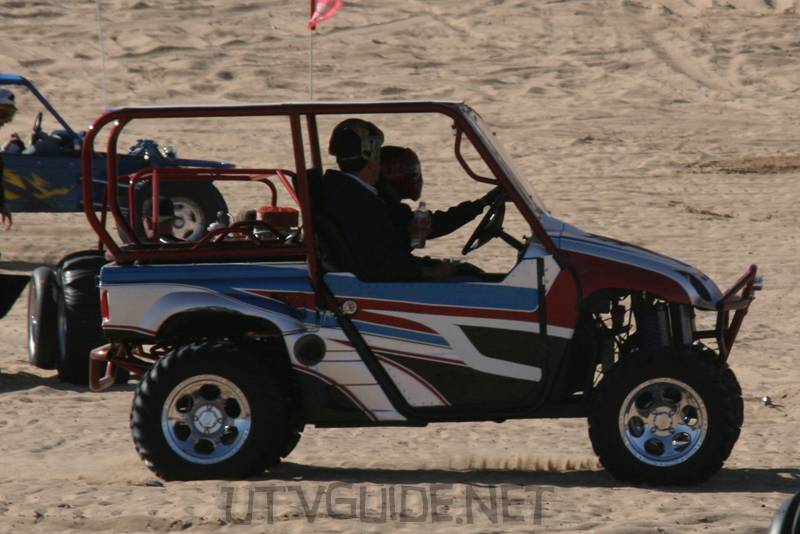
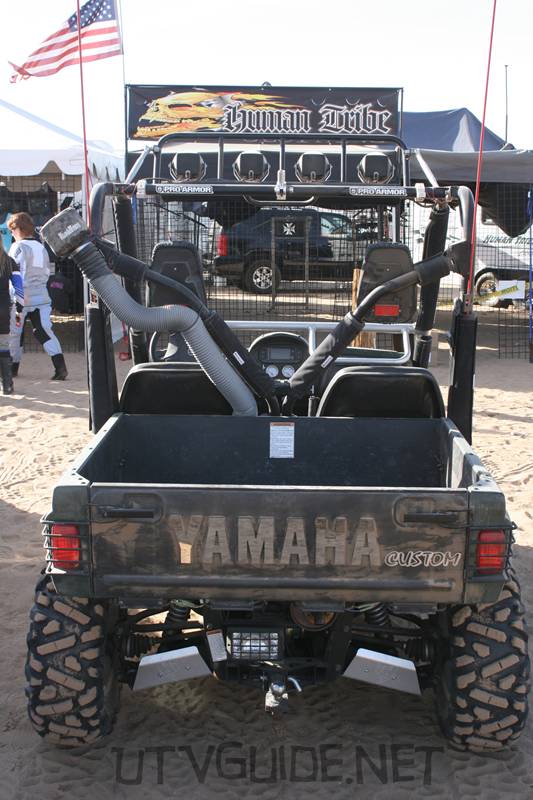
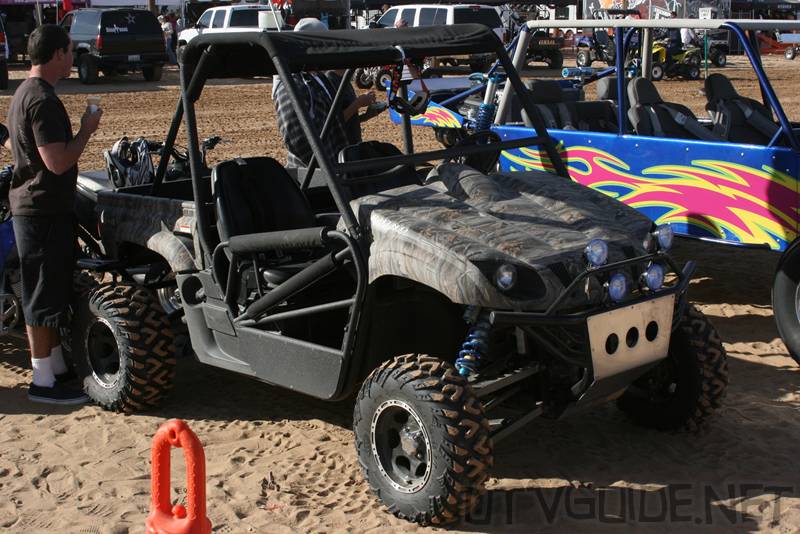
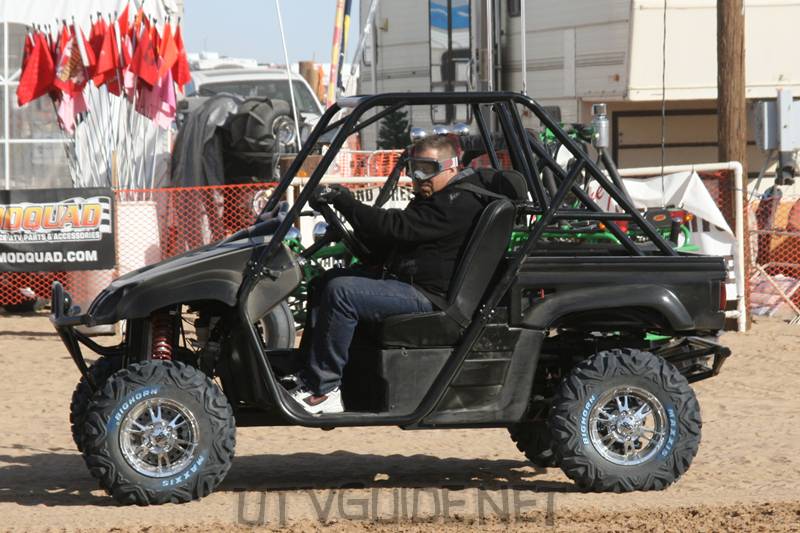
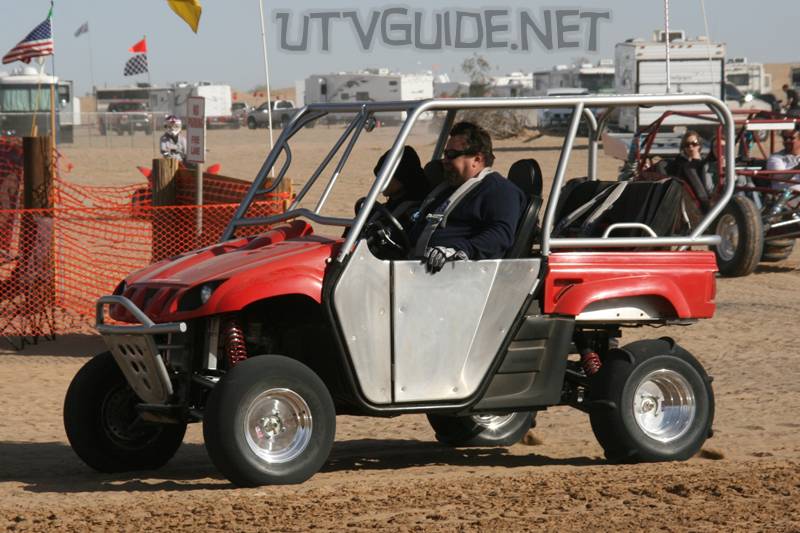
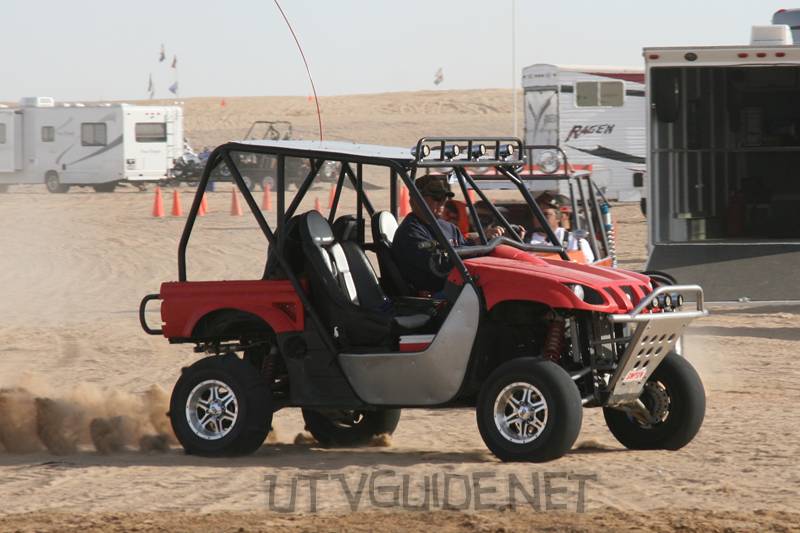
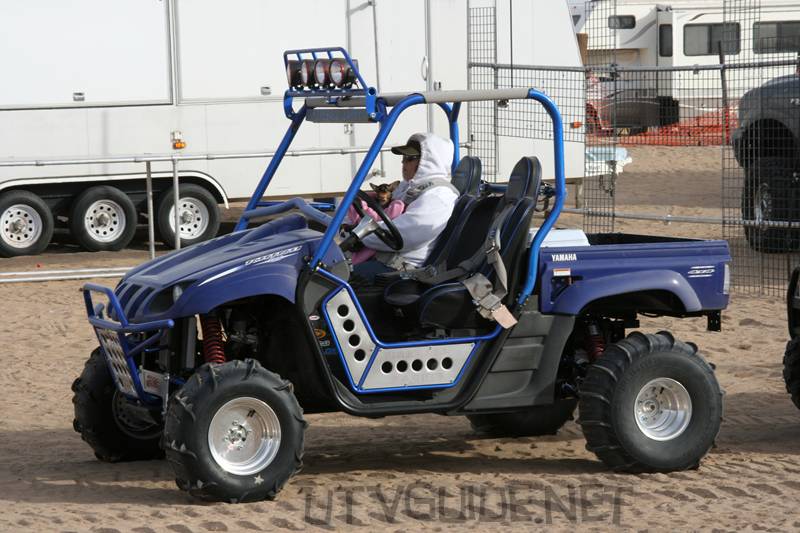
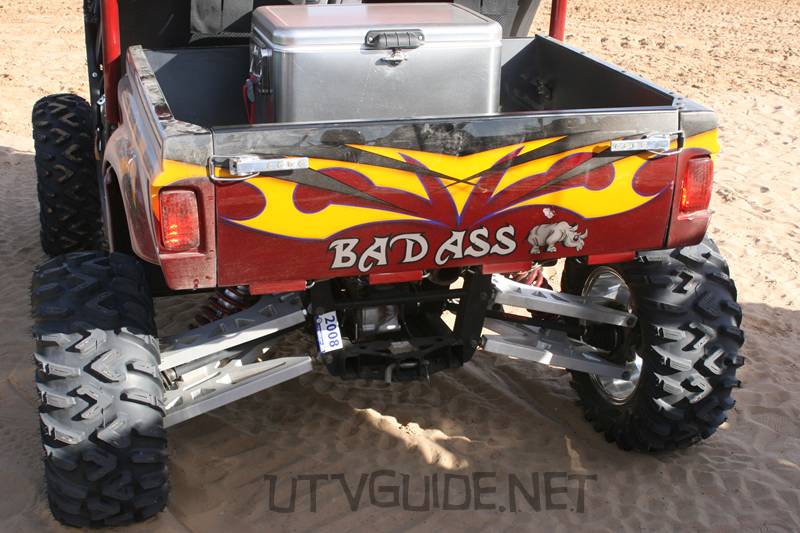
The Rhino remained a versatile and highly customizable family recreation vehicle. Modified examples commonly featured long-travel suspension, four-seat cages, paddle tires and engine upgrades.
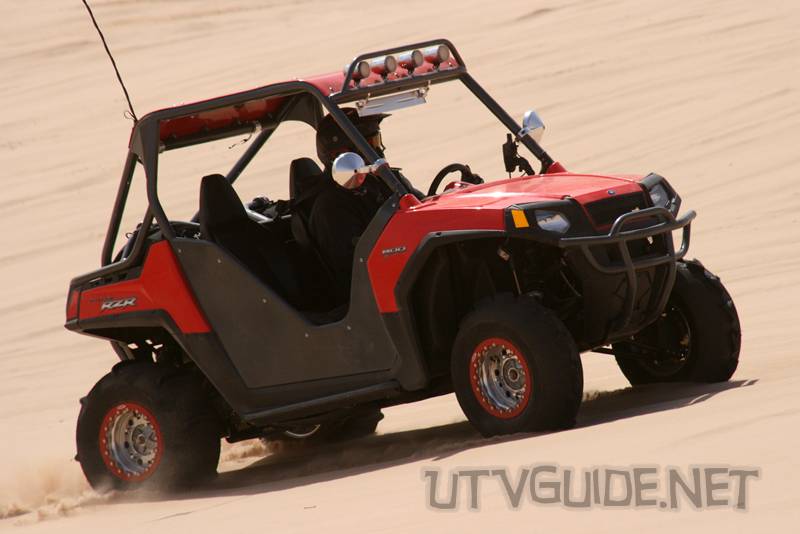
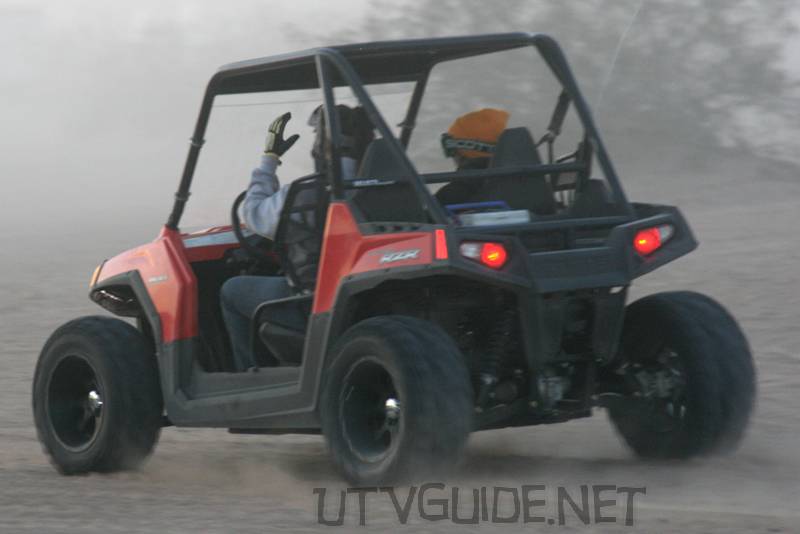
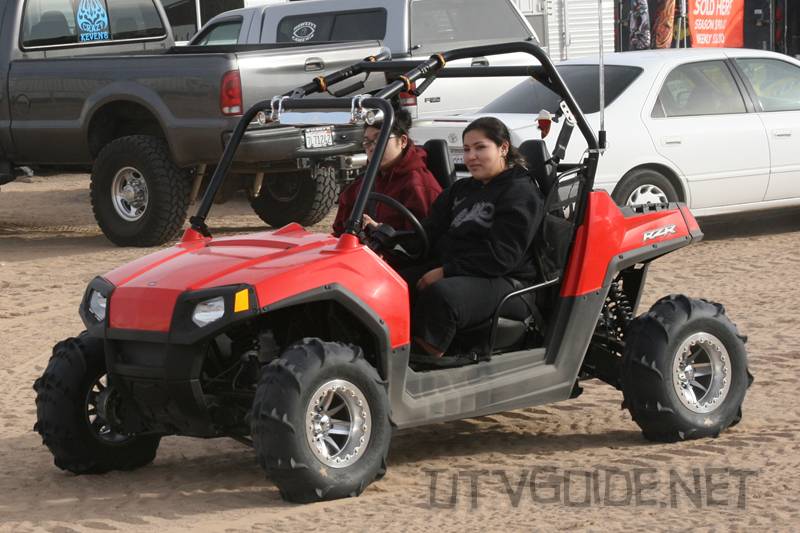
The original RZR 800 was narrower, lower and more sport focused. Its seating position, suspension layout and power-to-weight ratio made it feel more at home during faster dune rides, even though the early machine lacked the power and suspension travel of today’s sport UTVs.


The trip captured the beginning of an important transition. The Yamaha Rhino had created the recreational side-by-side market, while the RZR was beginning to push that market toward specialized sport performance.
Testing the RZR in Patton Valley
Patton Valley gave us room to evaluate the long-travel RZR and its paddle-tire setup on larger dune faces.

The RZR’s original 760cc parallel-twin engine produced modest power by modern standards, making tire selection especially important. An overly aggressive paddle could consume too much power, while an undersized tire would struggle to provide the necessary traction.
This trip provided the testing environment for our separate Polaris RZR 800 sand dune tire review.
Sand Drags at Dune Buggy Flats
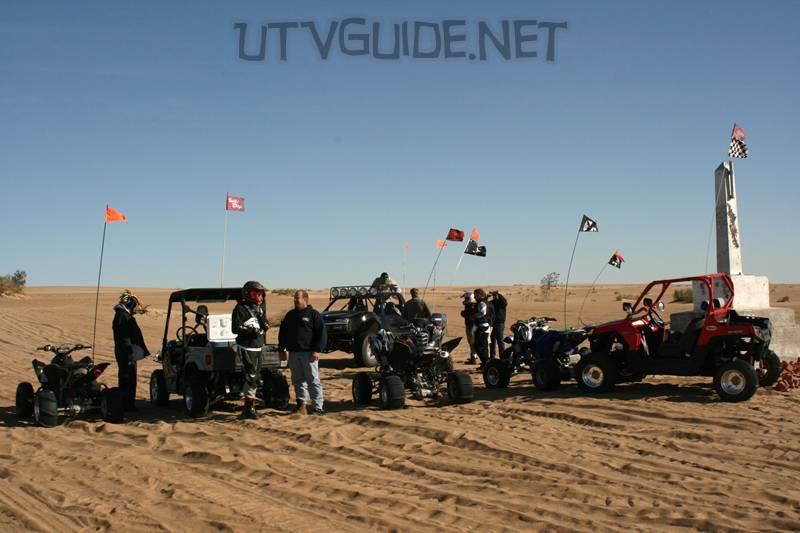
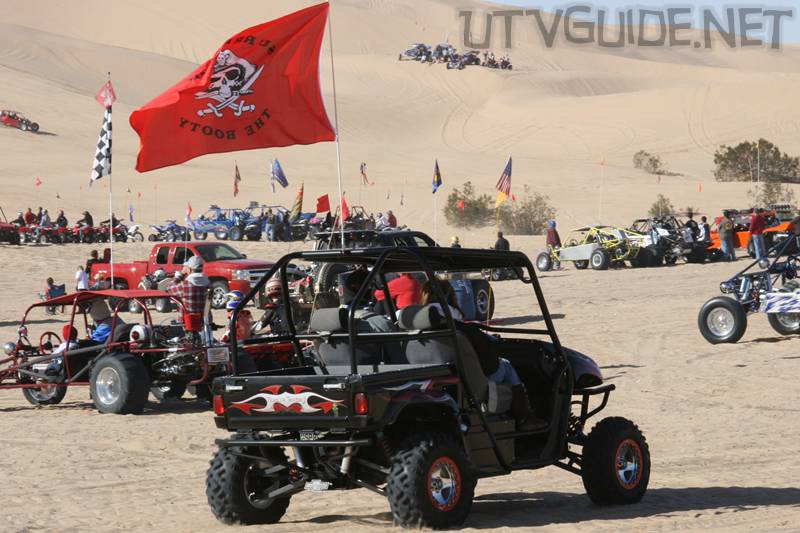
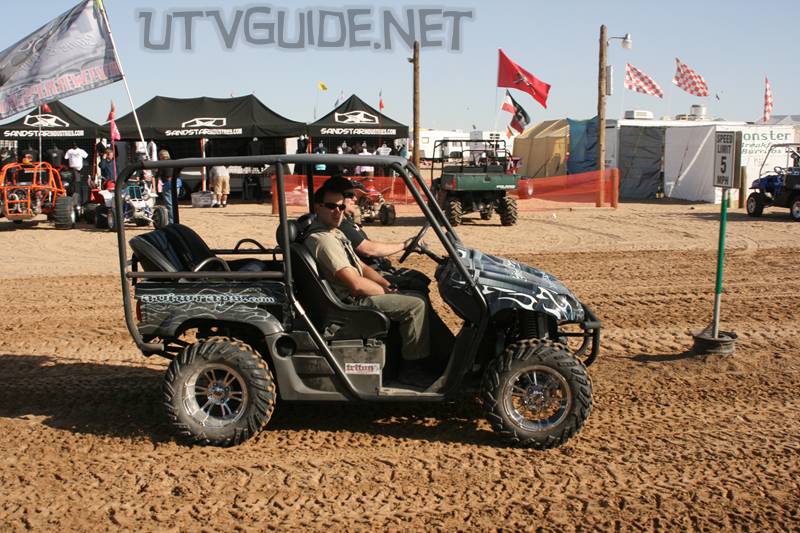
Dune Buggy Flats was a gathering point for sand drags, custom machines and vendor displays. Yamaha Rhinos appeared in a wide variety of configurations, from relatively simple two-seat builds to stretched family machines with four-seat cages.


These builds reflected how much the Rhino aftermarket had grown by late 2007. Owners were no longer treating it as a basic utility vehicle. The Rhino had become a platform for suspension companies, cage builders, engine shops, wheel manufacturers and custom fabricators.
Early Polaris RZR Dune Builds
RZRs equipped with paddle tires and aftermarket cages were already appearing around Vendor Row during the vehicle’s first year.

The speed with which owners and aftermarket companies embraced the machine foreshadowed the RZR’s eventual influence. Read the full story in our history of the Polaris RZR.
Riding South to Buttercup
Buttercup lies southeast of Gordon’s Well near Interstate 8 and the United States–Mexico border. The area combines open dunes with easy access to camps and gathering areas along the highway.

Taking the Sand Highway to Glamis
One of the best parts of camping at Gordon’s Well is the ability to travel north through the dune system toward Glamis. The Sand Highway provides a defined route connecting the southern dunes with the Roadrunner and Gecko Road areas.
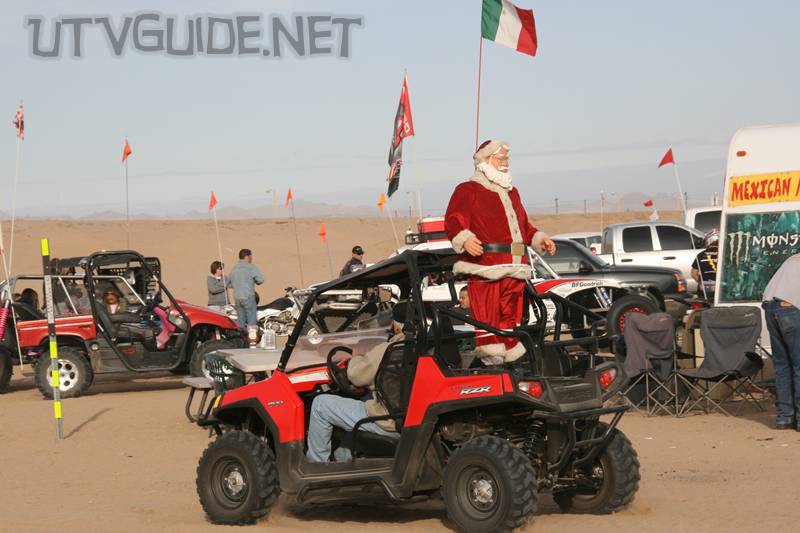
From there, we continued to Oldsmobile Hill, one of the best-known gathering places in Glamis.

Long-Travel Polaris RZR at Oldsmobile Hill
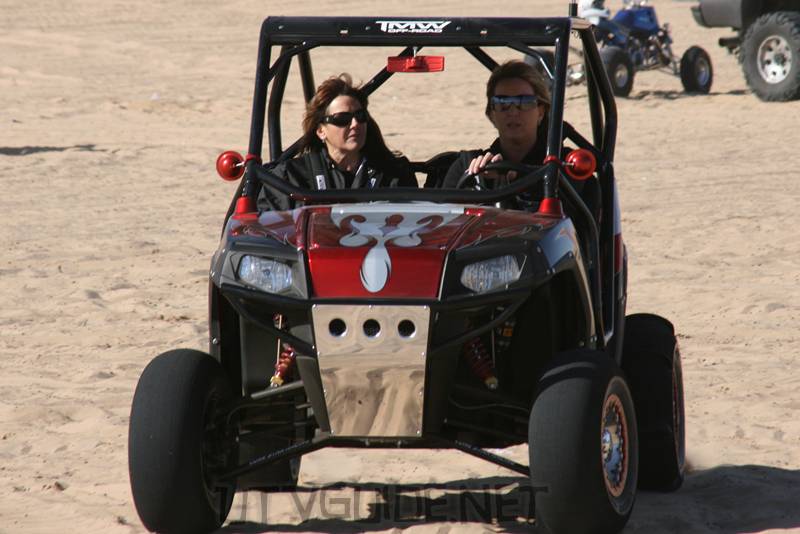
Our RZR featured long-travel suspension from Lone Star Racing and a TMW Offroad cage. In late 2007, this represented the leading edge of RZR development.

Modified Yamaha Rhinos at Glamis
Rhinos remained everywhere around Oldsmobile Hill. Two-seat sport builds shared the sand with family-oriented four-seat conversions and heavily modified long-travel machines.


Vendor Row and the Growing UTV Aftermarket
Vendor Row offered another indication of how quickly UTVs were reshaping the sand industry. Custom Rhinos and new RZRs occupied space once dominated almost entirely by ATVs, sand rails and dirt bikes.


New Rhino Long-Travel Suspension
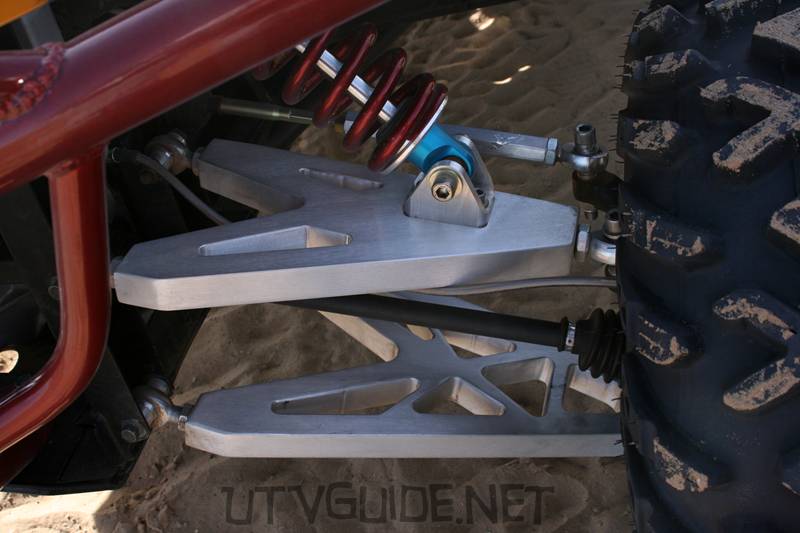
Billet long-travel suspension components were among the new products we found during the trip. Suspension development had become one of the largest segments of the early Rhino aftermarket as owners searched for more stability and better control in rough terrain.

An Early UTV LED Light Bar
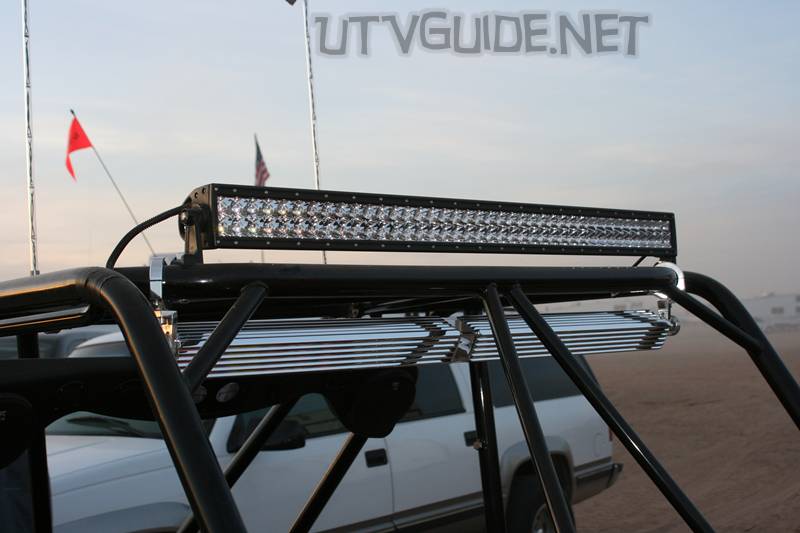
We also found an early LED light bar installed on a Yamaha Rhino. LED lighting was still a developing off-road technology in 2007, years before roof-mounted light bars became nearly universal on modified UTVs.

Why This 2007 Gordon’s Well Trip Matters
This holiday trip captured the recreational UTV industry at a turning point.
The Yamaha Rhino was at the center of an enormous aftermarket filled with long-travel suspension, four-seat cages, paddle tires, performance modifications and custom bodywork. At the same time, the first Polaris RZR was showing that a purpose-built sport side-by-side could become a serious dune machine.
Today’s UTVs offer far more horsepower, suspension travel and technology. Yet many of the familiar elements of modern dune builds were already present at Gordon’s Well in 2007.
The machines were slower and simpler, but the culture of modifying, testing and exploring with side-by-sides was firmly established.
Planning a Current Gordon’s Well Trip
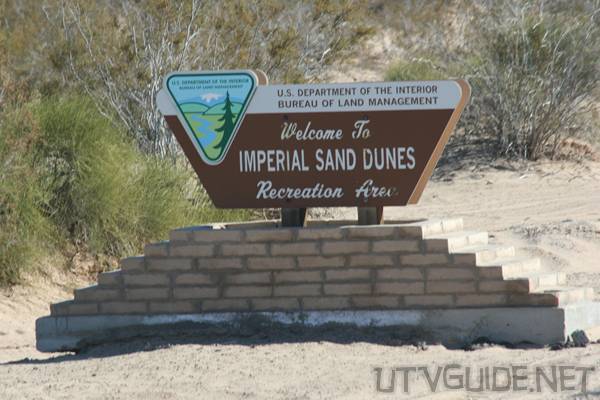
Gordon’s Well remains part of the Bureau of Land Management’s Imperial Sand Dunes Recreation Area. Seasonal permits are required between October 1 and April 15, and current rules apply to camping, vehicle operation, safety equipment and travel on the Sand Highway.
Before visiting, check the current BLM Imperial Sand Dunes information for passes, closures and regulations.
For additional destinations throughout the dune system, see our Glamis destination ride guide and Glamis ride to Duner’s Diner and the border.
More early UTV history: Read the history of the Yamaha Rhino and history of the Polaris RZR.
More adventures: Browse the UTVGuide.net Trip Reports archive.