Originally published in January 2008. This report has been reformatted using a curated selection of the original full-size photographs and updated with historical context. For current riding information, see our Glamis destination ride guide.
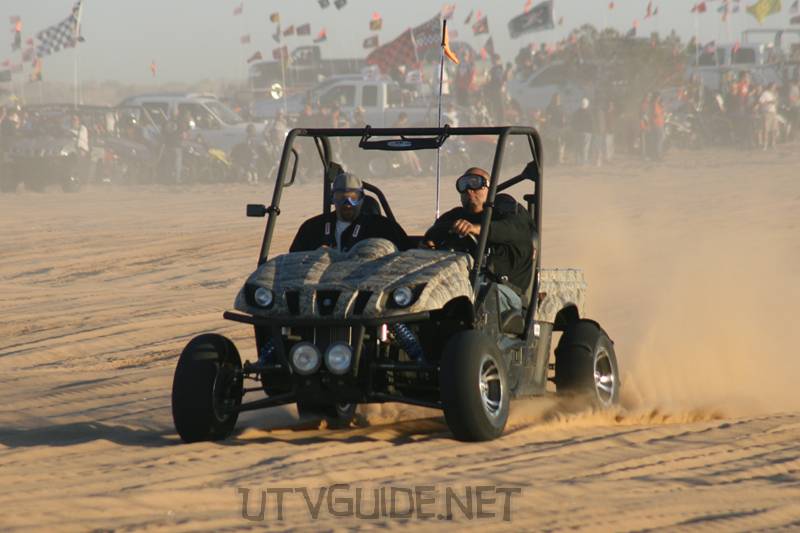
Glamis has always been a showcase for the newest and most heavily modified off-road vehicles. In January 2008, that meant an impressive collection of long-travel Yamaha Rhinos, customized Polaris Rangers and some of the first Polaris RZRs to appear in the Imperial Sand Dunes.
This photographic trip report captures an important transition in UTV history. The Yamaha Rhino had already created a thriving recreational side-by-side aftermarket, but the performance-focused Polaris RZR was beginning to change expectations for acceleration, suspension and dune performance.
Modern turbocharged UTVs had not yet arrived. Most of the side-by-sides in Glamis were still powered by relatively modest single-cylinder engines. Owners relied on suspension modifications, lighter components, performance engine work and careful vehicle setup to make their machines more capable in the sand.

Glamis During the Early UTV Boom
The Imperial Sand Dunes Recreation Area was one of the places where the recreational UTV market developed most visibly. Side-by-sides could carry two occupants, camping equipment and supplies around the extensive dune area while offering a different experience from traditional ATVs and sand cars.
Glamis also exposed the limitations of early UTVs. Sand absorbs horsepower, and the relatively narrow factory suspension found on early machines could make aggressive dune transitions challenging. These limitations created opportunities for fabricators and aftermarket companies.
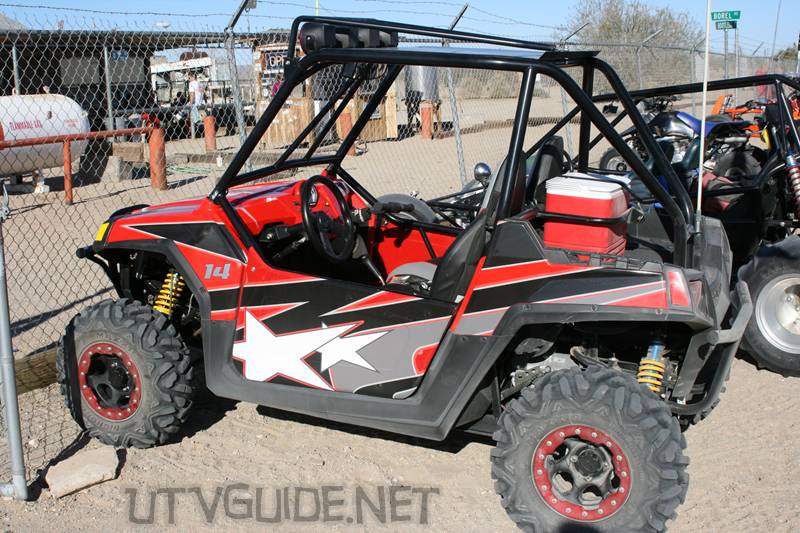
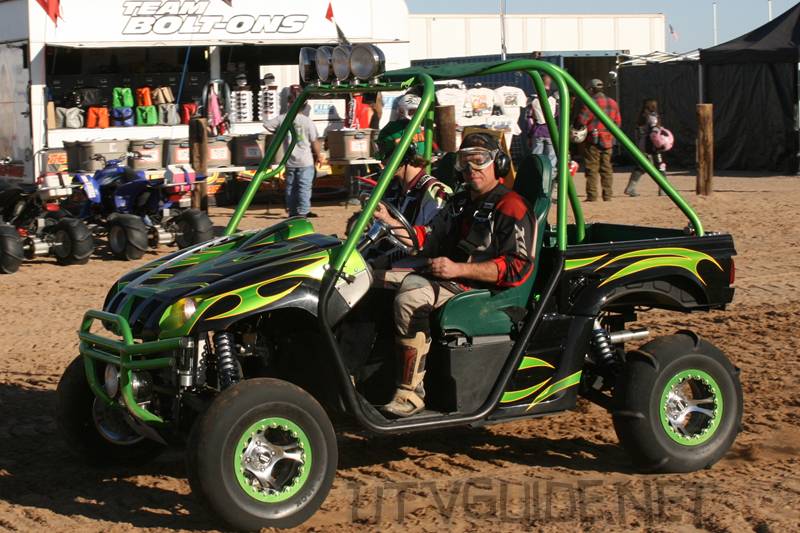
By 2008, modified Rhinos were arriving at Glamis with long-travel suspension, wider stances, custom roll cages, doors, performance exhaust systems, upgraded seats, auxiliary lighting and larger wheels and tires. Many looked dramatically different from the utility-oriented machines that had left Yamaha dealerships.


The Yamaha Rhino’s Influence
The Yamaha Rhino was the machine most responsible for bringing side-by-sides into recreational environments such as Glamis. Earlier utility vehicles could transport people and equipment, but the Rhino’s compact dimensions and relatively sporty layout encouraged owners to modify it for dunes, desert riding and rock crawling.
Many of the accessories now considered normal on recreational UTVs were developed or popularized during the Rhino era. Long-travel suspension kits increased width and wheel travel. Fabricated cages improved occupant protection while providing mounts for lights, spare tires and accessories. Aftermarket doors, seats and harnesses made the vehicles better suited to aggressive riding.
These modified machines helped the Yamaha Rhino redefine what a side-by-side could be. The full story is covered in our history of the Yamaha Rhino.

The First-Generation Polaris RZR Arrives
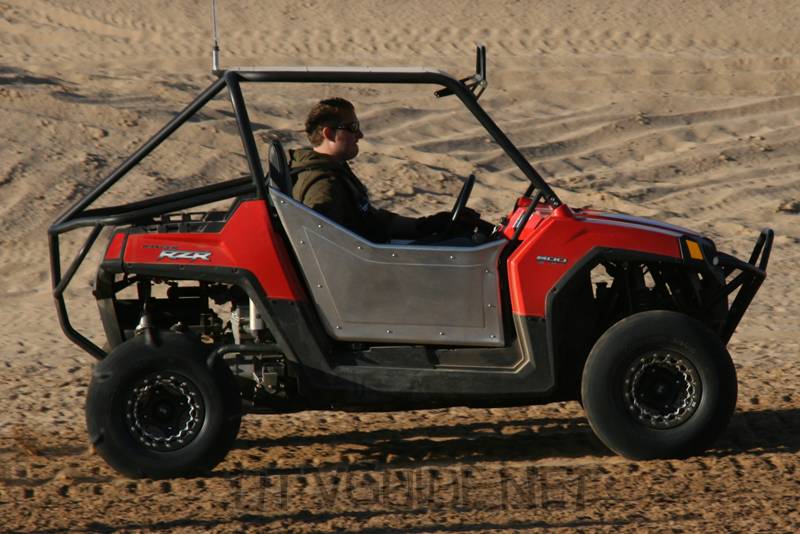
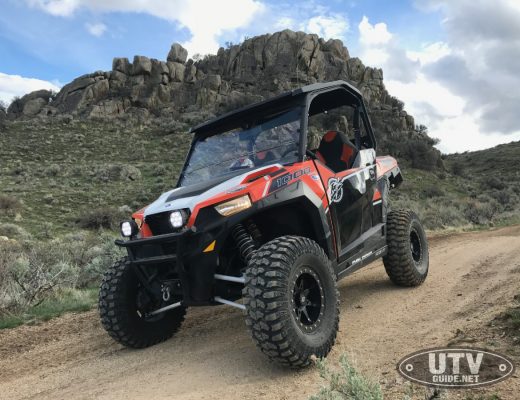
Polaris introduced the original Ranger RZR for the 2008 model year. With a narrow 50-inch stance, lower seating position and an engine mounted behind the occupants, it represented a substantial change from the traditional utility-oriented side-by-side layout.
The RZR’s arrival did not immediately make the customized Rhino obsolete, but it shifted the market toward factory-designed recreational performance. Owners and fabricators quickly began adding cages, doors, wheels, tires and suspension upgrades to the new platform.
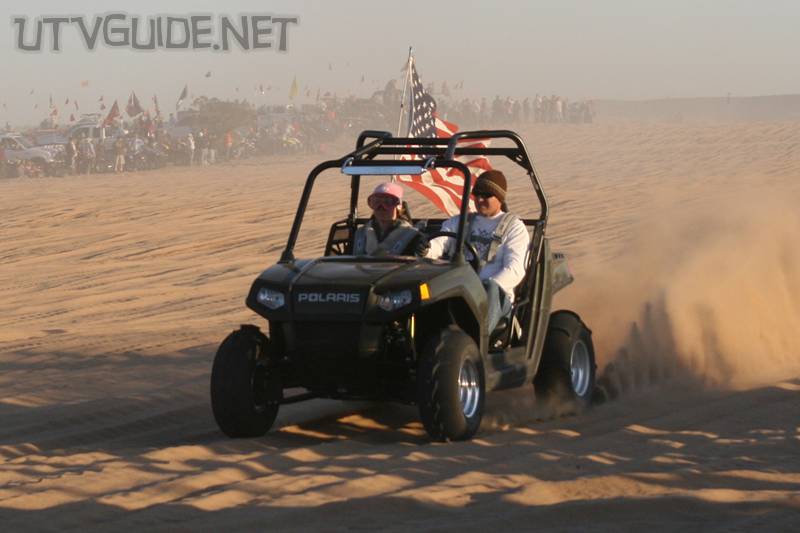
Seeing several RZRs at Glamis in January 2008 shows how quickly the model was being adopted. The machines photographed during this trip were among the earliest examples of a platform that would eventually expand into a large family of trail, dune, desert and rock-crawling vehicles.


Explore the model’s development from this original 2008 machine through today’s high-performance platforms in our history of the Polaris RZR.
Long-Travel Suspension Changes the UTV
Suspension was one of the most visible differences between stock and modified UTVs in 2008. Factory wheel travel was limited compared with modern performance machines, and the narrow stance of early side-by-sides could become a disadvantage when traversing steep dunes.
Aftermarket long-travel systems widened the vehicle and allowed the suspension to absorb larger bumps and dune transitions. The added width also produced a more stable feel, although installing a complete system frequently required new shocks, axles and steering components.
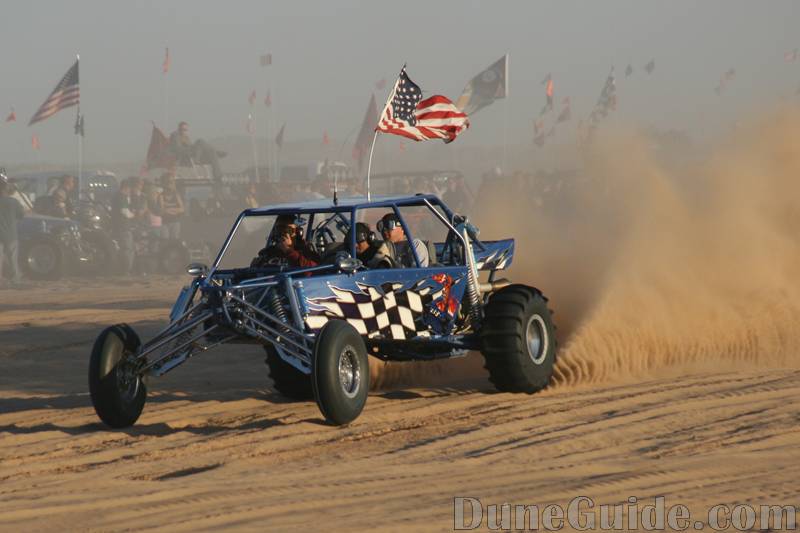
The result was a generation of highly individualized machines. Owners selected their own combinations of suspension, engine work, cages, body panels, wheels, tires and graphics instead of choosing among the numerous factory performance packages available today.

Sand Drags and Glamis Spectator Culture
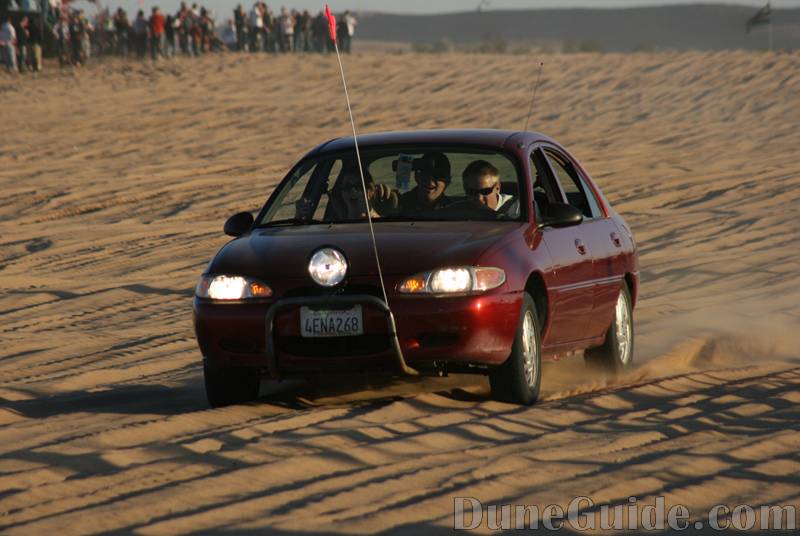
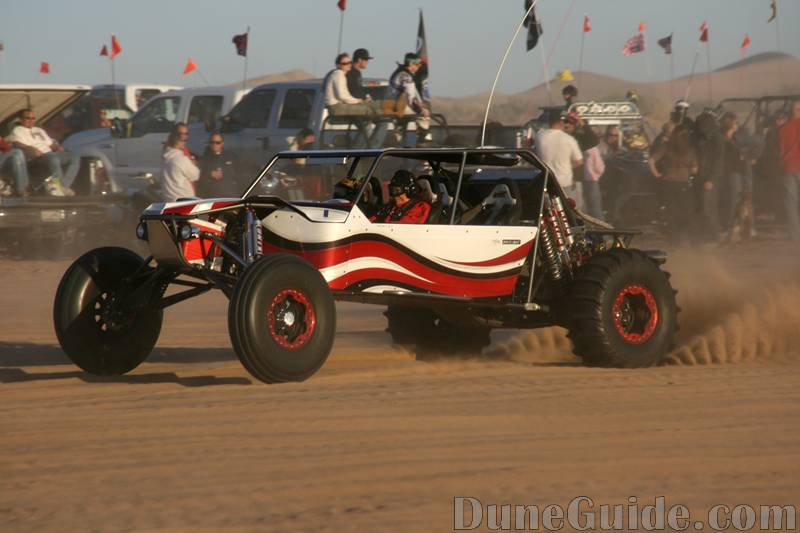
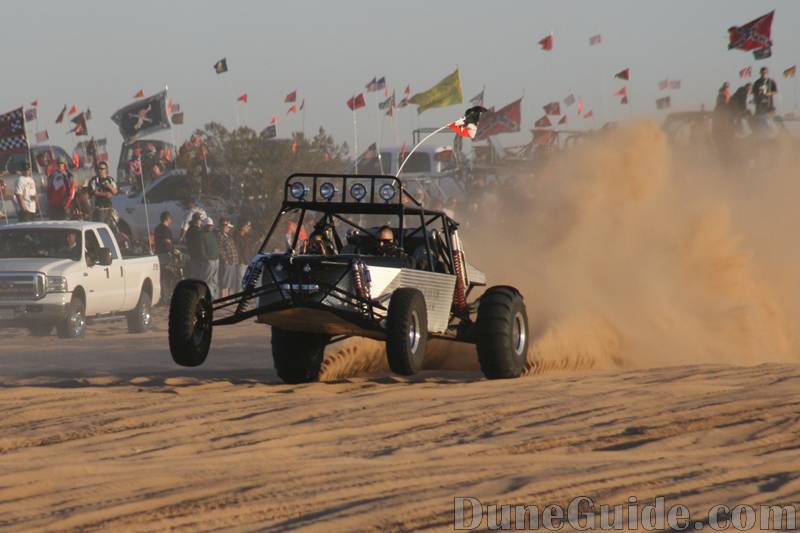
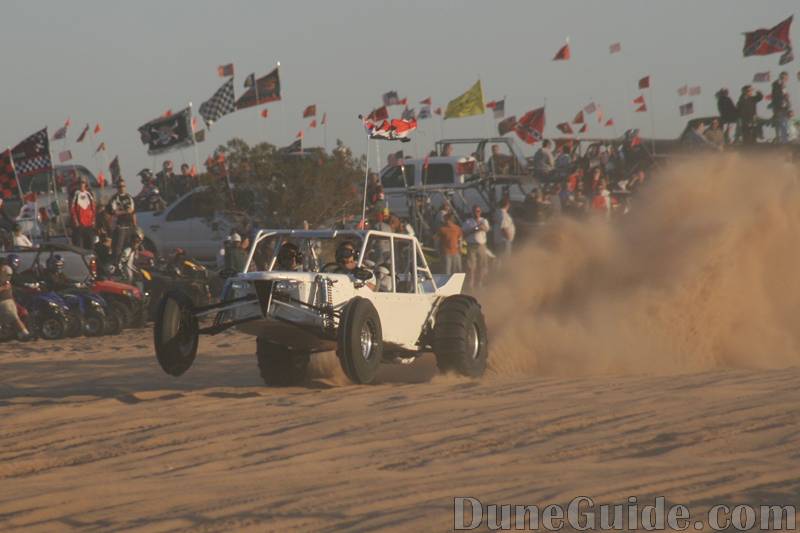
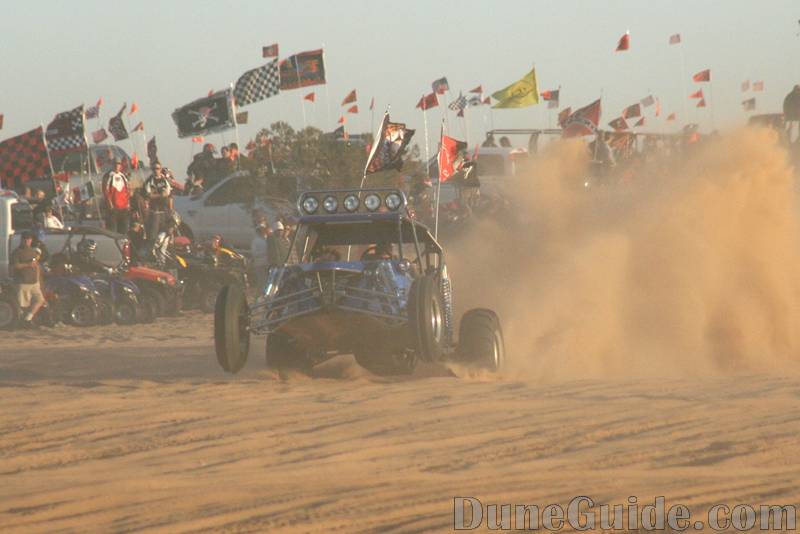
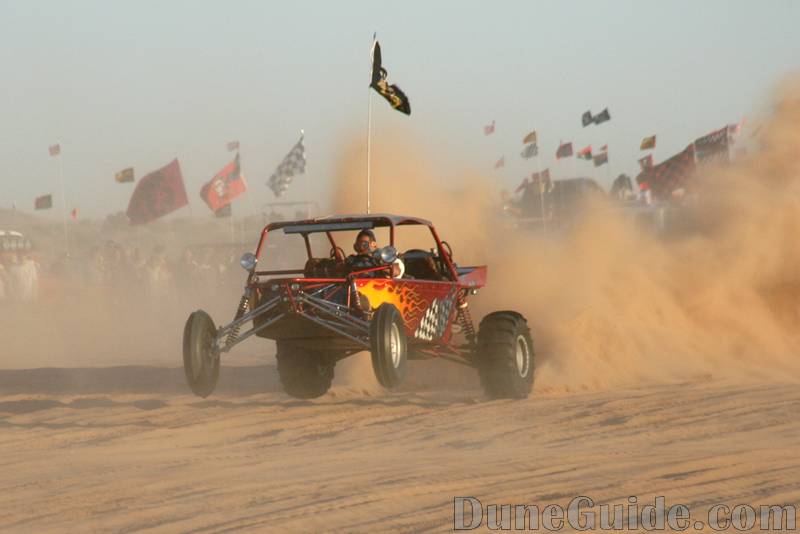
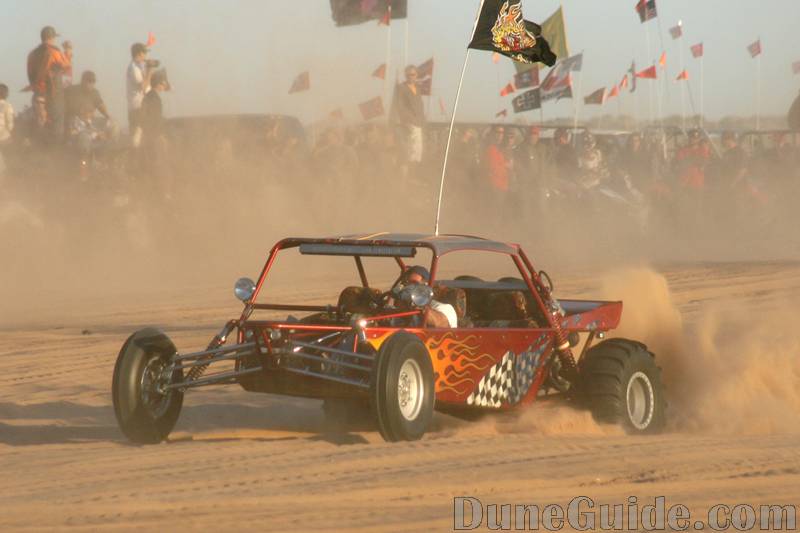
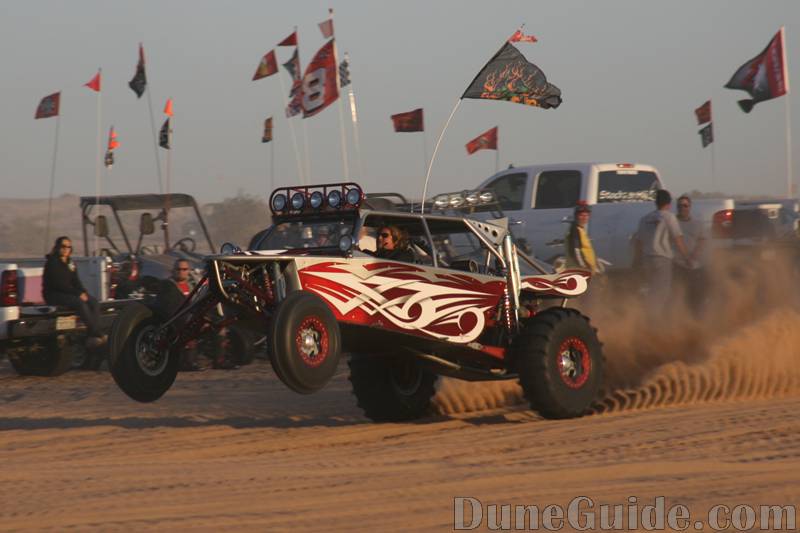
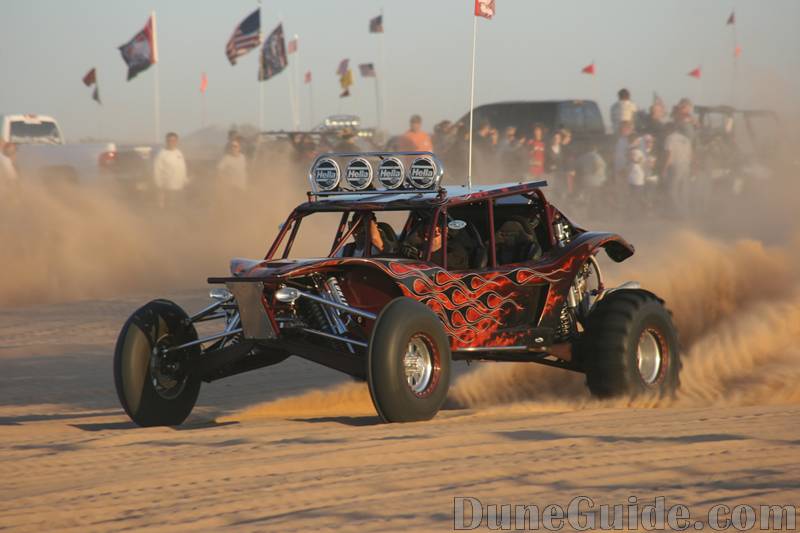
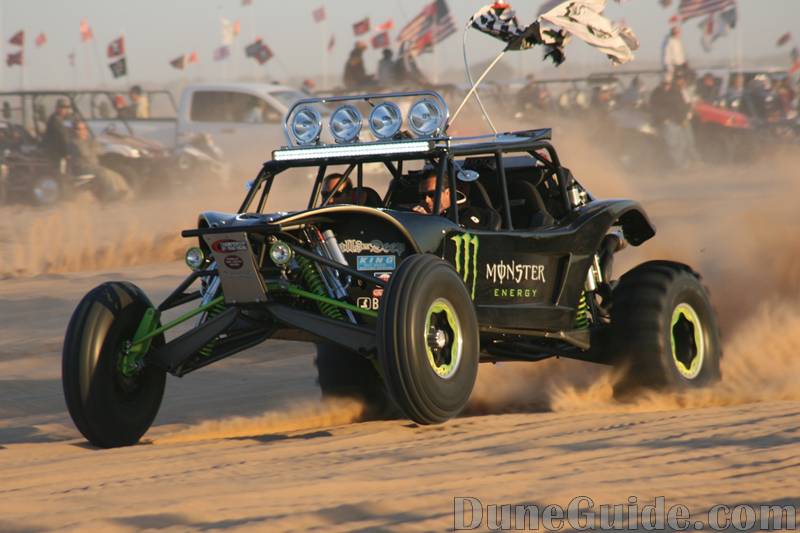
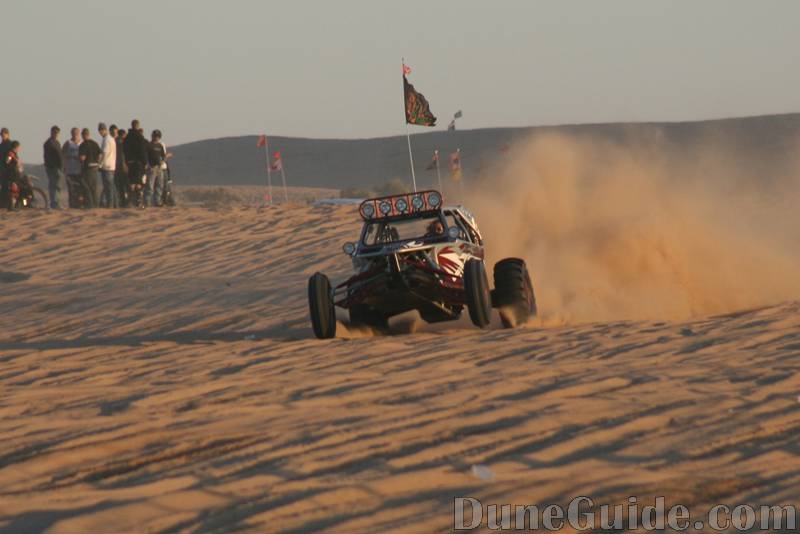
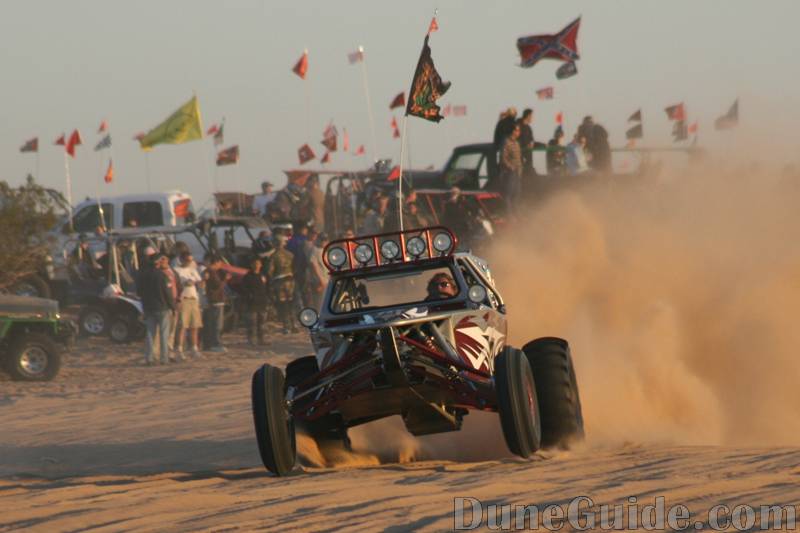
The trip also captured the organized chaos surrounding the Glamis Sand Drags. Spectators lined the course while UTVs, sand cars and other highly modified vehicles accelerated across the open sand.
The sand drags were more than a competition. They gave builders an opportunity to display their vehicles, compare performance and see the latest fabrication and engine developments. For the emerging UTV industry, Glamis became an outdoor proving ground and an informal trade show.


UTVs and High-Horsepower Sand Cars
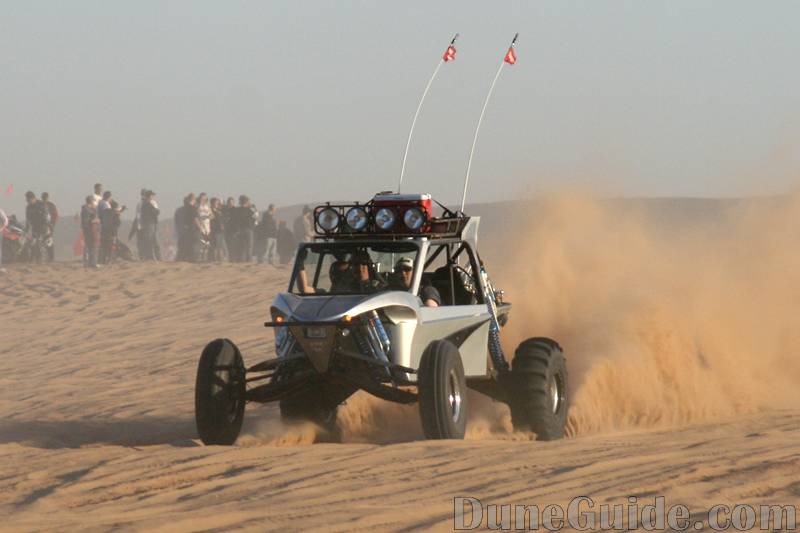
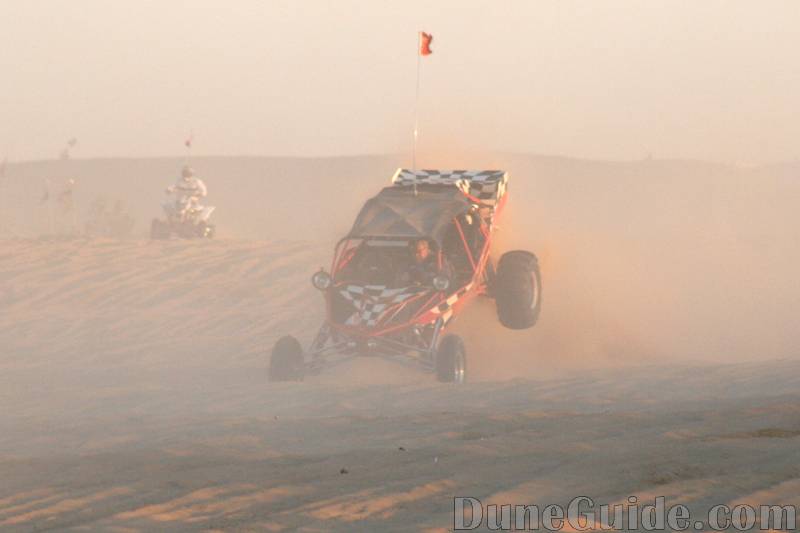
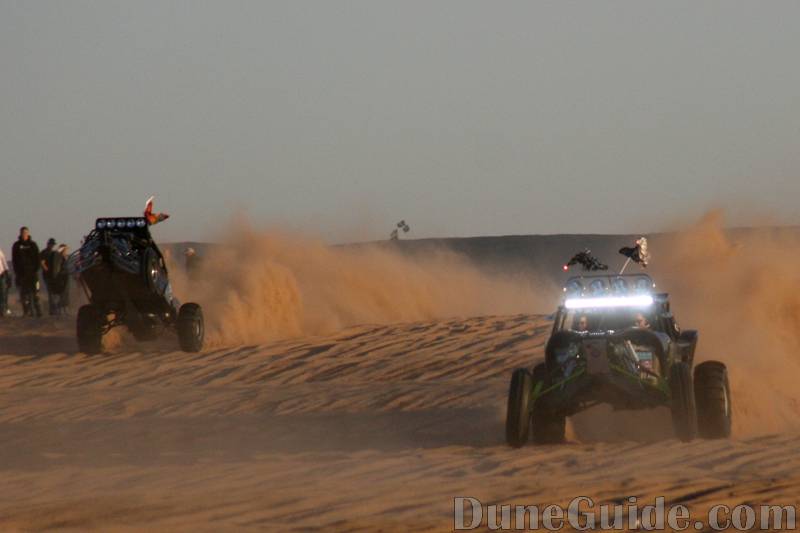
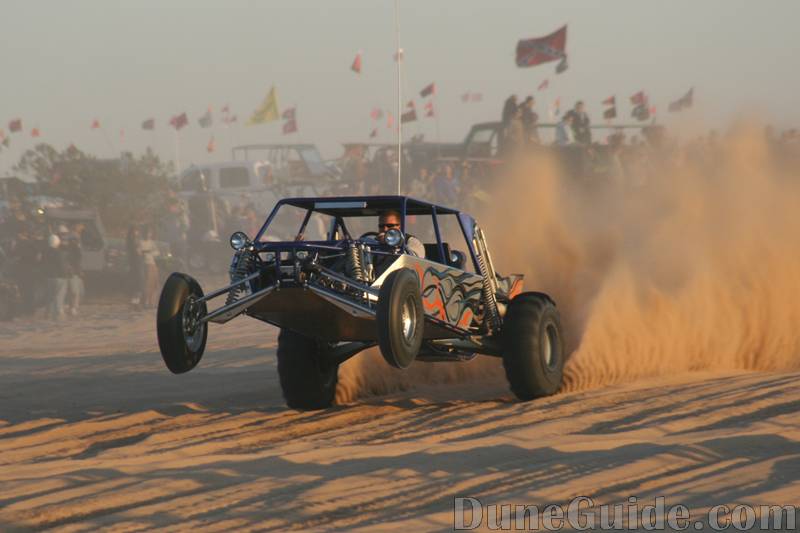
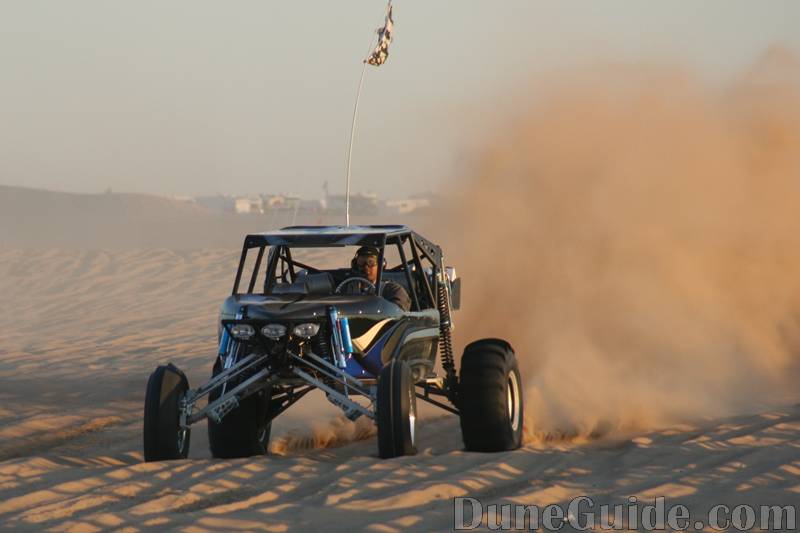
UTVs shared the dunes with purpose-built sand cars offering far more horsepower, wheel travel and speed. The two vehicle types were not yet direct competitors, but sand-car fabrication influenced early UTV development.
Long-travel suspension, chromoly cages, lightweight bodywork, powerful lighting systems and custom interiors were already familiar in the sand-car world. Many of those ideas were adapted to the smaller and more affordable Yamaha Rhino and Polaris RZR platforms.


A Snapshot of a Changing Industry
Viewed today, these photographs are more than images from another weekend in the dunes. They document the moment when the UTV market began transitioning from modified utility vehicles to purpose-built recreational machines.
The Yamaha Rhino proved that owners wanted a compact side-by-side they could personalize for dunes and aggressive trail riding. The original Polaris RZR took the next step by making recreational performance a central part of the factory design.
Modern UTVs now offer turbocharged engines, sophisticated suspension, large tires and highly developed occupant compartments directly from the manufacturer. In January 2008, owners and small fabrication companies were still creating that formula one vehicle at a time.

This story is part of a pivotal period when the Yamaha Rhino aftermarket, Polaris RZR and Kawasaki Teryx reshaped the side-by-side industry. Explore the complete story in our history of the UTV industry in 2008.
For current destination information and more places to explore within the Imperial Sand Dunes, visit our guide to destination rides in Glamis. You can also explore more early adventures in the UTVGuide.net Trip Reports archive.