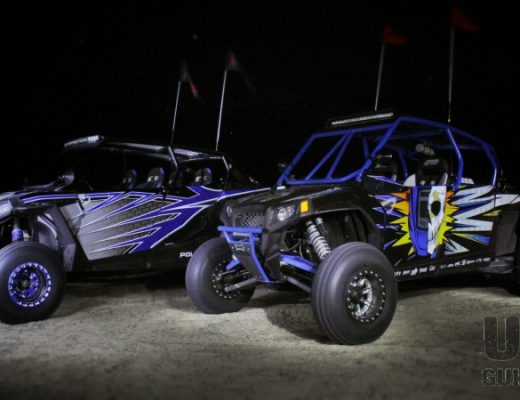
2009 Polaris RZR S 800 Review: The First Long-Travel Sport UTV

Polaris RZR S

By Jon Crowley

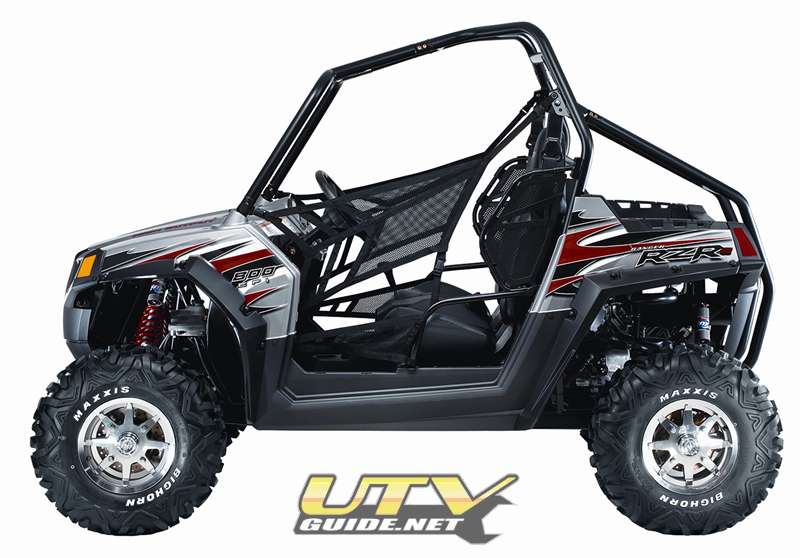
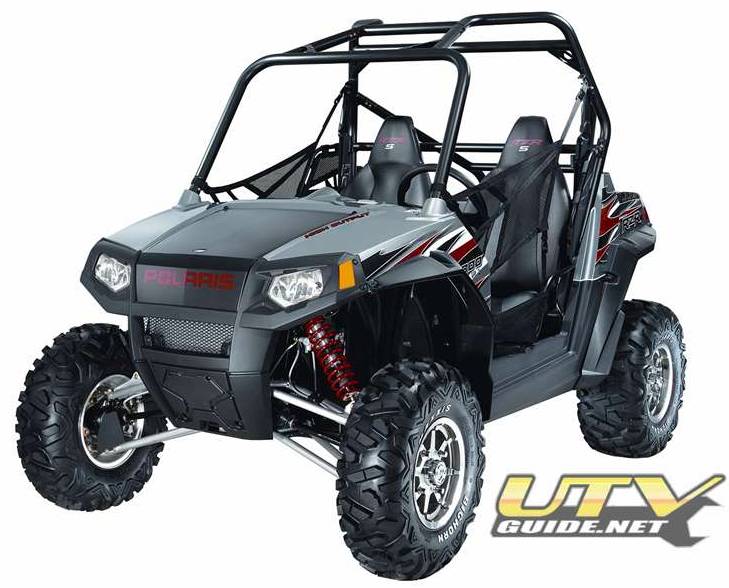
The original Polaris RZR 800 changed the side-by-side market when it arrived for the 2008 model year. Its 50-inch width, bucket seats and performance-focused layout created a new kind of recreational UTV. Polaris followed it one year later with an even more capable machine: the 2009 Polaris RZR S 800.

The RZR S widened the original platform to 60.5 inches, increased suspension travel to 12 inches and added adjustable FOX Podium reservoir shocks. It was designed for dunes, desert terrain and other places where stability and suspension performance mattered more than fitting through a 50-inch trail gate.


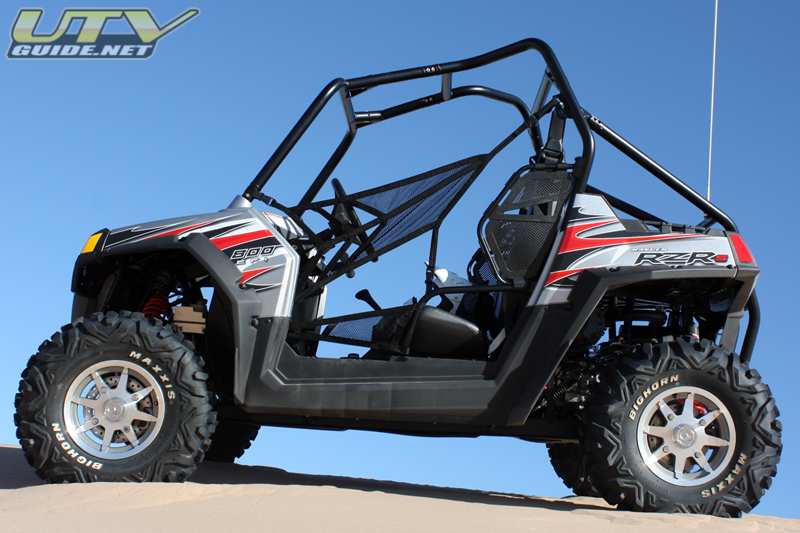
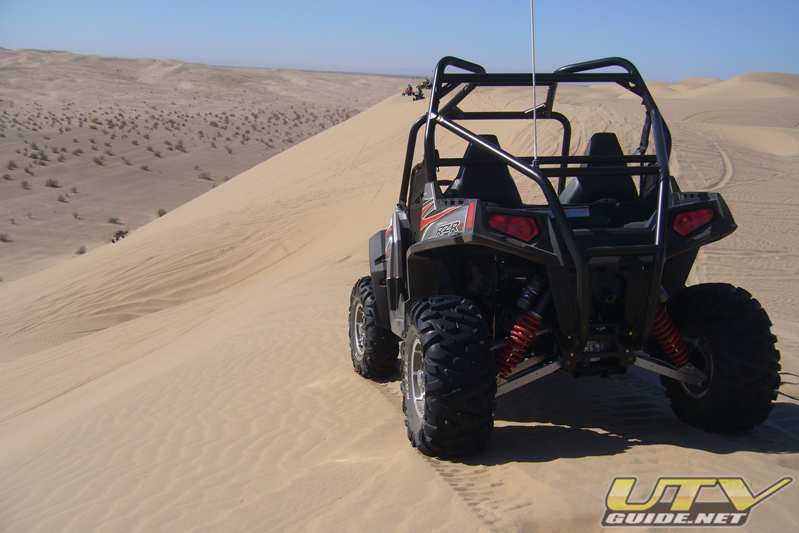
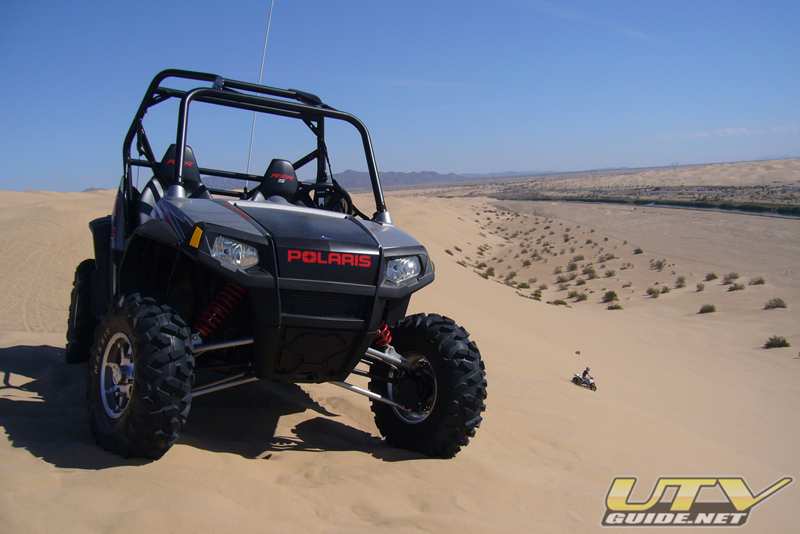
2009 Polaris RZR S 800 in the dunes at Gordons Well
We tested the 2009 Polaris RZR S 800 at Gordons Well in California’s Imperial Sand Dunes.

I got my first seat time in the RZR S during the Sand Addiction Magazine Dune Tour at Gordons Well. Strong Santa Ana winds earlier in the week had smoothed the dunes, creating excellent conditions for evaluating the new machine.

Looking back, the RZR S was more than a wider version of the original RZR. It helped establish the factory long-travel formula that would eventually define the sport UTV category.

2009 Polaris RZR S 800 Highlights

  • 760cc liquid-cooled, twin-cylinder EFI engine
  • Claimed 55 horsepower
  • 60.5-inch overall width
  • 12 inches of front and rear suspension travel
  • Adjustable FOX Podium reservoir shocks
  • 12.5 inches of claimed ground clearance
  • 26-inch Maxxis Bighorn tires
  • Selectable 2WD and On-Demand AWD
  • Claimed 63-mph top speed
  • 1,000-pound claimed dry weight
  • $13,999 starting MSRP

2009 RZR 800 vs. RZR S 800

The standard RZR and RZR S shared the same basic platform, but their intended uses were noticeably different.

Specification 2009 RZR 800 2009 RZR S 800
Engine 760cc twin 760cc H.O. twin
Width 50 inches 60.5 inches
Suspension travel 9 inches front, 9.5 rear 12 inches front and rear
Ground clearance 10 inches 12.5 inches
Claimed top speed 55 mph 63 mph
Tires 25-inch 26-inch Maxxis Bighorn
Shocks Standard FOX Podium reservoir

The original Polaris RZR 800 remained the better option for narrow trails. The RZR S traded that trail-gate compatibility for a wider stance, more ground clearance and substantially more capable suspension.


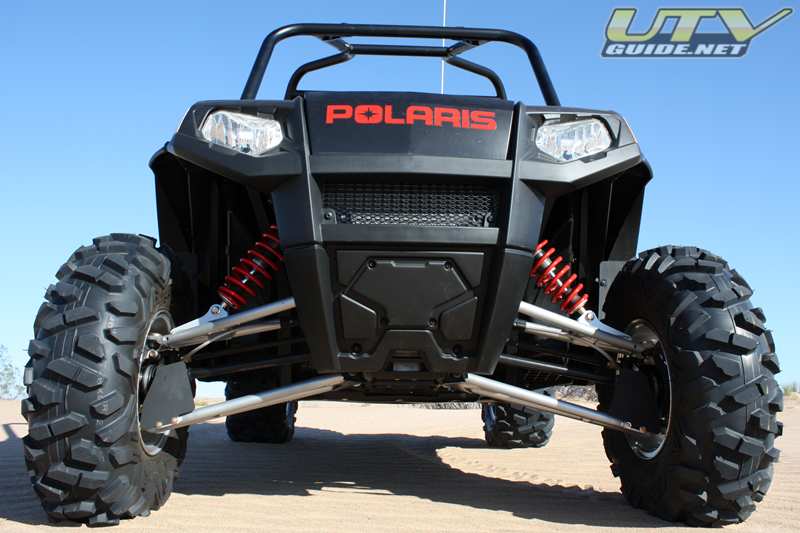
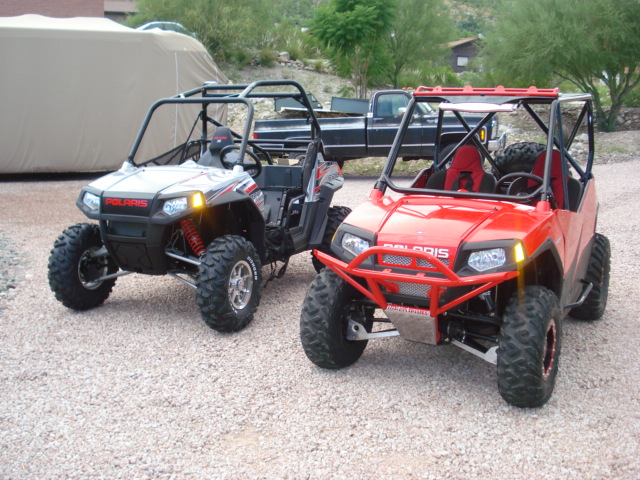
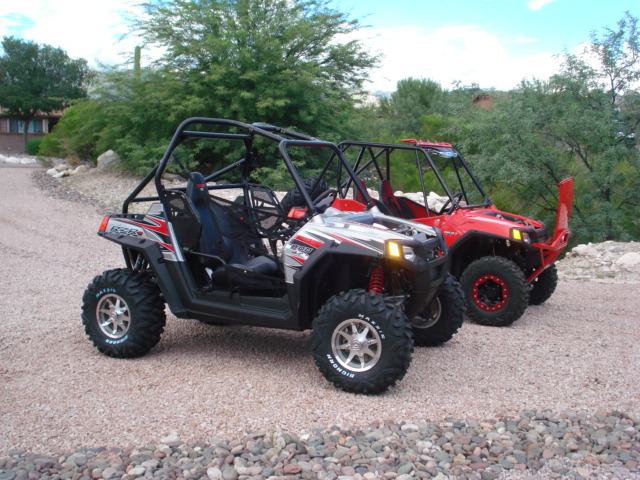
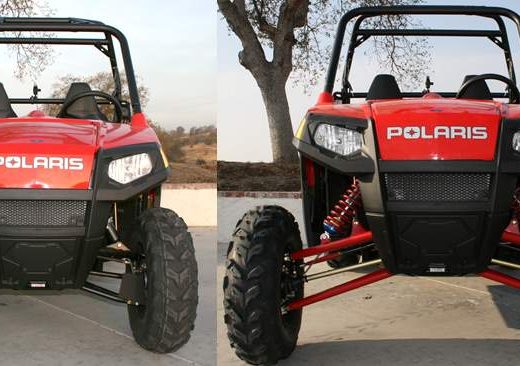
2009 Polaris RZR S 800 compared with the original 50-inch Polaris RZR 800
The 60.5-inch RZR S was noticeably wider than the original 50-inch RZR 800.

Factory Long-Travel Suspension

The defining feature of the RZR S was its factory long-travel suspension. Polaris extended the suspension approximately five inches per side, increasing overall width from 50 to 60.5 inches.

That wider stance immediately improved stability. The RZR S felt more planted when carving bowls, sliding through sweeping turns and crossing uneven dune terrain. Compared with the standard RZR, it generated considerably more confidence as speeds increased.


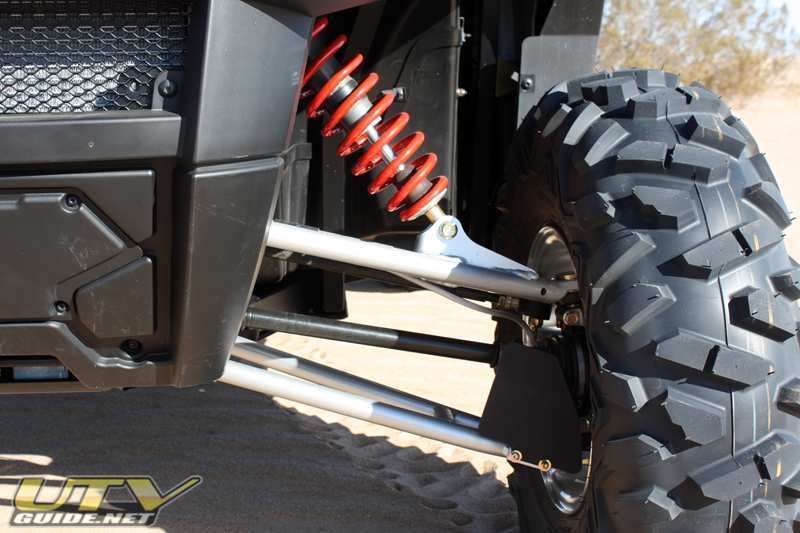
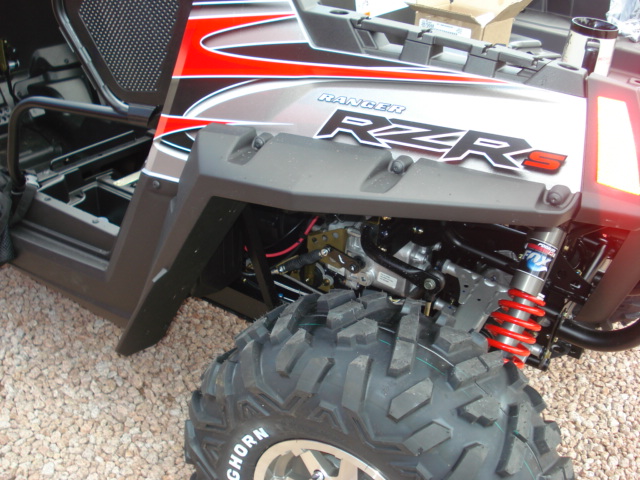
Front long-travel suspension on the 2009 Polaris RZR S 800
The RZR S used wider A-arms to increase its stance and suspension travel.

Both ends offered 12 inches of travel. The front used double A-arms with chromoly upper arms, while the rear retained Polaris’ rolled independent suspension and an anti-sway bar. Unlike the standard RZR, the RZR S did not have a front sway bar, allowing its front suspension to work more independently across uneven terrain.


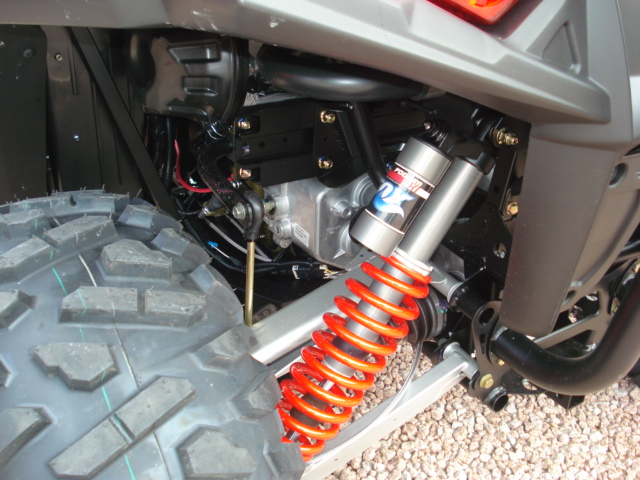
FOX Podium reservoir shock and long-travel suspension on the Polaris RZR S
Adjustable FOX Podium reservoir shocks were a major factory upgrade in 2009.

The FOX Podium shocks performed well during average recreational riding and were substantially better than the standard RZR shocks. Aggressive drivers could still overwhelm them in larger whoops, but the RZR S offered a remarkably capable starting point without requiring an immediate aftermarket suspension conversion.

Engine and Dune Performance

The RZR S used Polaris’ 760cc H.O. EFI twin, rated at 55 horsepower. High-output pistons, revised cams and freer-flowing exhaust components helped give it more performance than the original RZR 800.

That output may sound modest by modern sport UTV standards, but the RZR S only weighed approximately 1,000 pounds. The combination produced responsive acceleration and enough power to make the chassis entertaining in open terrain.

Our test vehicle remained completely stock. We did not install paddle tires or even reduce the air pressure in its 26-inch Maxxis Bighorns.

Despite that, the RZR S climbed both Patton Valley and Test Hill near Gordons Well. These are two of the steeper climbs in the southern portion of the Imperial Sand Dunes Recreation Area.


2009 Polaris RZR S 800 at the top of Patton Valley near Gordons Well
Our stock RZR S at the top of Patton Valley near Gordons Well.

2009 Polaris RZR S 800 at the top of Test Hill at Gordons Well
The RZR S also climbed Test Hill on its stock Maxxis Bighorn tires.

The RZR S had noticeably more dune performance than the standard RZR and was also stronger on the hills than contemporary machines such as the Yamaha Rhino and Kawasaki Teryx.

I recorded 51 mph on GPS during high-speed runs through the Gordons Well drags. That was short of Polaris’ claimed 63-mph maximum, but it was a respectable result in deep sand on stock all-terrain tires.

26-Inch Maxxis Bighorn Tires

Polaris equipped the RZR S with 26-inch Maxxis Bighorns mounted on 12-inch, eight-spoke aluminum wheels. Tire sizes were 26×9-12 in front and 26×12-12 at the rear.


26-inch Maxxis Bighorn tire and aluminum wheel on the 2009 Polaris RZR S
The RZR S came with 26-inch Maxxis Bighorns on aluminum wheels.

The Bighorns were a good all-around choice. They offered useful traction across hardpack, rocks and mixed trail conditions, while the taller diameter contributed to the RZR S’s 12.5 inches of claimed ground clearance.

They were not a replacement for dedicated dune tires. Riders spending most of their time in deep sand would benefit from lightweight rear paddles and properly matched front tires, but the stock Bighorns performed better in the dunes than expected.

Exhaust and Heat Management

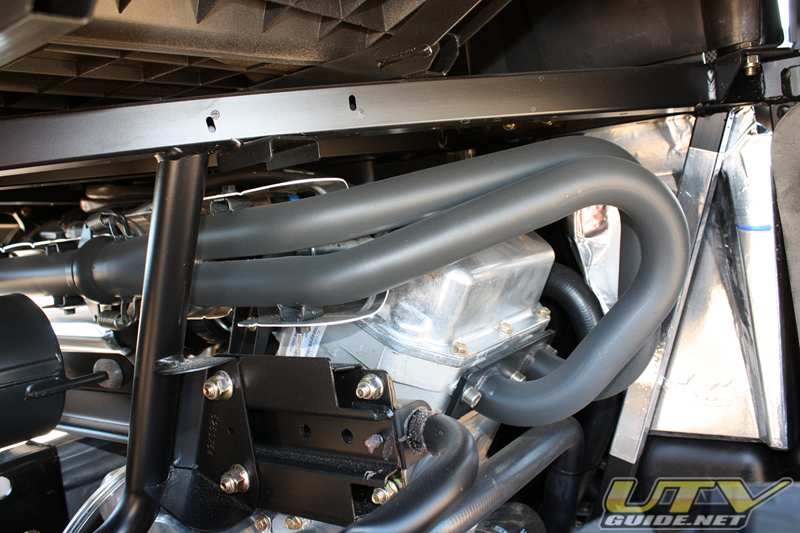
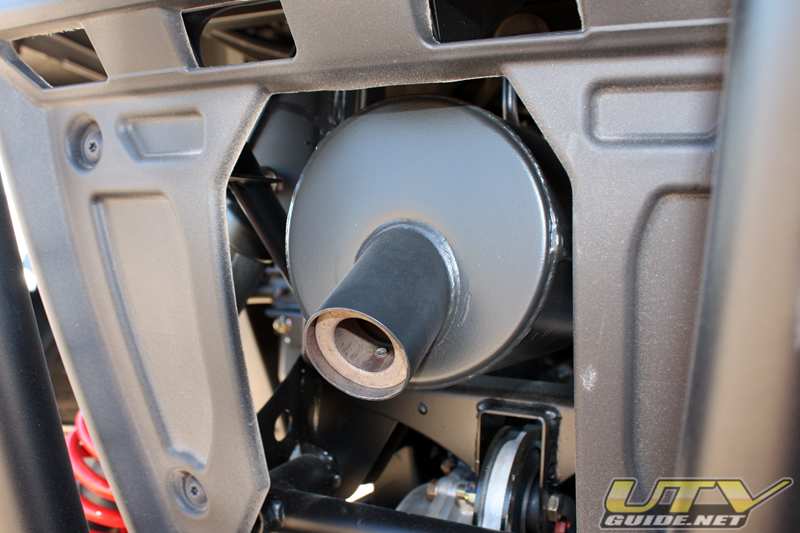
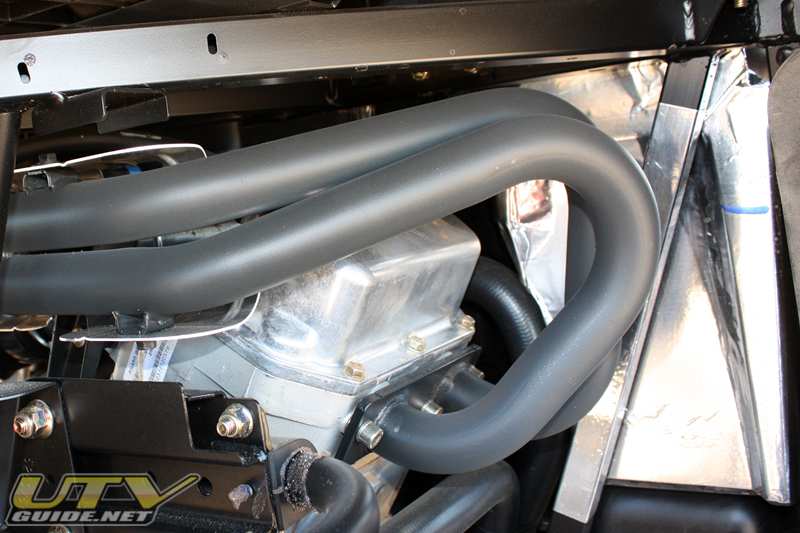
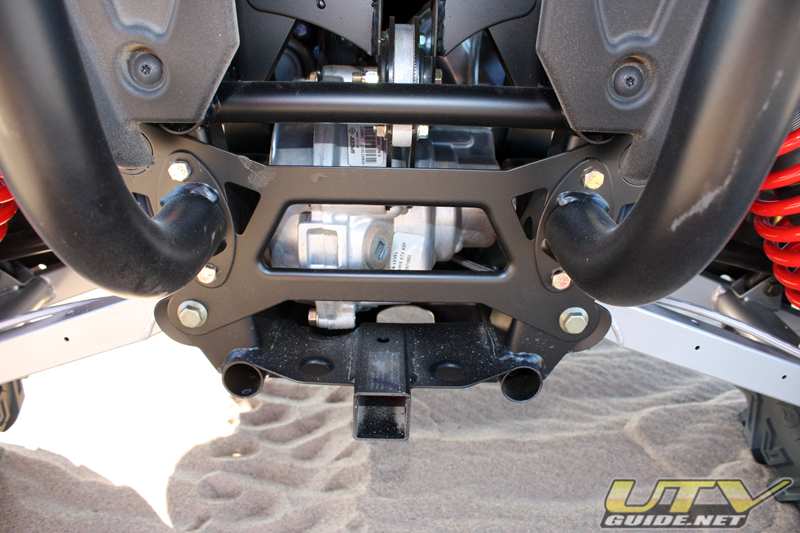
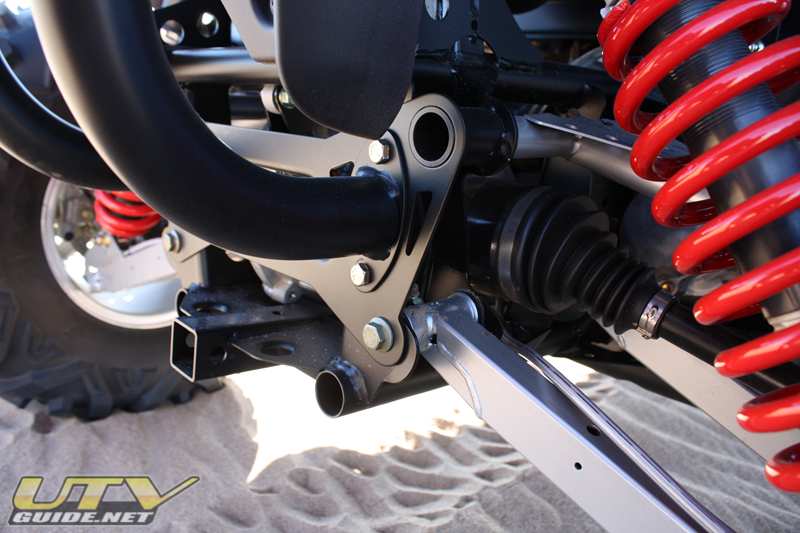
The RZR S received freer-flowing exhaust headers that contributed to its performance increase without making it dramatically louder than the standard RZR. Polaris also turned the exhaust tip downward at approximately 45 degrees.


Performance exhaust header on the 2009 Polaris RZR S 800
The RZR S used revised headers that flowed better than those on the original RZR.

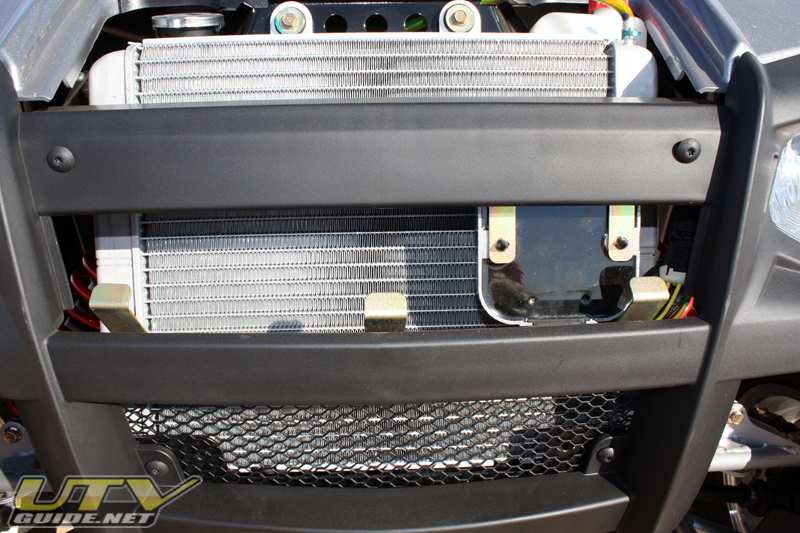
Additional heat shielding near the exhaust helped protect the surrounding bodywork. Polaris also moved the rectifier near the radiator to improve cooling.

Air-Intake Improvements

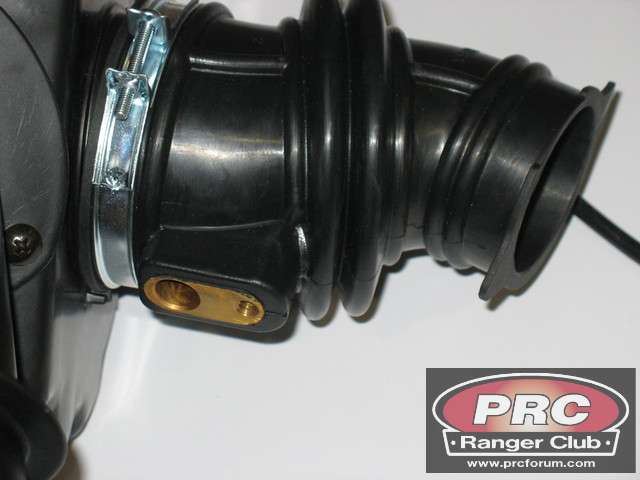
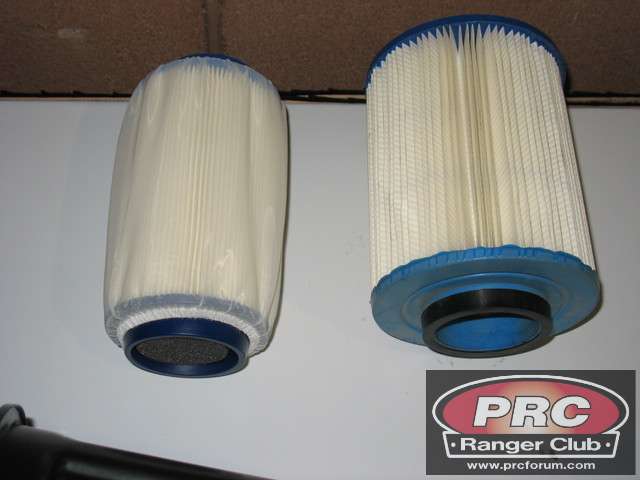
Polaris revised the RZR’s air-intake system for 2009. The changes included a larger filter element, an additional clip to retain the airbox housing and a flexible bellows at the intake connection.


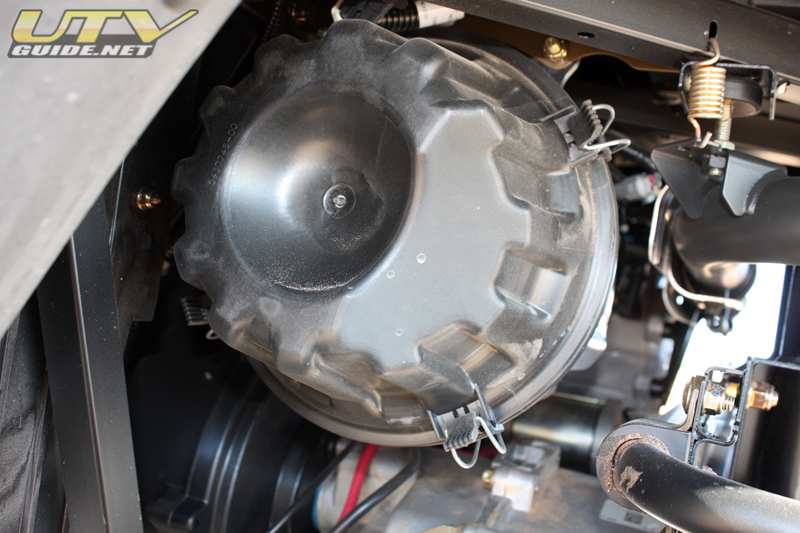
Revised air-filter housing on the 2009 Polaris RZR S
An additional retaining clip helped secure the revised air-filter housing.

These were not headline-grabbing upgrades, but they addressed weaknesses discovered after the release of the original 2008 RZR.

Chassis and Durability Updates

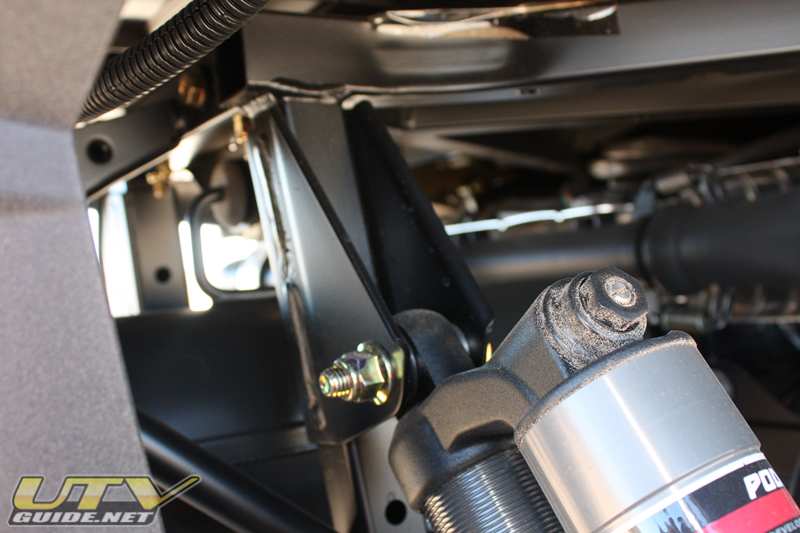
Polaris strengthened the upper shock mounts and added a rear frame gusset to support the wider suspension and increased performance.


Rear frame gusset on the 2009 Polaris RZR S 800
A new rear frame gusset reinforced the RZR S chassis.

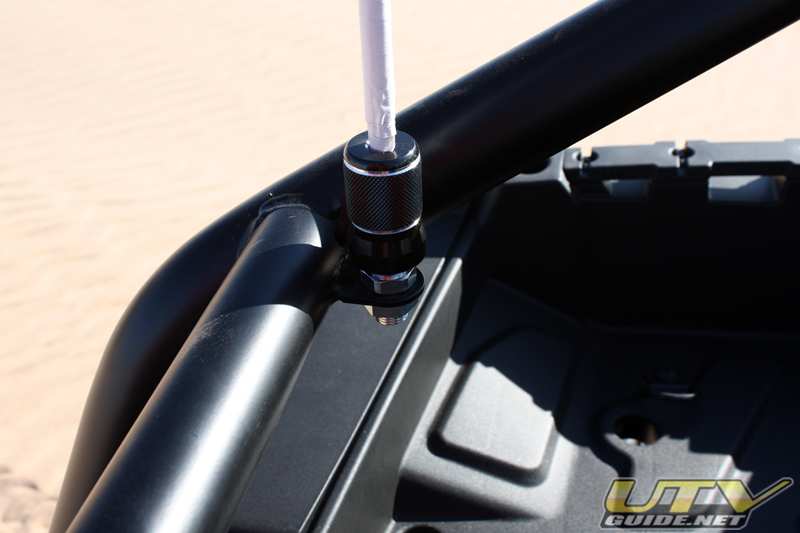
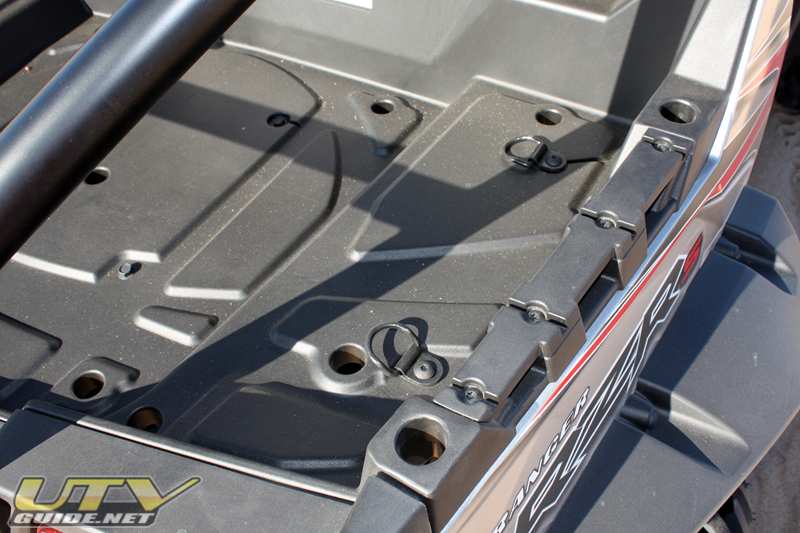
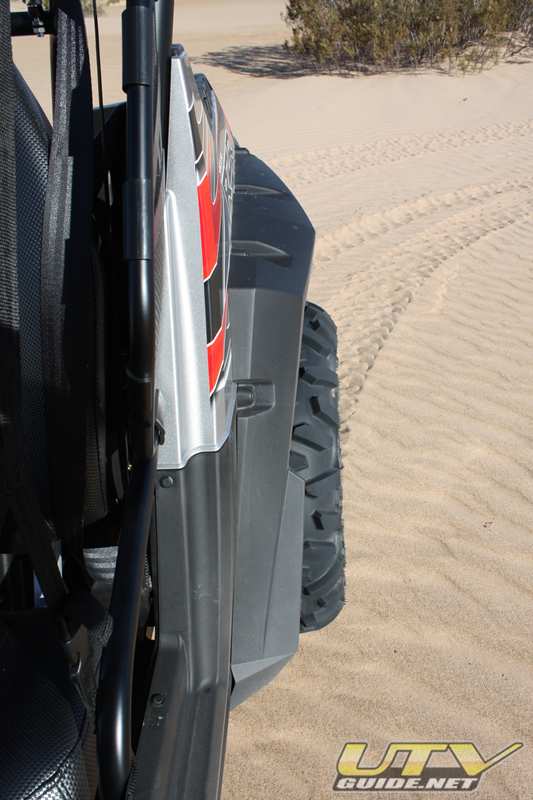
Other practical updates included additional bed tie-down points, fender flares, a factory whip-flag mount, covered under-seat storage, improved transmission shifting and a more durable shoulder bolster.

Cockpit and Heel Pocket

The RZR S retained the compact cockpit of the original RZR. It included an adjustable driver’s seat, tilt steering wheel and adjustable passenger grab bar.

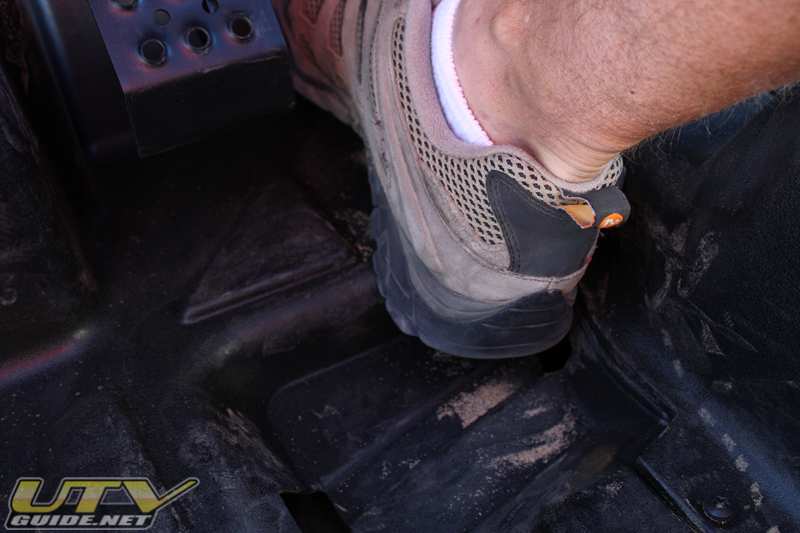
Polaris added a heel pocket intended to improve low-speed throttle control. It helped support the driver’s foot when navigating slower terrain, but I found it less comfortable when holding the throttle fully open. My preferred foot position changed depending on whether I was driving slowly or making a high-speed run.


Driver heel pocket in the 2009 Polaris RZR S 800
The heel pocket improved low-speed throttle control but was less comfortable at full throttle.

Side Nets and Occupant Protection

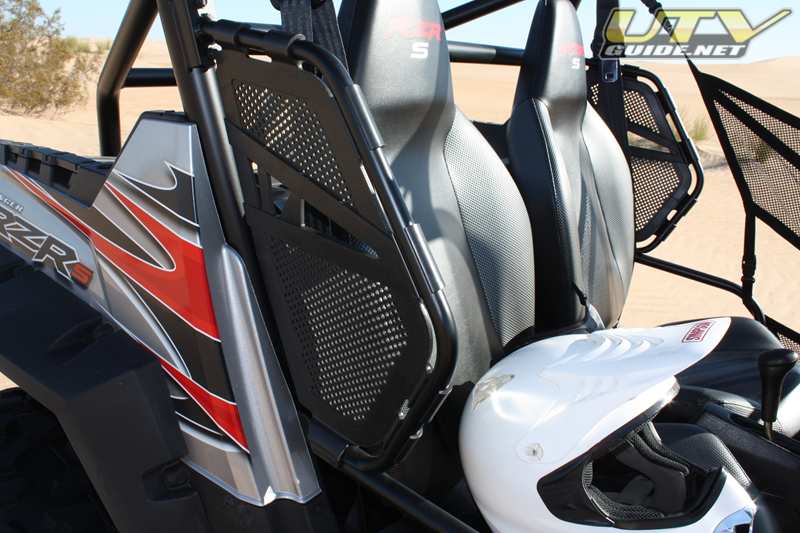
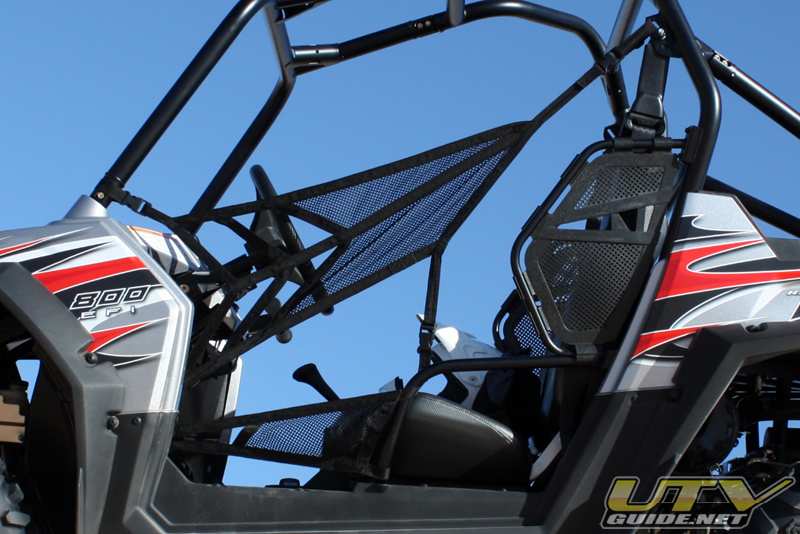
The original side nets were another weak point. They were cumbersome to latch, and the net on the driver’s side sat close to my left hand while steering.


Original side net on the 2009 Polaris RZR S 800
The original side nets were awkward to use, but they were part of the vehicle’s occupant-containment system.

Although doors later became a popular upgrade, occupant protection should not simply be removed. Any replacement door, net or restraint arrangement needs to help keep arms and legs inside the vehicle during a rollover. Harnesses must also be installed correctly and be compatible with the seats, cage and intended use.

What Would We Change?

The RZR S performed remarkably well in stock form, but a few carefully selected upgrades would improve it:

  1. Better occupant retention using properly installed restraints appropriate for the seats and cage.
  2. Quality doors or updated containment nets that are easier to use.
  3. Paddle tires for frequent dune riding.
  4. Suspension tuning for aggressive driving or repeated large whoops.
  5. An upgraded roll cage for demanding recreational or competition use.

These modifications should be treated as parts of a complete occupant-safety and performance system rather than unrelated accessories.

2009 Polaris RZR S 800 Specifications

Specification 2009 Polaris RZR S 800
Engine Liquid-cooled 760cc H.O. twin-cylinder EFI
Claimed output 55 horsepower
Transmission Automatic PVT with high, low, neutral, reverse and park
Drive system Selectable 2WD and On-Demand AWD
Front suspension Double A-arm without anti-sway bar; 12 inches of travel
Rear suspension Rolled independent suspension with anti-sway bar; 12 inches of travel
Shocks FOX Podium reservoir shocks with compression and preload adjustment
Ground clearance 12.5 inches
Length 102 inches
Width 60.5 inches
Height 70.5 inches
Wheelbase 77 inches
Turning radius 149.5 inches
Claimed dry weight 1,000 pounds
Fuel capacity 7.25 gallons
Cargo-box capacity 300 pounds
Towing capacity 1,500 pounds
Front tires 26×9-12 Maxxis Bighorn
Rear tires 26×12-12 Maxxis Bighorn
Wheels 12-inch eight-spoke aluminum
Wheel-bolt pattern 4×156
Stator 500 watts
Claimed top speed 63 mph
Starting MSRP $13,999

Final Verdict

The 2009 Polaris RZR S 800 was one of the most important early sport UTVs. Polaris took the compact and entertaining original RZR, added a wider stance, legitimate long-travel suspension, adjustable FOX shocks and more power, then sold it as a complete factory vehicle.

It remained light and nimble while gaining the stability needed for dunes and faster desert terrain. Even on stock Maxxis Bighorns, our test machine climbed Patton Valley and Test Hill and reached 51 mph on GPS in the sand.

Modern sport UTVs have far more horsepower, suspension travel and occupant protection, but the RZR S established much of their underlying formula. Its influence can be followed through the complete history of the Polaris RZR, from the original 2008 RZR 800 to today’s specialized trail, desert and rock-crawling models.

Frequently Asked Questions

What year did the Polaris RZR S 800 come out?

The RZR S 800 was introduced for the 2009 model year, one year after the original RZR 800.

How wide is a 2009 Polaris RZR S?

The 2009 RZR S is 60.5 inches wide. That makes it substantially wider than the 50-inch original RZR and unsuitable for trails restricted to 50-inch vehicles.

How much horsepower does a 2009 RZR S 800 have?

Polaris rated the 760cc H.O. twin-cylinder engine at 55 horsepower.

How much suspension travel does the RZR S 800 have?

The RZR S provides 12 inches of suspension travel at both the front and rear.

What is the top speed of a 2009 RZR S 800?

Polaris claimed a top speed of 63 mph. During our dune test at Gordons Well, we recorded 51 mph on GPS in stock form with Maxxis Bighorn tires.

Why was the original RZR S important?

It combined a 60-inch stance, long-travel suspension and adjustable reservoir shocks in a factory-built sport UTV. This made high-performance suspension and wider chassis geometry available without requiring an aftermarket long-travel conversion.