

The 2010 Polaris RZR S 800 spent nearly a year with UTVGuide.net, giving us an opportunity to use the machine across a much wider range of terrain than a typical first-drive review. We drove it in the Glamis dunes, explored Sierra trails, encountered deep snow and used it to pre-run rough Nevada desert race courses.
That experience demonstrated why the original RZR S was such an important step in the development of the sport UTV. It combined the compact dimensions and responsive character of the original RZR with a wider stance, 12 inches of suspension travel and FOX reservoir shocks. The result was a factory-built machine that felt much closer to the modified long-travel RZRs enthusiasts were building at the time.

2010 Polaris RZR S 800 Overview
The RZR S used Polaris’ liquid-cooled, fuel-injected 760cc High Output twin-cylinder engine. Polaris rated it at 55 horsepower and claimed a top speed of 63 mph. Power reached the ground through an automatic PVT transmission and selectable 2WD/On-Demand AWD system.
The more important distinction was the chassis. At 60.5 inches wide, the RZR S was approximately 10.5 inches wider than the original trail-width RZR 800. It offered 12 inches of suspension travel at both ends, 12.5 inches of ground clearance, FOX Podium reservoir shocks and 26-inch Maxxis Bighorn tires.
The added width meant the RZR S would not fit designated 50-inch trails, but it delivered substantially better stability and suspension performance in dunes, desert terrain and faster recreational riding. For the complete model history and specifications, see our Polaris RZR S 800 guide.
Trail Testing at Strawberry Pass
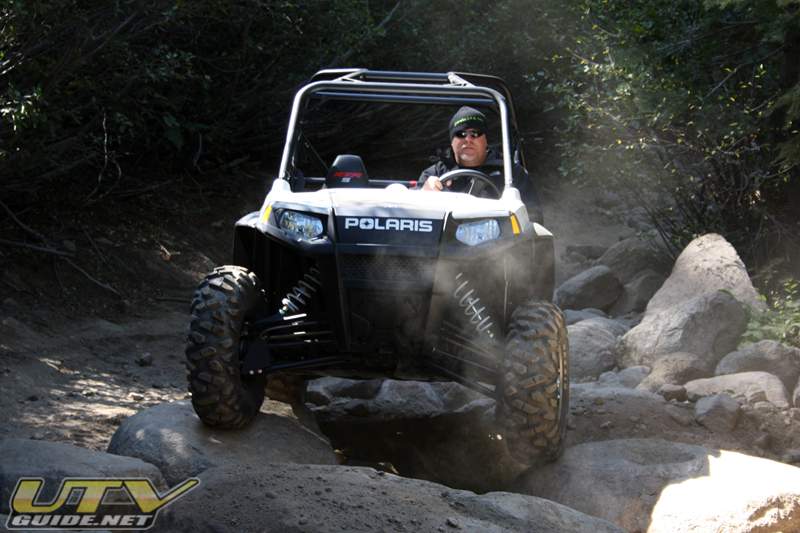
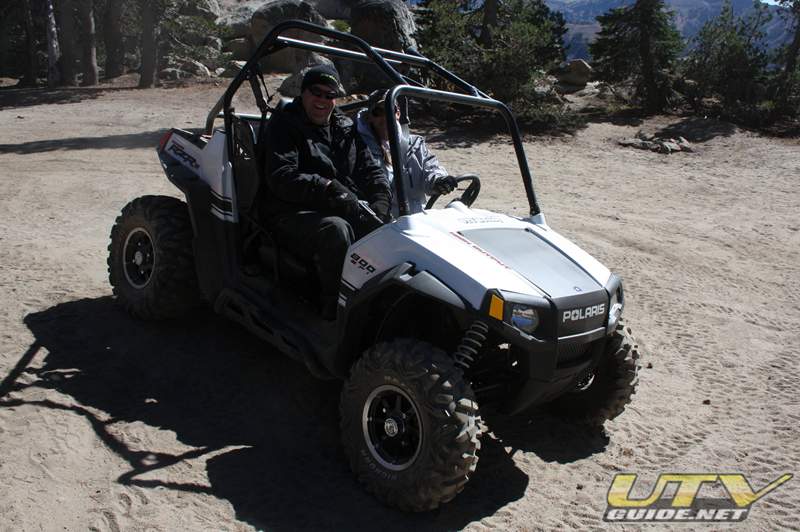
One of our early trips took the RZR S onto Strawberry Pass in California’s Sierra Nevada. The route combined dirt roads, rocky sections and tighter forest terrain. Camo from Pirate4x4.com drove the RZR S during part of the trip.
The wider stance provided confidence on uneven terrain, while the compact 77-inch wheelbase kept the machine maneuverable. Compared with the original 50-inch RZR, the S felt more planted without becoming excessively large for this type of trail ride.
Polaris RZR S in the Glamis Dunes
We logged approximately 100 dune miles over three days at Glamis during Halloween 2009. We returned for Thanksgiving and covered another 164 miles in three days.
The RZR S was well matched to the dunes. Its wider suspension made it more stable when carving bowls and crossing uneven sand, while the naturally aspirated 800 engine delivered predictable power. It did not have the output of later RZR XP models, but the combination of relatively low weight, compact dimensions and responsive handling made it entertaining in technical dunes.
Read the accompanying trip reports from Glamis Halloween 2009 and Glamis Thanksgiving 2009.


Winter Testing in the Sierra
The RZR S also saw multiple winter outings. We drove it during a November Sierra snow ride, played in fresh local snow in December and later took it toward the Rubicon Trail during a January snow run.
Polaris’ On-Demand AWD system worked well when conditions became slick. The system automatically engaged the front wheels when the rear tires lost traction, allowing the driver to concentrate on steering and throttle control. The machine’s relatively light weight also helped it stay mobile, although deep or wet snow could quickly overwhelm the stock tires and available ground clearance.
Related reports include our Sierra snow ride, Crystal Basin snow run and Rubicon Trail snow run.


Desert Race Pre-Running and Recovery
The toughest testing came while supporting desert races in Nevada. At the May 2010 VORRA race near Yerington, we pre-ran the approximately 50-mile course twice in the RZR S. We also completed a lap in our Polaris RZR 4 800.
When our Kawasaki Teryx race vehicle broke, the RZR S towed it off the course and back to the trailer. We then put approximately 40 more miles on the RZR S and RZR 4 while moving through the desert to watch the race. The RZR S handled the additional work without a problem.


We used the RZR S again to pre-run a 75-mile Xtreme Outlaws course in June. The terrain was extremely rocky, but the vehicle completed the route without missing a beat.
At the July 2010 Fallon desert race, the RZR S completed two laps of an approximately 42-mile loop near Fallon and Sand Mountain. These repeated desert outings were a much harsher test than casual trail riding and reinforced our confidence in the machine.


Everyday Recreation at Lake Almanor
Not every outing involved difficult terrain. We also took the RZR S to Lake Almanor for the Chester Fourth of July Parade and trail rides in Plumas National Forest. The RZR S joined our original RZR and long-term Polaris RANGER EV.
These easier outings highlighted another strength of the original RZR S: it remained compact and simple enough for casual exploring. Modern sport UTVs offer far more power and suspension travel, but they are also substantially larger and heavier.


Accessories and Upgrades Tested
We installed several accessories during the long-term test. Some increased protection, while others made the vehicle better suited to dunes, nighttime driving and general recreation.
PURE Polaris Rock Sliders
The PURE Polaris rock sliders protected the lower sides of the vehicle without significantly reducing ground clearance. They attached to existing mounting points using six supplied bolts and used a powder-coated finish for corrosion resistance.
The sliders accumulated scratches during rocky outings, demonstrating that they were taking impacts that could otherwise have reached the bodywork or lower chassis.


Baja Designs Six-Inch PreRunner HID Lights
Six-inch Baja Designs Soltek PreRunner HID lights provided significantly more nighttime visibility than the stock headlights. Their vibration-isolated mounts helped protect the lights in rough terrain, and the tool-free adjustment knobs made it easy to change the beam angle.

Factory UTV UHMW Skid Plate and A-Arm Guards
Factory UTV UHMW protection was a practical addition for the rocky Sierra and Nevada terrain where we used the vehicle. The skid plate protected the bottom of the chassis, while the A-arm guards helped components slide over rocks instead of catching on them.


FOX 2.0 Piggyback DSC Shocks
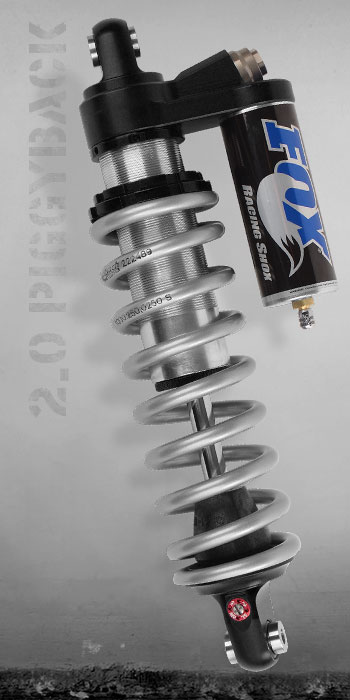
We also tested FOX 2.0 piggyback shocks with dual-speed compression adjustment. Separate high- and low-speed compression controls provided more tuning range than the original shocks, allowing the suspension to be adjusted for different terrain and driving speeds.
OMF Wheels and Fullerton Sand Sports Tires
For dune trips, we used OMF beadlock wheels with dedicated sand tires from Fullerton Sand Sports. The paddle-tire setup improved acceleration and climbing traction in soft sand, while the lightweight front tires reduced steering effort.

EMP Half Windshield
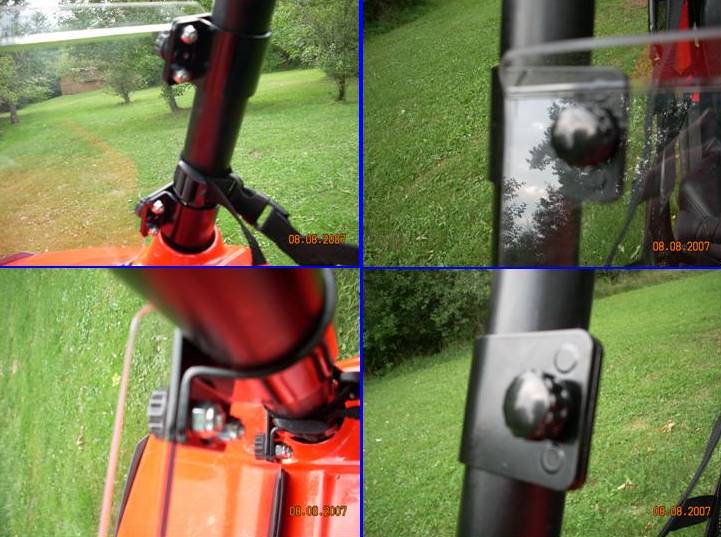
The Extreme Metal Products half windshield used scratch-resistant polycarbonate and quick-connect clamps. It reduced wind and debris reaching the occupants while allowing more airflow than a full windshield. The thumbscrew mounts also made it possible to remove the windshield without tools.

Long-Term Reliability
The RZR S completed our dune trips, winter outings, trail rides and desert pre-runs without a significant mechanical failure. The Nevada courses were particularly demanding because they combined speed, rocks, dust and repeated impacts over long distances.
Maintenance and regular inspections remain important on any older sport UTV, especially one used in dusty or rocky conditions. Air-filter sealing, suspension bushings, wheel bearings, CV boots, drive-belt condition and fluid levels deserve careful attention. However, our experience showed that the RZR S platform could withstand considerably more punishment than its compact size suggested.
What We Liked
- Stable 60.5-inch stance
- Responsive handling and compact wheelbase
- Useful 12 inches of front and rear suspension travel
- Predictable naturally aspirated power
- Effective On-Demand AWD system
- Strong performance across dunes, snow, trails and desert terrain
- Good reliability throughout our long-term test
Limitations
- Too wide for designated 50-inch trails
- Stock engine power was modest by later sport UTV standards
- Compact cabin and minimal occupant protection compared with newer machines
- Stock skid protection benefited from reinforcement for rocky terrain
- Small stock tires limited performance in deep snow and larger rocks
Final Verdict
The 2010 Polaris RZR S 800 proved to be a durable and versatile sport UTV. Its greatest strength was balance: it was wide enough to be stable, compact enough to remain agile and powerful enough to be entertaining without becoming difficult to control.
Our testing also showed why the RZR S became so influential. It brought long-travel suspension, reservoir shocks and a wider performance stance into a complete factory package. That formula eventually became the foundation for much of the sport side-by-side market.
The RZR S looks small and lightly powered beside today’s high-horsepower machines, but our long-term vehicle handled hundreds of miles of dunes, snow, trails and harsh desert terrain with impressive reliability. Its place in the evolution of the category is covered further in our history of the Polaris RZR.


