
| Polaris RZR 4 – Robby Gordon Edition
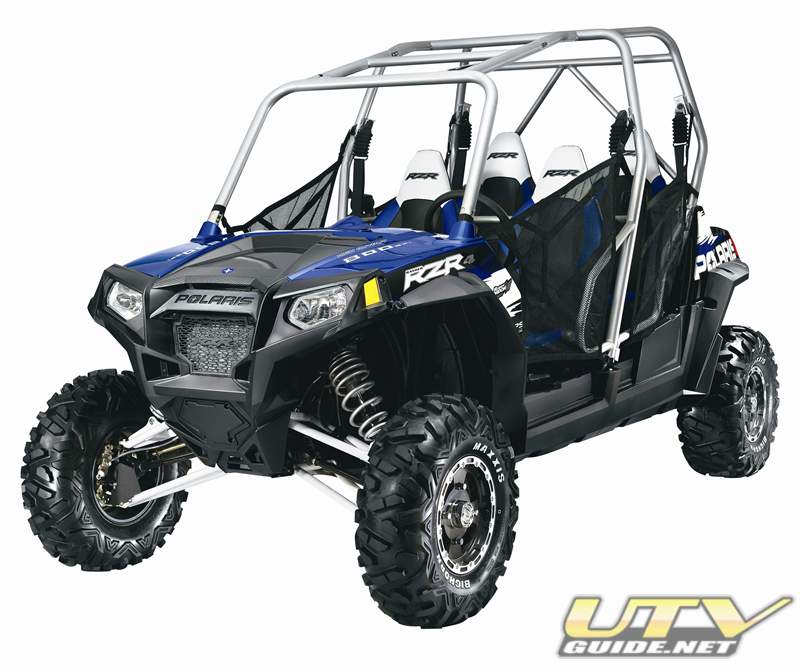
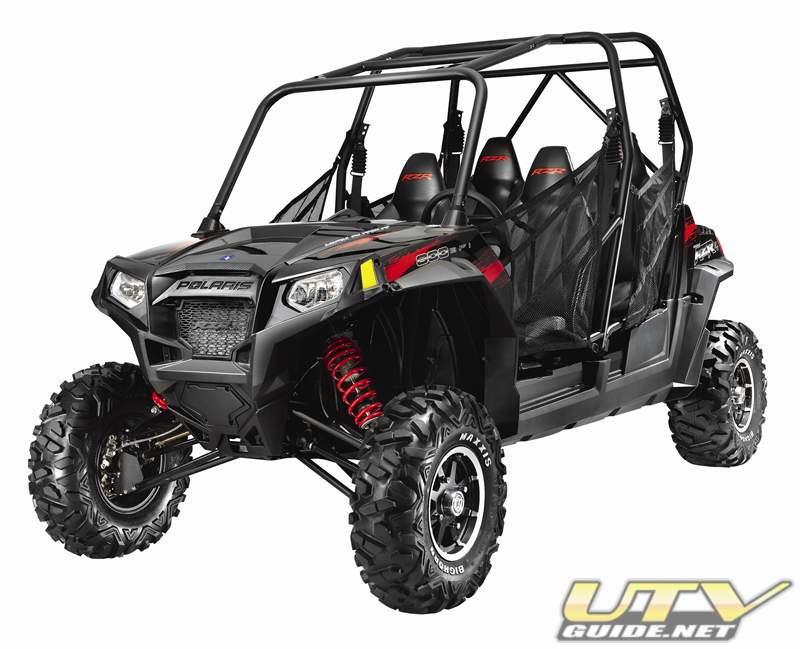
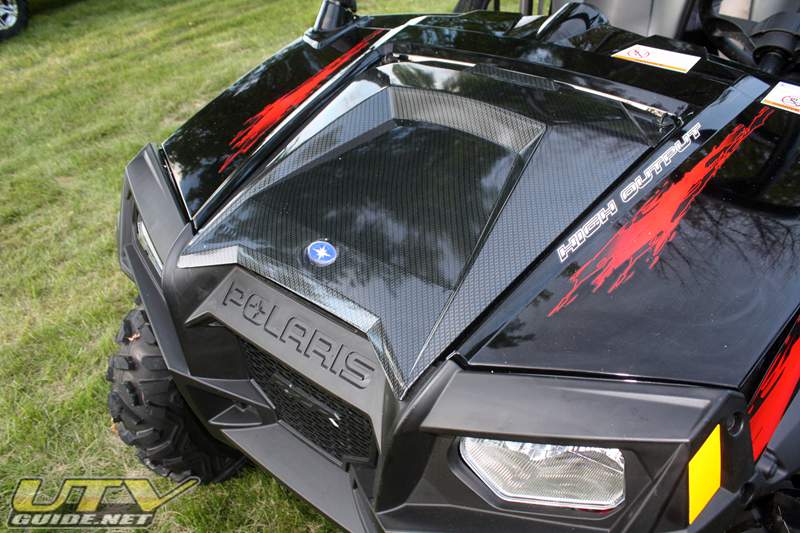
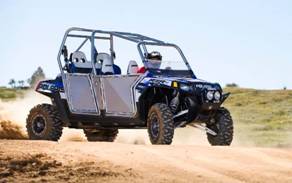
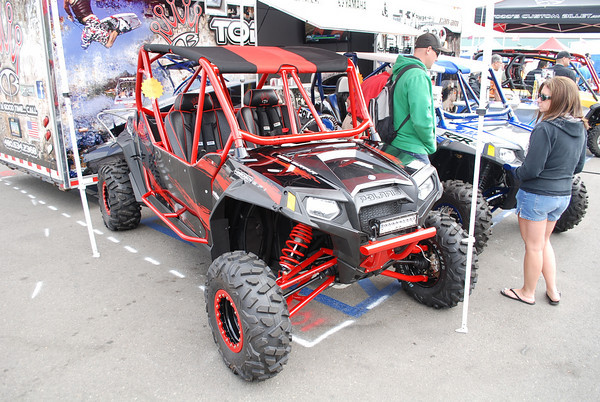
2011 Polaris RZR 4 Information: Introduced last model year, the RANGER RZR 4 800 was the first multi-passenger sport Side-by-Side and the industrys only four-seat, high performance machine. For 2011, the RANGER RZR 4 800 will be available in two Robby Gordon packages, a painted black and red edition and a power steering version that includes Robby Gordon-inspired graphics. Key Features
» Available in two Robby Gordon editions: a Black and Red edition and a Power Steering version with Robby Gordon inspired graphics
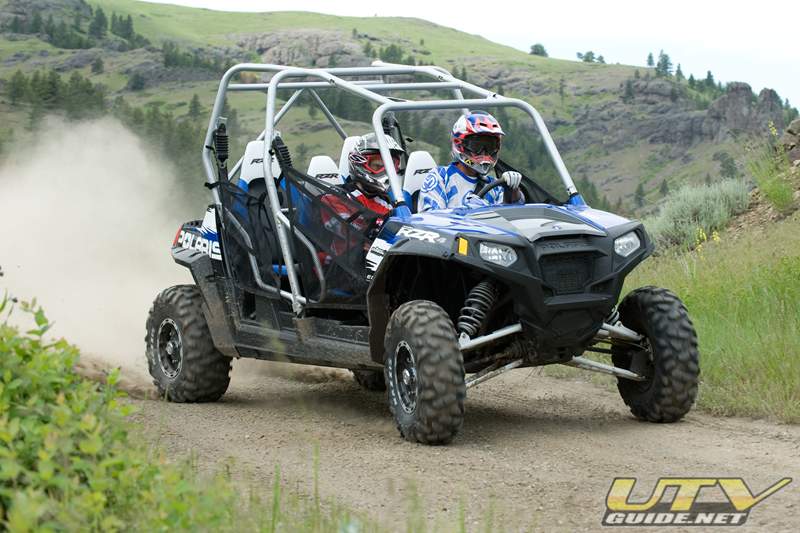
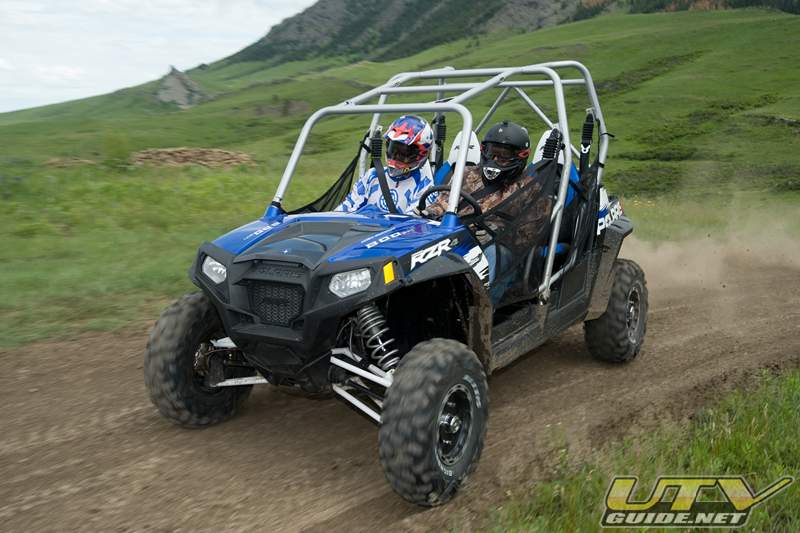
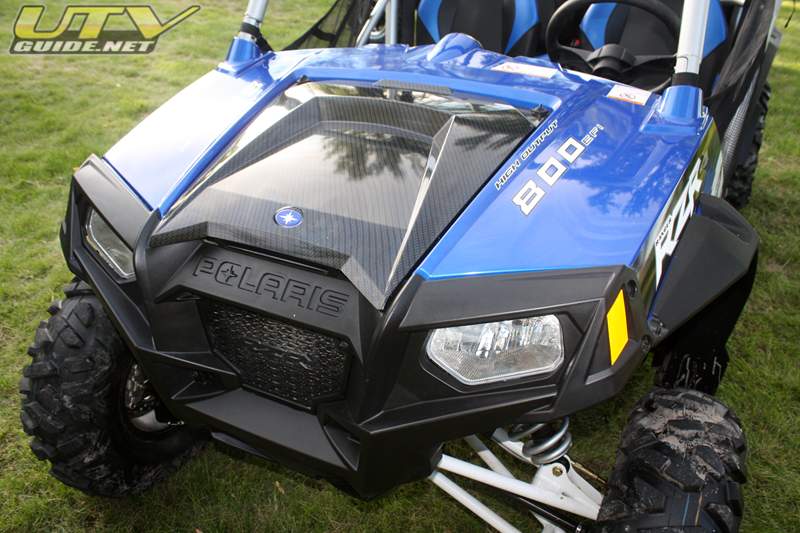
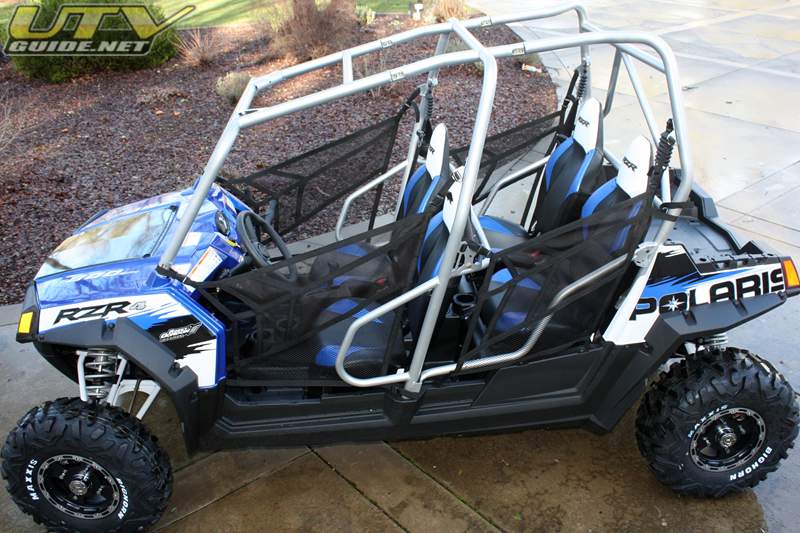
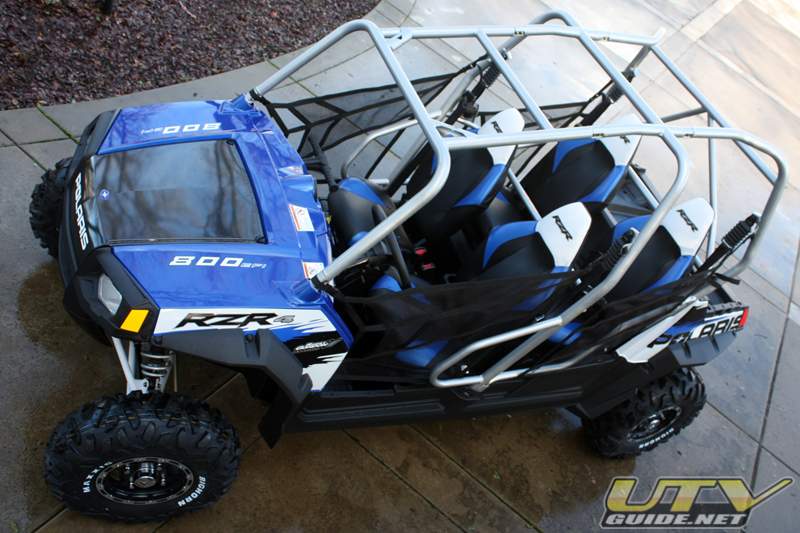
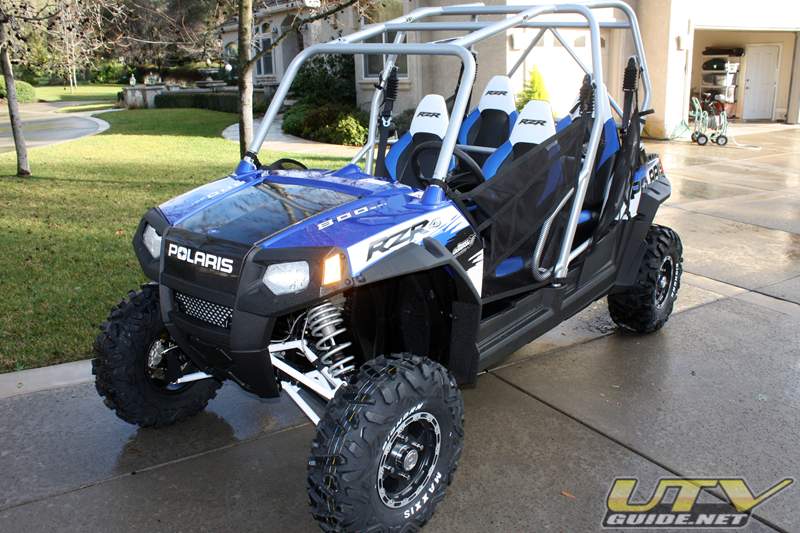
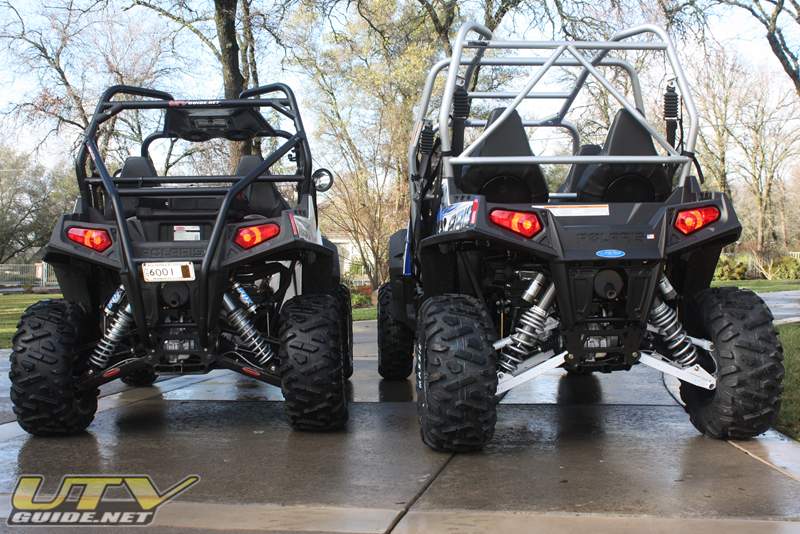
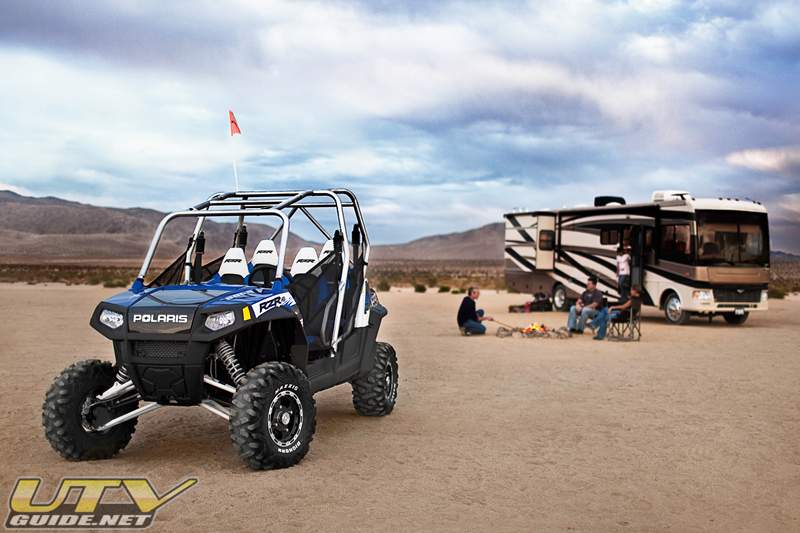
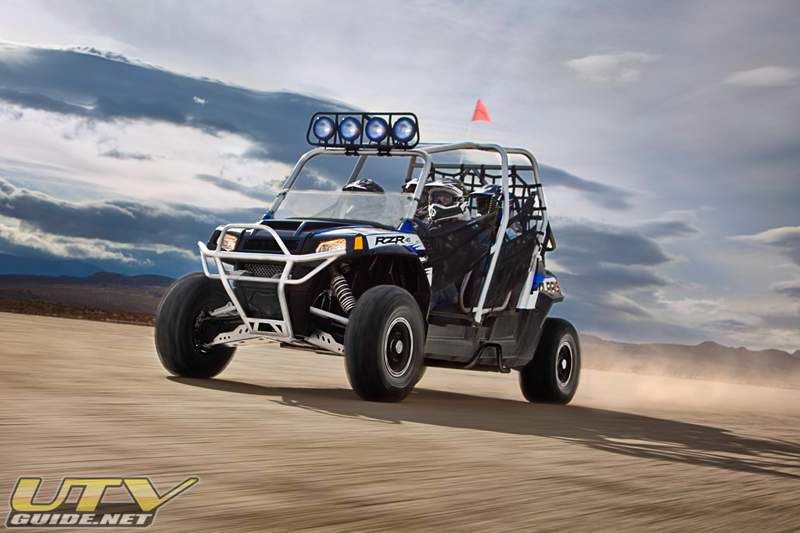
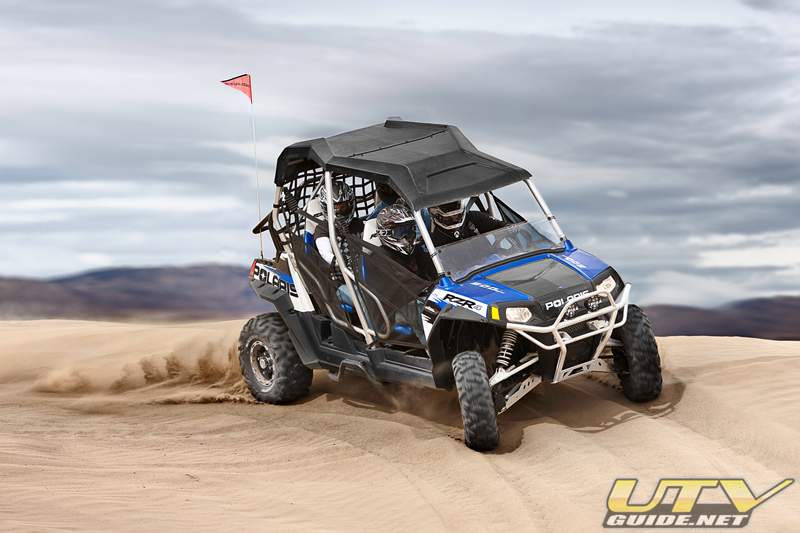
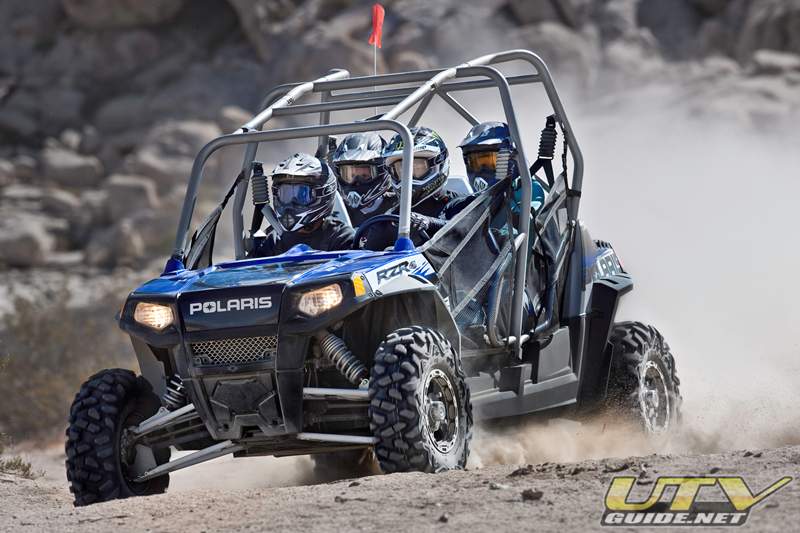
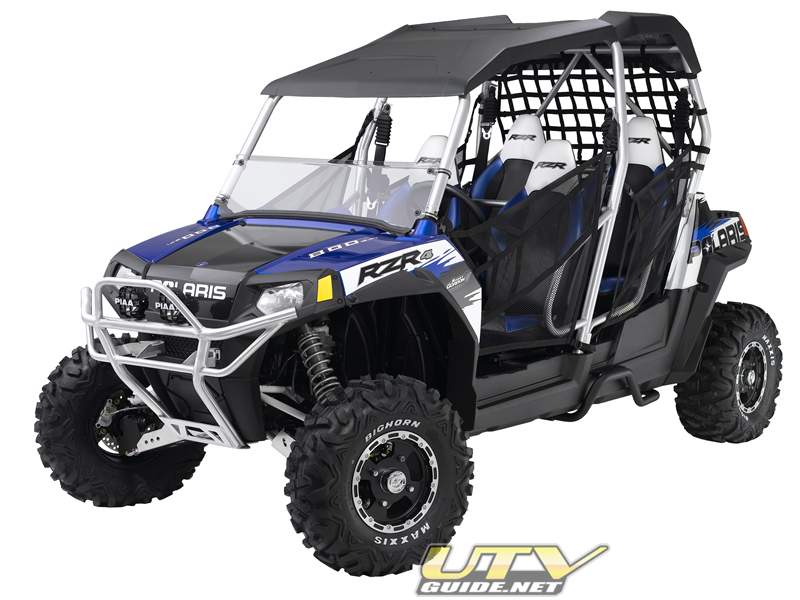
Polaris Ranger RZR 4 Information: Nine months ago, Polaris announced a relationship with Robby Gordon and today were proud to introduce the first Robby Gordon edition, the all-newRANGER RZR 4. Before today, Sport Side-by-Side enthusiasts looking to carry multiple passengers had no option; that is no longer the case with the announcement of the industrys first four-seat Sport Side-by-Side. Polaris saw a market for a multi-passenger Sport vehicle at a significantly lower price than an expensive Sand Car or Rail, said Eric Nault, product manager for RANGER RZR 4. The RANGER RZR 4 fills that need for a Sport Side-by-Side experience for multiple passengers. The RANGER RZR 4 has all the performance and attributes of the RANGER RZR family and the ability to carry four people. With a powerful 800cc High Output Twin EFI engine, the RANGER RZR 4 has a class-leading power-to-weight ratio and strong acceleration. Its 60-inch/152.4cm width coupled with RANGER RZRs patented design that places the engine behind the back seat for the lowest center of gravity, makes the RANGER RZR 4 more agile than most competitive two-seat Side-by-Sides. At 1,255 lbs/569.3 kg., its also lighter than many two-passenger vehicles.
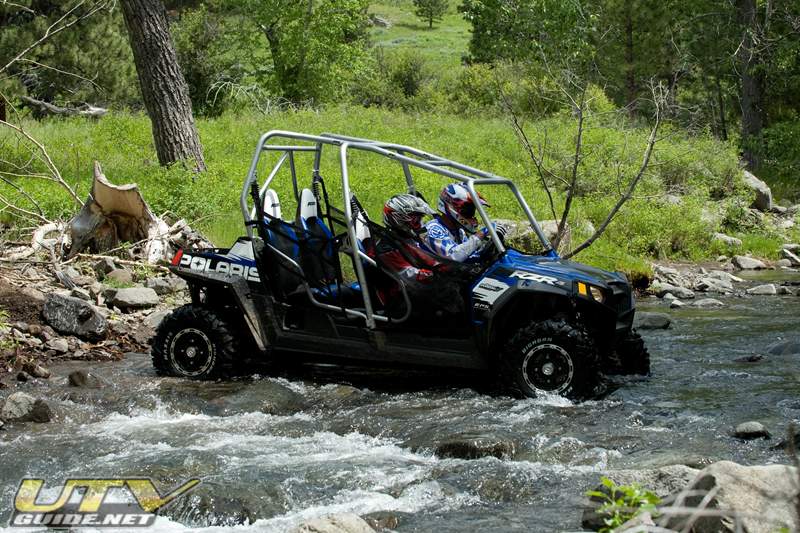
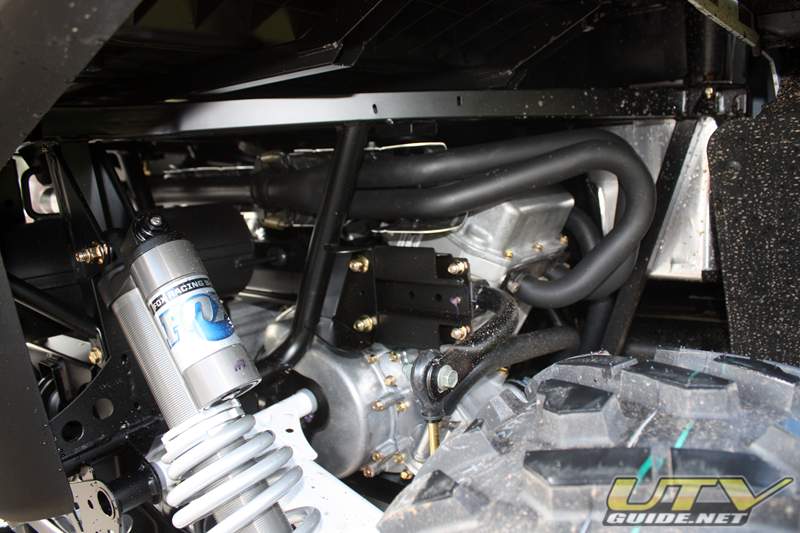
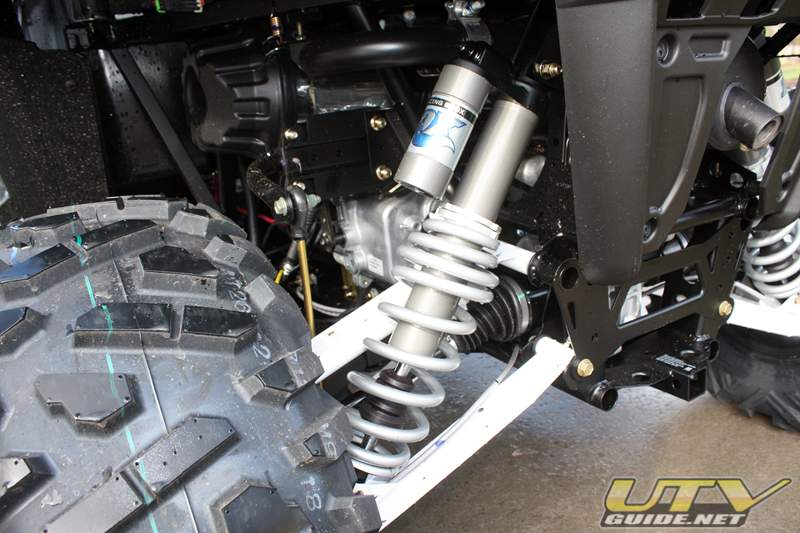
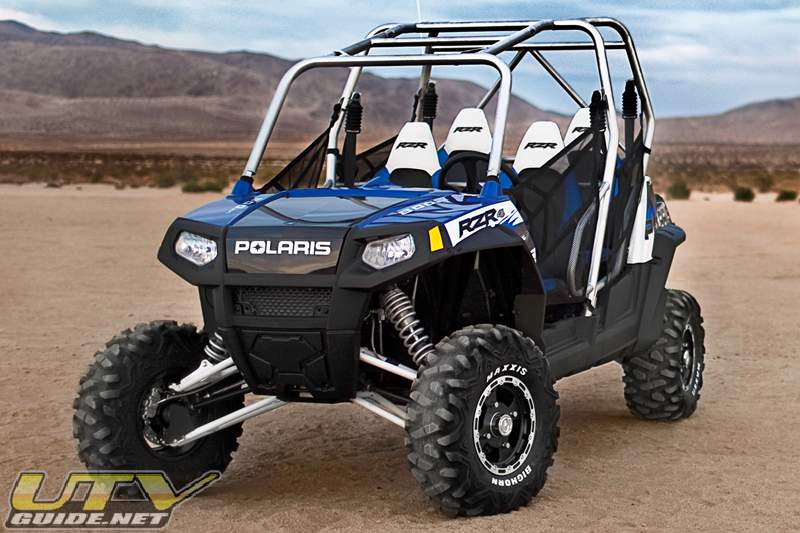
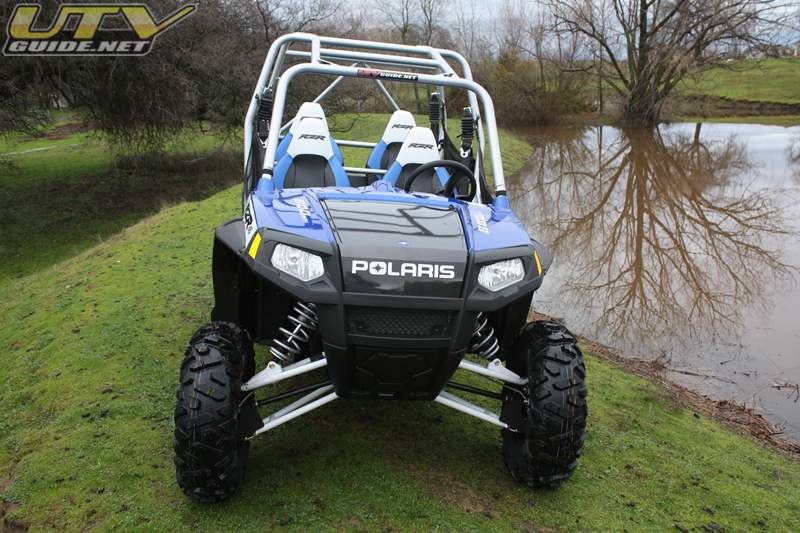
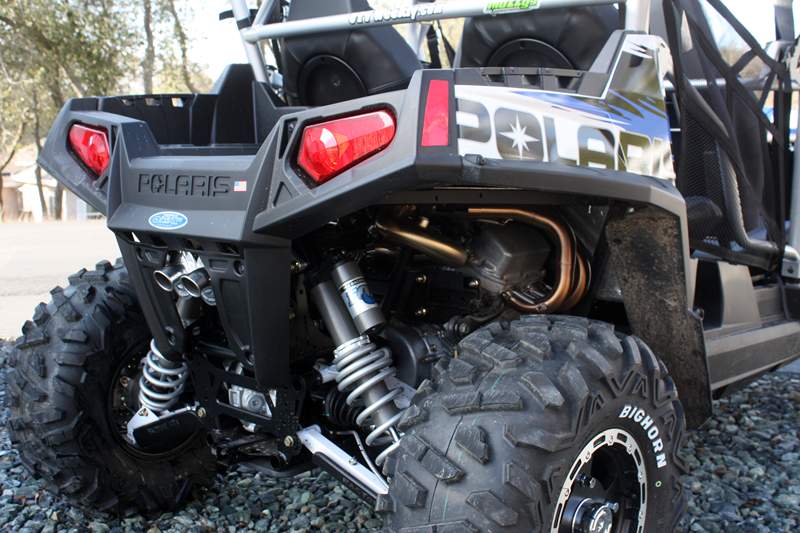
For optimal, agile handling on any terrain, RANGER Razor 4 features long travel suspension with 12 in/30.5 cm of suspension travel and ground clearance. The units premium suspension includes new Fox Podium X 2.0 Piggyback Reservoir Shocks plus Chrome Moly front upper A-Arms for precision and strength. The rear anti-sway bar and dual rate springs keeps the chassis flat through corners and the rolled independent rear suspension (IRS) provides a smooth ride through all terrain. To tackle tough terrain, RANGER RZR 4s suspension is coupled with Polaris true all-wheel drive (AWD) system that automatically engages when the rider needs more forward traction and reverts back to 2WD automatically when AWD is no longer needed.
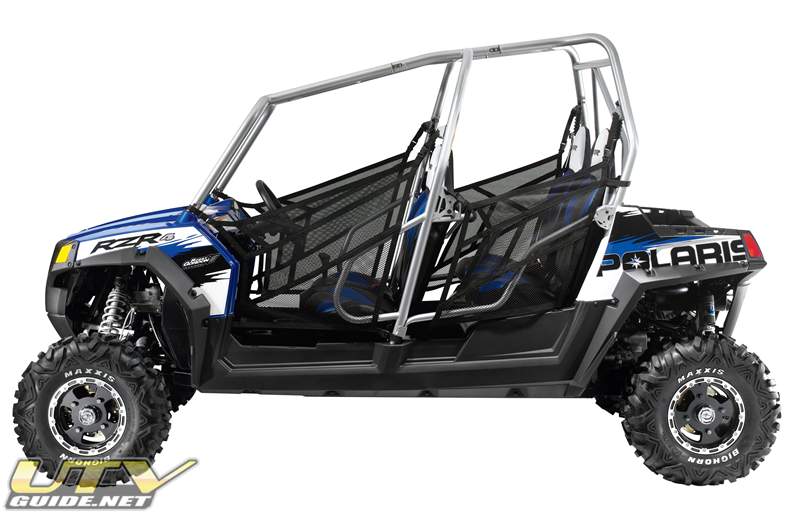
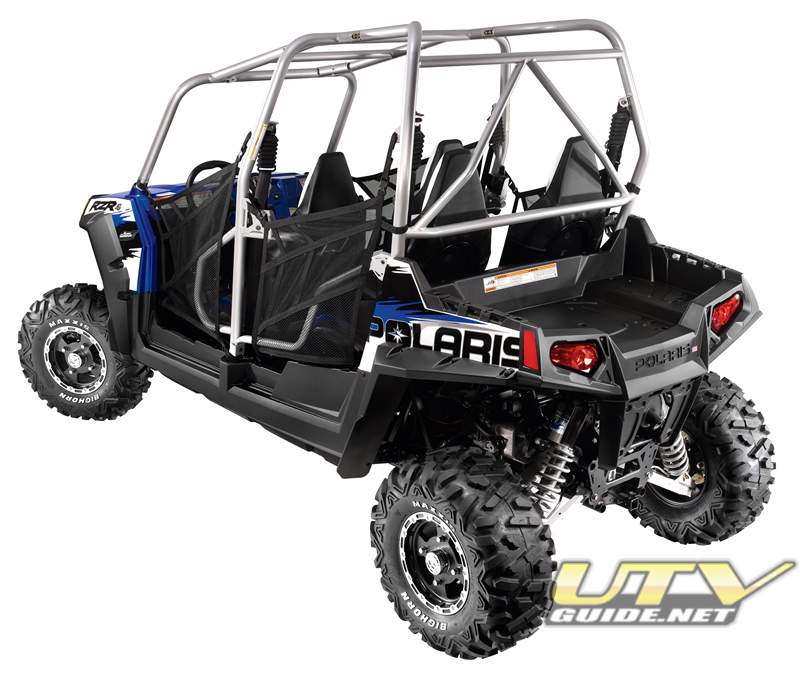
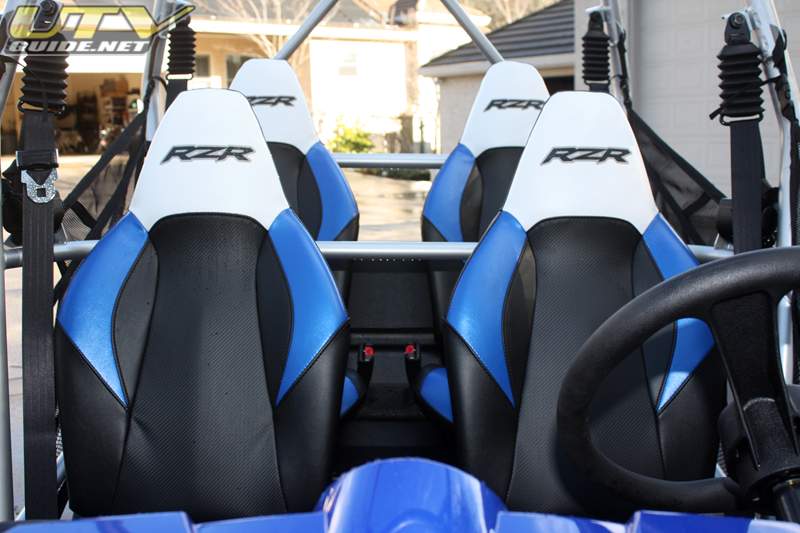
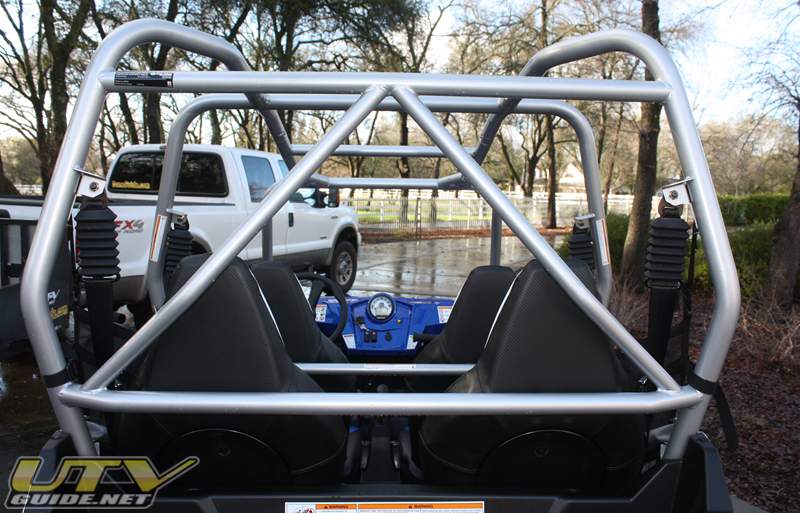
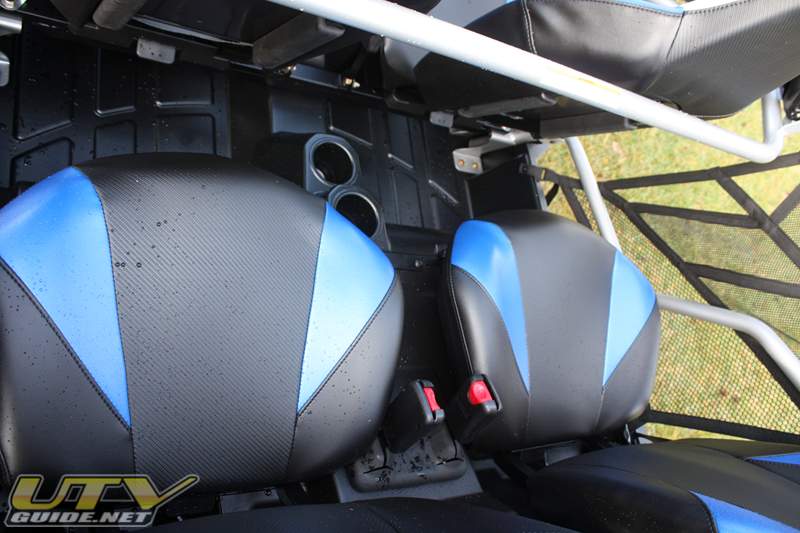
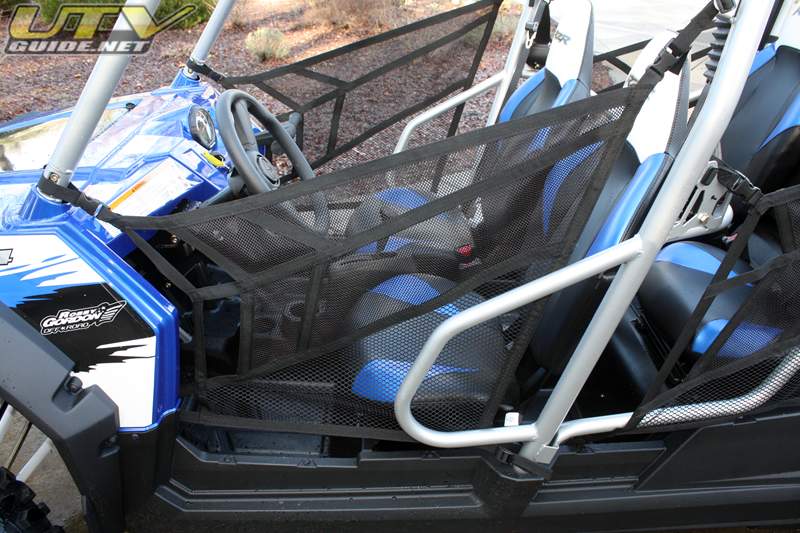
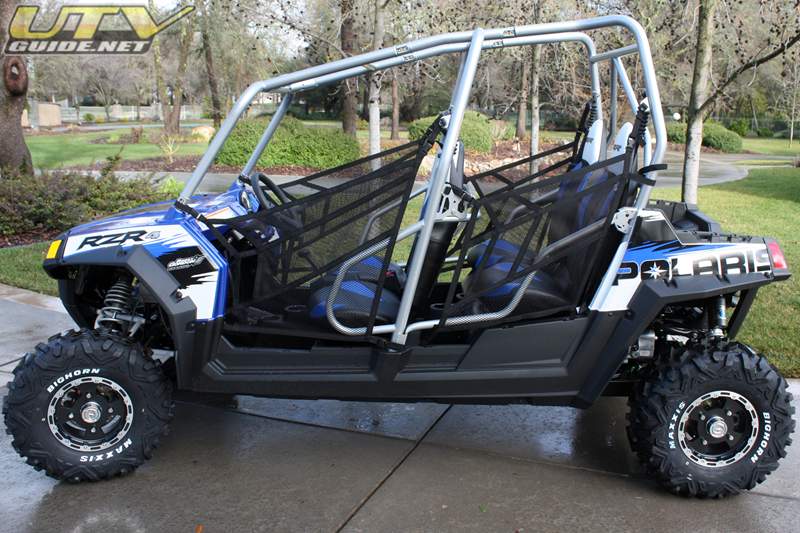
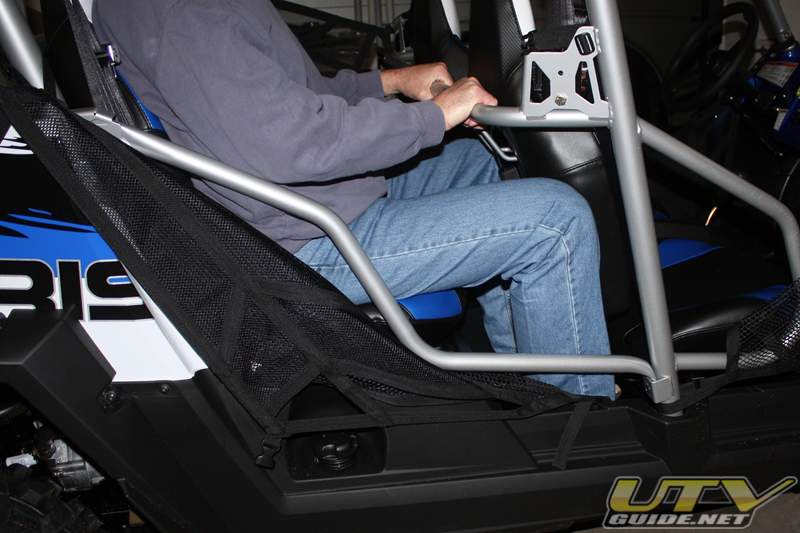
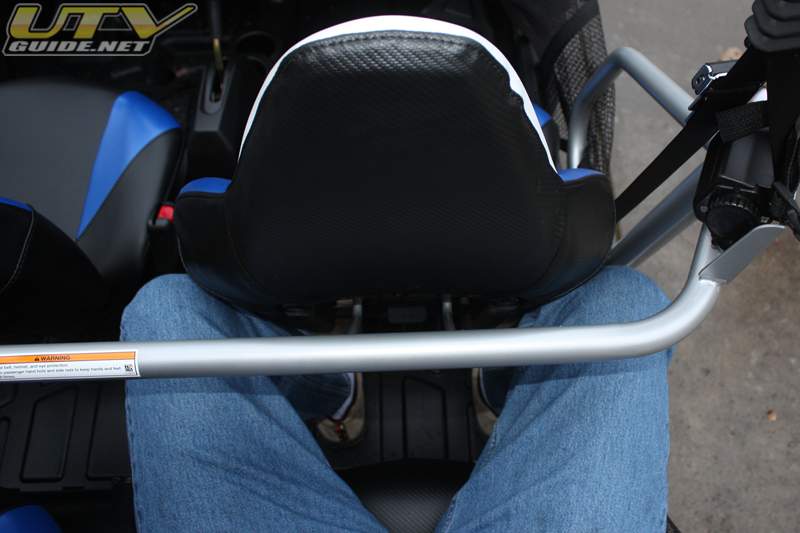
In creating the first four-passenger Sport Side-by-Side, Polaris paid close attention to ergonomics. For the driver, RANGER RZR 4 has class-leading tilt steering offering 10 in/25.4 cm of range and a heel pocket for unmatched throttle response and control. The front passenger will enjoy an industry-exclusive adjustable front passenger handrail, while the rear passengers an ample amount of head-room and an exclusive rear passenger handrail. Similar to the front passengers, rear passengers also have a 12-volt plug in and two cup holders. All four bucket seats are interchangeable and offer 4 in/10.2 cm of front-to-rear adjustability making it easy to switch drivers. For safety, RANGER RZR 4 has four side protective nets. The RANGER RZR 4 also features graphics from the Robby Gordons TORC truck he raced at Crandon, Wisconsin, as well as, No. 7 NSCS Toyota Camry he raced during the NASCAR Sprint Cup Series Labor Day Classic 500. The Black, Blue and White theme sports the Robby Gordon Off-Road logo on the front side panels with race-inspired graphics, cut-and-sew seats and Maxxis Big Horn tires with Black Bruiser Rims making the vehicle the sharpest-looking Side-by-Side on the market. At Robby Gordon Off-Road, we build the highest performance, most elite off-road vehicles in the world. I hope Polaris customers like the new RANGER RZR 4 Robby Gordon Edition as much as we do, said Robby Gordon. The RANGER RZR 4 will be available at Polaris dealerships in January, with a MSRP of $14,999 (US) and $17,999 (CAN). A full line of PURE Polaris accessories, including roofs, cabs, bumpers, brushguards, windshields and Lock & Ride products also will be available, including many of the existing RANGER RZR and RZR S accessories that fit the RANGER RZR 4. Polaris Ranger RZR 4 Features:
Polaris Ranger RZR 4 Specifications:
Additional RZR 4 Photos:
Customize Your Ride with Pure Polaris Accessories Take your RANGER RZR 4 to the next level with more than 80 Pure Polaris® accessories to choose from. And with the Polaris exclusive Lock & Ride® technology, they go on and off in seconds. Pure Polaris accessories are easy to install, fit right and add custom style and performance to make driving more fun. New Accessories Just for RANGER RZR 4
Other RZR 4 Parts and Accessories:
Manufacturer Info:Website: Polaris Industries Polaris Industries, Inc. With annual 2007 sales of $1.8 billion, Polaris designs, engineers, manufactures and markets all-terrain vehicles (ATVs), including the Polaris RANGER, snowmobiles and Victory motorcycles for recreational and utility use. |
















No Comments