| Kawasaki Teryx
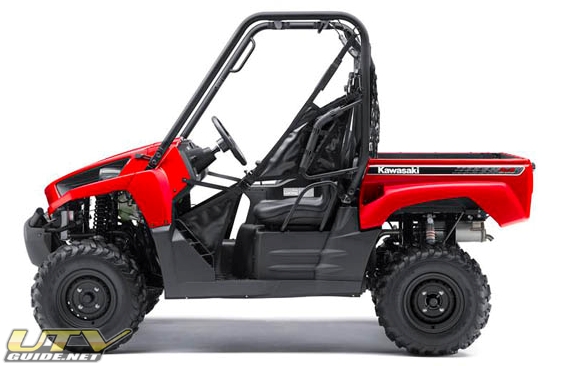
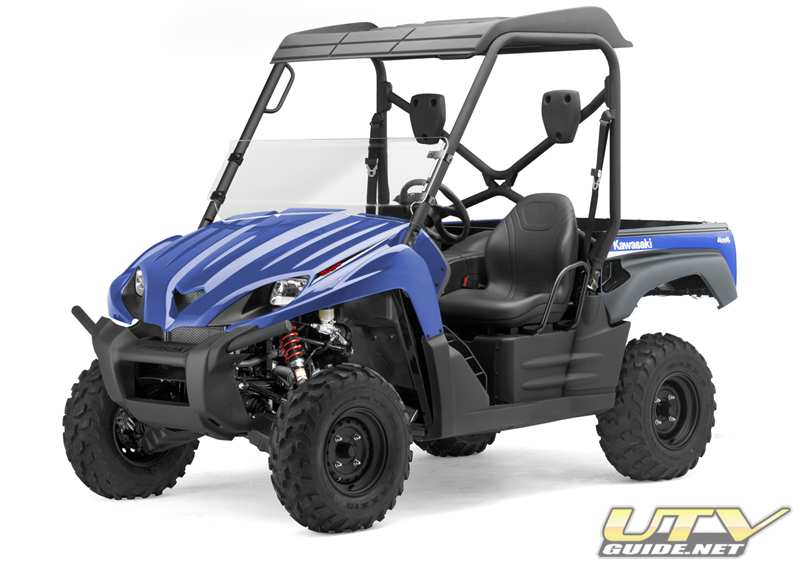
2012 Kawasaki Teryx 750 4×4
The Versatile, Reliable RUV for Work or Play
With its wide range of capabilties, the Teryx® 750 FI 4×4 recreation utility vehicle is the perfect companion for work and play. Work chores highlight the Teryx engines class-leading power and torque, while riders will appreciate the enhanced throttle response and optimal performance of the digital fuel injection (DFI®) as they blast down local trails. The fun, reliable Teryx proves to be a gratifying ride.
The Teryxs smooth, fuel-injected 749cc V-twin engine produces a prodigious amount of torque, while its digital fuel injection system automatically adjusts to match changing conditions. And its sport-tuned wide-body chassis offers a wide track that helps provide a stable ride, but still allows the RUV to fit into a standard pickup bed.
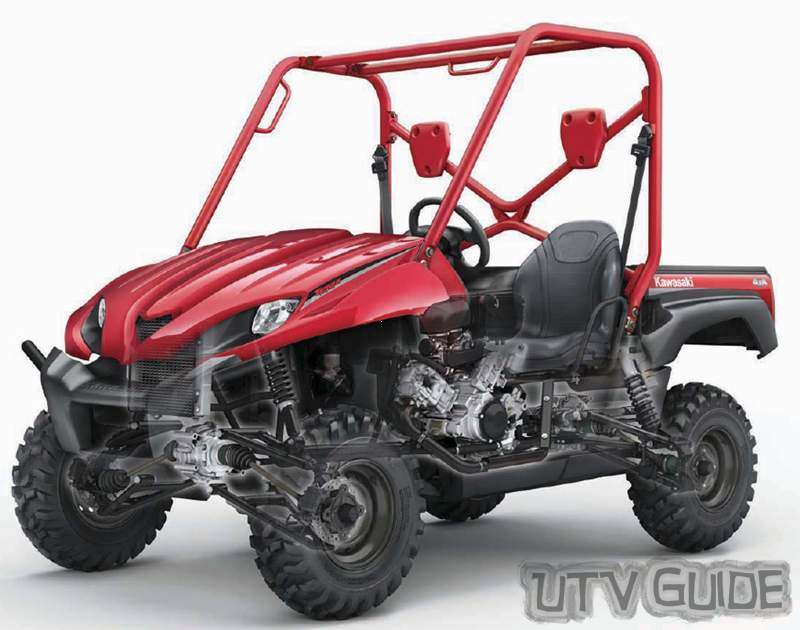
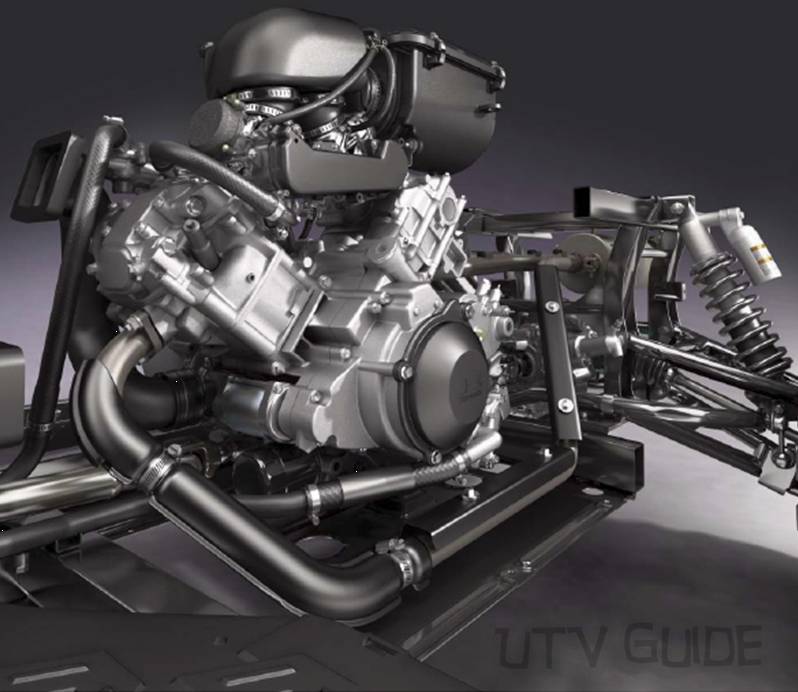
Durable and reliable power is the name of the RUV game, and nobody can touch the Teryxs 749cc 90-degree 8-valve V-twin. This engine is not only plenty powerful, its also supremely smooth thanks to the 90-degree configurations perfect primary balance. This design offers unmatched smoothness at any rpm and a great exhaust note that sets the Teryx apart from lesser RUVs. Cooling system mods made last year a larger cooling fan for more airflow and a larger diameter hose for more coolant flow make the engine even more reliable.
The Teryxs advanced digital fuel-injection system includes functions for automatic altitude compensation, automatic idle adjustment and easy, choke-free starting via a sophisticated array of sensors for inlet air pressure, throttle position, crankshaft position, rpm, water temperature and a vehicle down sensor. Also, an ignition cut-out wont allow the Teryx to be ridden away when the parking brake is engaged. The clever braking system protection complements the Teryxs CVT Belt Protection System, which, among other good things, automatically retards ignition timing if the system detects engine operation at high rpm for more than two seconds while the rear wheels are motionless (i.e., the belt is slipping), and warns the rider via a flashing belt warning lamp on the dash.
All that electronically enhanced performance is packaged within an advanced chassis thats narrow enough to navigate most trails (and fit in a standard pickup bed), yet wide enough to offer a roomy cab and an excellent ride. The wide-track design frame uses large-diameter, thin-walled tubing to combine tremendous rigidity with light weight. The upper frame adds roll-over protection, and theres enough room inside to fit two full-sized adults in a comfortable but supportive pair of bucket seats with retractable three-point seat belts.
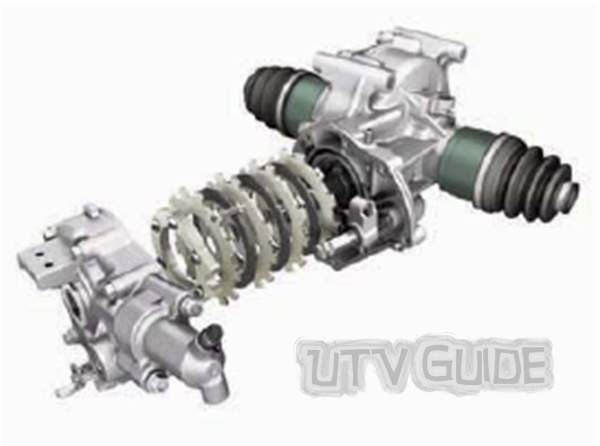
Once comfortably strapped in, the rider can choose 2WD or 4WD with the flip of a switch, and Kawasakis super-efficient continuously variable transmission takes it from there, taking you practically anywhere you want to go. A cockpit-adjustable variable front differential control even lets you fine-tune front-end traction for slick or tricky terrain.
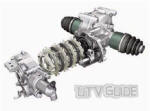
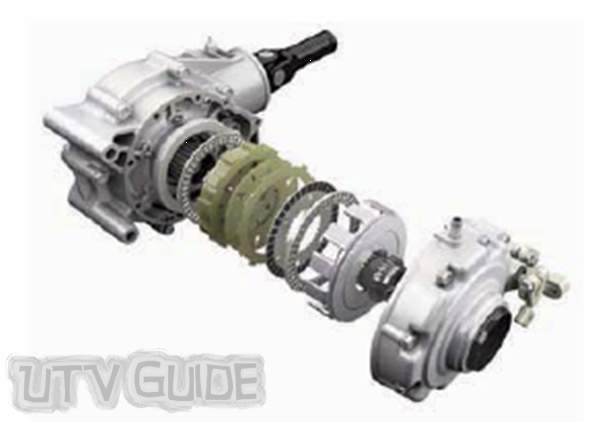
Long-travel four-wheel independent suspension, adjustable Kayaba gas-charged shocks at all four corners, a rear stabilizer bar and mid-ship engine placement all work together to tame tough trails, with a high-performance long A-arm double-wishbone suspension design that reduces camber changes for sharp steering and excellent wheel control at all times. When its time to slow down, dual discs up front and a high-tech sealed oil-bath braking unit out back get the job done with power to spare, while Kawasaki Engine Braking Control uses clever electronics to assist with engine braking while driving down hills. Specially designed 26-inch Maxxis tires designed specifically for the Teryx are the final ingredient in its amazingly agile and stable handling characteristics.
A large selection of authentic Kawasaki Accessories are available through Kawasaki dealers for the 2012 Teryx 750 FI 4×4. As with all off-highway vehicle recreation, Kawasaki encourages RUV drivers to drive responsibly and to respect the environment.
Kawasaki Teryx Resources:
2010 Special Graphics Editions:
   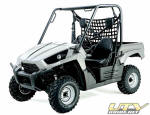
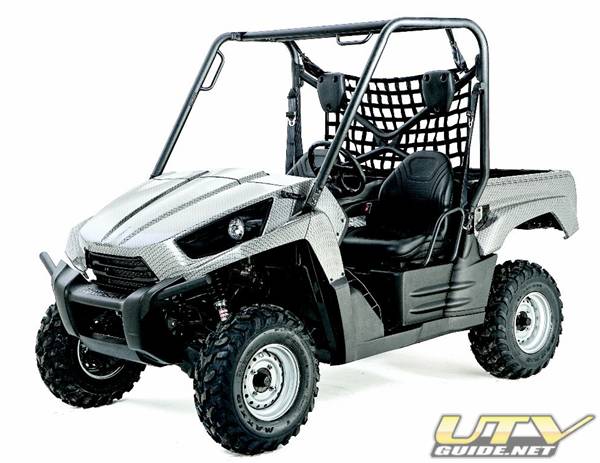
Special Graphics Edition Teryx 750 FI 4×4
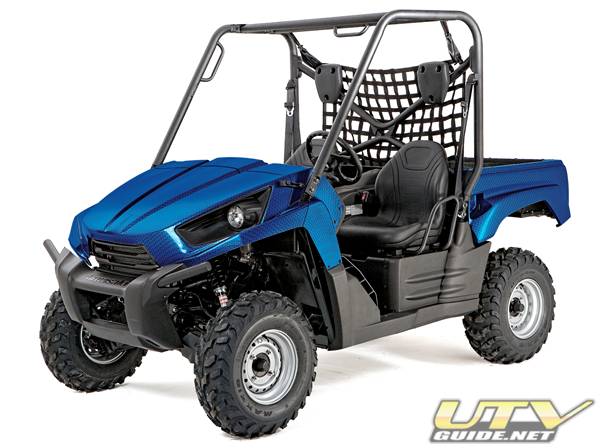
These unique new immersion graphics packages offer a unique diamond plate pattern that is chemically bonded to colored basecoat paint. The finished product offers a durable, high-gloss, automotive quality surface that looks similar to anodized aluminum diamond plate, but is actually smooth to the touch and easy to clean.
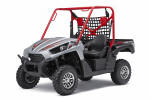
2011 Special Graphics:
2009 Kawasaki Teryx:
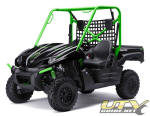 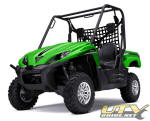 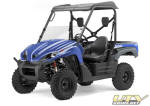 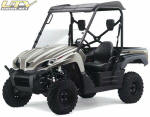
New colors and models have been added to the lineup:
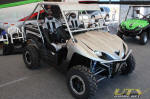
2009 Kawasaki Teryx 750 FI with Kawasaki Accessories
New Digital Fuel Injection system
- High output 750cc twin engine now has digital fuel injection, which enhances throttle response and automatically adjusts for changes in temperature and altitude
- The fuel injection system (controlled by a 32-bit CPU) continually monitors coolant temperature, air intake temperature, throttle position, air intake pressure, vehicle speed and crankshaft angle to automatically meter out the ideal amount of fuel via two 34mm throttle bodies for extremely stable power delivery regardless of the conditions
- Instantaneous fuel delivery from the fuel injection makes its response sharper than ever
- FI systems permits easy engine starting at low temperature and utilizes an Automatic Idle Speed Control and Automatic Fast Idle function to ensure a smooth engine warm up
- The high-pressure fuel pump located inside the tank features a unique reservoir chamber at the bottom of the fuel pump to ensure air does not get into the fuel system
- Specific Teryx-sized throttle bodies and revised ignition timing have increased low and mid-range torque as well as improved response at higher rpm
- Revised ignition timing when in reverse combined with low-speed operation and deceleration FI settings better enable the engine to deal with increased moisture when driving in shallow water
Improved Continuously Variable Transmission
- Featuring high and low ranges, plus reverse, the CVT provides a very direct feel from the engine, and instantaneous acceleration ideal characteristics for sport riding
- Transmission utilizes a high-grade belt thats highly durable and designed to handle the high output of the engine
- The CVT Belt Protection System better prevents tire freewheel, has upgraded rock section performance and less belt overloading by adding Throttle Position Sensor (TPS) data into the system
- For better protection against water entry, the intake and exhaust ducts were changed, with the new exhaust duct opening located higher and the revised intake duct flowing more air to the CVT for better cooling
- Intake temperature reduced with heat shielding on the exhaust pipe below the intake duct
New Airbox design
- Increasing air cleaner box volume and changing the ducting shape and length lowered the noise level near riders heads
Selectable Four-wheel-drive / Variable Front Differential Control
- Rider can select two- or four-wheel-drive operation by pressing a button located on the dash
- Electrically selectable 2WD/4WD system engages instantly
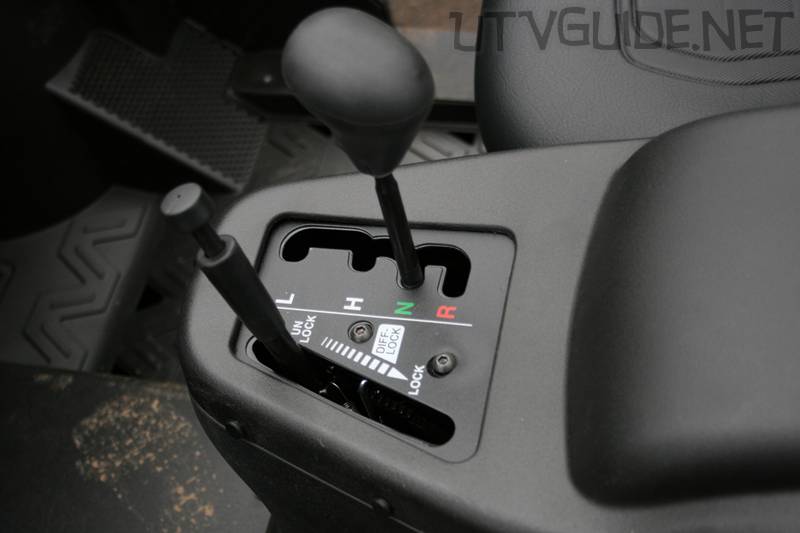
- Limited-slip front differential reduces steering effort under normal four-wheel drive operation, while Variable Front Differential Control permits rider to distribute torque equally to left and right front wheels for maximum traction via a hand lever located between the seats
- Rear wheels are locked and always turning together for cornering control
Sport-focused Suspension
- High-performance, single-chamber, adjustable gas-charged Kayaba shocks offer excellent fade-resistant damping performance, even in hard conditions, while providing 7.5 inches of travel
- Sport modelprovides adjustable preload and fully adjustable rebound and compression damping.
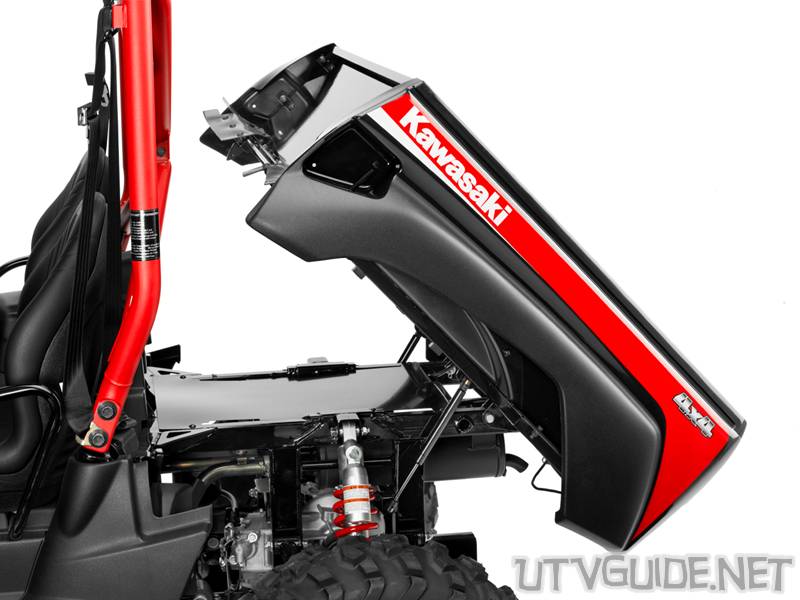
All Models now come with Tilt Bed
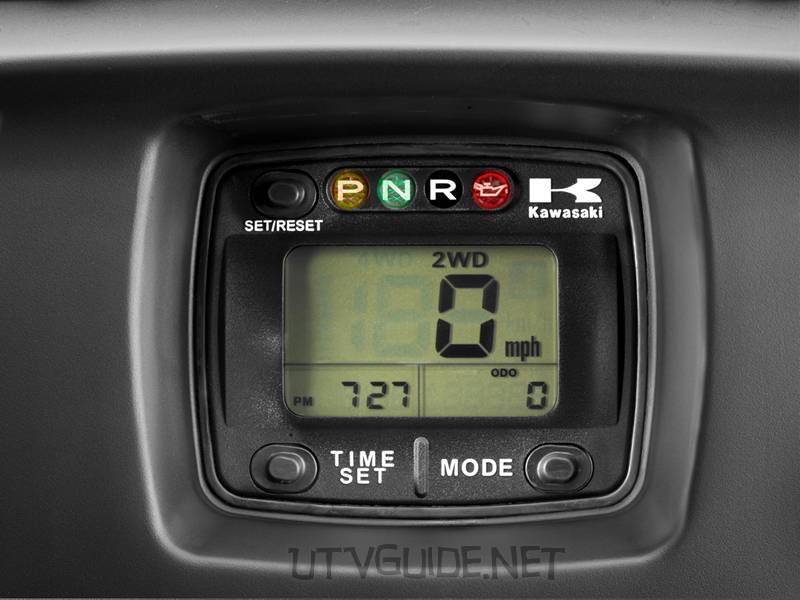
All Models now come with Digital Gauge that includes Fuel Level
Kawasaki Teryx Features:
Engine
– The 90-degree 749cc V-twin engine is the largest, most powerful engine in its class. This is the same engine that has been proven in the Brute Force® 750 4x4i.
– Positioned mid-ship for optimum front/rear balance good for power slides and cornering control
– Straight intake tracts and 34mm downdraft carburetors enhance power delivery throughout the rpm range
– Radiator is compact and placed high in the chassis for better protection against mud and debris
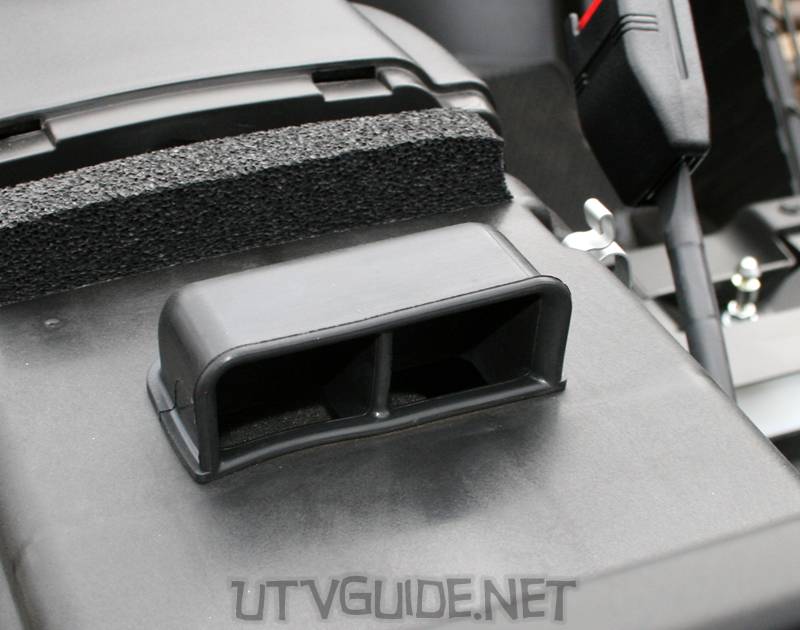
– Ducts located by the cargo bed direct cooling air to the engine
– Aluminum cylinders are Electrofusion-plated for light weight, long wear and excellent heat dispersion
– Engine can be started in any gear when the rear brake is applied
– Electronically controlled Kawasaki Engine Brake Control helps to slow the RSV when traversing steep down hills
Transmission/Selectable Four-wheel-drive
– CVT (Continuously Variable Transmission) features high and low ranges, plus reverse
– Combined with the engine power characteristics, provides instantaneous acceleration
– Rider can select two- or four-wheel-drive operation by pressing a button located on the dash
– Limited-slip front differential reduces steering effort under normal four-wheel drive operation, while Variable Front Differential Control permits rider to distribute torque equally to left and right front wheels for maximum traction via a hand lever
– Rear wheels are locked and always turning together for cornering control
Chassis
– Large-diameter thin-walled tubular steel frame
– Only RSV with integrated occupant protection
– First with sport performance-focused suspension low-speed comfort not a main design priority
– Wide track provides excellent stability and chassis has 11.2 inches of ground clearance
– Long dual front A-arm suspension and narrow frame concept provides 7.5 inches of travel and features adjustable gas-charged Kayaba shocks
– Independent rear suspension provides the best balance of rider comfort and handling at high speeds, and adjustable gas-charged Kayaba shocks with reservoirs provides 7.25 inches of travel
– Chassis offers the right balance of bump absorption while limiting understeer
– Able to tackle corners in either a drift or grip style and operate beyond the limits of its rivals
Brakes
– Dual front 200mm disc brakes with two-piston 27mm calipers and Kawasakis sealed, oil-bathed, multi-disc rear brake system provide maximum stopping power in all conditions
– Front discs are recessed in wheels for protection from debris
Tires/Wheels
– Good rough terrain performance and obstacle clearance with 26-inch Maxxis tires specially built for the Teryx 750 4×4
– Tread design enables both controlled sliding and forward traction
Bodywork/Ergonomics
– Bucket seats with retractable three-point seat belts
– Foot guards designed into the floor and body
– Padded steering wheel positioned low for better control
– Body work is made of high-gloss scratch resistant Thermo-Plastic Olefin
– Steel floor boards and engine guards for maximum protection
– Dual 40W headlights and dual taillights
– Cargo bed has 500 lb capacity, tie down hooks in all four corners and cargo net standard
TERYX 750 4×4 LE additional features
– Digital Meter
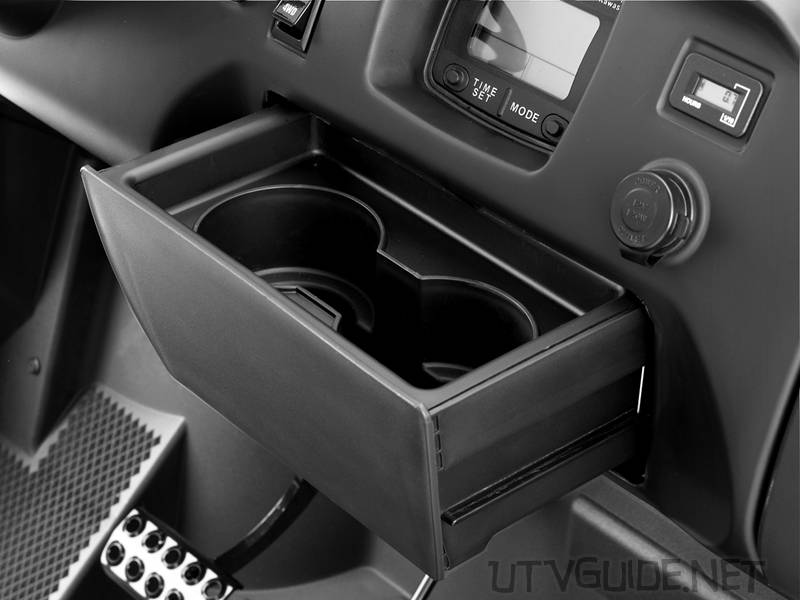
– Dual retractable cup holders
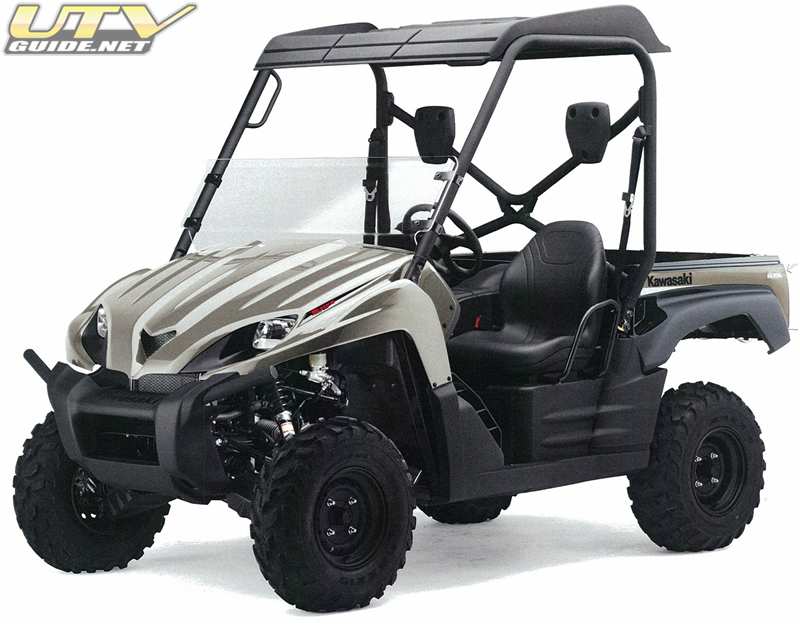
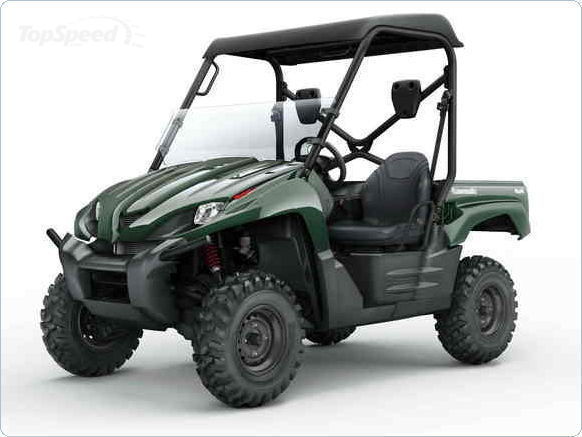
– Hard top
– Half-Windshield
– Tilting cargo bed with gas assist
Kawasaki Teryx Specifications:
Engine: Liquid-cooled, 90-degree, four-stroke V-twin
Valve system: SOHC, four valves per cylinder
Displacement: 749cc
Starting system: Electric
Bore x stroke: 85 x 66mm
Compression ratio: 8.8:1
Carburetion: Dual Keihin CVKR-34
Ignition: Digital DC-CDI
Transmission: Continuously variable belt-drive transmission with high and low range, plus reverse, and Kawasaki Engine Brake Control
Final drive: Selectable four-wheel drive with Variable Front Differential Control, shaft
Frame: Large diameter, thin-walled, high-tensile tubular steel
Front suspension / wheel travel: Adjustable dual A-arm with gas charged shocks / 7.5 in.
Rear suspension / wheel travel: Adjustable Independent Rear Suspension (IRS) with gas charged, reservoir shocks / 7.3 in.
Front tires: Maxxis 26×8-12
Rear tires: Maxxis 26×10-12
Front brakes: Dual hydraulic discs with 2-piston calipers
Rear brake: Sealed, oil-bathed, multi-disc
Overall length: 115.7 in.
Overall width: 58.3 in.
Overall height: 75.4 in.
Wheelbase: 75.8 in.
Ground clearance: 11.2 in.
Lighting: (2) 40W headlights, (2) TK W taillight, TKW stoplight
Cargo bed capacity: 500 lbs, 44.1 W x 32.7 L x 12 in. H
Towing capacity: 1300 lbs
Dry weight: 1276 lbs
Fuel capacity: 7.9 gal.
Instruments: R/N/P/4WD indicators, water temp and oil pressure lamps, digital meter (LE only)
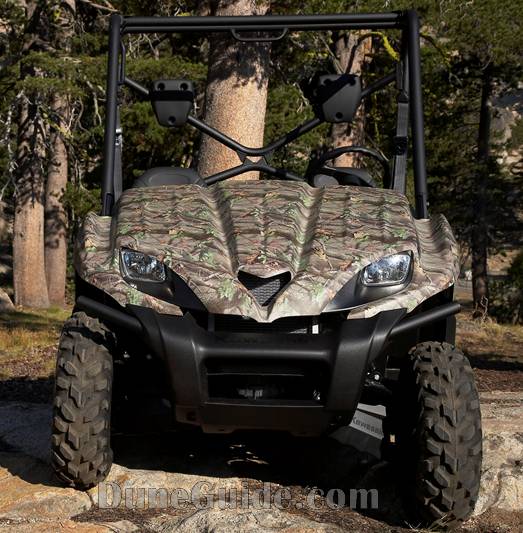
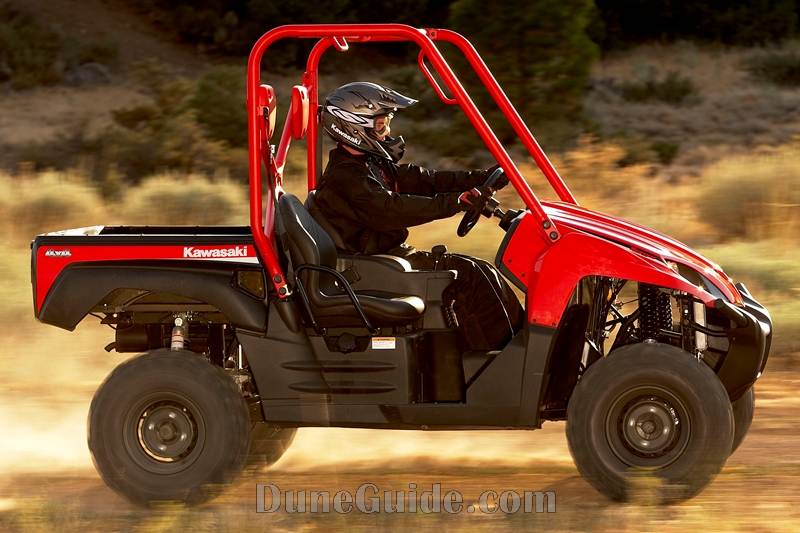
Standard Colors: Sunbeam Red, Woodsman Green, REALTREE Hardwoods Green® HD
Kawasaki Teryx Photos:
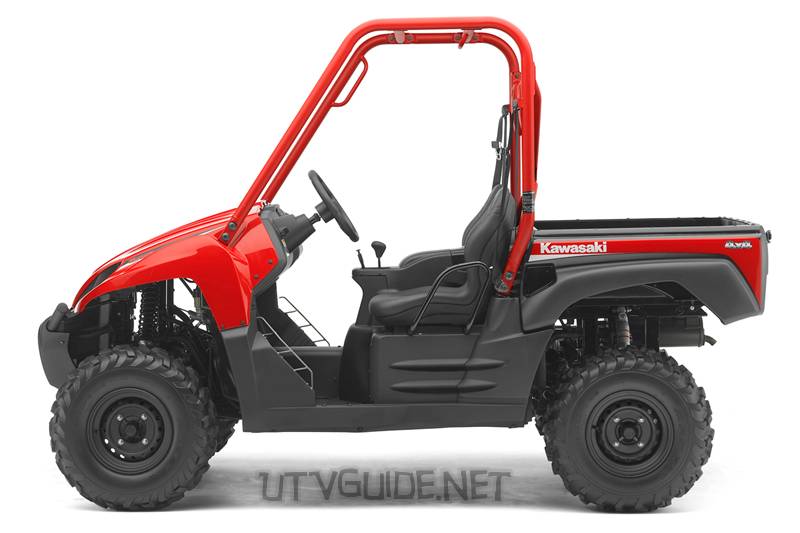 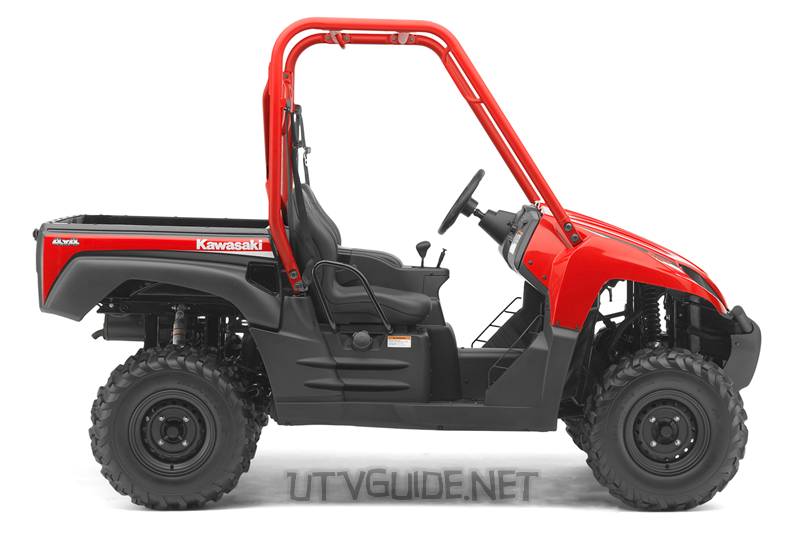
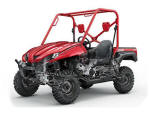
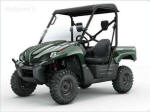
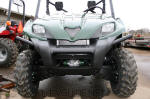
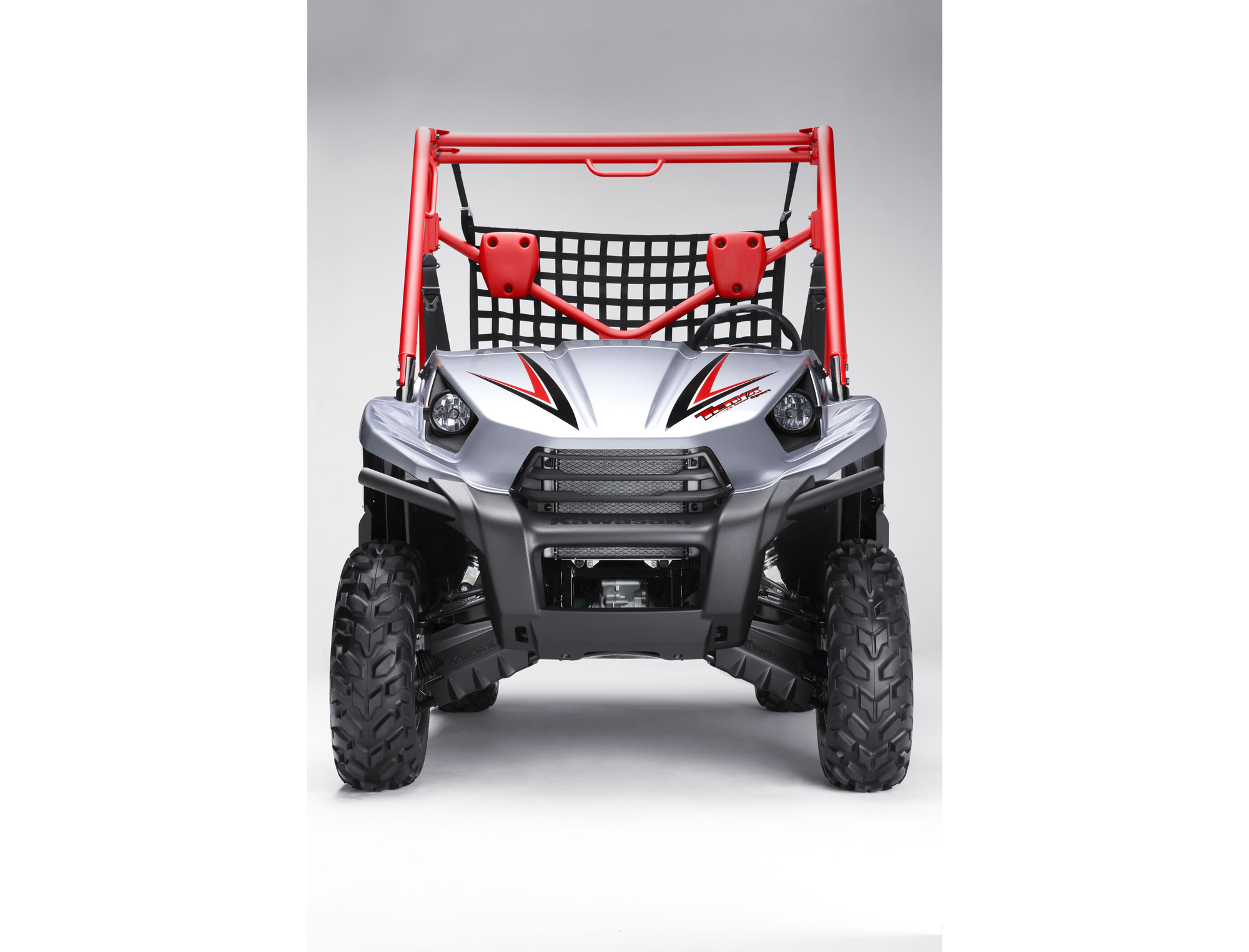
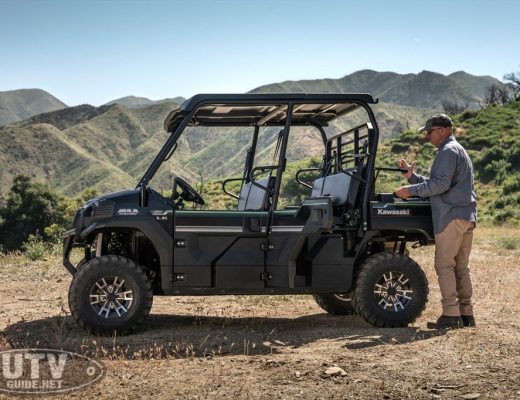
Kawasaki Teryx750 4×4 Standard
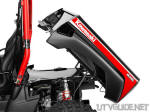
Tilt Bed is available on LE Models
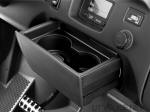
Cup Holders – Available on LE Models
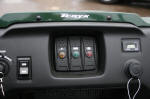 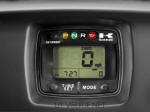
Standard dash – no speedometer or odometer. LE model has digital dash.
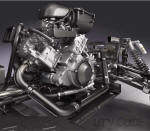 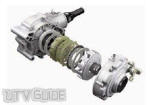 
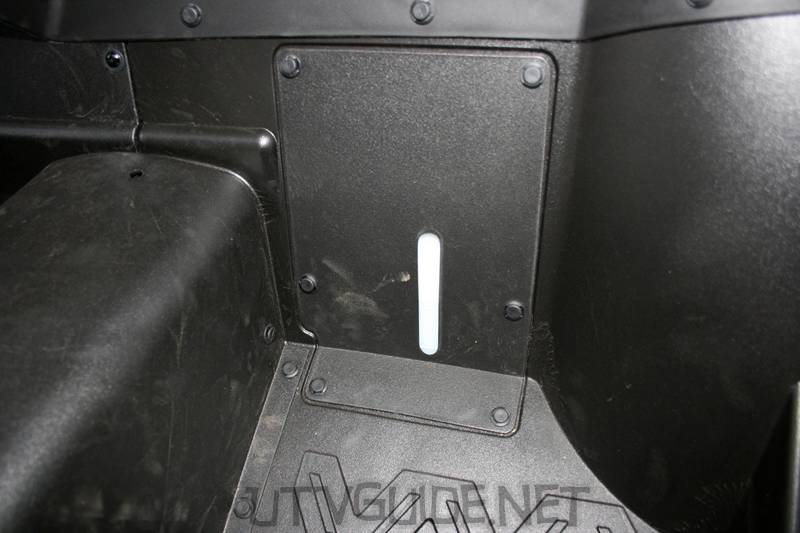
Coolant Level Site Gauge (near passenger feet).
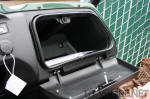
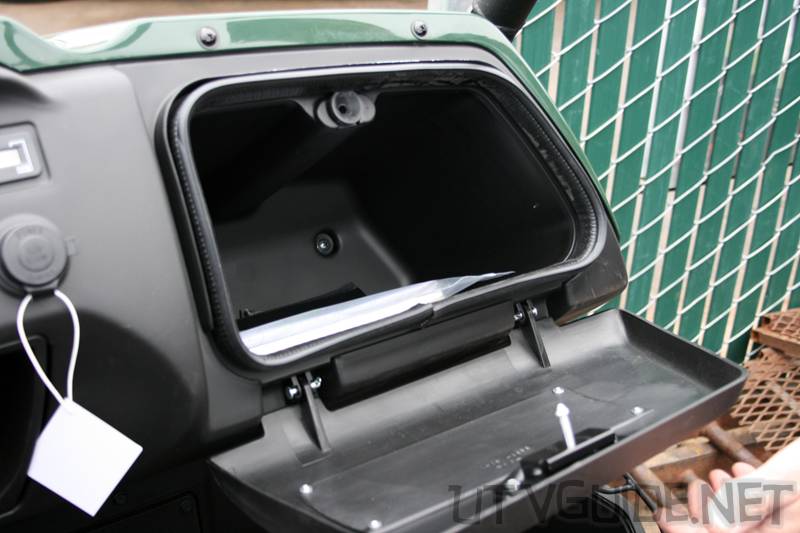
Large Glove Box
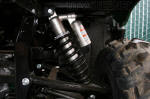 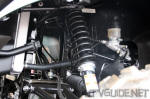
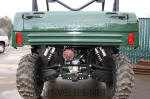
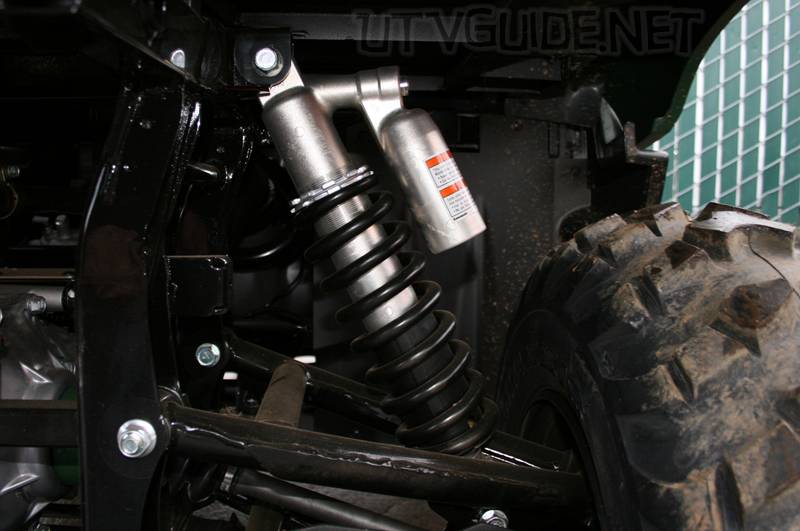
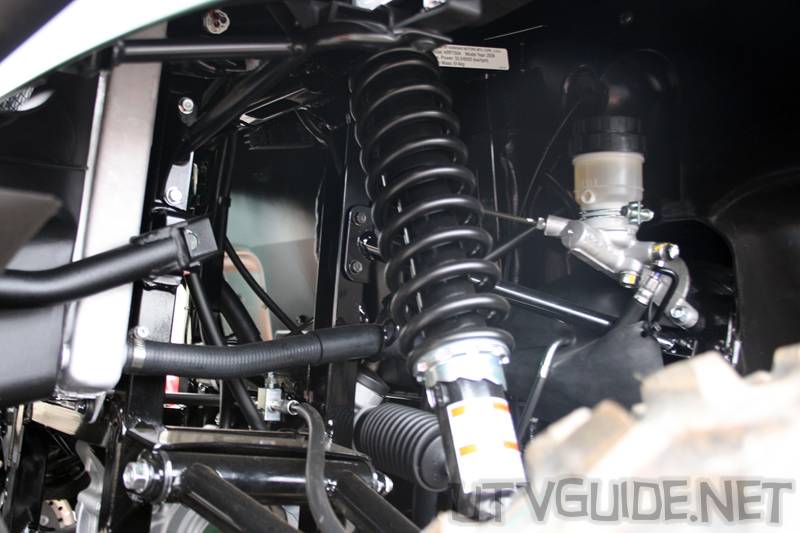
Rear shock has piggyback reservoir, Front shock does not.
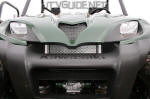
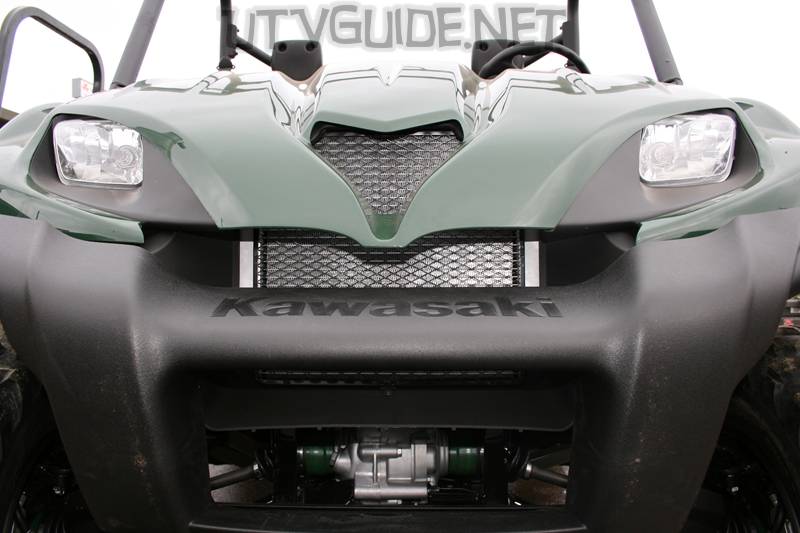
Decent sized radiator with good air flow. Did not see an engine oil cooler.
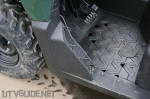
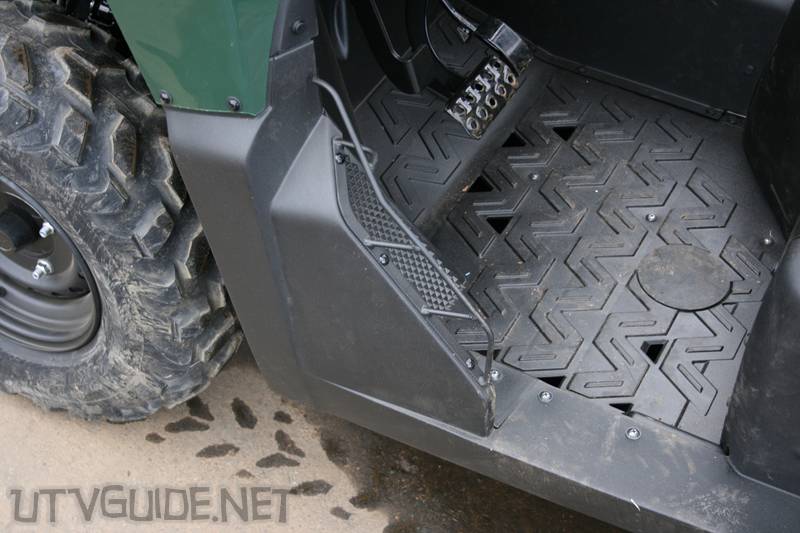
Small “Leg Minders”
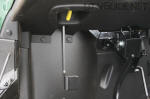 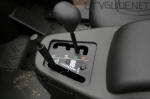
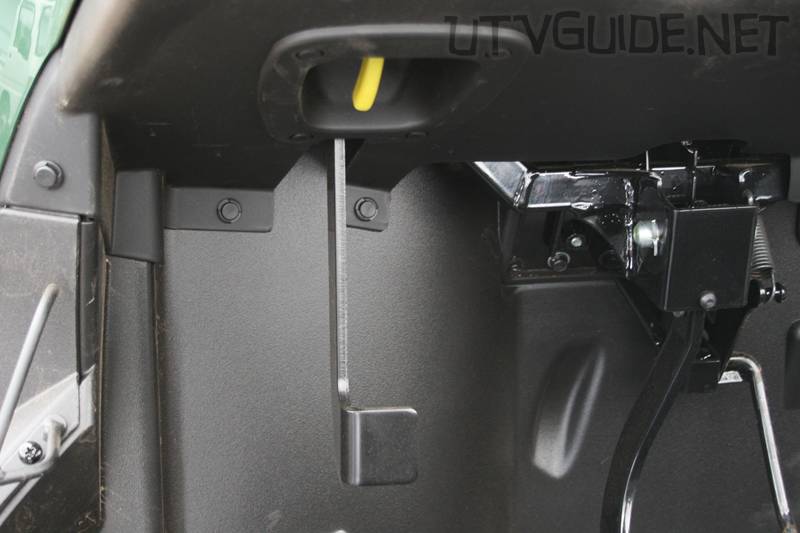
Parking brake is foot activated. No “park” selector for transmission.
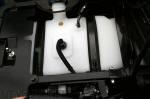
Fuel tank under passenger seat
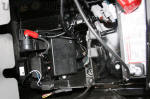
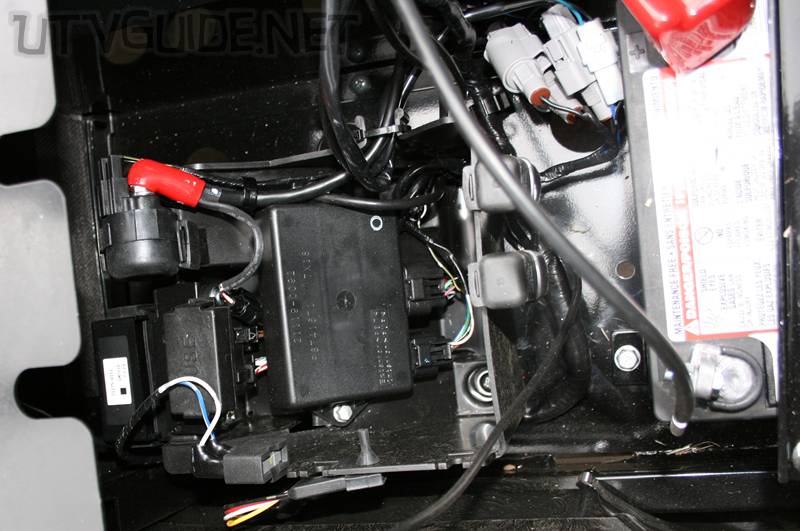
Battery, Fuses and CDI are under driver’s seat
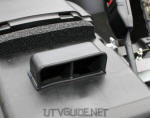 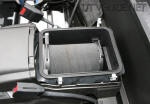
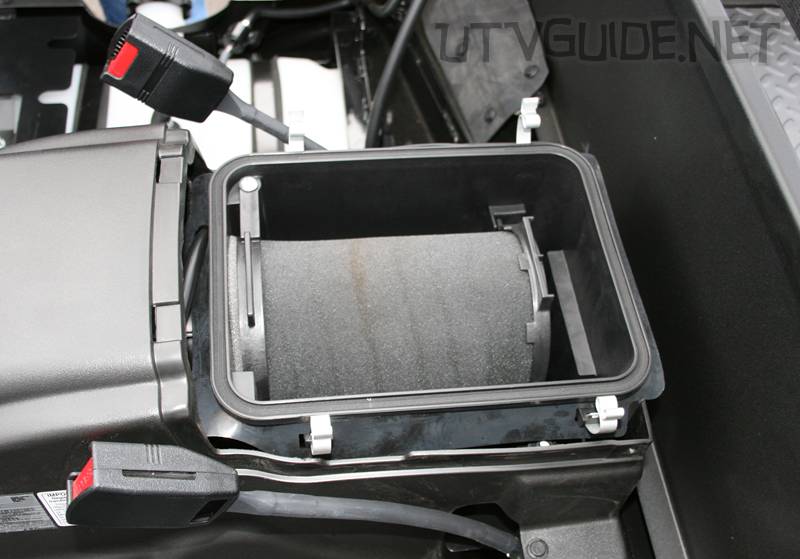
Airbox – Lid looks very restrictive.
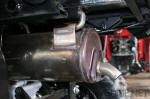 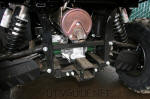 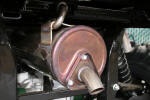
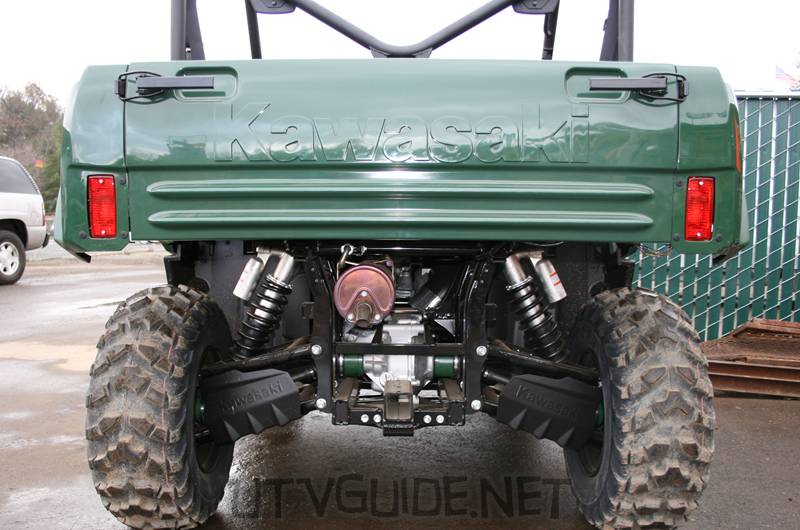
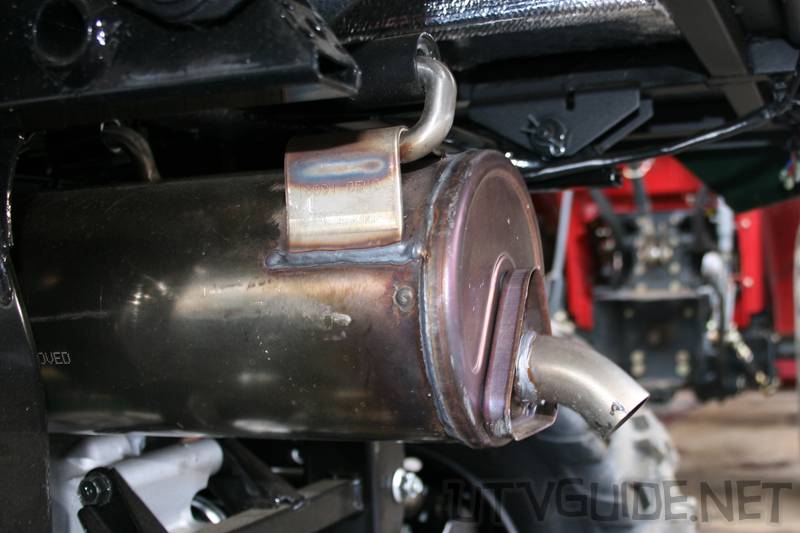
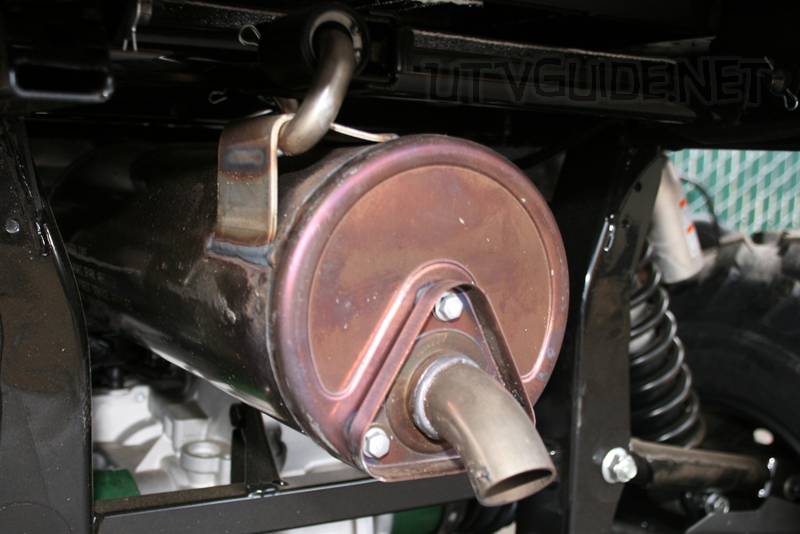
Exhaust is pretty restrictive. It is very quiet though.
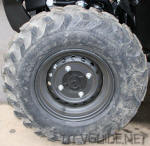
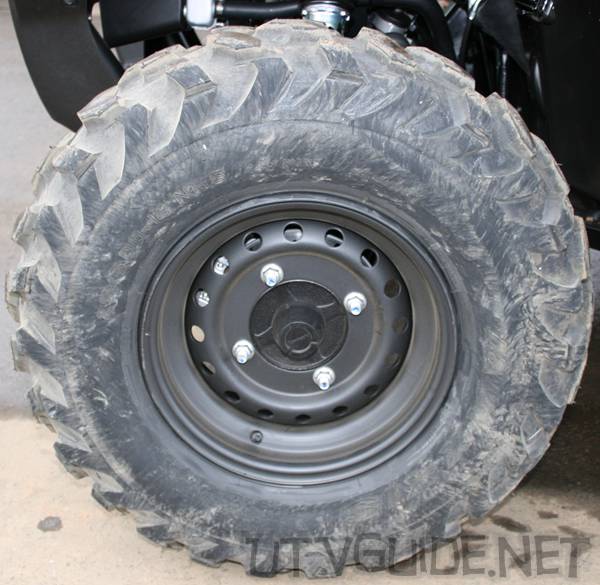
Wheel bolt pattern is 4/137.
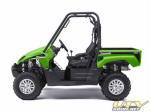  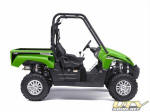
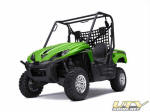 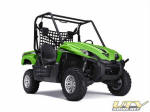 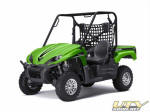
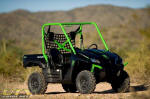
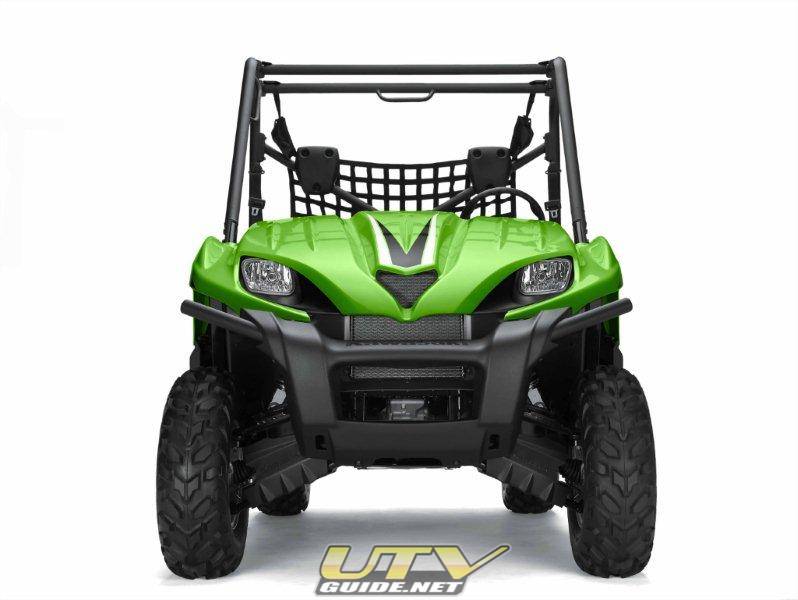
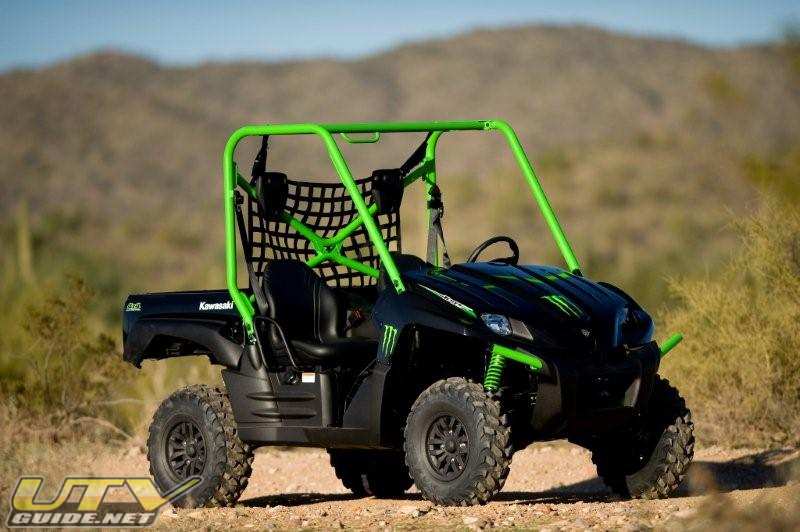
2009 Kawasaki Teryx 750 FI Sport – Lime Green
 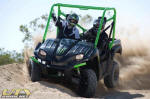 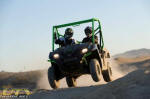
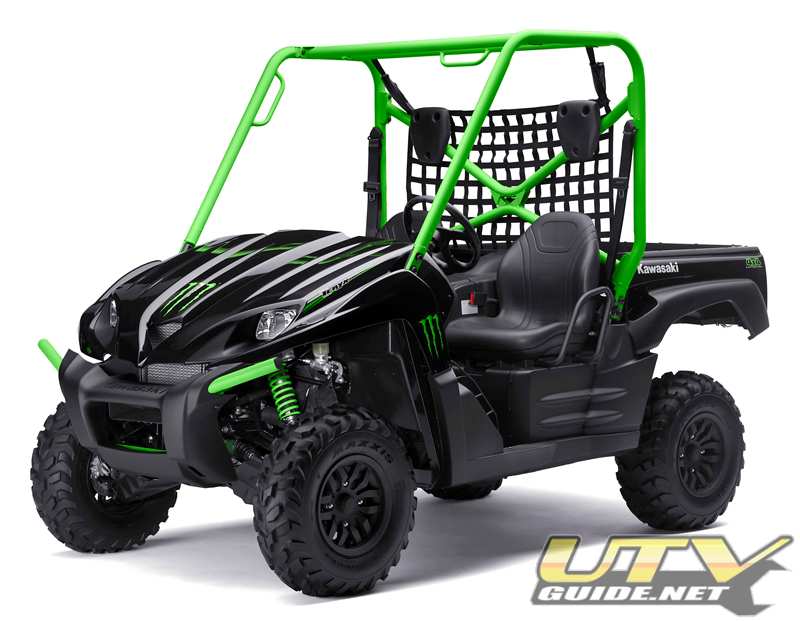
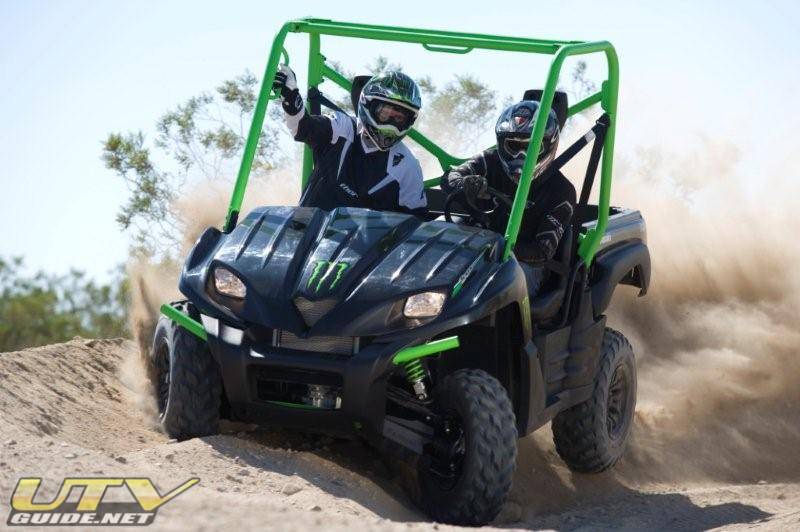
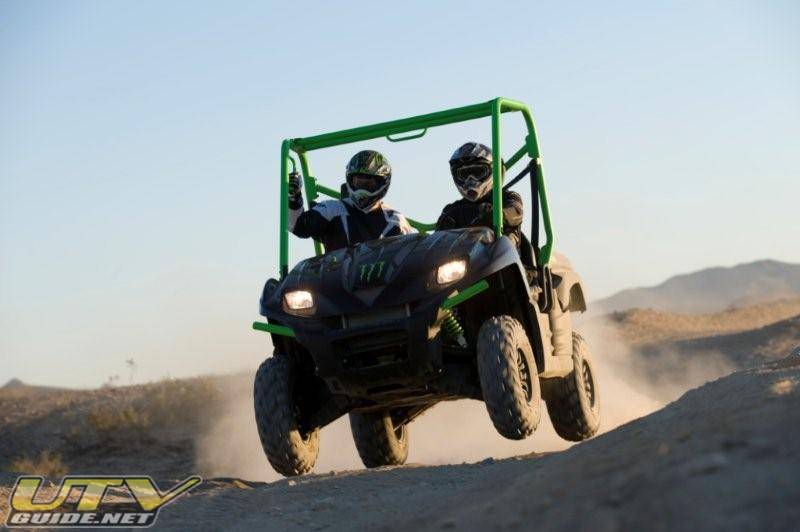
2009Teryx 750 FI Sport Monster Energy – Black
See more photos and analysis atKawasaki Teryx Review and2009 Kawasaki Teryx Sport FI Review
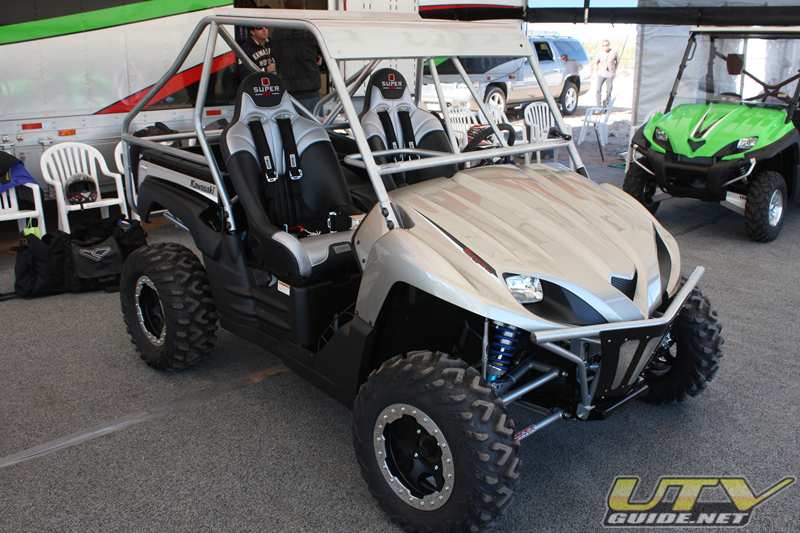
Check the UTVGuide.net Kawasaki Teryx buildup project and our King of the Hammers project.
Manufacturer Info:
Kawasaki Motors Corp., U.S.A.
PO Box 25252
Santa Ana, CA 92799-5252
Website: www.kawasaki.com
|













No Comments