


Originally published October 27, 2015. Updated September 2026 to improve formatting, correct specifications and connect this first-owner test with our complete Yamaha YXZ1000R coverage.
By Bob Balunda, Factory UTV
The arrival of the 2016 Yamaha YXZ1000R marked one of the most important moments in sport side-by-side history. After years of speculation about Yamaha building a true high-performance UTV, the company introduced a machine unlike anything else in the category: a naturally aspirated, high-revving three-cylinder engine paired with a five-speed sequential manual transmission and hydraulic clutch.
We took delivery of one of the first YXZ1000Rs to reach the Sacramento area and wasted little time taking it to Sand Mountain, Nevada, for its first real shakedown. This review documents our initial experience with an early-production 2016 Yamaha YXZ1000R Special Edition.

Yamaha Returns to the Pure-Sport UTV Market
The Yamaha Rhino helped establish the recreational side-by-side category, but Yamaha spent the following years concentrating primarily on utility and recreation models. The Viking and Wolverine were capable machines in their respective roles, yet performance enthusiasts continued waiting for Yamaha to build a dedicated sport UTV.
That changed when Yamaha unveiled the YXZ1000R on September 1, 2015. The new machine was assembled in the United States and designed around an entirely different driving experience from the belt-driven CVT vehicles that dominated the sport UTV market.
I immediately put down a deposit. We took delivery of the first YXZ1000R to arrive at PCP Motorsports in Sacramento, California, and headed to Sand Mountain for a full day of testing.
998cc Engine and Five-Speed Transmission
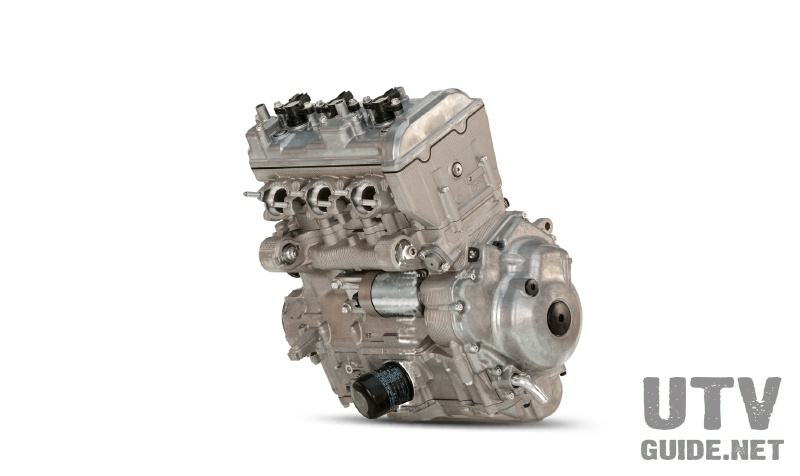
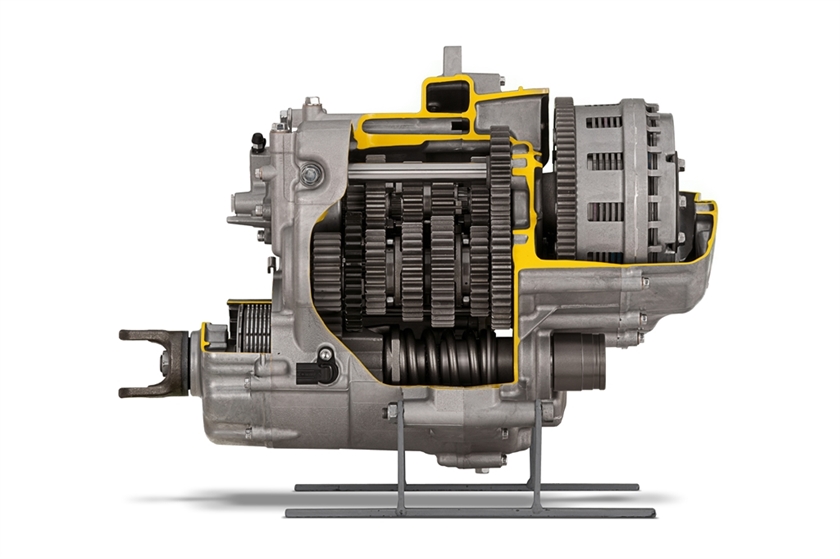
Yamaha broke with conventional sport UTV design by pairing a 998cc inline three-cylinder engine with a five-speed sequential manual transmission. The original YXZ1000R used a hydraulically actuated foot clutch and a console-mounted sequential shifter instead of a belt-driven CVT.
The engine was built to rev, with a 10,500-rpm redline and a powerband that rewarded drivers who kept it spinning. Its transmission also meant there was no conventional CVT drive belt to overheat or break.
A walk around the vehicle revealed quality components and thoughtful design details. The 2016 YXZ1000R SE came with FOX 2.5 Podium shocks offering compression, rebound and spring-preload adjustment. Yamaha listed 16.2 inches of front-wheel travel and 17 inches at the rear.
The suspension used FOX Bottom Out Cup technology for additional control near the end of its travel. Styling clearly drew from Yamaha’s sport ATV heritage, giving the YXZ a compact, purposeful appearance.
2016 YXZ1000R Special Edition Equipment

Our machine was the 2016 YXZ1000R SE in Yamaha’s 60th Anniversary yellow-and-black color scheme. In addition to its unique graphics, it featured painted bodywork, color-matched suspension arms and 14-inch beadlock wheels.
What stood out most was the attention to detail. Grease fittings were installed where they were useful, wiring and lines were neatly routed, and the overall fit and finish were impressive. The lightweight stock plastic underbody protection was one area we immediately expected to upgrade, especially given Factory UTV’s focus on UHMW protection.
At the time of this first drive, long-term durability remained an unanswered question. The YXZ would subsequently establish itself as a capable recreational and racing platform, with extensive factory and aftermarket support.
Cockpit and Driving Position
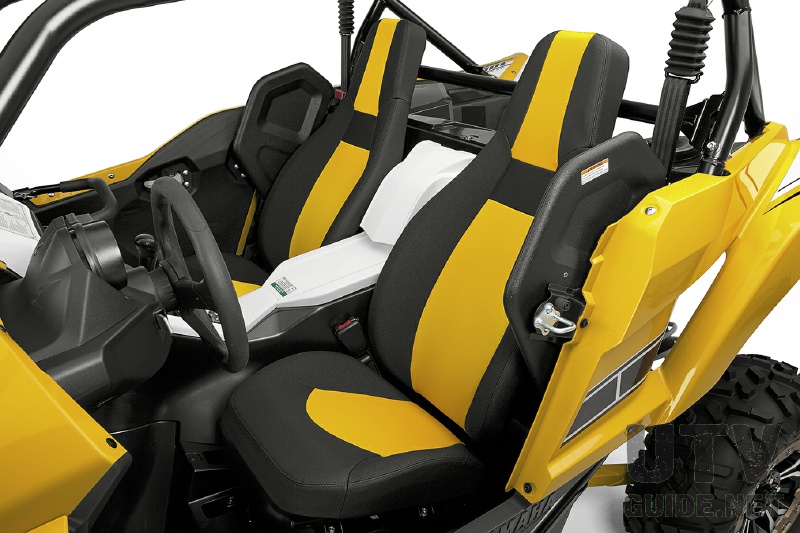
Before driving, we spent time becoming familiar with the cockpit. The color-matched doors used inset handles and automotive-style latches. The high-back bucket seats were comfortable, and the driver’s seat could be adjusted with a latch beneath its front edge. A sturdy passenger grab handle provided a secure handhold.
The high-mounted air intake sits between the seats and feeds the engine through a dual-element air-filter system. Once seated, the driver sits low in the chassis, giving the YXZ a sports-car-like feel. Legroom was generous, and the adjustable steering wheel felt substantial.
A combination analog-and-digital instrument display sits above the steering column. It includes a speedometer, tachometer, programmable shift light, gear-position indicator, fuel gauge, trip meters, hour meter, clock and warning indicators.
The center of the dash included an open storage area that looked suitable for accessory switches or navigation equipment, while a locking glove box provided enclosed storage. The center console housed the drivetrain selector, lighting controls, parking brake and sequential shift lever.

Learning to Drive the Manual YXZ1000R
When the three-cylinder engine fires, it produces one of the most distinctive exhaust notes in the UTV market. The hydraulic clutch has a relatively light feel and short engagement range.
The sequential shift pattern takes some familiarization. First gear is selected by pushing the lever forward. Reverse is engaged by operating the reverse selector and moving the shift lever again.
I promptly stalled the YXZ while unloading it. The original gearing required more engine speed and clutch work to get moving than a typical CVT-equipped UTV. First gear felt tall in slow terrain, and I would have willingly traded some theoretical top-end speed for a lower starting ratio.
The initial shifts were not graceful. Even with plenty of experience driving manual-transmission vehicles, it took time to become accustomed to pushing and pulling the sequential lever in the correct direction.
The learning period was short, however. Once familiar with the pattern, the YXZ shifted cleanly and positively. Clutching each shift and giving the lever a short, deliberate movement quickly became natural. We experienced no missed shifts during the test.
High-Rpm Engine Performance in the Dunes
The programmable shift light proved especially useful when climbing Sand Mountain’s long, steep dune faces. Watching the light was easier than following the tachometer, and accurately timing each shift helped keep the engine in the strongest portion of its powerband.
The engine produces its most exciting surge near the upper end of the rpm range, which can initially make it feel overly focused on top-end power. Deliberately running it at lower engine speeds revealed usable torque, although the YXZ was clearly happiest when allowed to rev.
Fuel injection was precise throughout the range, from just above idle to the 10,500-rpm redline. The engine ran smoothly and strongly, accompanied by a three-cylinder exhaust note that became a defining part of the YXZ experience.
Suspension and Handling

The suspension felt firm during this first outing. Because this was a one-day shakedown, we did not spend time systematically adjusting spring preload, compression or rebound. Additional break-in time and shock tuning likely would have produced a more compliant ride.
Even in its showroom settings, the suspension worked better as speeds increased. The harder we pushed through the whoops, the more composed the vehicle felt.
A low center of gravity and front and rear stabilizer bars helped control body roll. The YXZ felt planted and confidence-inspiring, and it was easy to initiate predictable two-wheel-drive slides on open desert roads.
Electric power steering delivered good feedback with relatively light steering effort. The four-wheel hydraulic disc brakes also provided good pedal feel and enough stopping power to control the vehicle during high-speed descents on Sand Mountain.
Right out of the crate, the YXZ1000R displayed the precise handling that would become one of the platform’s defining strengths.
Technical Terrain and the Front Differential Lock
We also found rough, technical terrain where we could evaluate the selectable front differential lock. It engaged easily and provided the expected additional traction.
In original stock form, however, the manual-transmission YXZ required more driver skill and clutch control in slow, technical conditions than a CVT-equipped UTV. Drivers needed to balance throttle, gearing and clutch engagement to avoid stalling or overheating the clutch.
Yamaha offered a GYTR Rekluse clutch kit for drivers who wanted easier low-speed operation. The centrifugal clutch system allowed the vehicle to idle in gear without stalling and reduced the need to operate the clutch pedal when crawling through rocks or climbing slowly.

The manual transmission delivered a major advantage on descents: direct and predictable engine braking. Unlike a CVT system that may require throttle input to keep its belt and clutches engaged, the YXZ remained mechanically connected while descending in gear.
Factory UTV’s First-Drive Verdict
Adding a manual transmission fundamentally changed the driving experience. Shifting was not simply another control to manage; it became a major part of what made the YXZ1000R entertaining.
After a few sessions in the vehicle, my son Bruce described it well: “Driving the YXZ1000R really made me feel like a complete part of the machine. Our XP and Maverick give more of a ride-along feel, while the YXZ makes you feel that you are at the center of the experience.”
That feeling is difficult to quantify, but it captures the YXZ’s character. It demanded more participation than most sport UTVs of its era, yet that involvement made it exceptionally rewarding to drive.
The tall original gearing and firm showroom suspension settings presented compromises, particularly in slow technical terrain. Neither issue erased the fundamental appeal of the machine, and Yamaha would address the gearing more directly as part of the extensive 2019 redesign.
Was the original Yamaha YXZ1000R a game changer? Absolutely. No other production side-by-side offered the same combination of a 10,500-rpm three-cylinder engine, sequential manual transmission and driver-focused chassis. It immediately expanded what a sport UTV could be.
How the YXZ1000R Evolved
This review covers the original three-pedal 2016 YXZ1000R. Yamaha subsequently introduced the paddle-shifted YXZ1000R SS for 2017, revised the chassis, gearing, suspension and cooling system for 2019, and introduced a six-speed transmission with Auto-Shift technology for 2024.
The 2025 model year became the YXZ1000R’s final year in Yamaha’s U.S. lineup. For the complete model timeline, specifications, transmission changes and links to our additional tests, visit the Yamaha YXZ1000R history and model guide.


