By Thad Josey
When you finally decide to pull the trigger and purchase that shiny new UTV that you’ve been compulsively daydreaming about for months, its probably one of the most exciting feelings an off-road fanatic like myself can experience. If you are reading this, you more than likely know exactly what I’m talking about don’t you? Thinking about it lights your soul on fire and takes you to your happy place. You want to know what’s not exciting though? Wading through that exhausting long list of details to figure out which of them is the best fit for your needs and your budget, as there are quite a few options these days and they are all really great machines. Each of them have there own unique talents and personality traits. After all, this is a really huge investment and you don’t want to rush your purchase only to realize later that you chose poorly. You have to establish what you can afford to spend, what the purpose and needs will be, how do you plan to use it, what do you want from it, where will you use it and so on. We want to get you as best informed as possible to assist you in making the best decision and help you maximize your happy place happiness.
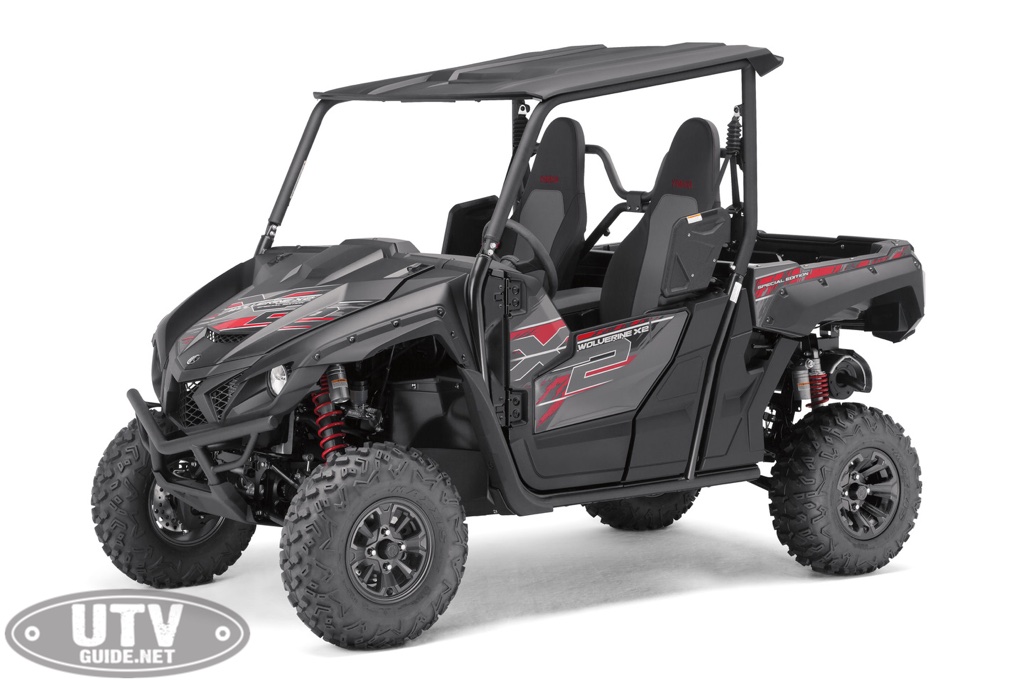
2019 Yamaha Wolverine X2
“After all, this is a really huge investment and you don’t want to rush your purchase only to realize later that you chose poorly.”
The Polaris General and the newly released Yamaha Wolverine X2 are very different UTV’s. Both built on unique individual philosophies, but aside from the fact that they are both two-seater machines with dump beds, they do share at least one other very important aspect in common. They are both targeting the recreational enthusiast who is also likely to make use of it’s ability to accomplish hard work on occasions. It’s fully recreational, meaning it’s purpose built for a day of fun and comfort out on the trail, but in addition is highly capable of assisting you in accomplishing those rigorous chores on the honey-do list.
“They are both targeting the recreational enthusiast who is also likely to make use of it’s ability to accomplish hard work on occasions.”
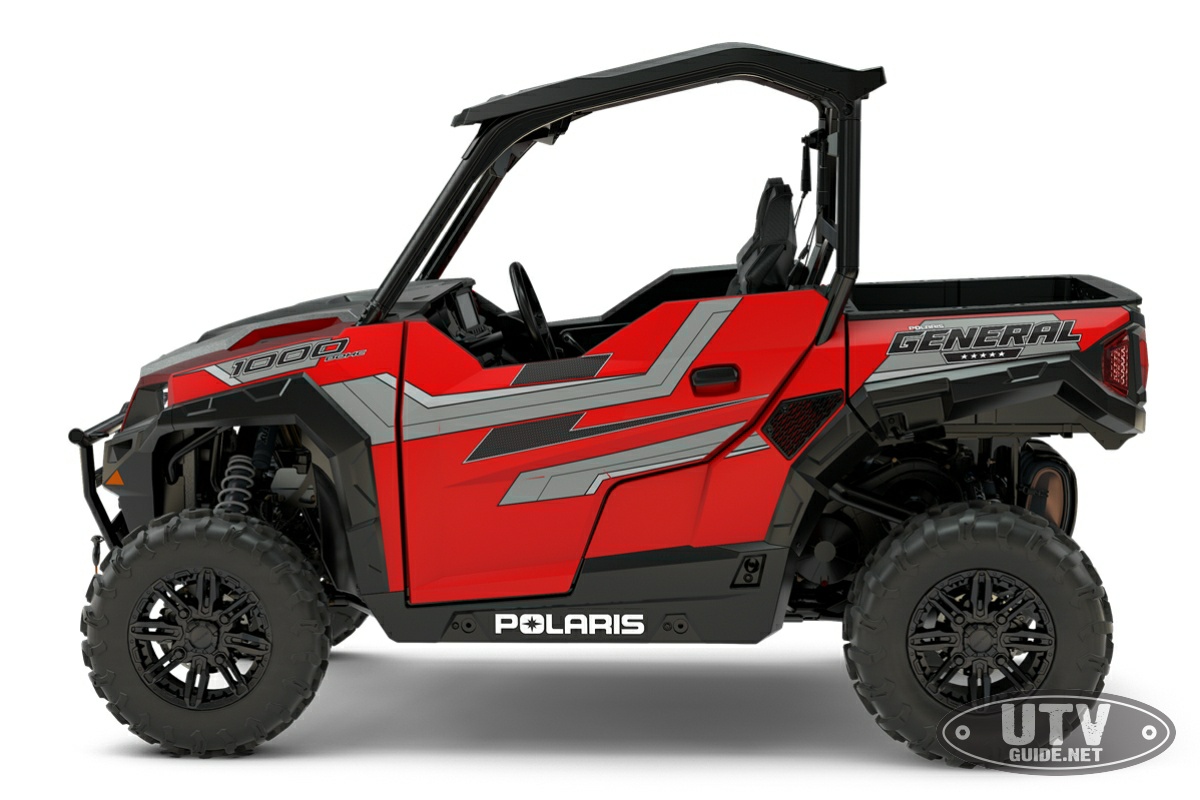
2018 Polaris GENERAL 1000
Obvious Differences
So we’ve established the one vital trait these two machines share in common and that’s that they are both built for recreation and adventure, but are both more than capable of the muscle and toughness you’ll need to accomplish your chores. So let’s dig in and unpack the differences starting with the obvious one. First off, the Polaris General is a 999cc engine, while the Wolverine X2 is powered by Yamaha’s brand new 847cc twin engine. That’s a significant difference of 152cc’s. If big power output is extremely important to you, go ahead and put your first check mark on the General. To be honest though, my opinion is that good power is important, but it isn’t everything. In fact, I’ve read a handful of reviews that actually remark that the General’s power output is actually a we bit over the top for its intended purpose and handling, but of course that is subjective. It’s a fun, strong, hard hitting power and might feel as if it’s handling ability does not quite match it’s power. That’s not to say that it’s overall handling isn’t good. More food for thought, just because the X2 is down 152cc’s in comparison to the General does not mean that it doesn’t put out an extremely thrilling amount of power. In fact, I found that Yamaha’s new parallel twin engine was extremely fun to drive and quite satisfying. The power of the engine fit perfectly with it’s overall handling. It always felt in control, pulled hard and stayed planted no matter how hard I pushed it. Lastly, the Wolverine X2’s engine was unusually and extremely quiet, had very little vibration and very little heat radiating into the cab which are all major creature comfort bonuses for the average recreational user and a testament to the lengths Yamaha will go to build a quality well engineered product.
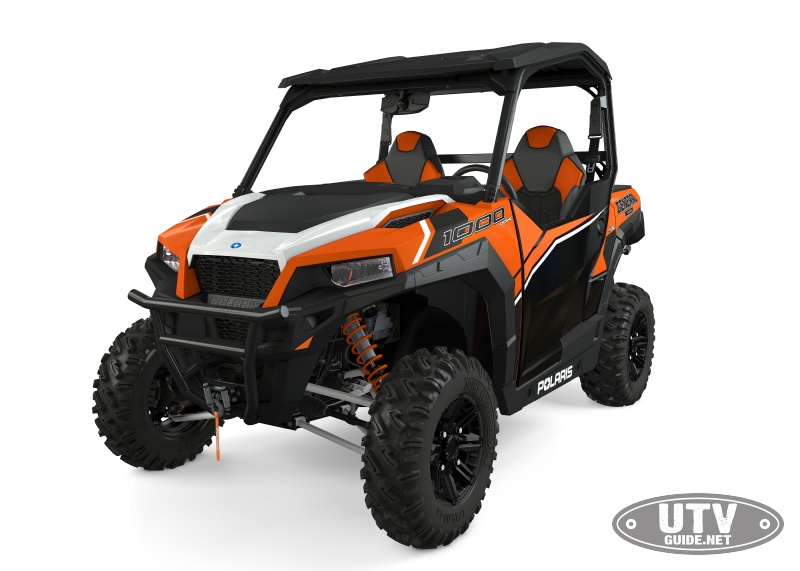
Polaris GENERAL 1000 EPS
“If big power output is extremely important to you, go ahead and put your first check mark on the General.”
The General transmits engine power to the wheels via the Polaris PVT system, which is a fully automatic transmission system that changes seamlessly through a continuous range of effective gear ratios as you ride and makes use of an engine braking system as you descend down inclines. Overall, the General’s PVT works fairly well, but we’ve found that the General’s PVT system is prone to slipping in the slower technical portions of the trail. In addition, we’ve found a touch unsettling at times that as you descend down steep hills, the General has a tendency to free wheel, which is not something you want when you’re pointed down way up in elevation. In contrast, Yamaha makes use of there Ultramatic transmission system, which is by far the most advanced and durable system available. An automatic centrifugal clutch maintains constant belt tension for reduced belt wear and a sprag clutch that delivers natural all-wheel engine braking. In the Wolverine X2, a robust clutching system features an oversized belt for durability under aggressive riding, while still maintaining low cruising rpm for smooth, quiet running. The X2 can be run in high gear with confidence in almost every scenario, which is not usually the case with the General. This system grabs the belt like no other and also provides for engine braking that works in a predictable and smooth manner. Consistent engine braking might not seem like that big of a deal, but trust me when I say that you don’t want to be in a UTV when it randomly lets go and free-wheels down an extremely steep hill. Yamaha has done a great job dialing in there CVT system and it’s something you will appreciate out on the trail when you tackle sticky situations.
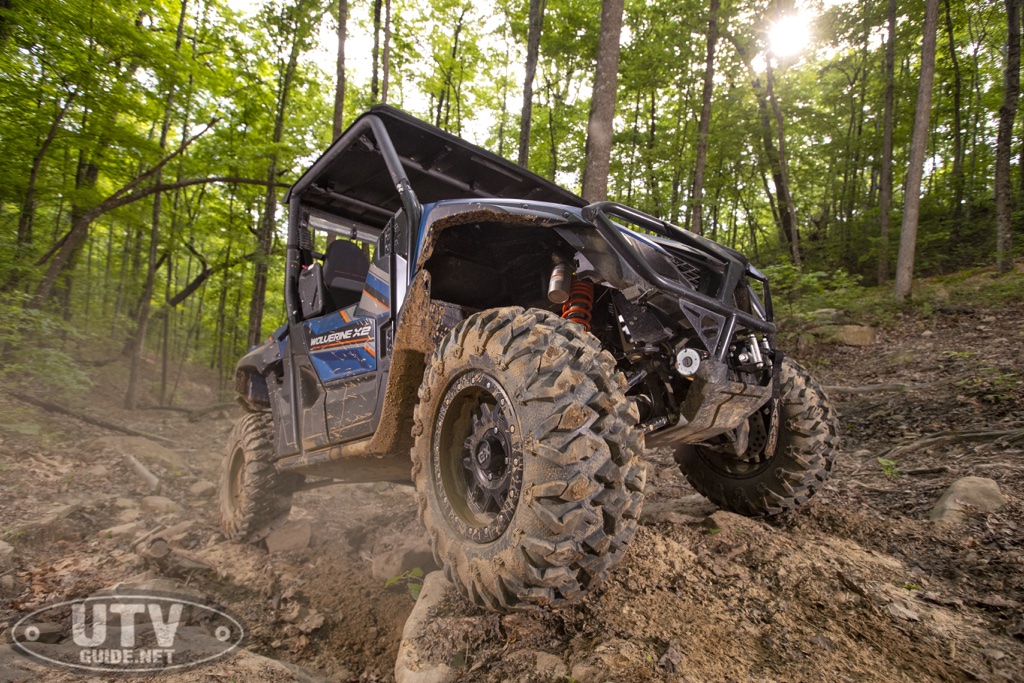
Yamaha Wolverine X2
“In contrast, Yamaha makes use of there Ultramatic transmission system, which is by far the most advanced and durable system available.”
The standard suspension on both of these units are quite sufficient for this class of vehicle, but both offer upgraded premium versions with excellent suspension upgrades that I believe is worthy of consideration. The General Deluxe model comes with the popular well known Fox Podium X 2.0 QS3 shocks, which are great high performance good quality shocks. The Wolverine X2 R-Spec model comes with a set of fully adjustable KYB piggy-back shocks, which I feel are quite amazing. The General edges out the Wolverine X2 in suspension travel. It boasts a whopping 12.25 inches on the front and 13.2 inches in the rear, while the X2 offers 8.7 up front and 8.9 in the rear. Also, the General has a slight advantage on ground clearance with 12 inches, while the X2 has approximately 11 inches. Both of these machines are quick, nimble, agile and whip through the tight winding East Coast style trail systems effortlessly as if they were designed and created just for that purpose, which they were. The General sprawls out across the trail at 62.5 inches in width and ads a slight advantage of stability in the wide open trails. The Wolverine X2 is slightly slimmer at 59.1 inches. That is a difference of 3.4 inches and may offer an advantage on the tighter more technical trails. While there are unlimited places you can ride wider trails on the East Coast, some of the most exciting trails to explore are those that are on the tight, technical and more winding less traveled trails. Even though the X2 has a width deficit of 3.4 inches, it never felt tippy even in the more open trails, but certainly obtains a sizable advantage when the fenders begin to scrub the trees. Overall, I’d say the General certainly is a bit more sporty due to engine size, width and suspension travel.
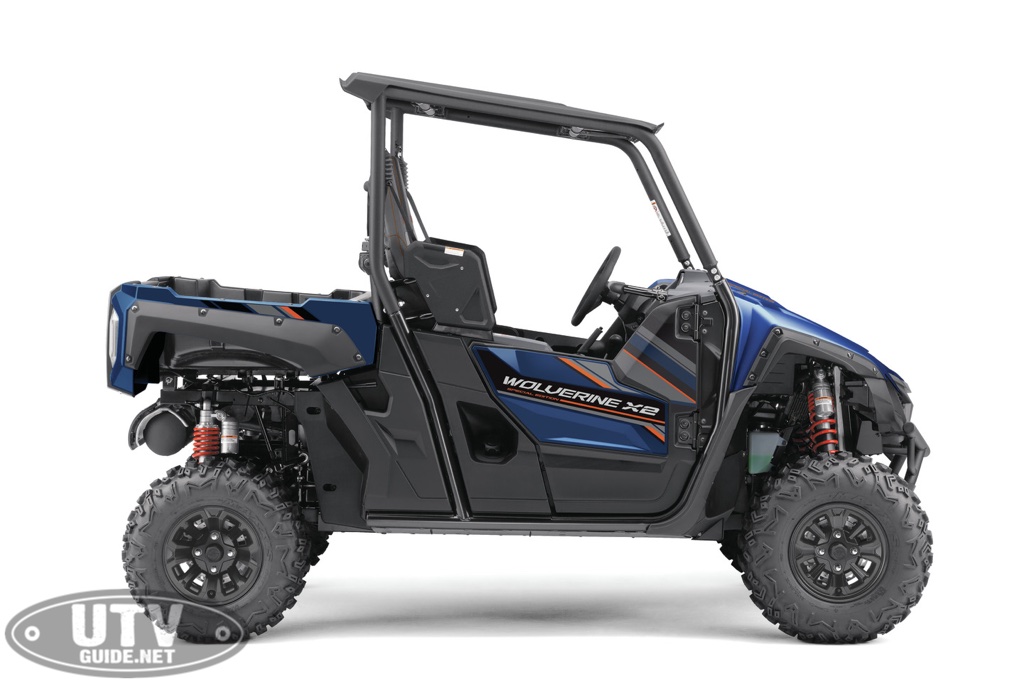
Yamaha Wolverine X2
“Overall, I’d say the General certainly is a bit more sporty due to engine size, width and suspension travel.”
Both of these machines have a good looking quality interior. The adjustable bucket seats are comfortable and they both have adjustable steering wheels, which I’m a huge fan of. I believe they have similar amounts of storage space in both the center console/arm-rest as well as the glove compartment. Both of these machines go to great lengths at keeping both driver and passenger comfortable on the trail all day. As mentioned previously, Yamaha dug deep on the cabin experience and minimized heat, vibration and noise to a degree that’s new to UTV’s. You can literally have a conversation as you drive with your passenger. Both of these units come with nice high doors and Yamaha has even designed the door lever to reside inside of the door rather than on the outside where mud and debris can gum it up and make it difficult to function properly.
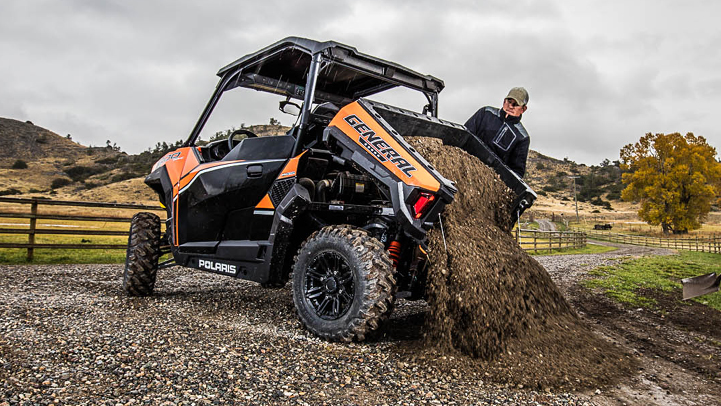
Polaris GENERAL
“…Yamaha dug deep on the cabin experience and minimized heat, vibration and noise to a degree that’s new to UTV’s.”
Finally, as previously mentioned, these units are also designed to help with the hard work around your property, etc. Both the Yamaha and Polaris will hold and haul the exact amount of weight in the dump bed, maxing out at 600 lbs. The X2 actually edges out the General in towing capacity at a max of 2,000 lbs. while the General will tow a max of 1,500 pounds. This could be an important advantage for the X2 for some customers needs. The truth is, both of these options are designed for and capable of accomplishing hard work and doing it well.
“The X2 actually edges out the General in towing capacity at a max of 2,000 lbs. while the General will tow a max of 1,500 pounds.”
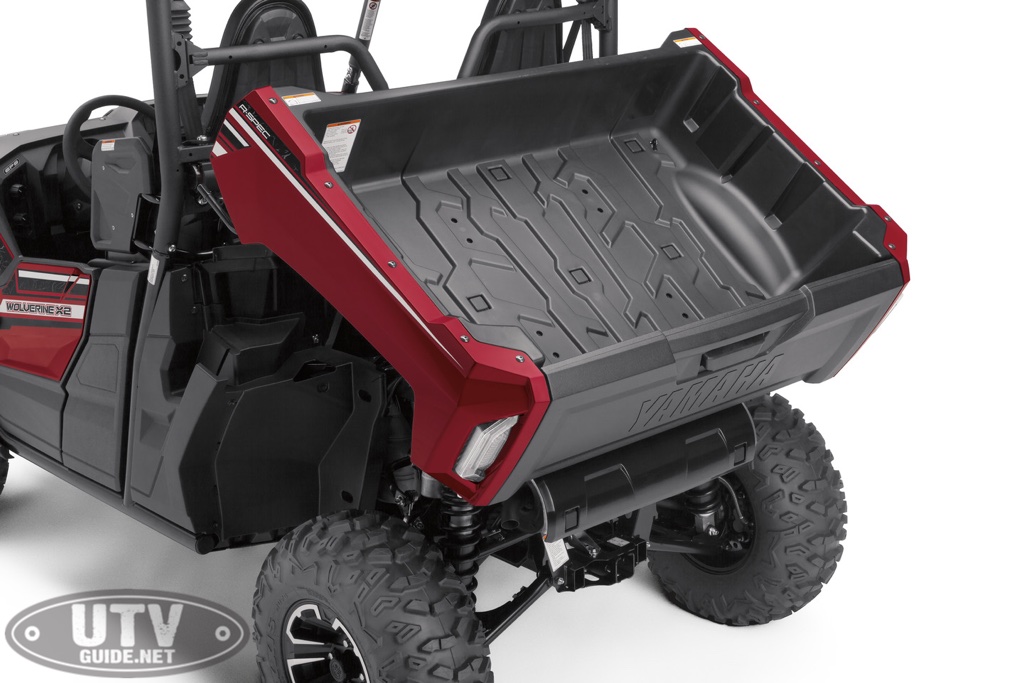
2019 Yamaha Wolverine X2
Conclusion
There really is no blanket winner here, it boils down to price, preference and what your individual needs are. As you can see, both companies have chosen different philosophies and both of these designs are capable and tons of fun. On paper and in my opinion, the Polaris General 1000 takes the win on the high performance sportiness category although the Yamaha Wolverine X2 is no slouch. The General wins this category for the most part due to it’s 152cc’s of additional adrenaline filled power, it’s substantial amount of extra suspension travel and its slightly wider and aggressive stance. The Wolverine seems to shine a little more in the high performance recreational adventure category that would be more for your average exploring trail riders. This customer may not put quite as much stock in speed and adrenaline, but still expects the ride to feel thrilling if they decided to roll into the throttle. This is due to a more manageable and controllable type of power output, confidence building handling characteristics as well as a creature comfort loaded ride that is quiet, has little vibration and radiates very little heat into the cab.
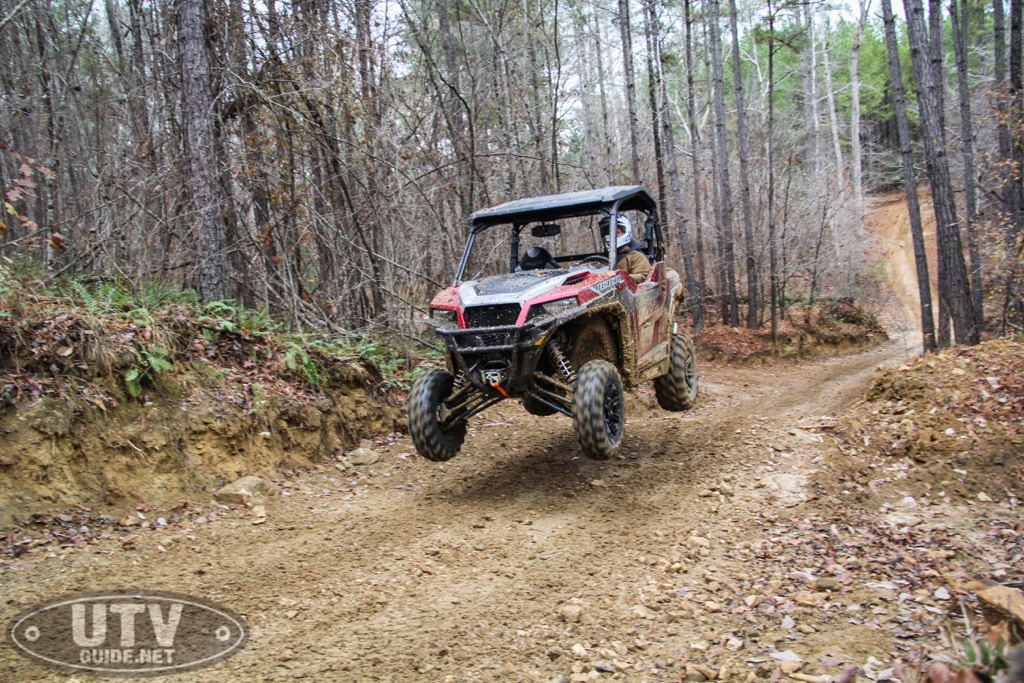
2018 Polaris GENERAL 1000 EPS Ride Command
“There really is no blanket winner here, it boils down to price, preference and what your individual needs are.”
Both of these great machines posses plenty of the muscle and characteristics required for accomplishing tough work. Although both are quite similar in this arena, the X2 comes out slightly on top because of it’s ability to haul 500 extra pounds. The last and final area of consideration is pricing and it’s up to you to determine how much you should spend. The base model General 1000 starts at an MSRP of $16,999 while the new base model Wolverine X2 starts at an MSRP of $12,699. Thats a fairly substantial difference of $4,300. I suggest you run through the comparison chart that I created below and weigh the differences against your needs.
QUICK NOTES – POLARIS GENERAL 1000
- More powerful engine.
- Sporty amount of suspension travel and width.
- 12” of ground clearance.
- Shines as High Performance Sport UTV.
- $4,300 more than Wolverine X2.
- GENERAL 1000 Review
QUICK NOTES – YAMAHA WOLVERINE X2
- Great controllable power output.
- Pleasant Cab Experience – Low vibration, heat & noise.
- Excellent clutch
- Tow Capacity 2,000 lbs.
- Shines for both recreational & work use.
- $4,300 less than General 1000.
- Wolverine X2 Review
|
YAMAHA WOLVERINE X2 VS POLARIS GENERAL 1000 |
||
|
YAMAHA WOLVERINE X2 |
POLARIS GENERAL |
|
| MSRP |
Starting At $12,699 |
Starting at $16,999 |
| ENGINE DISPLACEMENT |
847cc |
>999cc |
| ENGINE TYPE |
parallel-twin, liquid-cooled, DOHC; 8 valves |
4-Stroke Twin Cylinder, liquid-cooled |
| EFI – ELECTRONIC FUEL INJECTION |
YES |
YES |
| ENGINE BRAKING |
YES |
YES |
| ESTIMATED WET or DRY WEIGHT |
(Wet) Weight 1,541 lb |
(Dry) Weight 1,430 lb |
| GROUND CLEARANCE |
11.0 in |
12 in |
| OVERALL VEHICLE SIZE (L X W X H) |
115.0 in x 59.1 in x 74.8 in |
116.4 x 62.5 x 73.8 in |
| WHEELBASE |
82.7 in |
81 in |
| DUMP BED Capacity |
600 lb |
600 lb |
| FRONT/REAR BRAKES |
Dual hydraulic disc |
4-Wheel Hydraulic Disc w/Dual-Bore Front Calipers |
| PARKING BREAK |
Parking Brake |
Park In-Transmission |
| HIGH PROFILE DOORS |
Yes / Internal Handle |
Yes / External Handle |
| ADJ HIGH BACK DRIVER SEAT |
YES |
YES |
| FRONT SUSPENSION |
Independent double wishbone |
Dual A-Arm |
| REAR SUSPENSION |
Independent double wishbone |
Dual A-Arm, IRS |
| SWAY BAR |
YES |
YES |
| SHOCKS (STANDARD MODEL) |
KYB Gas Charged 5-Way Preload Adjustable |
Dual Rate Spring |
| FRONT SUSPENSION TRAVEL |
8.7 in |
12.25 in |
| REAR SUSPENSION TRAVEL |
8.9 in |
13.2 in |
| TILT STEERING |
YES |
YES |
| EPS – ELECTRONIC POWER STEERING |
YES |
YES |
| FRONT TIRES |
AT26 x 8-12 Maxxis® MU75 |
27 x 9-12 NHS; CST Clincher |
| REAR TIRES |
AT26 x 10-12 Maxxis® MU76 |
27 x 11-12 NHS; CST Clincher |
| WARRANTY |
6 Month (Limited Factory Warranty) |
6 Month (Limited Factory Warranty) |