
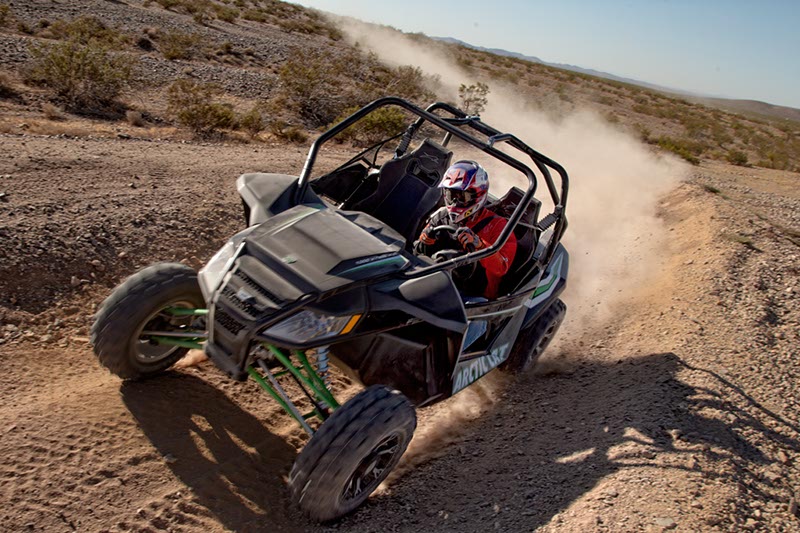
Arctic Cat Wildcat 1000
UTV of the Month for October 2011
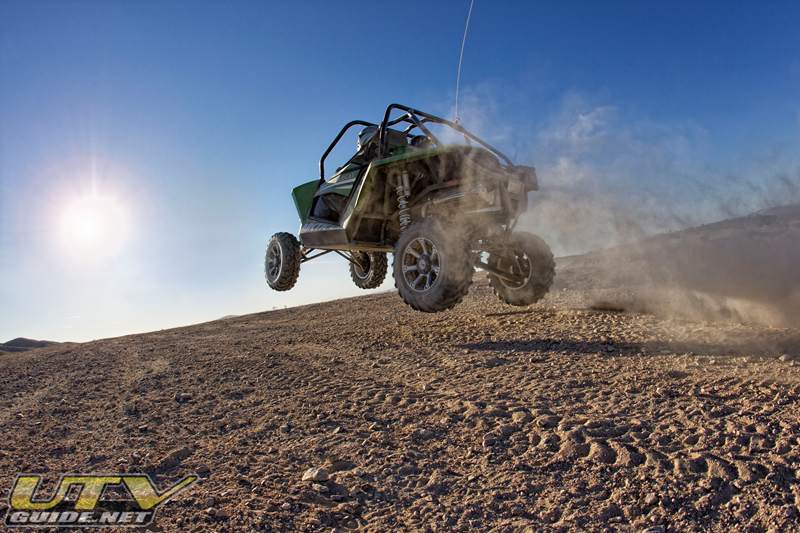
I absolutely love it when a manufacturer pushes the UTV market further, and that is exactly what Arctic Cat did with their new Wildcat 1000. This new sport UTV has broken through to a new level of suspension performance and chassis and that is why it was picked for UTV of the Month.
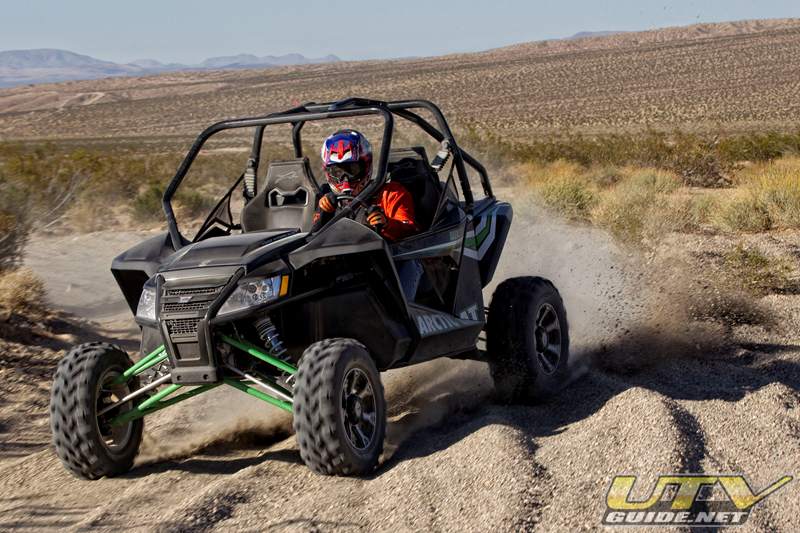
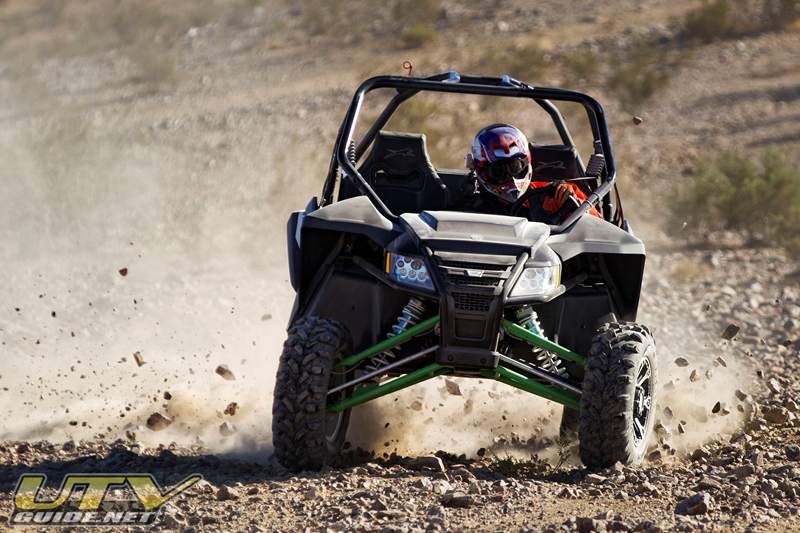
Suspension, Suspension, Suspension. The 5-link rear suspension works real well, but I think the front is what really shines. If you have never been to Barstow (Stoddard Valley OHV Area), it is full of whoops of all sizes. Several race courses crisscross the area so this place gets use from every type of off-road vehicle – motorcycle to trophy truck. I was amazed at how well the Wildcat could float through the rough stuff. With two people in the car, we had to adjust the Walker Evans Racing 2″ shocks to a more firm setting to keep it from bottoming out in the rear. But after that we could bomb through terrain that other UTVs would not be able to handle at half the speed. Wildcat shocks have been setup for a sweet spot that meets all sorts of customers and terrain. If you want to haul ass in the desert, Walker Evans Racing can revalve specifically to handing this stuff even better. I can see Walker Evans Racing offering a 2.5″ shock in the rear of the Wildcat as an option.
In addition to the 5-link rear suspension, and gobs of wheel travel, another thing that really helps the Wildcat perform in the rough stuff is wheelbase. The Wildcat’s 95 inch wheelbase is 13.5 inches longer than the Polaris RZR XP.

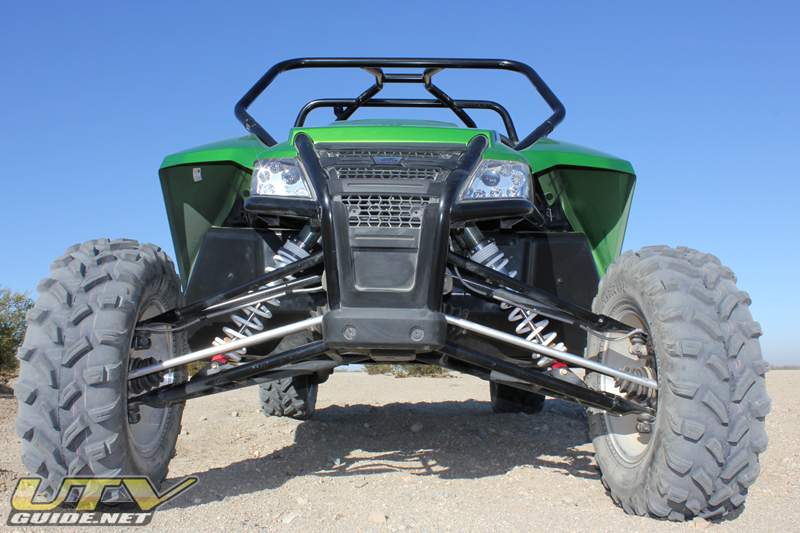
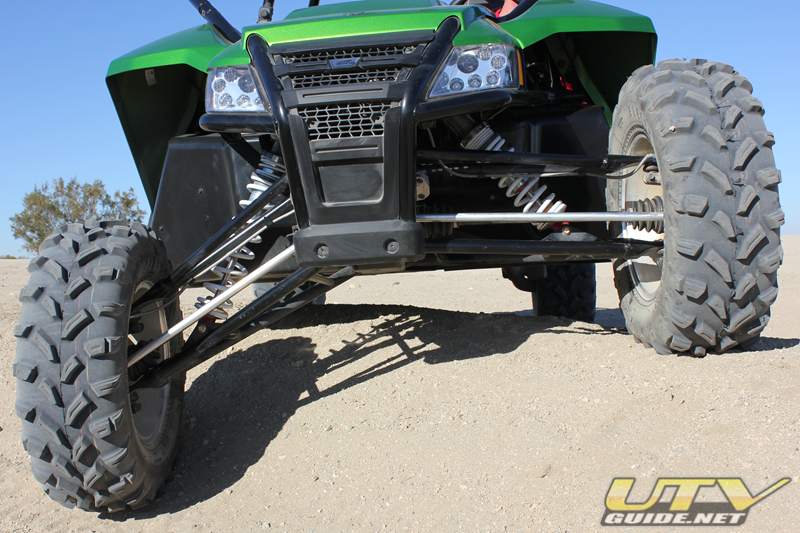
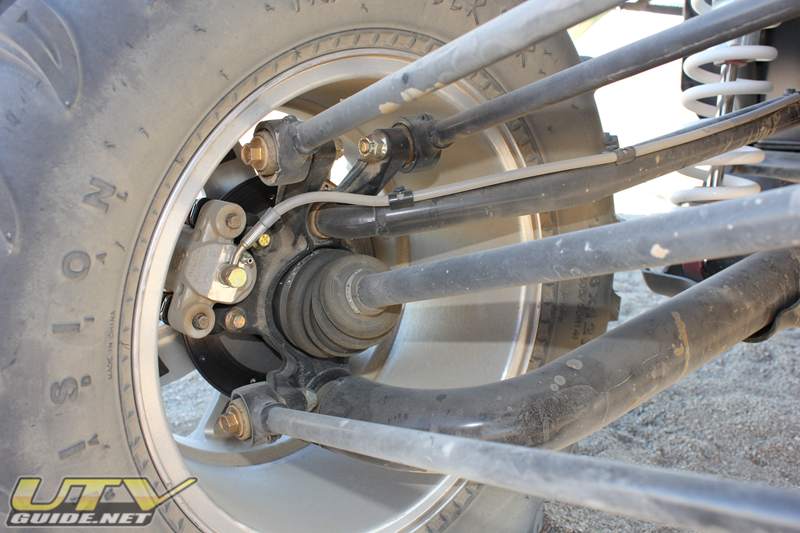
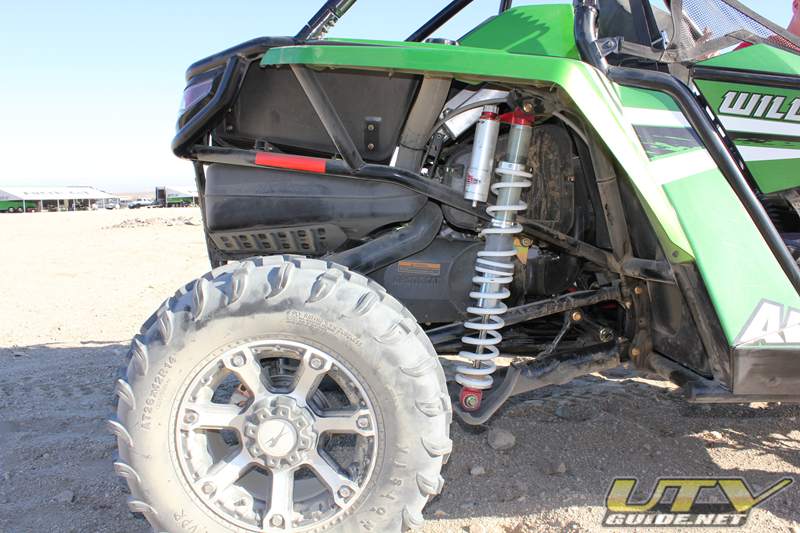
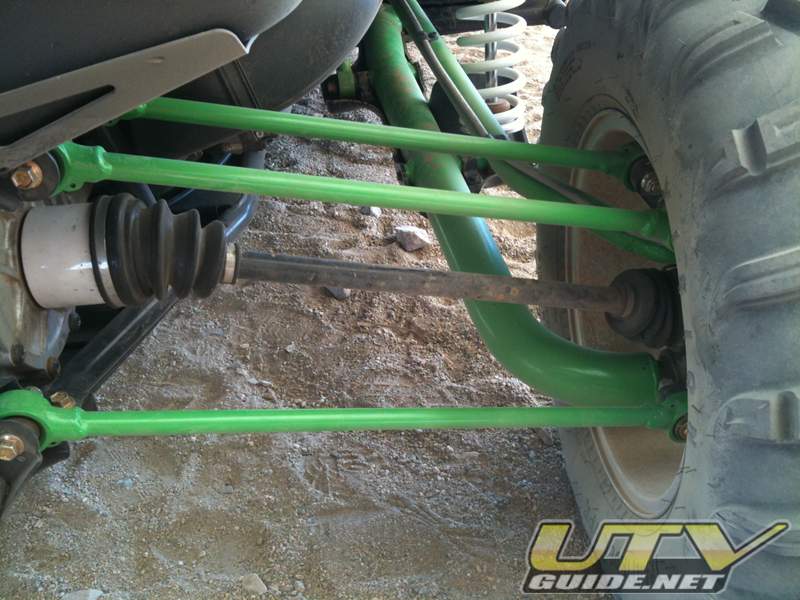
Front suspension articulation is incredible. Rear does not articulate so much due to the anti-sway bar. It did look look the the bar could be disconnected easy enough when you want to rock crawl. In the desert, I would like to see a little stiffer anti-sway bar to help keep the car flatter in the turns.
Arctic Cat Wildcat Rear Suspension
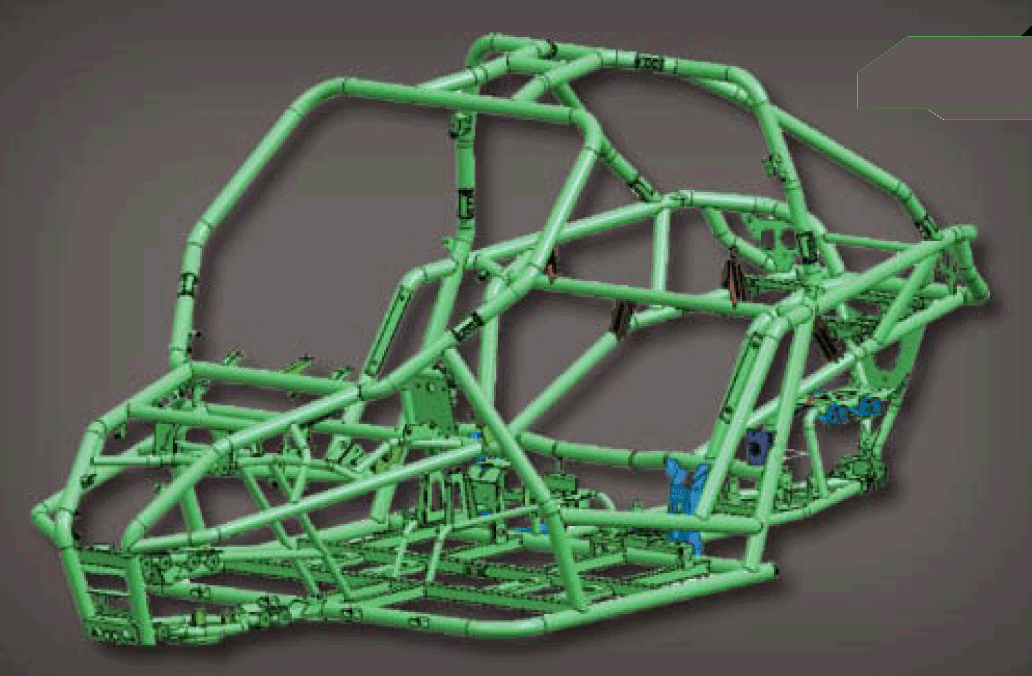
Exoskeleton chassis – I really like how the chassis was designed. Full-sized tubes everywhere instead of a main central chassis and scabbed on 1″ box tubing here and there to attach body parts. The overall look of the Wildcat has not completely set in with me yet, but I really admire how thought went into the chassis.
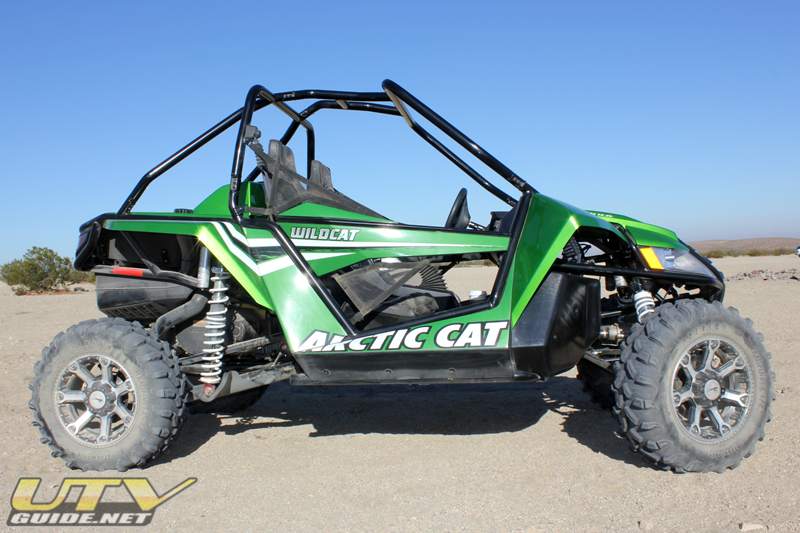
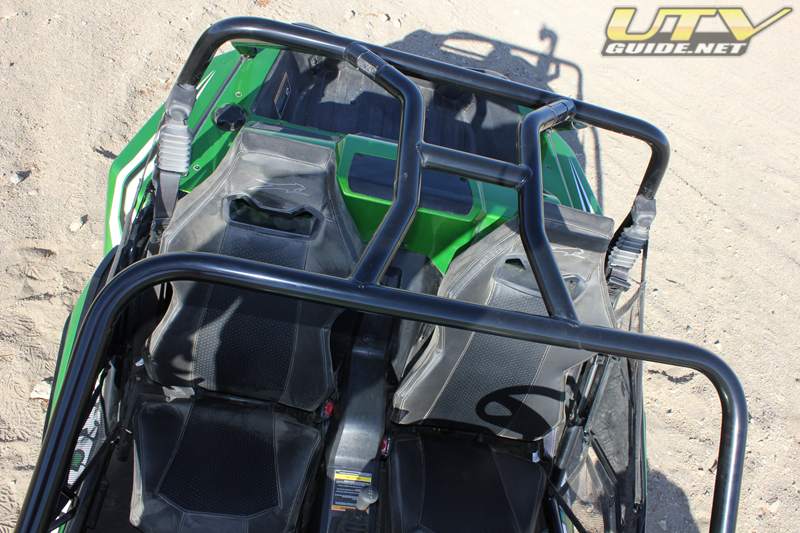
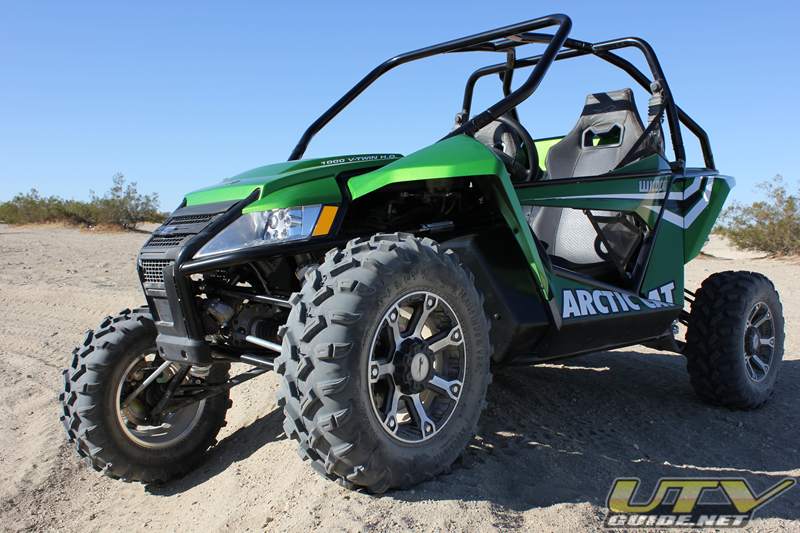
The one area that lacks a bit for the Wildcat is power. It is heavier that a RZR XP and does not seem to have the same amount of bottom-end grunt. I believe that the engine is choked up a bit to pass smog testing. Certainly the single 50mm throttle body is affecting performance as is the exhaust. Once Muzzys Performance Products can get their hands on one, I think the Wildcat’s power will be a match for the superior suspension and chassis design.
UTVGuide.net should have a Wildcat to play with around the first part of 2012. Stay tuned as we bring you in-depth coverage from this new sport UTV!
Specifications:
- ENGINE DISPLACEMENT (CC) 951
- ENGINE TYPE V-Twin, SOHC, 4-stroke, 4-valve
- FUEL SYSTEM Electronic Fuel Injection
- COOLING SYSTEM Liquid
- TRANSMISSION/FINAL DRIVE Duramatic CVT P/R/N/L/H; Shaft
- DRIVE SYSTEM Electric 2/4 WD w/ 4WD Lock
- SUSPENSION TRAVEL FRONT (IN./CM) 17/43.2
- SUSPENSION TRAVEL REAR (IN./CM) 18/45.7
- GROUND CLEARANCE (IN./CM) 13/33
- OVERALL LENGTH – 120″
- OVERALL WIDTH – 64″
- DRY WEIGHT – 1305 lbs.
- SUSPENSION TYPE FRONT Double A-Arm(compression adjustment & reservoir)
- SUSPENSION TYPE REAR 5-Link Trailing Arm,(compression adjustment & reservoir)
- FRONT/REAR BRAKES 4 Wheel Hydraulic Disc
- PARKING BRAKE Park in Transmission
- TIRE FRONT 26x9R-14
- TIRE REAR 26x11R-14
- WHEELS Aluminum
- FUEL CAPACITY (GAL./LITERS) 8.8/33.3
- BED BOX DIMENSIONS (IN./CM LxWxH) 35.8 x 21 x 8.4 in.,90.9 x 53.3 x 21.3 cm
- BOX CAPACITY (LBS./KG) 300/136.1
- PAYLOAD CAPACITY (LBS./KG) 740/335.6
- LIGHTING FRONT White LED, High/Low
- LIGHTING REAR LED, Tail Brake
- ADJUSTABLE STEERING Tilt Steering Wheel
- ELECTRONIC POWER STEERING Yes
- INSTRUMENTATION Digital Gauge, Analog Speedometer, Odometer,Tachometer, Trip meter, Gear Indicator, Fuel Gauge,AWD Indicator, Hi-Temp/Low-Batt Lights, DC Outlet
- MSRP – $16,599
More Photos:

More Resources:
-
Arctic Cat Wildcat – Overview and Specifications
Manufacturer Info:
Arctic Cat Inc.
601 Brooks Avenue South
Thief River Falls, MN 56701
Website: www.arcticcat.com
Phone: 218-681-8558
About Arctic Cat:
Arctic Cat Inc., based in Thief River Falls, Minn., designs, engineers, manufactures and markets all-terrain vehicles (ATVs) and snowmobiles under the Arctic Cat® brand name, as well as related parts, garments and accessories. Its common stock is traded on the Nasdaq National Market under the ticker symbol ACAT. More information about Arctic Cat and its products is available on the Internet atwww.arctic-cat.com
How to submit your UTV
Send and email tojon@utvguide.net with specifications and images. Images should be about 800×600 and less than 100k each. Make sure you include a list of modifications along with manufacturer info.

No Comments