
| Polaris RZR XP 900 Media Event
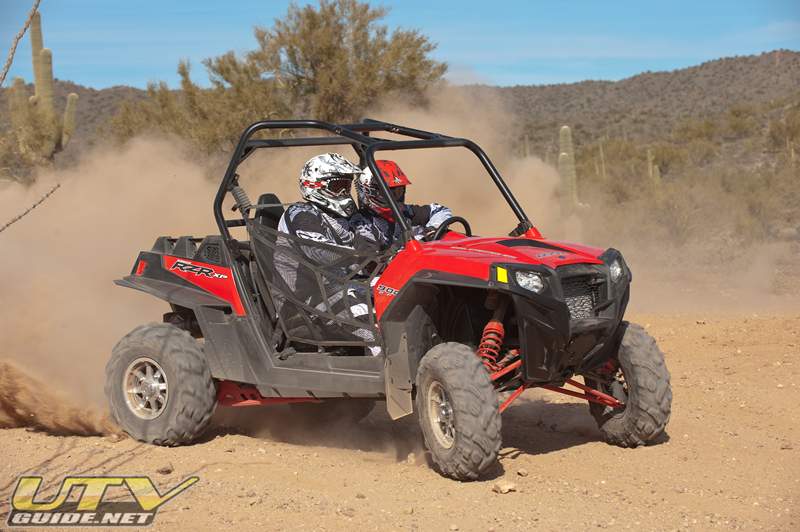
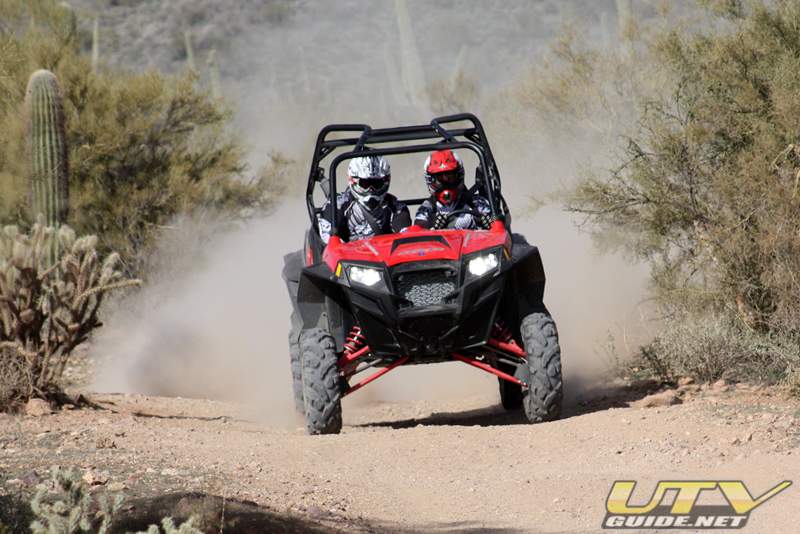
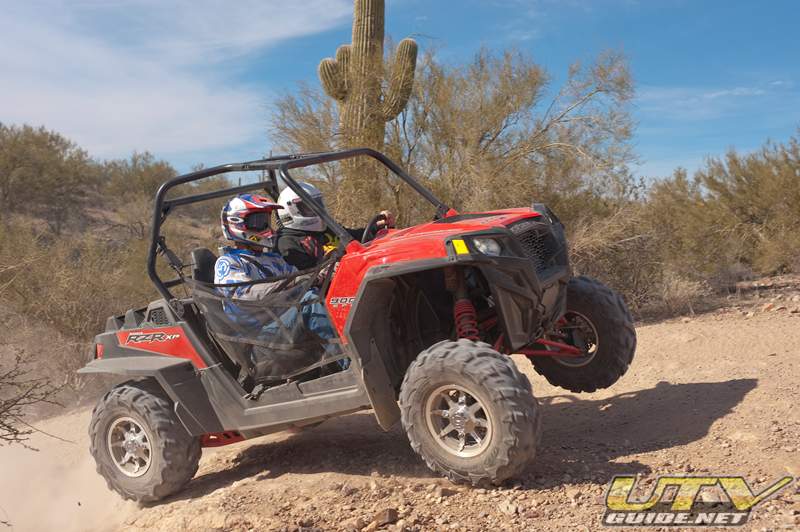
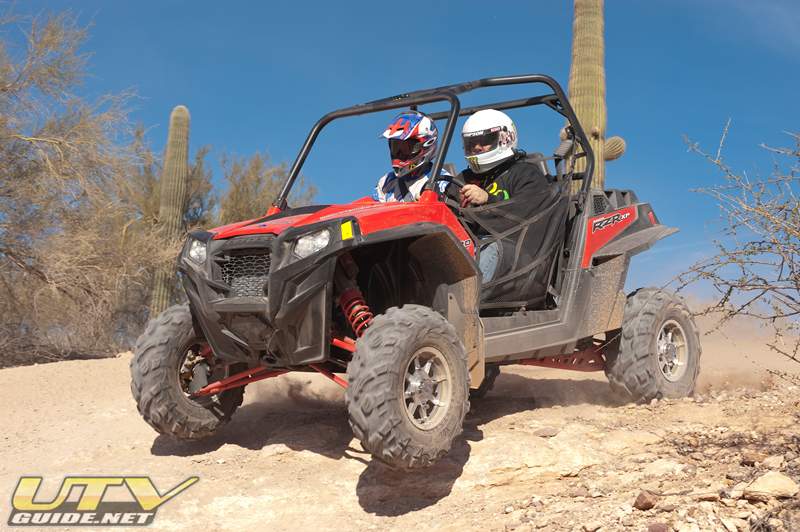
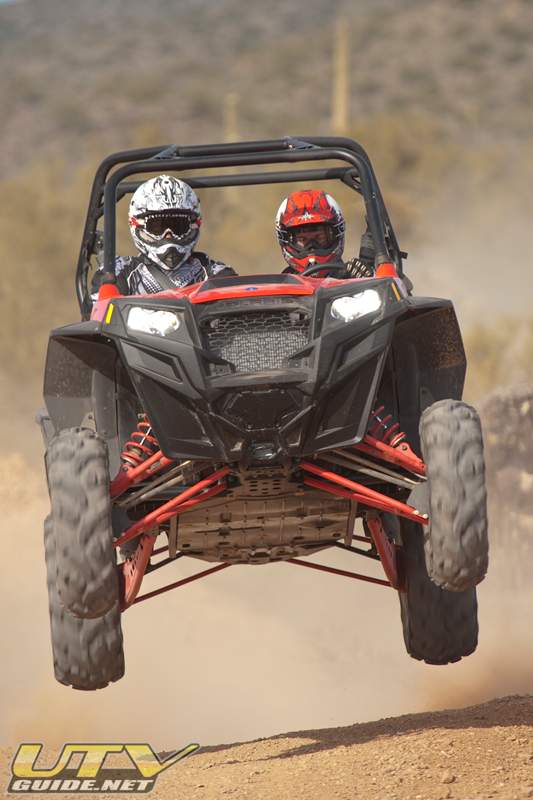
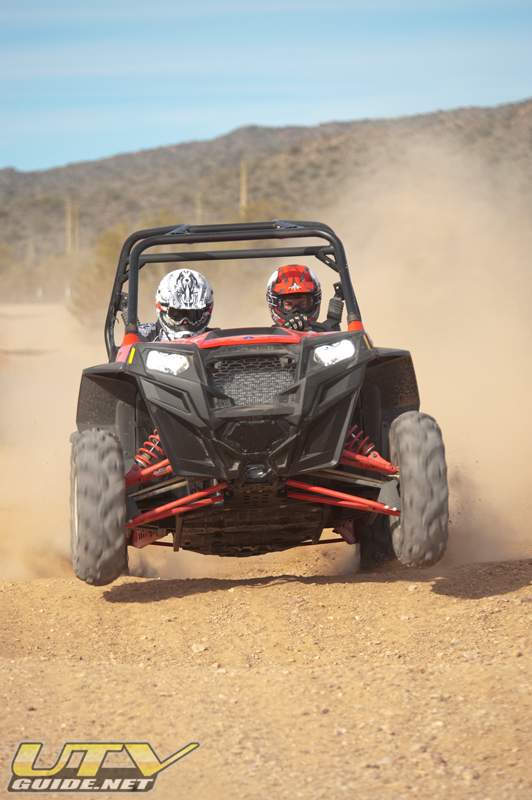
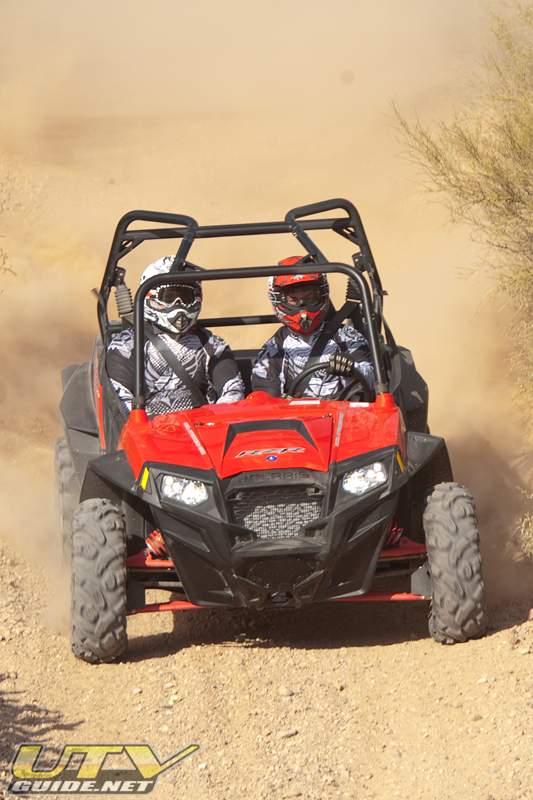
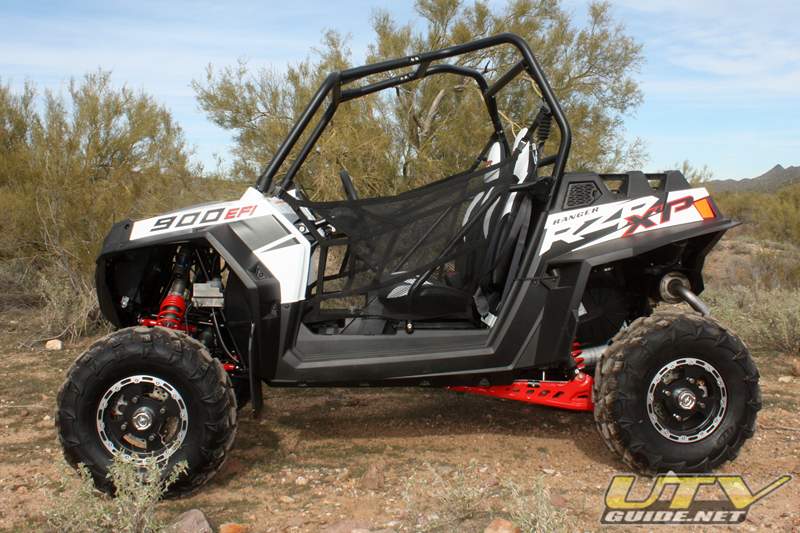
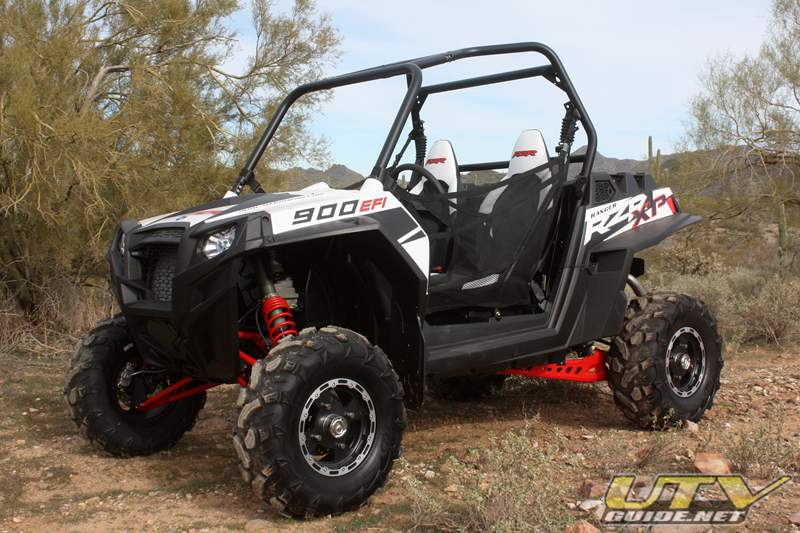
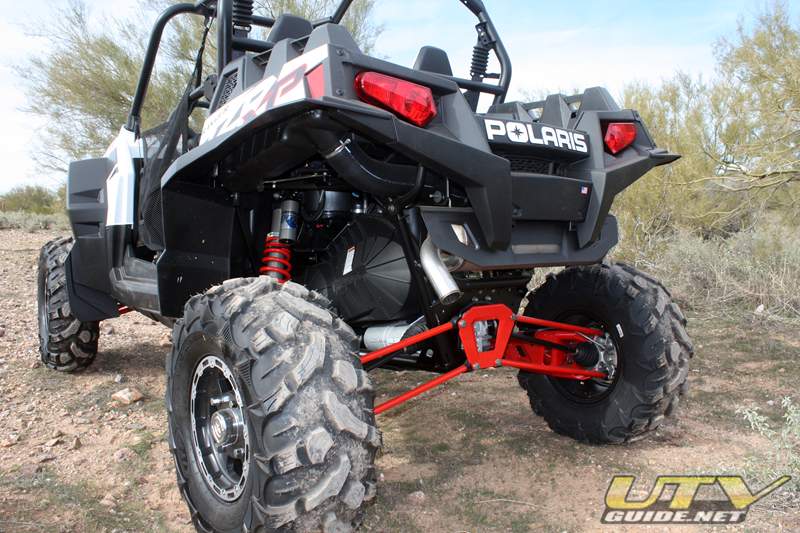
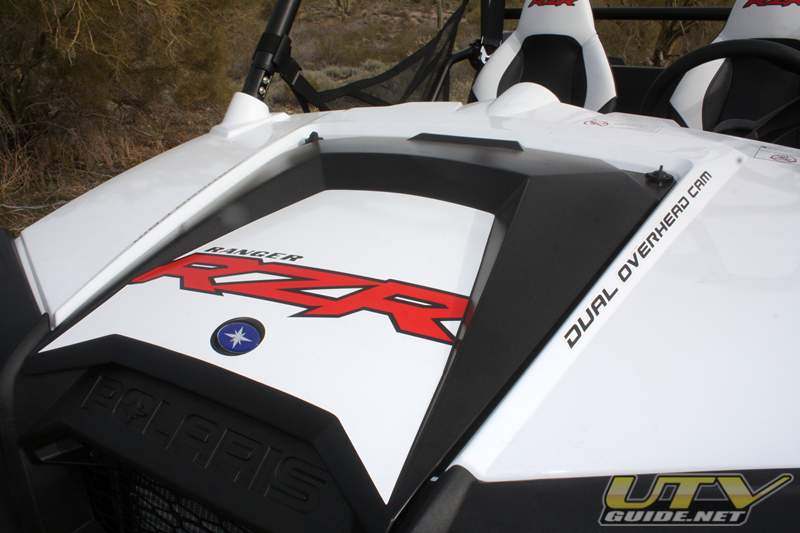
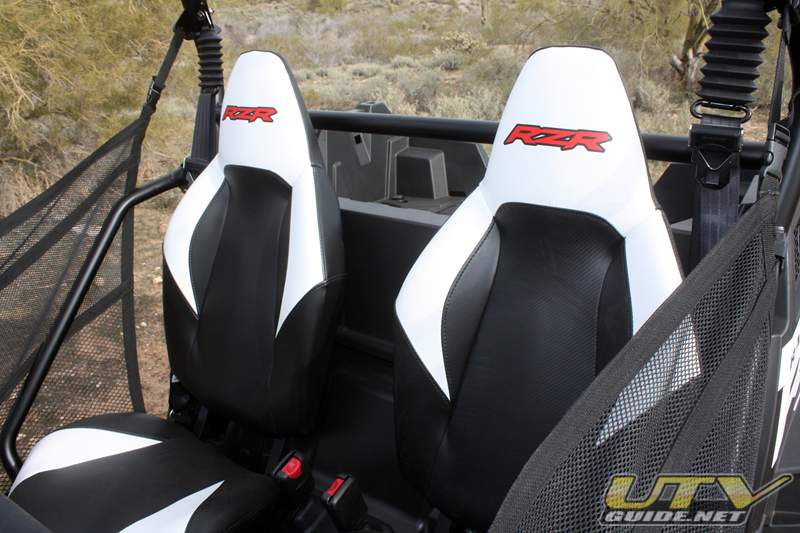
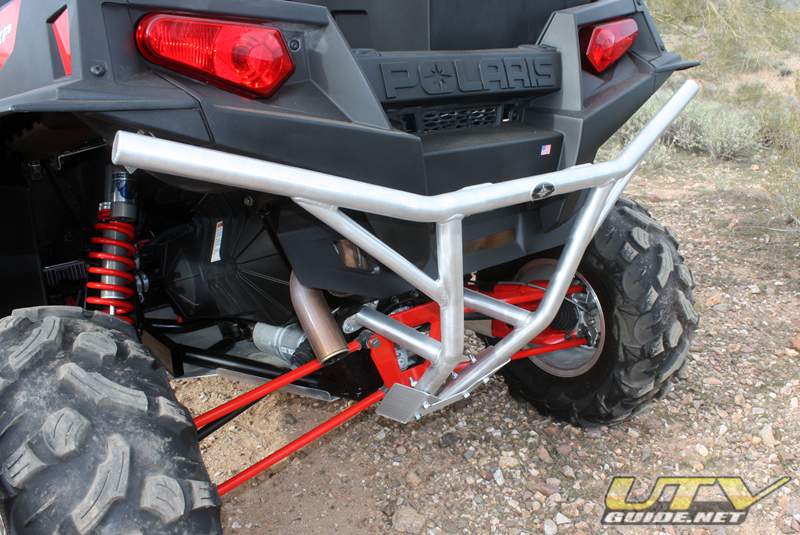
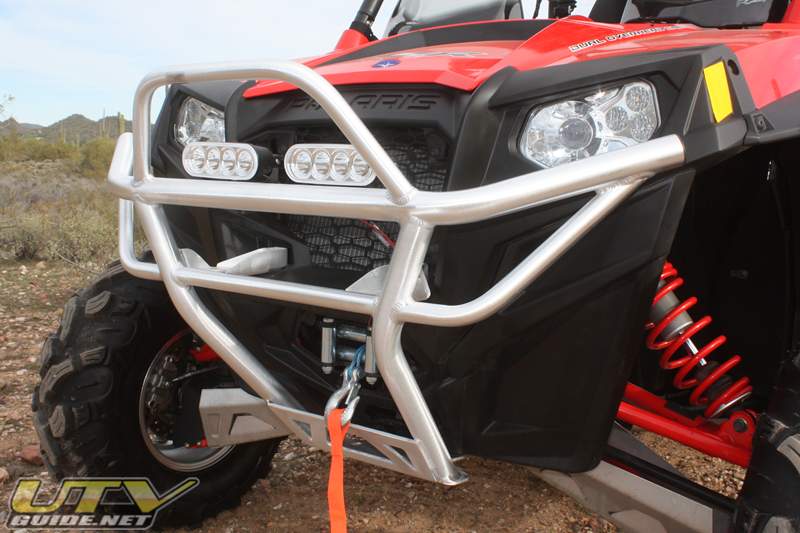
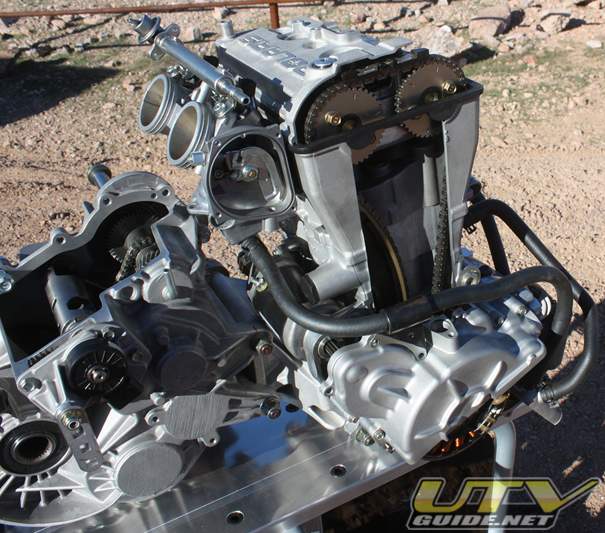
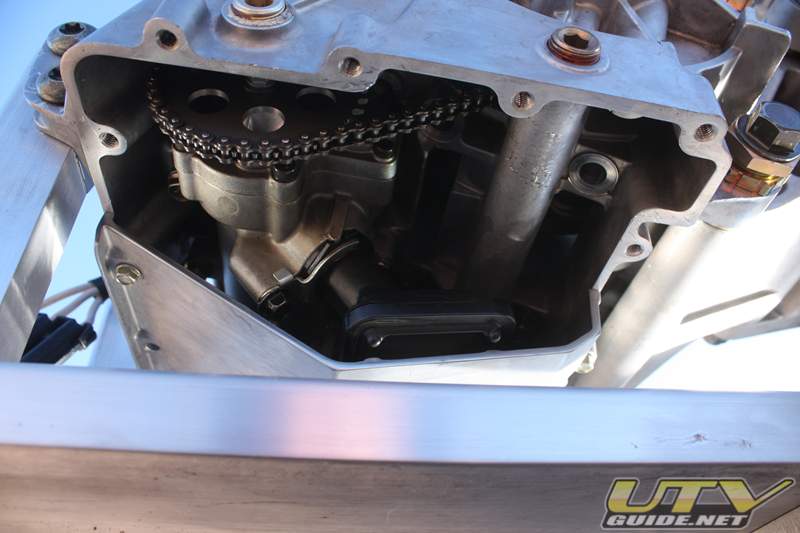
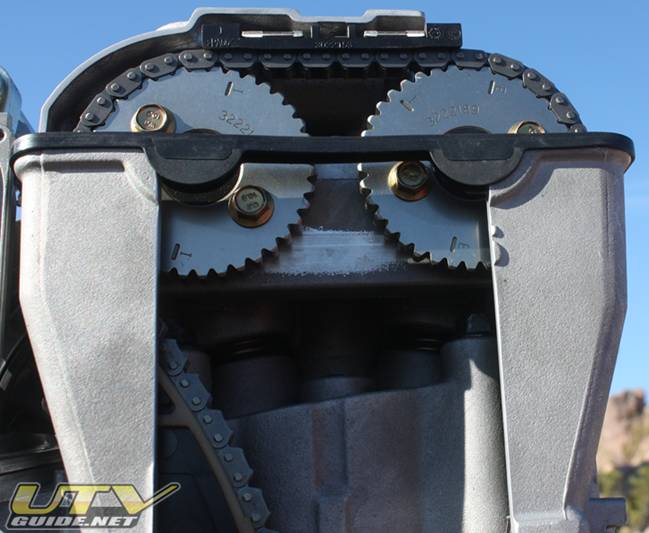
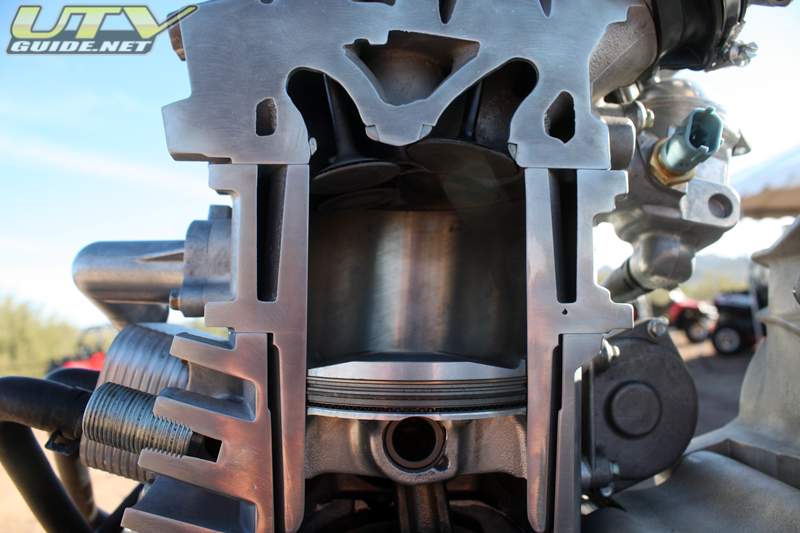
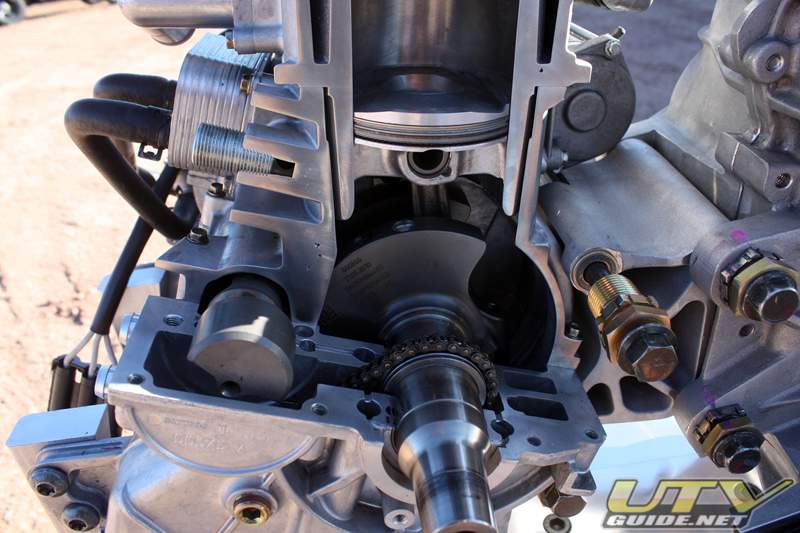
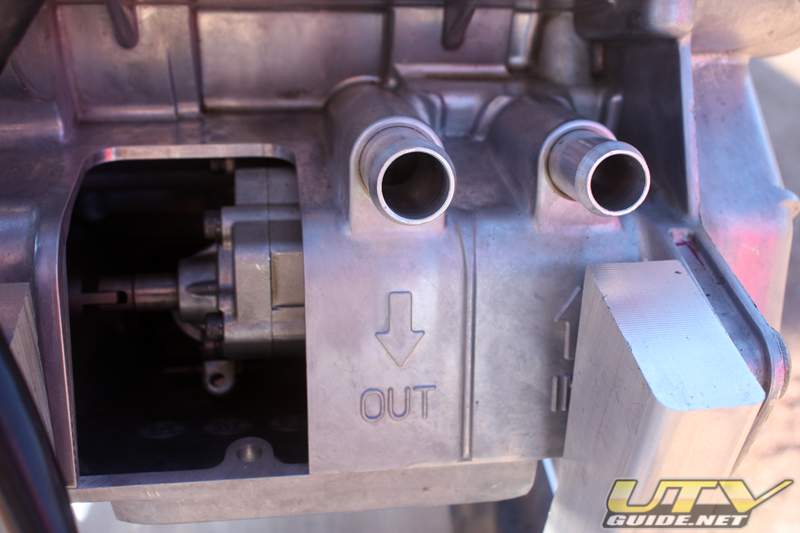
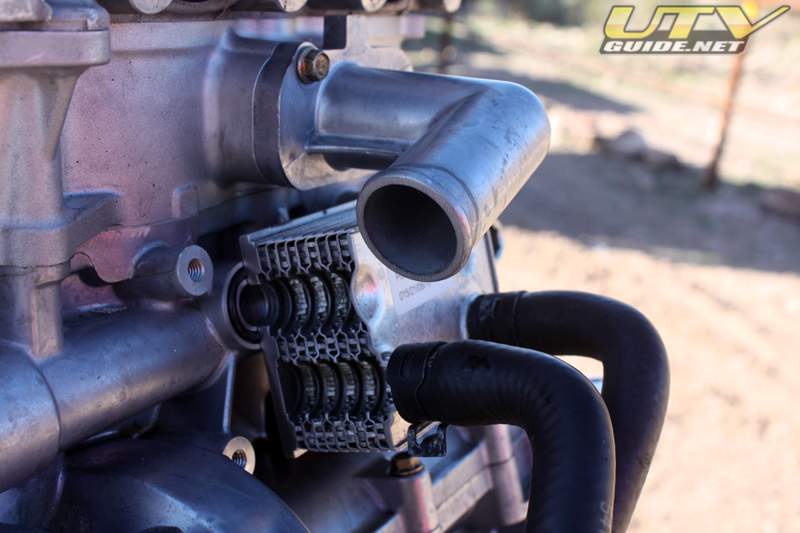
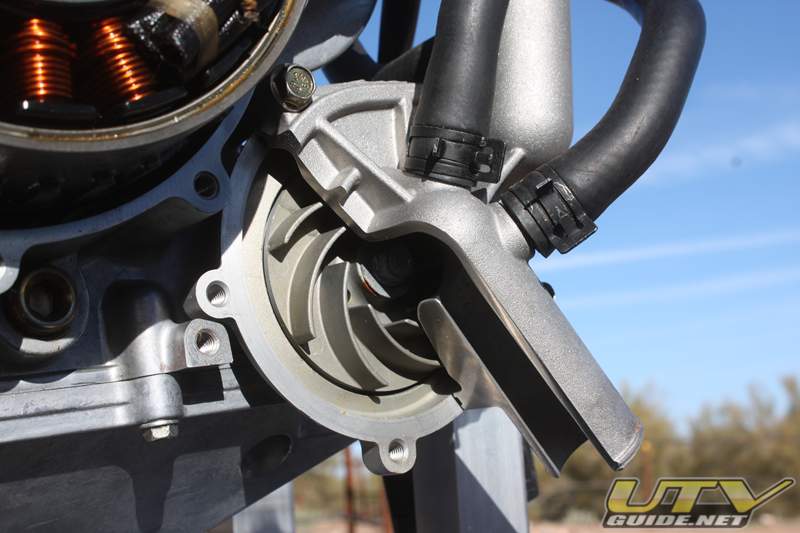
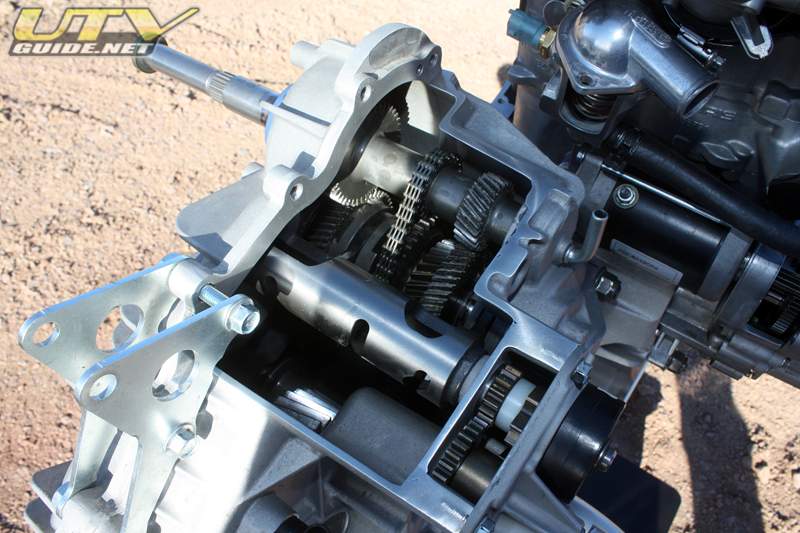
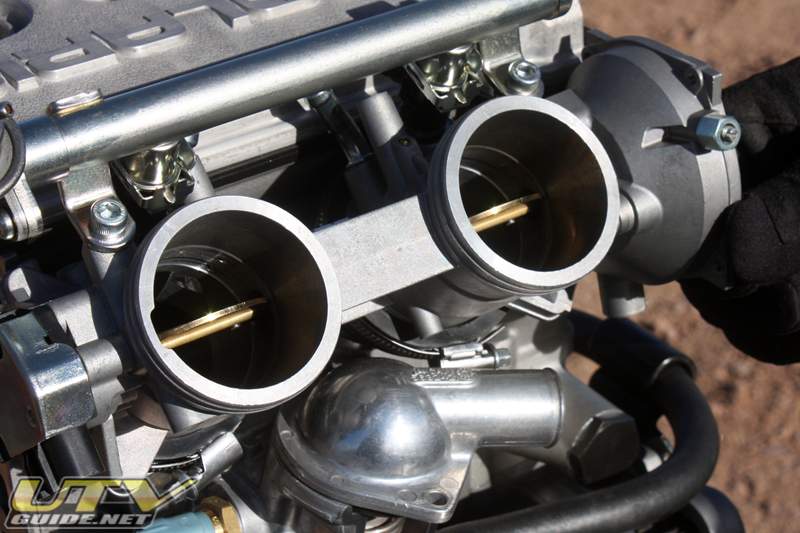
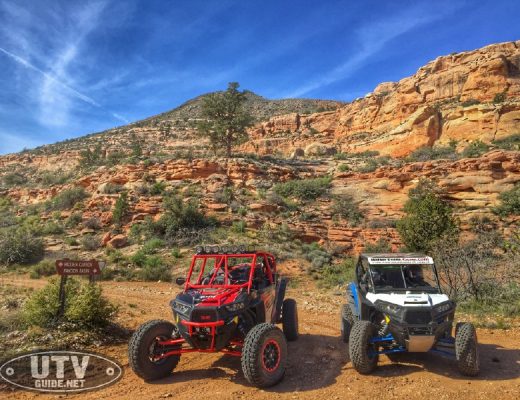
I was fortunate enough to be invited by Polaris Industries to Phoenix, Arizona for the media introduction of the hottest UTV to hit the market for 2011. The 2011 Polaris RZR XP 900 was just revealed on January 1, 2011 and the chance to check out new model during a mid-year model year is pretty awesome.Like most sport UTV junkies, I was glued to the computer on New Year’s Eve when Polaris revealed the RZR XP. I had my suspicions that Polaris would step the bar up from the RZR S, but did not know for sure what they would come up with. After devouring all the images, specs and videos, that night and into the next few weeks, I got more and more excited about this new sport UTV and could not wait to get behind the wheel. Fast forward a few long weeks, and I was on a plane to Phoenix to meet up with other editors. When I arrived at the hotel, I was pretty stoked to see the parking lot and hotel entrance lined with Polaris RZRs and RANGERs, Polaris banners and Victory motorcycles. Wow! Polaris looked like they completely took over the hotel. The next morning, we all boarded a bus for the Boulders OHV Area north of Phoenix. The terrain here is good to really get a feeling for a UTV under real life situations. Tight corners, big whoops, sand washes, some nice hills and some ugly g-outs. I hooked up with Joey D. from UTVUnderground.com and jumped into the RZR XP for some fun. We first did a long 10 mile or so loop around the Boulders OHV area. Joey was driving, but I could tell right way the XP was going to be a big hit. The first thing you notice is the sound coming from the exhaust. It isn’t at all like the 800 RZR engine. It has a much deeper tone, and you can tell there is some business growling in the 875cc engine. The ProStar twin EFI engine was a clean slate design for Polaris. It was designed specifically for the XP. Let me tell you, it is very impressive. Not only from the specs, but the way it sets you back in your seat. The combination of lighter overall vehicle weight and class leading horsepower make the XP the fastest UTV on the market. The throttle response is awesome and although we did not have a long flat road to test top speed, I can easily see the XP hitting 70 mph. After you recover from figuring out the power potential of the RZR XP, the next thing you notice is the awesome out of the box suspension. The XP features Fox 2.0 shocks with high and low speed compression adjustment on all corners. Then Polaris made the front a-arms 2 inches wider on each side than the RZR S for 13.5″ of suspension travel. Then the biggest feature is the all new 3 link trailing arm suspension. With 14″ of wheel travel in the rear, the XP can really soak up any terrain you dish out. We did not change the adjustments of the shocks from the factory, but if I was going to spend more time in a desert setting like Boulders OHV area, I would soften up the low speed compression. Easy to do with just a few clicks. The race inspired rear suspension is engineered so the tires can lean into the turns to keep more of the tire contact patch on the ground. The RZR XP feels right at home for RZR S owners. The cockpit is pretty identical to the 2011 RZR S. The low seating arrangement afforded by the patented behind-the-seat engine placement makes the RZR XP feel like a slot car on steroids. The car never felt like we were even close to being on two wheels. Power, Suspension and low center of gravity make the RZR XP extremely agile. Polaris has once again bested itself and has shown that they listen to enthusiast and react accordingly. Very refreshing to see a company be so nimble. I cannot wait to get behind the wheel of a RZR XP again…. Pictures:
Videos:Polaris RZR XP ProStar 900 Twin EFI engine Video Overview Polaris RZR XP Suspension Overview More Resources:Manufacturer Info:Website: Polaris Industries Polaris Industries, Inc. Polaris designs, engineers, manufactures and markets off-road vehicles (ORVs), including all-terrain vehicles (ATVs) and the Polaris RANGER®, snowmobiles and Victory Motorcycles® for recreational and utility use. Polaris is a recognized leader in the snowmobile industry, and one of the largest manufacturers of ORVs in the world. Victory Motorcycles, established in 1998 and representing the first all-new American-made motorcycle from a major company in nearly 60 years, are rapidly making impressive in-roads into the cruiser and touring motorcycle marketplace. Polaris also enhances the riding experience with a complete line of Pure Polaris® apparel, accessories and parts, available at Polaris dealerships. Polaris Industries Inc. trades on the New York Stock Exchange under the symbol PII, and the Company is included in the S&P Small-Cap 600 stock price index. Information about the complete line of Polaris products, apparel and vehicle accessories, is available from authorized Polaris dealers or anytime from the Polaris homepage at www.polarisindustries.com. |











No Comments