
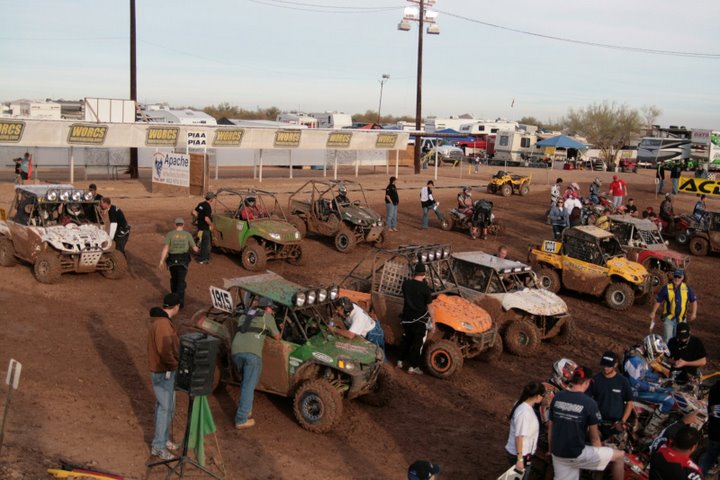
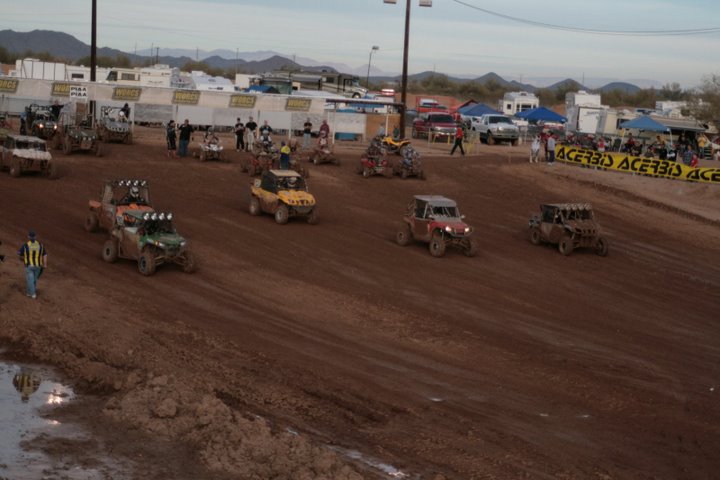
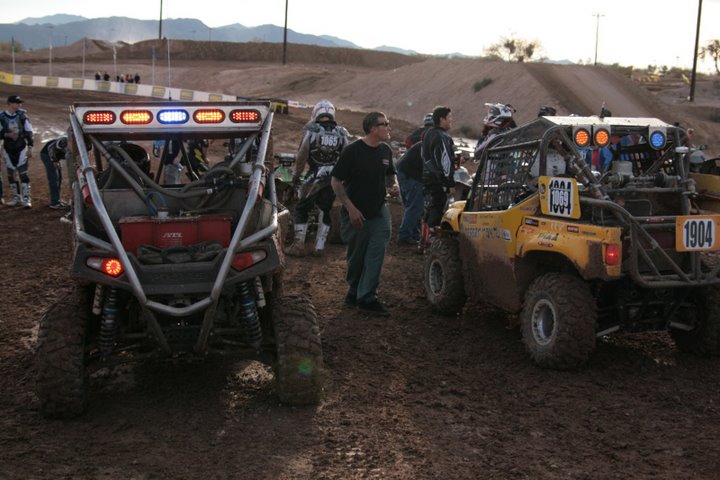
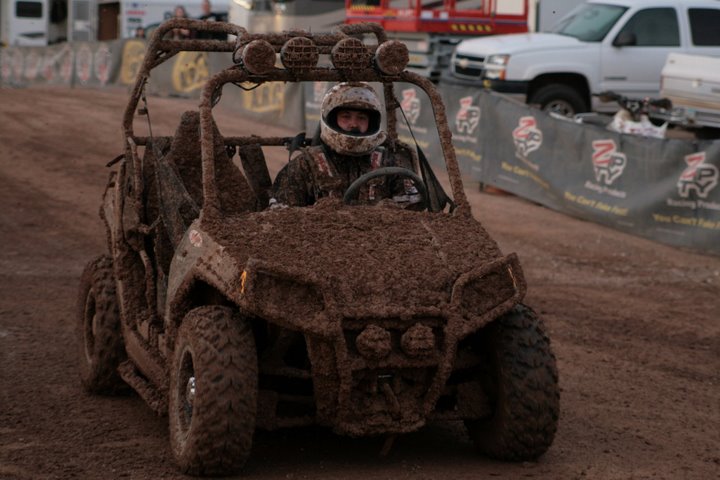
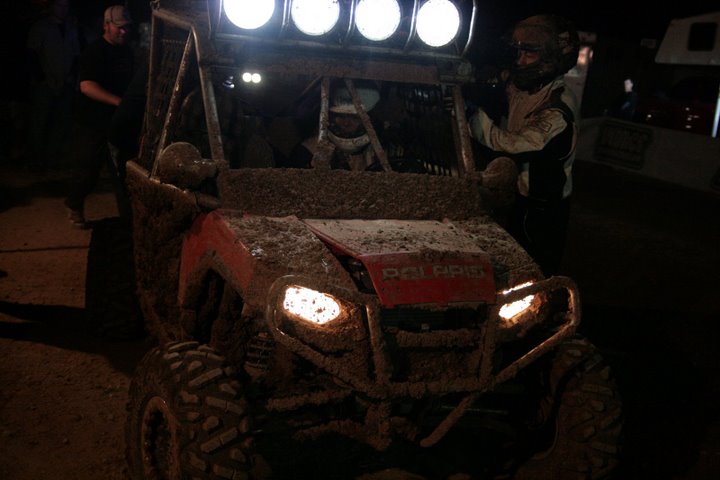
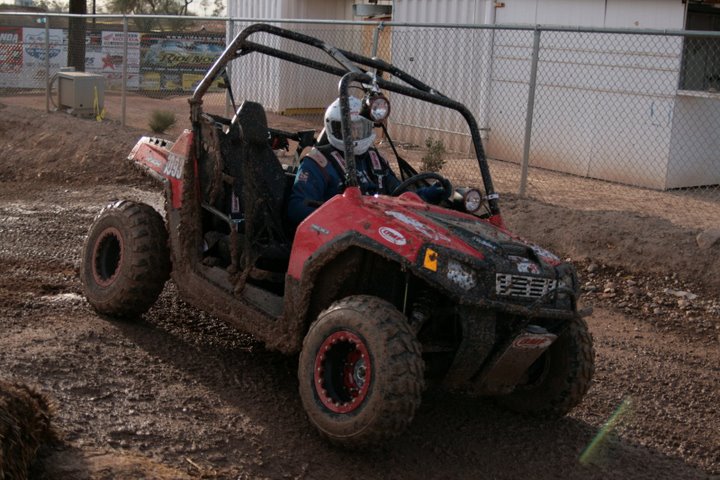
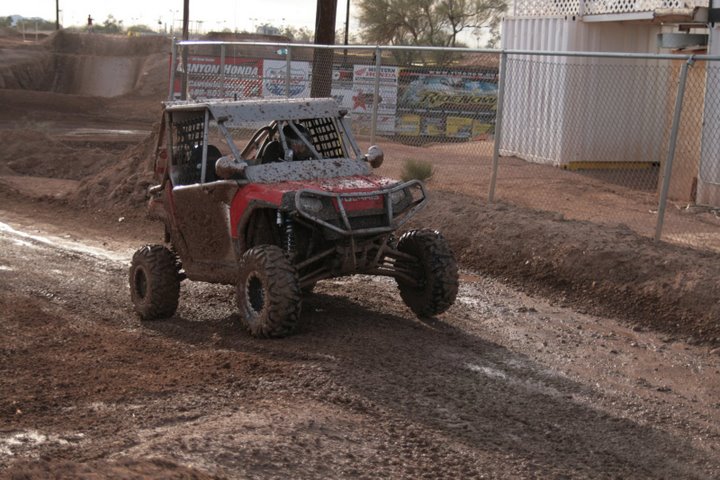
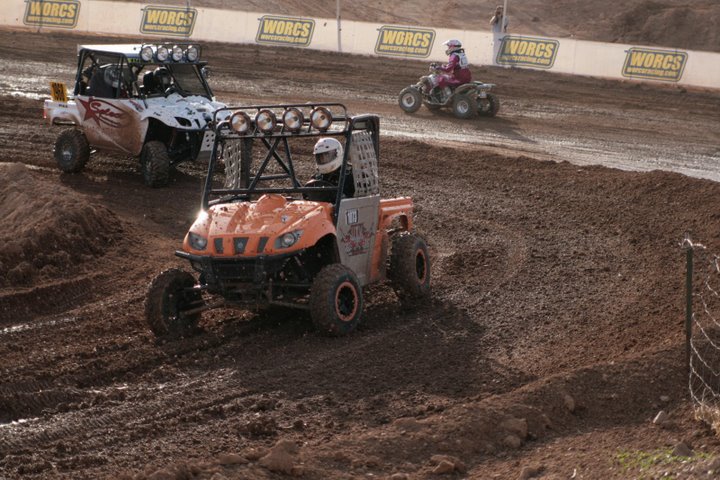
| PIAA 8 Hour Endurance RaceSURPRISE, Ariz. By any measure, the recent inaugural PIAA 8-Hour WORCS UTV/ATV Endurance Race, held at Speedworld Raceway in Surprise, Ariz., on Saturday, January 12, was a spectacular success, drawing 40 teams and more than 160 riders, ranging from factory teams to local ATV enthusiasts.
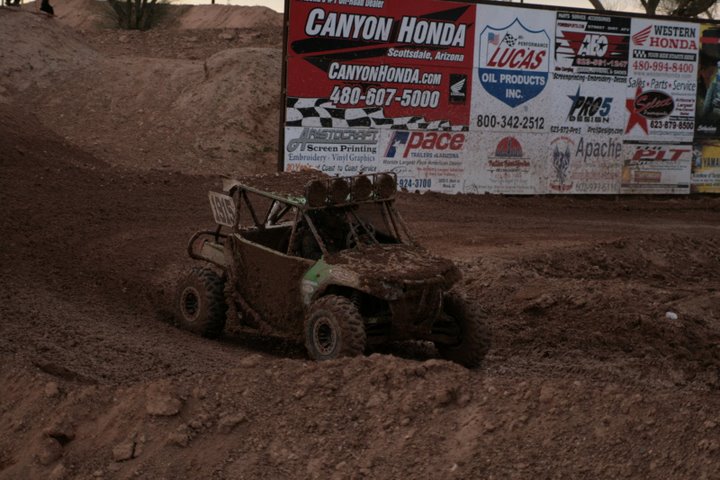
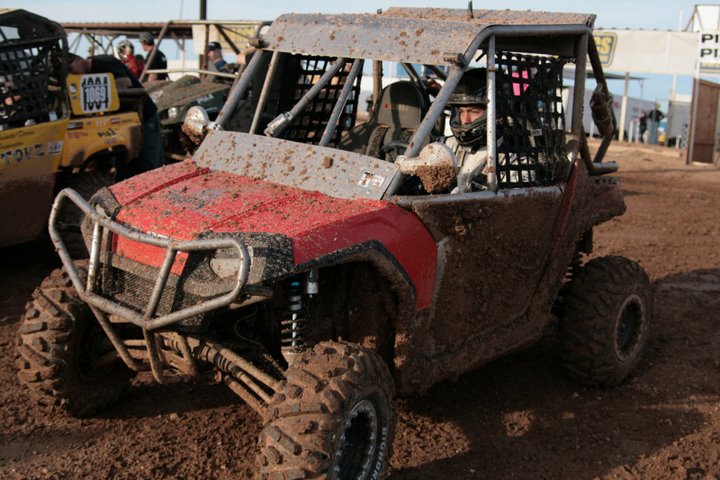
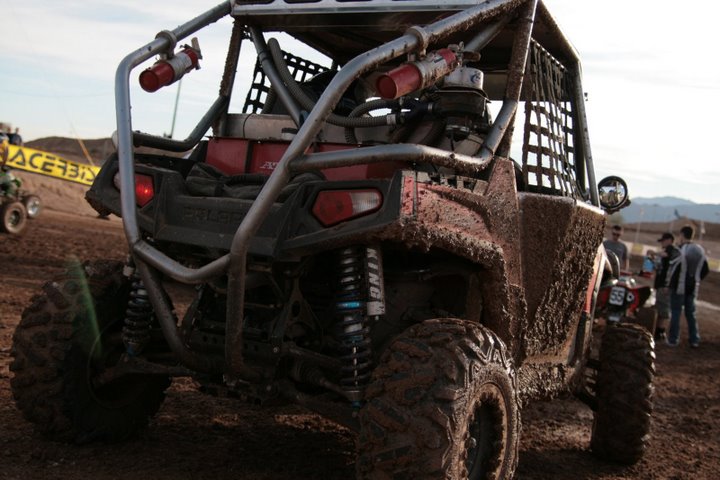
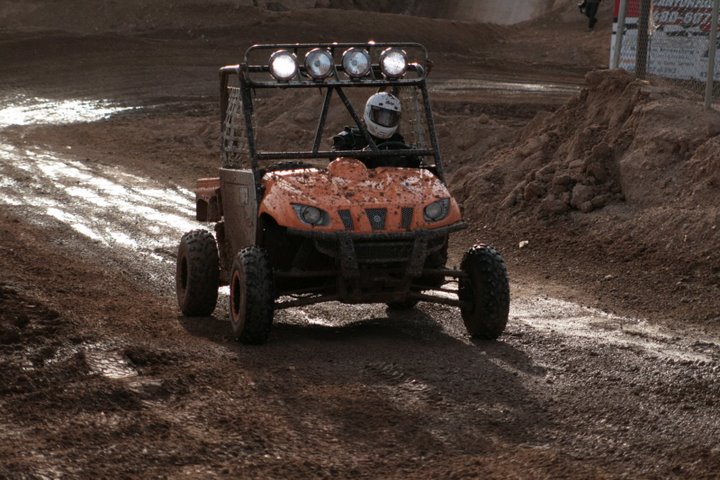
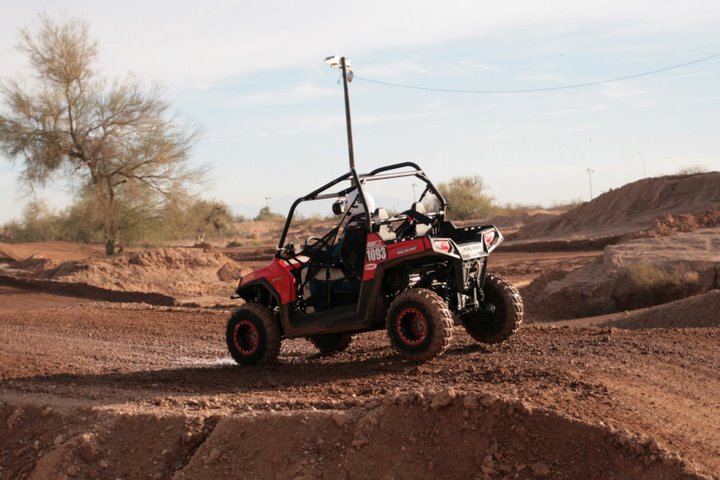
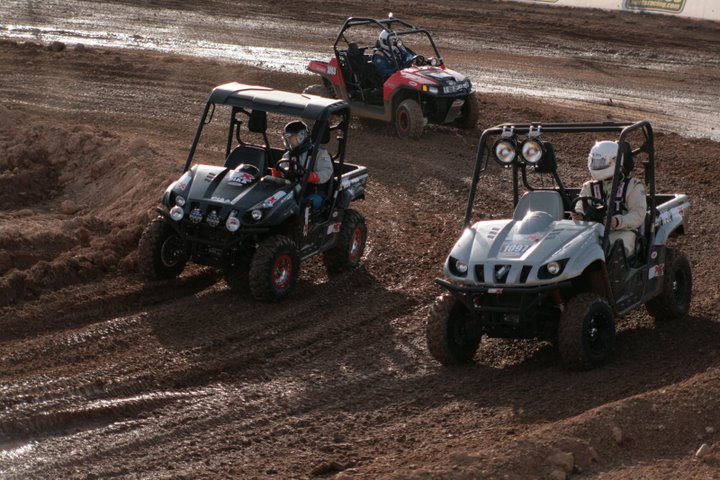
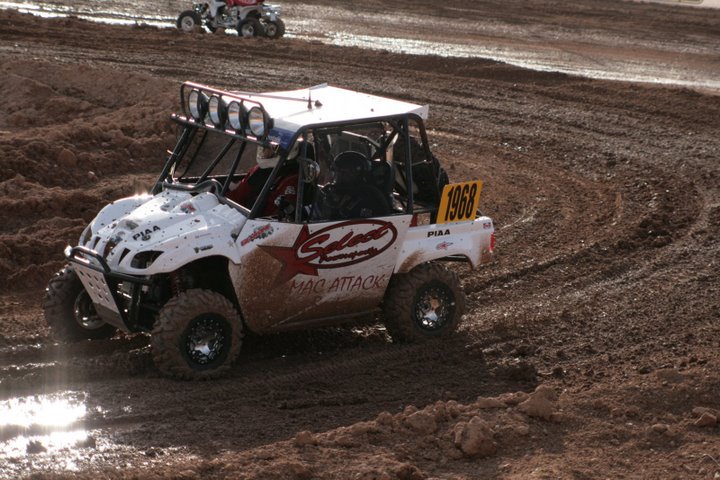
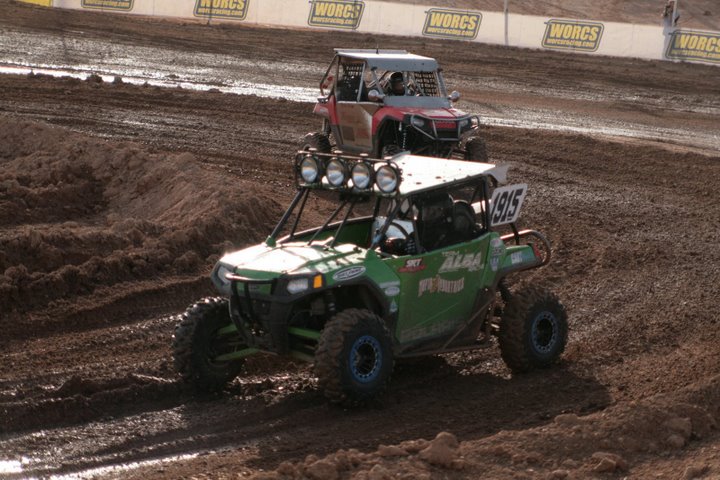
Josh Fredrick and Brandon Smith of Team Motoworks/Can Am took the midnight checkered flag for a wire-to-wire victory. Fredrick and Smith grabbed the lead in the first hour and never looked back, riding their DX450 to the Overall ATV Pro title. Overall runner-up was Temecula Motosport’s Mike Cafro and Levi Marana, who picked up $500 in PIAA contingency cash. Third place overall went to Oregon’s Brandon Brown. The PIAA 8-Hour also featured the first-ever UTV endurance showdown, with Travis Peterson scoring the overall UTV victory. And in a performance that showed the mettle of a stock Yamaha Rhino, Derrick Elliott won the Stock UTV class and second overall driving a Side X Side Magazine-sponsored machine. “PIAA couldn’t be happier with the turnout and success of this first-time event,” said a thrilled Gordon Robertson, PIAA Powersports manager. “Everyone here had a great time. It was a safe, challenging, and fun event, and we were thrilled to be the sponsor. Thanks to Sean and Pepper Reddish and everyone at WORCS for putting on such a great race. And thanks to all the racers who took up the challenge.” Reddish, president of WORCS, was equally enthusiastic: “I was pleased to see the turn out for this inaugural event. PIAA put a lot of work into this, and the overall atmosphere of this event was great. Endurance racing is awesome.” PIAA Sponsors 8-Hour ATV Race 2-2-2-2 Here are the class winners: ATV Pro – Josh Frederick, Moapa, Nevada; ATV A – Cody Mitchell, Las Vegas; ATV B – Michael Brown, Stillwater, Okla.; ATV C – Missy Mayo, Taft, Calif.; ATV Ironman – Justin Sessions, Terlton, Okla.; ATV Masters 40+ – Rick Ellsworth, Parker, Ariz.; UTV Unlimited – Travis Peterson, Escondido, Calif.; UTV Modified – Rudy Ludeke, Alpine, Calif.; and UTV Stock – Derrick Elliott, Beaumont, Calif. While there are a handful of ATV endurance races held in the U.S. (such as the 12 Hours of ATV America each fall), the PIAA 8-Hour was the first endurance race to include the popular UTV/side-by-side vehicles. The race course featured a 6-mile loop that started on the Speedworld motocross circuit before heading out into the desert. PIAA has been the acknowledged leader in innovative automotive and Powersports products since its founding in 1963. PIAA products, created in PIAA’s Technical Design Center in Japan, are known for their visionary design, inspired engineering and quality components. PIAA Corporation, USA is located at 3004 NE 181st in Portland, OR 97230, 503-489-6666,www.piaa.com.
All photos are copyright © Michael Rodriguez and are used with his permission. No images may be copied, stored, manipulated, published, sold or reproduced in whole or in part without express written permission. Press Release: 8-Hour UTV/ATV Endurance Race PORTLAND, Ore. PIAA Corporation, a leader in Powersports lighting and accessories, has teamed up with the World Off-Road Championship Racing Series to host WORCS first ever PIAA 8-Hour UTV/ATV Endurance Race, announced PIAA Powersports Business Unit Manager Gordon Robertson. The event will be held on January 4, 2008, at Speedworld Raceway in Surprise, Ariz., and will feature competition for a variety of UTV and ATV classes. In addition to brainstorming the concept for the inaugural race, PIAA will be the presenting sponsor, providing financial support as well as offering a lucrative contingency program that will encourage racers to use PIAA halogen and HID lighting products. And, since the race starts at 4 p.m. and finishes at midnight, having a PIAA-equipped vehicle will be a distinct advantage. PIAA is excited about helping this inaugural event be a success, Robertson said. This is a great opportunity for us to show the ATV, UTV and Powersports industry that PIAA lighting products are indeed the best in the world, proven everywhere from the Daytona 24 Hour sports car race to the World Rally circuit. While there are a handful of ATV endurance races held in the U.S. (such as the 12 Hours of ATV America each fall), the PIAA 8-Hour will be the first time an endurance race will include the wildly popular UTV classes. UTV racers will have the opportunity to prove who is the fastest as well as the toughest, Robertson said. Everyone knows that WORCS races are the ultimate test of man and machine, explained WORCS owner Sean Reddish. Teaming up with the industry leader in performance lighting and putting on an UTV- and ATV-only 8-hour endurance race was a perfect fit. PIAAs contingency award should inspire all competitors: Overall finishers will be awarded $1000 for first, $500 for second, $250 for third. In addition, each class winner will receive $250. To be eligible, vehicles must be using PIAA HID or Halogen lamps and run PIAA decals For entry and class information, plus rules and regulations, visitwww.worcsracing.com, or call 435-635-1597. For details on all PIAA UTV and ATV lighting products, visitwww.piaapowersports.com. PIAA has been the acknowledged leader in innovative automotive and Powersports products since its founding in 1963. PIAA products, created in PIAA’s Technical Design Center in Japan, are known for their visionary design, inspired engineering and quality components. PIAA Corporation, USA is located at 3004 NE 181st in Portland, OR 97230, 503-489-6666. Links: |








No Comments