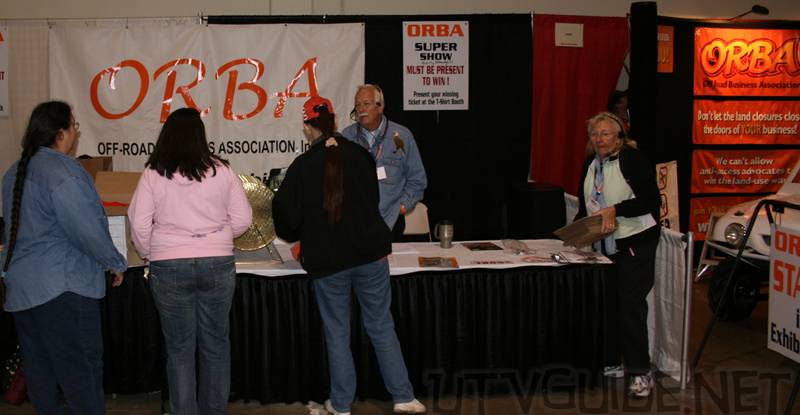
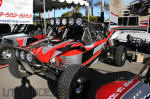
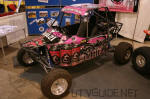
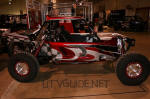
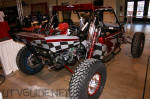
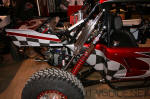
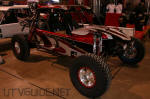
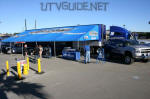
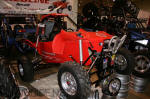
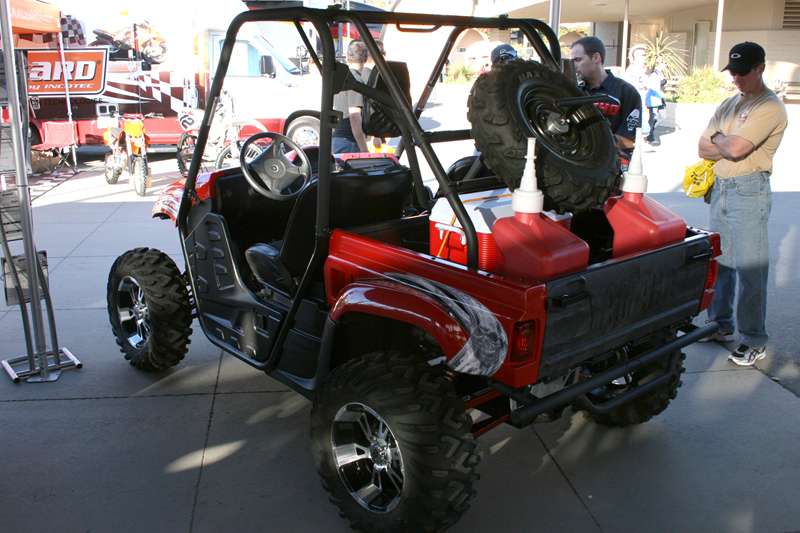
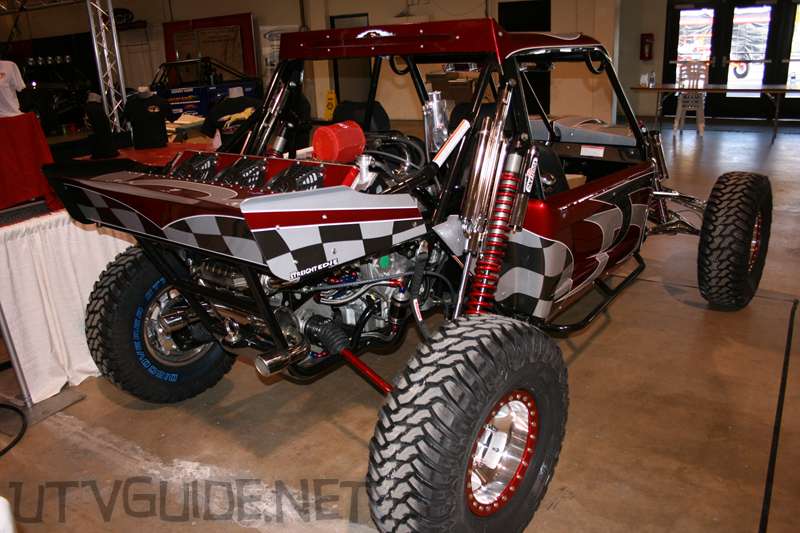
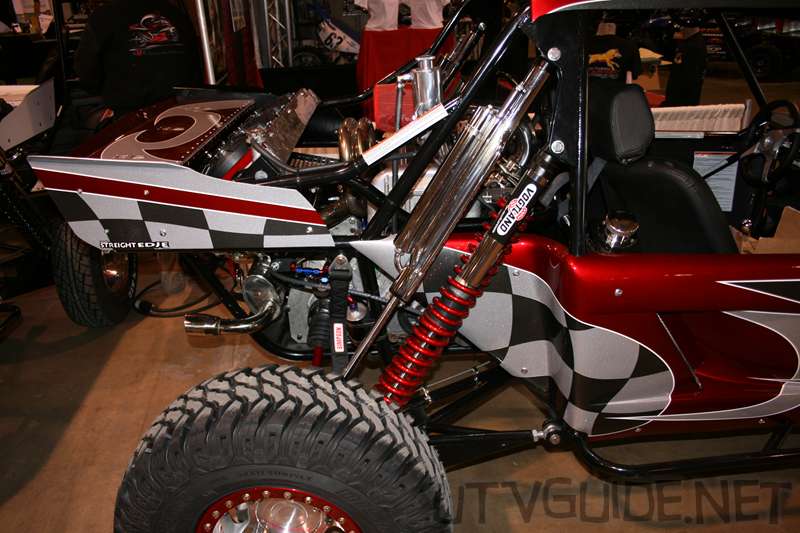
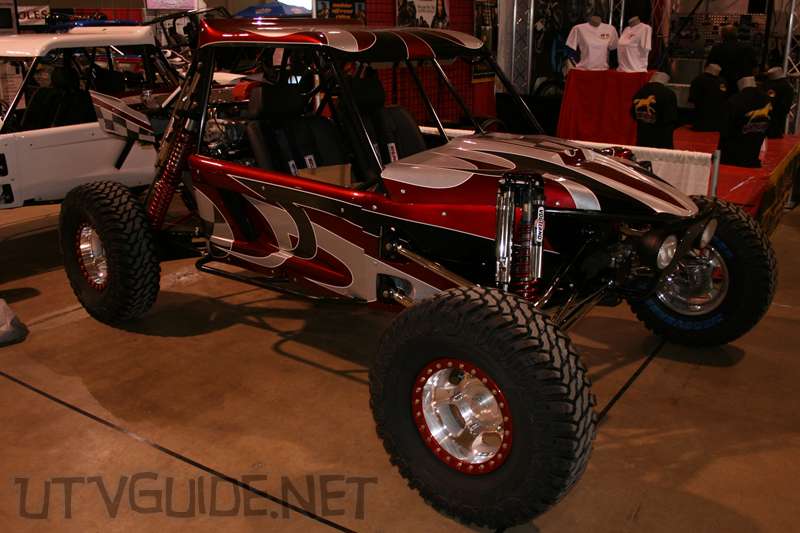
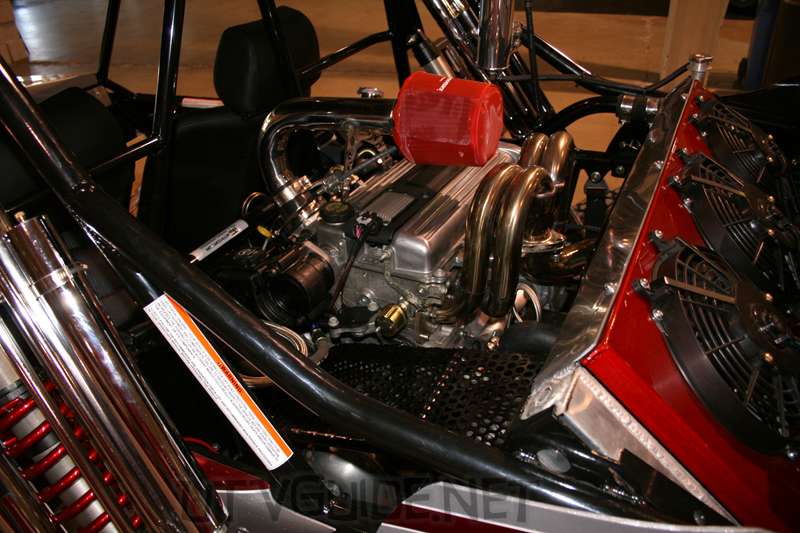
The 2008 ORBA SuperShow arrived at the Del Mar Fairgrounds during a pivotal period for the UTV industry. The Yamaha Rhino aftermarket was thriving, the Polaris RZR was creating a new sport UTV category and builders had only begun exploring the potential of the recently introduced Kawasaki Teryx.
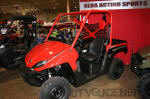
Held February 9–10, the show brought together UTV builders, suspension companies, lighting manufacturers, fabricators and off-road businesses. Although traditional sand cars and other off-road vehicles remained prominent, the expanding collection of Rhinos, RZRs, Rangers, Prowlers and Teryx builds showed how quickly side-by-sides were becoming an important part of the industry.

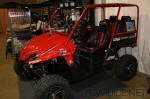
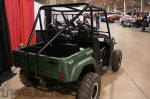
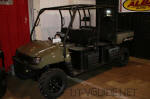
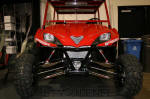
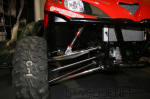
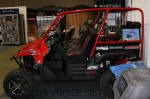
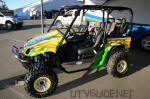
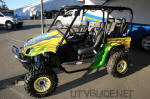
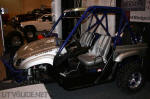
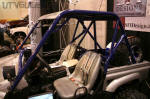
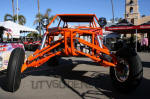
A Four-Seat Kawasaki Teryx Showpiece
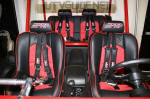
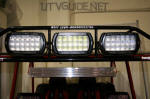
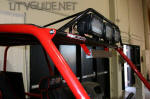
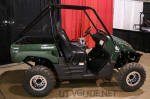
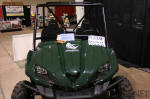
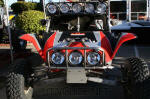
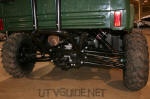
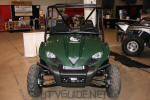
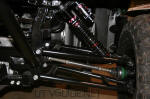
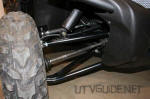
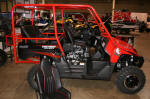
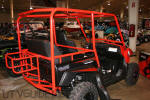
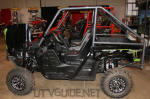
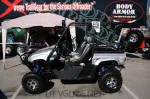
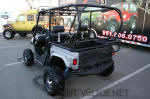
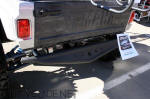
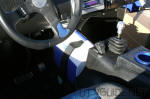
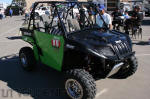
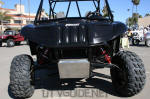
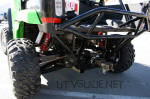
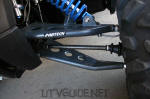
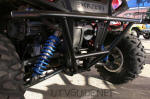
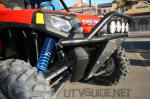
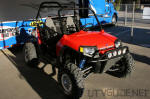
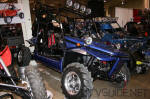
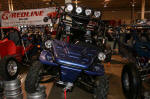
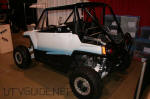
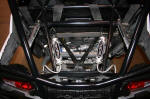
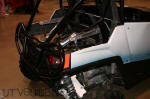
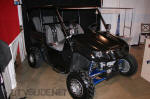
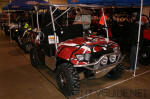
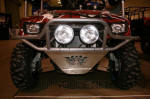
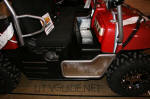
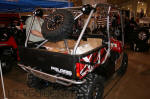
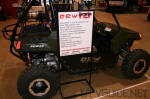
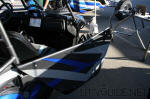
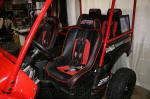
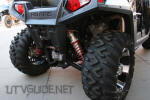
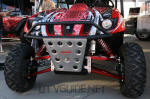
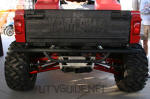
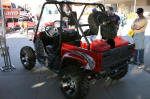
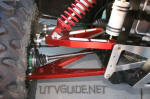
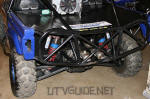
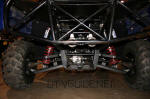
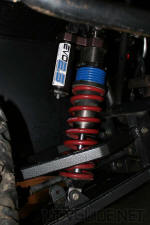
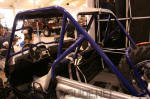
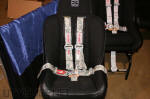
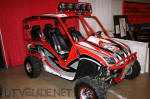
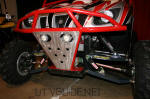
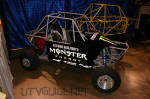
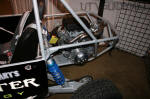
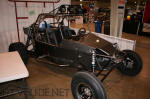
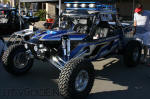
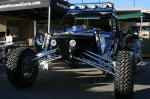
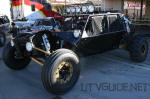
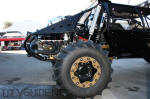
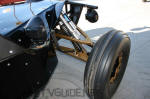
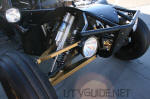
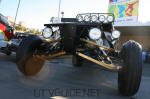
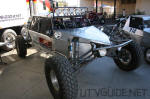
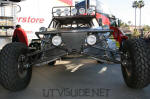
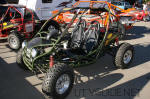
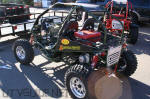
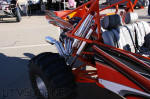
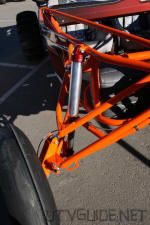
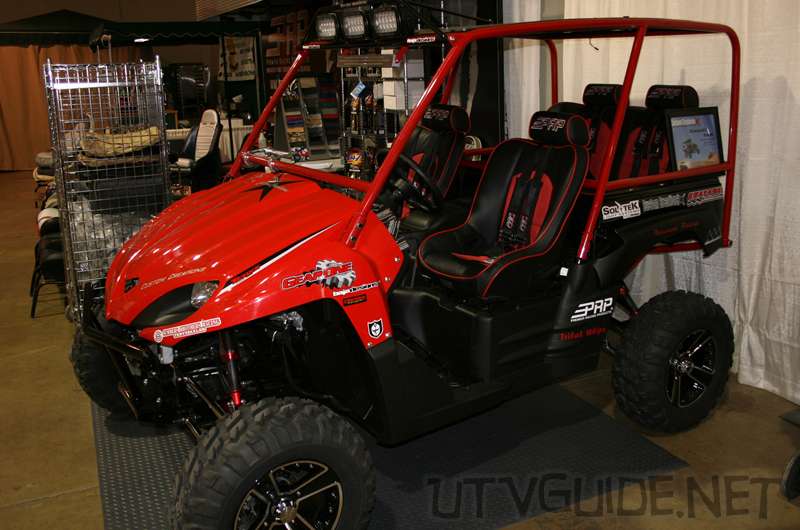
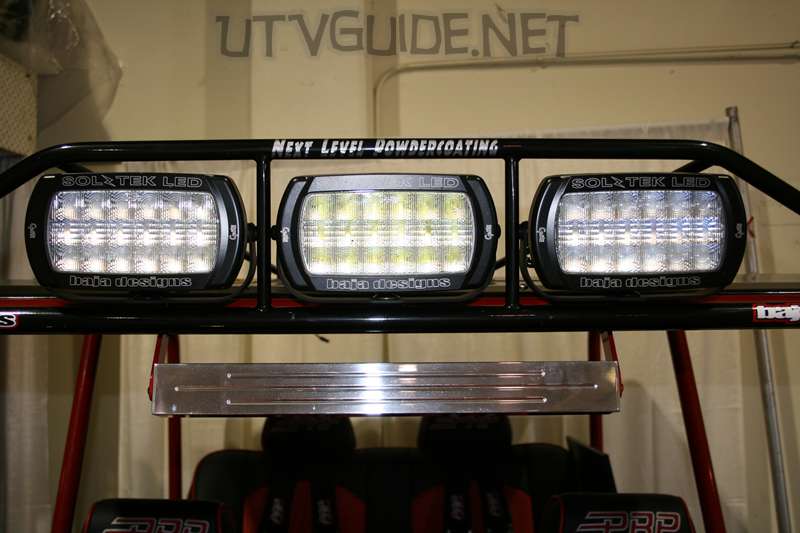
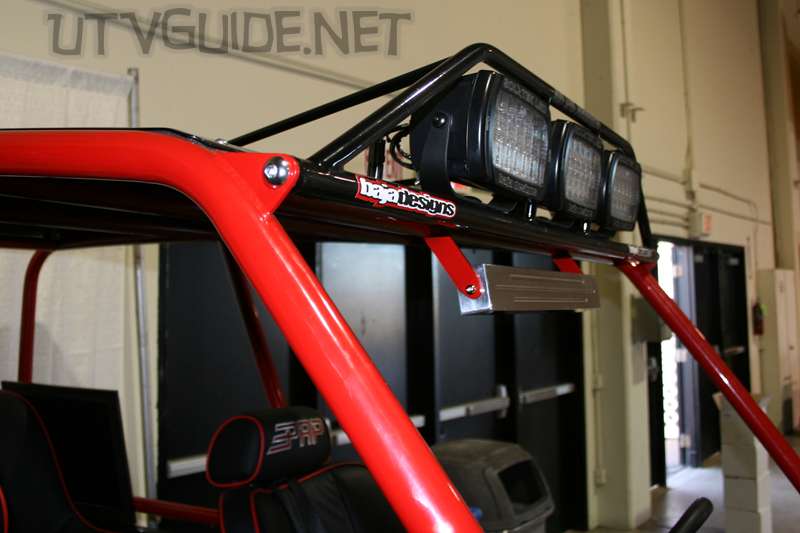
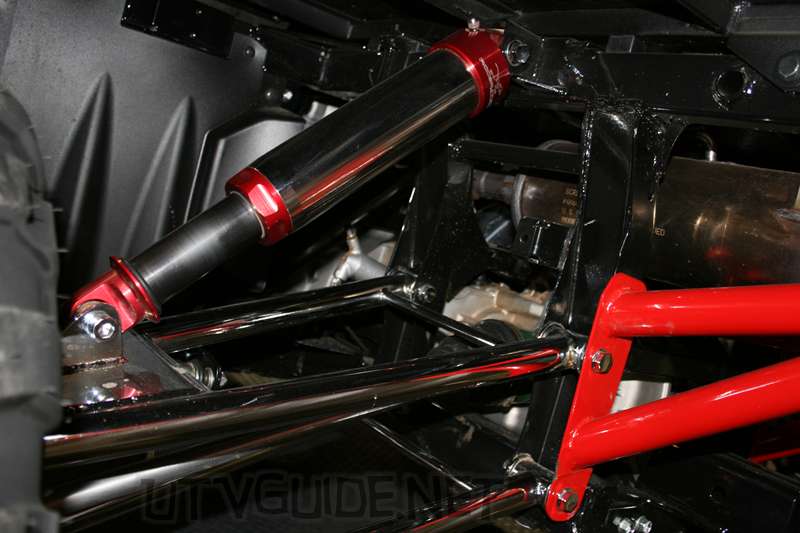
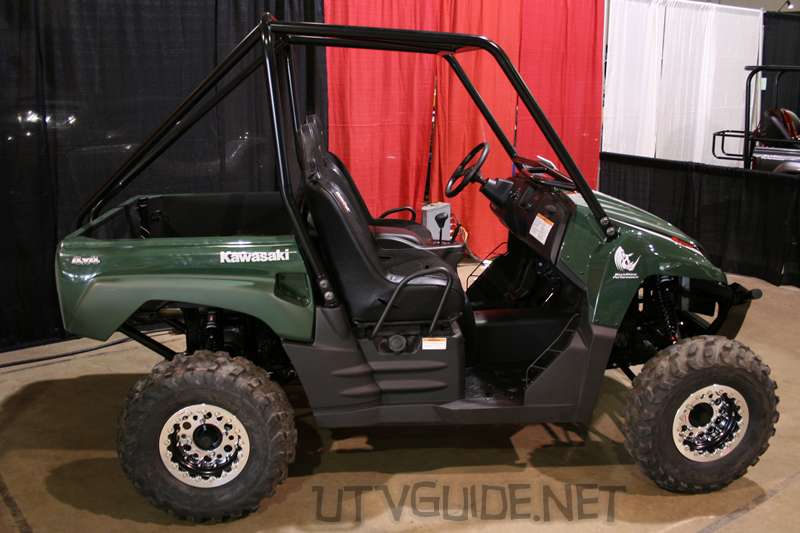
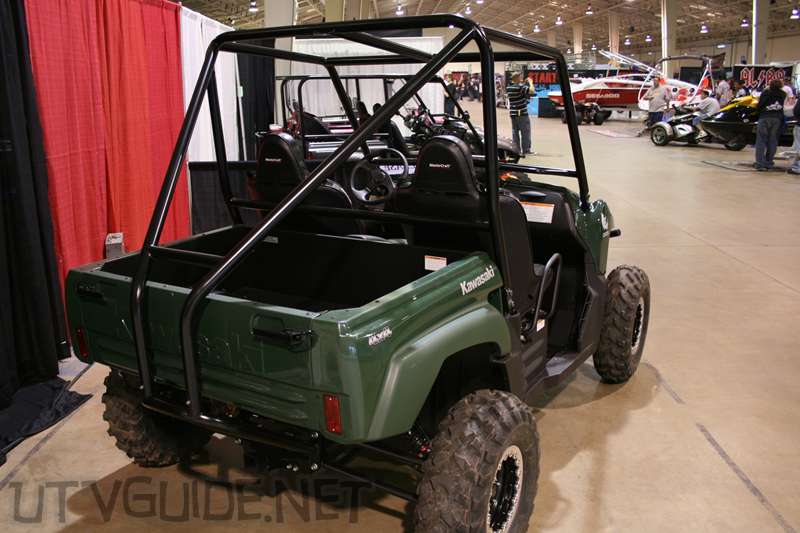
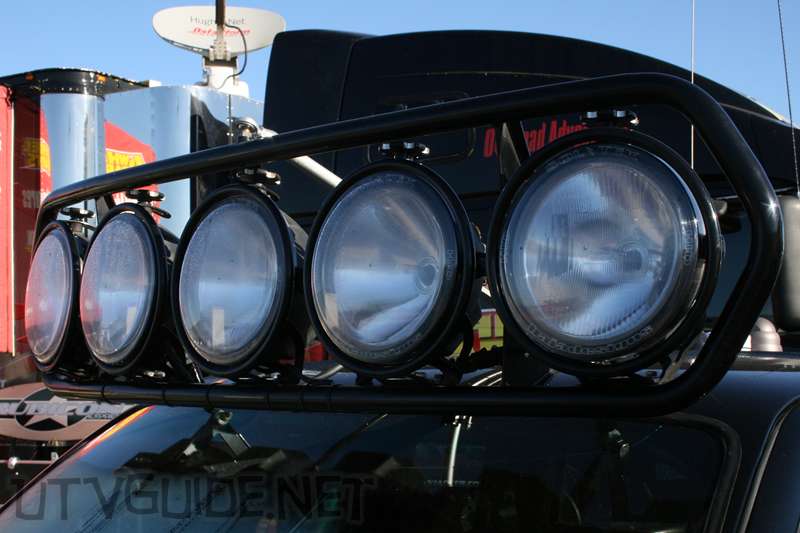
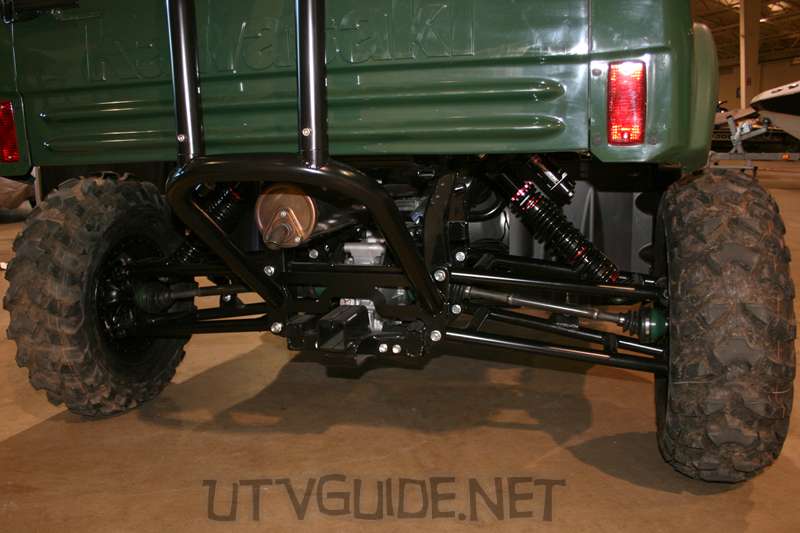
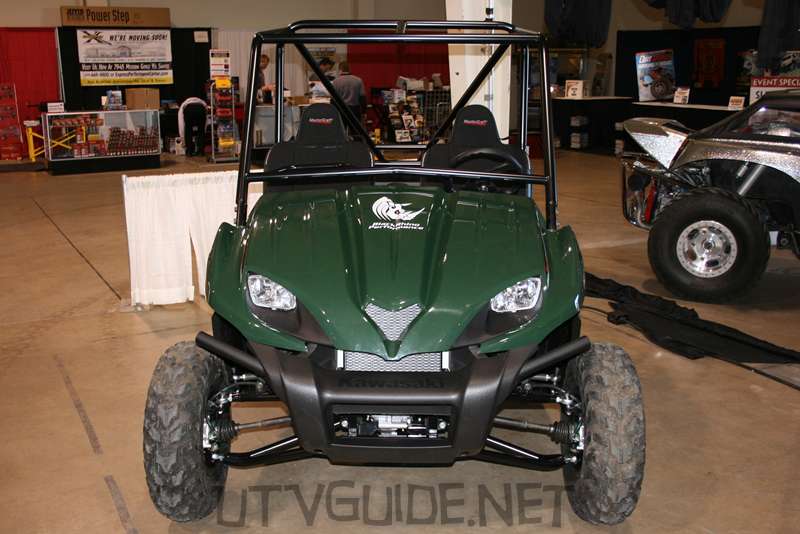
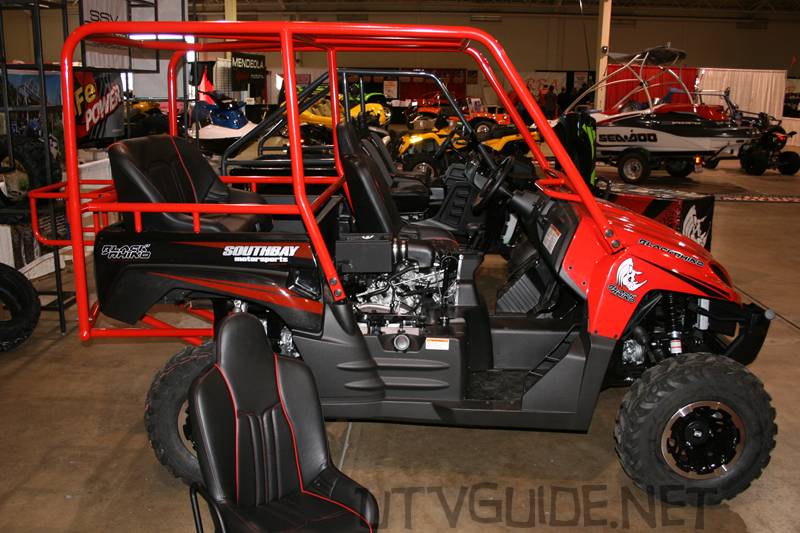
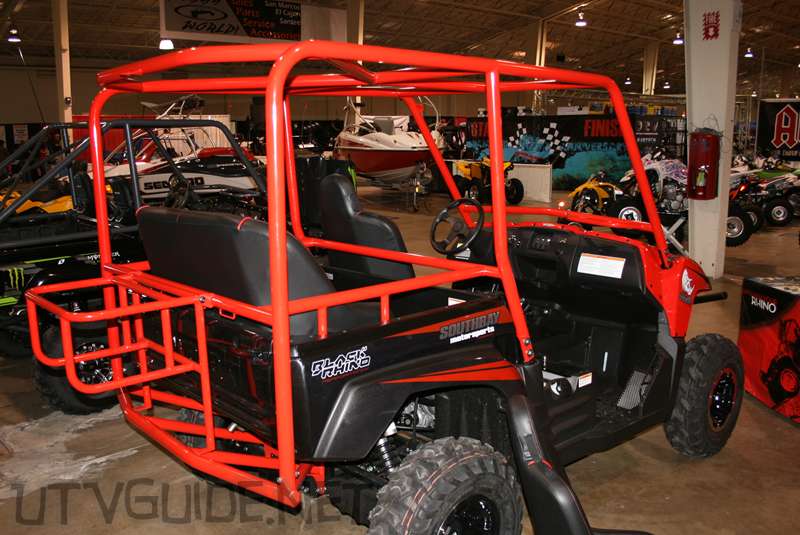
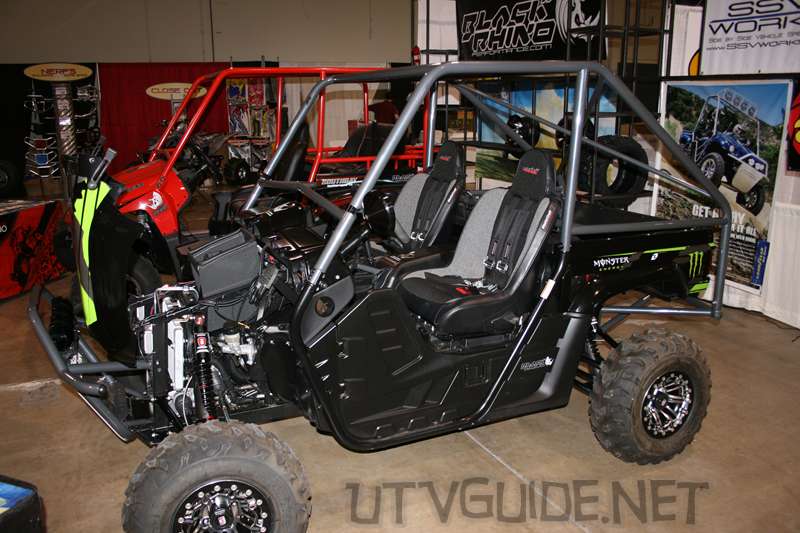
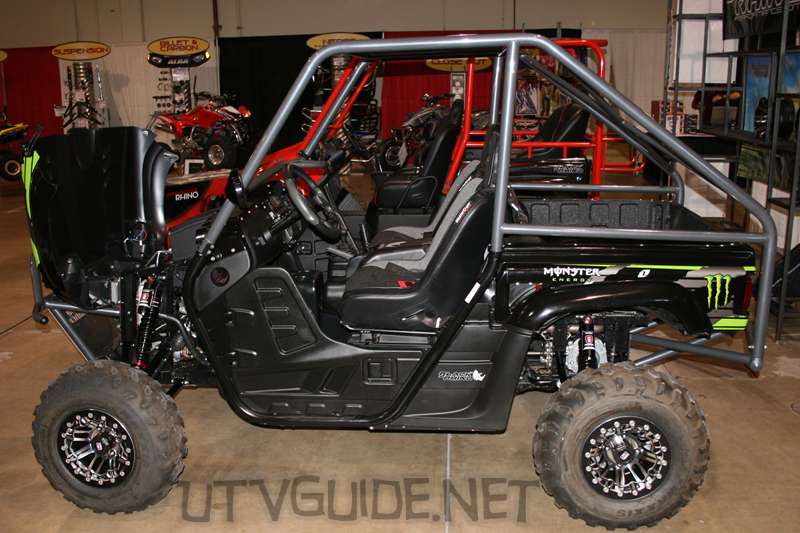
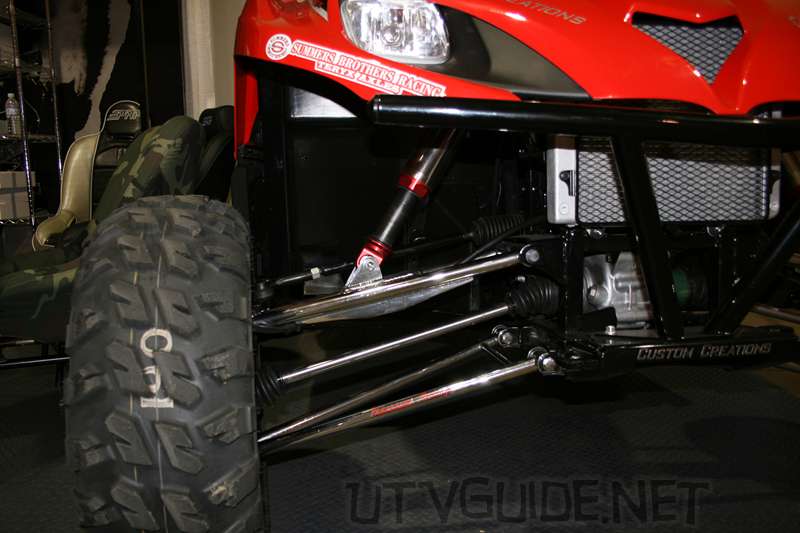
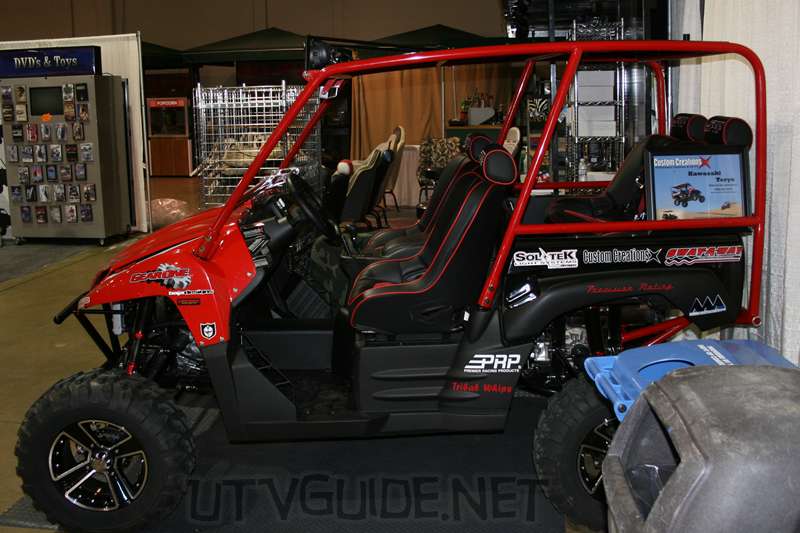
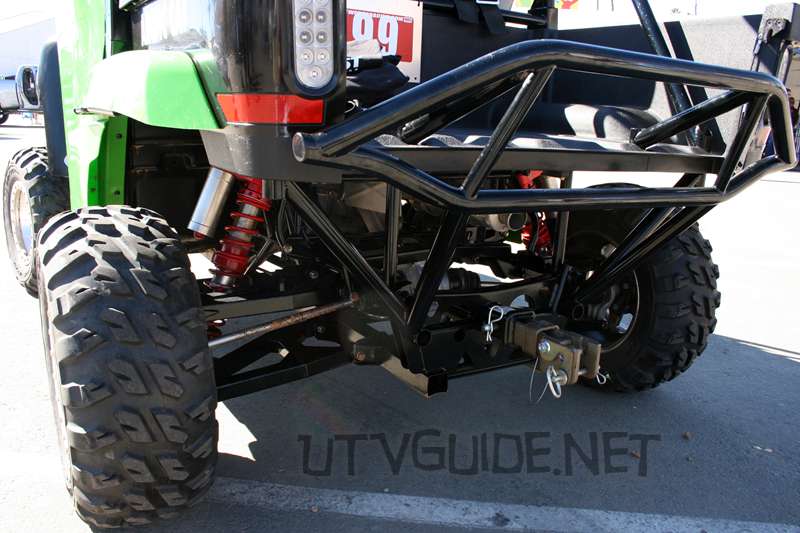
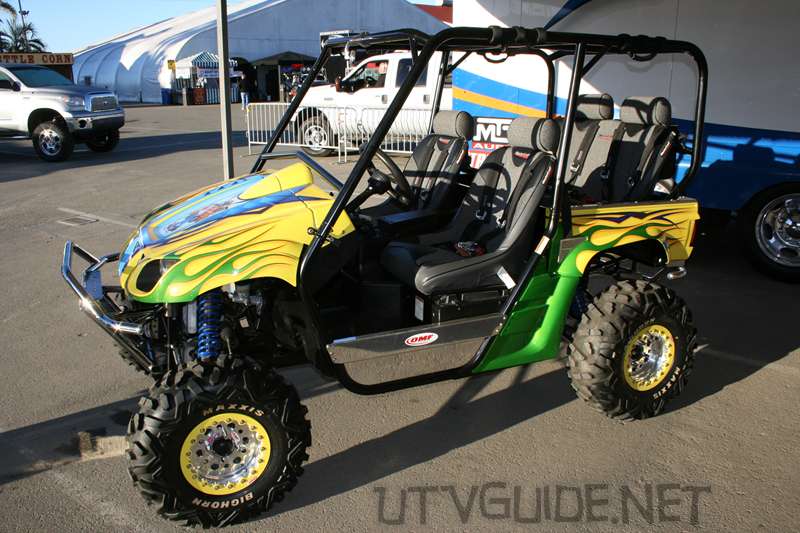
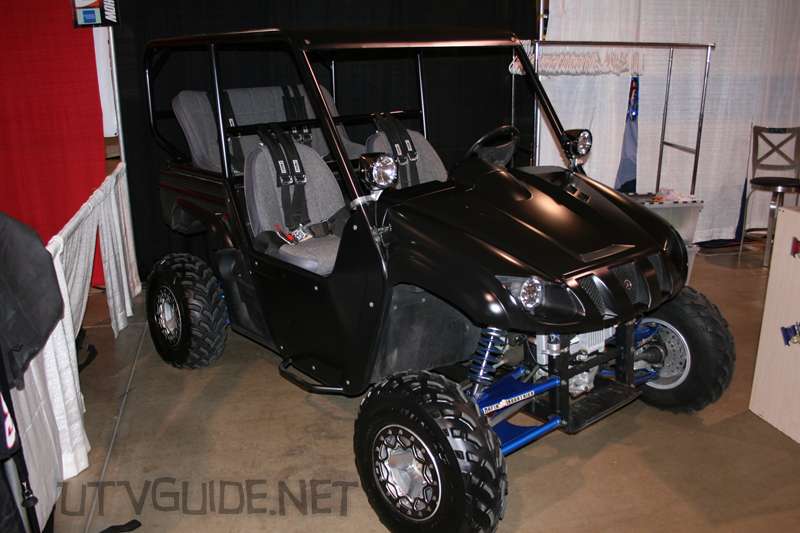
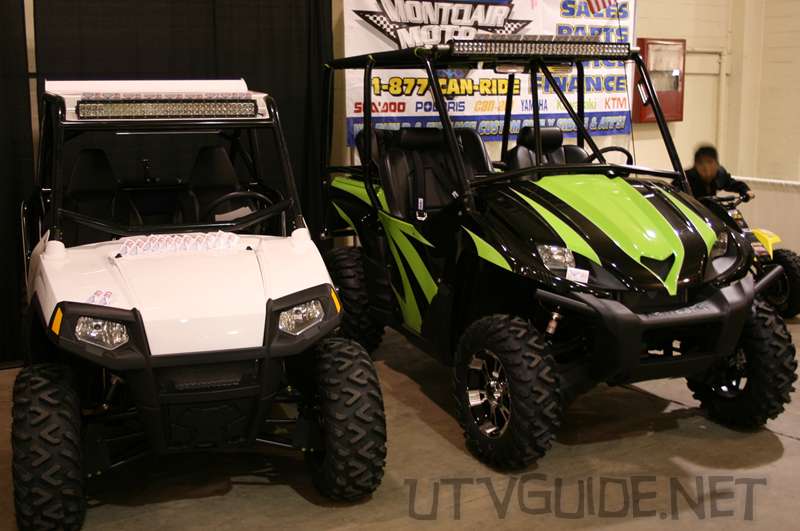
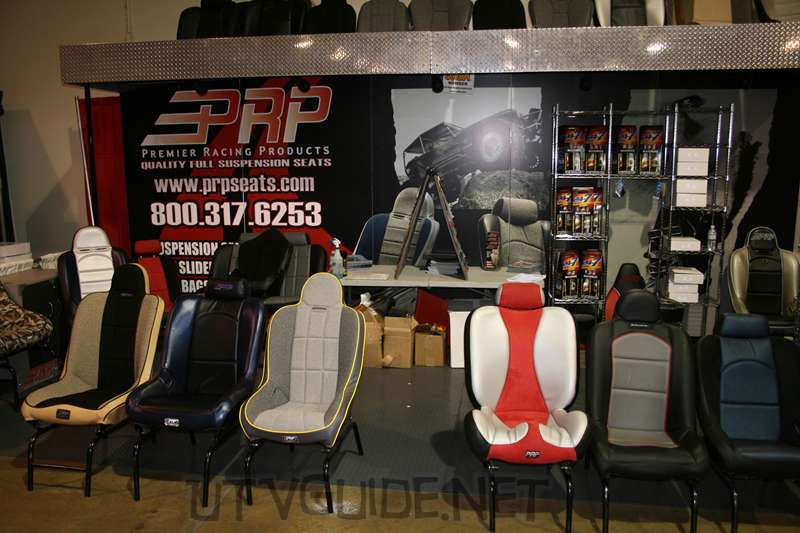
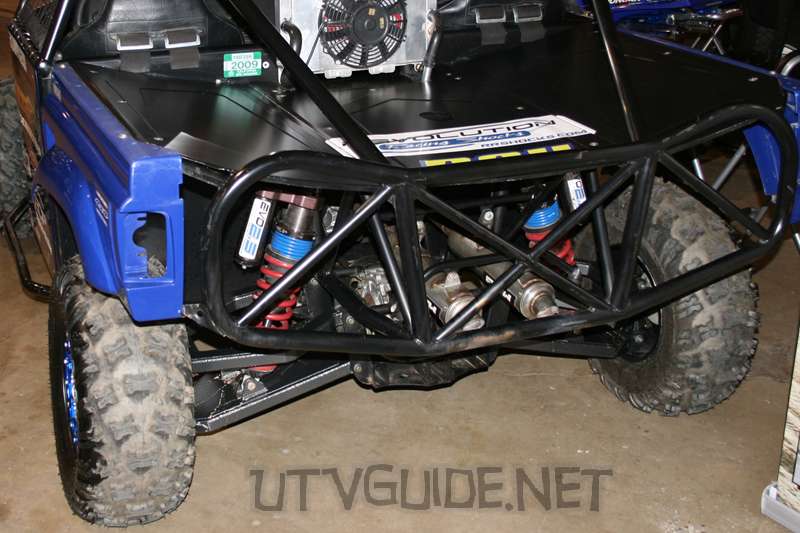
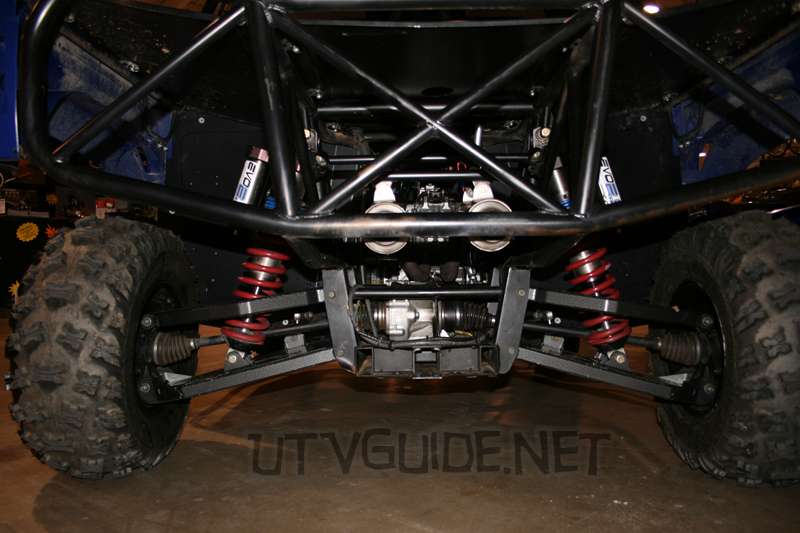
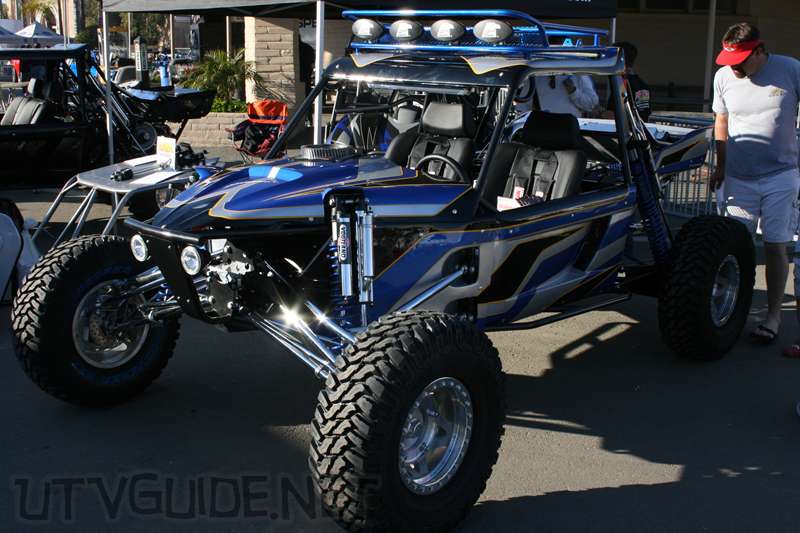
Our favorite UTV at the show was a long-travel, four-seat Kawasaki Teryx built by Custom Creations. Its combination of a custom cage, PRP suspension seats, Baja Designs lighting, Sway-A-Way air shocks and Summers Brothers components illustrated how quickly the aftermarket responded to Kawasaki’s new sport-recreation platform.
The first-generation Teryx had only recently entered the market, so nearly every modification involved some degree of development and experimentation. Builders were learning how to add suspension travel, accommodate rear passengers and improve occupant protection while working with a completely new chassis.
This early four-seat conversion was part of the development story covered in our history of the Kawasaki Teryx. UTVGuide.net later applied many of the period’s emerging ideas to its own long-travel 2008 Kawasaki Teryx build, which combined Funco suspension, Sway-A-Way shocks, Baja Designs lighting, PRP seats and an SDR Motorsports cage and doors.


The UTV Aftermarket Expands
The ORBA SuperShow provided a snapshot of an aftermarket moving far beyond basic roofs, windshields and bumpers. Companies were introducing intake systems, exhausts, long-travel suspension, replacement shocks, beadlock systems, lighting, seats, cages and storage accessories for a growing number of UTV platforms.
Many of these products were being developed for machines that had been on the market for only a few months. Manufacturers and fabricators frequently used shows like this to display prototypes, evaluate interest and demonstrate how their products could transform a stock UTV.
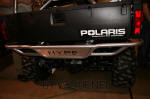
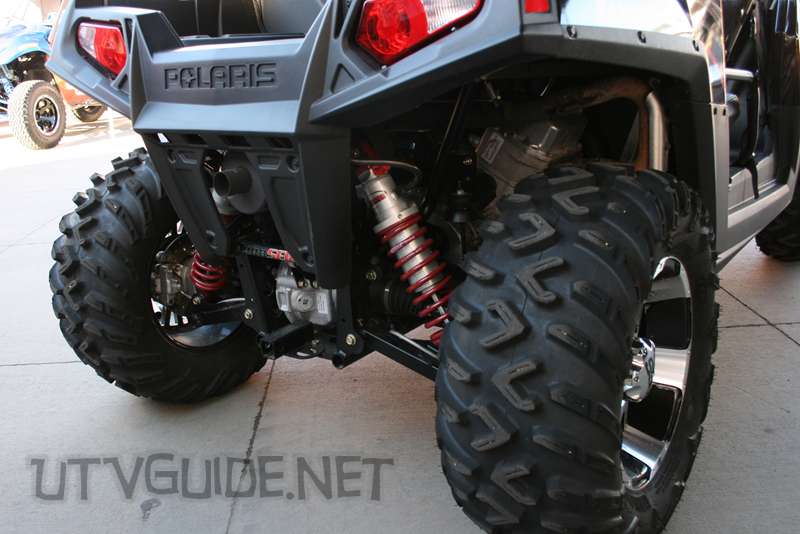
Polaris RZR Intake and Exhaust Systems
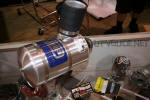
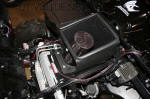
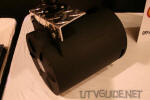
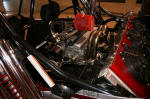
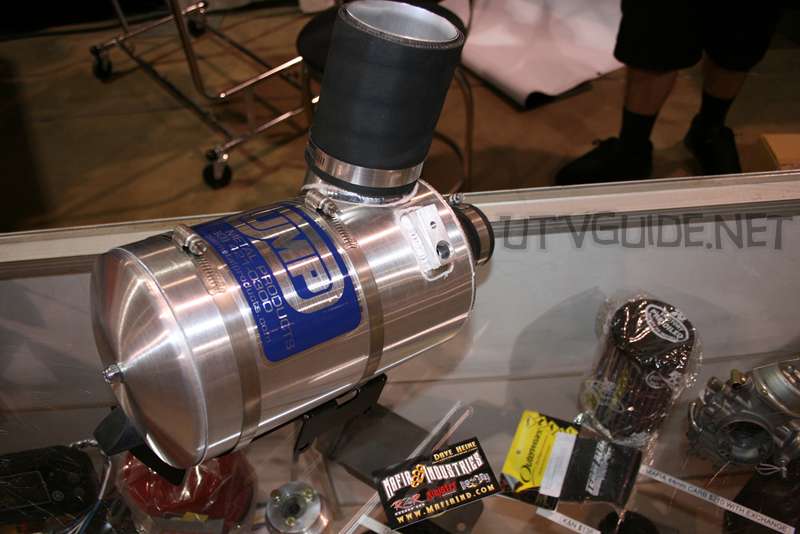
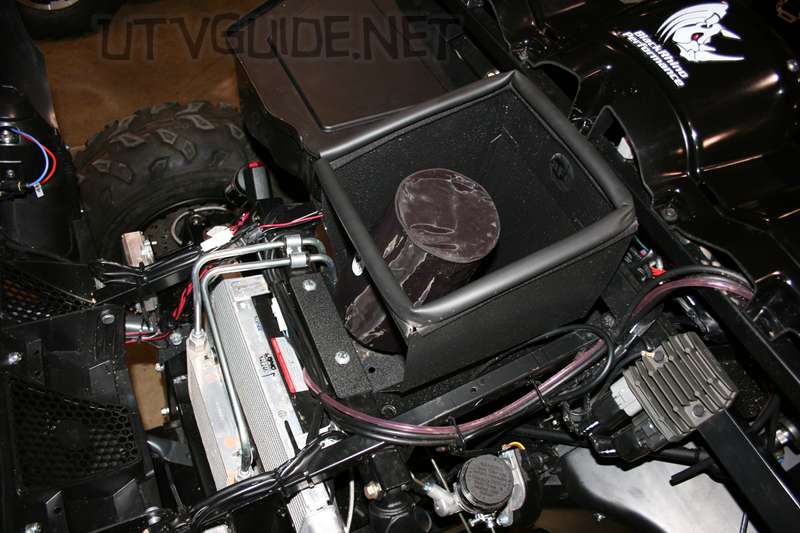
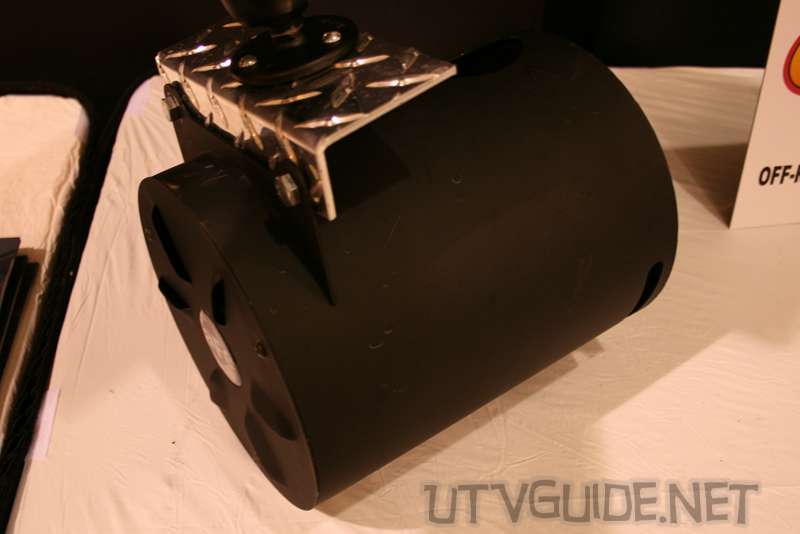
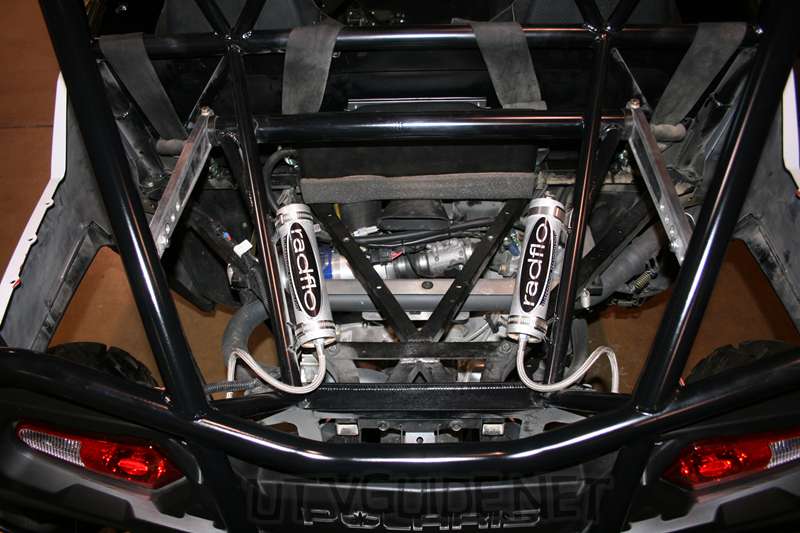
UMP and Mafia Industries displayed an air-intake system for the Polaris RZR. Protecting an engine from dust was especially important for UTVs being used in deserts and dunes, where the factory intake system could be exposed to a steady supply of fine airborne material.

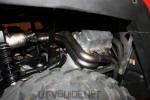
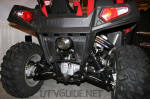
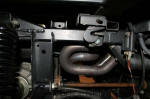
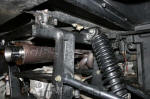
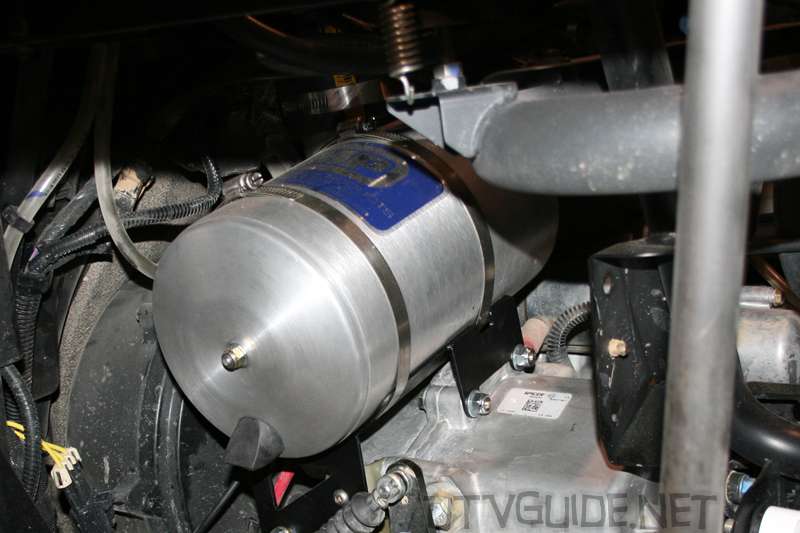
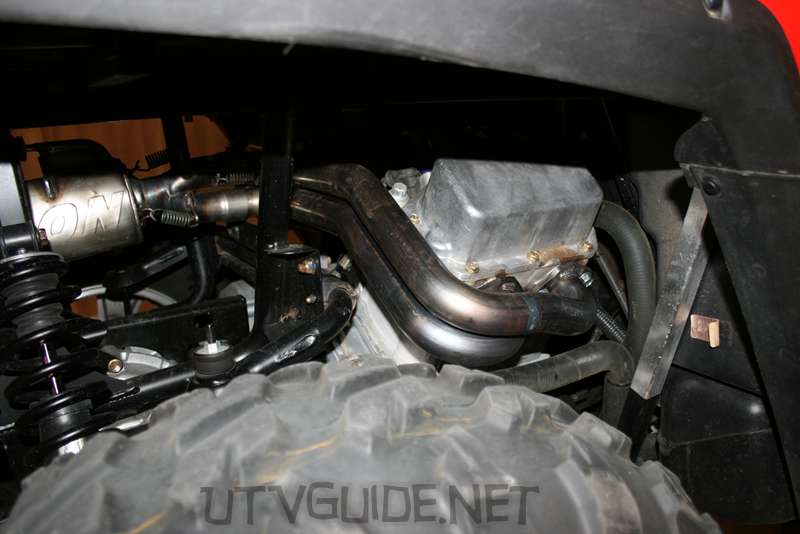
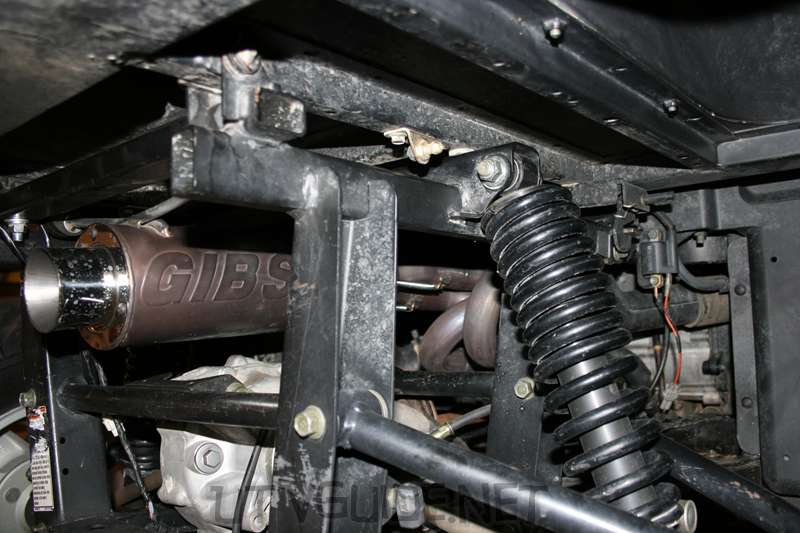
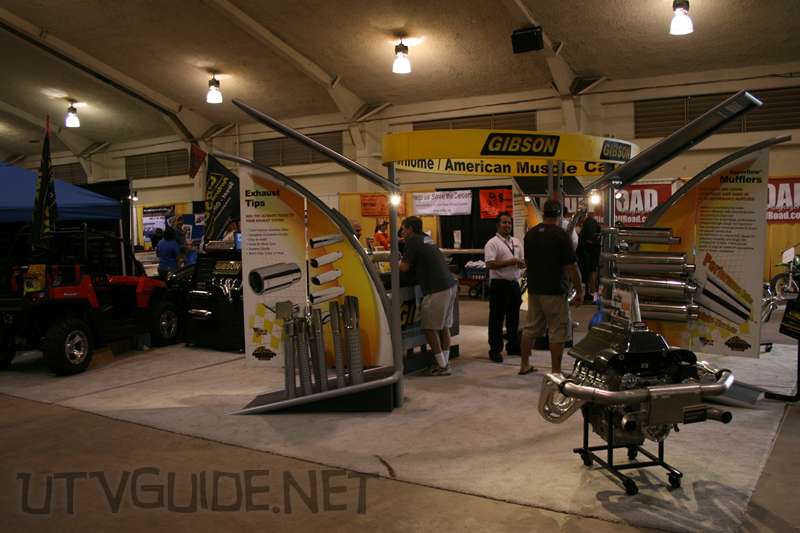
Gibson Performance also displayed a full exhaust system for the RZR. Intake and exhaust products were among the first performance upgrades developed for the new machine as companies looked for ways to improve airflow and engine response.

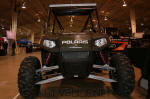
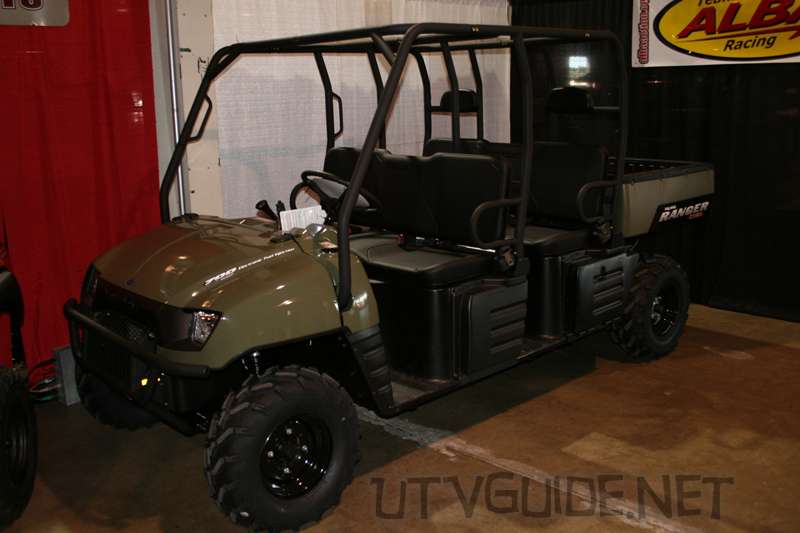
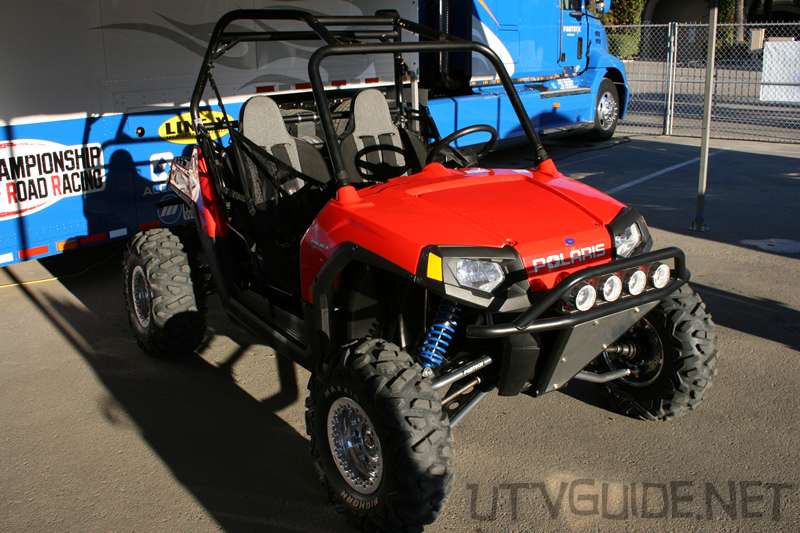
The number of RZR-specific products at the show demonstrated how rapidly the vehicle was changing the market. Introduced as a compact, performance-oriented side-by-side, the original RZR became the foundation for the sport models documented in our history of the Polaris RZR.
New Intake Systems for the Rhino and Teryx
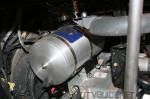
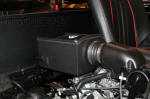
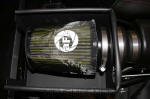
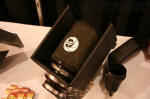
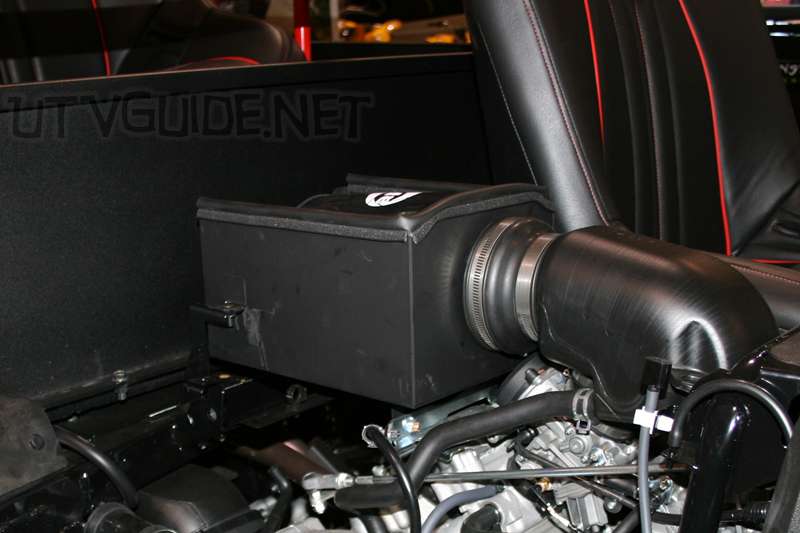
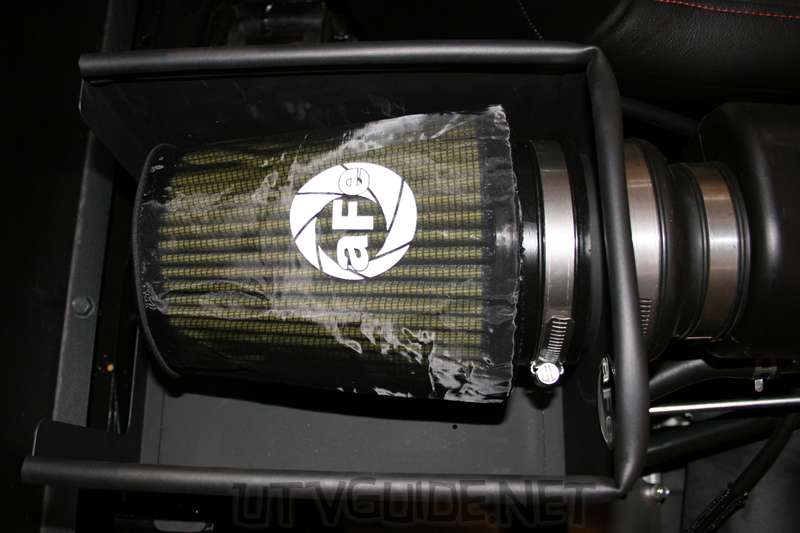
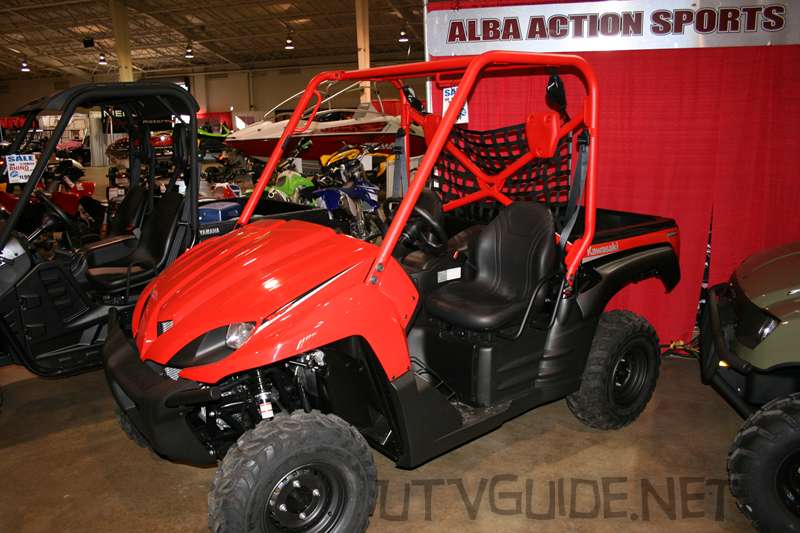
Advanced FLOW Engineering displayed intake products for two of the period’s most important UTVs: the fuel-injected 2008 Yamaha Rhino 700 EFI and the new Kawasaki Teryx.


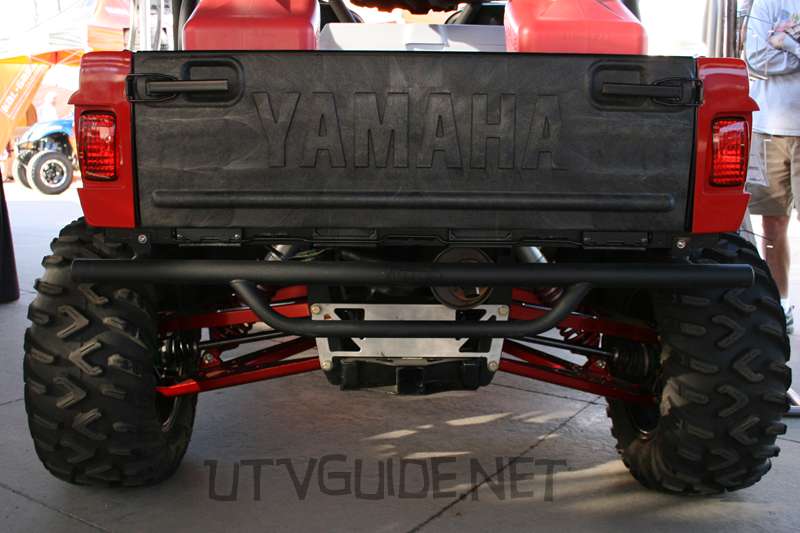
The Rhino’s enormous aftermarket presence was the result of several years of rapid product development. Cages, seats, doors, suspension kits and engine accessories helped turn the utility-oriented machine into a recreational platform that ultimately redefined what a side-by-side could be. That transformation is explored in the history of the Yamaha Rhino.
Long-Travel Suspension Becomes Essential
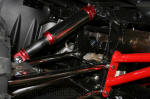
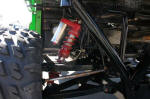
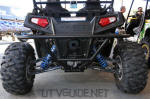
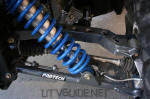
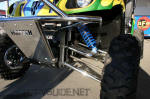
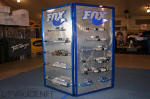
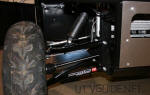
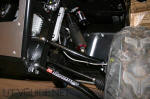
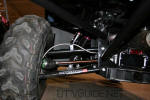
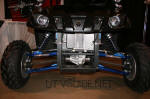
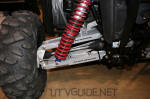
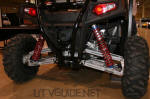
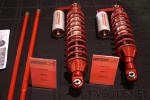
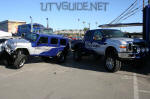
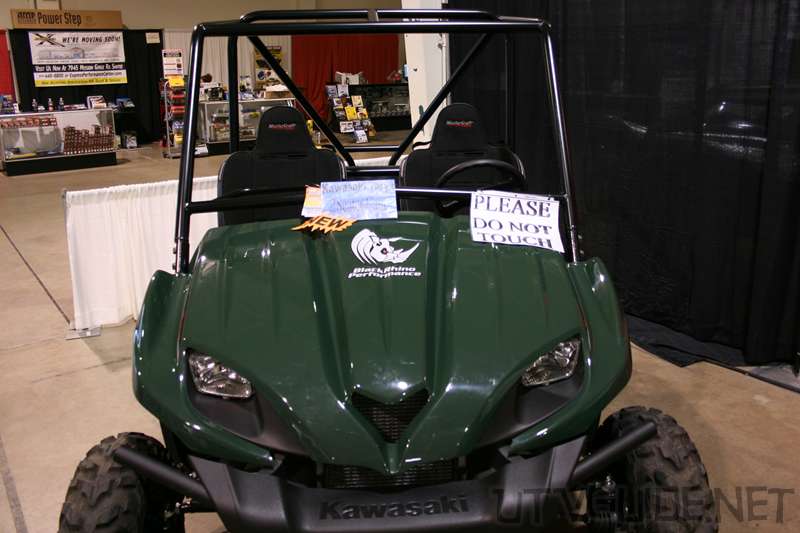
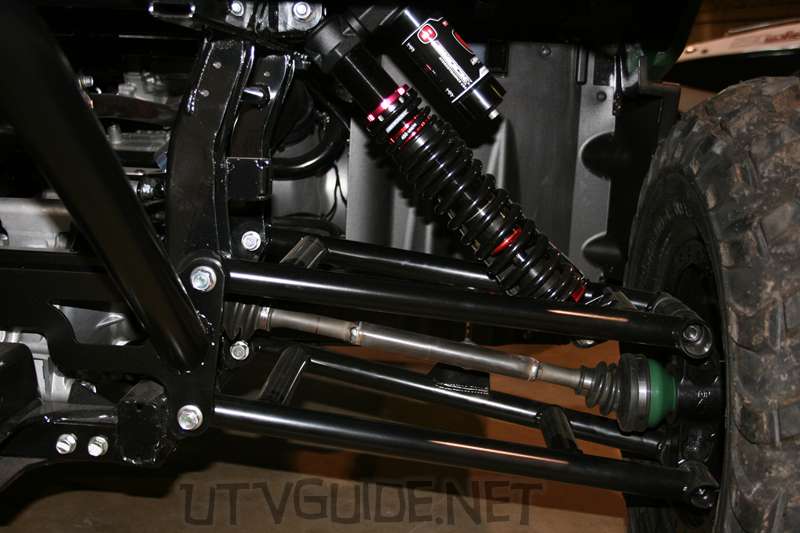
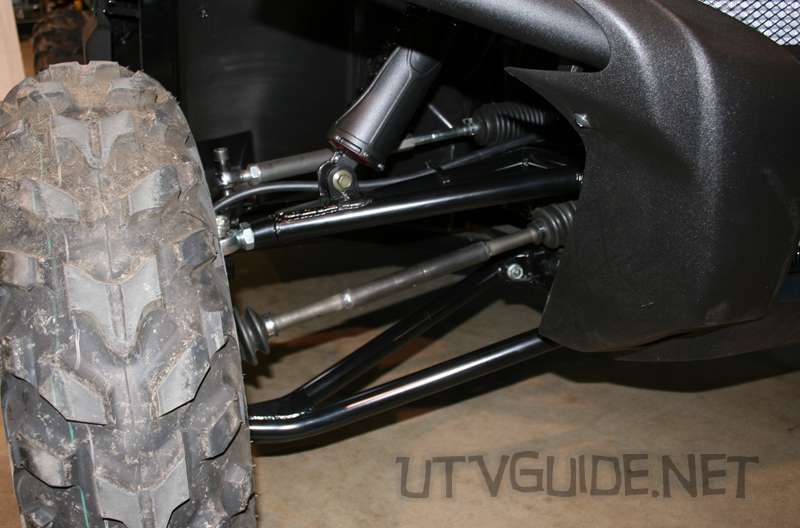
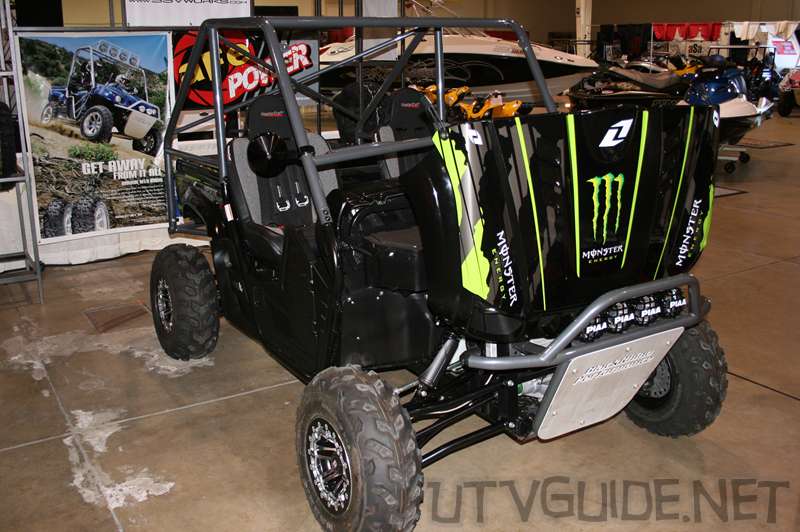
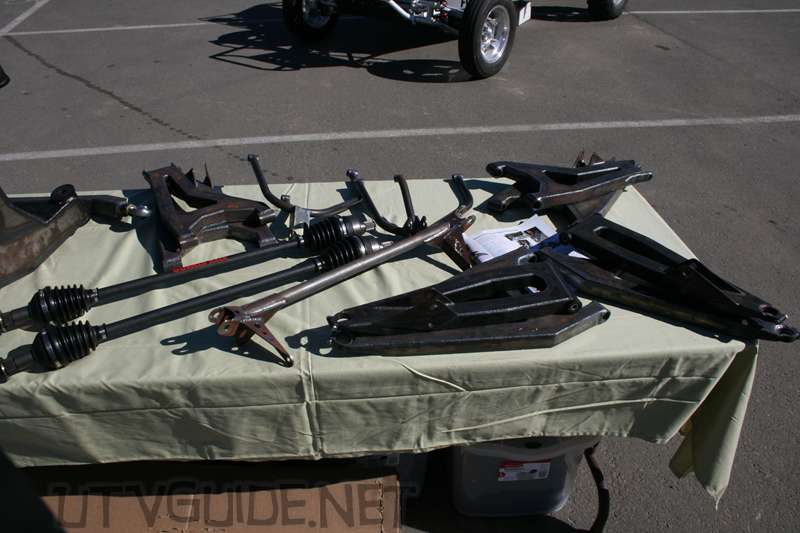
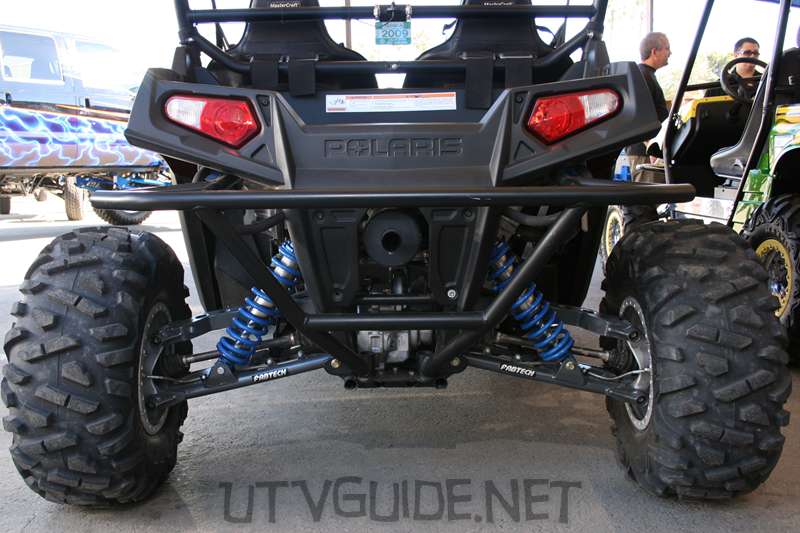
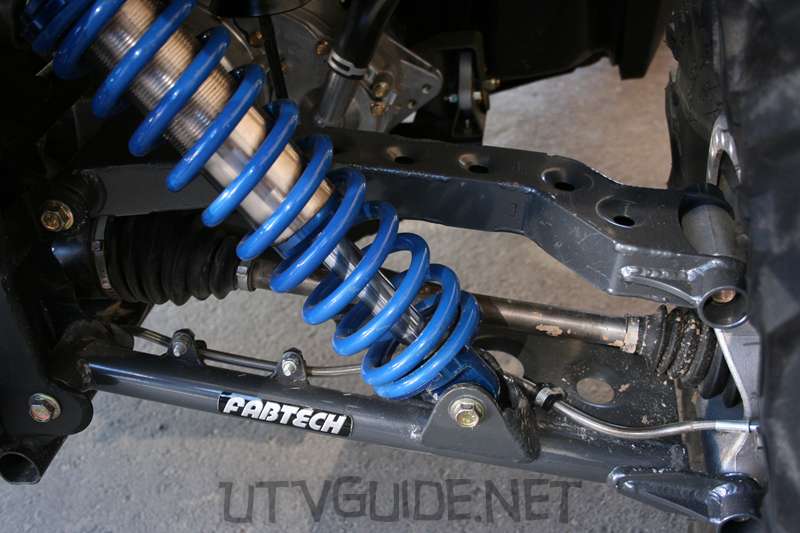
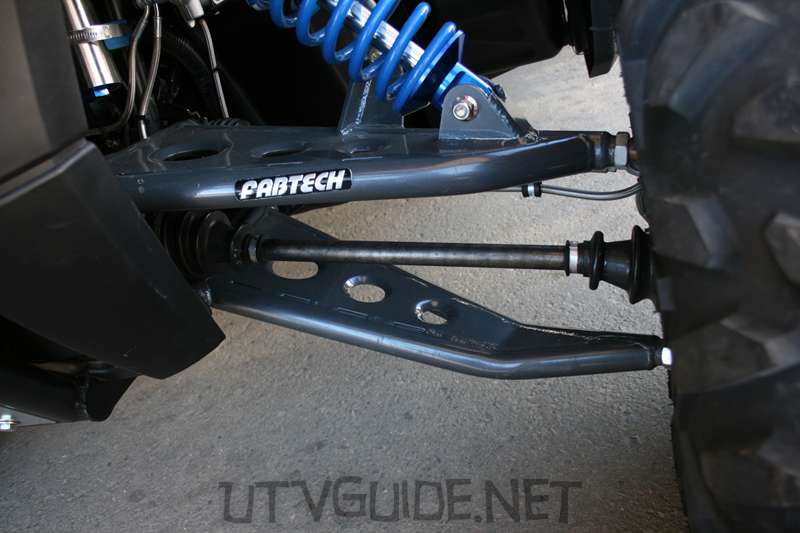
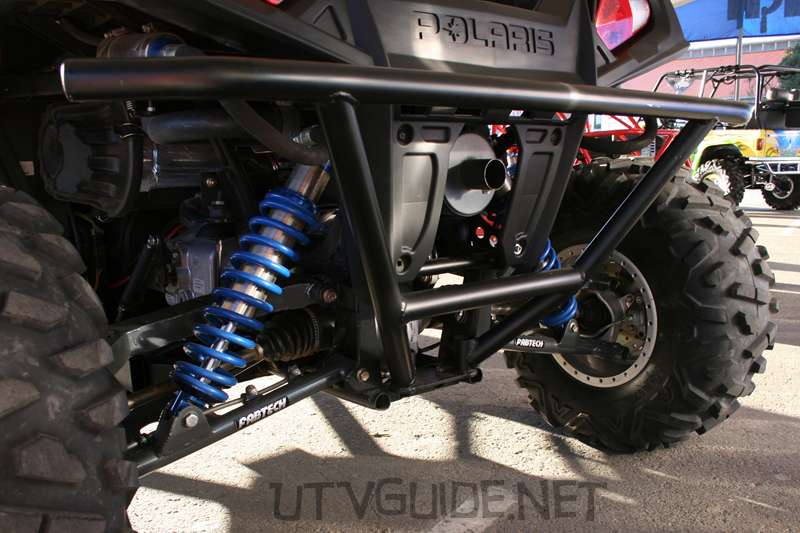
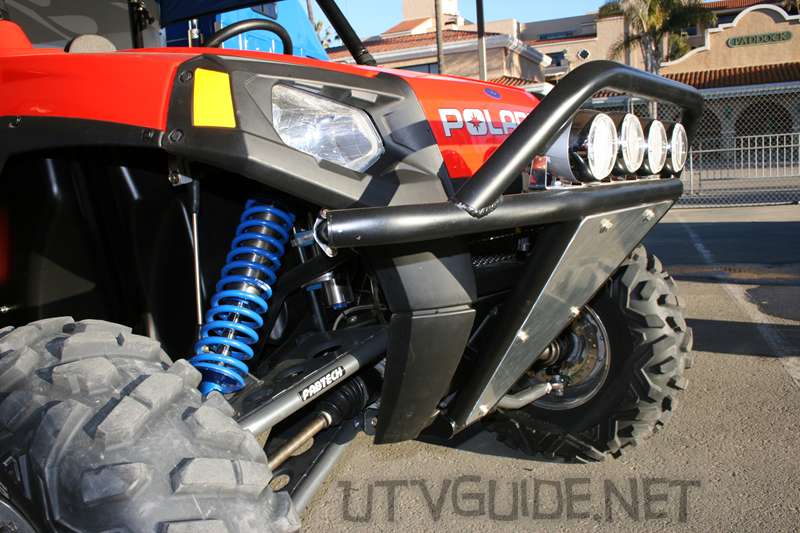
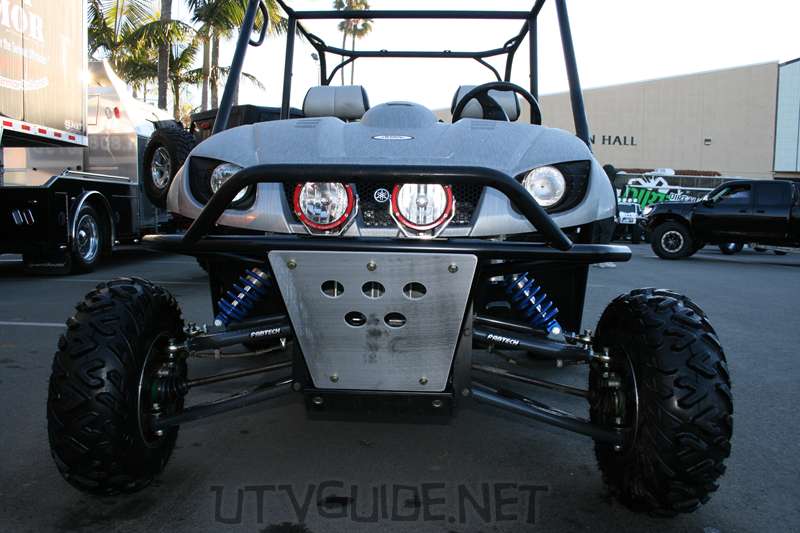
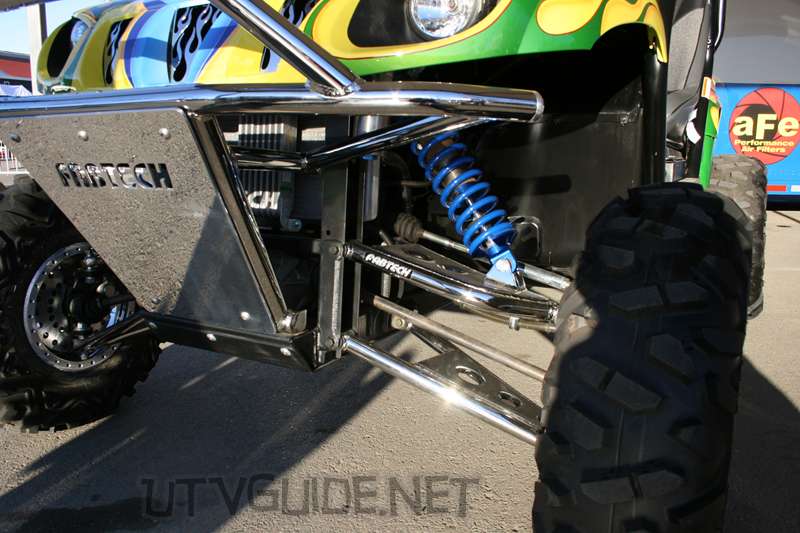
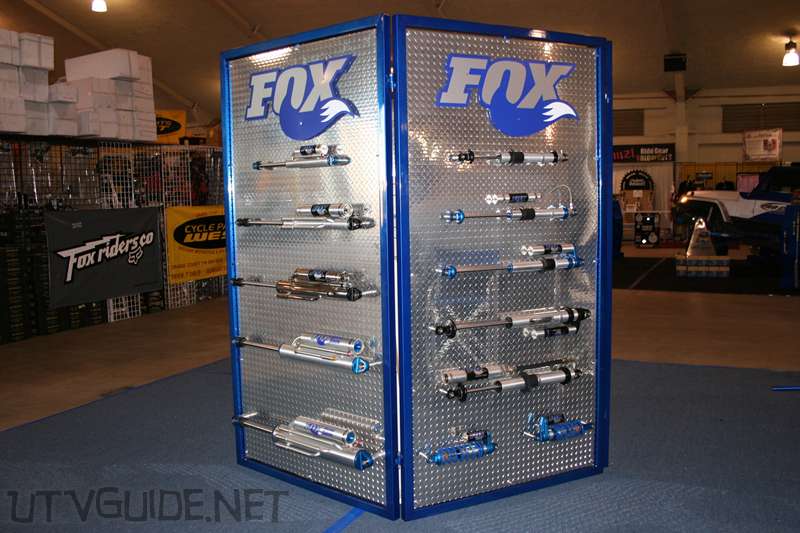
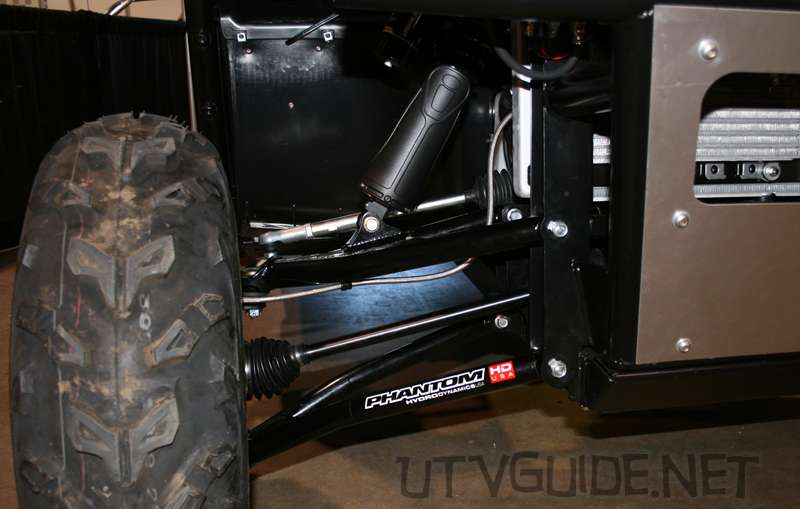
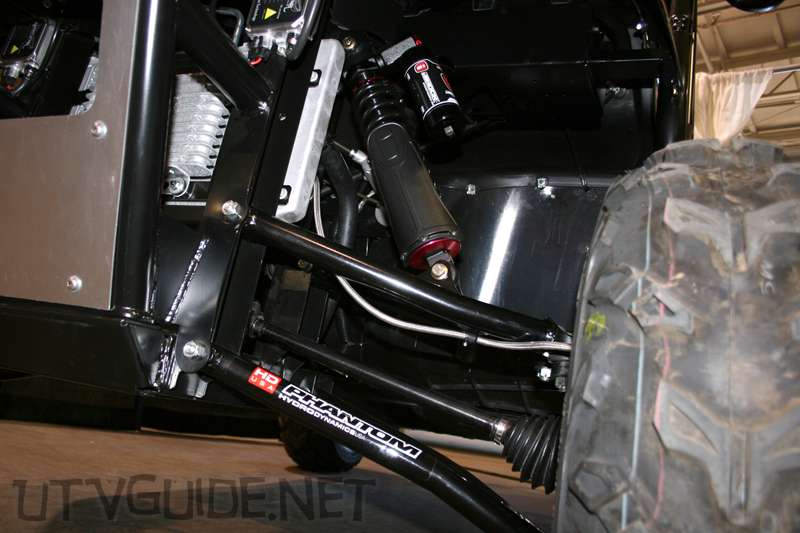
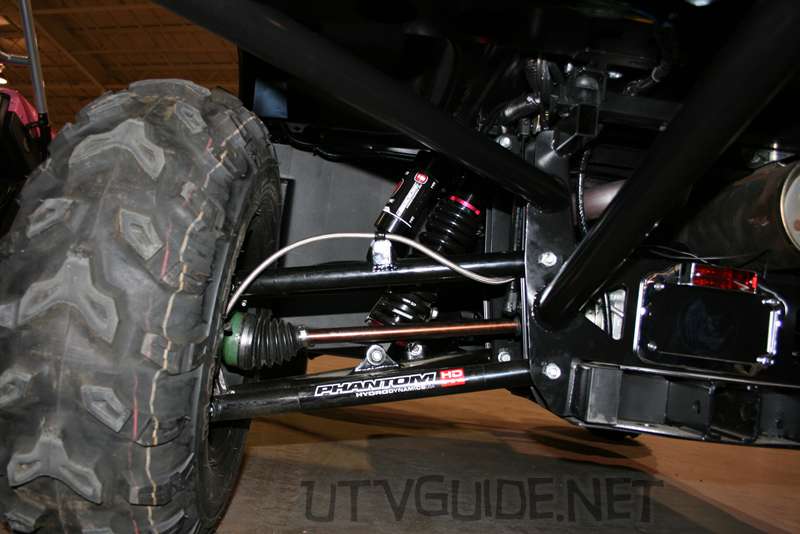
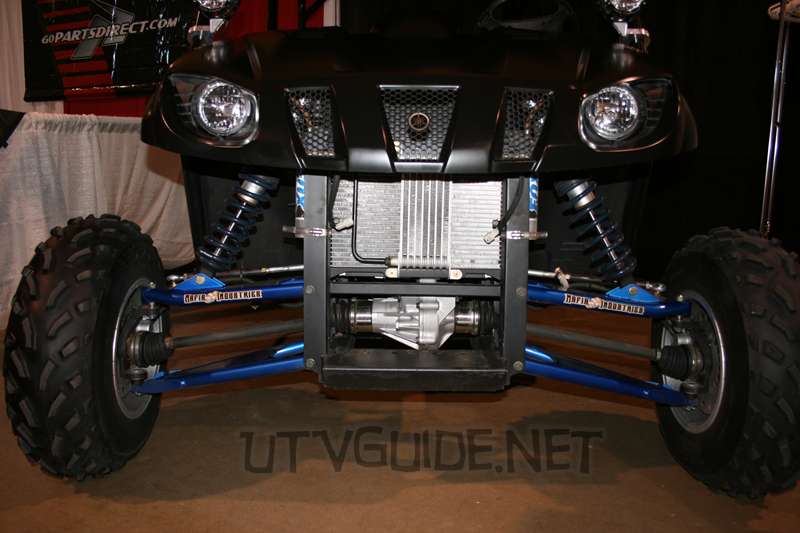
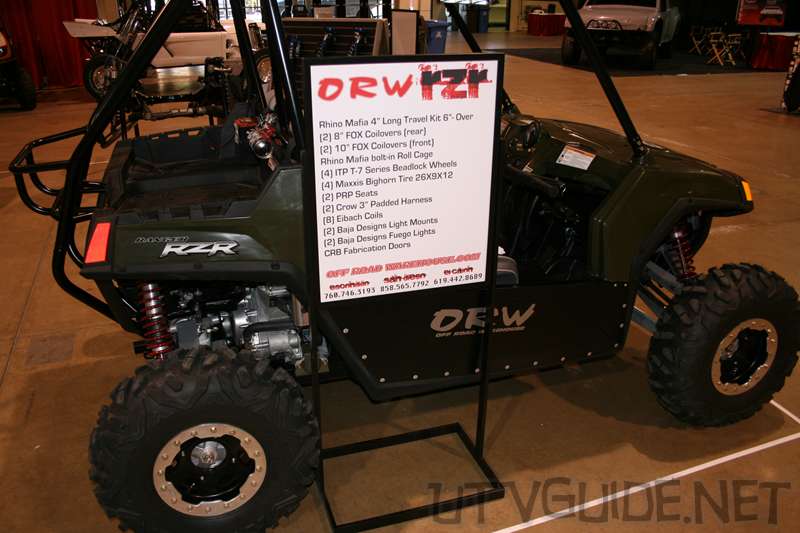
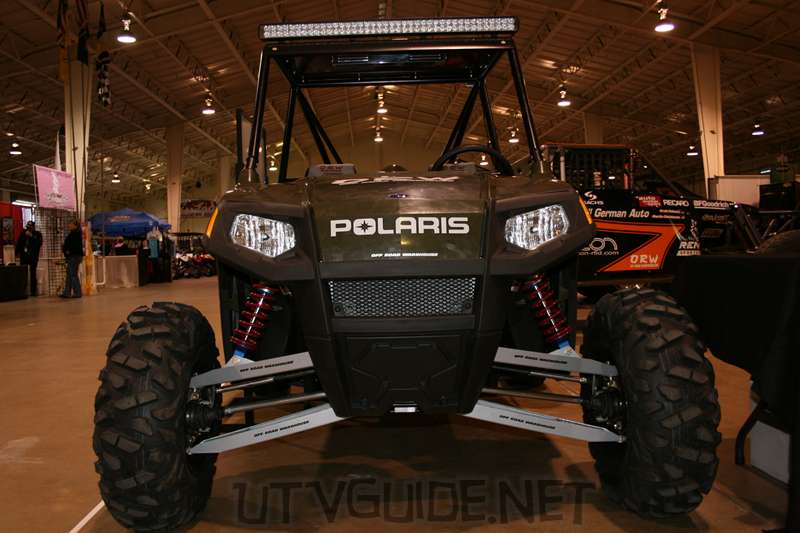
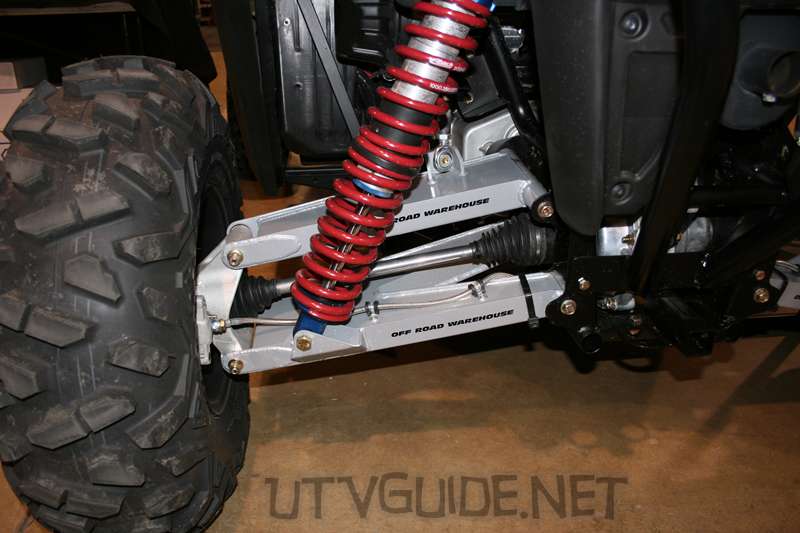
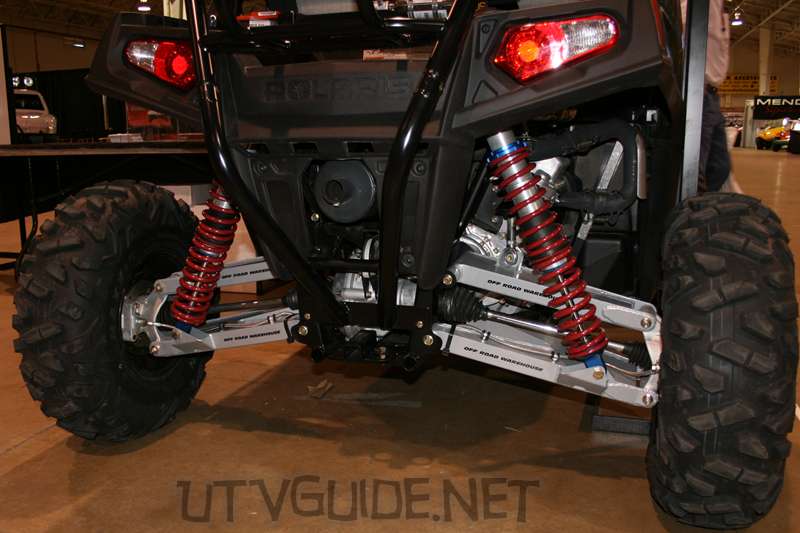
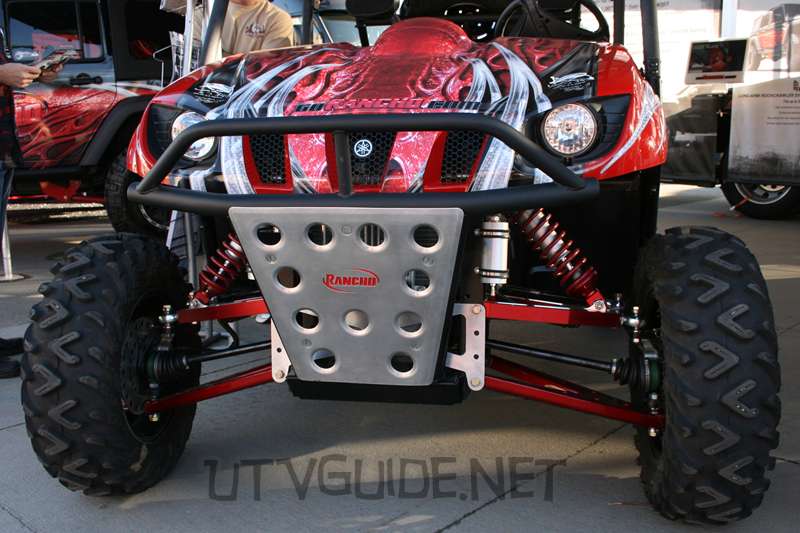
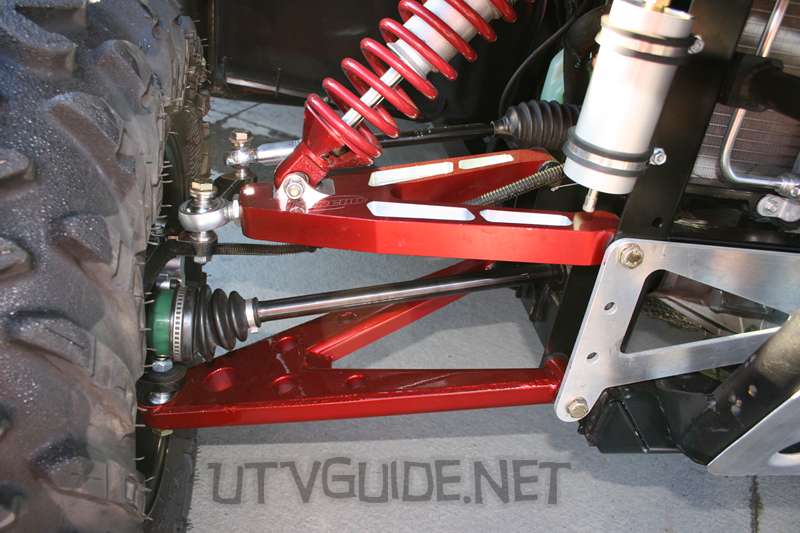
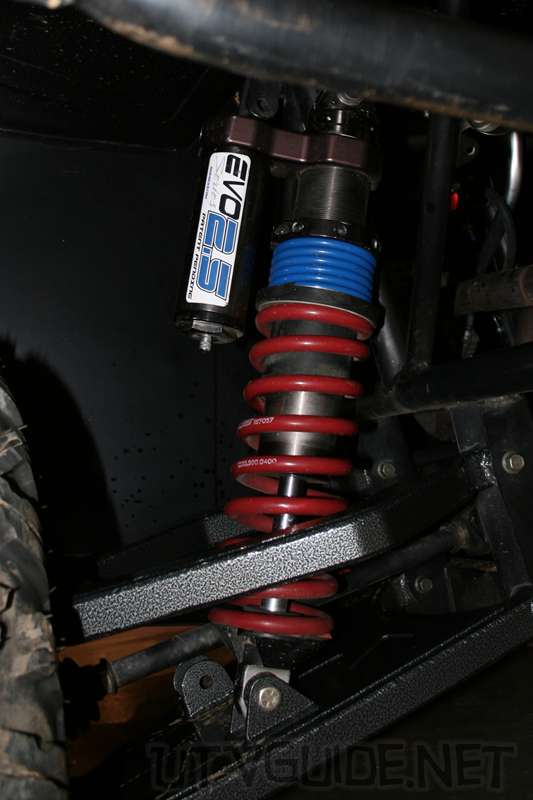
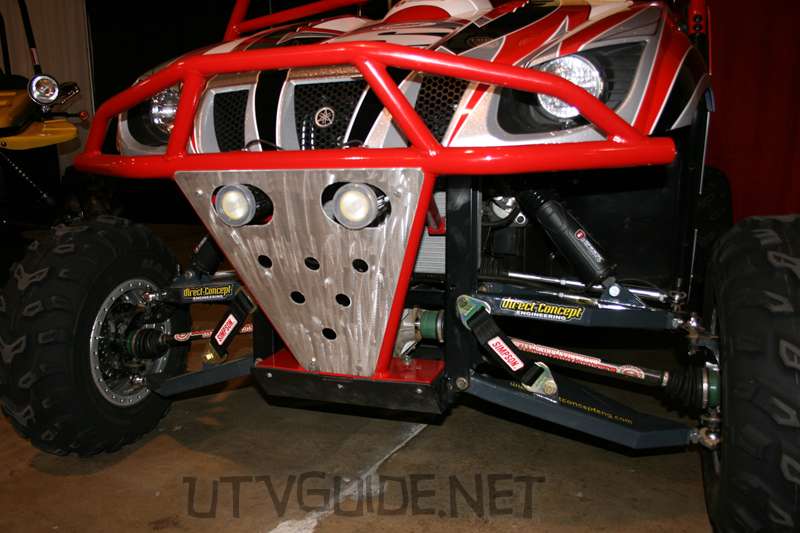
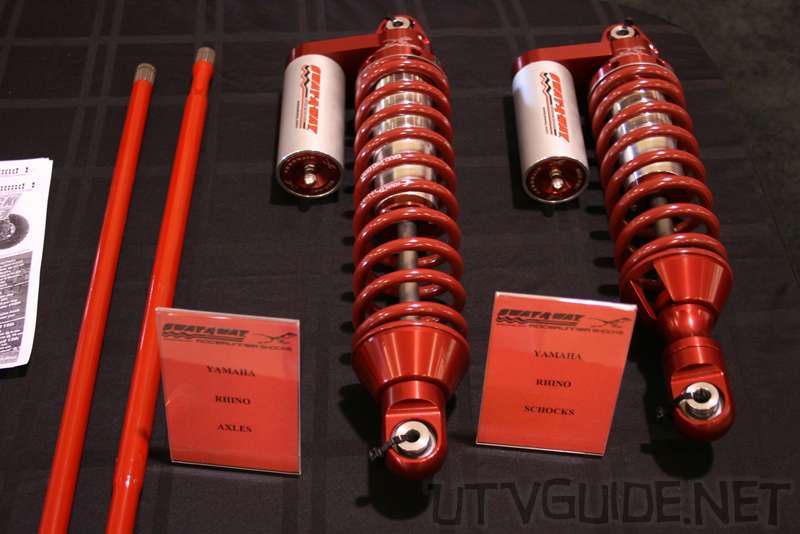
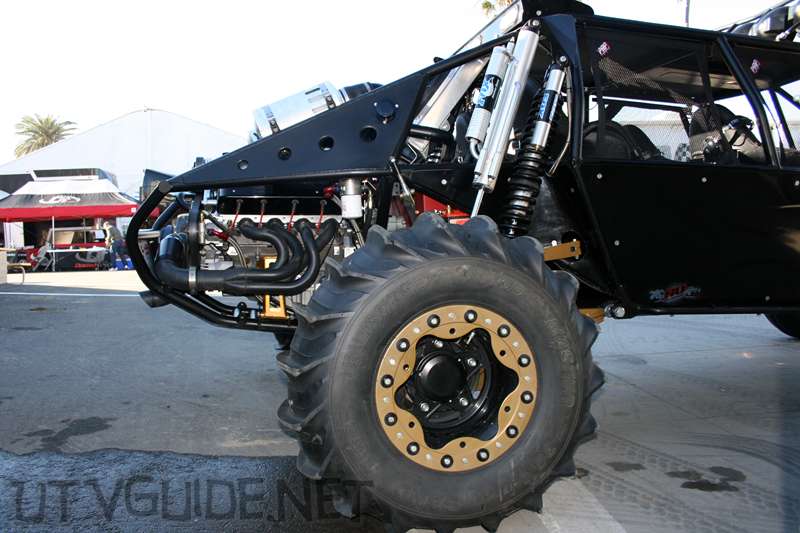
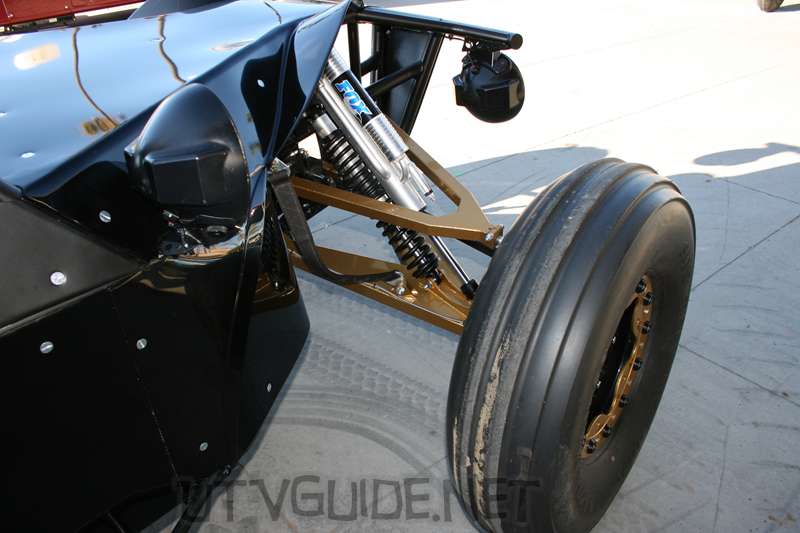
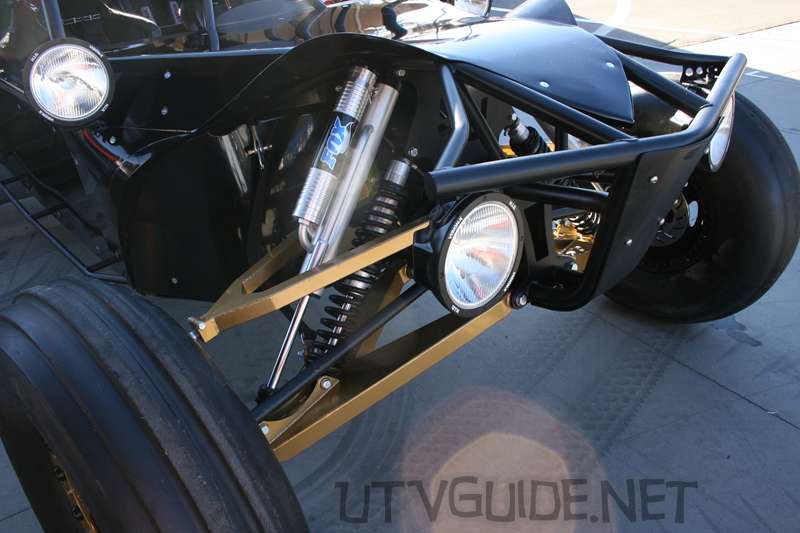
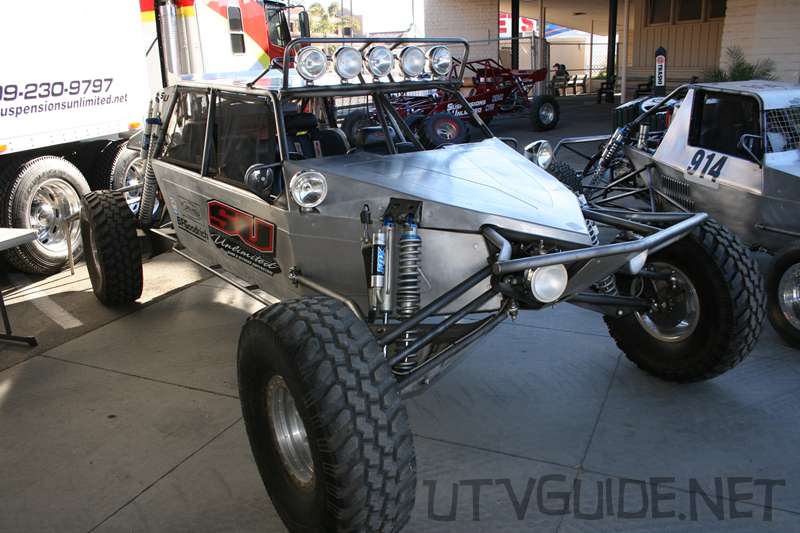
Long-travel suspension was one of the strongest UTV trends at the 2008 show. FabTech displayed a Polaris RZR system, while Black Rhino Performance, Rancho, iShock and other companies showed suspension products or complete builds for the Rhino and Teryx.
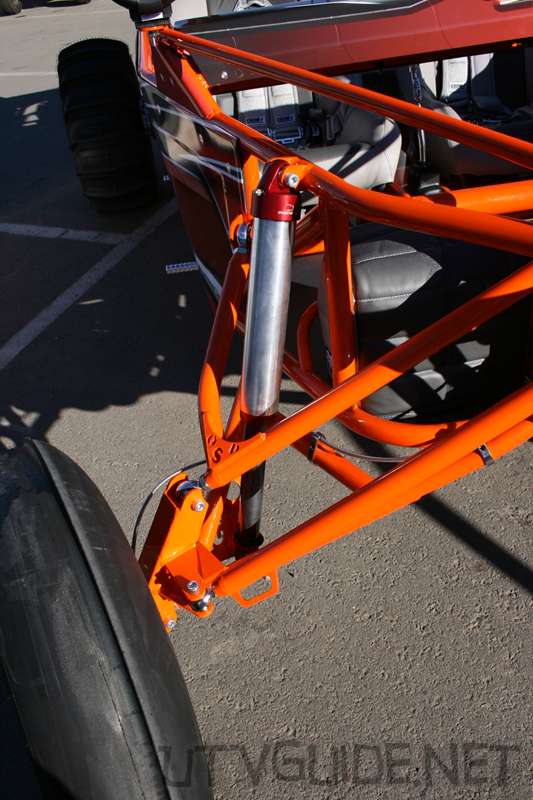
These early kits widened the vehicle and increased wheel travel, allowing it to handle rough terrain at higher speeds. The conversion commonly required new control arms, axles, shocks and steering components, making it one of the most comprehensive upgrades available for an early UTV.


A closer look at the type of hardware being developed during this period can be found in the Holz Racing Products 2008 Polaris RZR build. That machine combined long-travel suspension, FOX shocks, a race cage, engine modifications, an oil cooler and OMF beadlock wheels for WORCS competition.

Cages, Seats and Occupant Protection
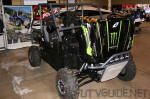
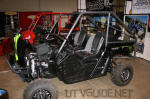
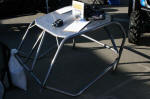
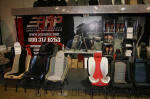
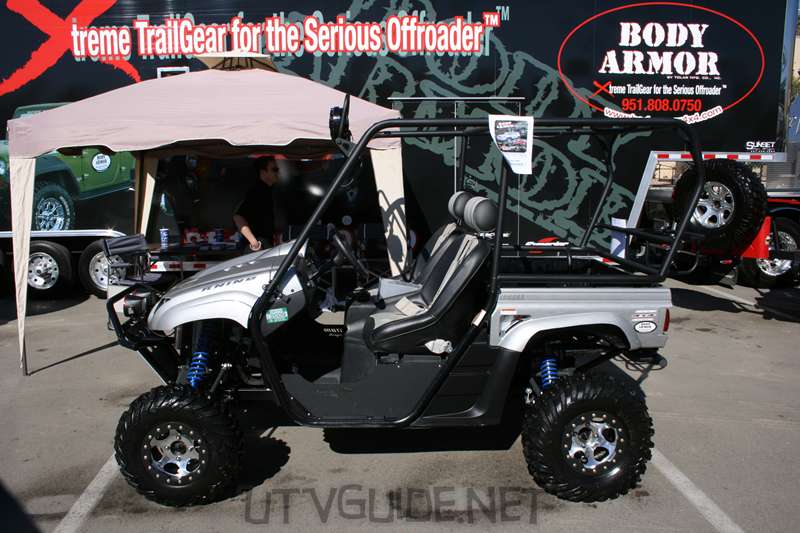
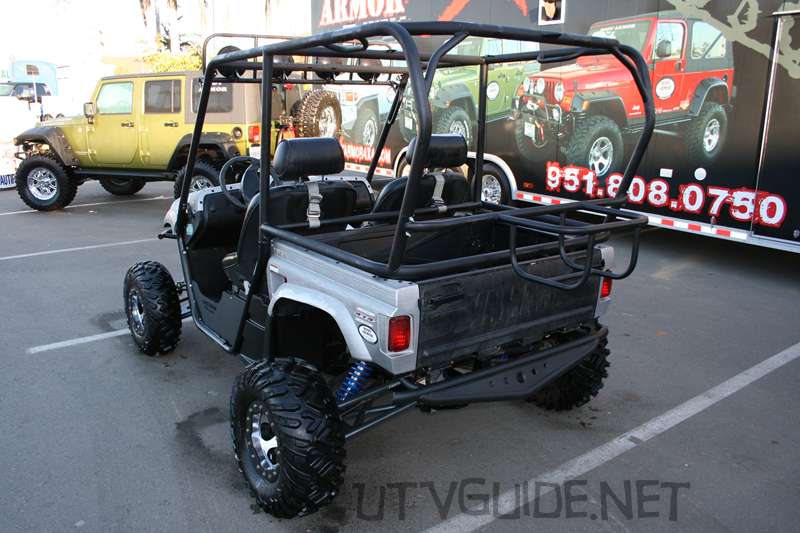
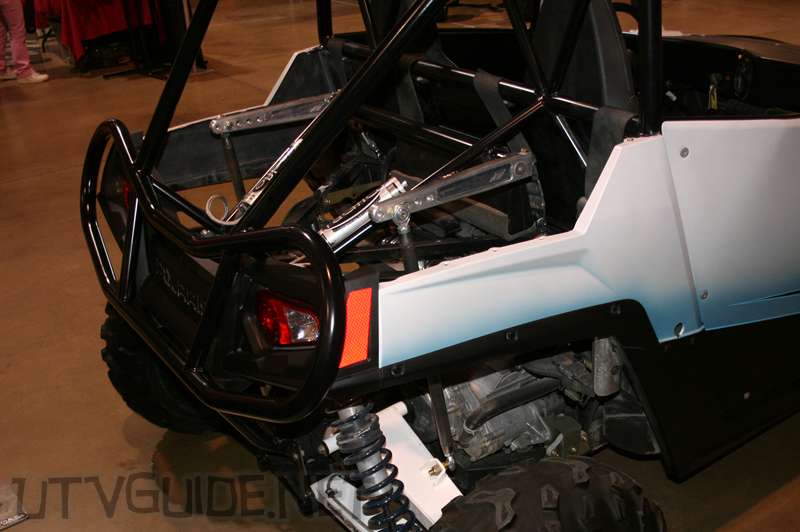
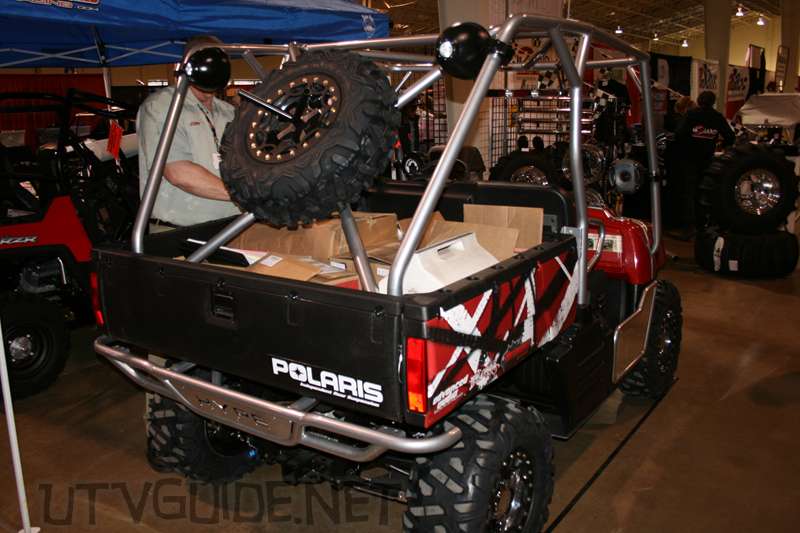
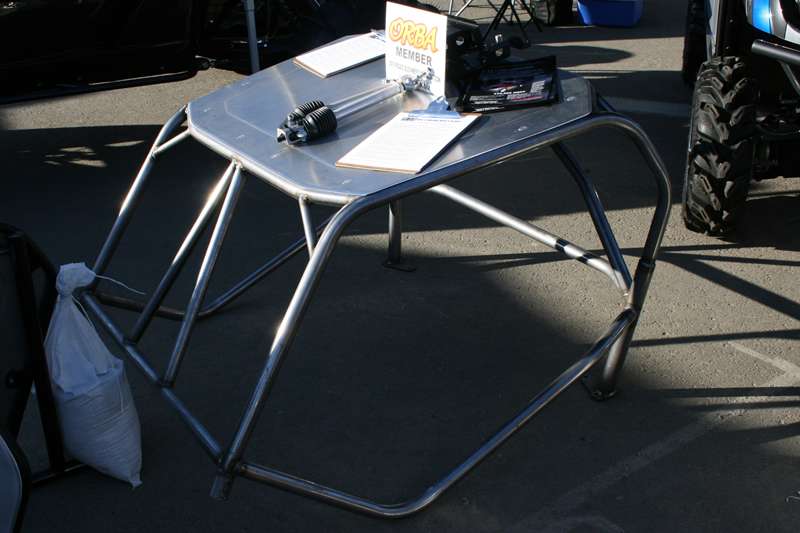
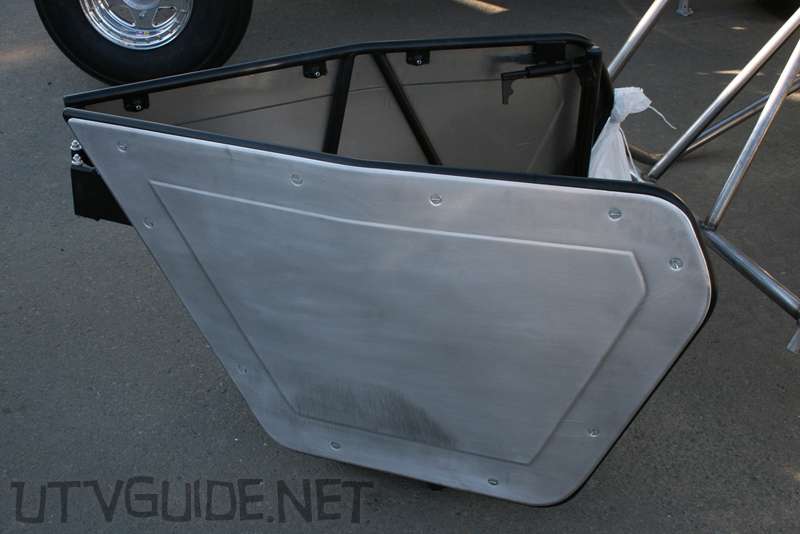
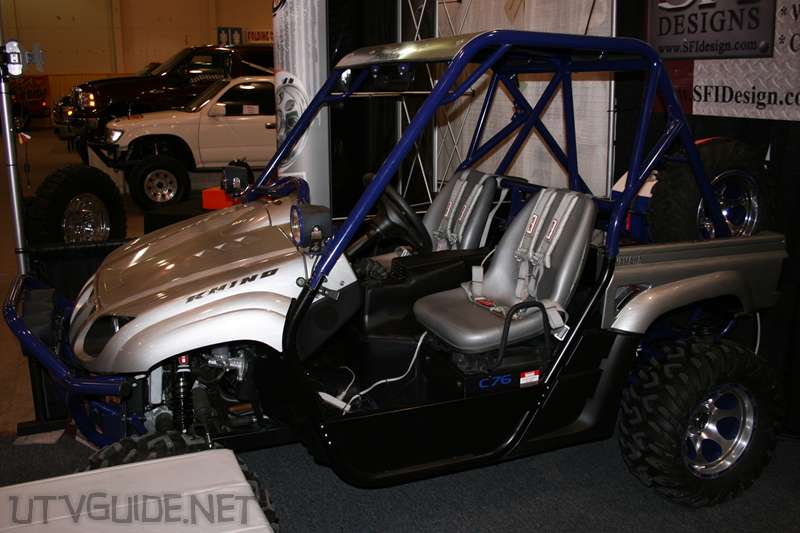
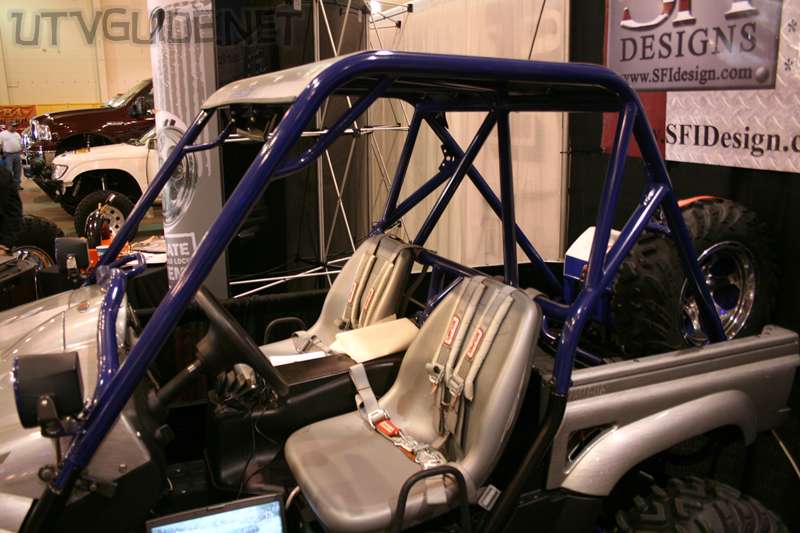
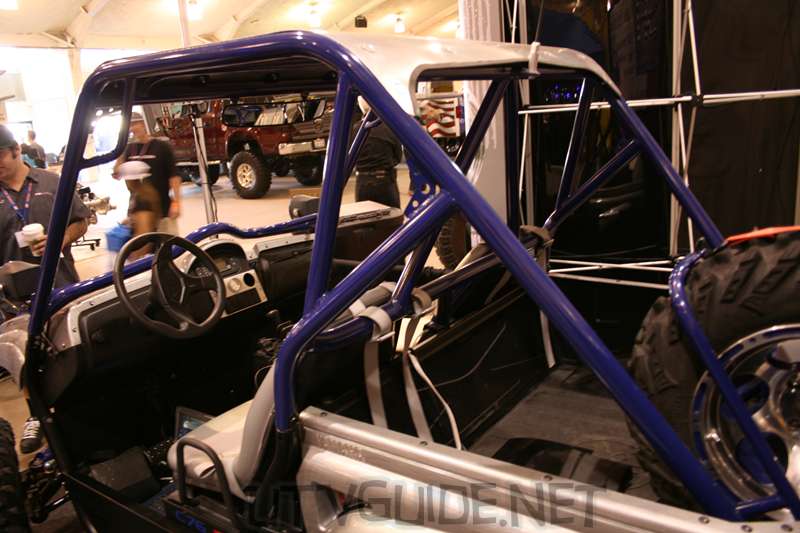
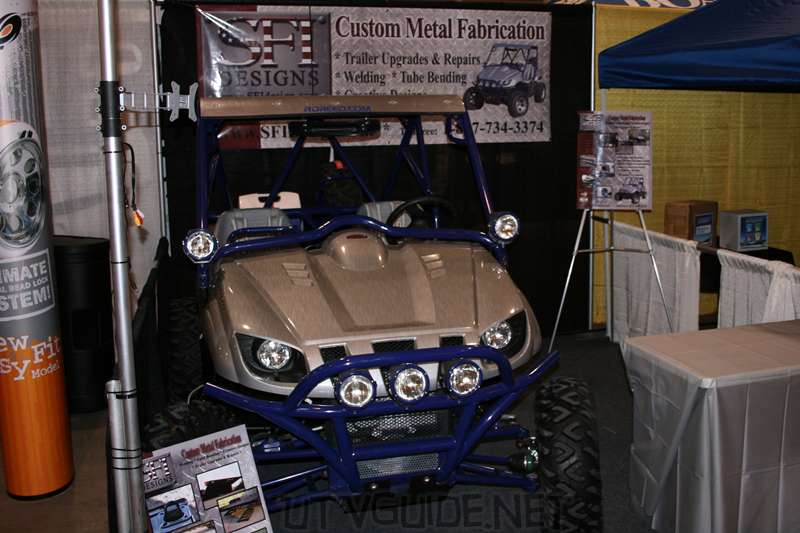
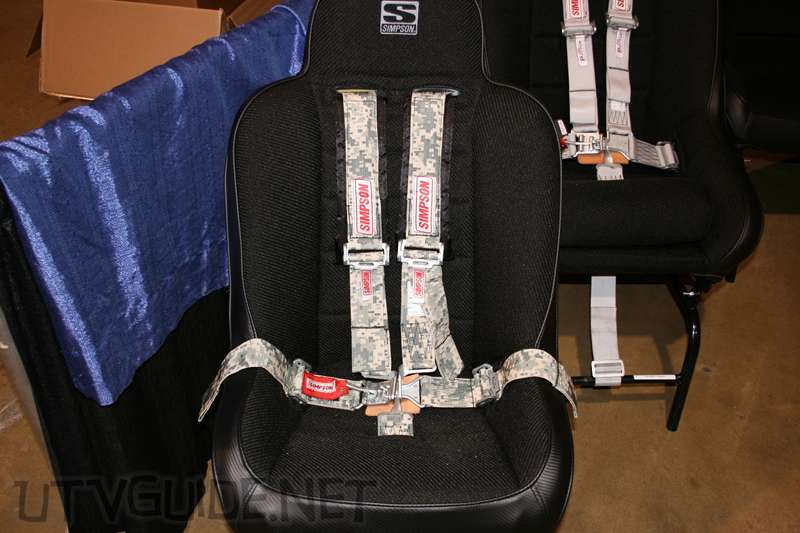
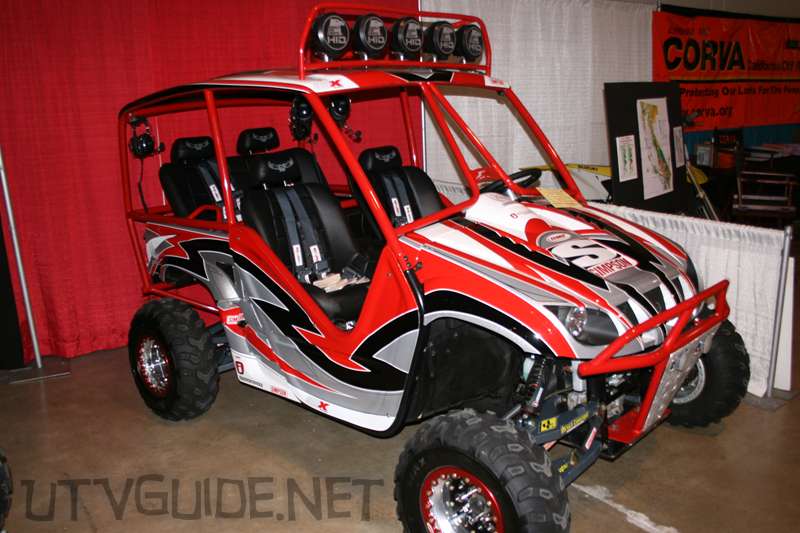
As UTVs became faster and owners began carrying additional passengers, cages and seating systems became increasingly important parts of a build. Black Rhino Performance showed a two-seat Teryx cage, while other exhibitors displayed four-seat Rhino conversions, doors, bumpers and replacement seating.


These 2008 designs should be viewed in their historical context. Cage construction, seating practices and industry safety expectations have continued to evolve. An early aftermarket cage should not automatically be assumed to meet the needs of a modern build without a thorough inspection of its design, materials, mounting points and condition.
LED and HID Lighting
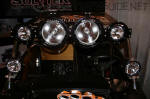
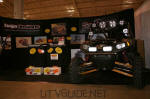
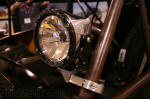
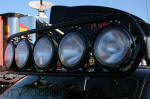
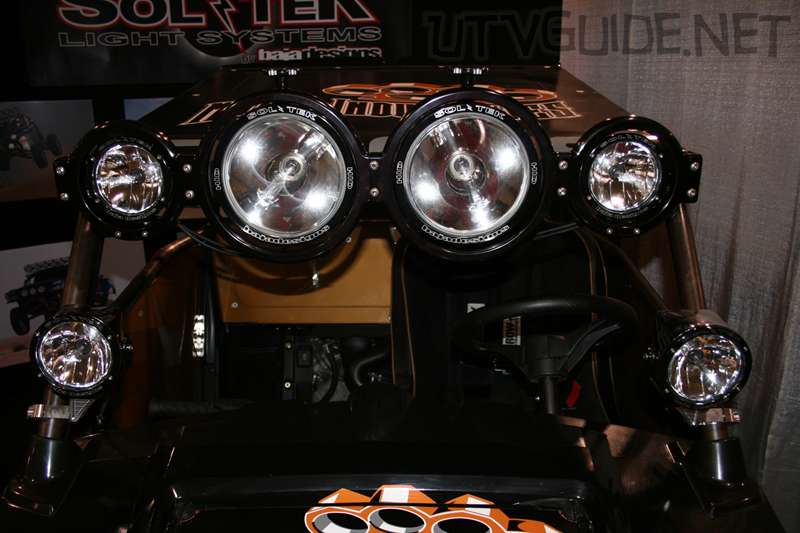
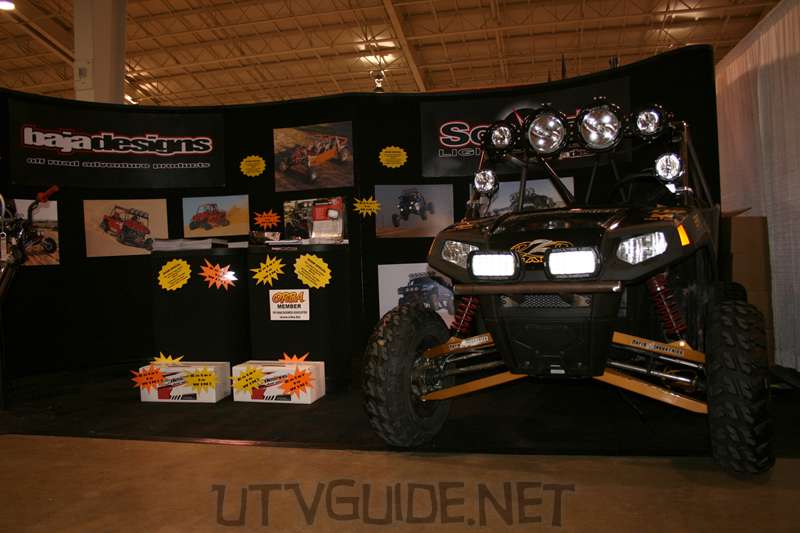
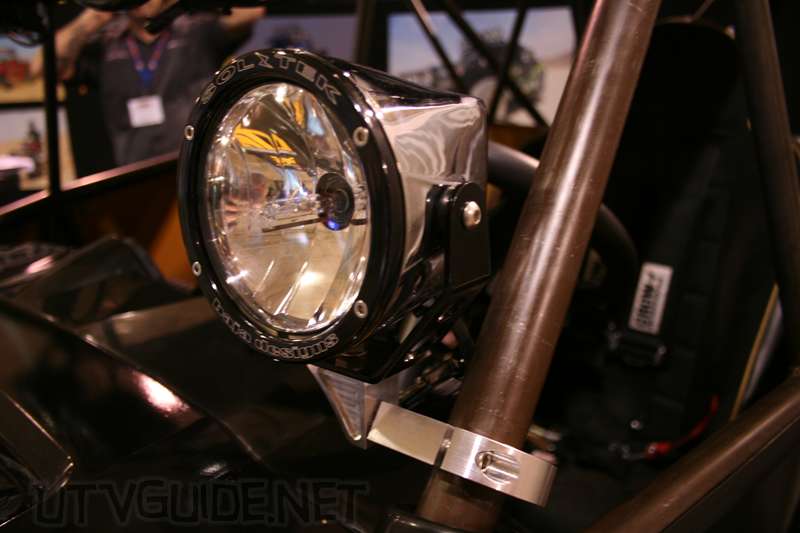
Baja Designs displayed both HID driving lights and an early LED light bar. LED technology was still relatively new in off-road applications, with HID lighting remaining a popular choice for high-output desert and nighttime driving.


Wheels, Beadlocks and Trail Accessories
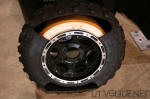
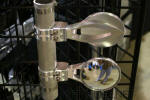
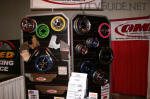
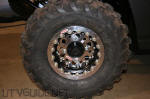
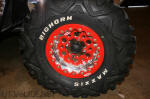
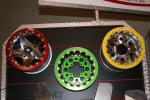
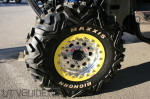
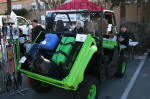
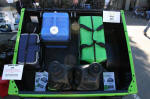
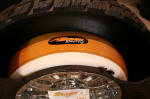
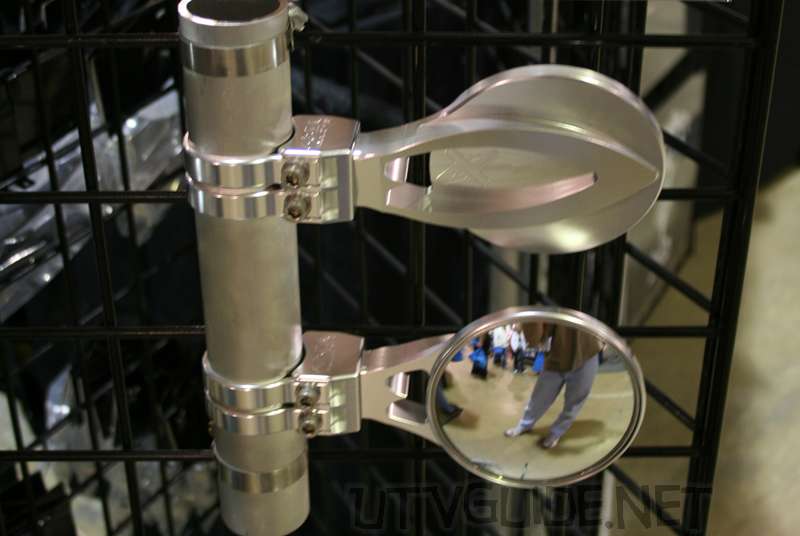
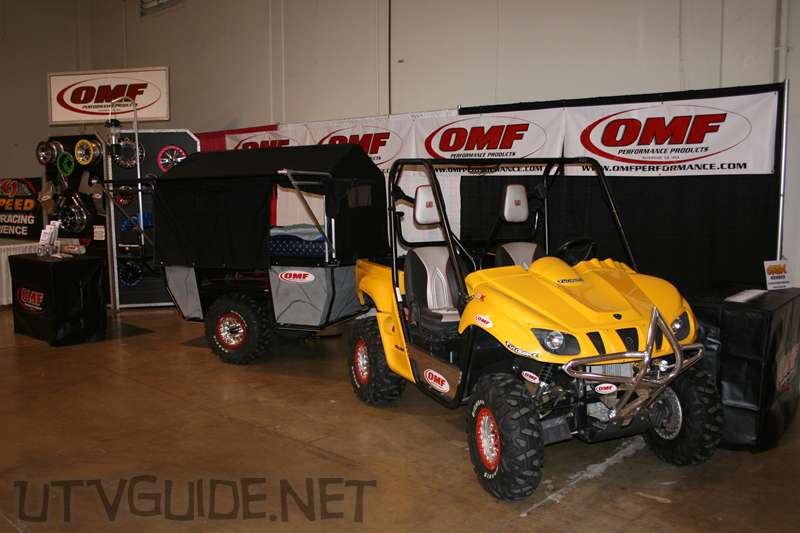
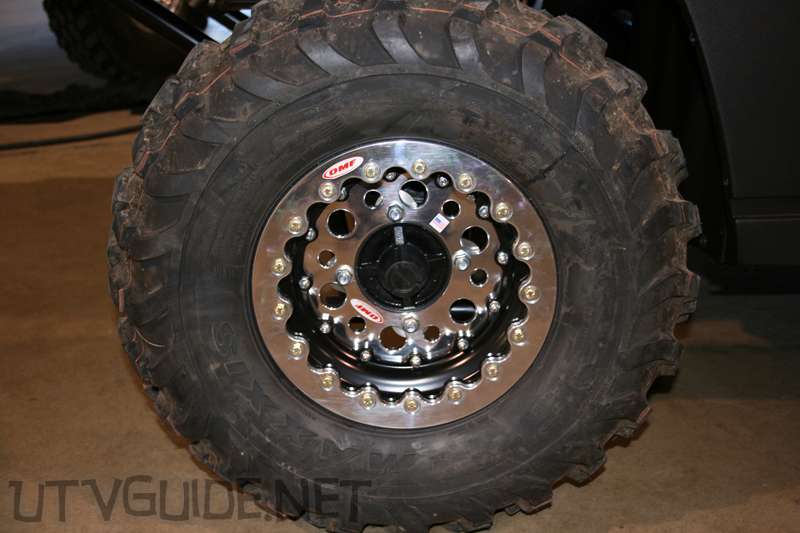
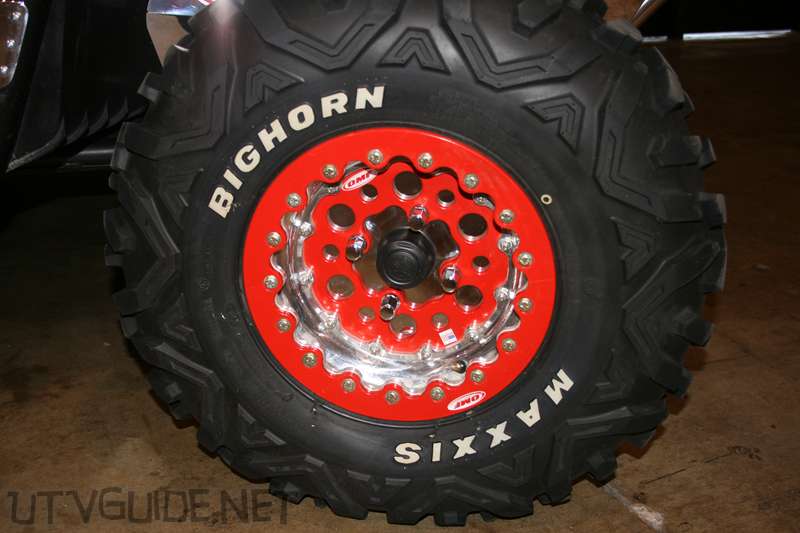
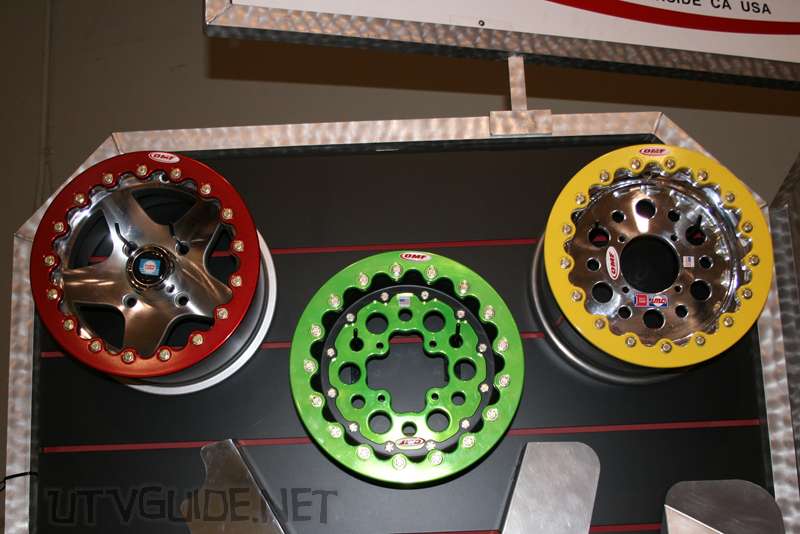
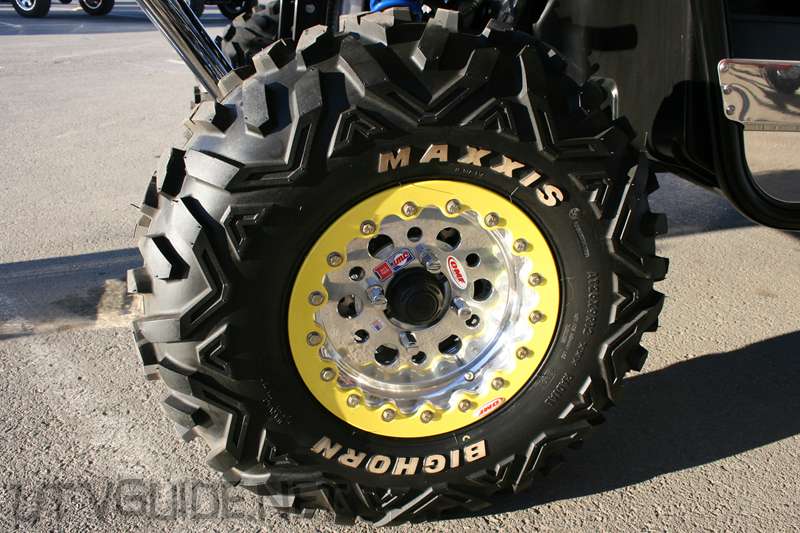
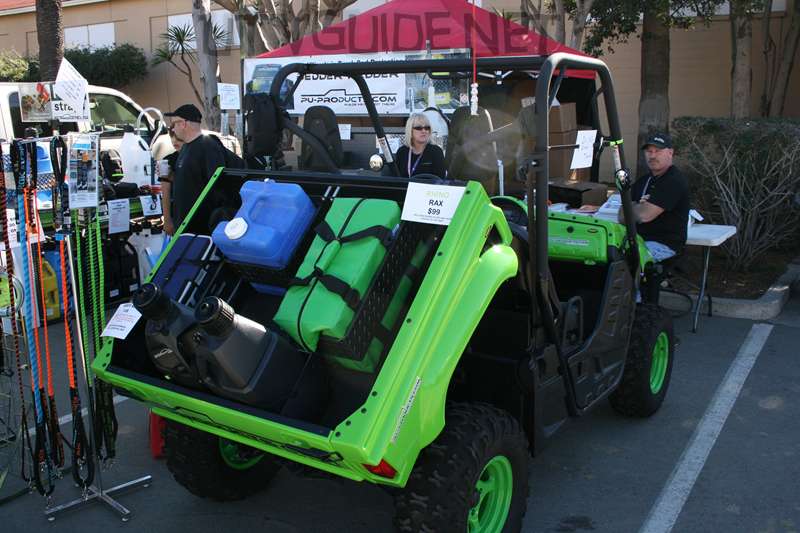
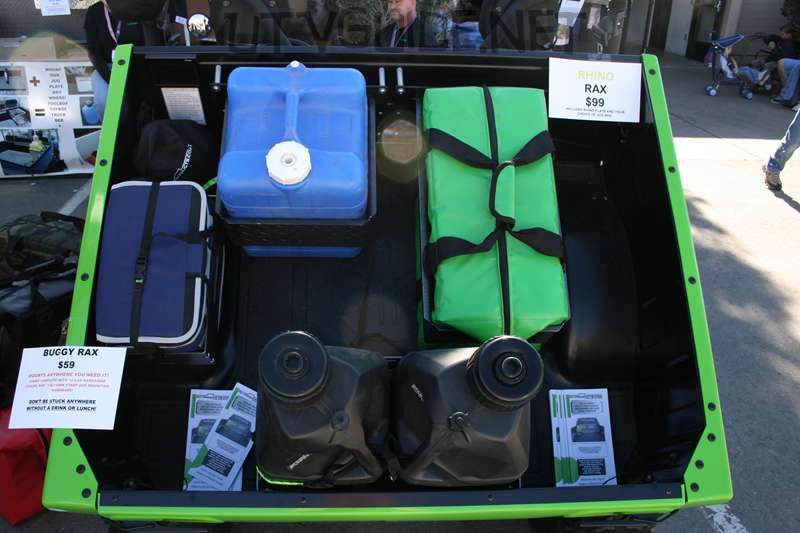
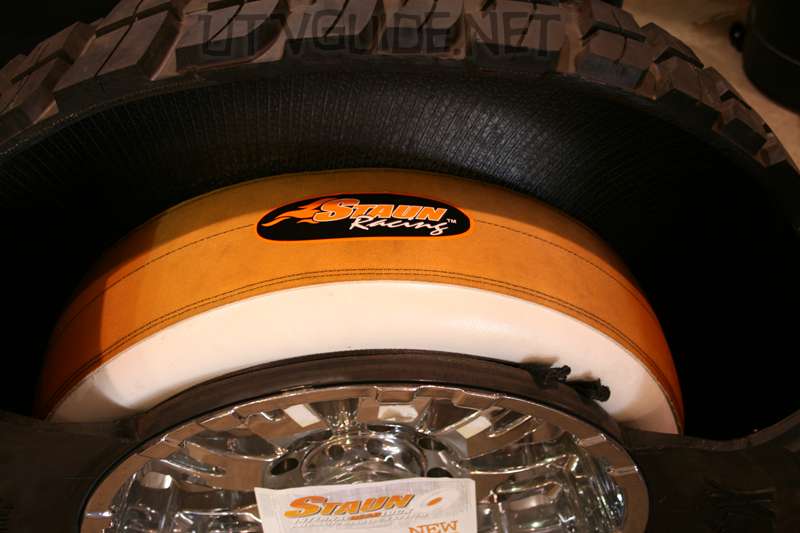
Staun Racing displayed an internal beadlock system designed to help retain the tire bead while running reduced air pressure. OMF Performance Products showed conventional external beadlock wheels, while other exhibitors presented mirrors, racks, bumpers and cargo solutions.


More Than a UTV Show
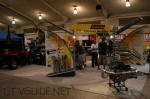
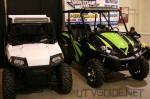
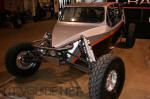
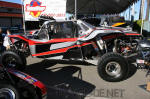
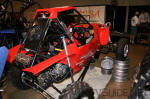
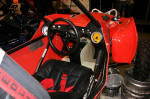
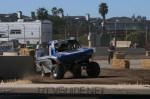
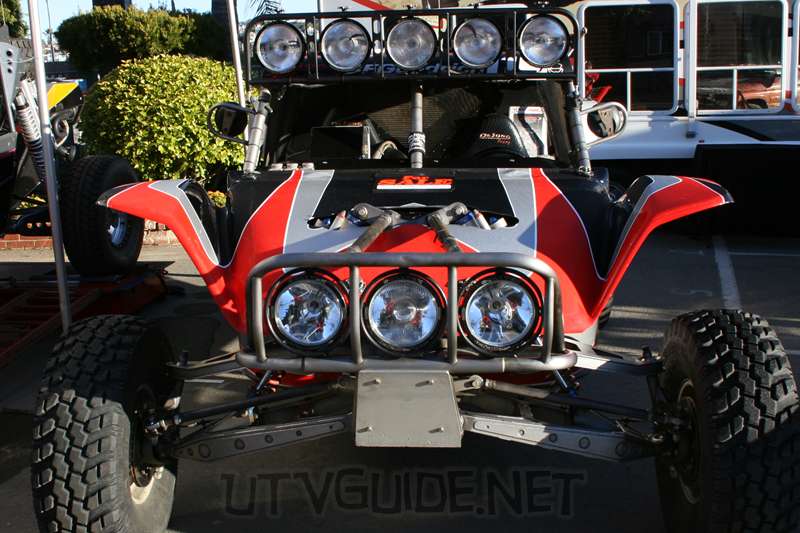
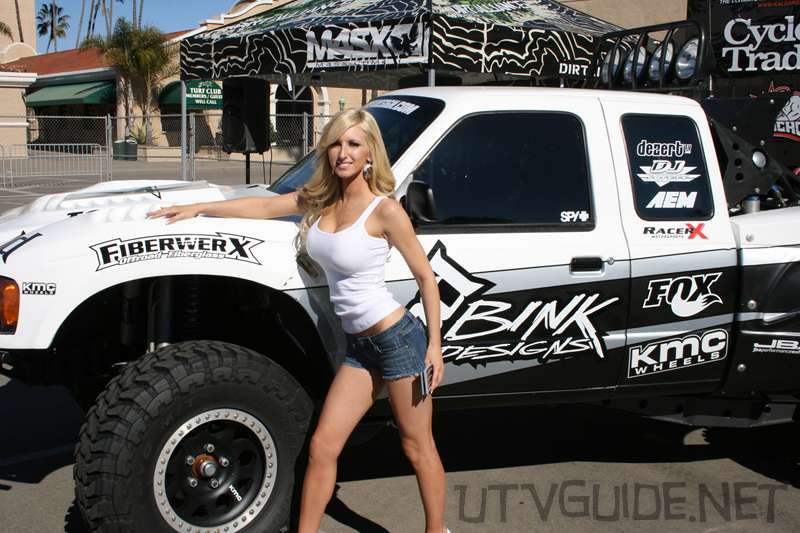
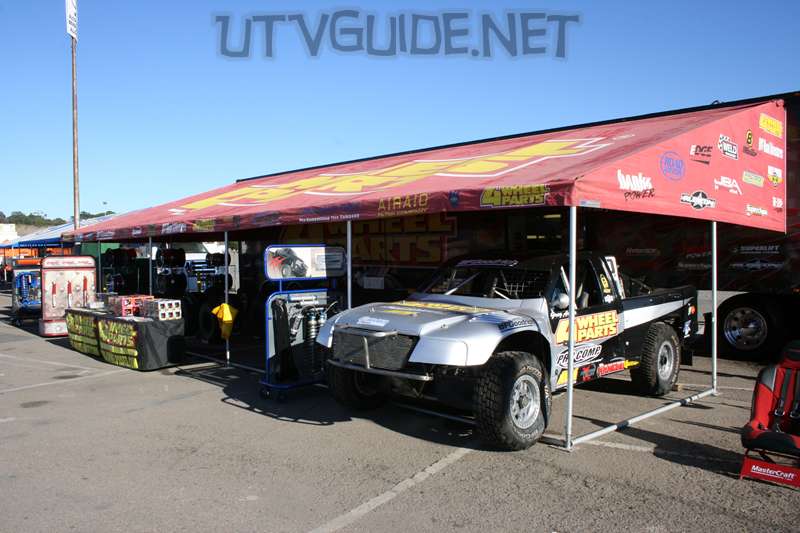
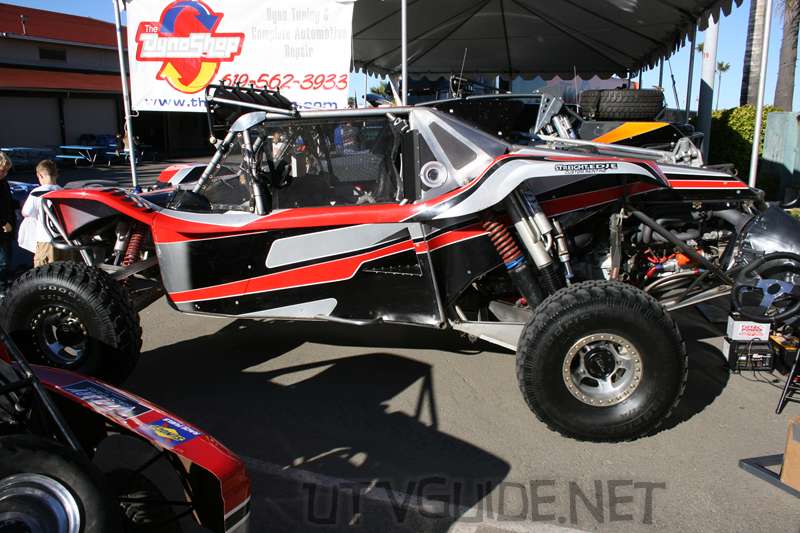
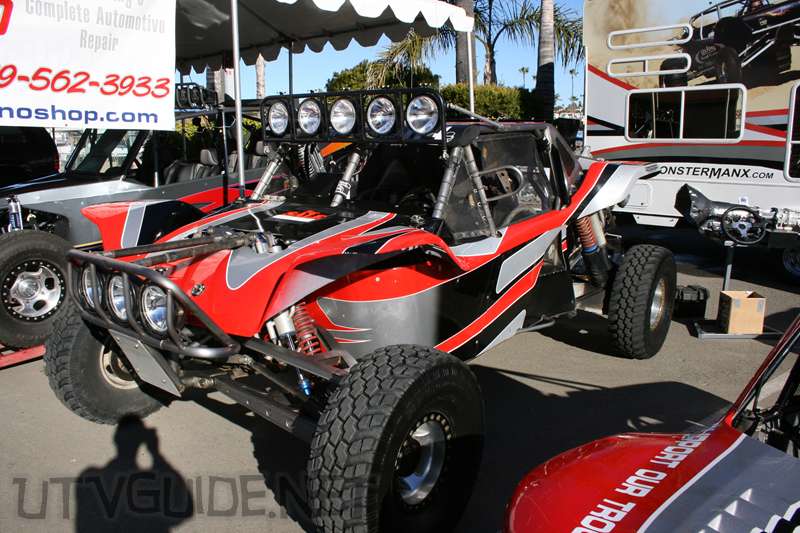
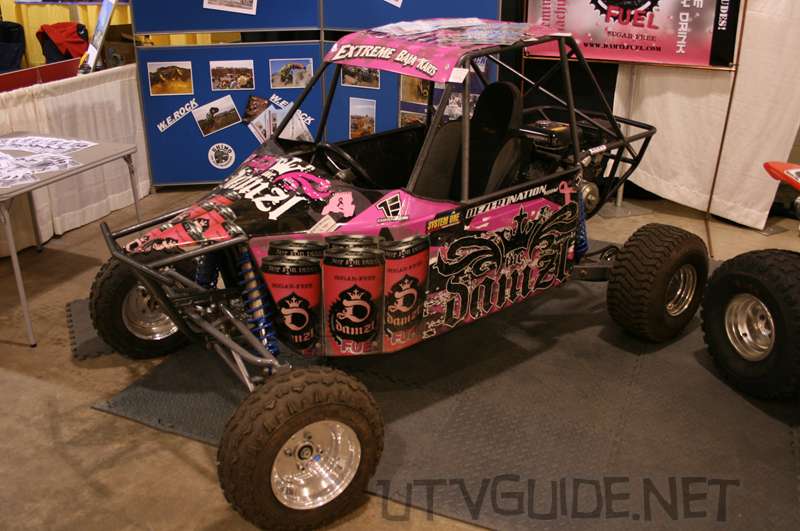
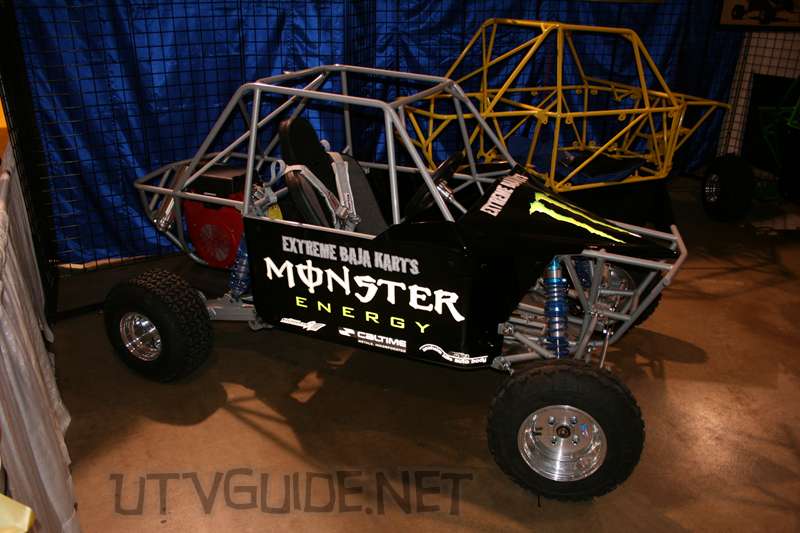
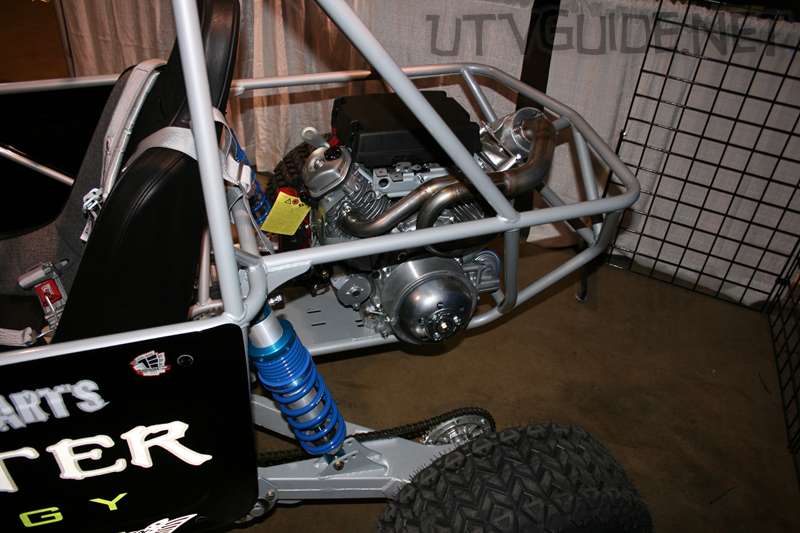
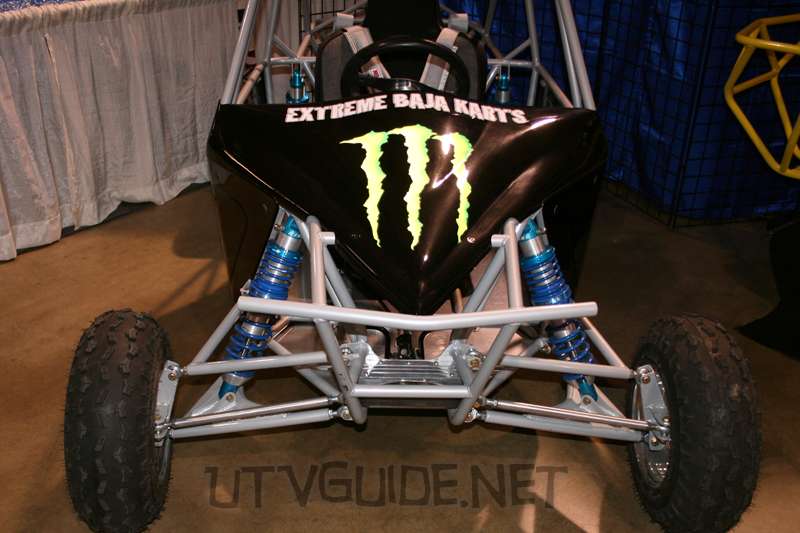
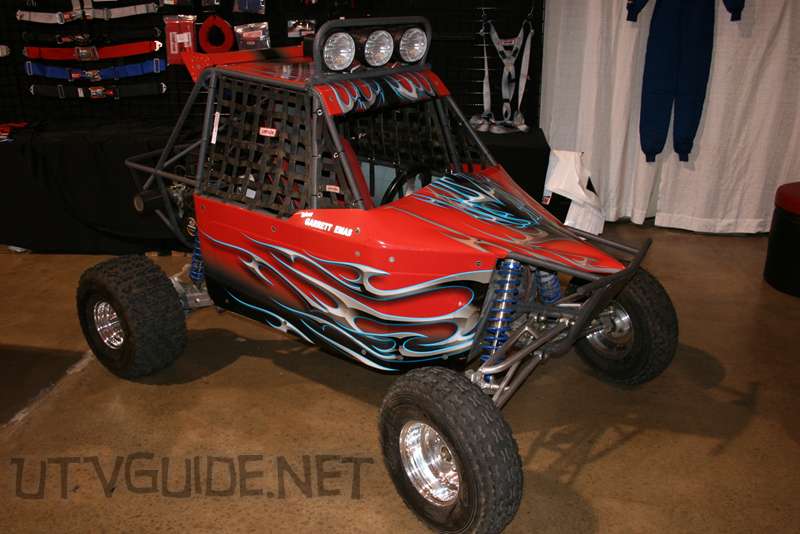
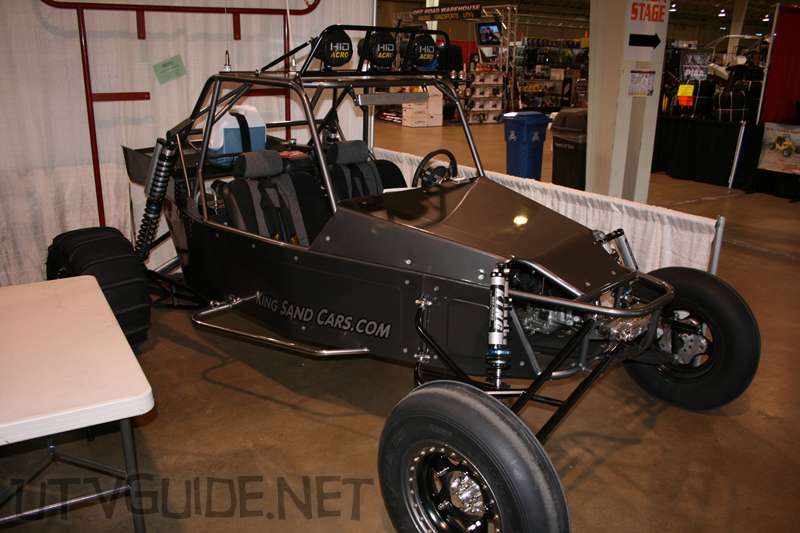
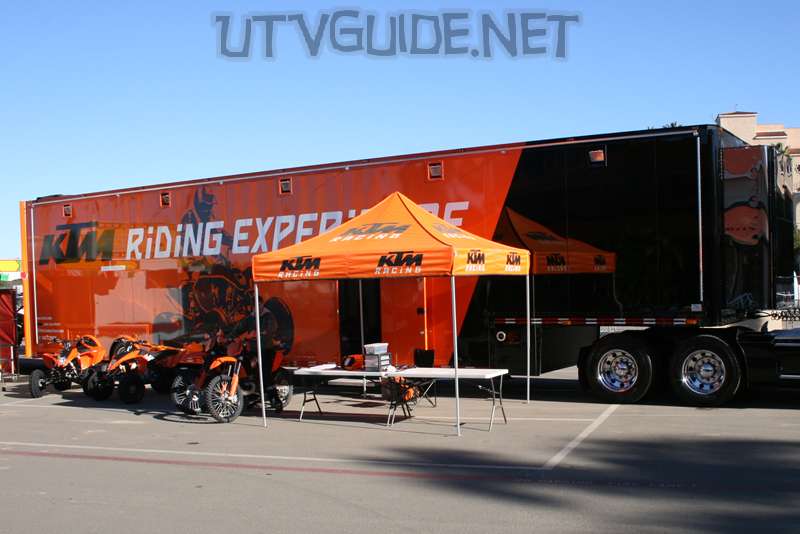
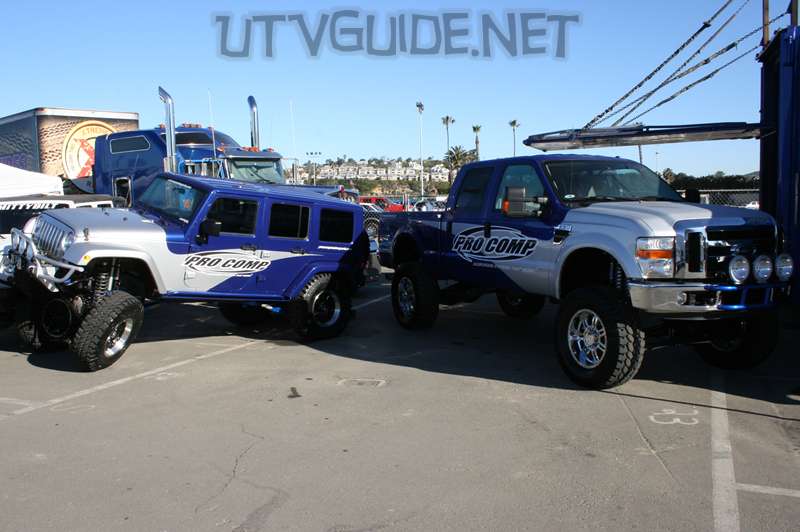
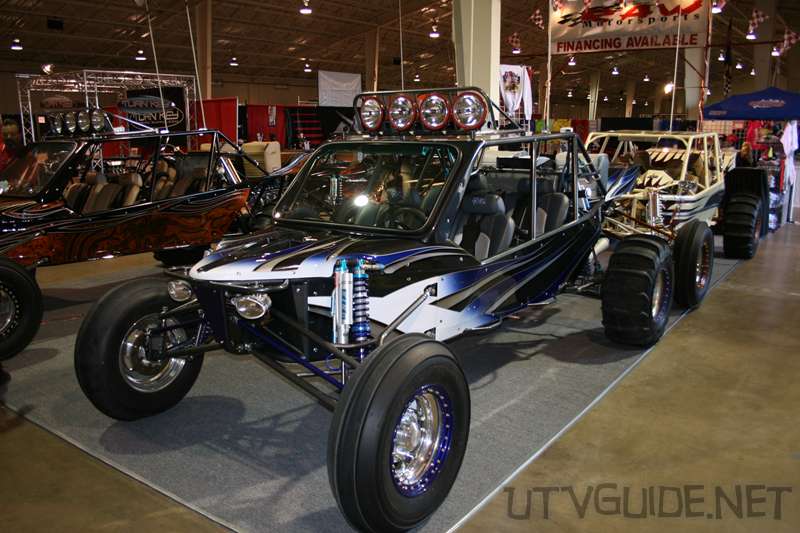
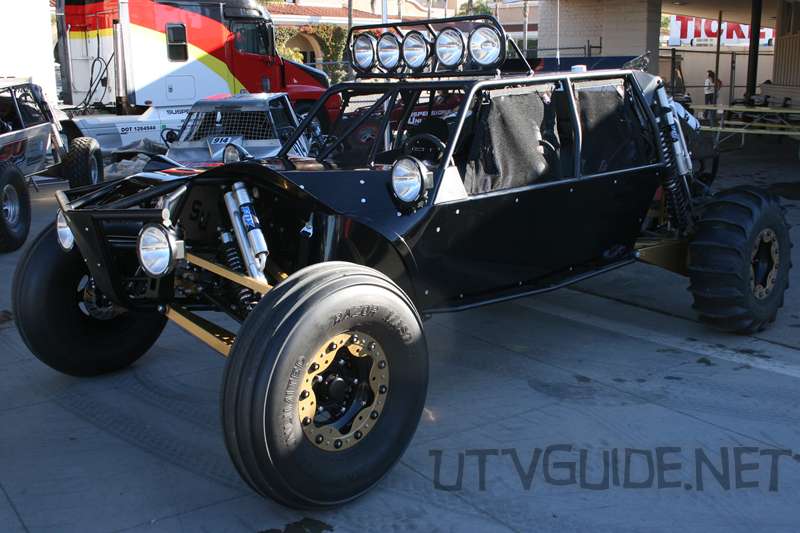
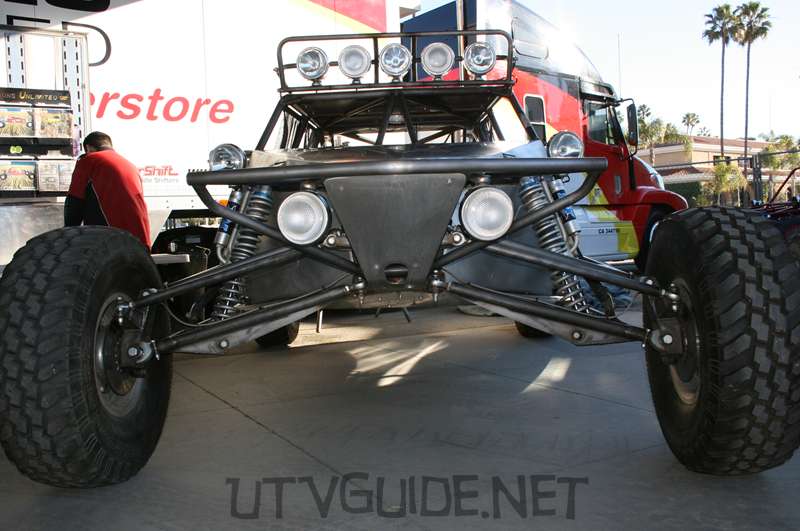
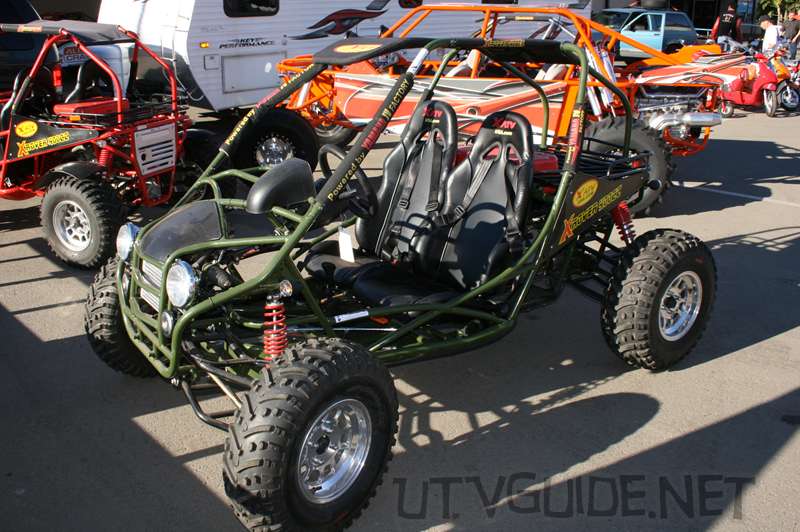
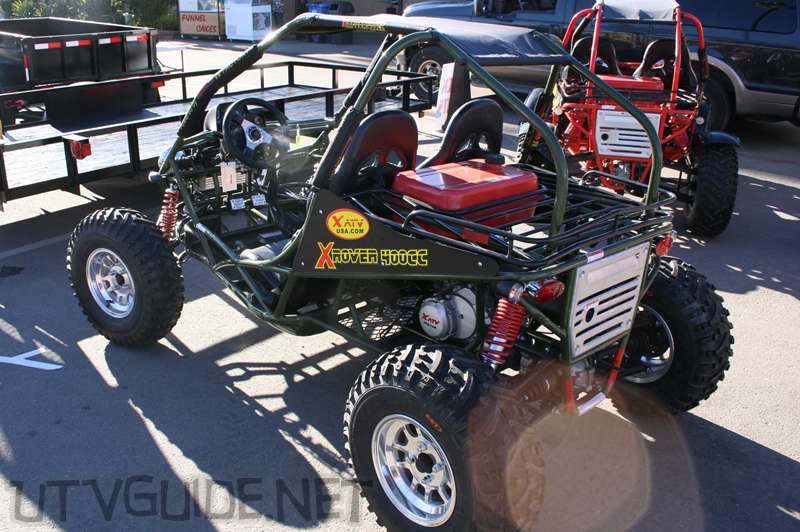
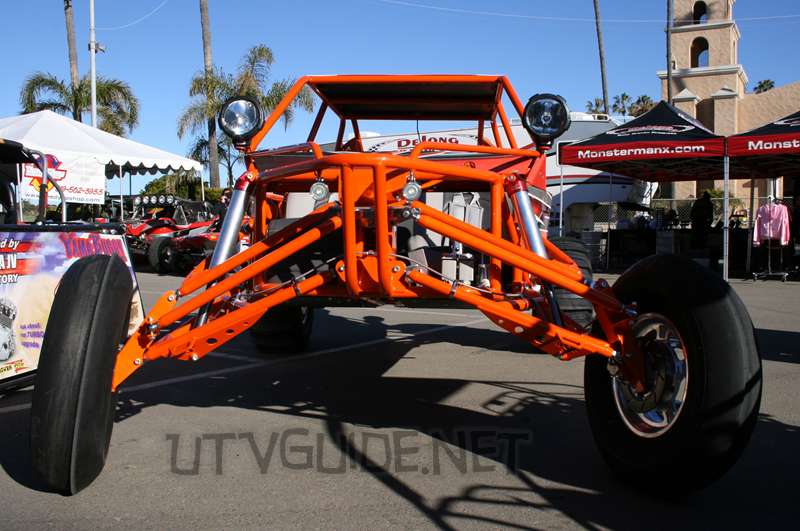
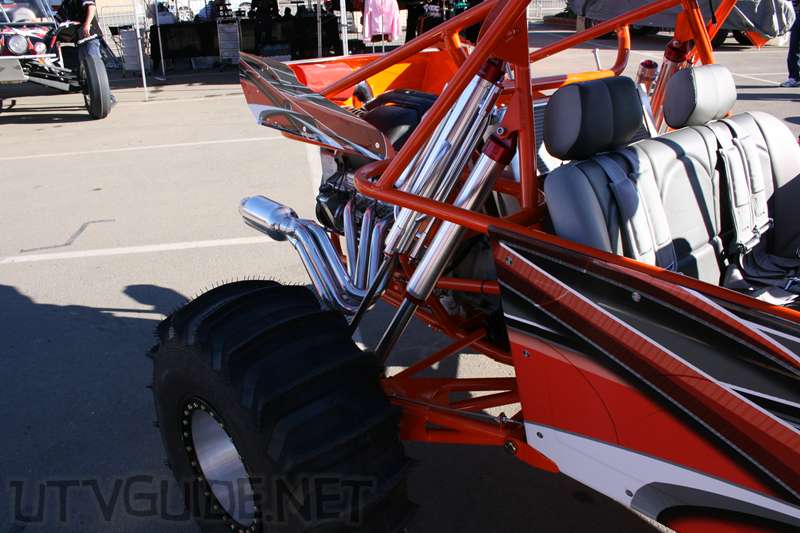
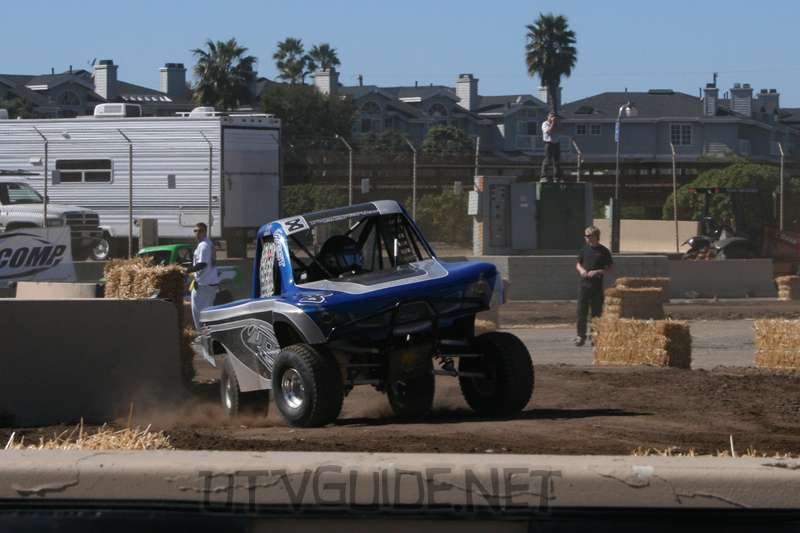
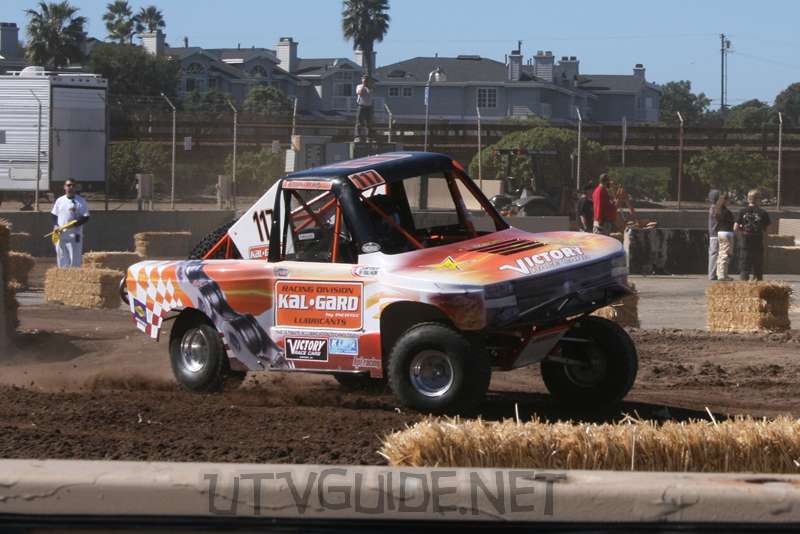
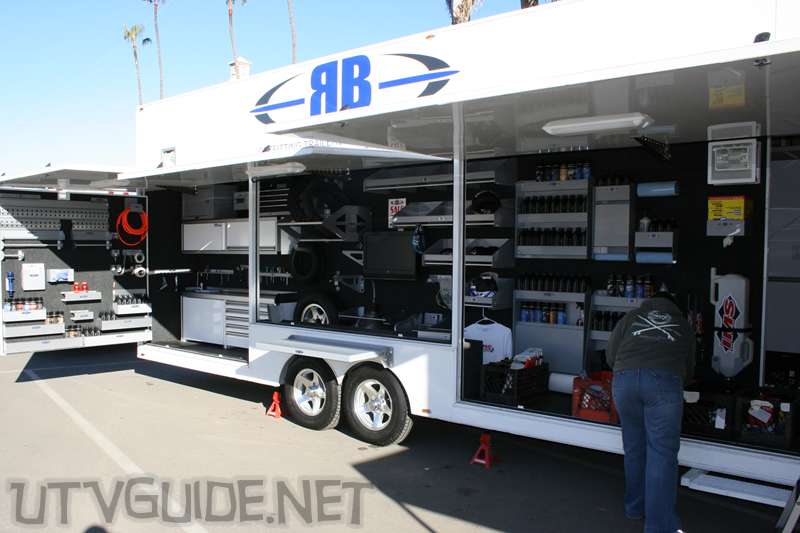
The ORBA SuperShow also included sand cars, buggies, off-road trucks, ATVs, motorcycles, trailer equipment and Trophy Kart racing. Exhibitors included established off-road companies as well as small fabricators developing specialized products for the growing recreational market.
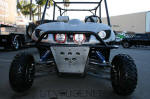
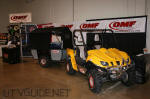
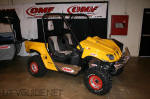
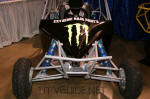
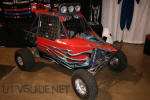
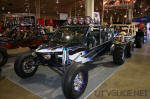
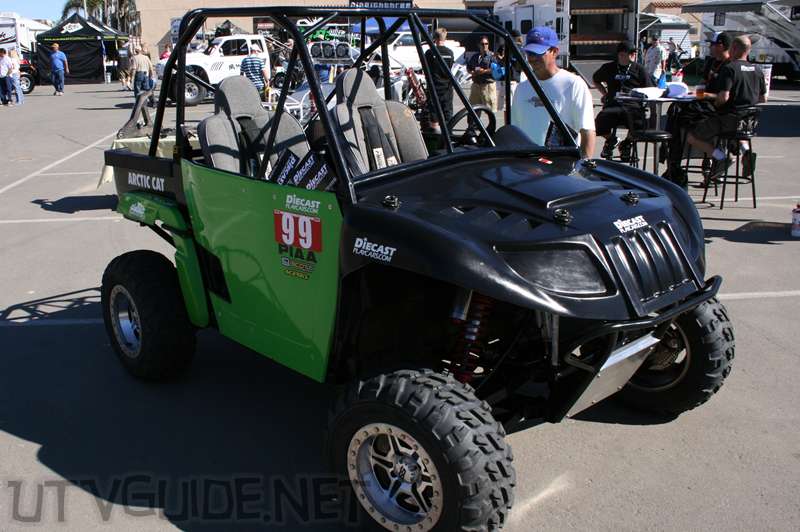
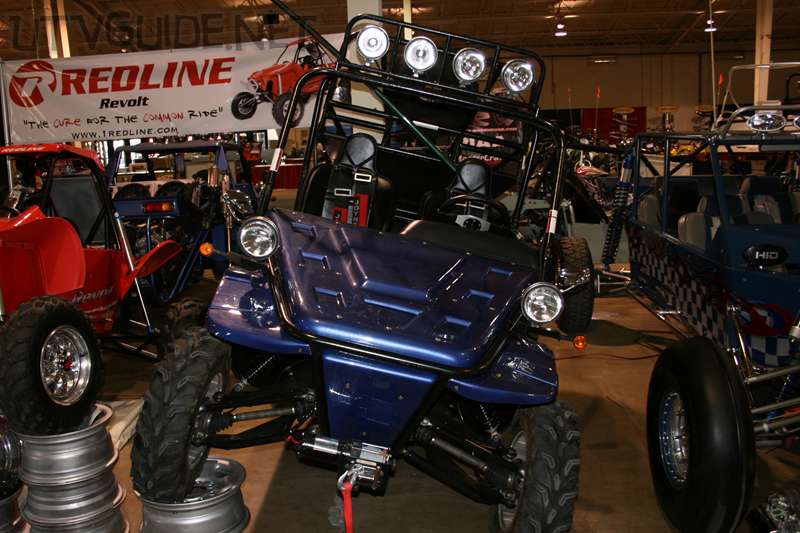
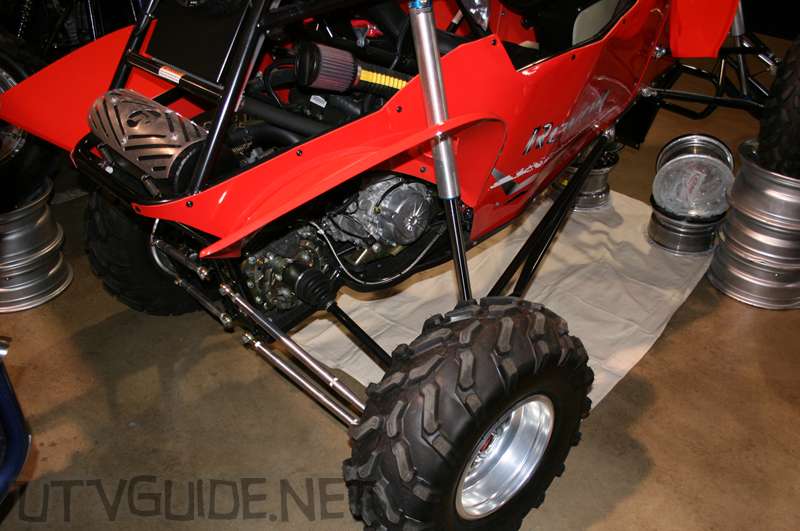
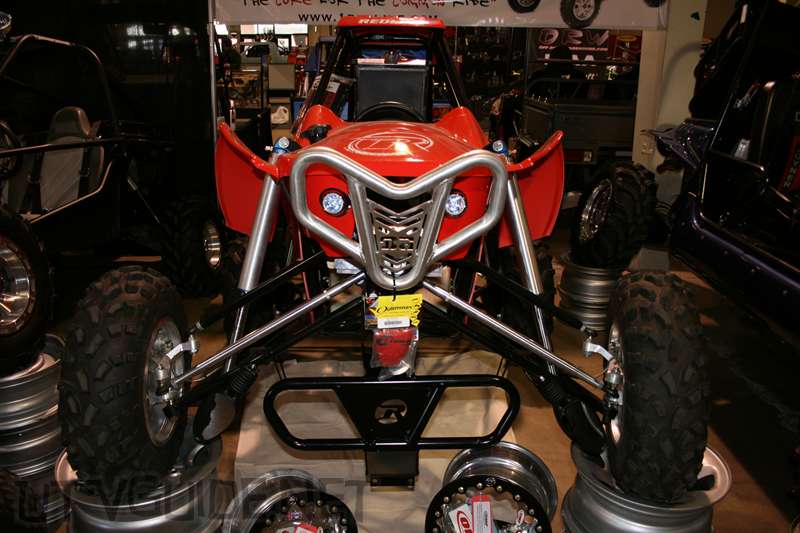
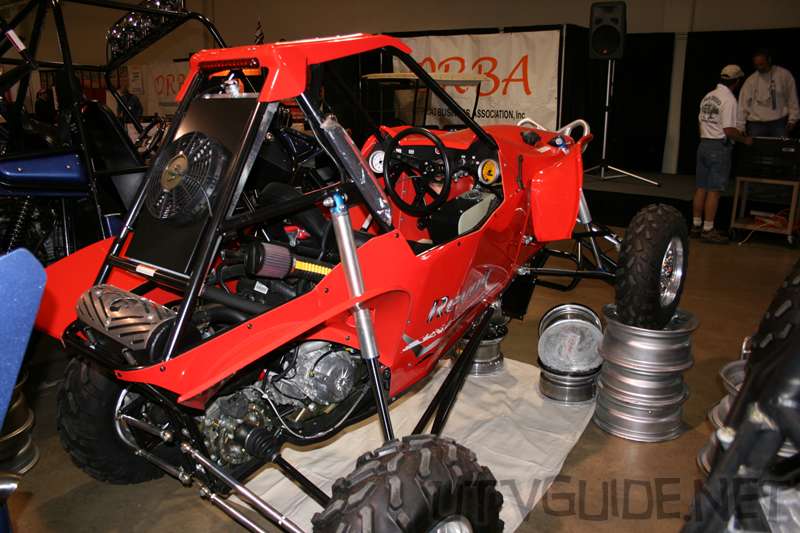
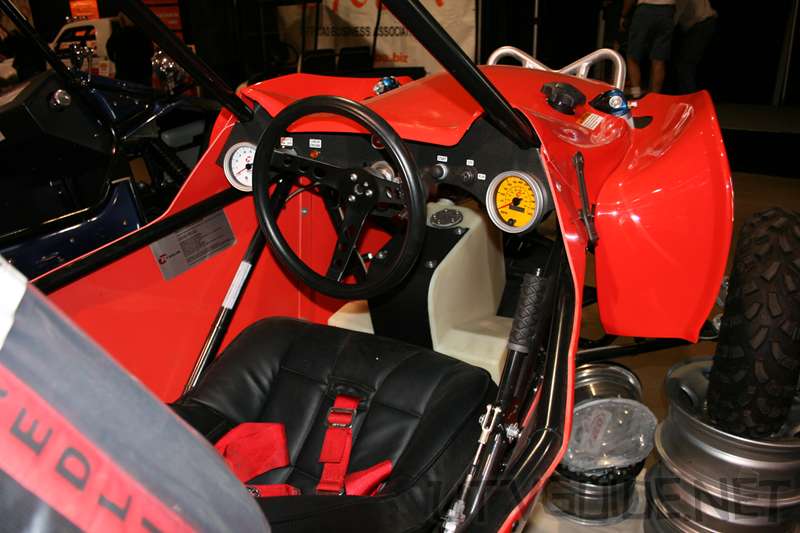
Among the vehicles on display were Joyner UTVs, Extreme Baja Karts, Redline machines and a variety of custom sand cars. Their presence illustrates how broadly manufacturers were interpreting the demand for compact off-road performance vehicles.

ORBA and Off-Road Access
The Off-Road Business Association brought together companies with a shared interest in preserving responsible motorized recreation. Roy and Nancy Denner were recognized at the show for their sustained work on behalf of off-road access and the businesses that depend on it.

The event demonstrated the connection between land access and the off-road industry. UTV manufacturers, parts companies, dealers and fabricators all depend on responsible access to places where customers can use the vehicles and equipment they purchase.
That advocacy mission remains relevant. In 2026, the organization announced an ORBA relaunch with expanded advocacy and stronger industry coalitions, connecting the organization’s original access work with current challenges facing motorized recreation.
Why the 2008 ORBA SuperShow Matters
Viewed today, the show provides a valuable snapshot of the UTV aftermarket near the beginning of the sport side-by-side era. The Yamaha Rhino was still the center of the customization market, but the Polaris RZR and Kawasaki Teryx were already attracting substantial development.
Many concepts displayed in 2008—including four-seat conversions, long-travel suspension, LED light bars, performance intakes, beadlock wheels and vehicle-specific cages—would become standard parts of the UTV aftermarket.
The changes were visible well beyond convention halls. The 2008 Jagged X Crash, held in the Imperial Sand Dunes shortly before the ORBA show, documented many of the same RZR, Rhino and Teryx trends being used in the dunes.
The ORBA SuperShow also complemented larger industry events such as the 2008 Sand Sports Super Show and 2008 Off-Road Expo. Together, these reports document an industry rapidly developing new vehicles, accessories and ways to use them.
This story is part of a pivotal period when the Yamaha Rhino aftermarket, Polaris RZR and Kawasaki Teryx reshaped the side-by-side industry. Explore the complete story in our history of the UTV industry in 2008.
Explore additional historical events and new-product coverage in the UTV events and shows archive.
ORBA planned to return to the Del Mar Fairgrounds for another SuperShow on February 7–8, 2009. However, the organization subsequently canceled the 2009 event, making the 2008 ORBA SuperShow documented here the final Del Mar show covered by UTVGuide.net.
Historical note: This article documents products and vehicles displayed in February 2008. Many of the companies, products and vehicle applications shown may have changed or been discontinued. Current availability and compatibility should be verified before purchasing used or new-old-stock components.