
| 9th Annual Off-Road Expo
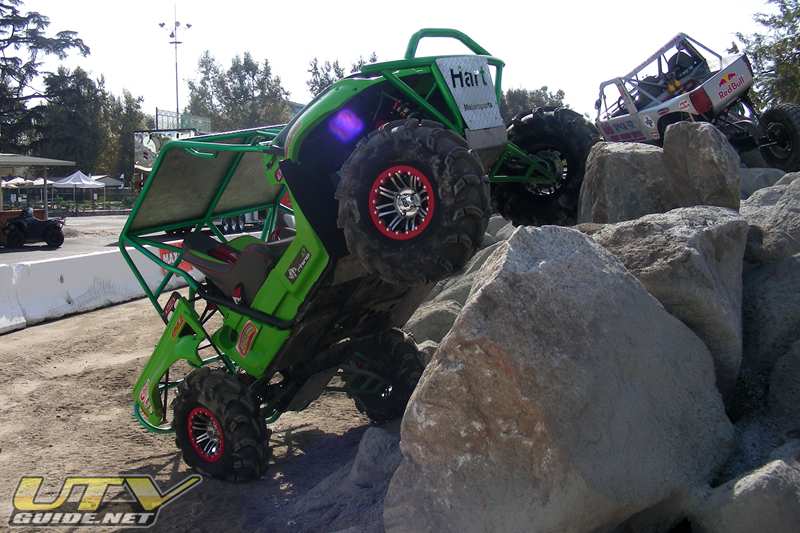
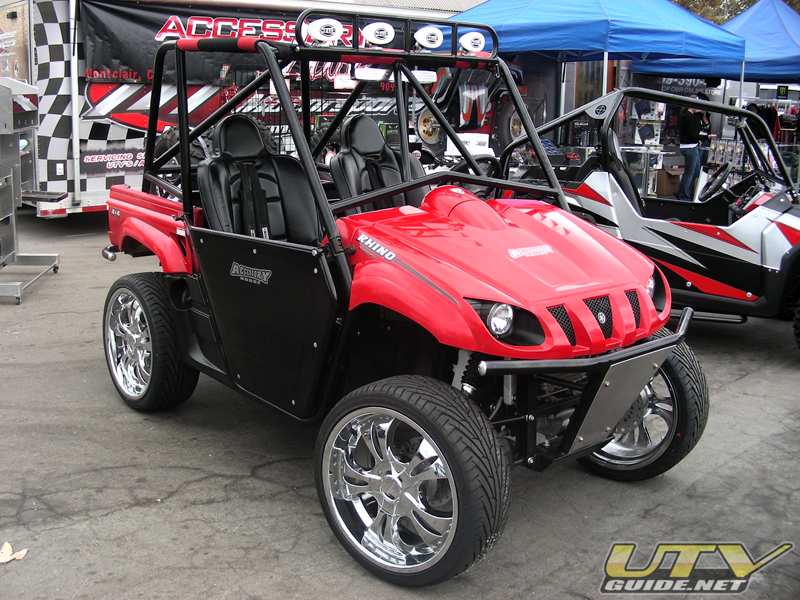
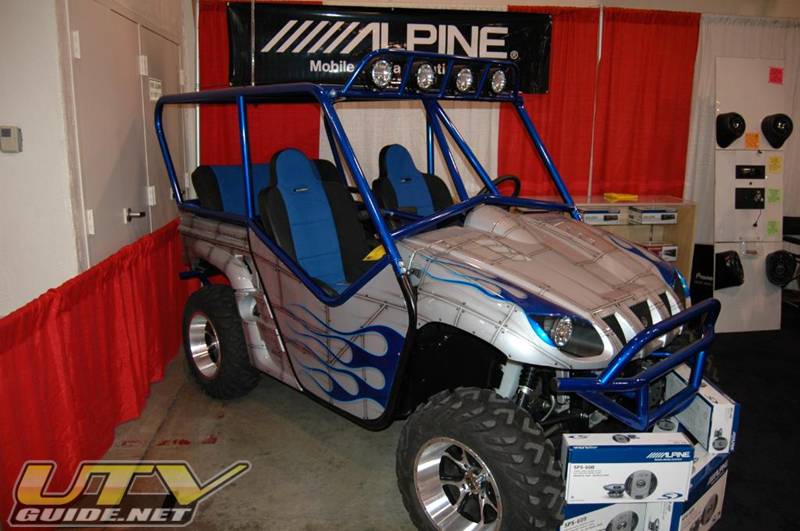
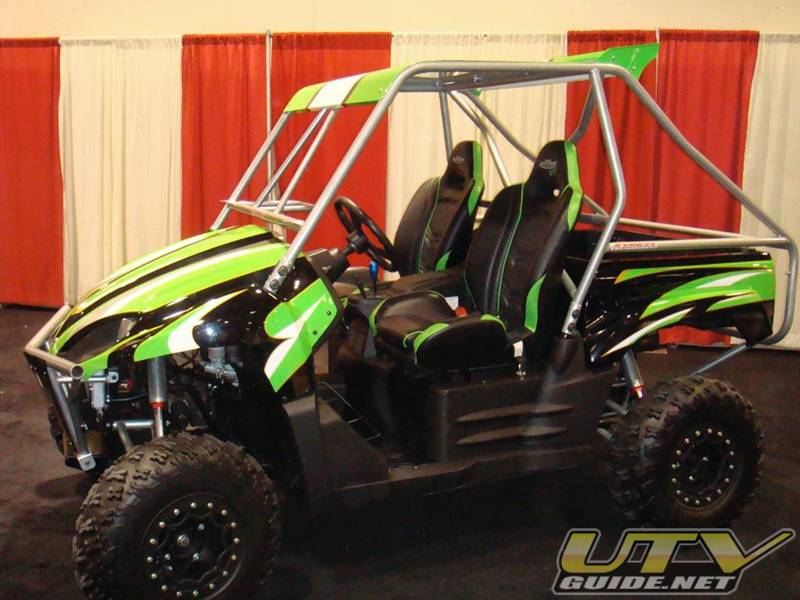
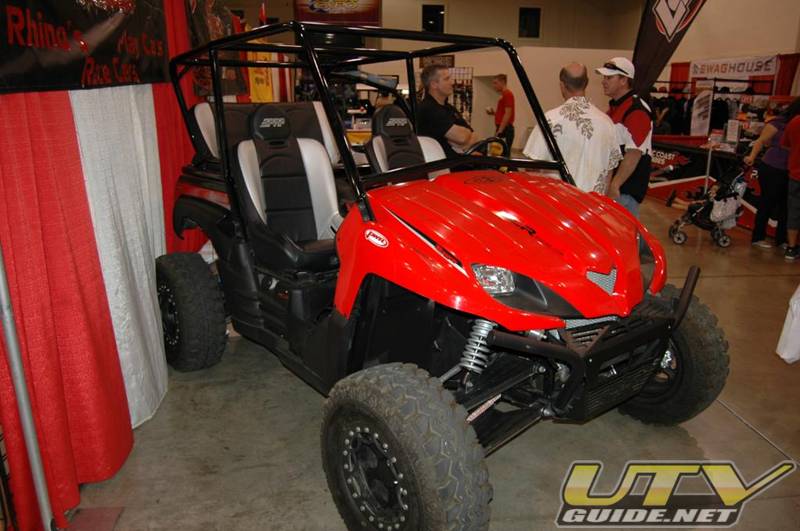
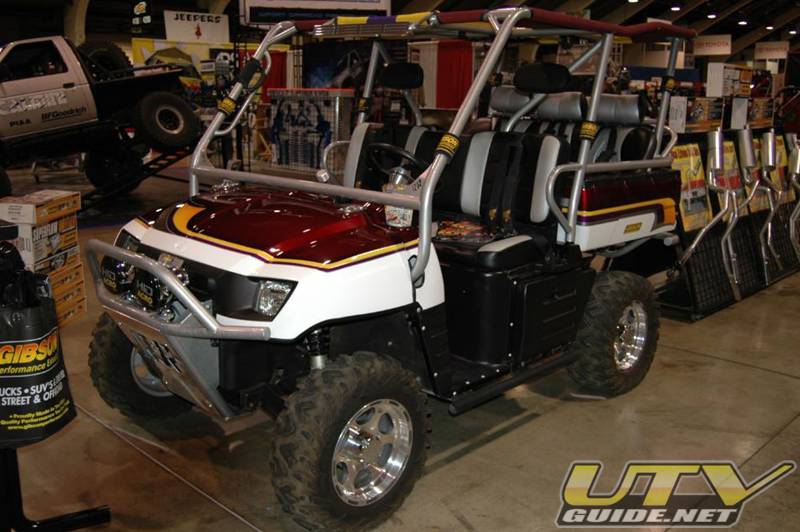
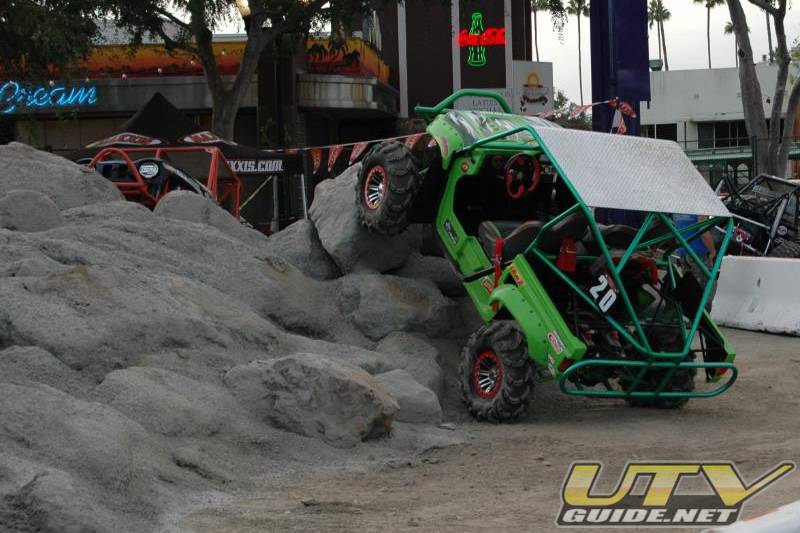
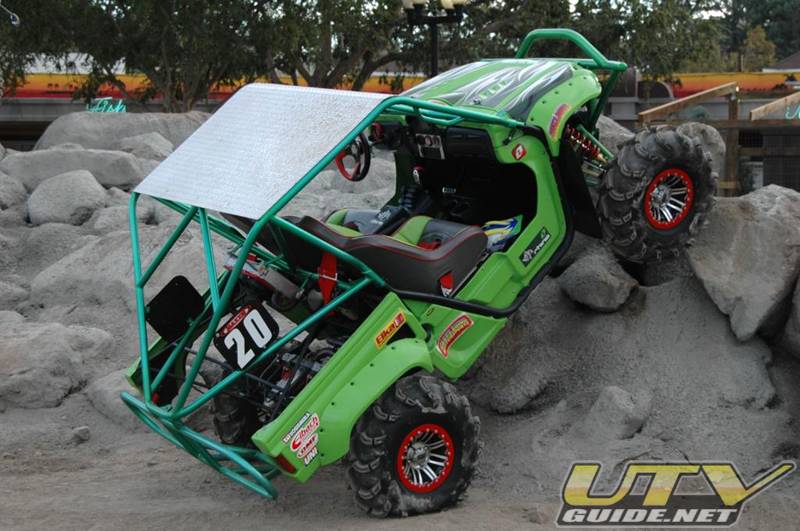
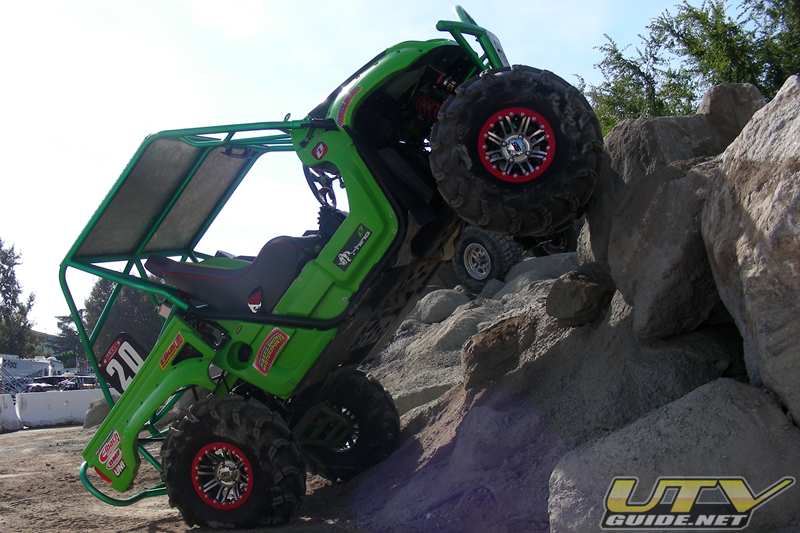
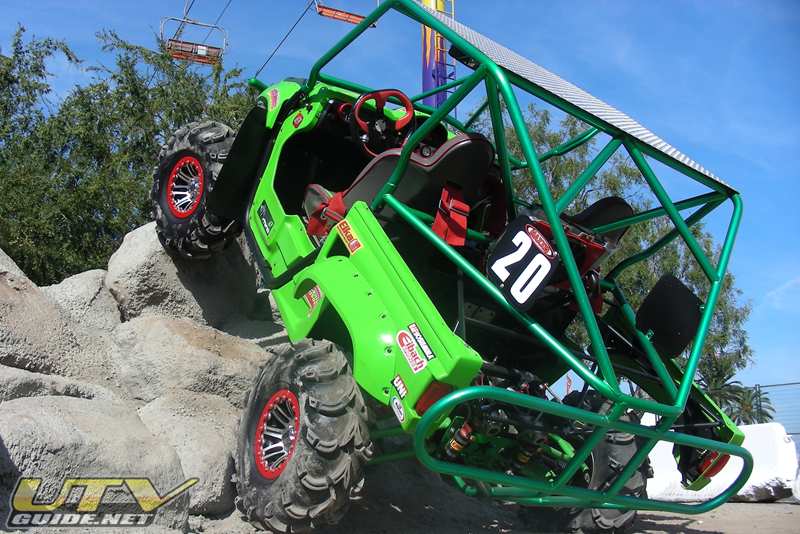
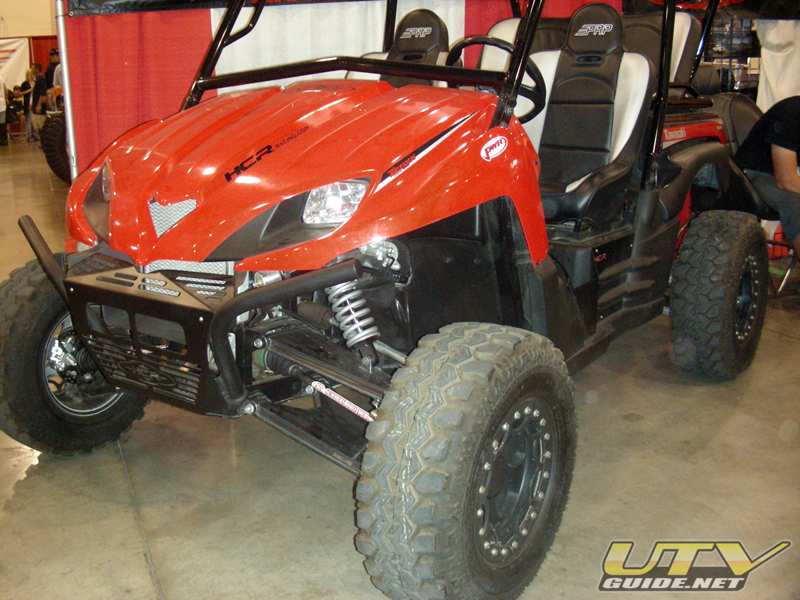
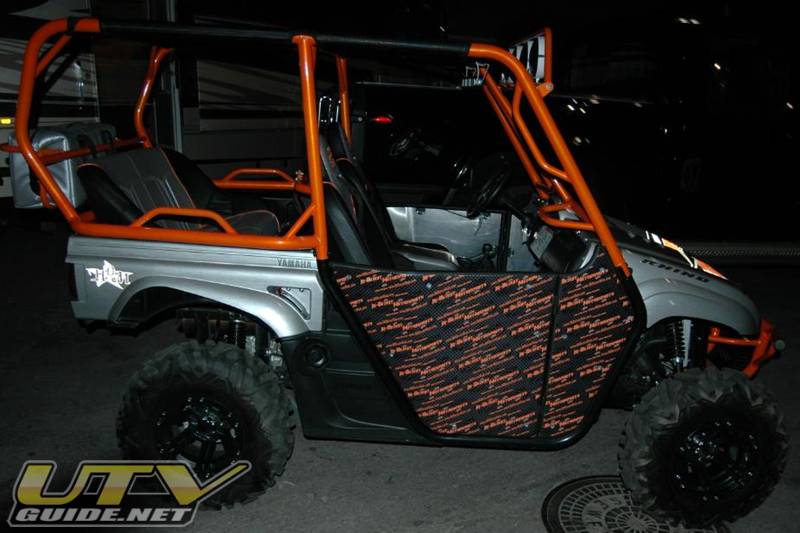
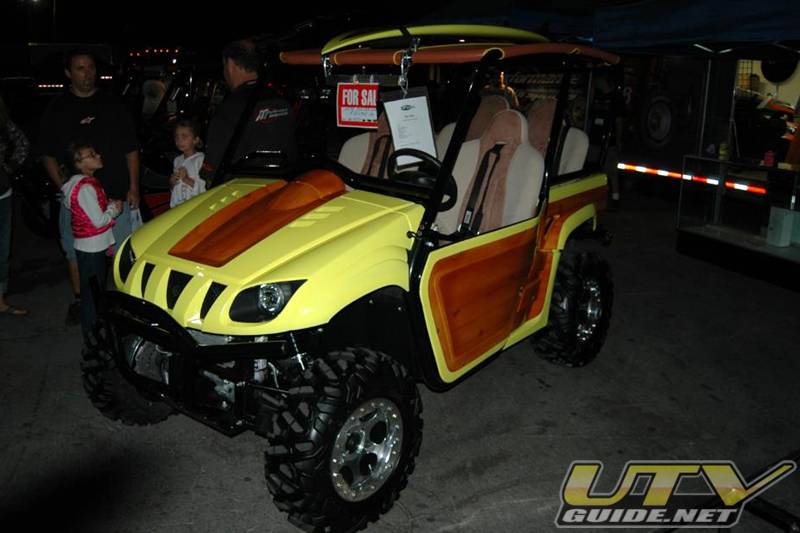
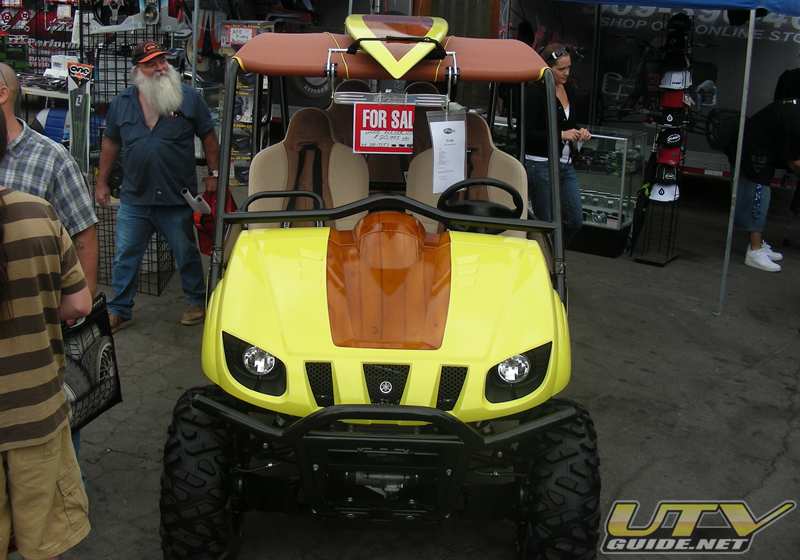
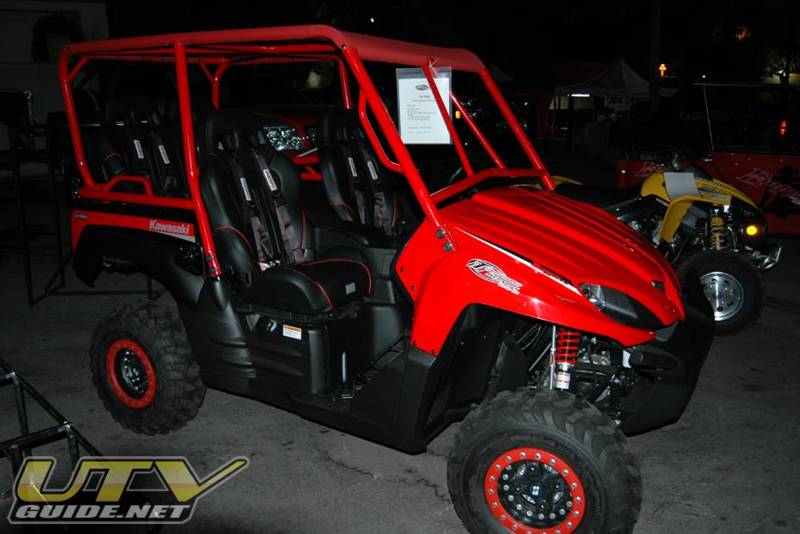
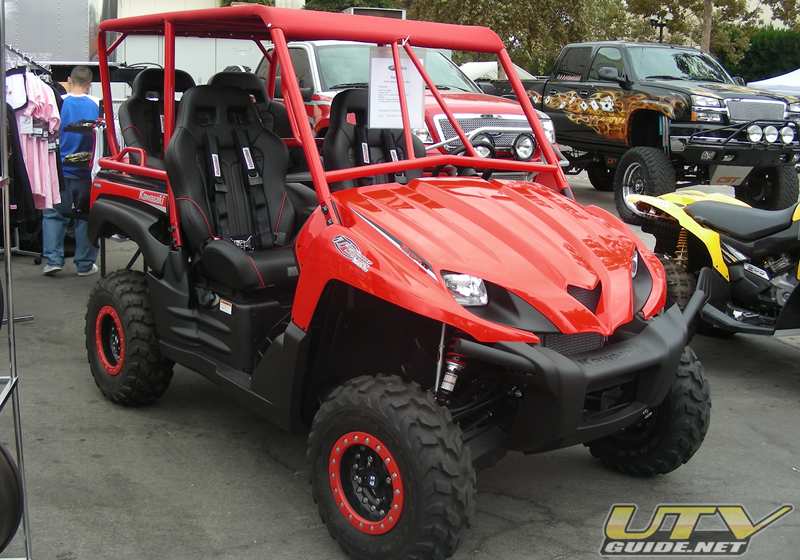
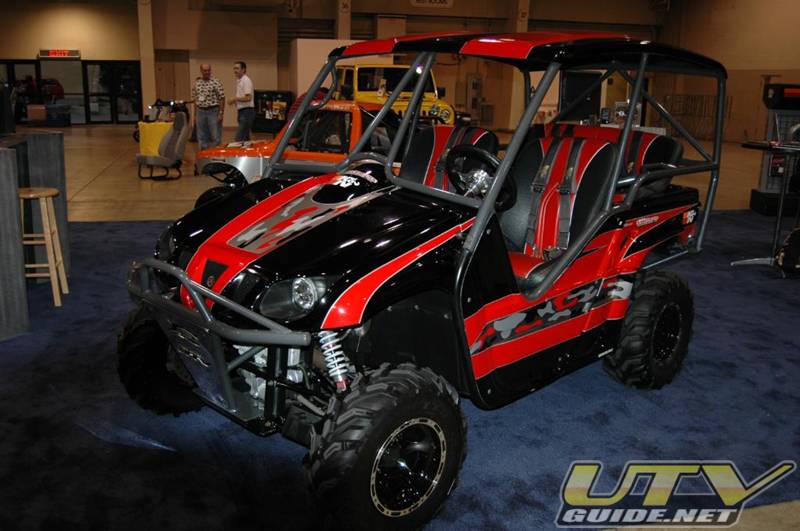
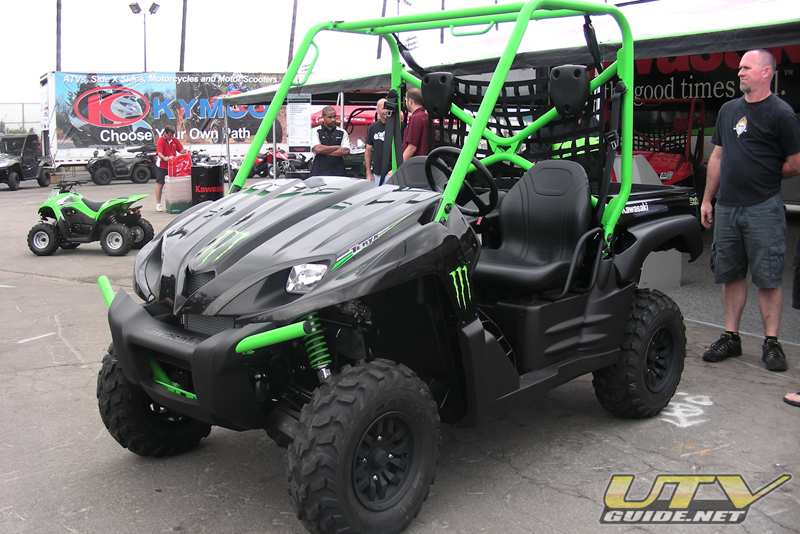
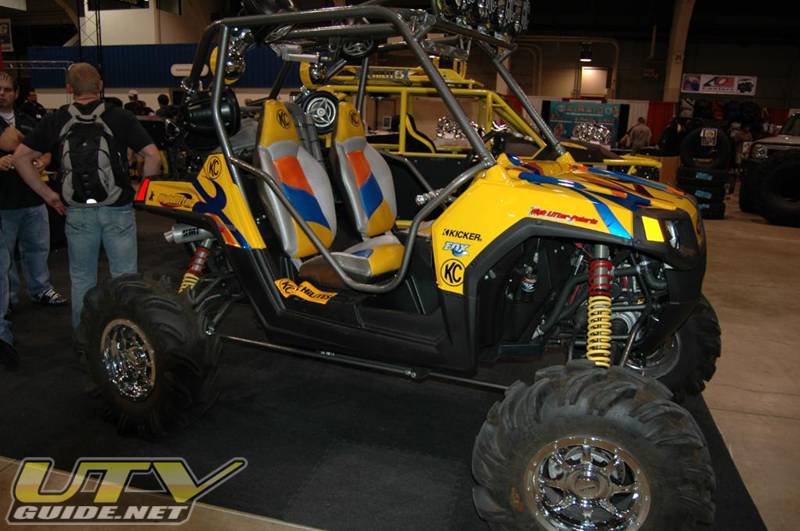
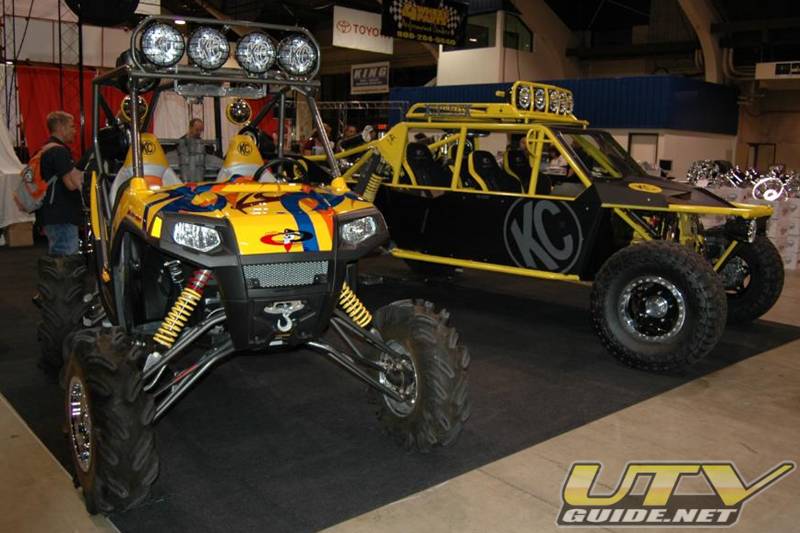
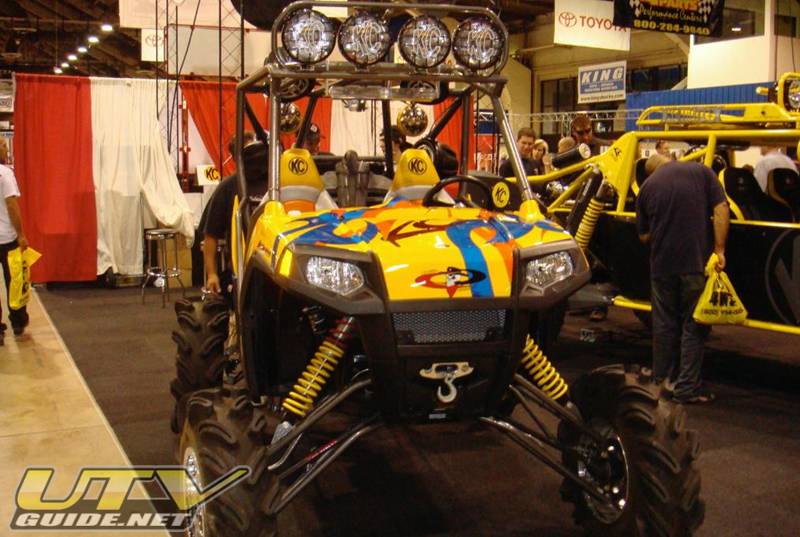
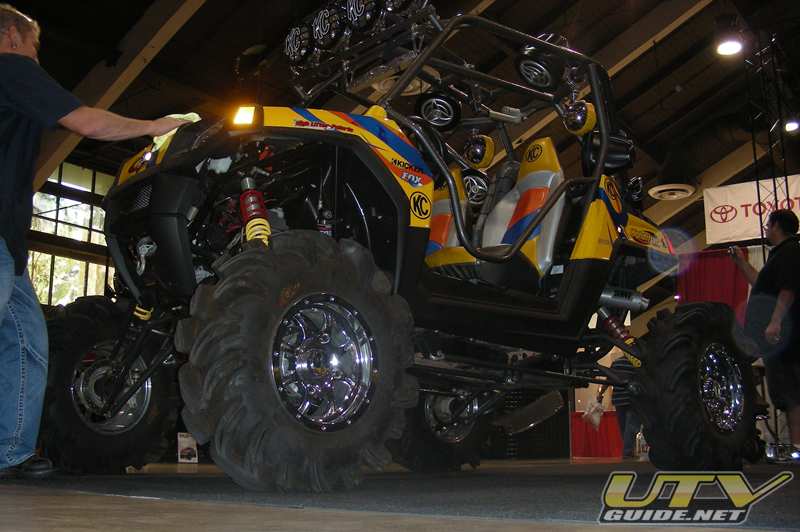
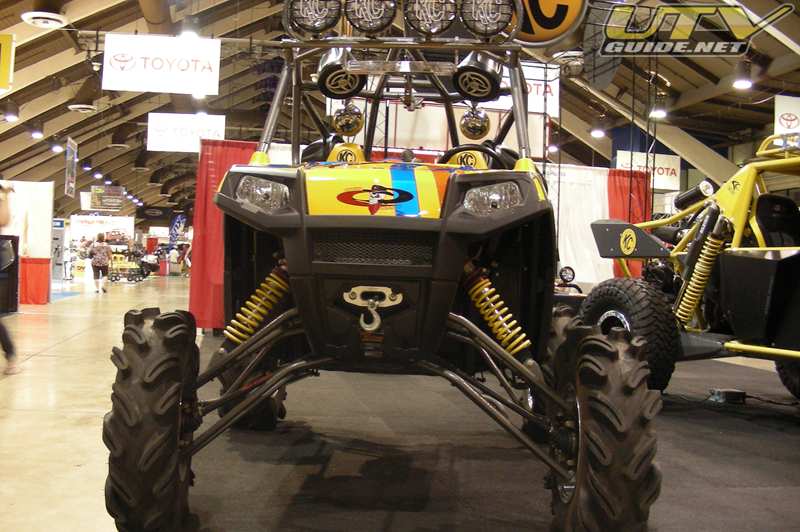
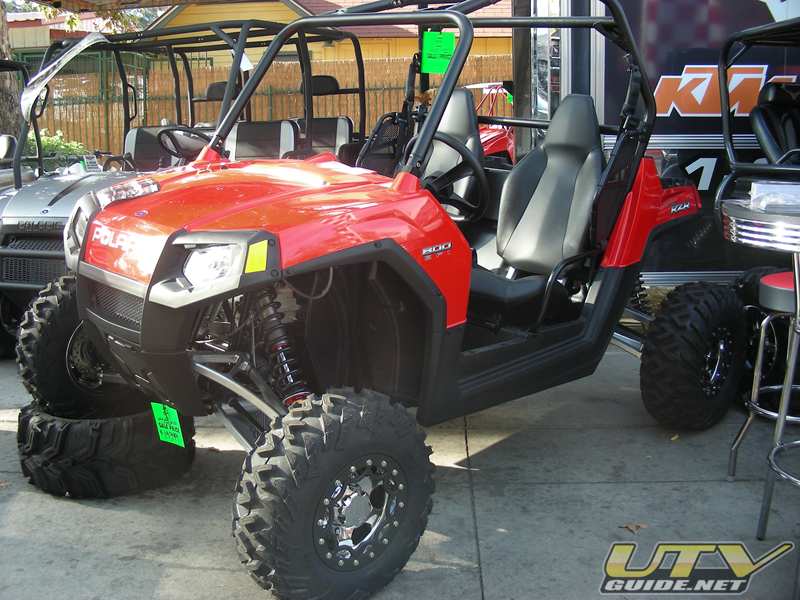
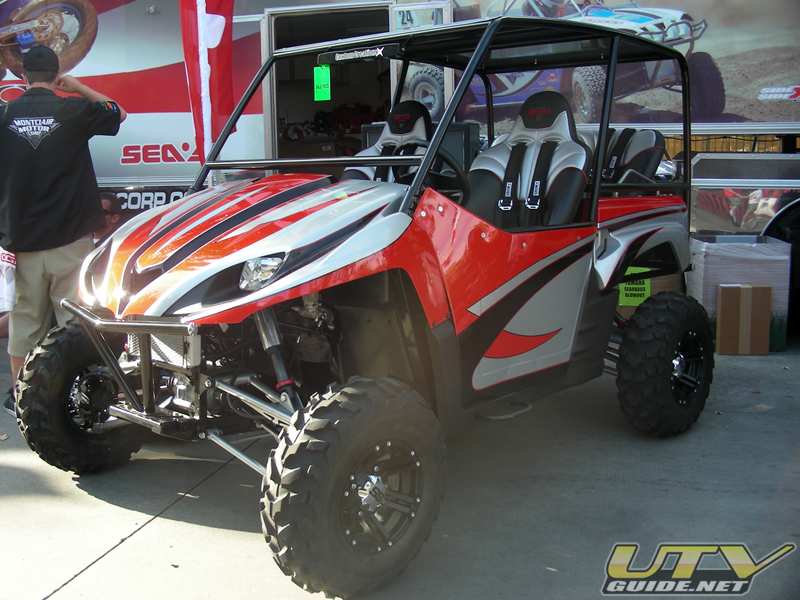
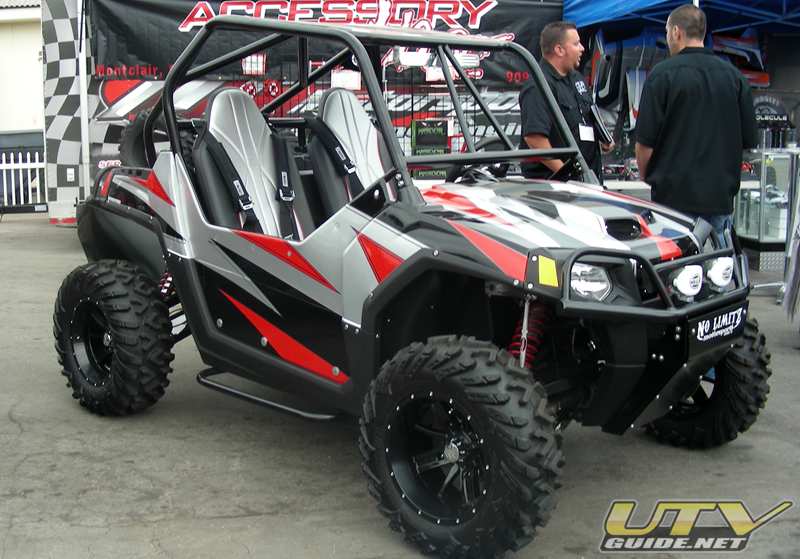
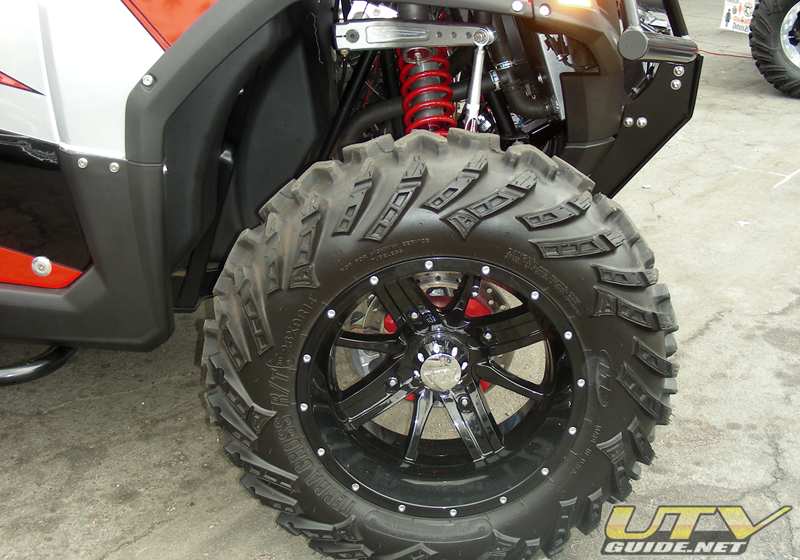
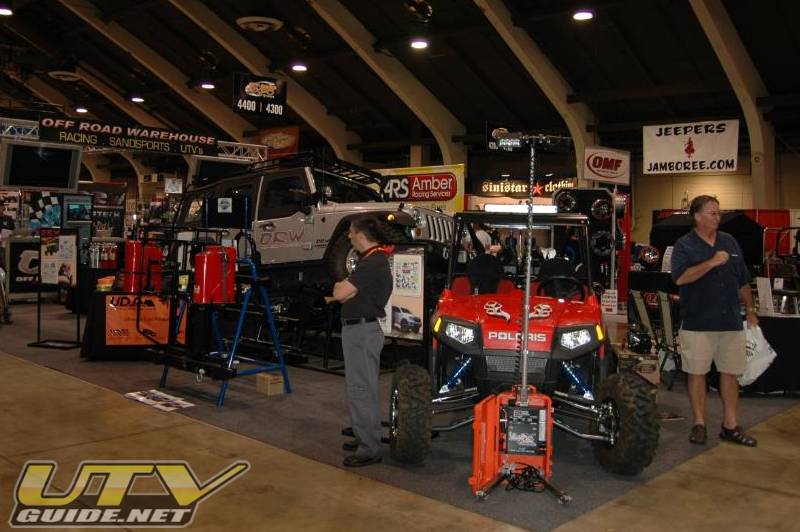
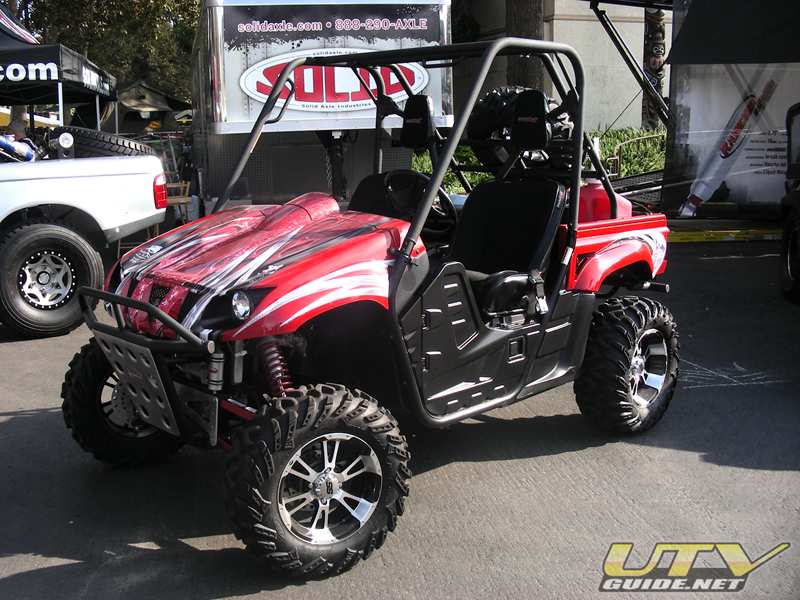
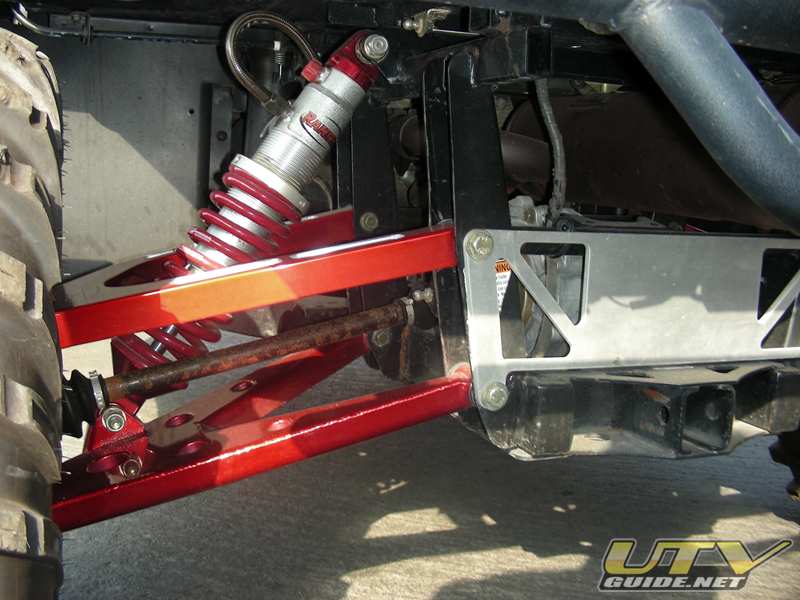
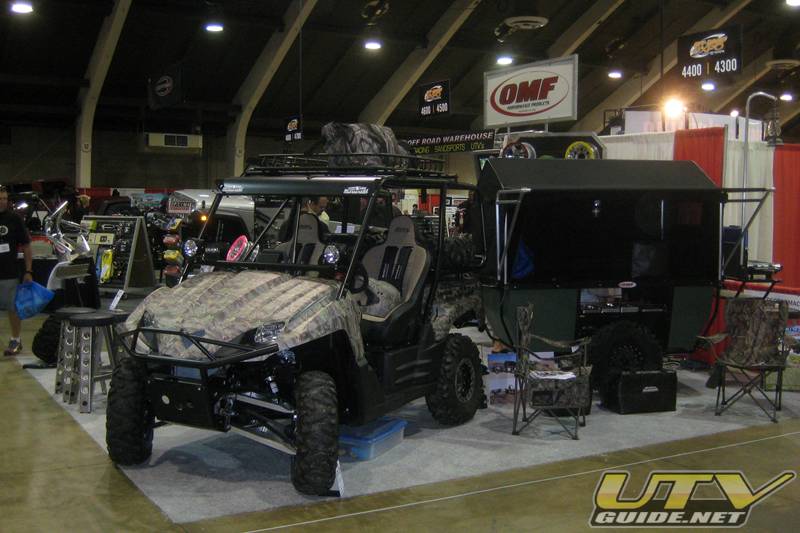
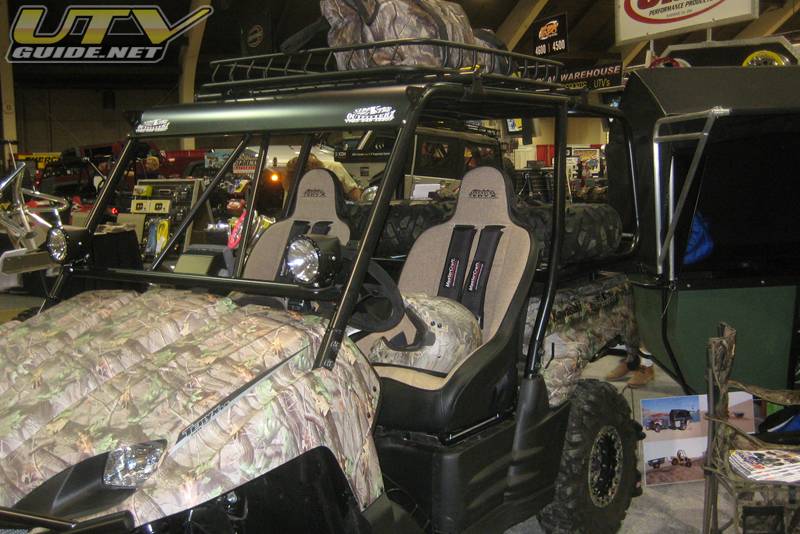
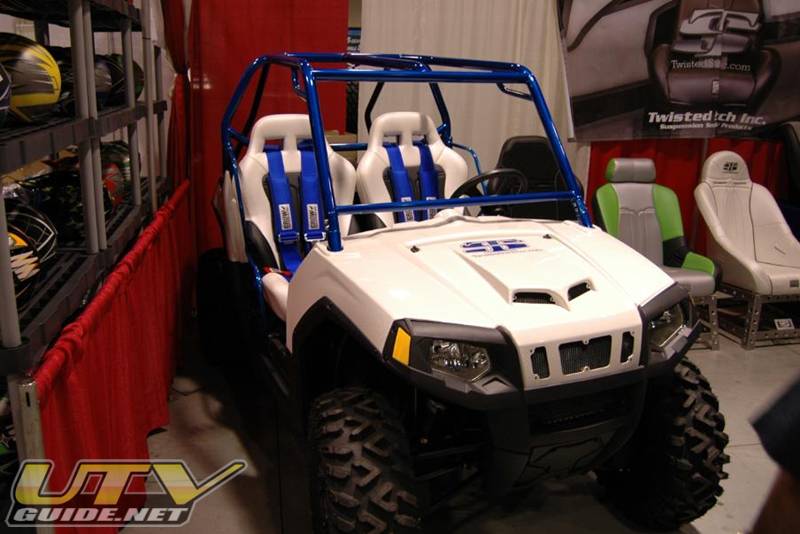
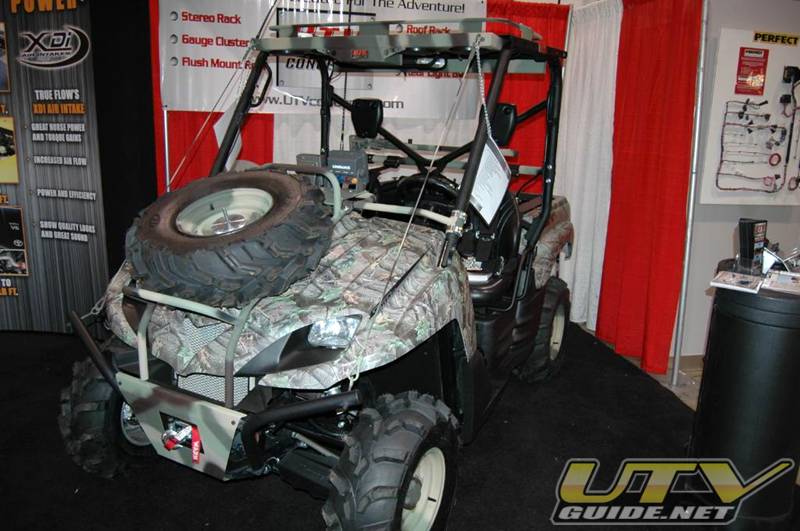
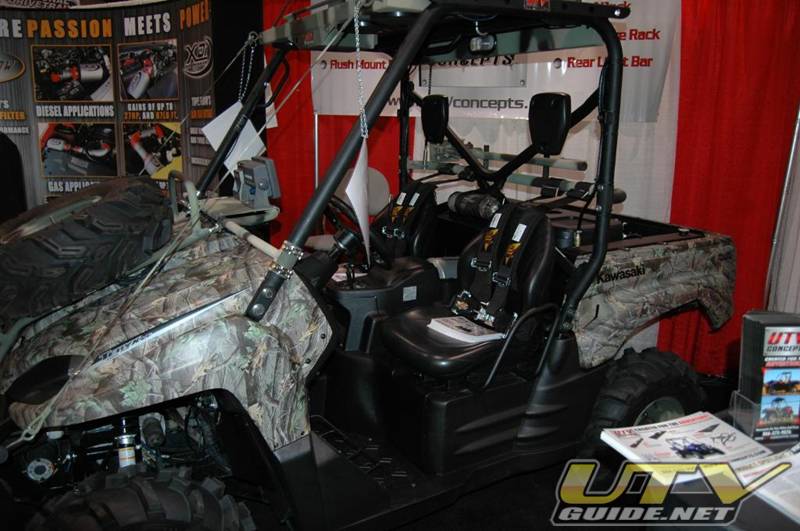
October 3 – 5, 2008 Side x Side Vehicles were definitely more popular at the Off-Road Expo in Pomona this year. UTVs at the 9th Annual Off-Road ExpoAccessory House
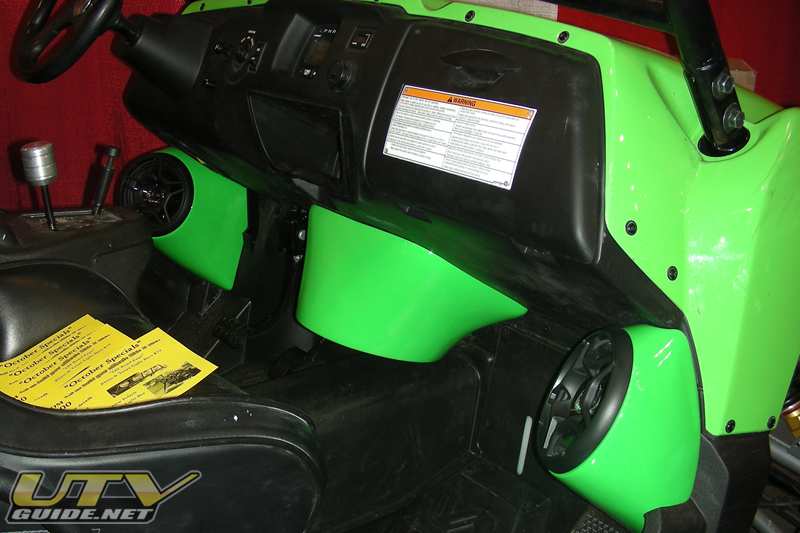
Arc Audio
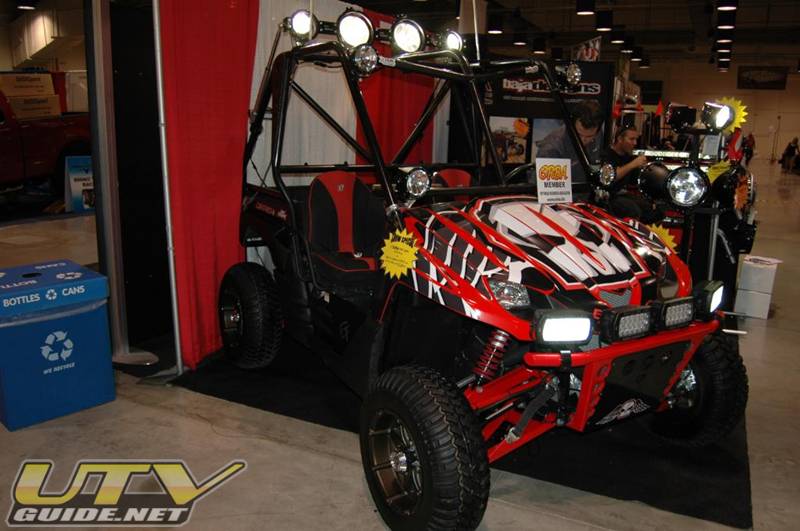
Baja Designs
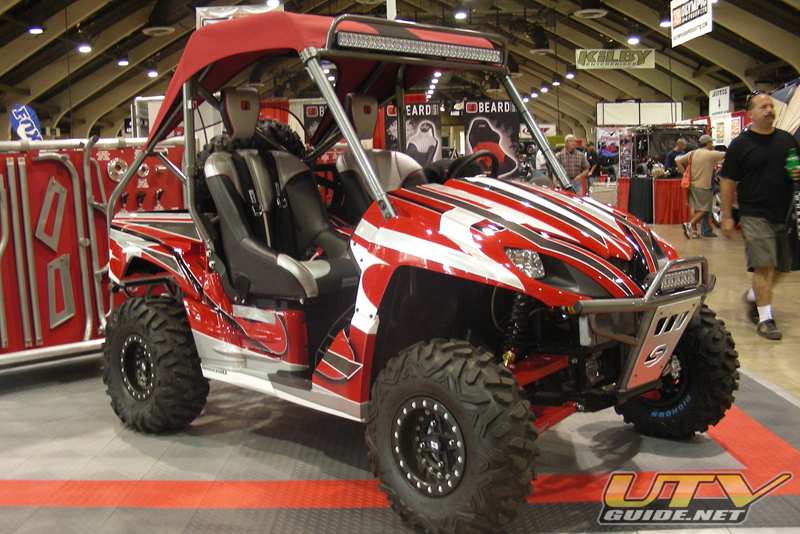
Beard / Redart
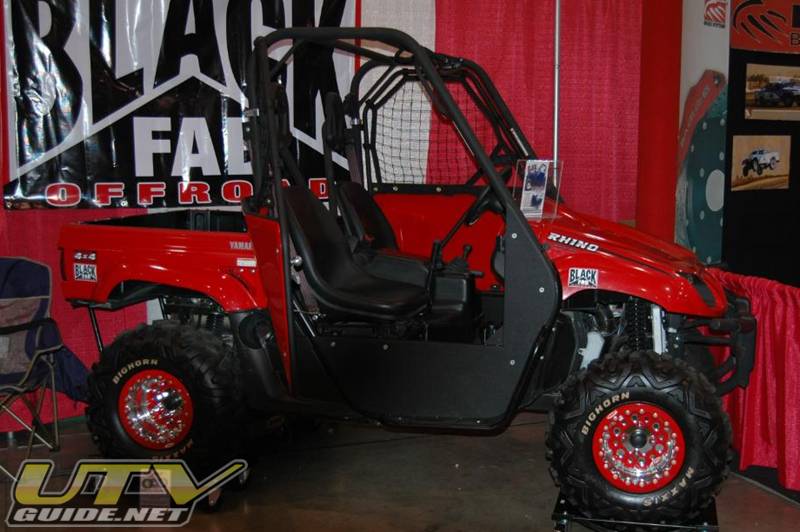
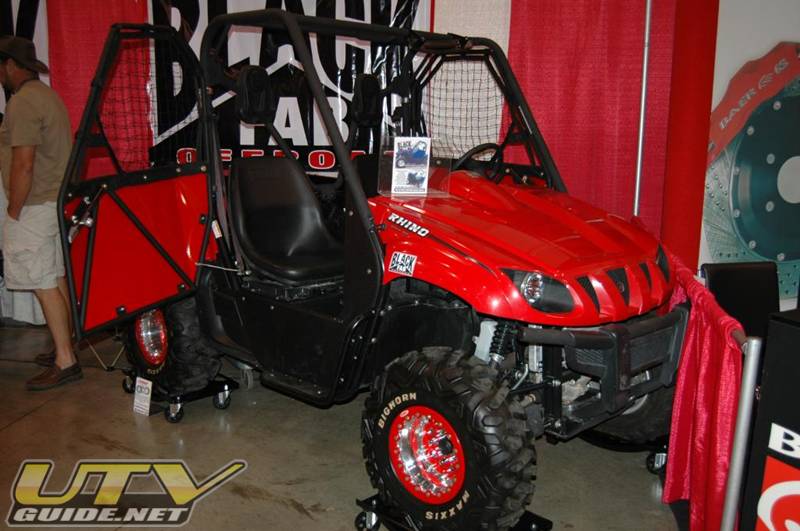
Black Fab
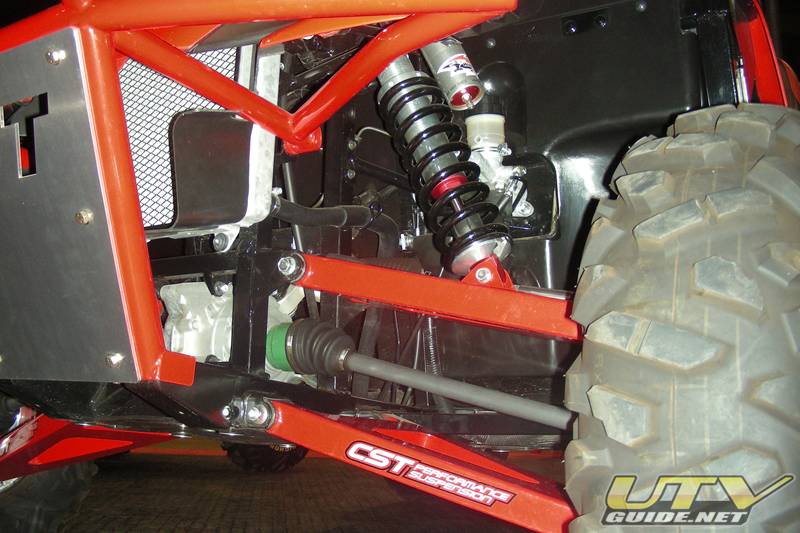
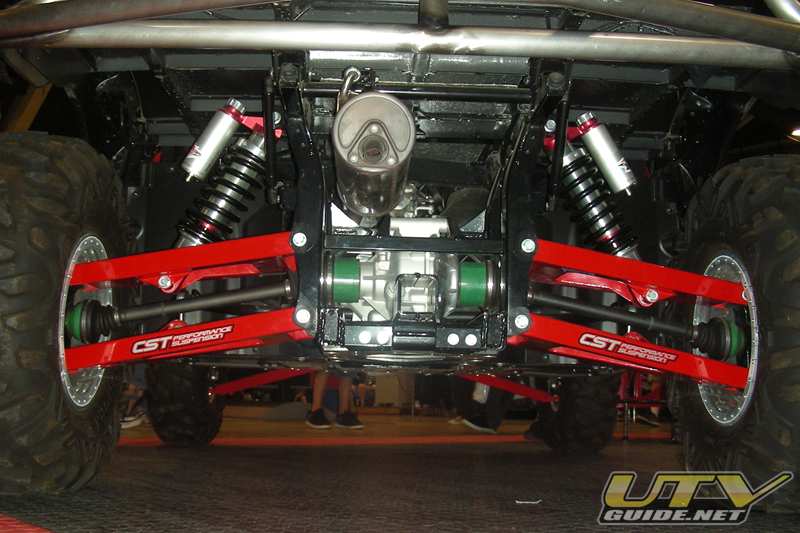
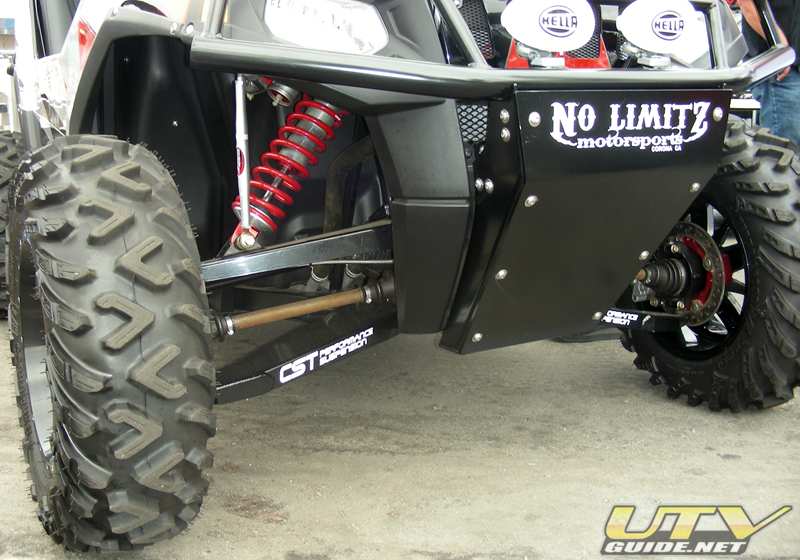
CST
Custom Creations
Eibach
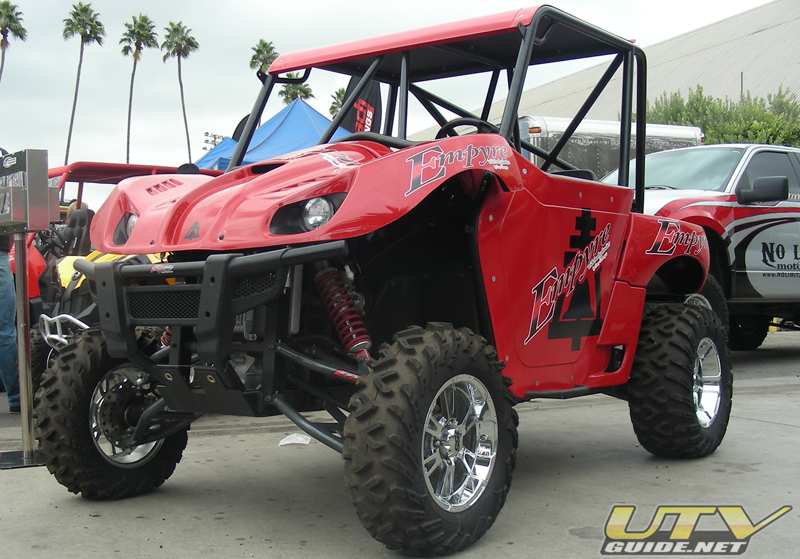
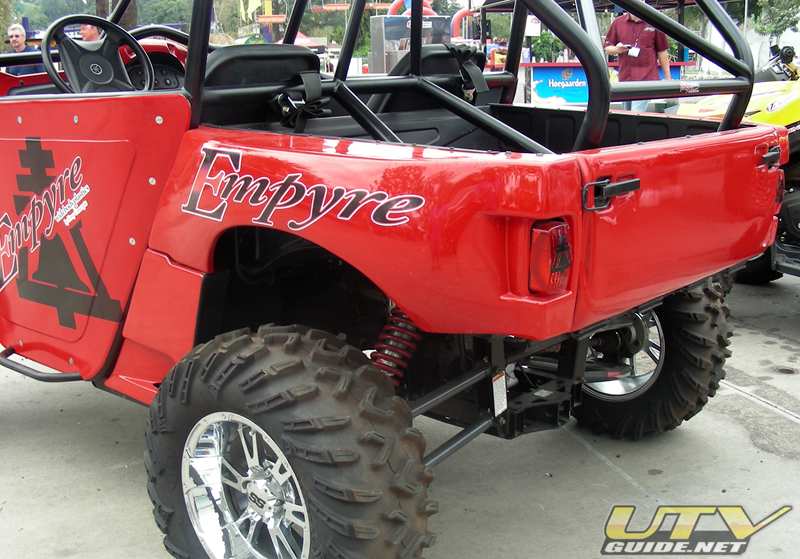
Envy Concepts – Empyre Widebody Plastics
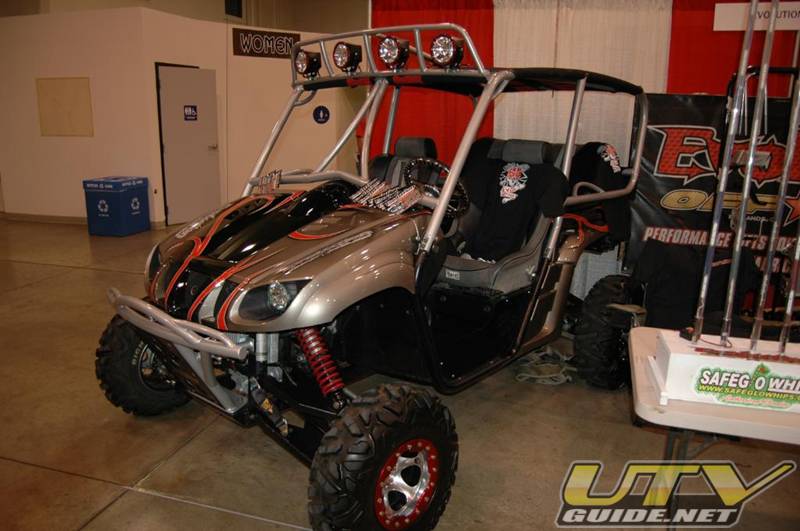
Evolution Off-Road
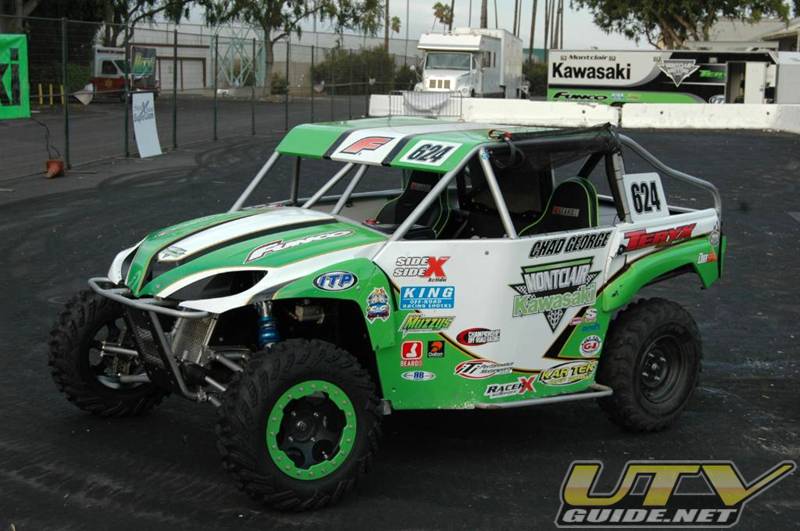
Funco UTV
Fusion Off-Road
Gear One
Gibson Performance
Hart’s Rhino Motorsports
HCR
Hi Dezert Motorsports
iTi Performance
K & N
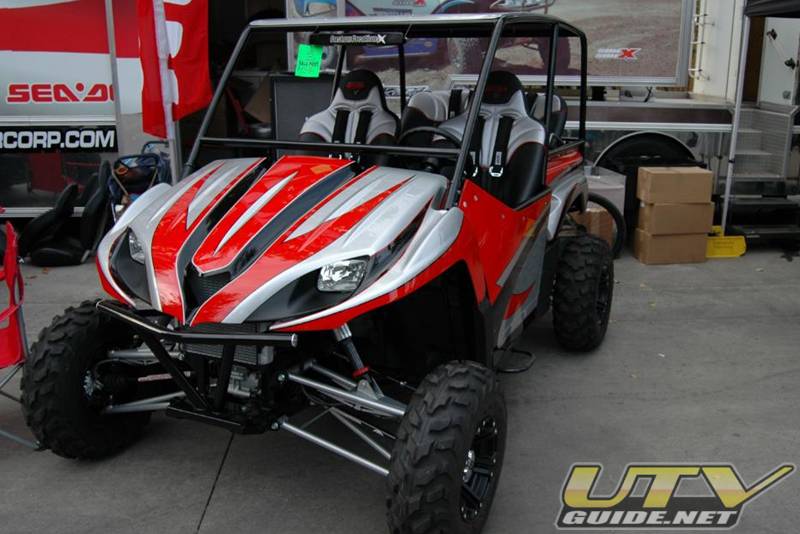
Kawasaki
KC
KMC
Montclair
No Limitz Motorsports
ORW
Rancho Suspension
Redline
Side x Side Outfitterz
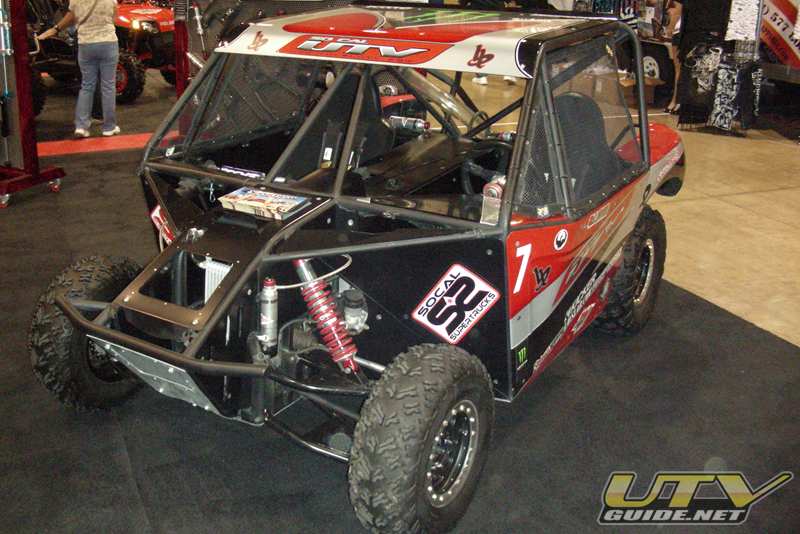
SoCal UTV
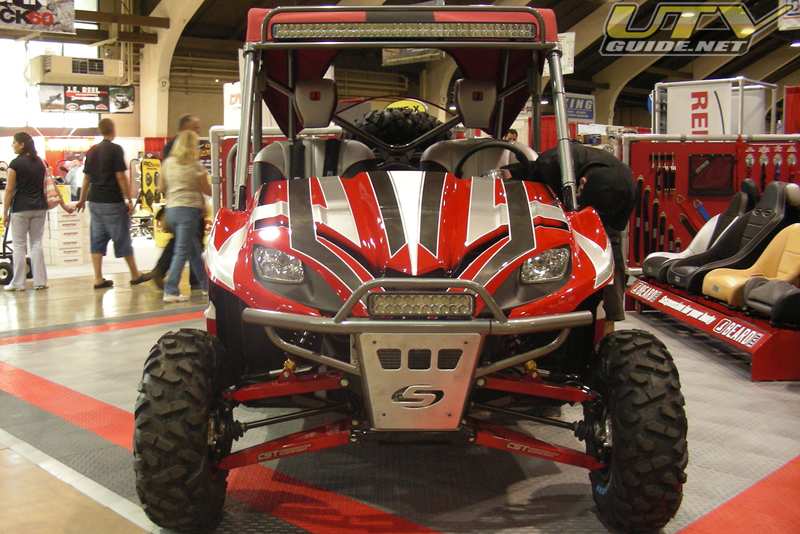
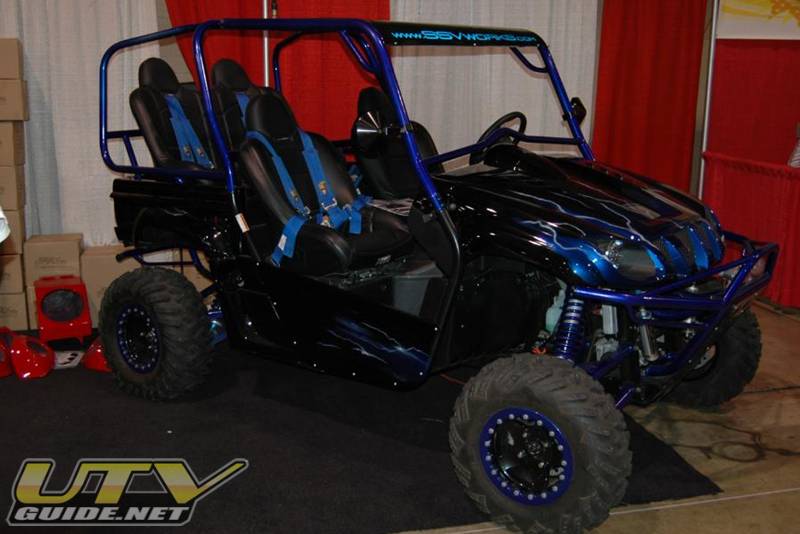
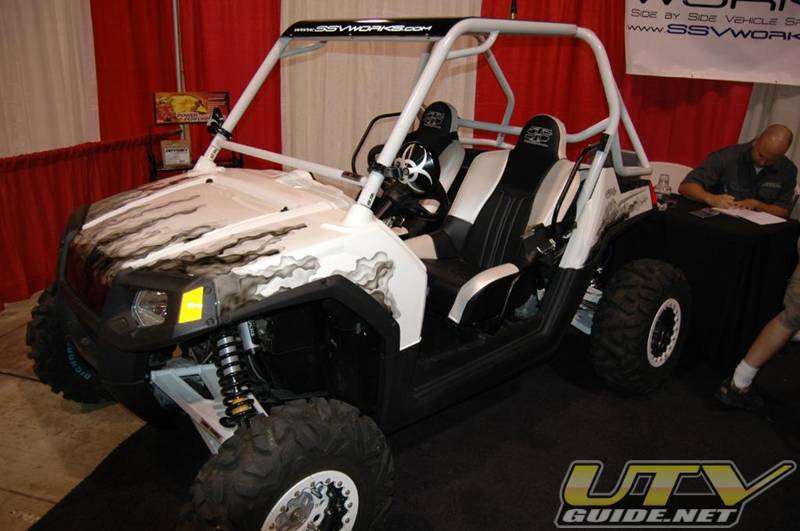
SSV Works
Twisted Stitch
UTV Concepts
Photos taken by Joey DiGiovanni and Paul Hart. Videos:
NATIONS LARGEST OFF-ROAD EXPO RETURNS TO POMONA POMONA, CALIF. (September 16, 2008) The 2008 Off-Road Expo presented by Toyota, the nations larger than life off-road consumer products show series, will invade the Pomona Fairplex Friday, October 3 through Sunday, October 5, with everything off-road including new vehicles, thousands of parts and accessories, on-site show deals, freestyle motocross action and more. Exciting new activities including photo shoot opportunities with the Off-Road.com Girls, live music and an enhanced Kids Zone will provide jam-packed entertainment for the whole family. New this year, the Expo will open one day early, on Friday, October 3, to allow more time for off-road fans to enjoy all the action in a fun, no-pressure environment! This years Expo covers more than 20 acres with all the latest off-road vehicles, parts, accessories and more, making it the place to come talk to industry experts, check out new vehicles and demonstrations and take advantage of special on-site show discounts on thousands of parts and accessories, said Show Director Tom Gattuso. The Expo is the best place for off-road lovers to share their passion with other enthusiasts, enjoy live entertainment and have fun. This years Off-Road Expo showcases all the latest off-road toys, technologies, parts, gear and accessories from more than 350 of the industrys leading manufacturers, dealers and distributors. In addition to the line-up of 4X4s, sand rails, ATVs, dirt bikes, rock crawlers, Side X Sides, Jeeps and accessories on display, the Expo will come to life with exciting entertainment features including: – World Debut of Side X Side Super Jam Drifting Exhibition The world premiere of this new competition from the founders of CalROCS and W.E.ROCK will feature thrilling Side X Side drifting demonstrations! Set in a figure-8 track, the competition mirrors what is done with full-sized vehicles but in Side X Sides. This heart-pumping, action-packed new series will showcase some of the best racers in the industry performing in multiple disciplines including rock crawling, rally-cross, drifting, sled pulls, boggs and more. – Dirt Alliance Dirt Lifestyle Showcase This exciting new outdoor zone is the perfect area for attendees to get together with friends, listen to live music, relax and socialize with other off-road fans. Electrifying live entertainment will rock the Expo with bands playing each day with names like The Pricks, Divide The Day, Inhale, Seenless and more. The area is jam-packed with entertainment including tunes from DJ Souless; tons of vehicles on display; a graffiti wall for attendees to snap photos; autograph signings from names like Kyle Leduc, Dan Vance and Austin Reed; and activities for the whole family to enjoy. – W.E.ROCK Rock Crawling Demonstrations Come out and watch an exhibition of professional crawlers, including world-renowned Tracy Jordan and Dean Bulloch, compete in head-to-head trials-type competition in four-wheel drive rock vehicles. W.E.ROCK demonstrations will allow attendees to get up-close and personal to this innovative sport. – Freestyle Motocross Action Freestyle motocross fans are sure to be thrilled and amazed by performances from the M.O.B. FMX Freestyle Motocross Team. Professional riders Ben Venya, Hal Strauss and 21-year-old back flip sensation Thomas Alves will launch more than 70 feet through the air while performing an arsenal of jaw-dropping aerial tricks that can only be described as amazing! Riders will dazzle attendees with their one-of-a-kind tricks to a heart pounding soundtrack. After each performance there will be autograph and photo sessions so fans of all ages can get up-close and personal with their favorite riders. – Toyota Off-Road Ride and Drive Off-Road Expo is home to a free Toyota FJ Cruiser, Tacoma and Tundra Off-Road Ride and Drive all weekend long. This ride and drive allows attendees 18 and older to get behind the wheel of an FJ Cruiser, Tacoma or Tundra where it belongs on the dirt! The experience lets drivers discover first-hand the quality and performance of these amazing off-road vehicles in a fun, no-pressure environment. Utilizing 5,000 yards of dirt and taking three days to build, this off-road course was designed to fully demonstrate the ruggedness of the models, as drivers maneuver over side berms, hills, rocks and more. – BF Goodrich $5,000 Shopping Spree All attendees can enter to win a BF Goodrich $5,000 shopping spree. BF Goodrich is THE tire for off-roading, with more than 20 consecutive Baja 1000 wins no other tire even comes close! The lucky winner will get to spend their BFG Bucks at 4 Wheel Parts the nation’s largest distributor of 4×4 parts and accessories for trucks, Jeeps and SUVs. – RC Racing Cen Racing showcases its dirt track with professional drivers taking their scale models of the vehicles they drive in real life through all the turns on a specially built RC course. Come check out the action and test your reflexes against pro drivers or just take one for a spin in between races to enjoy RC off-roading at its finest. – Off-Road.com Girls Youve seen them online at Off-Road.com — now you can meet them in person at the Off-Road.com Girls Photo Studio. The girls will be signing posters and posing for pictures in a complete photo studio set up on-site at the Expo. Attendees can get their photo taken with the girls and girls can even get photographed themselves! Photos taken during the show will be posted on Off-Road.com, making them easy to share with friends. – Kids Zone Back by popular demand is a special area just for kids filled with balloon artists, an inflatable obstacle course, prizes and more. This years Kids Zone will also feature a coloring area where you can pick up a free copy of The Coolest Off-Road Coloring Book Ever. Kids will be given all the tools they need to color a detailed outline of an ATV, monster truck, or dirt bike. – Special Appearance by Racer Ricky James Nothing keeps paraplegic rider Ricky James from the track! Although he was injured in a race three and a half years ago, Ricky still performs everything from back flips on a specially adapted two-wheel dirt bike to racing a NASCAR style truck with hand controls! This 20-year-old NASCAR-style truck racer from Murietta, Calif. will be in the SoCal Super Trucks booth all weekend sharing his story, greeting fans and signing autographs. Fresh out of training for this years Ironman Triathlon in Kona, HI, James represents the Life Rolls On Foundation, a non-profit organization comprised of inspirational individuals, coming together in the face of extreme adversity and changing the face of spinal cord injury. With special expanded days, the Off-Road Expo presented by Toyota will take place Friday, October 3, from 2 p.m. 8 p.m., Saturday, October 4, from 9 a.m. 6 p.m. and Sunday, October 5, from 9 a.m. 5 p.m. Held at the Pomona Fairplex, located at 1101 W. McKinley Avenue in Pomona, Calif., admission to the event is $12 for adults, $5 for children 6-12 and children 5 and younger are free. Tickets are available online atwww.offroadexpo.com $2 off discount coupons are available at AAMCO Transmission Centers, Firestone stores and participating off-road retailers. For more information and to purchase advance tickets, please visitwww.offroadexpo.com About Advanstar |





















No Comments