Mine-Made Paradise Adventure Park
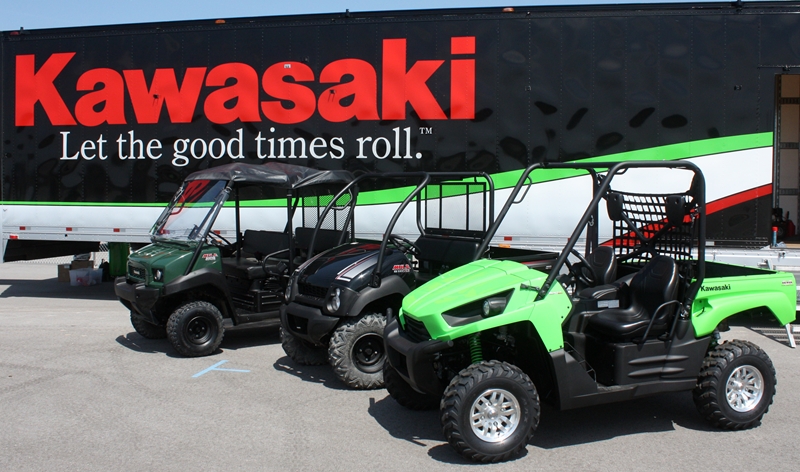
Kawasaki Mule Trans4x4, Mule 610XC, Teryx 750FI Sport
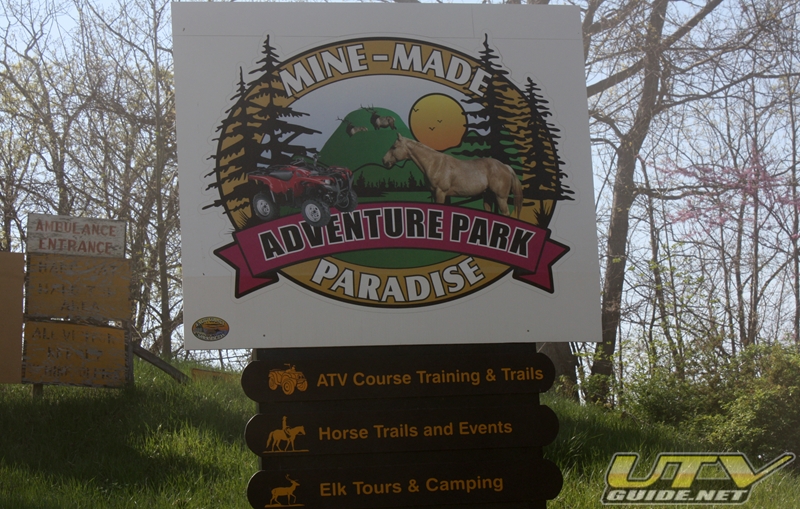
had the opportunity to check out a ride area in the heart of the Appalachian Mountains with Kawasaki. The Mine-Made Paradise Adventure Park has is slated to open in the Fall of 2010, but Kawasaki arranged to get us a sneak peak before the park opens.
Mine-Made Paradise sits on 43,000 acres of private land and will eventually have 200 miles of professionally designed trails for ATVs, Side x Sides and Motorcycles.
The park is also home to the Knott County ATV & Motorcycle Riding Training Center. This facility includes close course training ranges, a skills practice course as well as beginning, intermediate and challenge trails (more info atwww.kcrtc.com).
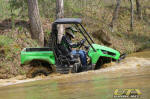
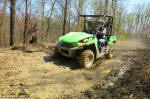
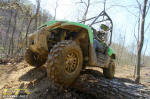
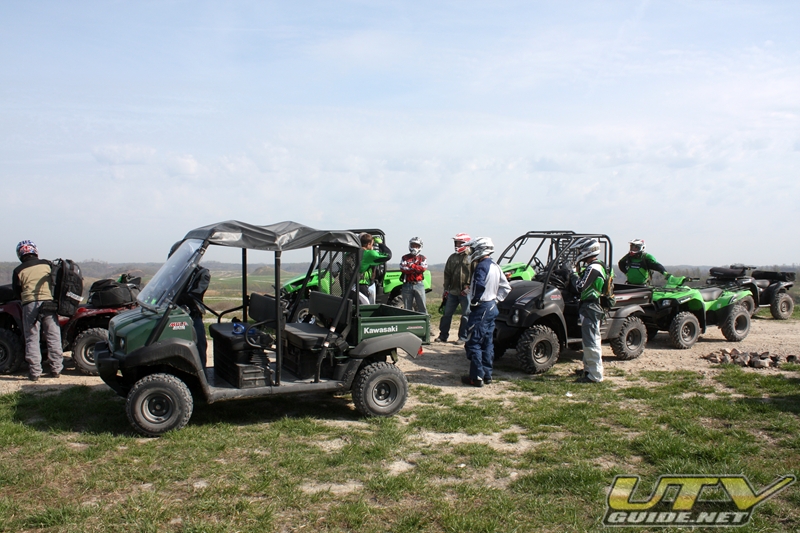
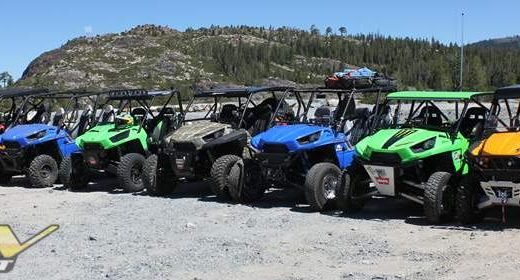
Kawasaki brought out three different UTVs for us to ride: Mule 4010 Trans4x4 Diesel, Mule 610 4×4 XC and the Teryx 750FI 4×4 Sport.
 We landed in Lexington Kentucky and drove about two hours to Hazard County to reach the hotel near the riding area. Mine Made Paradise Adventure Park is just a short drive over into Knott County from the hotel. The park is a public/private partnership that is owned and operated by Knott County but lies on reclaimed coal mine property. At launch next year, the site will have a 200 mile trail system that will also join up with the Breathitt County trail system. We landed in Lexington Kentucky and drove about two hours to Hazard County to reach the hotel near the riding area. Mine Made Paradise Adventure Park is just a short drive over into Knott County from the hotel. The park is a public/private partnership that is owned and operated by Knott County but lies on reclaimed coal mine property. At launch next year, the site will have a 200 mile trail system that will also join up with the Breathitt County trail system.
The terrain at the park have deep valleys and hollows and also wide open prairies. The area is perfect for Elk and although we did not see any the day we rode, we were told that the population in the area is huge.
Most of the trails are old gas well access roads turned into ATV/UTV trails. All trails are two-way, and they are also cutting in 32 miles on single track and some new ATV/UTV trails that are real narrow.
It is a breath of fresh air to travel somewhere in the U.S. where a new riding area is being opened instead of shrinking or closing altogether. This area of the country is filled with old coal mining operations, and the recovered land is perfectly suited to creating off-road trail systems that attract visitors to the area. With some careful planning, the Mine Made Adventure Park will not only link up with the trail system in Breathitt, but also tie in with the Hatfield-McCoy trail systems in West Virginia. Now we are talking! I can only imagine a week-long UTV ride through several different trail systems. Only thing missing is access to town for a hotel, some food and supplies. Local politicians and business owners have been helping to push this project forward and promote the park, as they are sharp enough to recognize the financial benefits to the local community. Hopefully they will figure out a way to have access to nearby towns to encourage multiple-day trips without having to trail point to point.
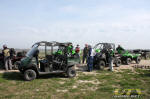
Kawasaki not only organized this sneak peak of the soon to be open off-road park, but they brought along several utility vehicles for us to drive – the 2010 Mule 4010 Trans4x4 Diesel, the new 2010 Mule 610 4×4 XC and the 2010 Teryx 750FI 4×4 Sport.
I have had the opportunity to own and drive many different Teryxs and always have fun jumping behind the wheel to go fast or just tool along and enjoy the scenery. I have had limited time driving a Mule 4010 Trans4x4 Diesel and no time with the Mule 610 4×4 XC.
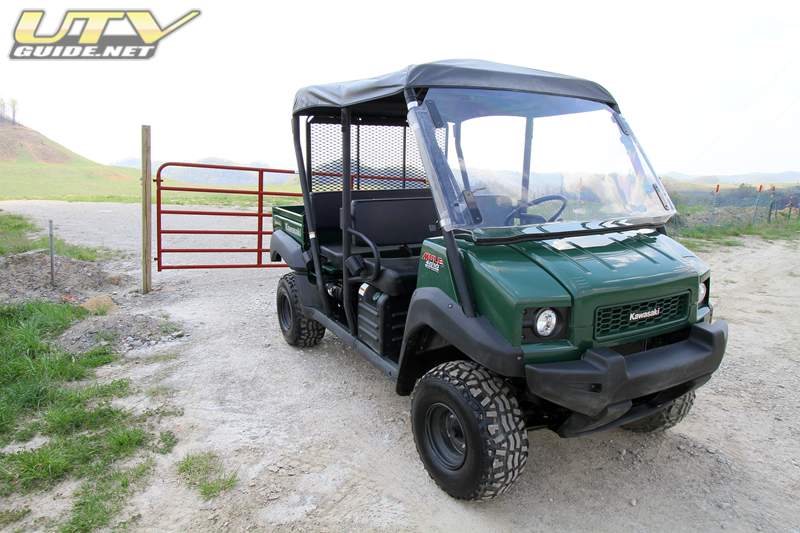
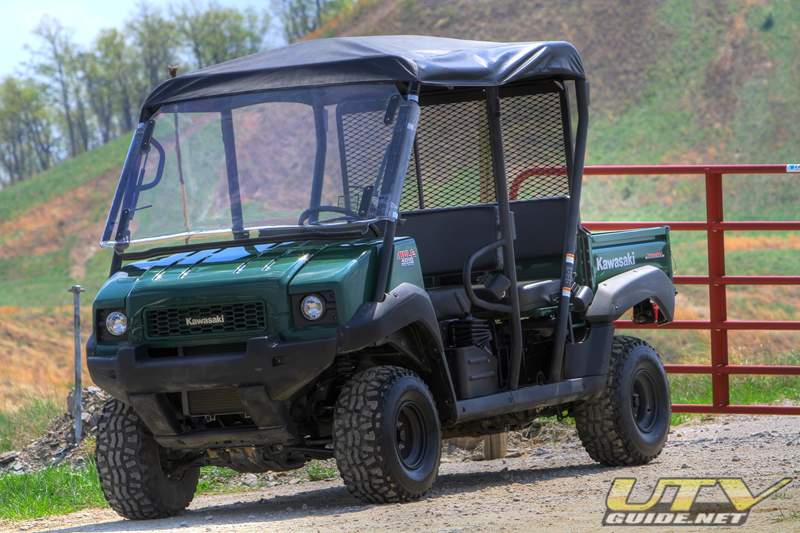
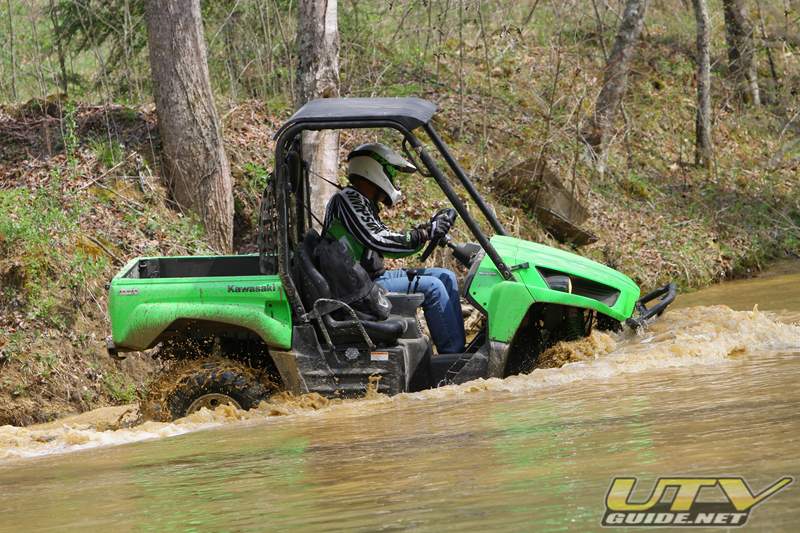
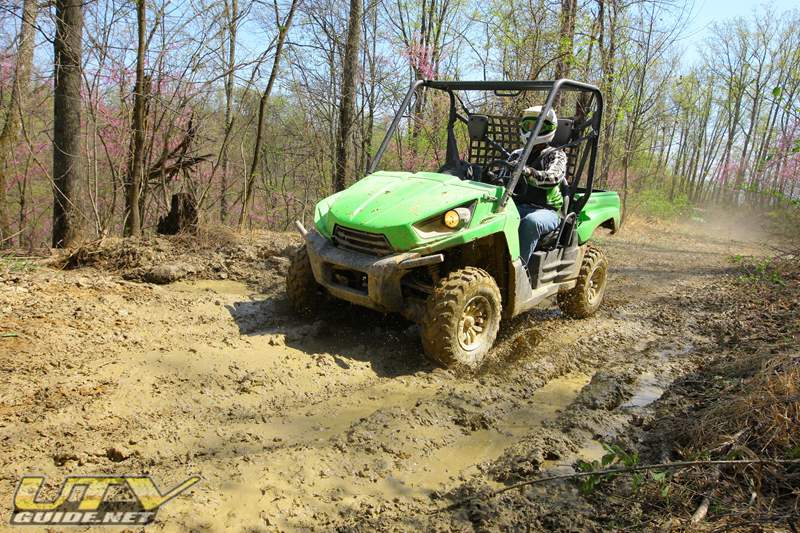
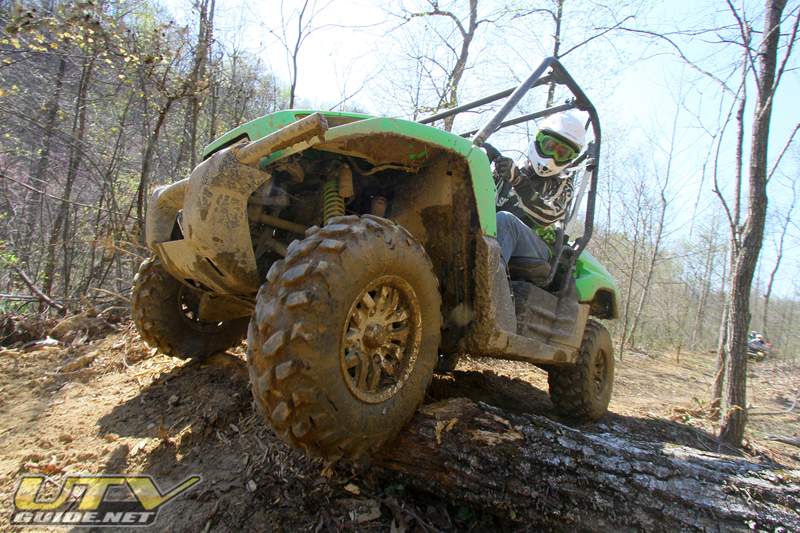
This type of terrain is well suited for the Teryx. Sport suspension and a powerful v-twin make it a natural. But I was a bit skeptical especially about the Trans4x4. I was actually most surprised with how well the Trans4x4 did on the trails as this thing shouts WORK! With a 953cc, three-cylinder diesel and a rear bench seat that quickly converts from a 4 seater with a small bed to a 2 seater with a large bed, this Mule is more designed for a construction site than exploring trails. I was thoroughly impressed with how well it did. Although it is speed governed to about 25 MPH, its big diesel has tons of torque and smooth power delivery. Put it is 4×4 and it crawls like a billy goat.
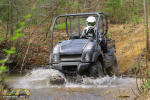
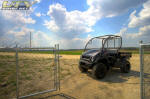
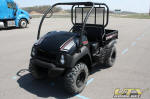
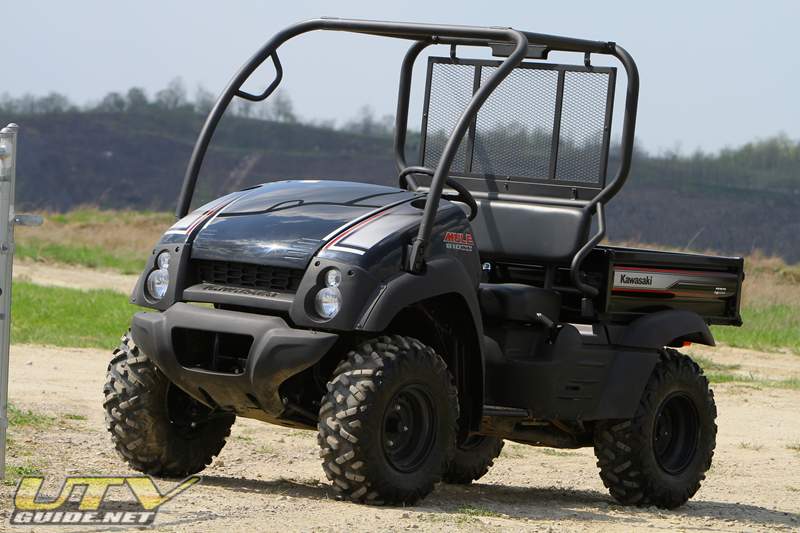
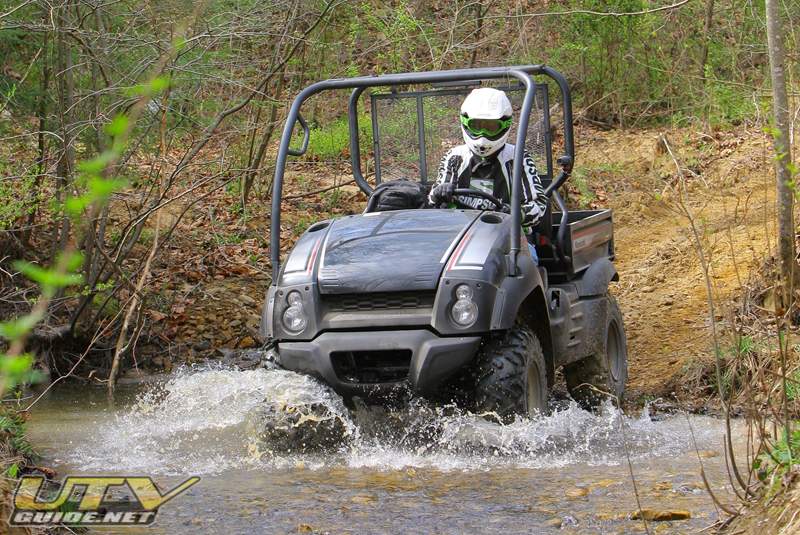
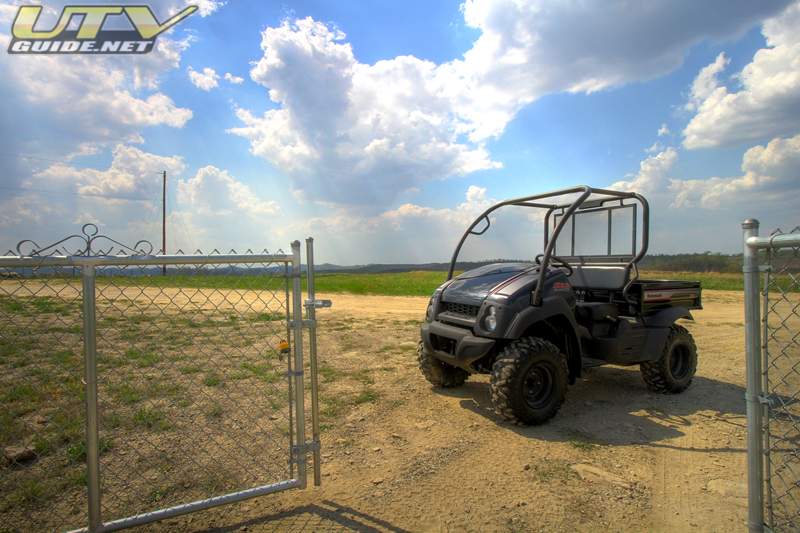
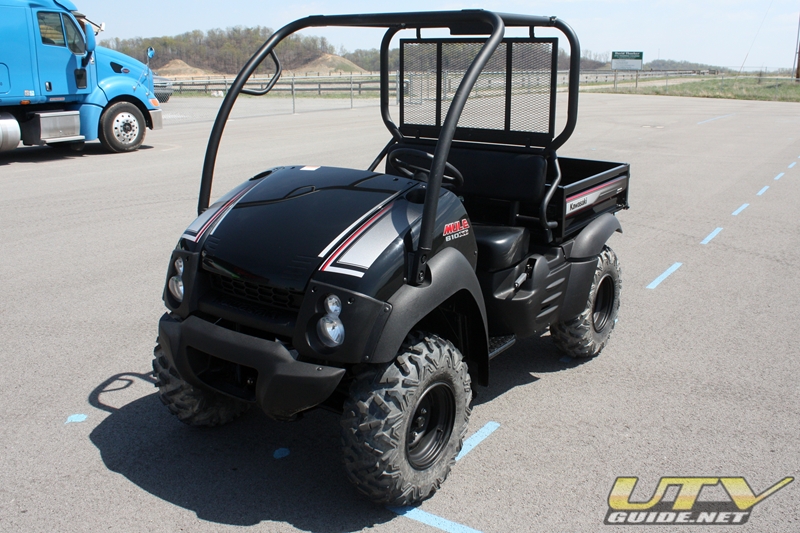
The Mule 610 4×4 XC is a new offering to the tried and true Mule lineup. With large 26″ Maxxis Bighorn tires and longer a-arms, the XC edges away from a pure work vehicle to something that is more capable off-road. The Mule 610 XC is a little light in the power department with its 401cc, single cylinder engine, but I still had fun exploring the trail at the park. The 25mph governor will make sure you don’t have too much fun though.
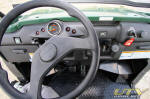
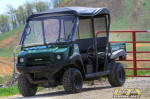
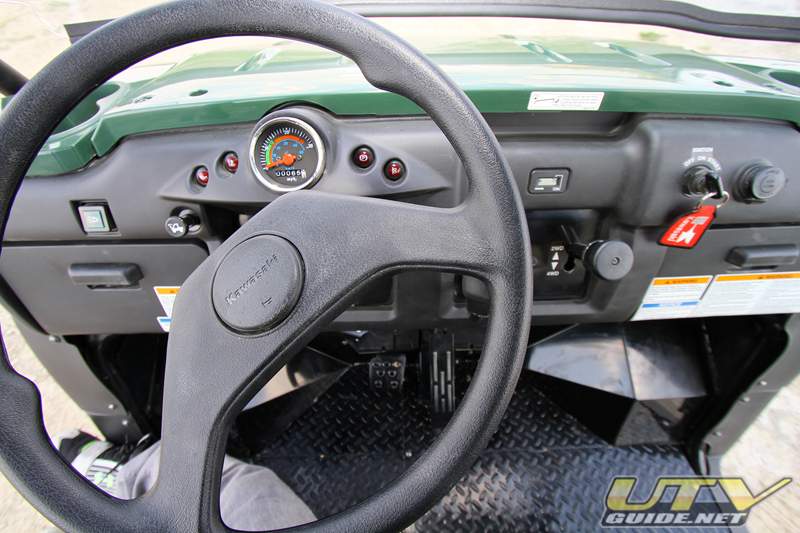
Kawasaki Mule 4010 Trans4x4® Diesel
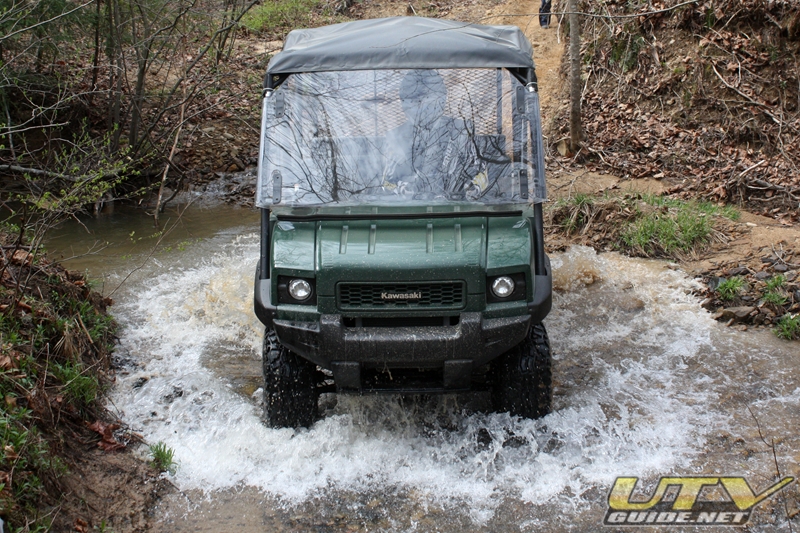
A two-for-one deal. The Kawasaki Mule 4010 Trans4x4® Diesel is able to satisfy varying job needs as a four-person crew transporter, or as a two-person extended bed cargo hauler. Its powerful and torquey diesel engine, selectable four-wheel drive, electric power steering (EPS) system, fully-automatic transmission and locking rear differential make the handy Mule 4010 Trans4x4 Diesel an outstanding choice for practically every utility vehicle role.
Kawasaki Mule 610 4×4 XC
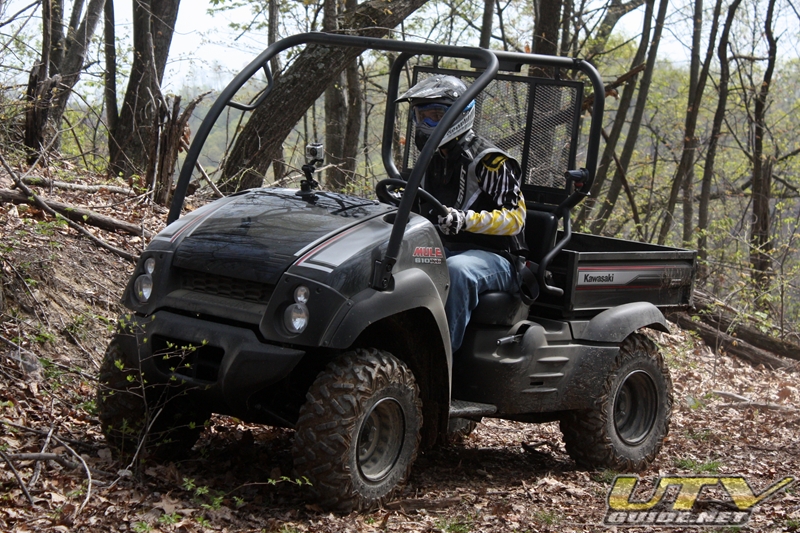
After more than 20 years of service, the Mule name has come to define a whole category of hardworking utility vehicles. For 2010, heres an entirely new take on everyones favorite beast of burden: The Kawasaki Mule 610 4×4 XC appears to have been crossbred with Kawasakis Teryx RUV. Aggressive 26 inch Maxxis Bighorn 2.0 radial tires mounted on 12-inch wheels give it newfound off-road abilityand a slew of upgrades designed to complement its suddenly more aggressive nature, infuse the new Mule XC with something its never really been known for: This Mule is cool.
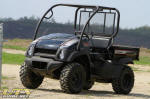  
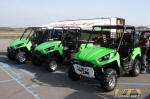
Kawasaki Teryx 750FI 4×4 Sport
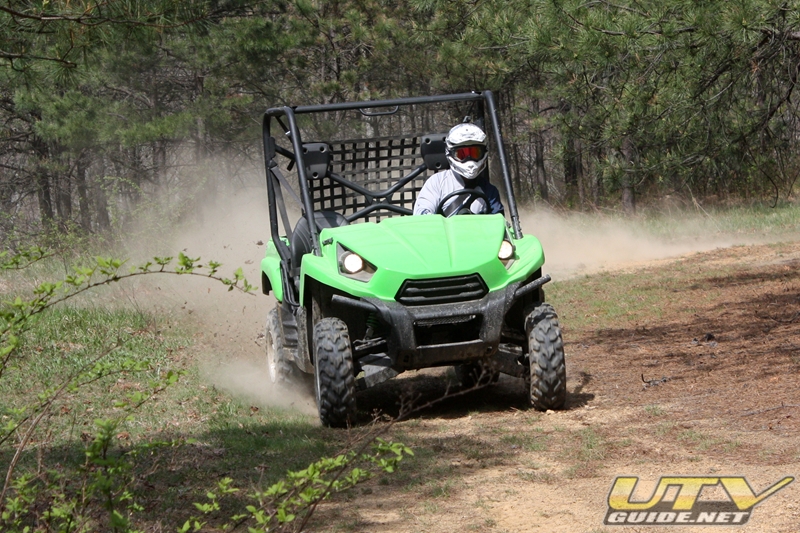
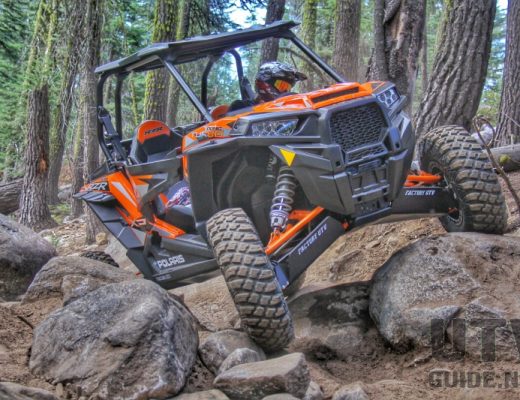
For drivers seeking maximum performance from their recreation utility vehicle (RUV), the Teryx 750 FI 4×4 Sport, with its lightweight aluminum wheels controlled by fully adjustable sport suspension at all four corners, offers performance, comfort and stability that no other RUV can touch. The evolution of this incredibly adaptable vehicle continues for 2010: An aggressive new front end with a forward-tilting hood allows front suspension and cooling system access and eases maintenance. Upgrades to the mighty V-twins cooling system enhance long-term reliability, and an even sturdier tilting bed out back provides even greater durability. In addition, a host of detail improvements for more efficient production and vehicle longevity are designed to do what Kawasaki has always done: keep the performance high while keeping the bottom line low.
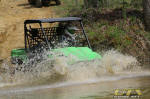   
More Photos:
For more information on Kawasakis lineup of ATVs, side-by-sides and UTVs, log ontoKawasaki.com.
Ride Site:
Mine-Made Paradise Adventure Park
www.knottcountyadventure.com
Knott County, Kentucky
(304) 784-1981
Links:
|






No Comments