
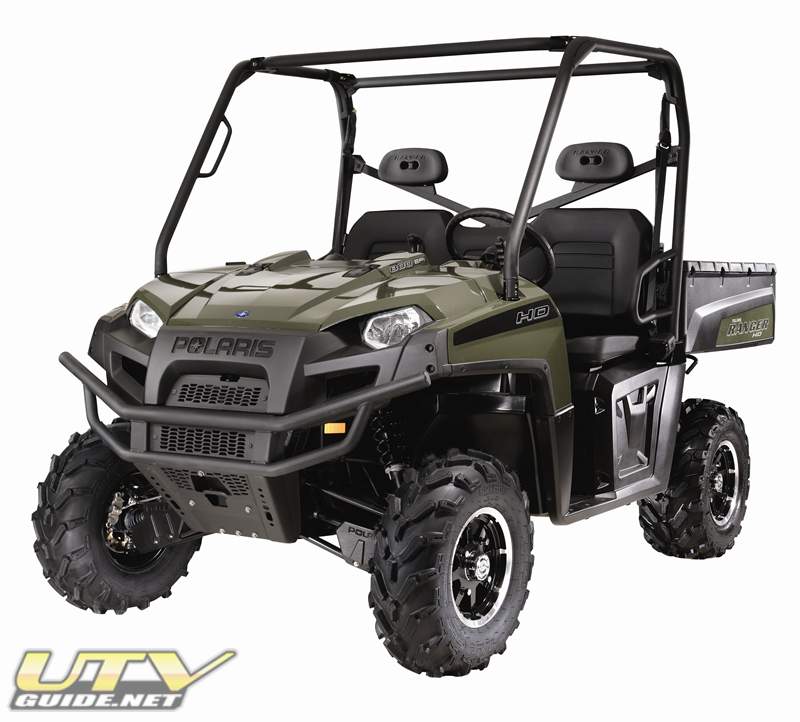
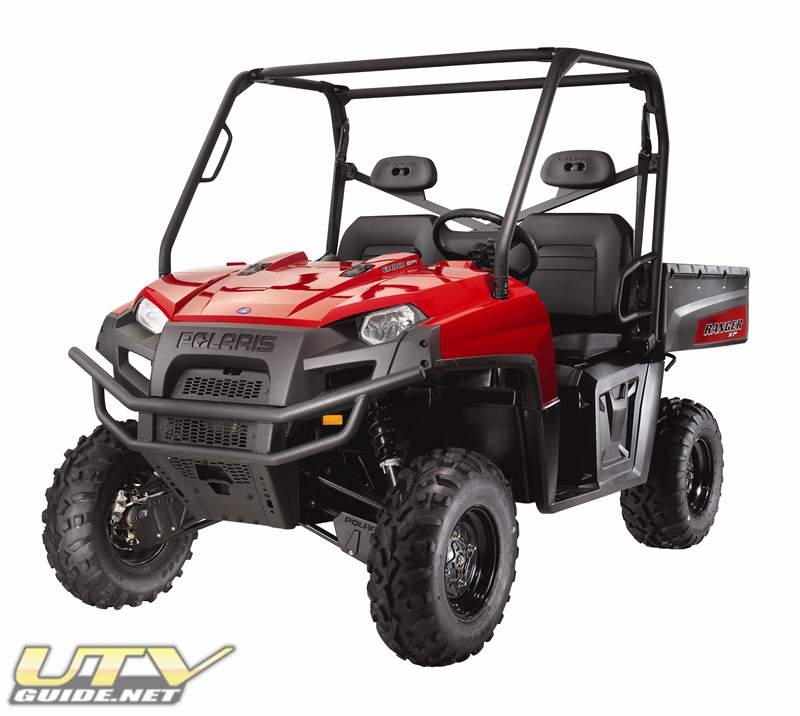
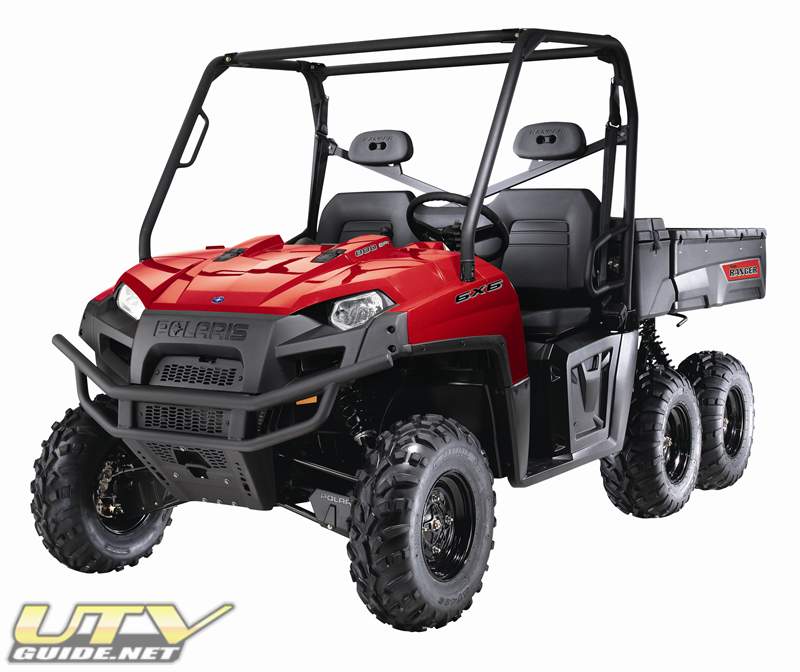
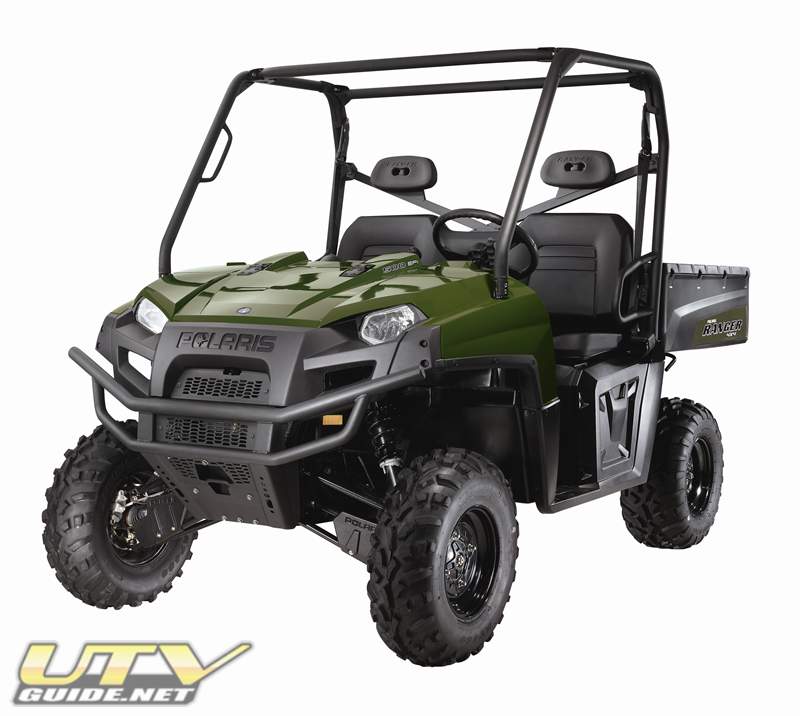
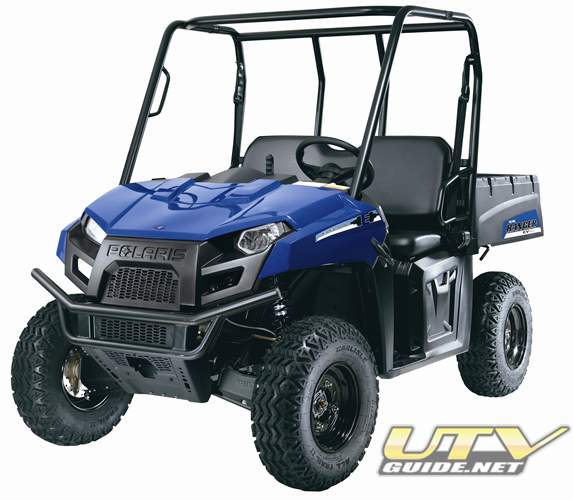
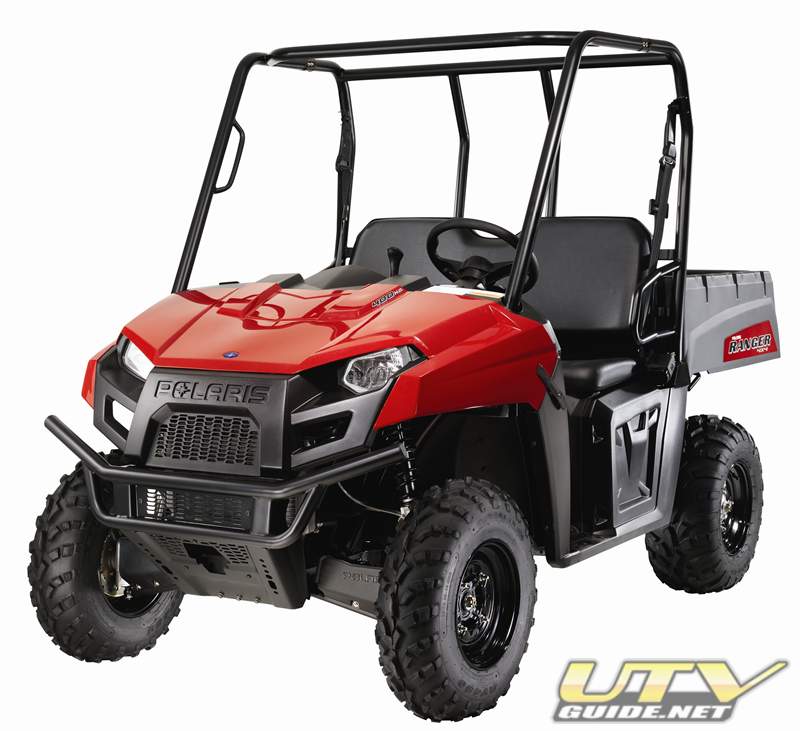
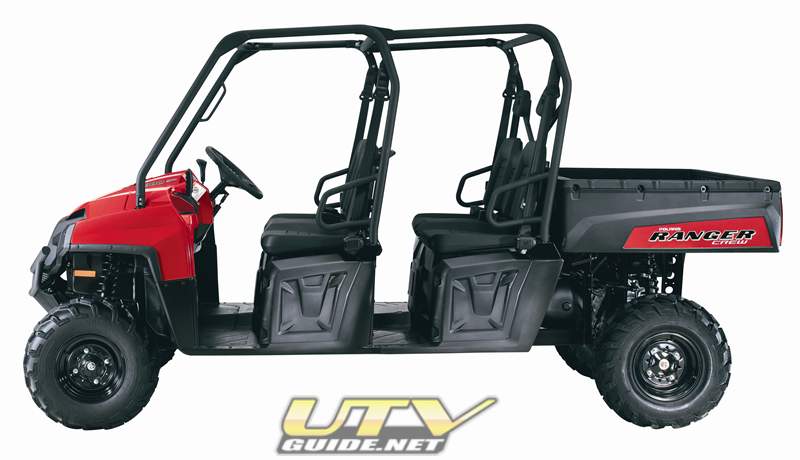
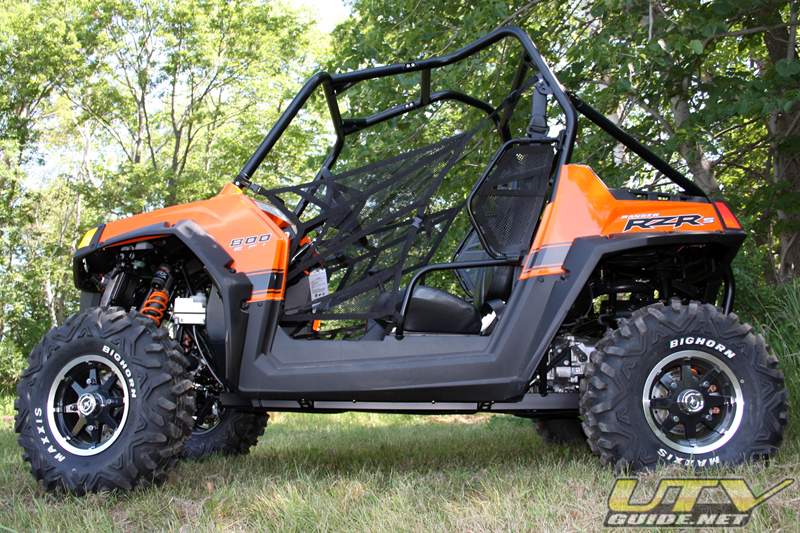
Trip ReportPolaris Model Year 2010 Off-Road IntroPolaris Wyoming, MN R&D Facility I was lucky enough to be invited to the 2010 Polaris RANGER Press Intro back in Minnesota. Polaris gave an inside look at the Research and Development facility, and then we spent a day test driving all the new models. Polaris RANGER and RZR 2010 Line Up New Products, More Power and ROPS Certified Cabs Model Year 2010 brings more significant changes to Polaris RANGERline up with the introduction of two new utility RANGER Side-by-Sides, increased power to existing models, more redesigns, a RANGER XP with power steering and a faster top speed for RANGER RZR. All 2010 RANGERs and RANGER RZRs also come standard with a ROPS Certified Cab. With the introduction of two new products, more power for the utility line, the redesigned RANGER CREW and 6×6, and a new top speed forRANGER RZR, the 2010 line up picks up where the 2009 line up left off, said Matt Homan, vice president and general manager of Polaris Off-Road division. We continue to innovate our RANGER line to offer the most extensive Side-by-Side offering in the industry. New for 2010, Polaris is introducing the value-priced, Midsize RANGER400 and the companys first electric vehicle, RANGER EV. Both of these units share the same, smaller, two-seat chassis, that fits in the back of a pickup truck, with many of the hardest working, smoothest riding features of their full-sized counterparts: On-Demand True All-Wheel Drive with VersaTrac, Independent Rear Suspension, heavy duty front end protection, high ground clearance and the longest suspension travel in their class. The RANGER 400, although smaller in stature, delivers on the RANGER promise of hardest working with real work capabilities such as 500 lbs of cargo capacity, 1,000 lbs payload and 1,250 lbs. of towing, at an attractive $7,999 MSRP. The RANGER 400s smaller size, 455cc high output, carbureted engine and value price make it an attractive work partner for hunting, farming, maintaining acreage or doing chores around the property. It boasts 29 horsepower and a top speed of 40 mph offering the rider plenty of get-up-and-go to ride to that favorite hunting spot, haul feed to livestock or just take a leisurely ride down the trail. Its On-Demand True All-Wheel Drive ensures it can tackle muddy pastures or rutted, rocky hunting trails, while the VersaTrac ensures you dont tear up the grass. With a full-line of PURE Polaris products including Lock & Ride accessories, cabs, plows and a speed-regulating, Speed Key, the RANGER 400 can be outfitted to get any job done. To complement its hard work ethic, the RANGER 400 has smoothest riding features such as Independent Rear Suspension, long suspension travel and high ground clearance to ensure a smooth ride and less fatigue on the operator and passenger, making it a true Hardest Working, Smoothest Riding Midsize RANGER. Sharing the same chassis as the RANGER 400, the all-new RANGEREV electric Side-by- Side is a first for Polaris. The unit features the largest battery pack in the industry (11.5 kilowatts) and has the longest range of any electric Midsize. Built for clean and quiet operation, and full of hardest working, smoothest riding features, theRANGER EV is perfect for hunters and homeowners with acreage. With its 30 horsepower electric motor, 35-45 mile range, 25 mph top speed and two hours of riding time between charges, the RANGER EV will transport hunters and their gear to and from their hunting site with fewer disturbances to game. The unit also features a three modes; High for speed, Low for towing and hauling, and Max for maximum range. For harsh terrain, such as muddy fields on the way to fix the fence or trails full of rocks and stumps leading to the tree stand, the RANGEREV features On-Demand True All-Wheel Drive. For more sensitive terrains and a better turning radius, RANGER EV has VersaTrac with one-wheel, rear-wheel drive to prevent damage and also better navigate tight areas often encountered in the woods. The RANGER EV has a 500 lb. Lock & Ride cargo box with 1,250 lb. towing and 1,000 lb. total payload making hauling hunting gear or game a breeze; and the models exclusive 48-volt, AC Induction motor provides high performance with low maintenance and can be charged using a standard 110 vac outlet. For quick charges between rides, PURE Polaris is offering a quick charge kit for RANGER 400 to get you back on the trails. In 2009, Polaris introduced the ruggedly re-engineered RANGER that was the hardest working and smoothest riding RANGER EVER built, and introduced the new RANGER HD, the ultimate heavy-duty utility vehicle with a self leveling rear suspension and power steering. This year, the company powered up the RANGER 4×4 (now called RANGER 500 H.O.) with a 500 H.O engine and added an 800 EFI engine across the rest of the line. The RANGER 4×4 gets a 13 percent power increase with the 500 H.O. engine, and the RANGER XP (now called RANGER 800 XP) receives a 15 percent power upgrade with the addition of the 800 twin EFI power plant. The 800cc engine also has been added to the RANGER 800 HD, RANGER 800 CREW and RANGER 800 6×6 solidifying the Hardest Working RANGER promise. Along with the power boost, Polaris has added a RANGER 800 XP model with Polaris exclusive electronic power steering with variable assist. The system allows for one-finger steering at low speeds and eliminates feedback at high speeds so the operator can work longer and enjoy the ride. Polaris also expanded the work, ride and improved ergonomics from the 2009 RANGER XP and introduced Dual A-arm front suspension to the six-passenger RANGER 800 CREW and RANGER 800 6×6. To create an exterior that could handle the nastiest work and most extreme riding conditions, the models offer the most-armored front end ever designed to protect vital components such as the radiator, cooling system and front differential. The front headlights were inset for added protection from rocks and branches, and the redesigned bumper with a heavy-duty bash plate offers dedicated vehicle tie down points, massive central tow hook and inset tow hook cage for additional front differential protection. For working at night or to get the hunting spot before daybreak, the vehicles offer auxiliary light mounting holes on the front bumper and bosses already installed for optional Halogen/LED distance headlights. The RANGER 800 CREW and 6×6 work harder and are easier on the operator due to improved and thoughtful ergonomics designed to let the operator work longer and enjoy a better ride. The new models feature more seat and leg space including two-inches more for back-seat passengers on the RANGER 800 CREW, reoriented gas and brake pedal for improved operator comfort, new angled-back seat and a relocated brake lever for easy operation inside and outside of the vehicle. Polaris also redesigned the steering wheel for better steering with gloves and added standard tilt steering with the highest range of motion for maximum comfort. Along with tilt steering, the new models have a 50 percent easier steering effort which helps maneuverability in tight areas such as work sites or woods. RANGER 800 6×6 also is furnished with a new a new, truck-like job box between the cargo box and cab. The cargo box is rated for 1,250 pounds, while the job box handles an extra 250 pounds, and the boxes are Lock & Ride capable. To make the smoothest ride in the industry even smoother, Polaris outfitted the new RANGER 800 CREW and 6×6 with exclusive adjustable Dual A-Arm front suspension in addition to its legendary smooth independent rear suspension. Exclusive to RANGER line, theRANGER 800 CREW features motion ratio and preload suspension adjustment front and rear while the RANGER 800 6×6 offers Independent Rear Suspension with motion ration adjustability on all six wheels. The new Dual A-Arm suspension has two upper shock mounting points for each wheel giving a motion ratio adjustment that dramatically increases the stiffness of suspension. The preload adjustment, available on each wheel, increases the initial spring compression for a 30 percent stiffer ride when needed. The new suspension allows for the maintenance of ground clearance (12 in/30.5 cm) and suspension travel (9.6 in/24.5 cm front, 9 in/22.9 cm rear) when carrying heavier loads and using accessories such as plows, cabs and sprayers for work applications. It also allows for easier use of after-market suspension packages. To combat ruts, stumps and rocks, the new RANGERs also offer anti-kickback steering that reduces feedback over bumps and makes the vehicle steerable with one hand. While the 2010 RANGER utility line works harder, the 2010 RANGER RZR line plays harder with even more RZR sharp performance. Last model year, Polaris introduced the RANGER RZR S, the ultimate, pure-sport Side-by-Side built for the desert, dunes and open spaces to complement the 50-inch, trail-capable RANGER RZR. For 2010, RANGER RZR achieves a new top speed of 60 mph and both units feature a ROPS certified cab. Polaris also will offer a variety of Limited Edition models for their 2010 line up. On the utility side, the RANGER 800 XP Limited Editions include Pearl White, Navy/Sandstone and aBrowning Edition. The RANGER 800 CREW will be available in Sandstone Metallic. RANGER RZR Limited Editions include Tequila Gold and Turbo Silver, and Orange Madness for RANGER RZR S. RANGER 800 HD – Long Haul, Heavy Duty Utility Vehicle New 800cc EFI engine Hardest Working Features
Smoothest Riding Features
RANGER 800 XP – Xtreme off-road performance New 800cc EFI engine provides 15 percent more horsepower and 53 mph/85.3 km top speed. Hardest Working Features
Smoothest Riding Features
RANGER 800 6×6 – Unmatched cargo capacity and traction Updated styling, upgraded ergonomics and Dual A-arm front, middle and rear suspension with new 800cc EFI engine. Hardest Working Features
Smoothest Riding Features
RANGER 500 H.O. – No. 1 choice for power and comfort New 500 H.O. EFI engine provides13 percent more power and 47 mph/75.6 km top speed.
Hardest Working Features
Smoothest Riding Features
RANGER EV – Clean and Quiet Operation The first Polaris electric vehicle offers a 30 horsepower electric motor with two-hours of riding time and a 35-45 mile range. The vehicle includes a range leader with three modes, High, Low or Max, for different riding situations, 650 amp controller, AC induction motor for low maintenance/high performance and charges using a standard 110 outlet.
Hardest Working Features
Smoothest Riding Features
RANGER 400 –High Value 4×4 New value-priced RANGER 400 is a two-passenger, carbureted unit that shares many features from its full-sized counterparts: On-Demand True All-Wheel Drive with Turf Mode, Independent Rear Suspension, heavy-duty front end protection, high ground clearance, the longest suspension travel and the highest horsepower in its class. All of these features at the value price of $7,999.
Hardest Working Features
Smoothest Riding Features
RANGER 800 CREW – Hardest Working, Smoothest Riding Multi-Passenger Utility Vehicle Updated styling and ergonomics, new Dual A-arm front suspension and 800cc EFI engine
Hardest Working Features
Smoothest Riding Features
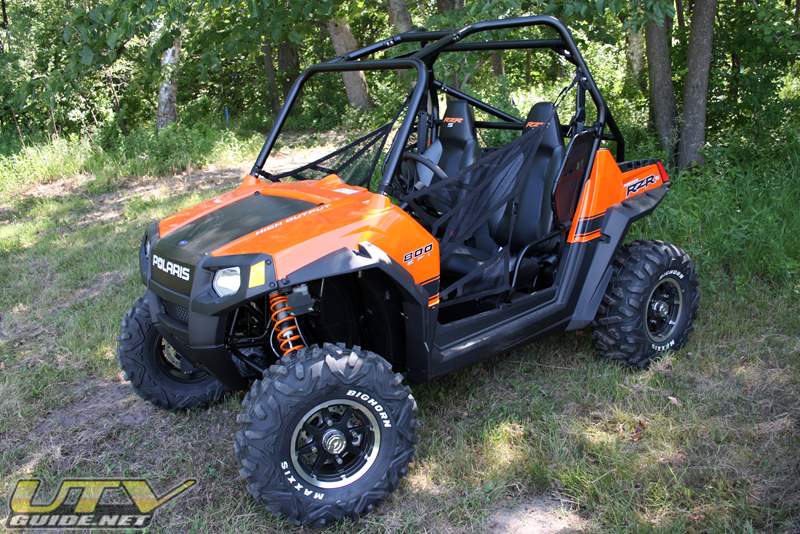
RANGER RZR – Razor Sharp Performance
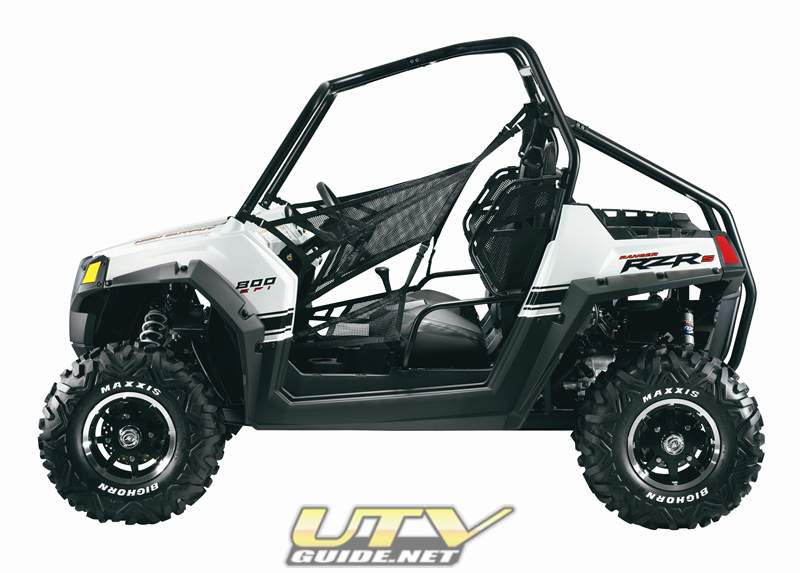
RZR S – Razor Sharp Sport Performance
Manufacturer Info: Website: Polaris Industries Polaris Industries, Inc. About Polaris:
|



No Comments