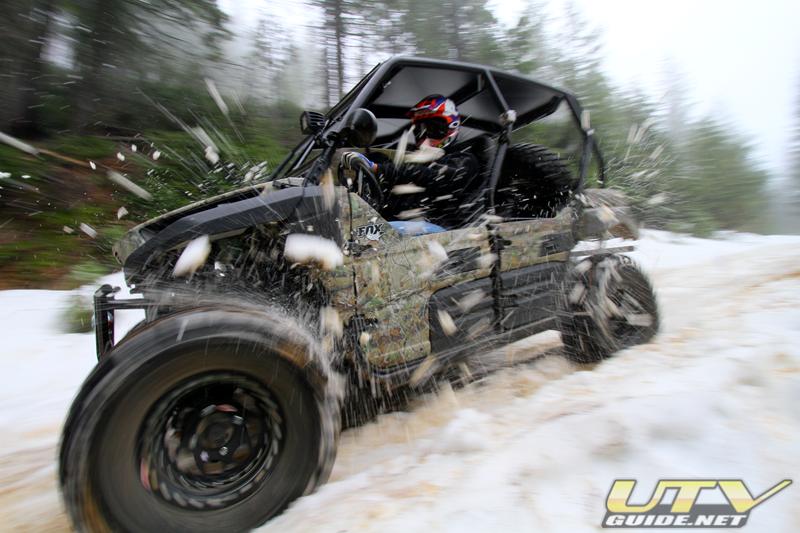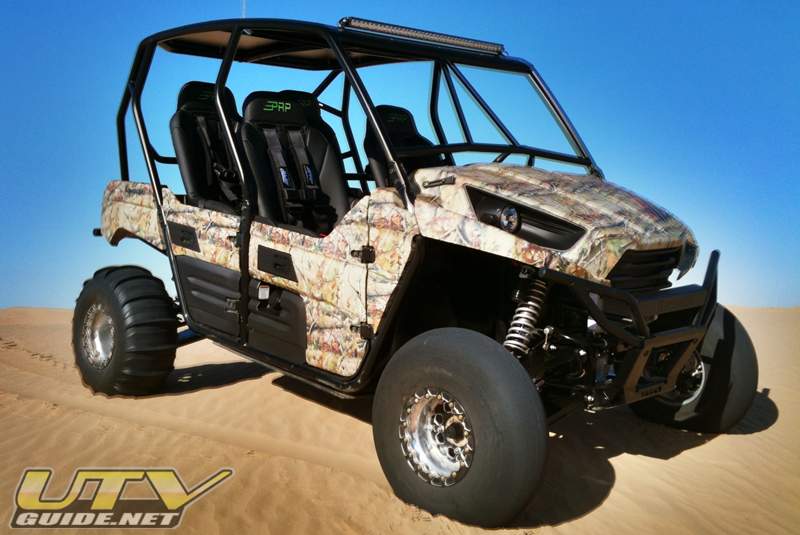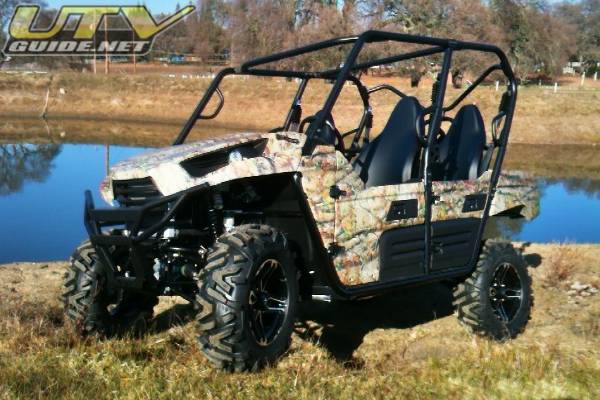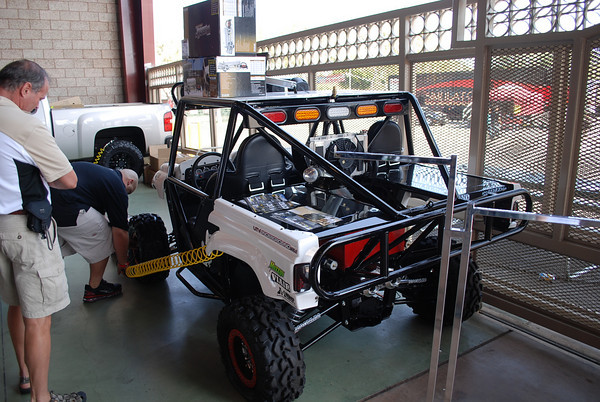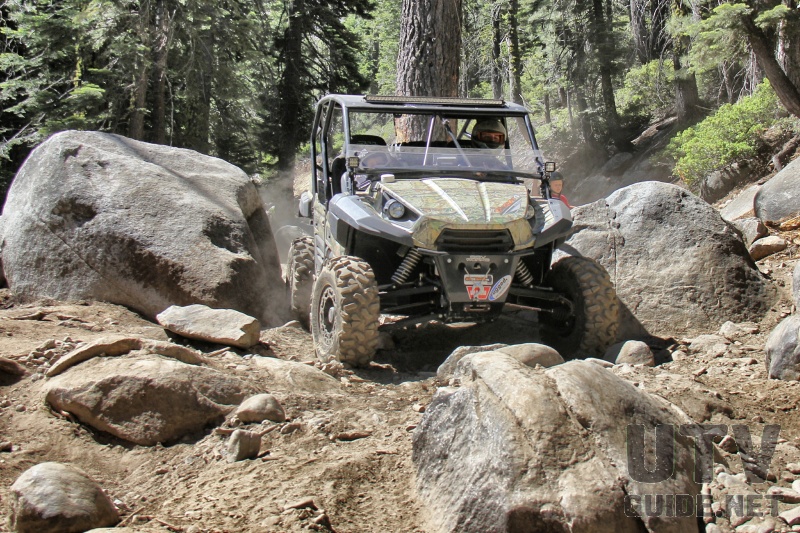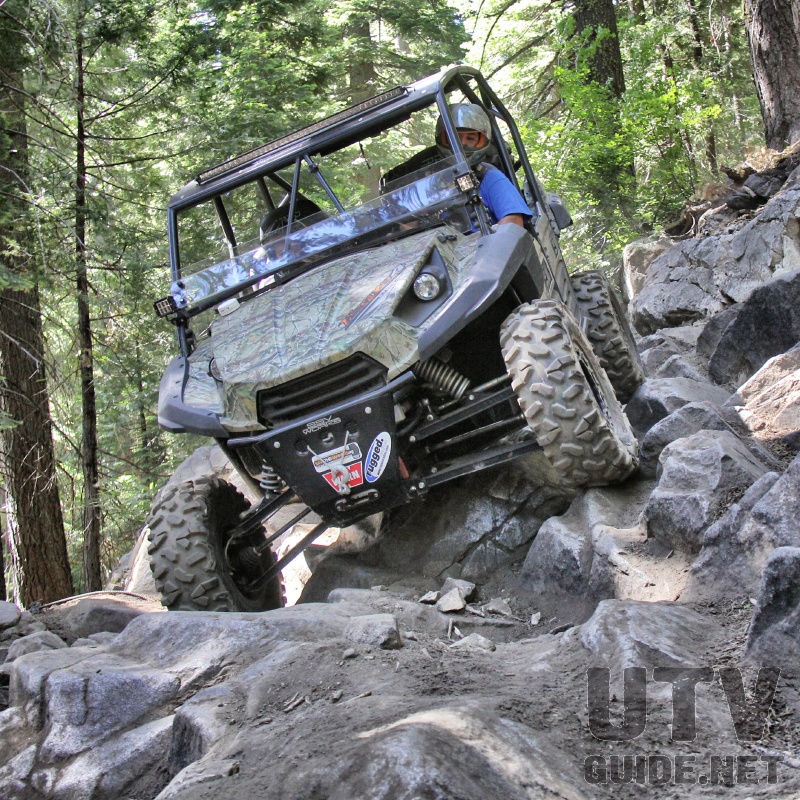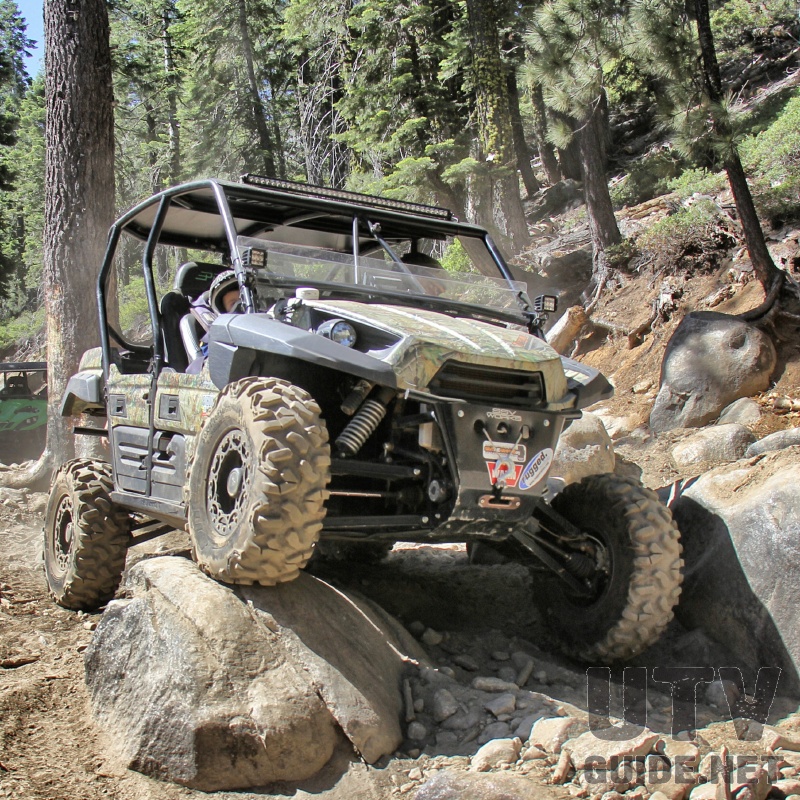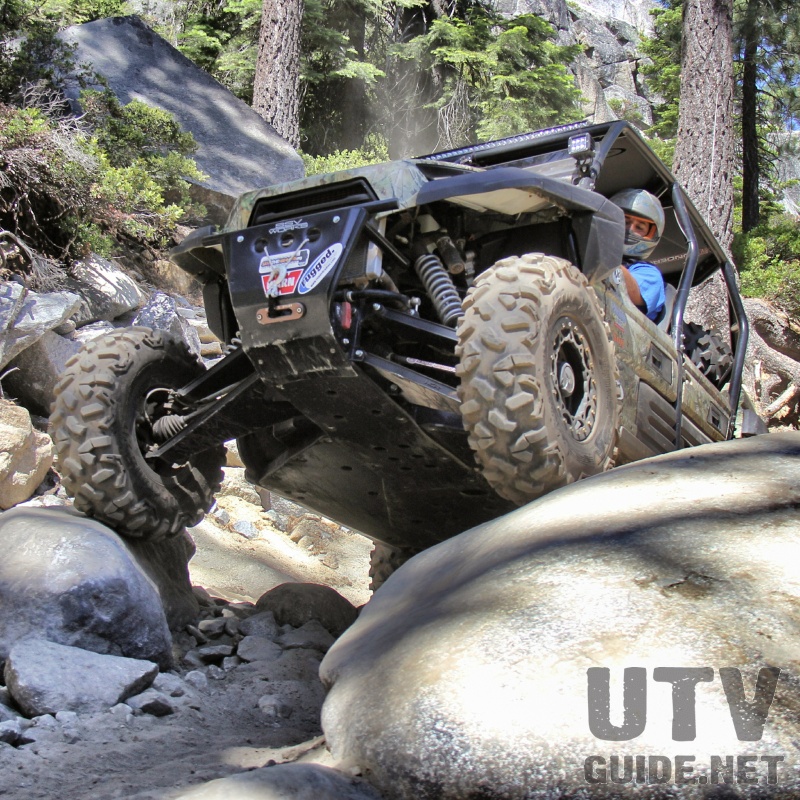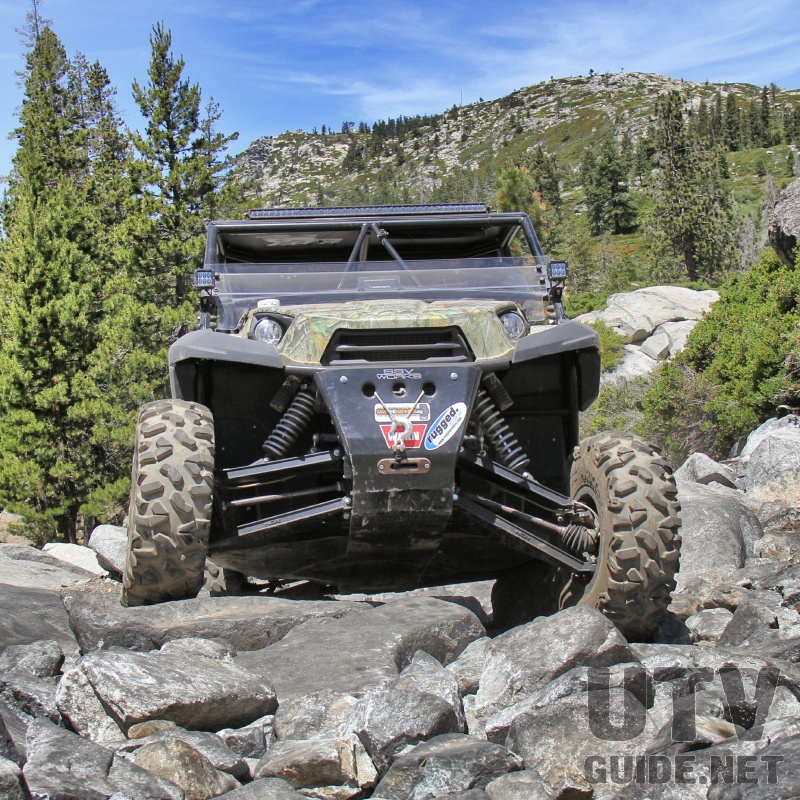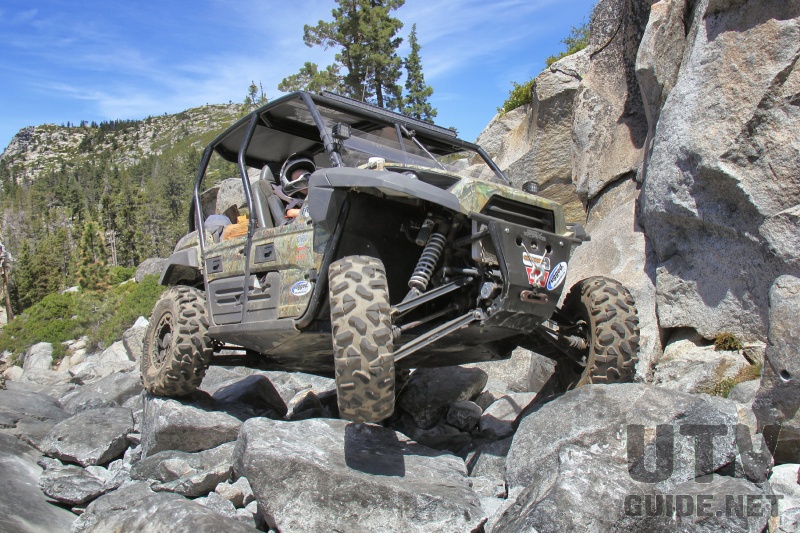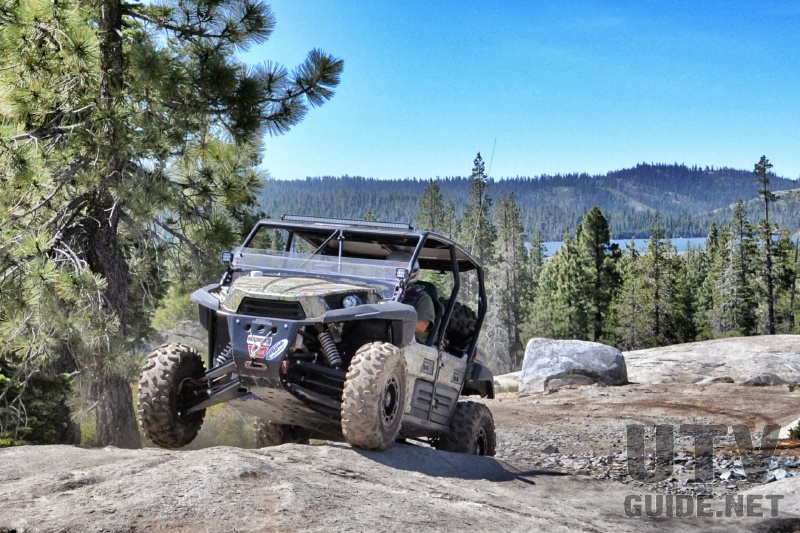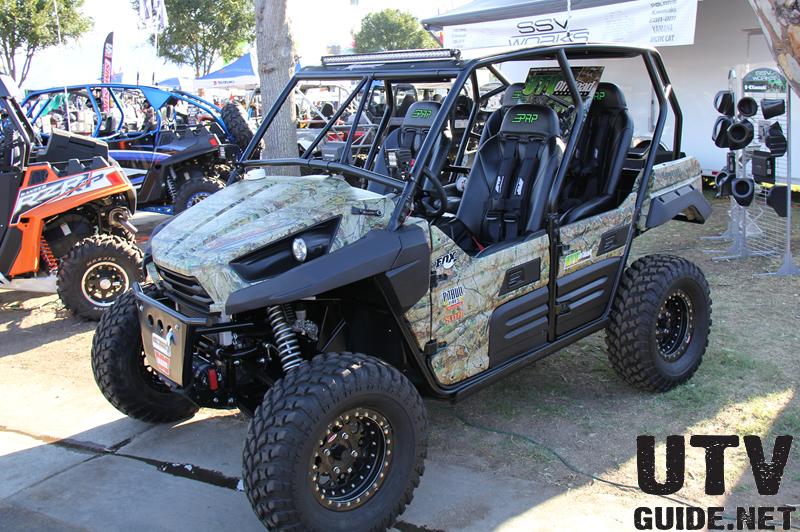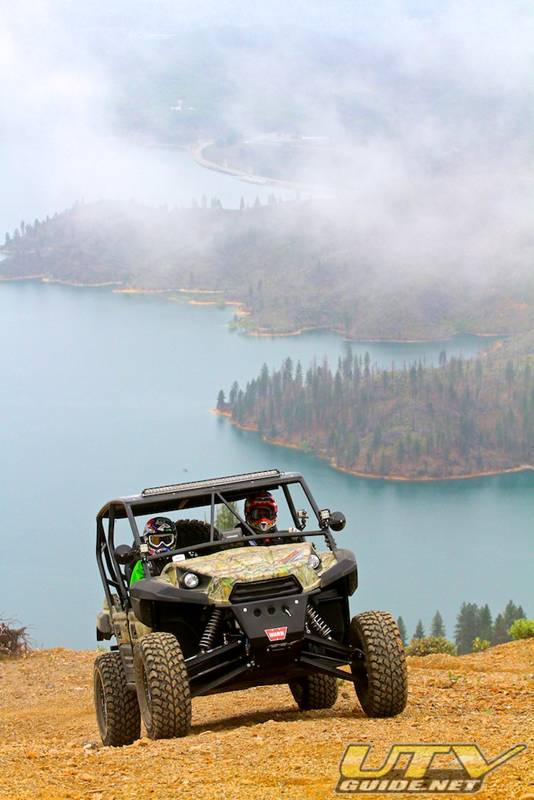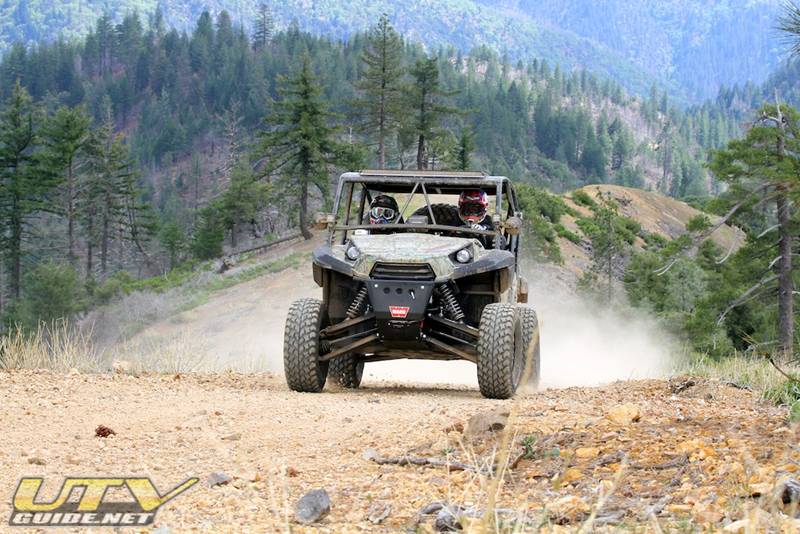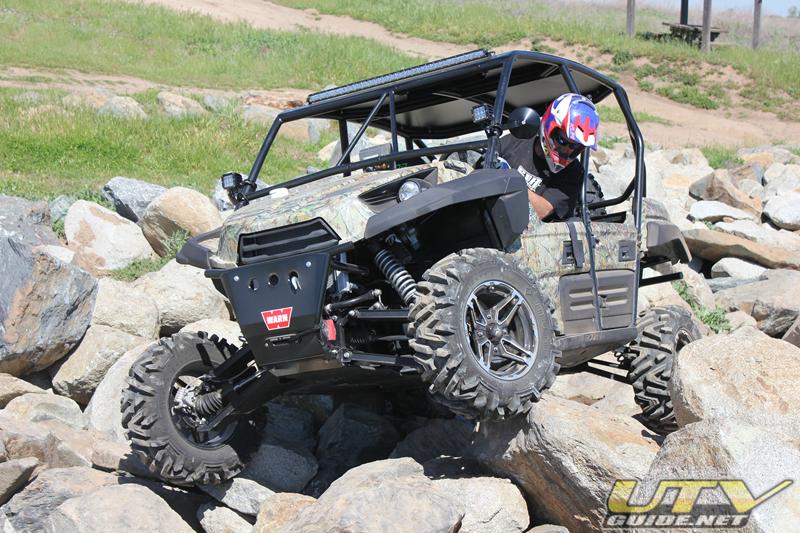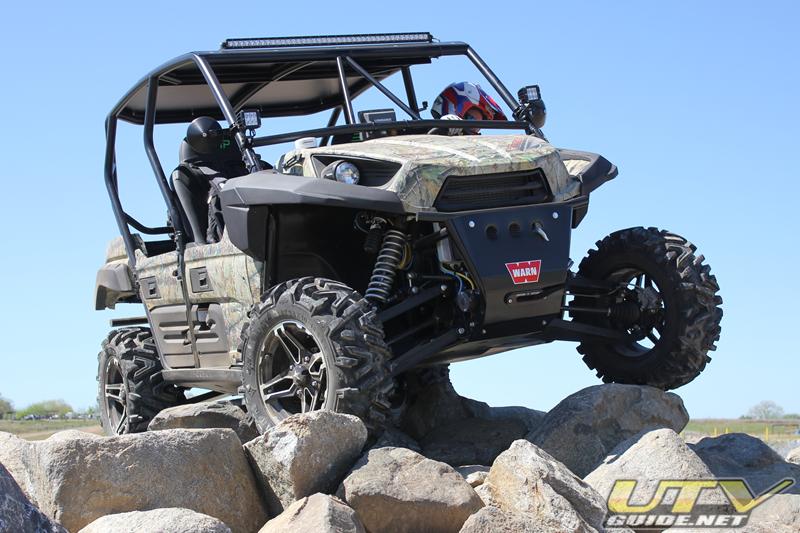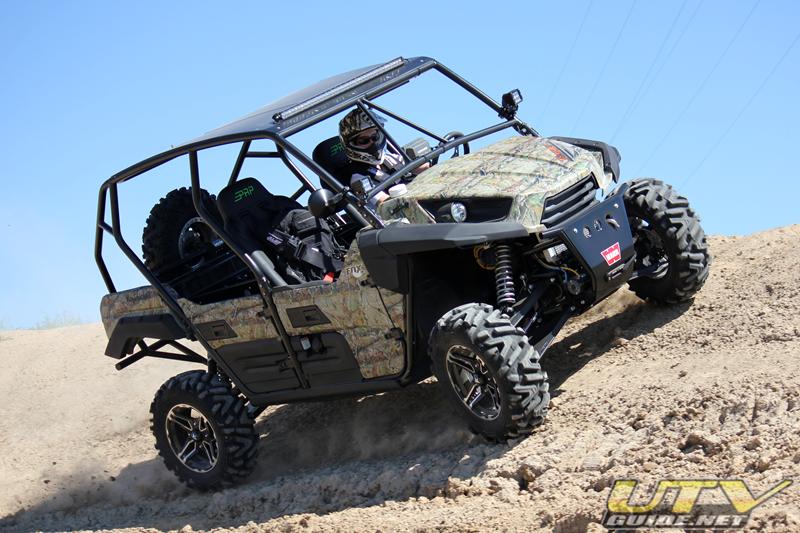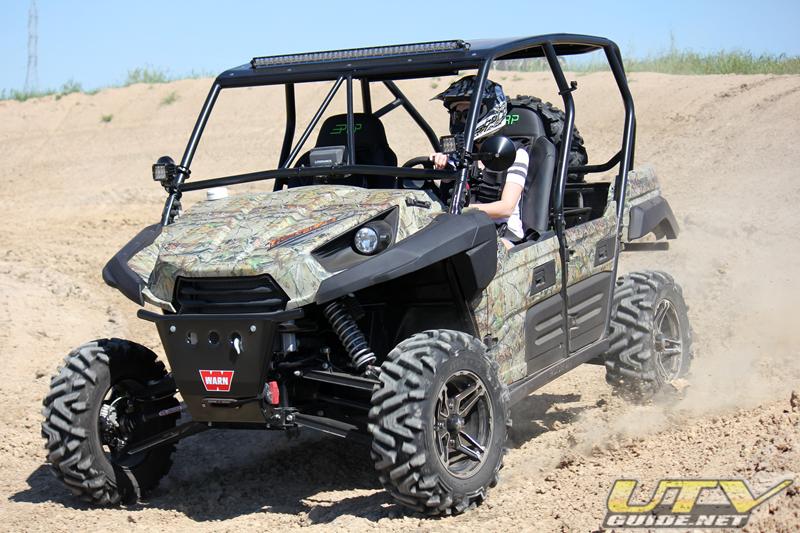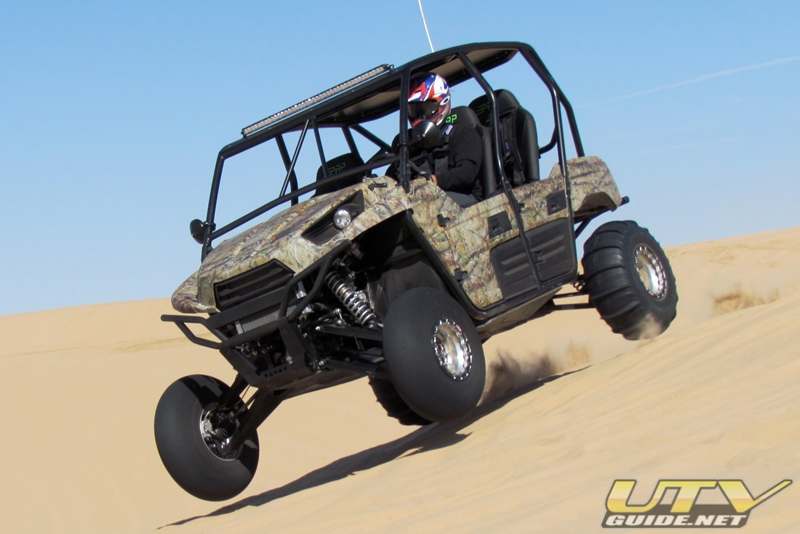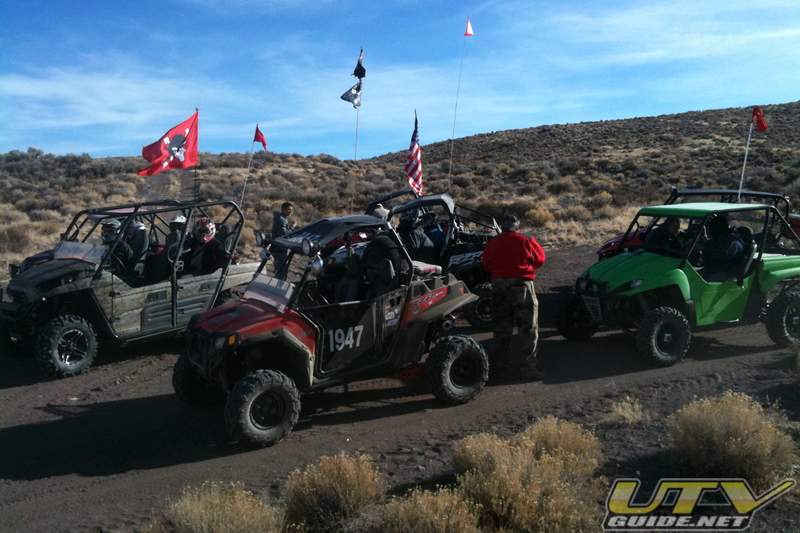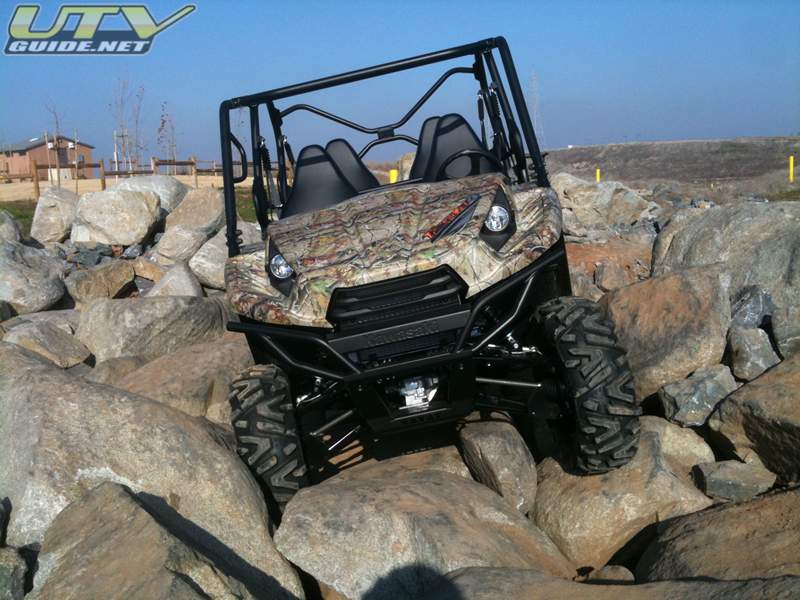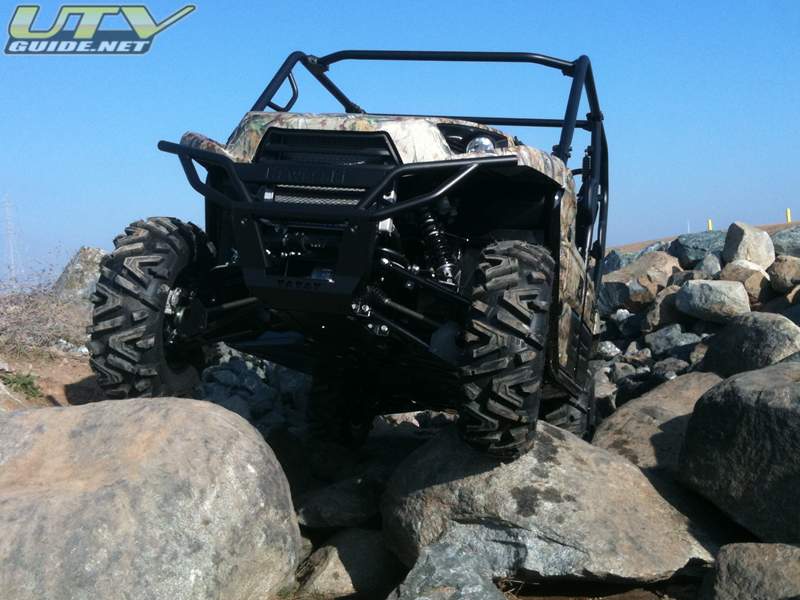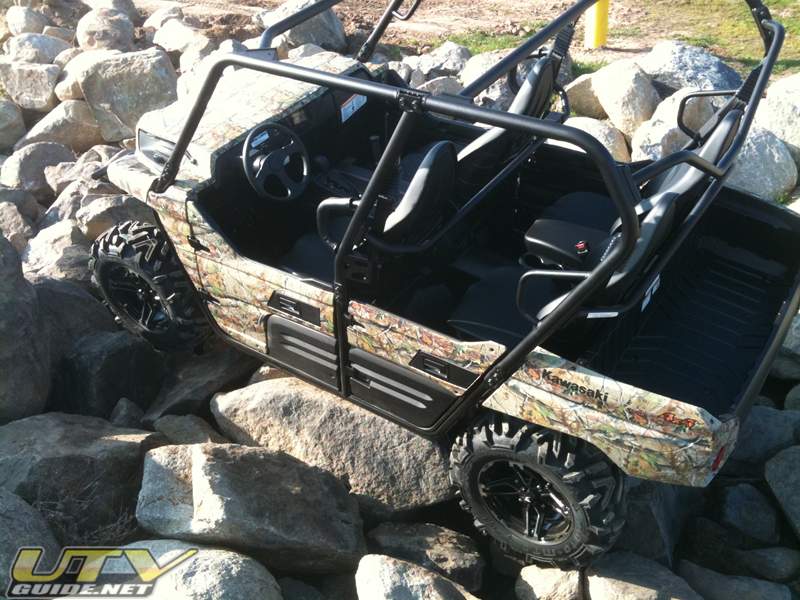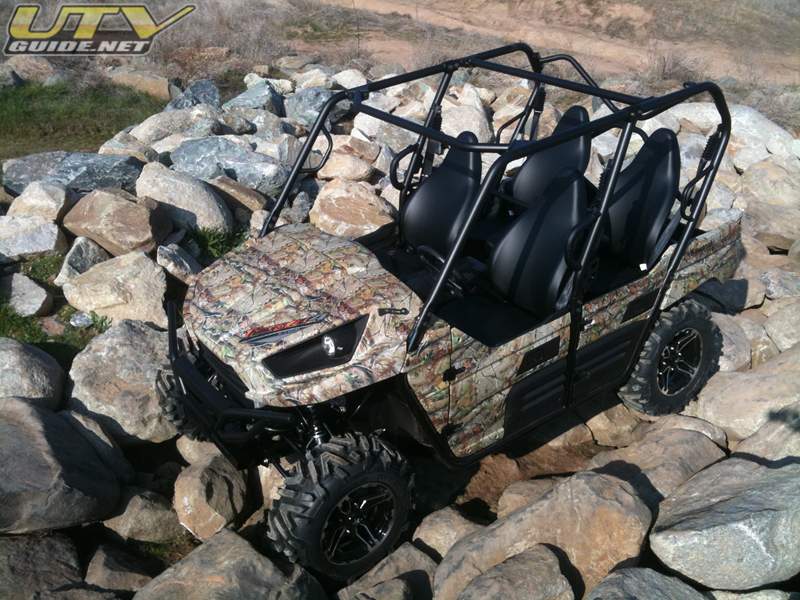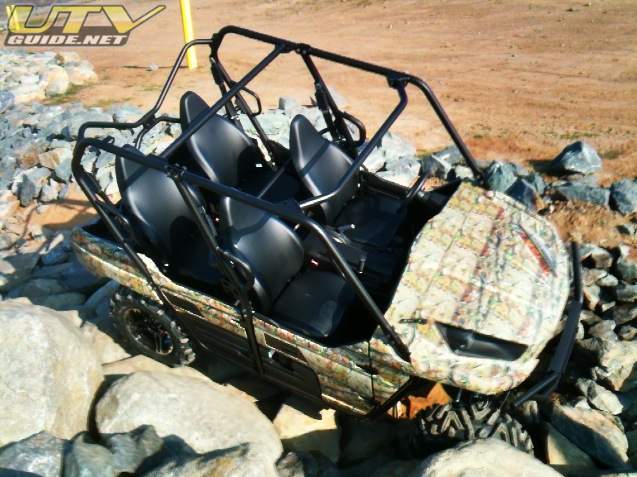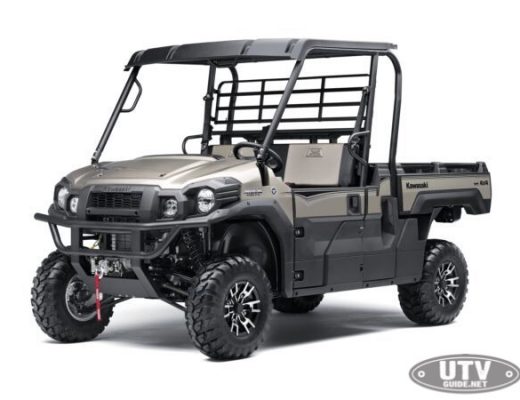
The original 2012 Kawasaki Teryx4 arrived with a combination we had not seen from Kawasaki before: seating for four adults, a compact 86.1-inch wheelbase and a drivetrain designed for controlled performance on difficult trails.
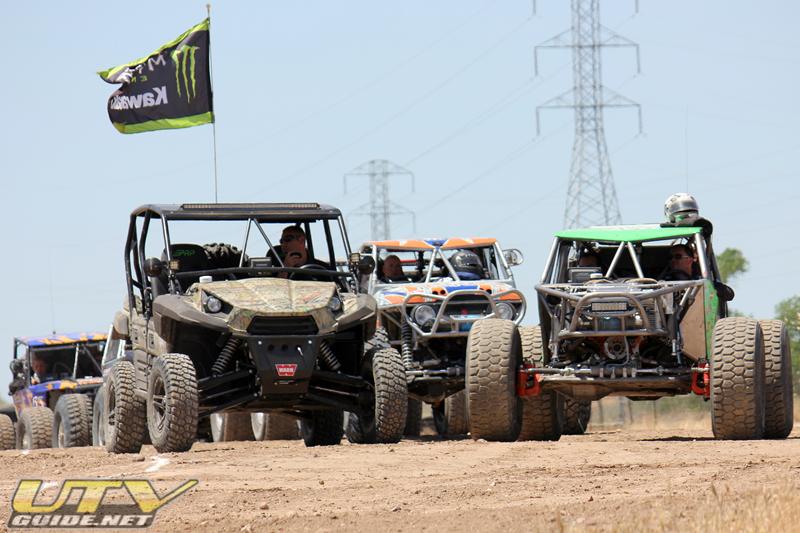
Our first ride in the 2012 Kawasaki Teryx4 showed that it was comfortable, maneuverable and unusually capable at low speeds. Its 749cc V-twin was not intended to compete with the quickest sport UTVs, but the centrifugal wet clutch, selectable four-wheel drive, front differential lock and available power steering made the Teryx4 an excellent starting point for a technical trail build.
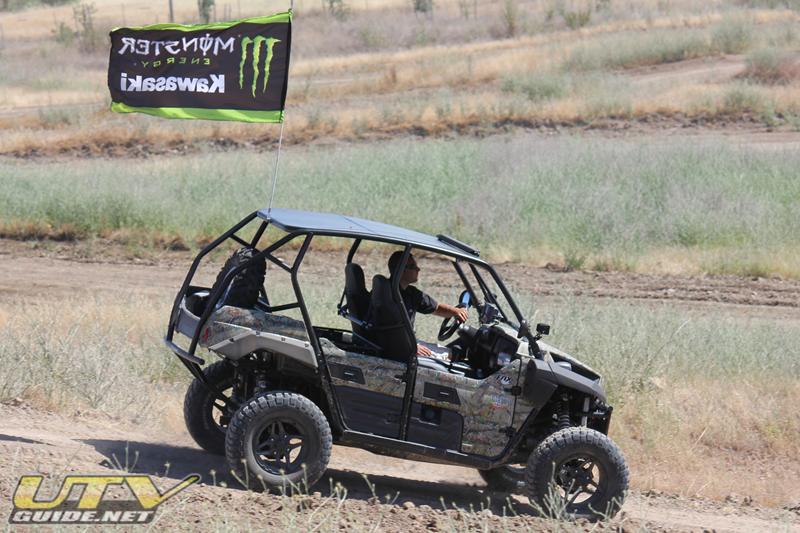
Our goal was to improve its suspension, protection, comfort and backcountry capability without losing the compact character that made the original Teryx4 so appealing.
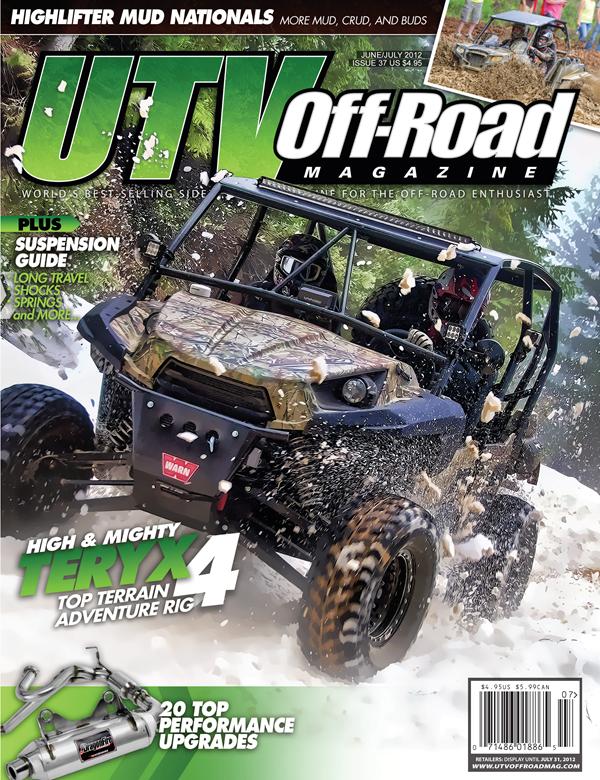
The finished machine would eventually tackle the Rubicon Trail, rock crawling at Prairie City SVRA, dunes at Glamis and Sand Mountain, high-speed desert routes and tight Northern California trails. It even appeared on the cover of UTV Off-Road Magazine.
Starting With the Original Kawasaki Teryx4
The Teryx4 was more than a stretched version of the two-seat Teryx. Kawasaki developed a dedicated four-seat chassis with an 86.1-inch wheelbase, a reinforced Double-X frame and enough interior room for four adults.
Several factory features made it especially promising as a project platform:
- 749cc fuel-injected V-twin engine
- CVT with a centrifugal wet clutch
- Selectable 2WD and 4WD
- Variable front differential lock
- Kawasaki Engine Brake Control
- Optional Electric Power Steering
- Compact 62-inch width
- Short wheelbase for a four-seat UTV
The centrifugal clutch was one of the Teryx4’s biggest advantages. Positioned between the engine and CVT drive pulley, it engaged before transferring power through the belt. That gave the vehicle precise low-speed response while reducing belt shock and unnecessary slippage.
Its compact wheelbase also improved maneuverability and breakover clearance. Those qualities became increasingly valuable as we moved from general trail riding into rocks and more technical terrain.
The original Teryx4 represented an important step in the broader evolution of the Kawasaki Teryx, establishing the compact four-passenger formula Kawasaki would continue refining for years.
The Teryx4 Build Plan
We wanted a four-seat UTV that could handle several very different types of riding:
- Technical rock crawling
- Rubicon Trail camping trips
- Open-desert exploration
- Sand dunes
- Tight forest trails
- Event and race-course support
- Long rides carrying four adults
The project therefore needed more than added horsepower or cosmetic accessories. Suspension, underbody protection, passenger safety, recovery equipment and backcountry storage all had to work together.
Major Build Components
- HCR Racing long-travel suspension
- Summers Brothers axles
- FOX Racing Shox RC2 shocks
- SDR Motorsports roll cage and roof
- PRP seats and harnesses
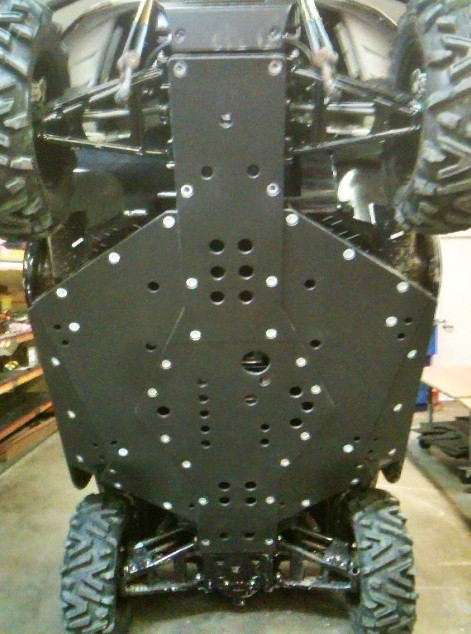
- Factory UTV UHMW skid protection
- Roggy Enterprises front bumper and rear rack
- WARN winch
- Custom Splice winch fairlead
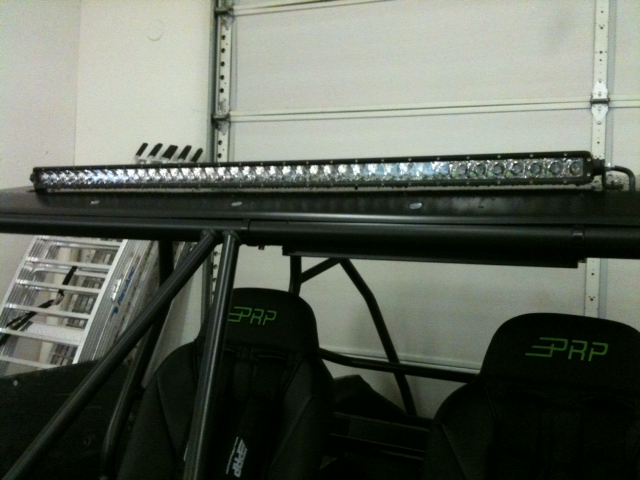
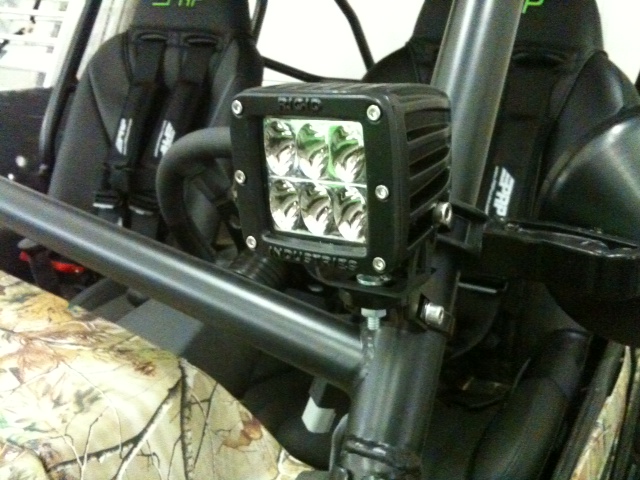
- Rigid Industries LED lighting
- Motorsport Alloys wheels
- EFX MotoMTC tires
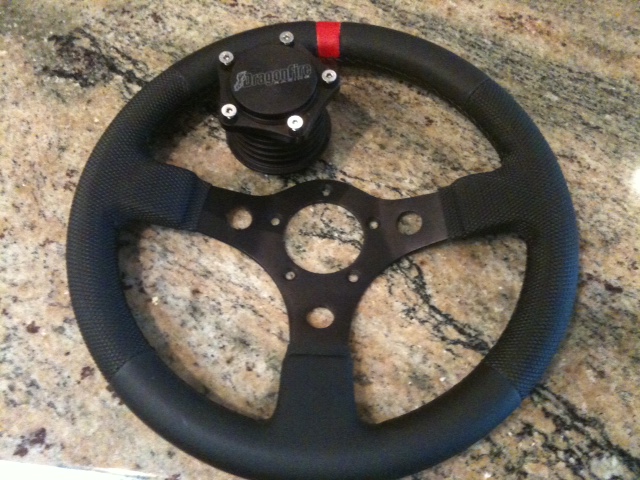
- DragonFire Racing steering wheel and quick-release hub
- Benchmark Performance ECU reflash
- Axia Alloys GPS mount and mirror
- SSV Works mirror
- Side x Side Outfitterz bed lift
- VIAIR portable air compressor
- Lowrance Baja 540c GPS
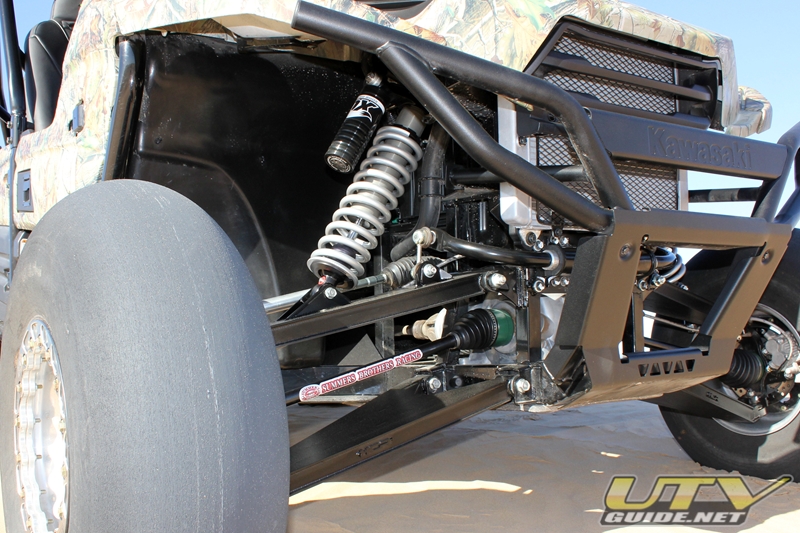
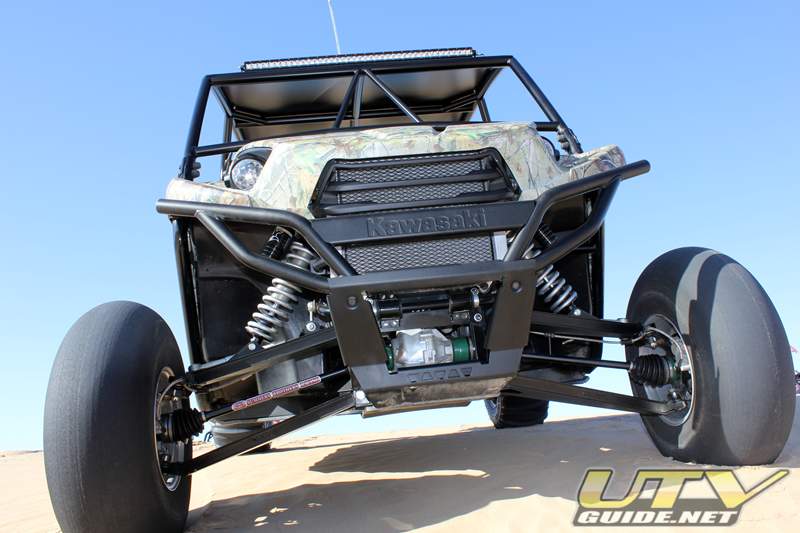
HCR Long-Travel Suspension and FOX Shocks
Suspension was the most important performance upgrade. HCR Racing supplied the long-travel suspension components, which were paired with Summers Brothers axles and FOX Racing Shox RC2 shocks.
The wider suspension increased stability while providing more wheel travel and ground clearance. The Teryx4 could absorb larger bumps at speed, maintain better tire contact over uneven terrain and clear obstacles that would have been more likely to reach the stock undercarriage.
The adjustable FOX RC2 shocks also gave us the ability to tune the suspension for different conditions. A softer setting could improve comfort on rocky trails, while additional damping helped control the vehicle during faster desert and dune riding.
Our first Glamis trip showed that the initial shock settings were slightly too soft. Adding preload and a few clicks of damping control improved the ride considerably. The setup still needed refinement, but the combination of HCR suspension, FOX shocks and Summers Brothers axles worked well from its first trip.
Factory UTV UHMW Skid Plate
Our first rock-crawling trip exposed one of the stock Teryx4’s weaknesses: its factory underbody protection was not adequate for repeated contact with large rocks.
That experience led directly to the Factory UTV UHMW skid-plate upgrade.
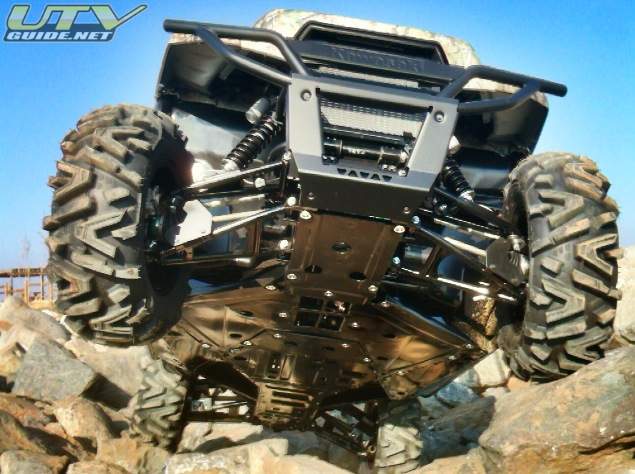
UHMW polyethylene slides across rocks more easily than exposed metal and does not remain permanently bent after a moderate impact. For a vehicle intended to explore the Rubicon and other technical trails, protecting the frame, drivetrain and underside was essential.
The skid plate became one of the most valuable modifications on the entire build. At Prairie City, the Teryx4’s short wheelbase and improved ground clearance worked well in the rocks, while the Factory UTV skid allowed us to use those advantages without constantly worrying about the underside.
SDR Motorsports Roll Cage and Roof
SDR Motorsports built the roll cage and roof while also handling the installation of several major components.
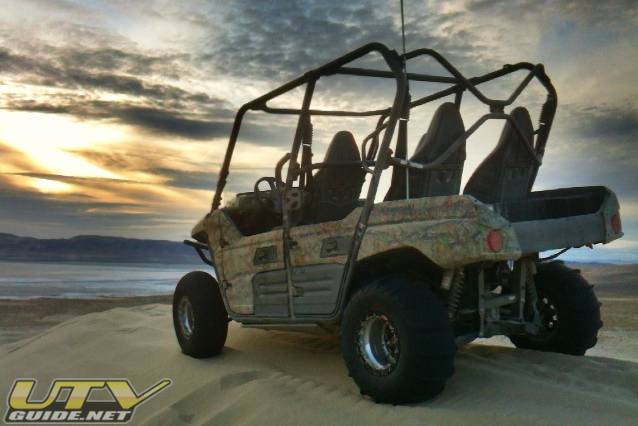
The cage gave the Teryx4 a lower and more purposeful profile while providing mounting points for the roof and lighting. It also complemented the wider stance created by the HCR suspension.
SDR installed the long-travel components, PRP seats, harnesses and Rigid Industries lighting before the build’s first major Glamis test. Having the suspension, seating and cage installed as one coordinated package helped the finished vehicle feel complete rather than like an assortment of unrelated accessories.
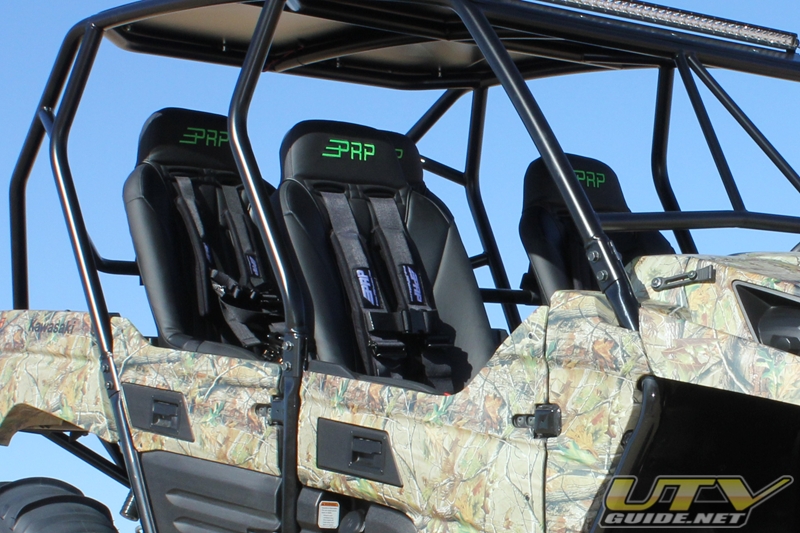
PRP Seats and Harnesses
Because this build was intended for long trail days and four-passenger trips, seating comfort mattered as much as suspension performance.
The PRP seats provided additional support over rough terrain, while the harnesses held the occupants more securely in technical sections and during faster dune or desert driving. The benefits became particularly noticeable when the terrain repeatedly moved passengers from side to side.
On long rides, secure and supportive seats also reduced fatigue. That helped the Teryx4 fulfill its intended role as an adventure vehicle rather than simply a short-distance recreation machine.
Wheels and Tires
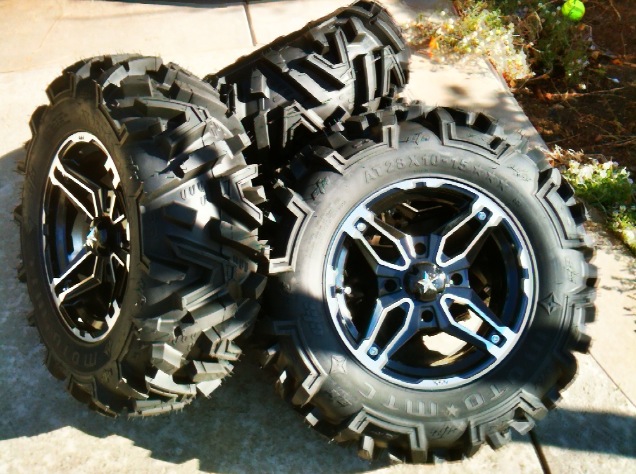
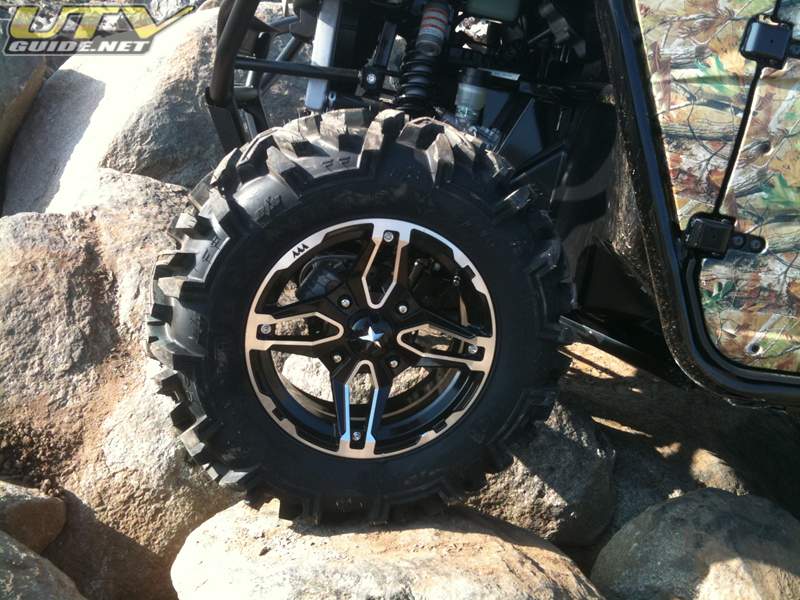
We used Motorsport Alloys 15×7 M15 Crusher wheels with 28×10-15 EFX MotoMTC tires for much of the build’s early testing.
The 28-inch tires provided additional ground clearance while retaining acceptable performance from the 749cc engine. We also tested larger 31-inch Pit Bull Growler LT tires at the Chappie-Shasta OHV Area.
The Teryx4 completed more than 35 miles on the 31-inch tires, but the additional rotating mass and effective gearing change were noticeable on climbs. The stock engine and clutch still moved the vehicle effectively, although it lost some speed and power going uphill.
That test reinforced an important point: larger tires can improve clearance and traction, but they also place additional demands on the engine, clutch, axles, steering and brakes. For the power available from the original 749cc Teryx4, the 28-inch setup offered a more balanced combination for mixed terrain.
Paddle tires were installed for the dune trips at Sand Mountain and Glamis.
Bumper, Winch and Recovery Equipment
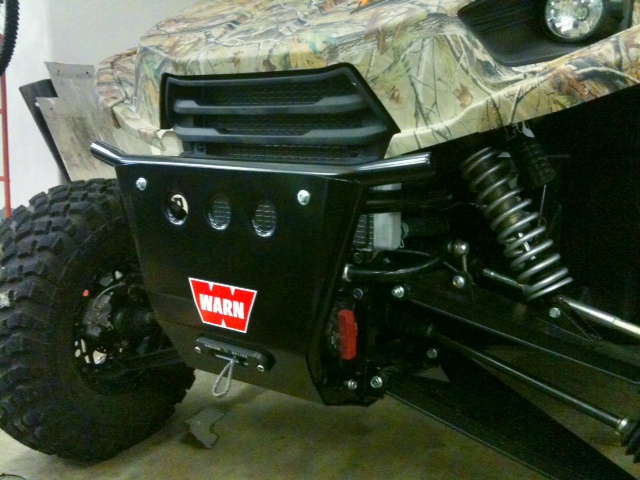
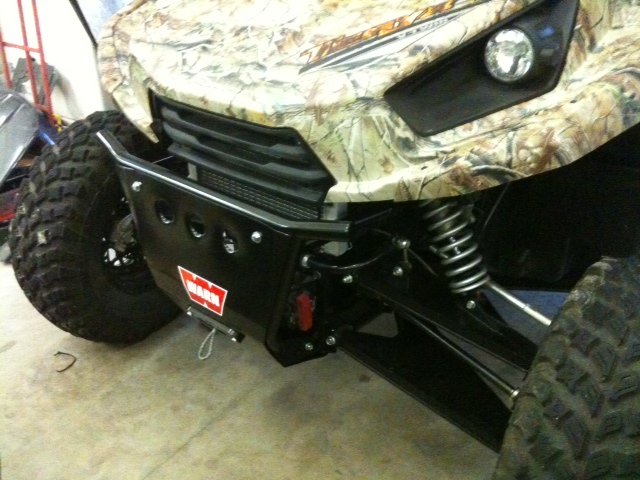
Roggy Enterprises built the front bumper, which carried a WARN winch and Custom Splice fairlead.
Recovery equipment was an important part of the build because the Teryx4 was being used on remote trails rather than primarily at parks or short-course riding areas. A winch could assist with self-recovery, help another vehicle or provide additional control over a difficult obstacle.
The bumper also added protection to the front of the Teryx4 without changing the basic layout of the compact chassis.
A VIAIR portable compressor allowed us to adjust tire pressures for rocks, trails and sand, then reinflate the tires before returning to faster roads or loading the vehicle.
Lighting, Navigation and Trail Equipment
Rigid Industries LED lights expanded the Teryx4’s useful riding time after dark. At Glamis, we tested the roof-mounted LED lighting during a night ride to Oldsmobile Hill.
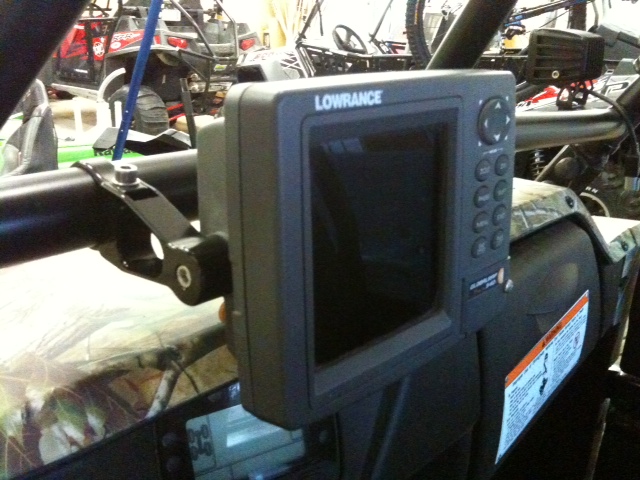
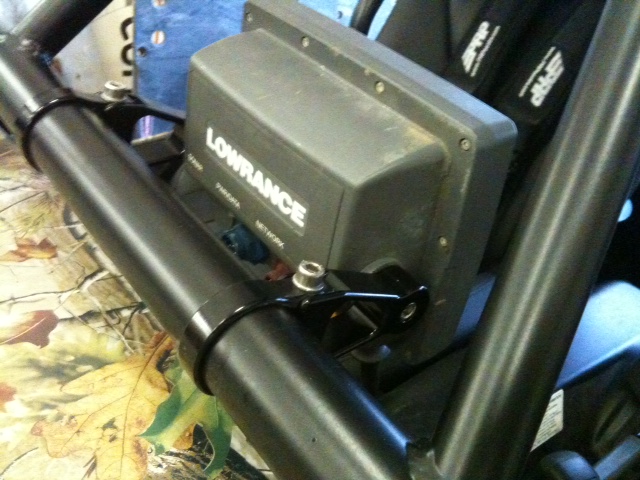
A Lowrance Baja 540c GPS was mounted using an Axia Alloys clamp system. Although navigation technology has advanced considerably since this project was completed, a securely mounted GPS was an important backcountry upgrade at the time.
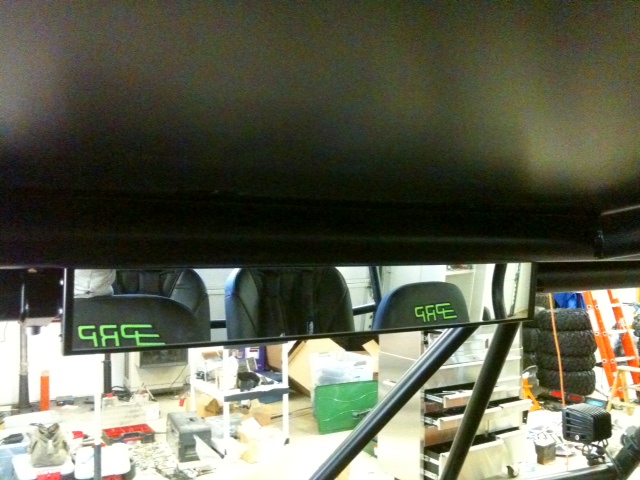
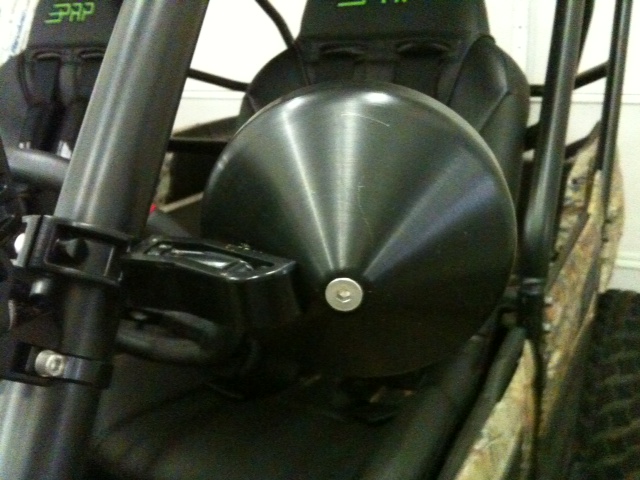
Axia Alloys and SSV Works mirrors improved visibility around the wider, modified vehicle.
Rear Storage Rack and Bed Equipment
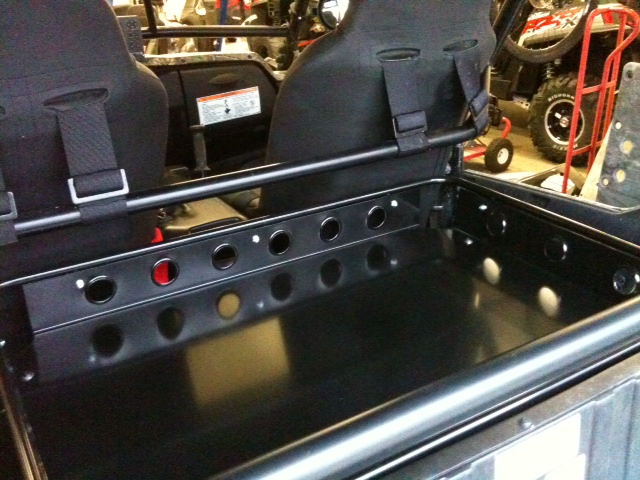
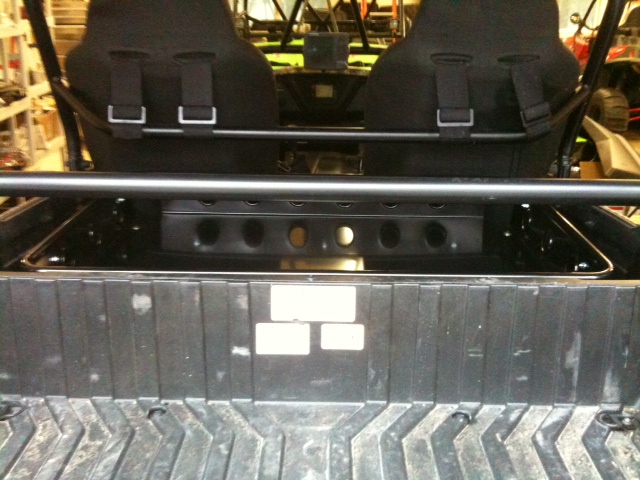
A Roggy Enterprises rear rack expanded the Teryx4’s cargo-carrying ability. This was especially useful because carrying four adults consumed most of the interior space, while camping and recovery trips required tools, spare parts and personal equipment.
The rack allowed us to carry additional cargo above the rear portion of the vehicle without giving up all of the factory bed space. A bed lift from Side x Side Outfitterz made it easier to access and use the cargo area.
These additions helped move the project beyond a conventional long-travel build. The Teryx4 could carry four people and the equipment required for a multi-day trail trip, making it a genuine backcountry adventure vehicle.
Benchmark Performance ECU Reflash
At Glamis, Chris from Benchmark Performance reflashed the ECU to remove the factory speed limiter.
The stock Teryx4 was limited to approximately 50 mph. That was sufficient for most technical trails, but the limiter became frustrating on open-desert routes where the chassis and suspension could comfortably maintain a faster cruising pace.
The reflash did not transform the 749cc Teryx4 into a high-horsepower sport UTV. Its principal benefit was allowing us to make better use of the available power and upgraded suspension in open terrain.
Initial Rock-Crawling Test
Our first test took place at Prairie City SVRA in December 2011, when the Teryx4 was still almost completely stock except for the larger wheels and 28-inch tires.
Even in that form, it performed surprisingly well. The front differential lock was easy to engage, power steering reduced effort around obstacles and the centrifugal clutch provided immediate, controlled engagement.
The short wheelbase helped the Teryx4 crest rocks and ledges that could have caused a longer four-seat vehicle to drag its center section. The main limitation was underbody protection, which led to the Factory UTV skid-plate development.
That first trip confirmed that the project’s basic concept was sound. The Teryx4 did not need to become a completely different vehicle; it needed upgrades that supported its existing strengths.
Sand Mountain: Stock Performance With Four Passengers
Before completing the long-travel conversion, we took the Teryx4 to Sand Mountain with paddle tires.
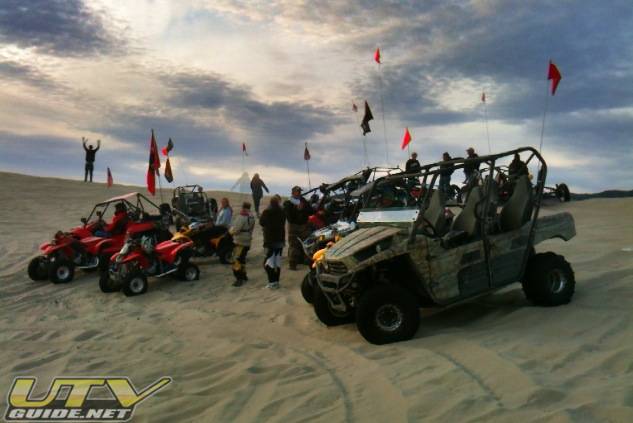
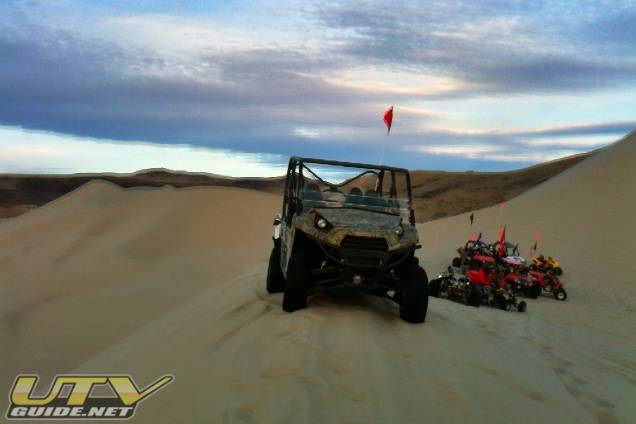
The nearly stock machine climbed to the top of Sand Mountain and performed better in the dunes than expected. We also completed a 90-mile desert ride with four occupants.
Passenger comfort remained good throughout the trip, and the compact chassis did not feel excessively cumbersome. The biggest complaint was the factory speed governor, which limited the Teryx4 to approximately 50 mph on the open portions of the ride.
Glamis: First Long-Travel Test
Glamis provided the first major test after SDR Motorsports installed the HCR long-travel suspension, FOX shocks, Summers Brothers axles, cage, roof, PRP seats, harnesses and Rigid lighting.
After installing the paddle tires and completing the Benchmark Performance ECU reflash, we adjusted the shock preload and headed into the dunes.
The suspension was initially soft, but a few damping adjustments improved its control. With four people aboard, the Teryx4 was able to follow a group that included a Polaris RZR XP, RZR XP 4 and a turbocharged RZR XP.
It could not match the outright power of the faster sport machines on every climb, but it maintained the group’s pace through most of the dunes. That was an impressive result for a four-seat recreation-utility vehicle powered by a 749cc V-twin.
Read more about that trip in our Glamis UTV Industry Ride report.

Prairie City and Chappie-Shasta Testing
Back at Prairie City in April 2012, the completed suspension and skid-plate upgrades transformed the Teryx4 in the rocks.
The HCR suspension and FOX shocks improved ground clearance and ride quality, while the Factory UTV skid protected the undercarriage. The centrifugal clutch remained one of our favorite factory features because of its immediate engagement and controlled response.
At Chappie-Shasta, we completed more than 35 miles using the 31-inch Pit Bull Growler LT tires. The larger tires reduced climbing performance, but the Teryx4 remained capable and comfortable.
These two trips demonstrated the difference between building for maximum tire size and building a balanced vehicle. The Teryx4 could turn 31-inch tires, but the smaller 28-inch setup was better matched to the stock engine for general trail use.
Rubicon Trail Camping Trips

The Rubicon Trail was one of the primary destinations we had in mind when the project began.
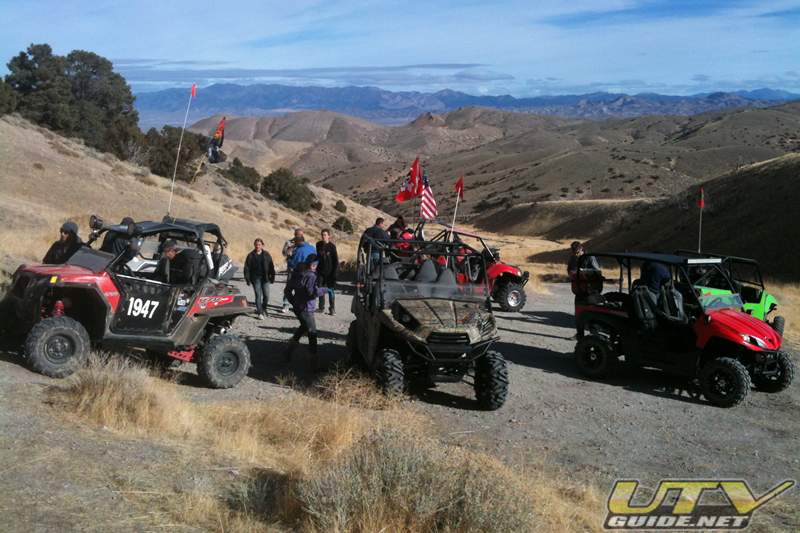
In June 2012, the Teryx4 carried passengers and camping equipment across the trail, allowing us to evaluate the entire build rather than an individual component. The short wheelbase, front differential lock, centrifugal clutch and underbody protection all contributed to its technical capability.
The suspension improved clearance and articulation, while the PRP seats made long days in the vehicle more comfortable. The rear rack supplied the extra storage needed for camping equipment and trail supplies.
We returned to the Rubicon in June 2014, further confirming that the build was more than a show vehicle. It had become the four-seat technical adventure machine we originally intended to create.
See the complete Kawasaki Teryx4 Rubicon camping trip.

Race Support and Event Appearances
The Teryx4 was also used by Nor Cal Rock Racing during its June 2012 event at Prairie City SVRA. Race organizer John Goodby logged more than 40 miles in the vehicle before and during the races.
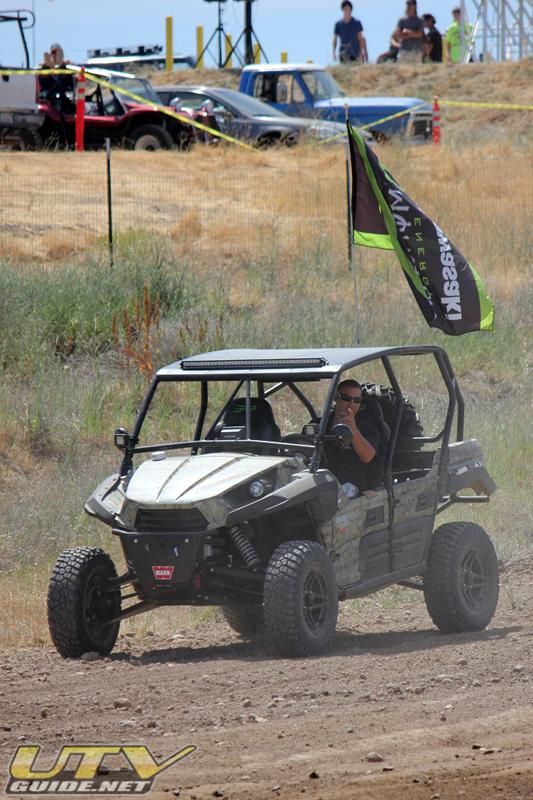
In September 2012, the completed project was displayed in the SSV Works booth at the Sand Sports Super Show.

Its appearance on the cover of UTV Off-Road Magazine was another milestone for the build, but its most meaningful accomplishments occurred on the trail. This was not a vehicle assembled only for display; its components were repeatedly tested across rocks, sand, desert and multi-day camping trips.
What Worked Best
- HCR long-travel suspension and FOX shocks: Improved clearance, stability and rough-terrain control.
- Factory UTV UHMW skid plate: Addressed an underbody-protection weakness discovered during the first rock test.
- PRP seats and harnesses: Improved passenger security and long-distance comfort.
- Rear storage rack: Increased the Teryx4’s usefulness for camping and backcountry travel.
- Bumper, WARN winch, compressor and GPS: Made the vehicle better prepared for remote trails.
- ECU reflash: Removed an unnecessary limitation during open-desert riding.
Just as importantly, the project confirmed the strength of the original platform. The centrifugal wet clutch, compact wheelbase, front differential lock and power steering continued to distinguish the Teryx4 even after the aftermarket parts were installed.
Final Thoughts
The 2012 Kawasaki Teryx4 was not the fastest four-seat UTV available, but it was one of the most practical platforms of its era for technical trail riding.
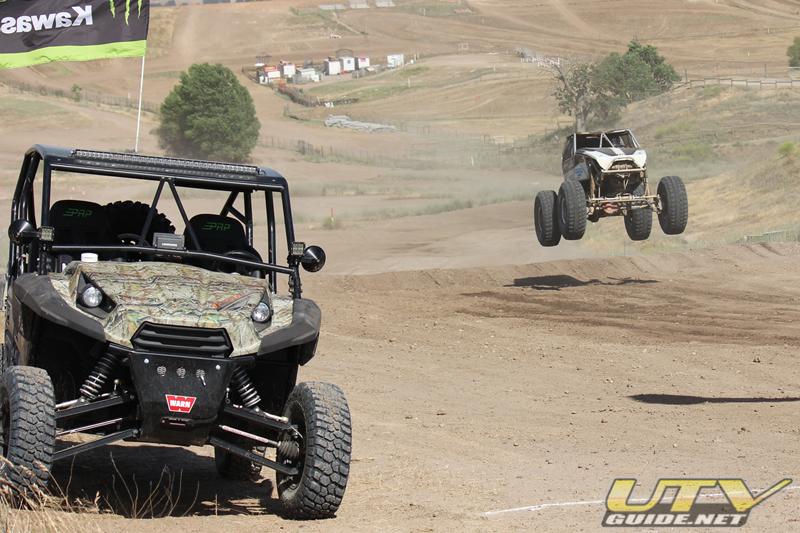
Rather than trying to turn it into a pure sport machine, this build emphasized the qualities already engineered into the vehicle. The suspension, skid protection, passenger equipment, recovery gear and storage upgrades allowed us to travel farther and tackle more difficult terrain while still carrying four adults.
From climbing Sand Mountain and running Glamis to rock crawling at Prairie City and camping on the Rubicon, the Teryx4 proved to be a remarkably versatile project vehicle.
Modern four-seat UTVs offer considerably more horsepower and suspension travel, but many are also much longer and wider. The original Teryx4’s combination of compact dimensions, passenger capacity and controlled low-speed performance remains distinctive more than a decade later.