2010 Kawasaki Mule 610 4X4 XC
Information:
Newest Mule Offers Expanded Off-Road Capabilities
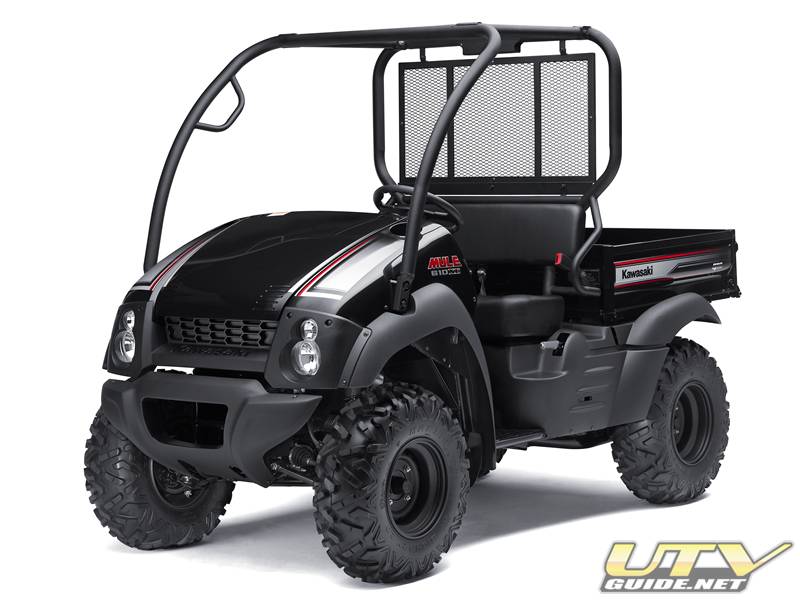
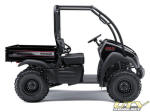
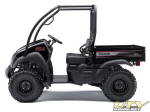
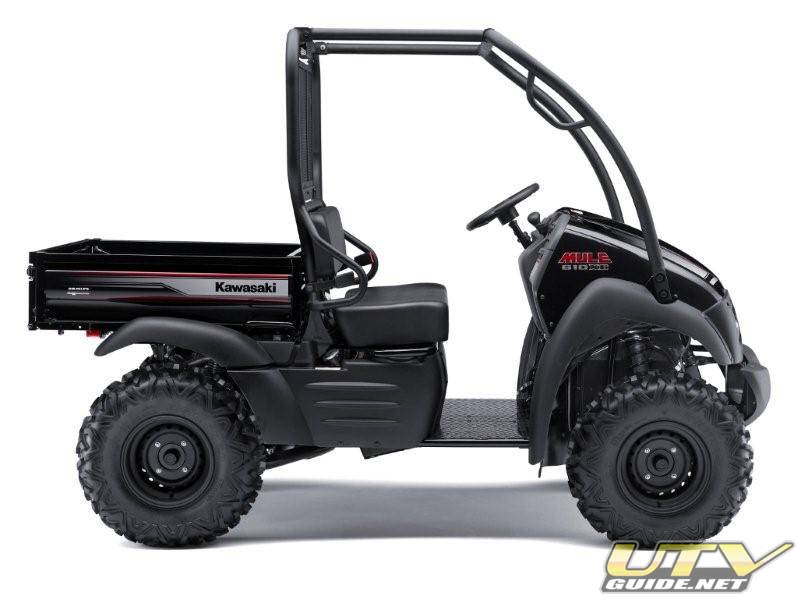
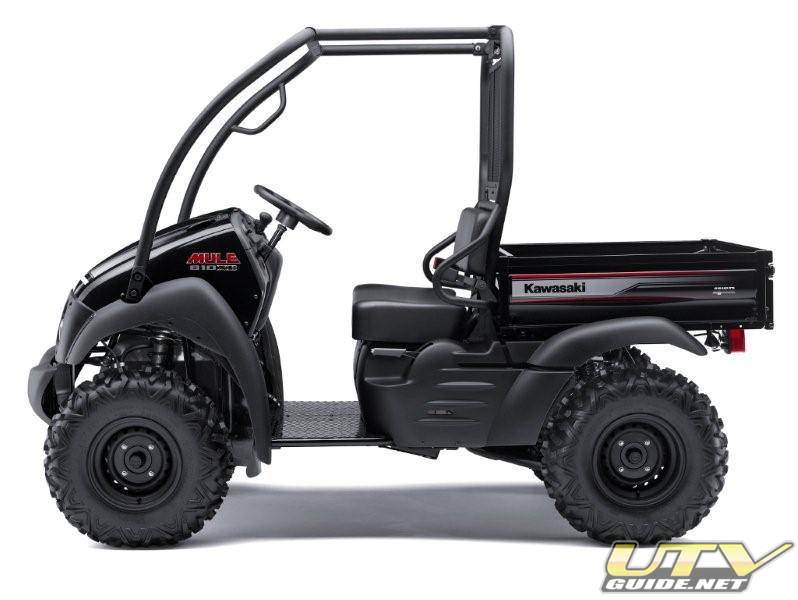
After more than 20 years of service, the Mule name has come to define a whole category of hardworking utility vehicles. For 2010, heres an entirely new take on everyones favorite beast of burden: The Kawasaki Mule 610 4×4 XC appears to have been crossbred with Kawasakis Teryx RUV. Aggressive 26 inch Maxxis Bighorn 2.0 radial tires mounted on 12-inch wheels give it newfound off-road abilityand a slew of upgrades designed to complement its suddenly more aggressive nature, infuse the new Mule XC with something its never really been known for: This Mule is cool.
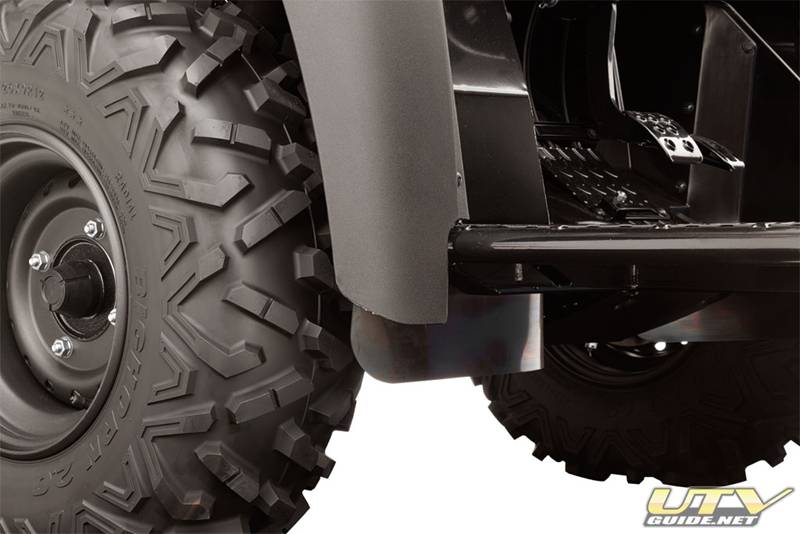
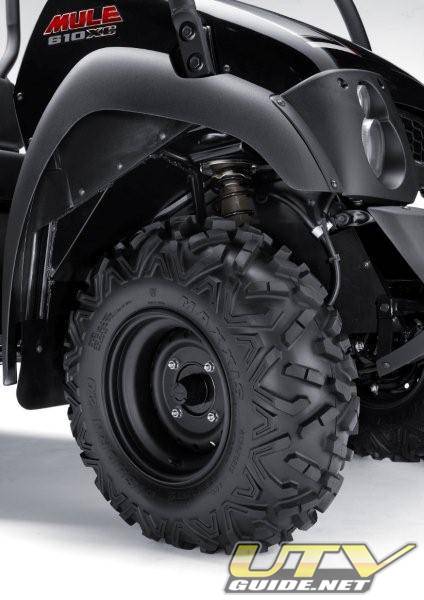 The standard Mule 610 4×4 was nearly unstoppable, but the new 4×4 XC takes that a giant step further. Not only do those burly 26 inch Maxxis tires provide a bunch more traction, their greater width increases the Mules track by 1.3 inches and their greater height gives the new Mule a full 8.1 inches of ground clearance. To accommodate that new capability, new 1.1 inch longer front and 1.5 inch longer rear suspension help the Mule climb over larger obstacles than ever, while standard skid plates protect vital systems. The standard Mule 610 4×4 was nearly unstoppable, but the new 4×4 XC takes that a giant step further. Not only do those burly 26 inch Maxxis tires provide a bunch more traction, their greater width increases the Mules track by 1.3 inches and their greater height gives the new Mule a full 8.1 inches of ground clearance. To accommodate that new capability, new 1.1 inch longer front and 1.5 inch longer rear suspension help the Mule climb over larger obstacles than ever, while standard skid plates protect vital systems.
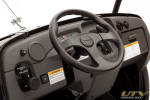
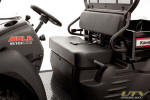
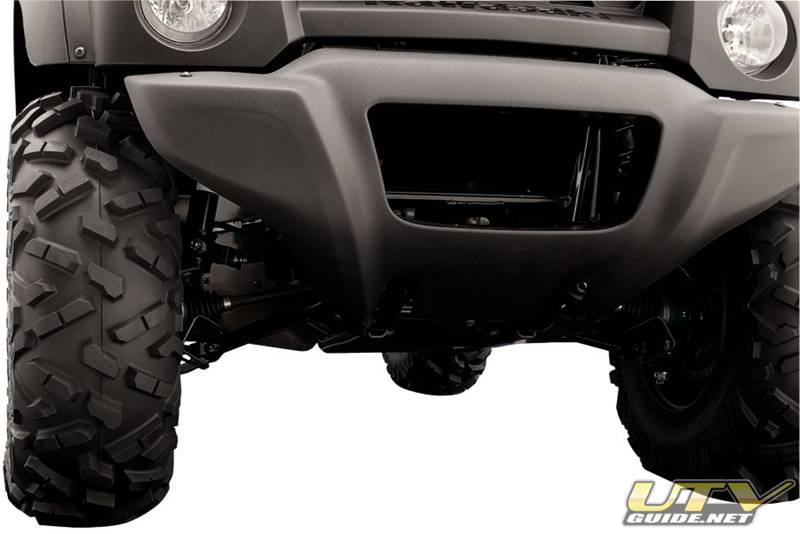
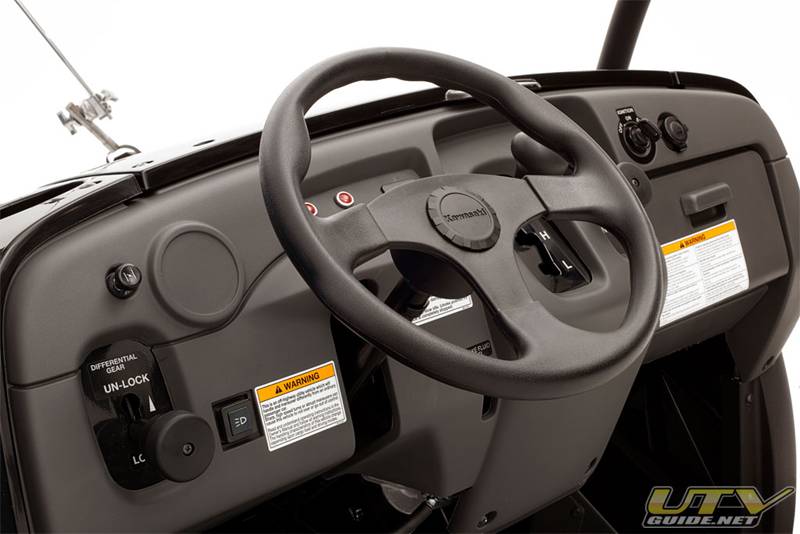
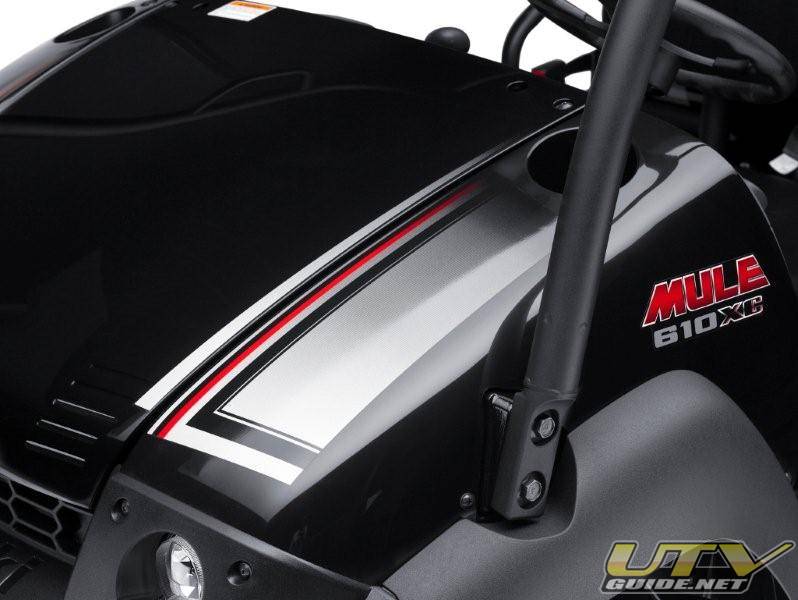
To make room for those new tires, the new Mules front bumpers been kicked forward about 1.2 inches, and while they were at it the Mule team added sporty new graphicsalso a new, more comfortable seat covered in a more pliable material, and a smaller-diameter sport steering wheel lifted straight from the Kawasaki Teryx.
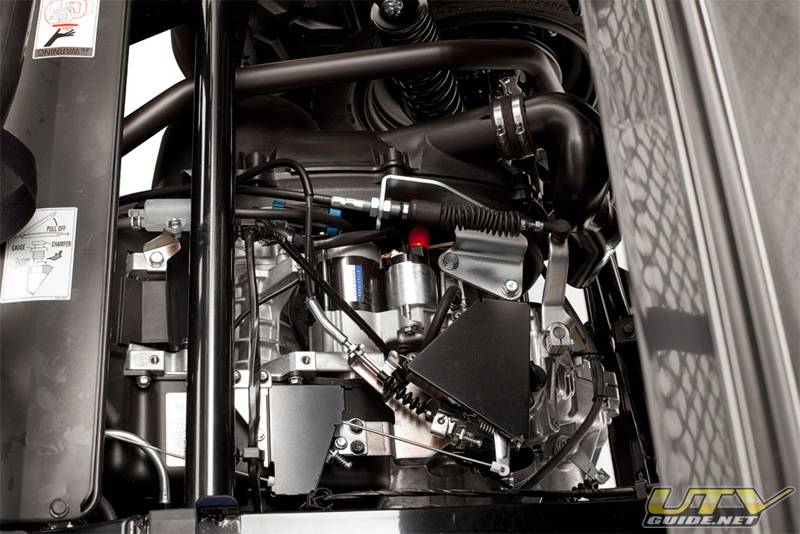
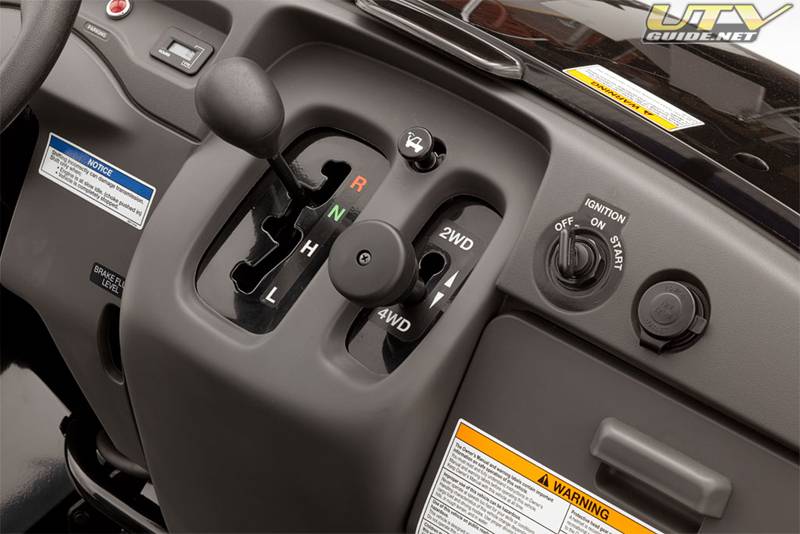
In spite of its new capabilities and the fact the XC looks like an entirely new vehicle on the outside, you can rest assured that its legendarily reliable and economical drivetrain remains intact on the inside. A durable, 401cc fan-cooled overhead-valve engine mated to a continuously variable transmission (CVT) feeds power to all four wheels as needed, and simple, automotive controls mean it couldnt be much easier to operate. An enrichening system partially opens the throttle for easy engine starts, hot or cold, and the Mule can be started in forward (Hi or Lo) or reverse gear, provided the brake pedal is applied. Select 2WD or 4WD, and away you go.
MacPherson strut front suspension and rack-and-pinion steering combine great bump absorption with light handling, and the Mules mid-engine layout and swingarm rear suspension provide great traction at the rear. An upgraded braking system brings it all to a reliable halt.
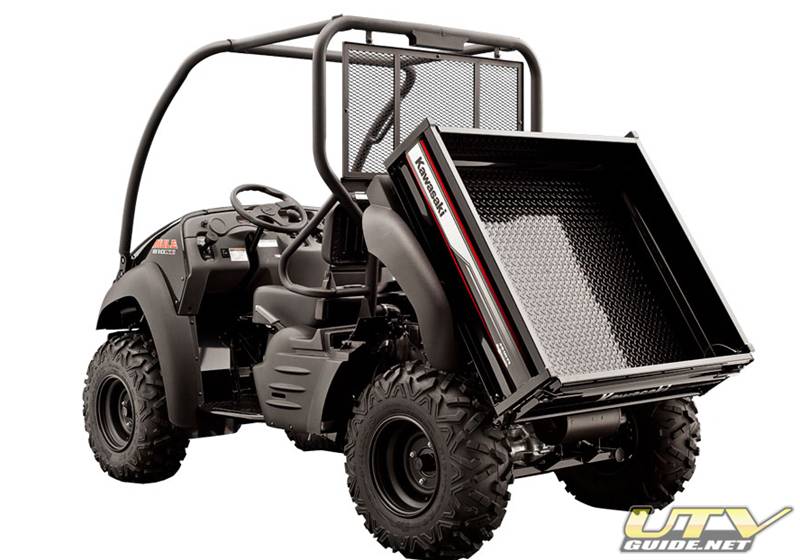
Fun as it looks, the XC is all about hard work, with a new special black texture paint applied to its 400-pound capacity tilting bed for even greater long-lasting looks and durability, and 1,100-pound towing capacity that means you can bring whatever you need. Dual cup holders keep thirst at bay when youre on the clock, a capacious glove box can carry more than just gloves, and the front hood pops open to reveal more than 12 gallons-worth of storage. Popular accessories include an enclosed cab, snow plow, winch, and soft or hard tops, available through Kawasaki dealers.
Kawasaki Motors Corp., U.S.A. (KMC) markets and distributes Kawasaki motorcycles, ATVs, personal watercraft, utility vehicles and recreation utility vehicles through a network of more than 1,475 independent retailers, with an additional 8,000 retailers specializing in Kawasaki power products and general purpose engines. KMC and its affiliates employ nearly 3,300 people in the United States, with 400 of them located at KMC’s Irvine, California headquarters.
Kawasakis tagline, Let the good times roll., is recognized worldwide. The Kawasaki brand has become synonymous with powerful, stylish motorcycles for over four decades. Information about Kawasaki s complete line of recreational products and Kawasaki affiliates can be found on the Internet at www.kawasaki.com.
Features and Benefits
A New Mule for 2010:
- New, extra large 26-inch Maxxis Bighorn 2.0 radial tires mounted on 12-inch wheels give this Mule utility vehicle newfound off-road skills.
- Along with bigger tires comes a 1.3 inch wider track. But this Mule still fits in a full-size pickup truck.
- Larger tires also result in 1.5 inches more ground clearancenow 8.1 inchesfor improved rough terrain capabilities.
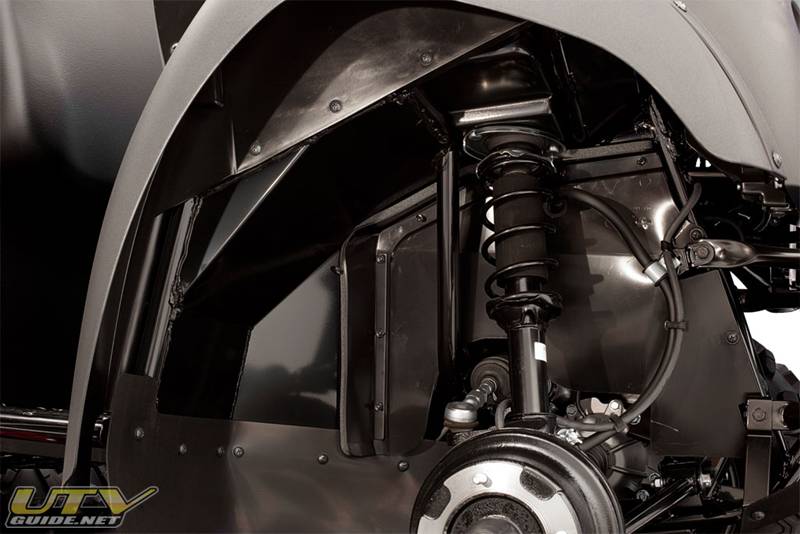
- Standard skid plates for the front differential, engine and rear diff add protection and greatly reduce the chances of getting hung up on obstacles.
- A new seat, covered in new material for more all-weather comfort, provides a better, more secure perch for the driver and passenger.
- A repositioned front bumper and exclusive sporty graphics give the XC a bold new look to match its new mission.
- A sport steering wheel, lifted from the Teryx RUV, enhances control and appearance.
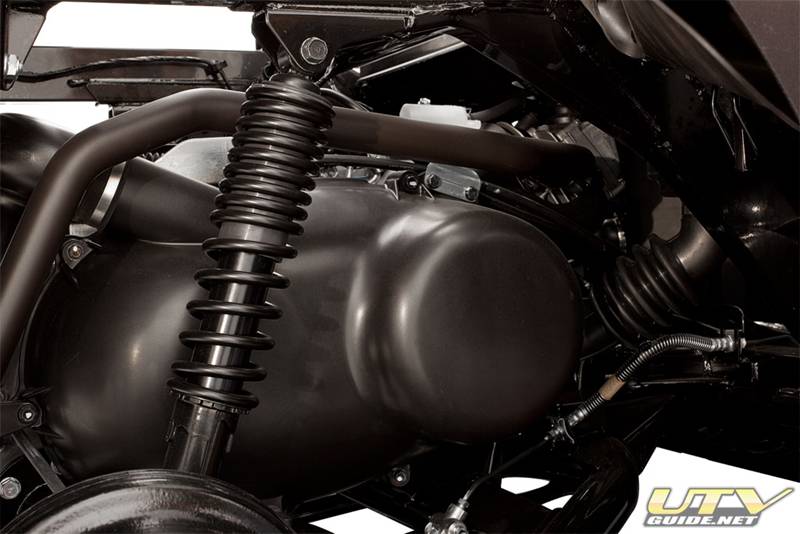
- Longer front and rear suspension arms provide greater off-road performance.
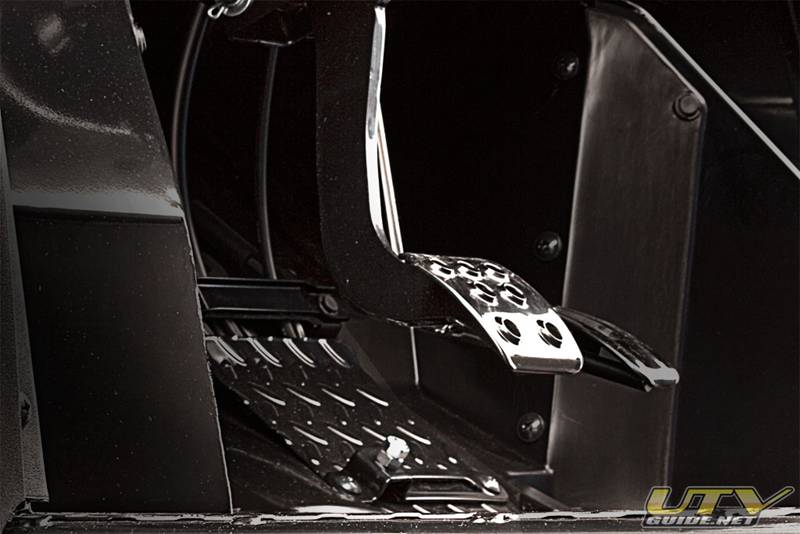
- A revised brake pedal ratio, stronger master-cylinder mount and new brake shoes provide increased braking performance.
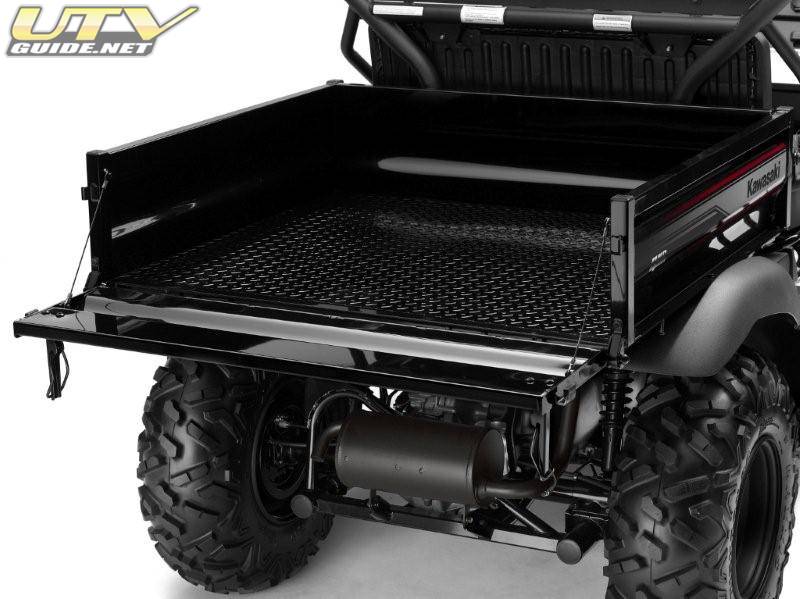
- Stain and scratch-resistant special black texture paint in the cargo bed enhances the whole vehicles looks and durability.
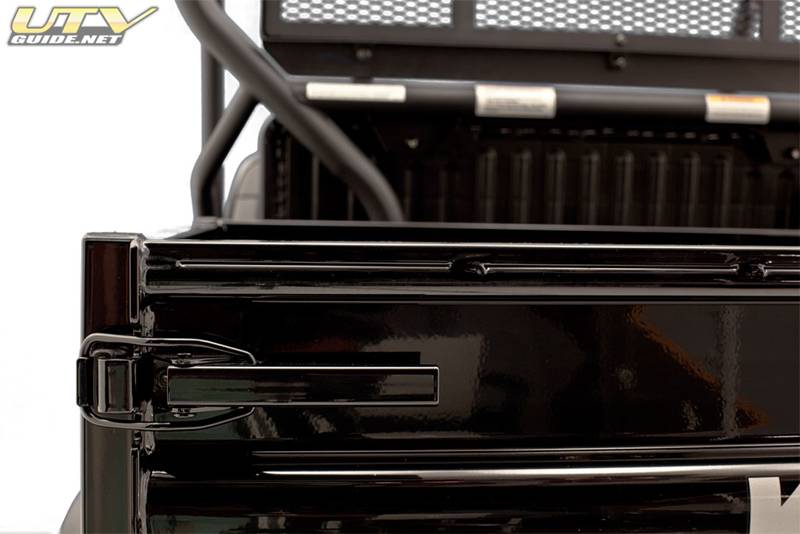
- Teryx-style tailgate has a simplified release for easy opening and closing.
Fan-Cooled, Single-Cylinder Engine
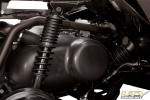
- The Mules simple, lightweight 401cc four-stroke single is compact, lightweight and extremely durable.
- Overhead valve design provides maximum efficiency, and the Mules highly evolved carburetor helps provide excellent fuel economy.
- Fan cooling helps the engine maintain an ideal operating temperature.
- Cab frame air intake draws clean, uncontaminated air for the engine from the top of the cab.
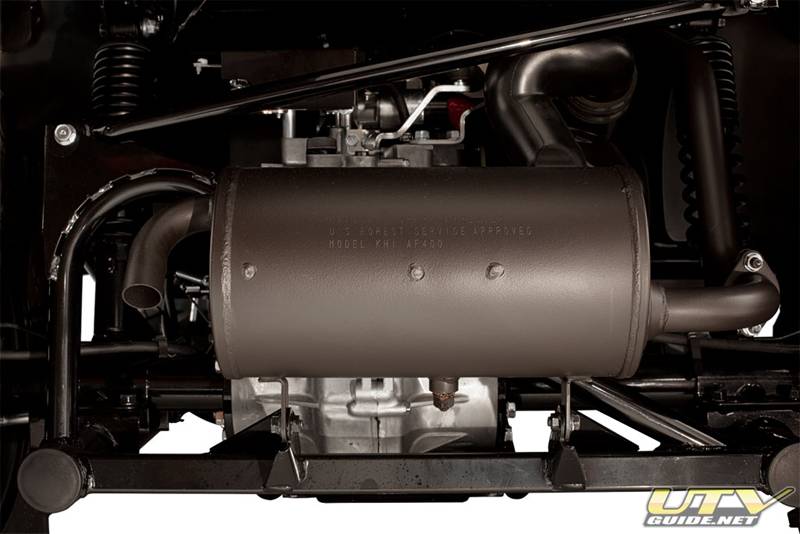
- Raising the exhaust system keeps it high, dry and out of harms way.
- An oil temperature warning lamp linked to a crankcase sensor helps prevent overheating.
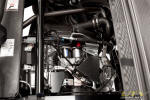
Easy Starting
- The choke opens the throttle during starting, so the accelerator pedal does not need to be depressed.
- Stepping on the brake pedal allows the engine to be started in gear.
Gear Driven Engine Balancer
- A rotating balance weight moves opposite to the piston, dramatically reducing vibration and minimizing noise and wear for increased comfort and reduced fatigue.
Environmentally Friendly Emissions
- Carburetor settings reduce exhaust emissions, a good thing for the environment.
- Positive crankcase ventilation system recycles blow-by gasses to the intake tract, where theyre burned in the engine.
A USFS-approved spark arrestor in the muffler greatly reduces fire hazard.
- California models have a check valve on the fuel tank-to charcoal canister connector hose to prevent gasoline from entering the canister when operating on inclines or over rough terrain.
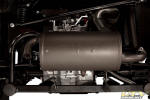
Kawasaki Automatic Power-Drive System (KAPS)
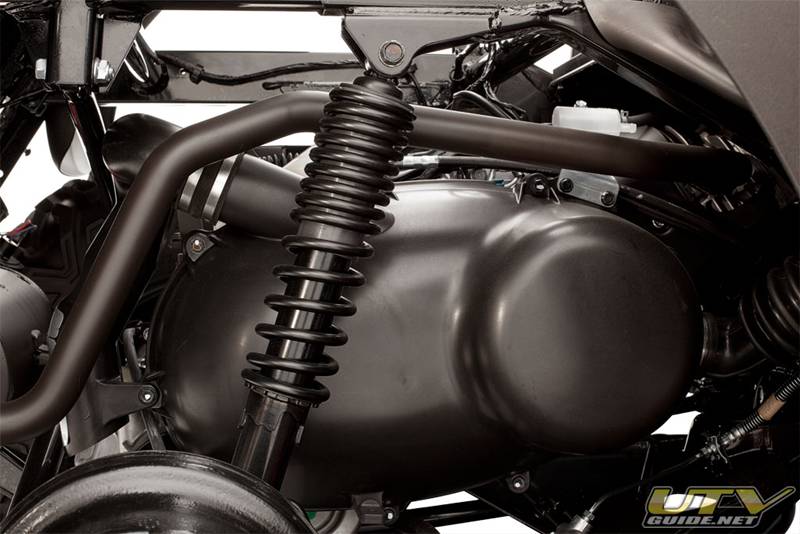
- A simple and lightweight CVT (continuously variable transmission) is fully automatic and keeps engine speed in the most efficient range for any selected vehicle speed, load, or terrain
- Fully automatic transmission features selectable 2- or 4-wheel drive.
- An open-sided drive pulley cools better for longer belt life.
- Belt deflection can easily be adjusted by changing shim thickness of the adjuster bolt located on the outside of the driven converter.
- A die-cast aluminum belt converter has high silicon content for compactness and light weight, and offers excellent toughness and durability.
- The belt converter case is sealed to keep out contaminants.
- A long-wearing ATV-style double cog CVT belt provides long wear and minimal maintenance.
- The belt converters air cleaner cover uses a clip-type clamp for easier maintenance, and a revised sealing method provides an improved seal.
- A maintenance-free sealed bearing unit is used between the front and rear driveshafts.
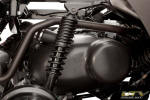
Dual-Mode Differential
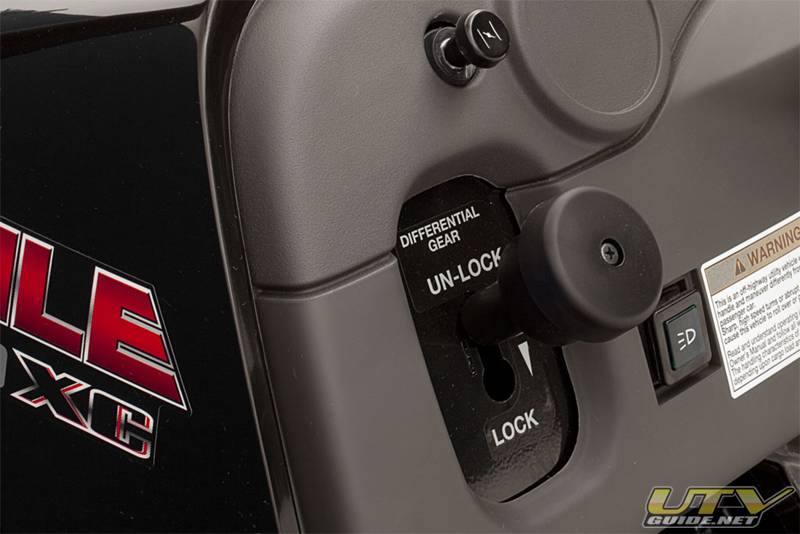
- Locked mode provides maximum traction in difficult conditions.
- Unlocked mode decreases turning radius and minimizes ground disturbance – great for use on grass.
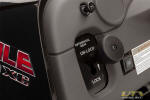
Rack and Pinion Steering
- Ackerman rack-and-pinion steering provides precise, accurate handling and a small turning radius that facilitates working in tight quarters.
- Rack and pinion system is durable, simple, easy to maintain and helps reduce tire wear.
MacPherson Strut Independent Front Suspension
- Long-travel front suspension serves up a comfortable ride, excellent load-carrying capability and excellent terrainability.
- Simple, rugged single A-arm design provides a tight turning radius for extra maneuverability.
Unit Swingarm Rear Suspension
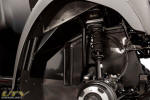
- Unique design places engine and rear wheels on a sub-frame with a mid-point pivot which isolates vibration for a smooth ride.
- Mule 610 4×4 XCs long-travel rear end can handle heavy loads, yet provides a comfortable ride with an empty cargo bed.
Chassis
- The front grille includes space for mounting a 3000-pound capacity winch
- Compact, lightweight, and easy to transport to the job, the Mule fits in the bed of a full-sized pickup.
- Durable plastic body panels resist dents, and the Mule 610 4×4 XCs Super Black finish is molded in for long lasting good looks.
Safety Equipment
- Fully meets SAE Roll Over Protective Structure (ROPS) requirements for wheeled tractors under SAE J1194, 7.1.1, 7.1.2, 7.4, and 7.5, and FMVSS 216.
- Two seat belts enhance safety.
- Speed limited to 25 mph keeps the Mule well within its performance envelope.
Ample Storage
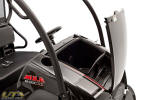
- The front hood opens up to reveal 12.6 gallons of sealed storage space.
- A passenger side glove box is perfect for small item storage.
- Cup holders located at each side of the front hood by the dash keep hydration close at hand.
Tilting Cargo Bed
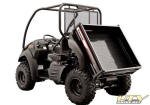
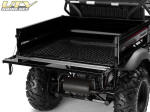
- A steel cargo bed covered in non-slip paint can carry up to 400 pounds, and tilts for maintenance and cleaning.
- A Teryx-style tailgate with simplified release mechanisms makes loading and unloading easy.
Simple Maintenance
- A crankcase oil level dipstick and dual-element air cleaner make maintaining the Mule quick and convenient.
Cab Features
- An automotive style dash features easy-reach controls.
- A standard-equipment hour meter makes maintenance intervals easy to track.
- Fuel gauge and an oil temperature warning light keep track of essential fluids.
- Gear selector for High, Low, Neutral, and Reverse couldnt be simpler really.
- A differential locking lever and convenient parking brake are simple to find and operate.
- Powerful and stylish 35w headlights let the work day continue after dark.
Popular Accessory Items:
- Under seat storage compartment
- Speedometer
- Plastic Hard Top
- Windshield
- Headrests
- Winch
- Snow Plow
More Photos:
Manufacturer Info:
Kawasaki Motors Corp., U.S.A.
PO Box 25252
Santa Ana, CA 92799-5252
Website: www.kawasaki.com
Kawasaki Teryx Home
|





No Comments