Riding Polaris High Lifter Edition UTVs at High Lifter Proving Grounds

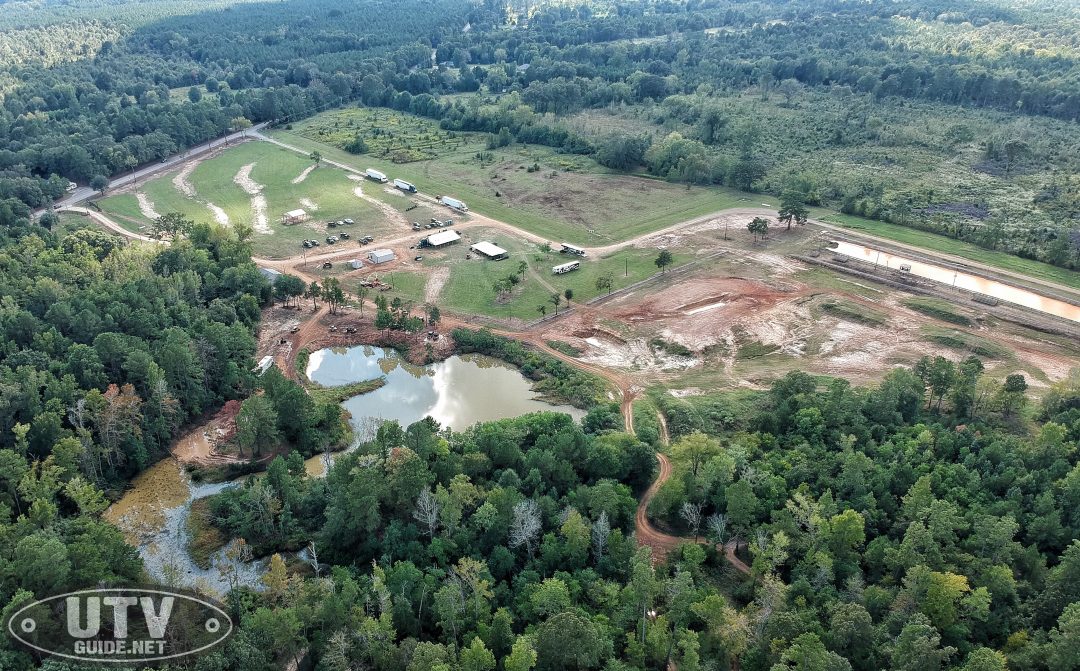
High Lifter Proving Grounds

By Jon Crowley

Polaris invited me to High Lifter Proving Grounds near Shreveport, Louisiana, in 2018 to drive its complete lineup of factory-built High Lifter Edition UTVs. The trip included seat time in the two-seat Polaris RZR XP 1000, four-seat RZR XP 4 1000, RANGER XP 1000 and six-seat RANGER CREW XP 1000 High Lifter Editions.

I was relatively new to dedicated mud riding at the time. Driving these machines in the environment where Polaris and High Lifter tested them demonstrated why a true mud UTV requires much more than aggressive tires and a snorkel kit.

This article covers that firsthand experience at High Lifter Proving Grounds. For the complete model timeline—from the first RZR XP 1000 High Lifter Edition through the new RANGER Mud Edition—read our history of Polaris High Lifter and Mud Edition UTVs.

Testing at High Lifter Proving Grounds

Our visit took place shortly before the park’s October 2018 grand opening. High Lifter Proving Grounds was designed around the type of riding that built the High Lifter name: deep water, soft mud, heavily rutted trails and obstacles capable of exposing weaknesses in a vehicle’s suspension, airflow and driveline.

Mud creates challenges that are easy to underestimate from the outside. The engine and CVT need clean air even when much of the vehicle is surrounded by water. Suspension components must clear deep ruts, the cooling system has to remain effective, and the drivetrain must turn heavy mud tires packed with wet material.

Ground clearance becomes especially important because the vehicle is often moving through existing ruts. Once the chassis settles onto the center of a mud hole, additional wheelspin may only dig the tires deeper.

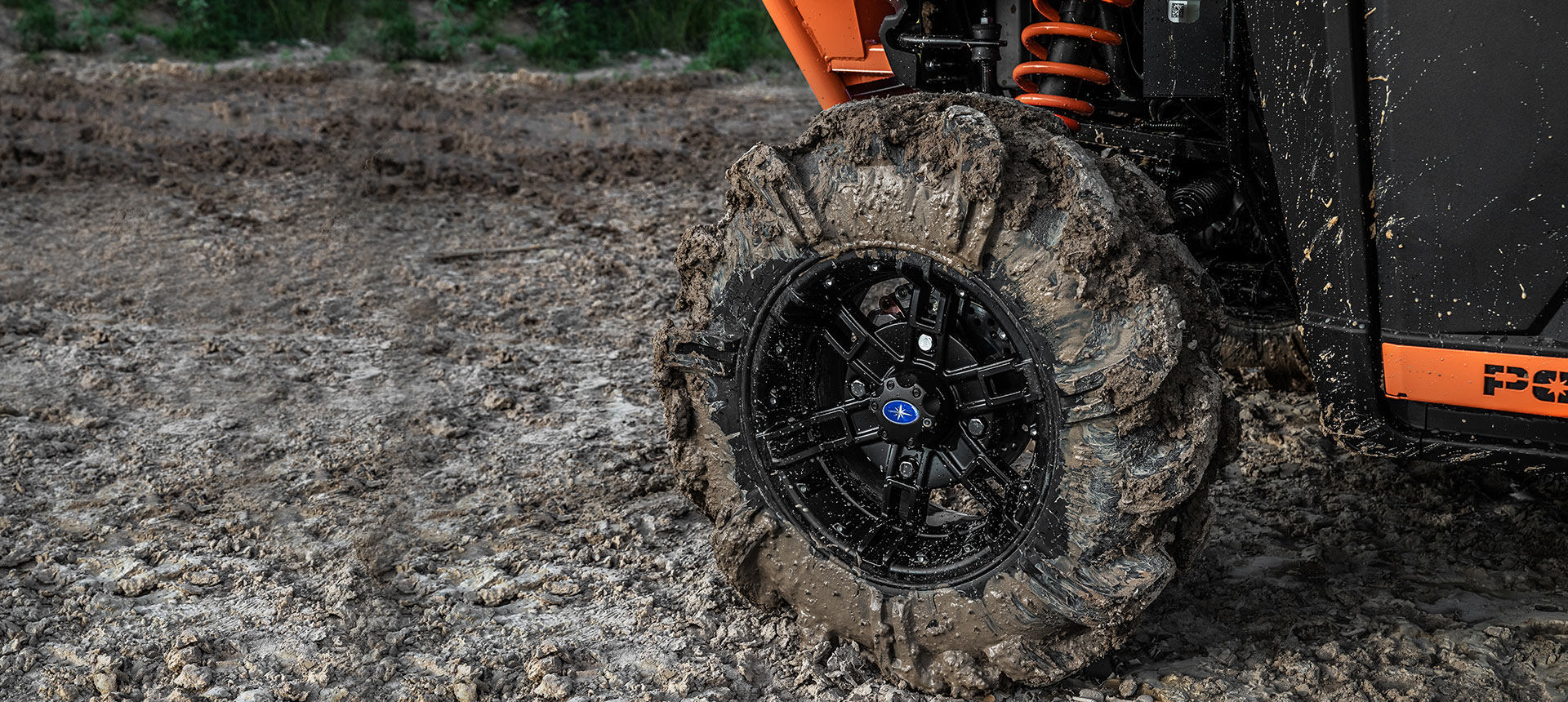
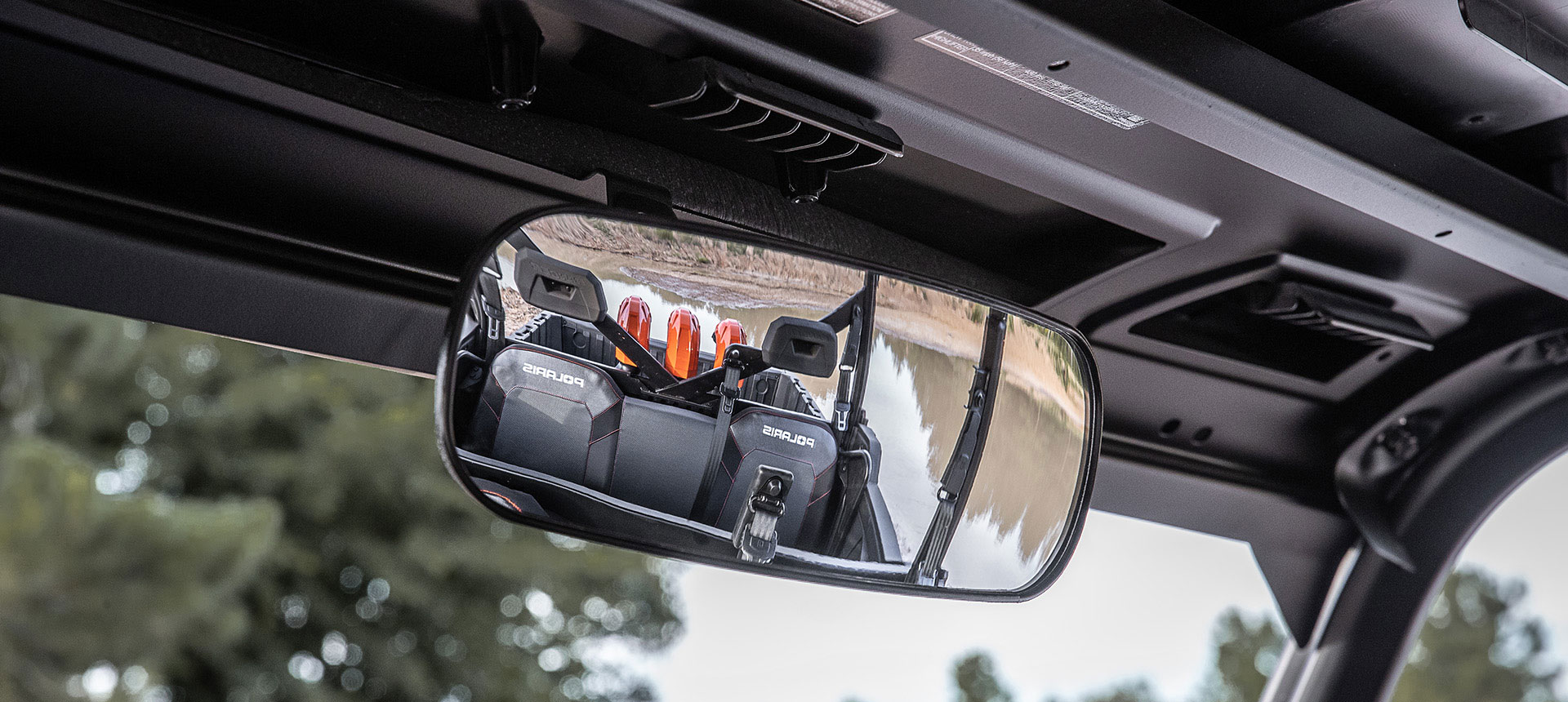
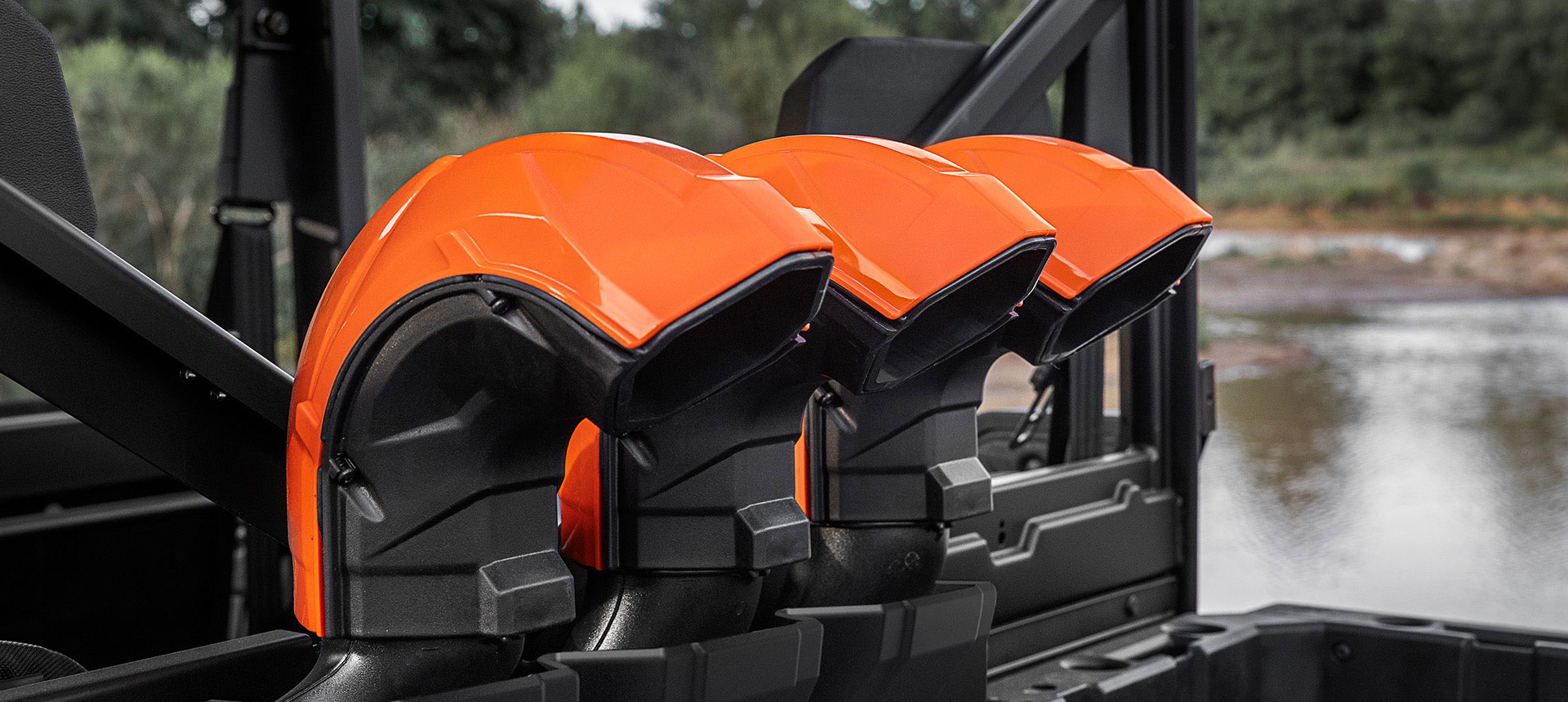
The Polaris High Lifter Editions addressed these problems as coordinated factory packages. Raised engine and clutch intakes, mud-specific gearing, arched suspension components, underbody protection, aggressive High Lifter Outlaw 2 tires and recovery equipment were designed to work together.

Driving the Polaris RZR XP 1000 High Lifter Edition

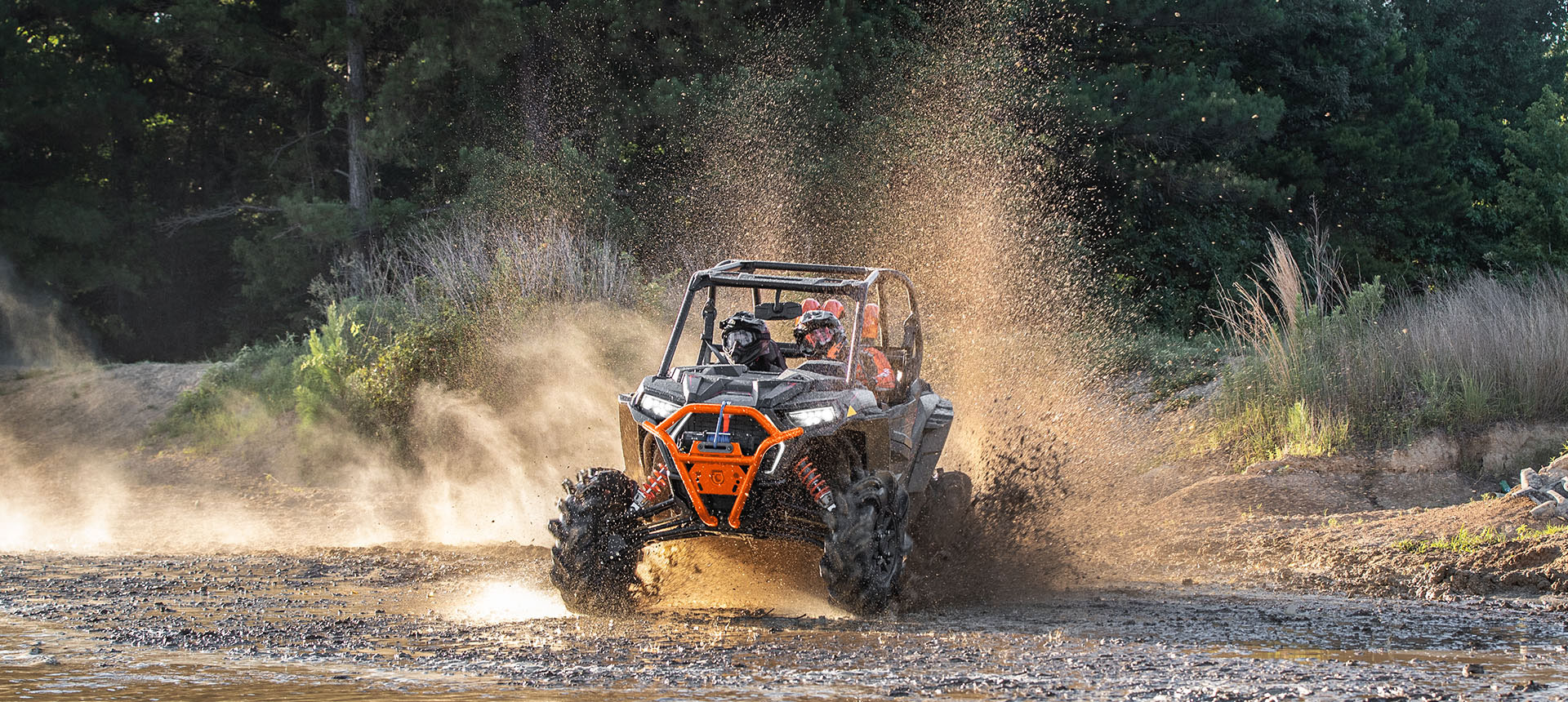
The two-seat RZR XP 1000 High Lifter Edition was the most performance-oriented machine at the event. Its compact wheelbase, 64-inch stance and sport suspension gave it a much more responsive personality than the utility-focused RANGER models.

Polaris RZR XP 1000 High Lifter Edition at High Lifter Proving Grounds

Polaris RZR XP 1000 High Lifter Edition

The 29.5-inch High Lifter Outlaw 2 tires supplied the aggressive bite needed to keep the RZR moving through soft terrain. More importantly, Polaris gave the High Lifter Edition a low-range ratio that was 55 percent lower than that of the standard RZR XP 1000.

That lower gearing allowed the engine to keep the tires turning without depending entirely on momentum or excessive belt slip. It also gave the driver better control when easing into a deep hole and searching for traction.

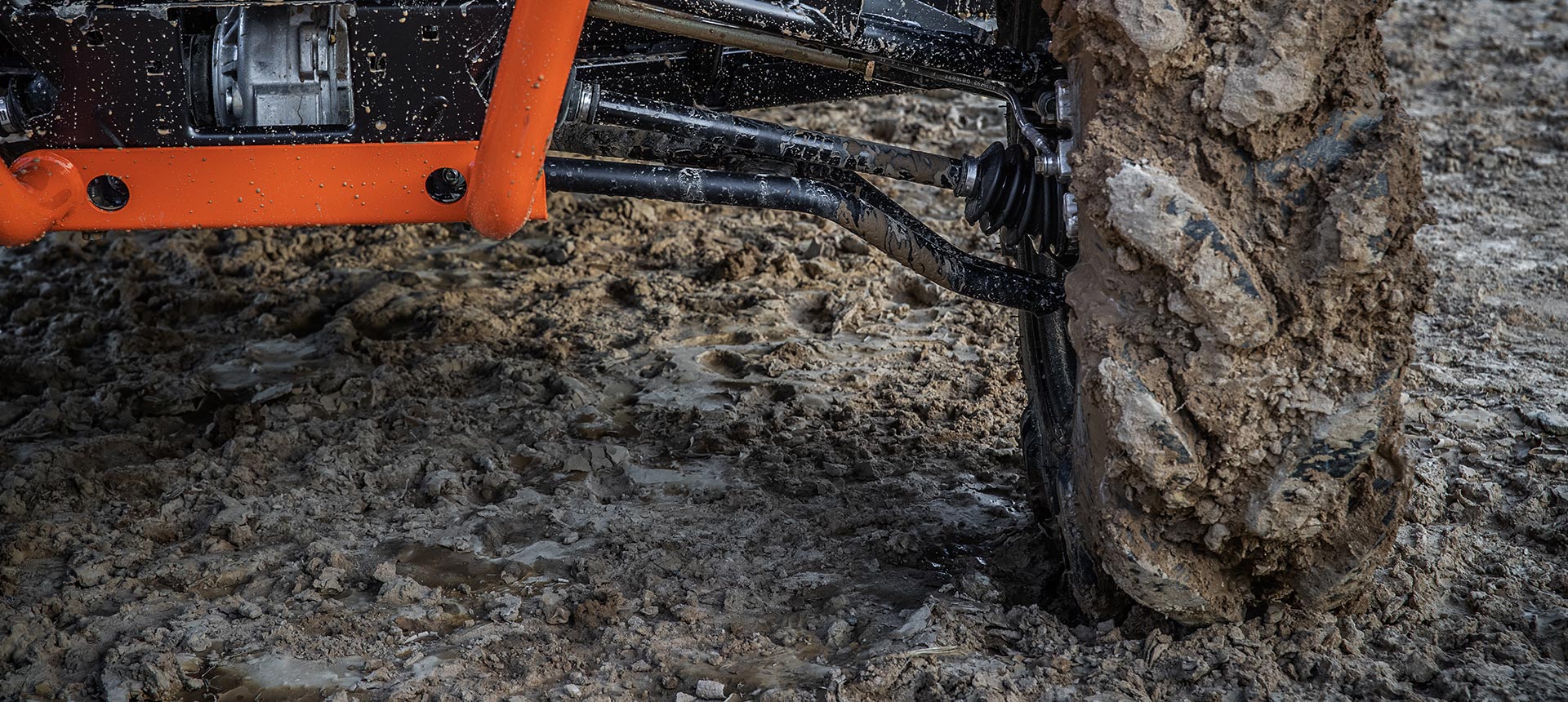
High-clearance lower A-arms and rear radius rods helped prevent the suspension from dragging through deep ruts. Stiffer springs compensated for the weight of accumulated mud, while raised air intakes helped protect the engine and clutch system when the water became deep.

The RZR was the most entertaining machine to drive and felt much more agile than the RANGER CREW. It could attack the same obstacles with less concern about becoming centered on its chassis, although the driver still needed to respect the depth of the water and the condition of the trail beneath it.

RZR XP 4 High Lifter Edition: More Seats and a Longer Wheelbase

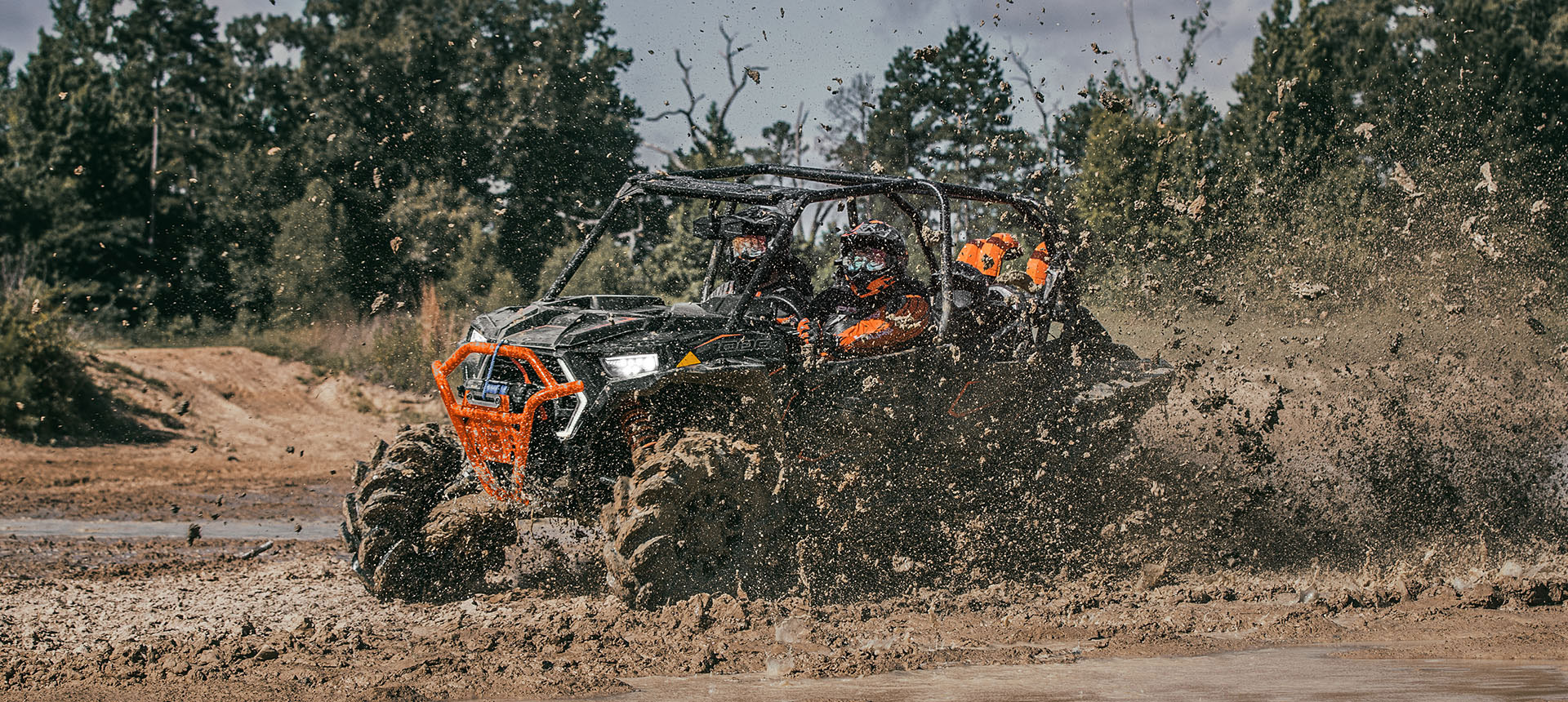
The Polaris RZR XP 4 1000 High Lifter Edition applied the same basic mud package to a longer four-seat chassis. It retained the Outlaw 2 tires, reduced gearing, raised intakes and high-clearance suspension components while adding room for two more occupants.

Polaris RZR XP 4 1000 High Lifter Edition in the mud

Polaris RZR XP 4 1000 High Lifter Edition

The longer wheelbase added stability and passenger capacity, but it also increased the likelihood of the vehicle becoming centered on the bottom of a deep mud hole. That tradeoff was manageable in the RZR XP 4, but it became even more apparent when I moved into the substantially longer RANGER CREW.

For riders who wanted RZR performance and room for four, the XP 4 High Lifter Edition delivered an unusual combination. It was still a sport UTV, but it arrived from the factory prepared for a form of riding that normally required extensive aftermarket work.

RANGER XP 1000 High Lifter Edition: Mud Capability with Utility

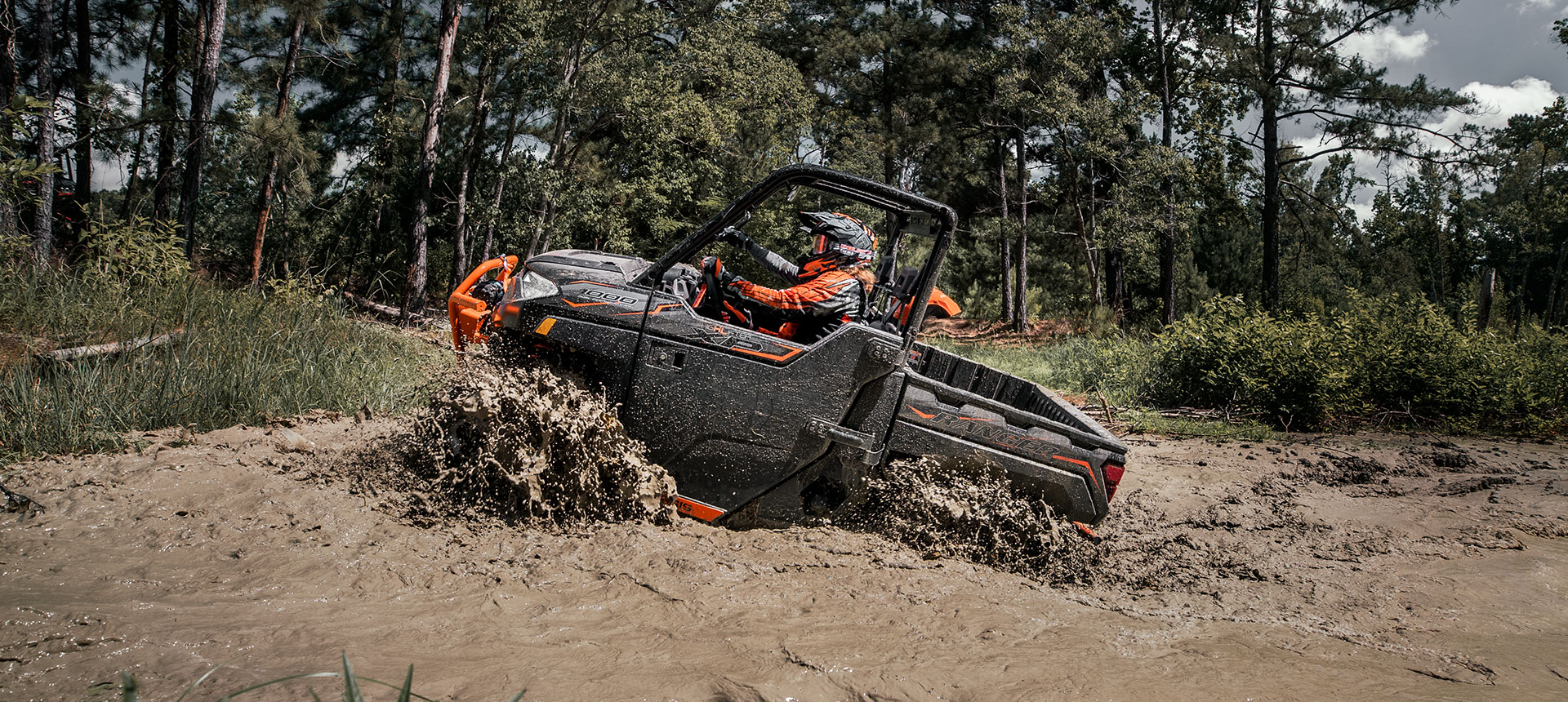
The RANGER XP 1000 High Lifter Edition combined specialized mud equipment with the cargo box, bench seating and work capability of Polaris’ full-size utility platform. Its 999cc ProStar twin produced 82 horsepower and was paired with a driveline Polaris said was 20 percent stronger than the standard system of the period.

Polaris RANGER XP 1000 High Lifter Edition

Polaris RANGER XP 1000 High Lifter Edition

Its 28-inch Outlaw 2 tires were smaller than the tires fitted to the RZR High Lifter Editions, but they still offered substantially more bite than a conventional utility tire. Arched A-arms created additional clearance close to the wheels, where straight suspension arms would be more likely to drag through the sides of a rut.

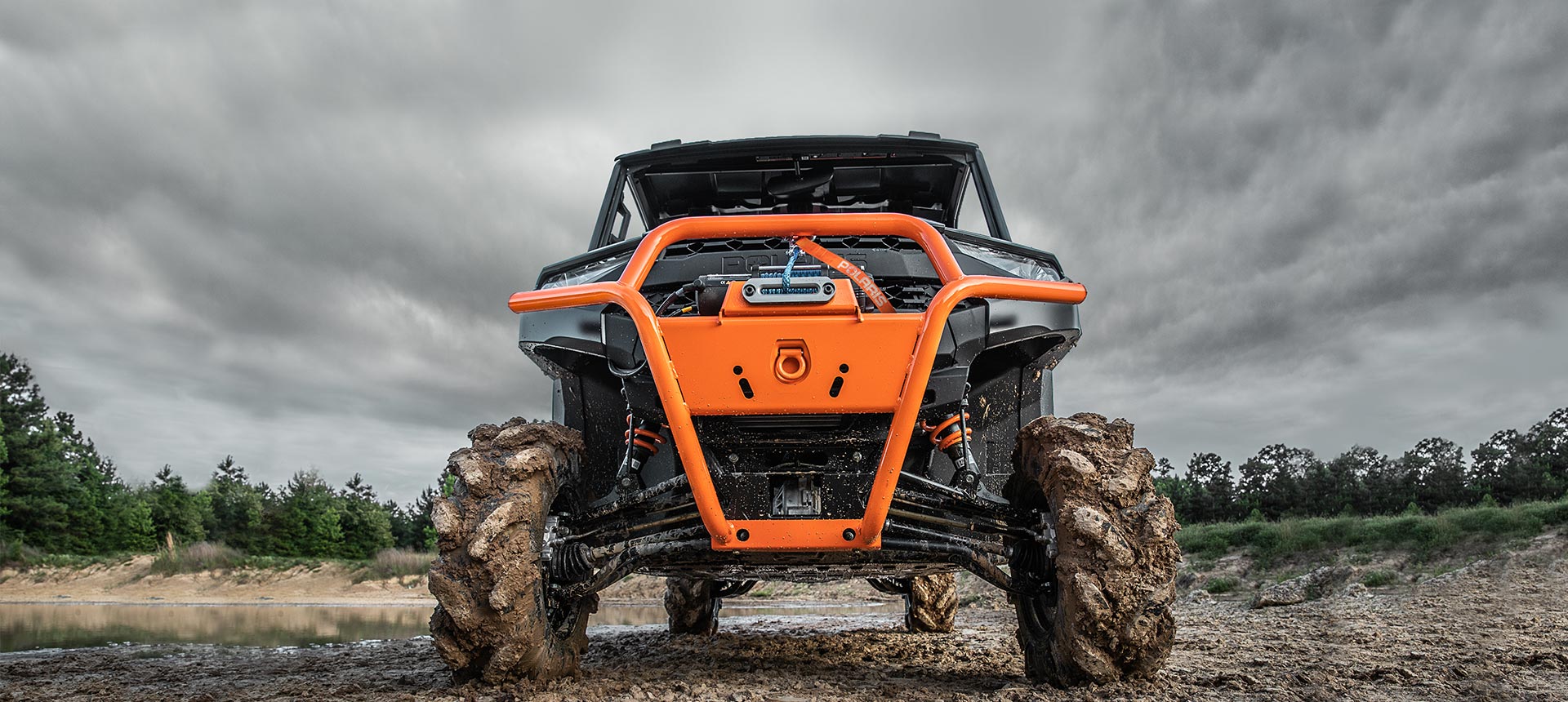
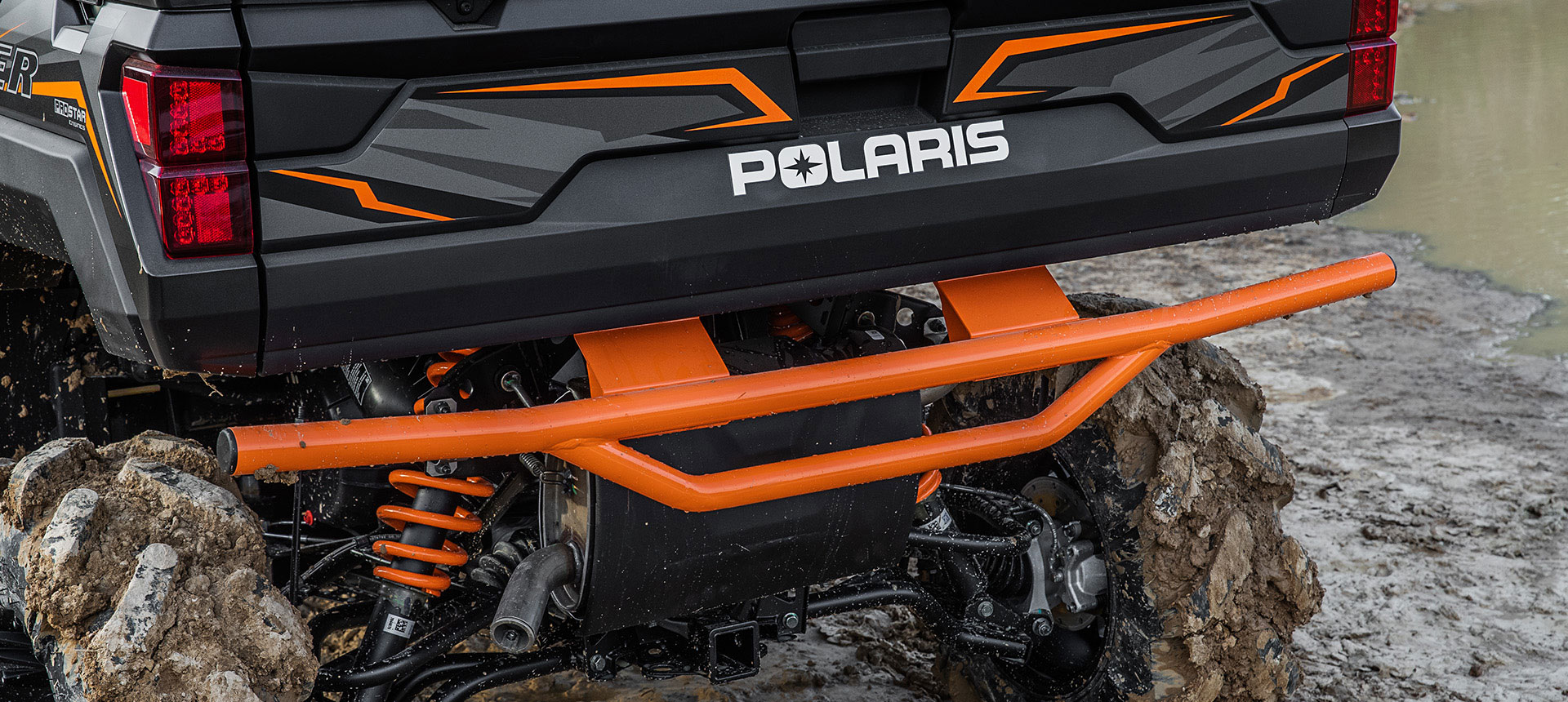
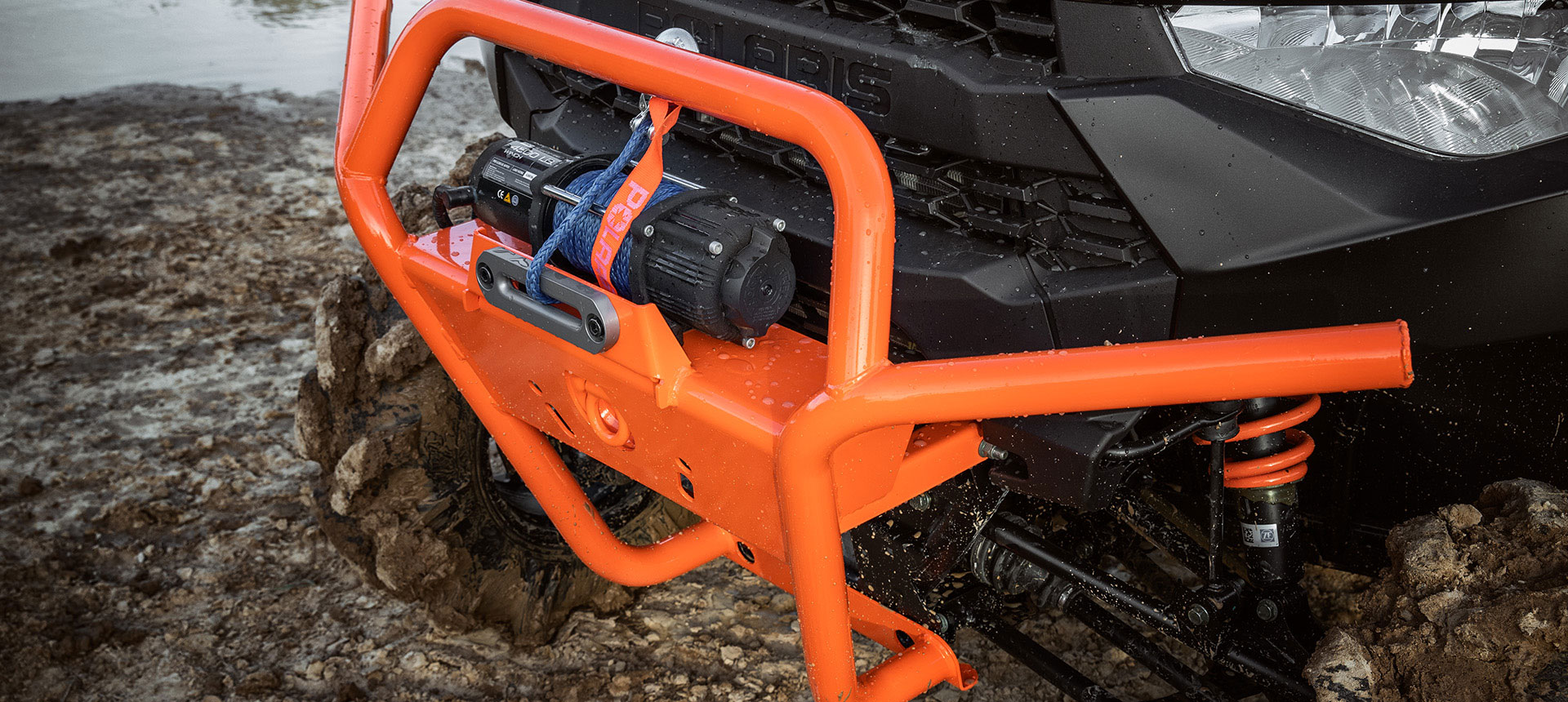
Raised engine and clutch intakes, a geared reverse transmission and purpose-built front and rear bumpers further distinguished it from a standard RANGER. The recovery equipment was also essential rather than decorative. Getting stuck is part of mud riding, so the winch needed to remain accessible when the front of the machine was buried.

The RANGER was not as quick or agile as the RZR, but it offered something the sport models could not: the ability to carry equipment, tow a trailer and handle normal utility work when the ride was over.

A Day in the RANGER CREW XP 1000 High Lifter Edition

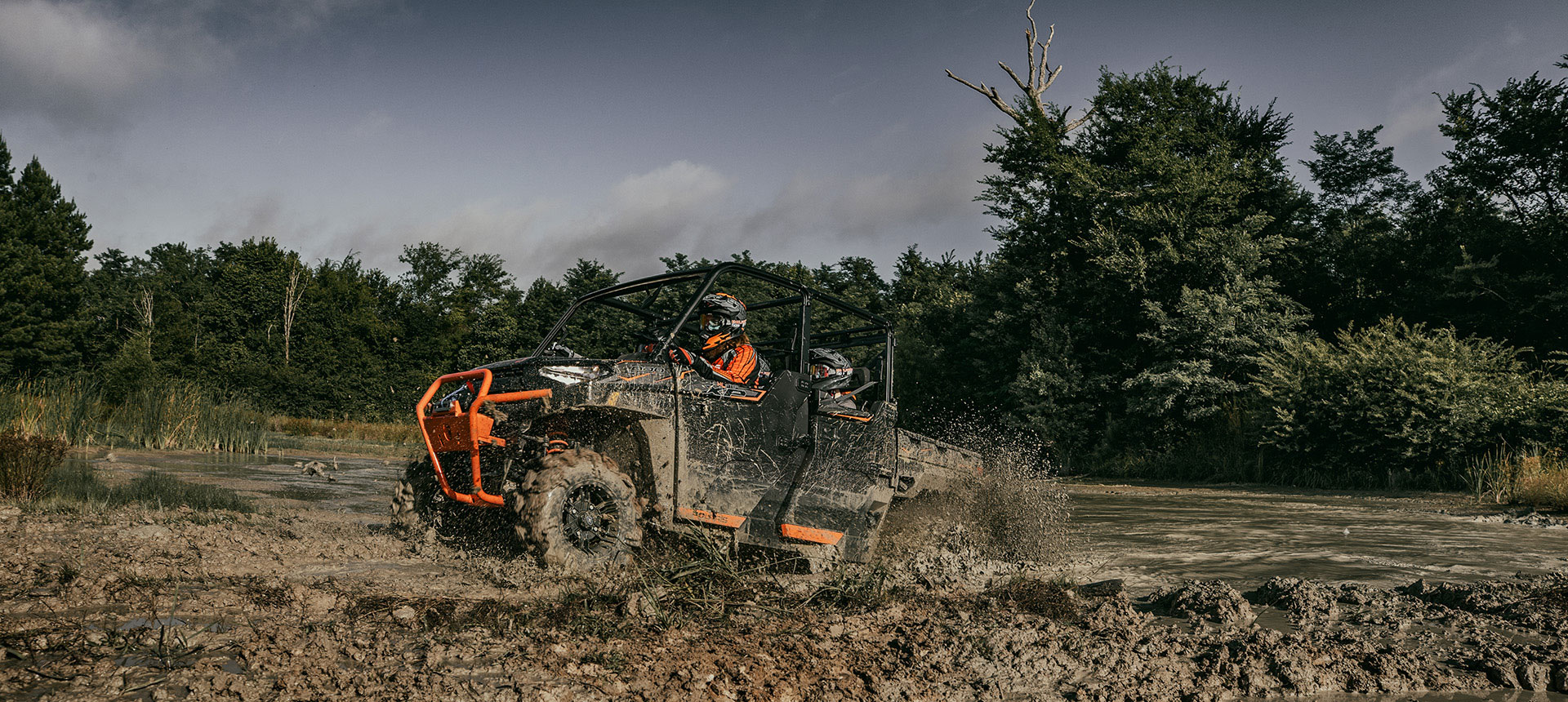
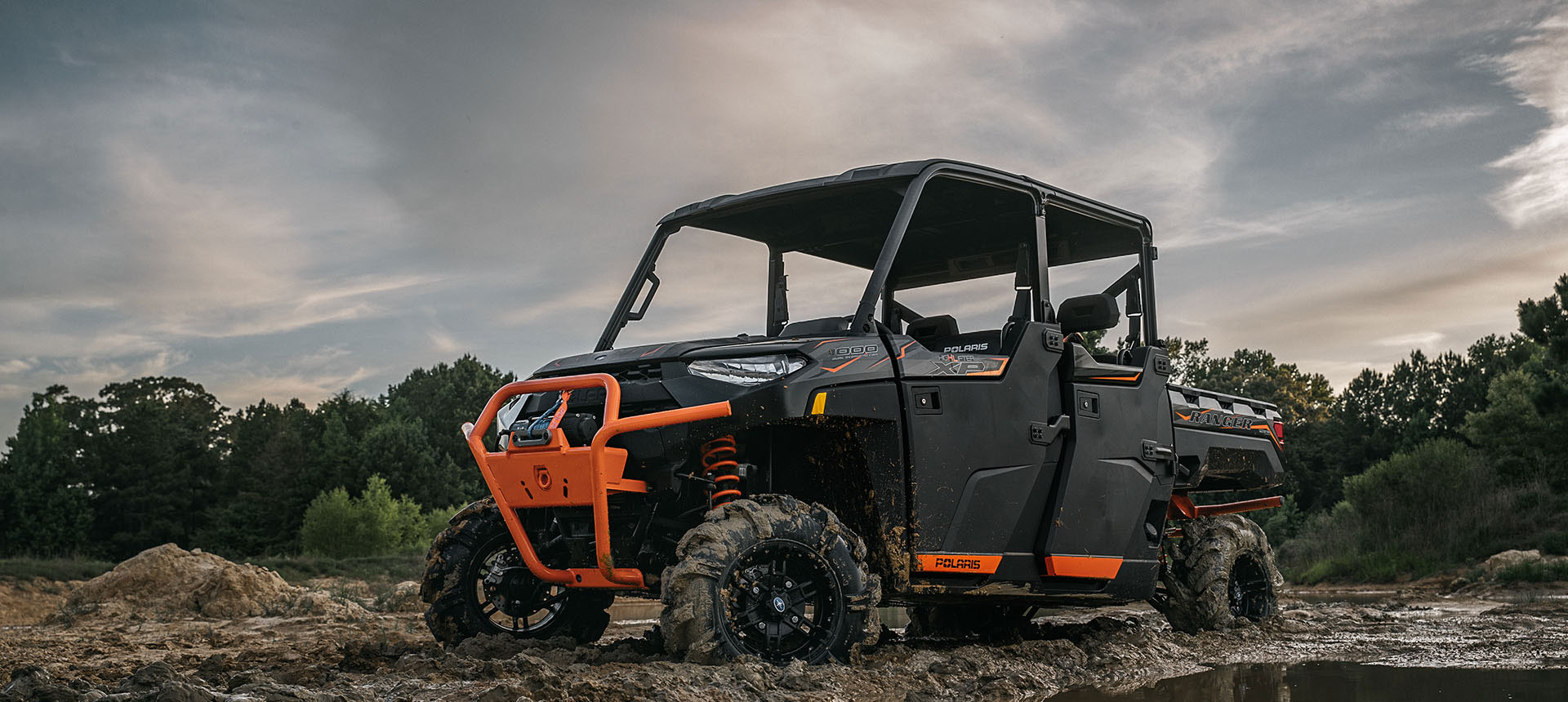
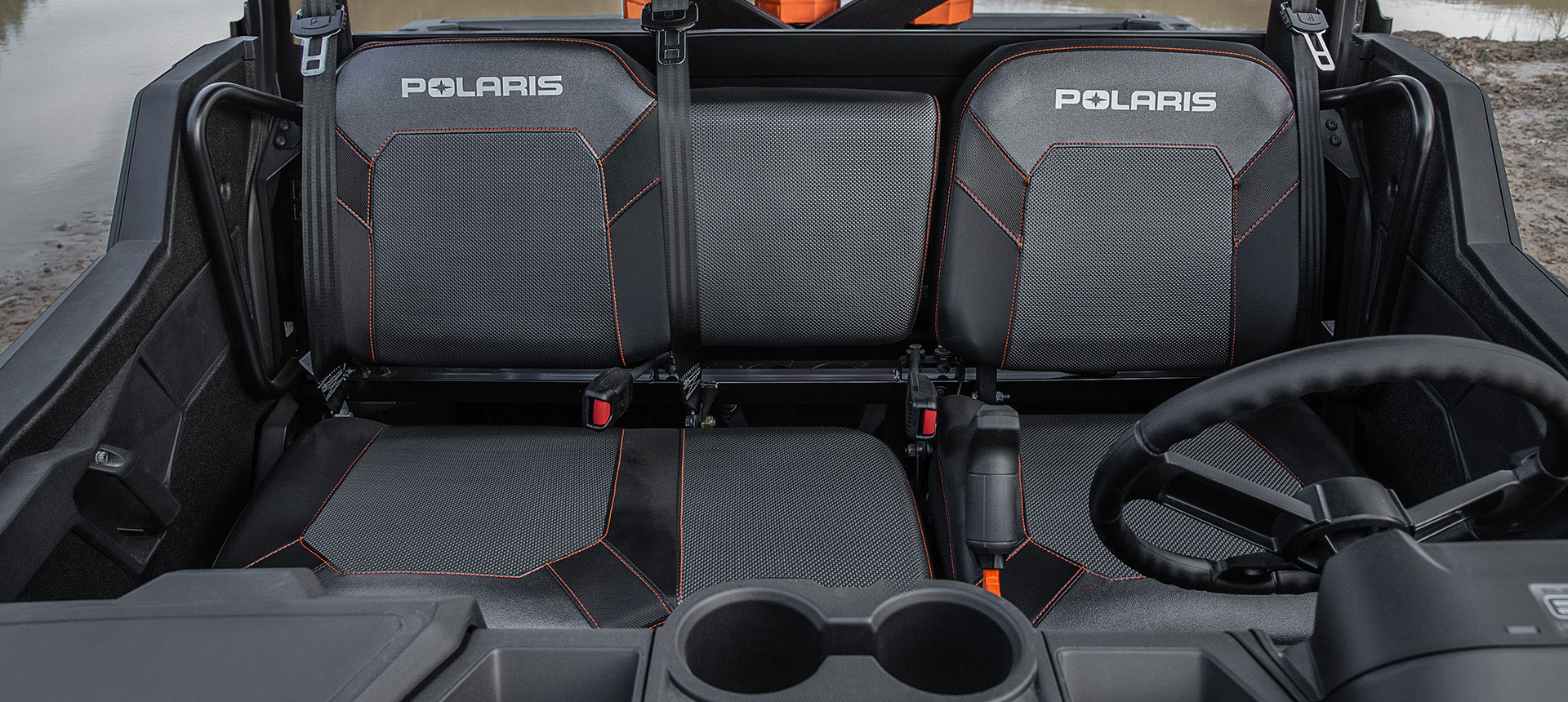
I spent most of the day driving the six-seat RANGER CREW XP 1000 High Lifter Edition. It used the same basic mud equipment as the three-seat RANGER but placed it beneath a considerably longer chassis.

Polaris RANGER CREW XP 1000 High Lifter Edition at High Lifter Proving Grounds

Polaris RANGER CREW XP 1000 High Lifter Edition

The big RANGER handled the terrain better than I expected. Its size and wheelbase looked like disadvantages in the deepest holes, and we did become stuck a few times. The long wheelbase and large skid plate gave it plenty of surface area to drag across the center of a hole once the tires dropped into deep ruts.

Even so, I was surprised that we did not become stuck more often. The Outlaw 2 tires continued to claw for traction, while the 82-horsepower engine and mud-specific driveline kept them turning. The CREW felt substantial, but it was still capable of carrying six people through conditions that would stop a conventional utility side-by-side.

The experience also illustrated one of the defining compromises of a long-wheelbase mud machine. Passenger room and stability increase, but breakover clearance becomes more important. Picking a line that kept the center of the chassis away from the deepest part of a hole could matter as much as tire traction.

What Worked in the Mud

The strongest part of the High Lifter Edition package was its integration. Installing aggressive tires on a standard UTV can create new problems if the gearing, clutching, suspension and driveline are not prepared for the additional load.

Polaris addressed the vehicle as a complete system. The lower gearing helped turn the tires, the raised intakes protected airflow, and the high-clearance suspension components helped the tires reach usable ground without the control arms becoming anchors.

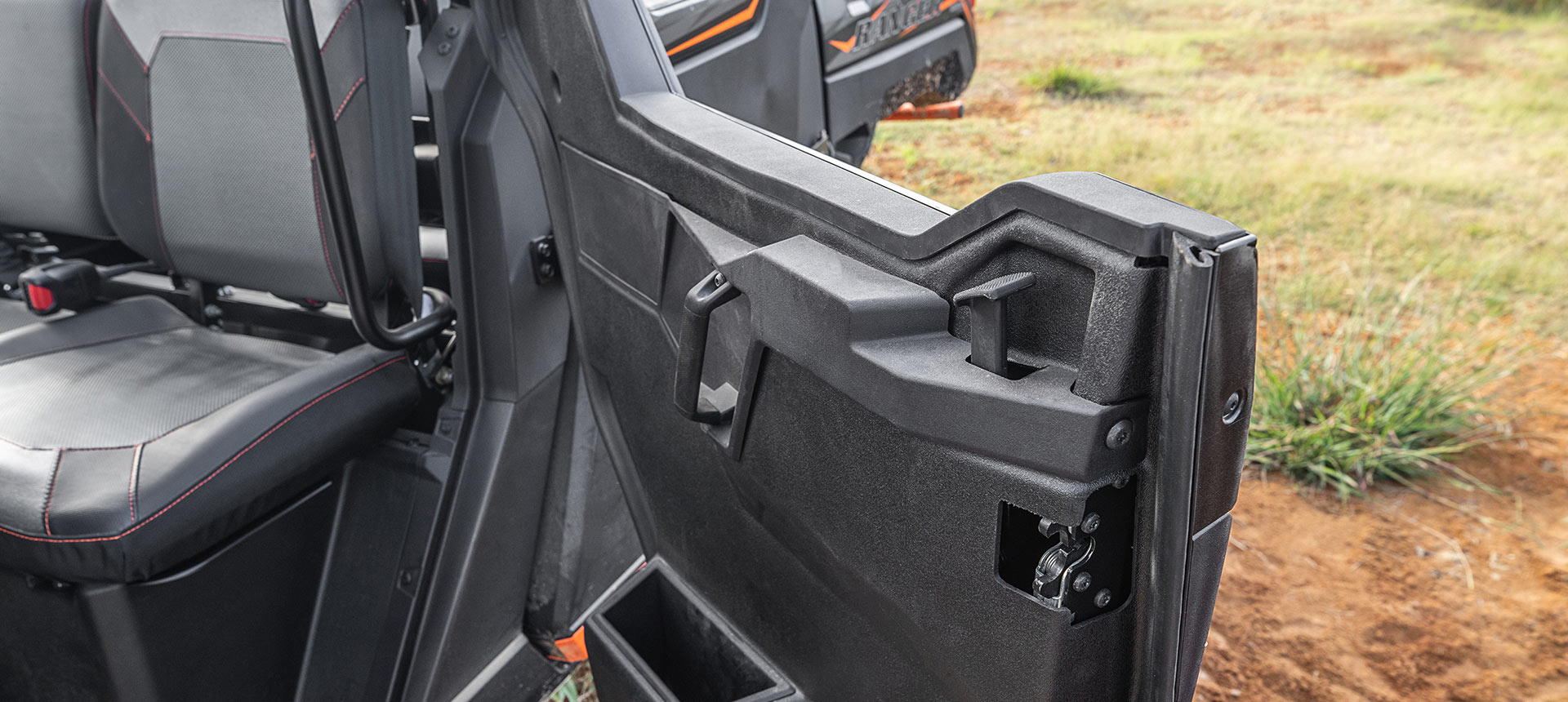
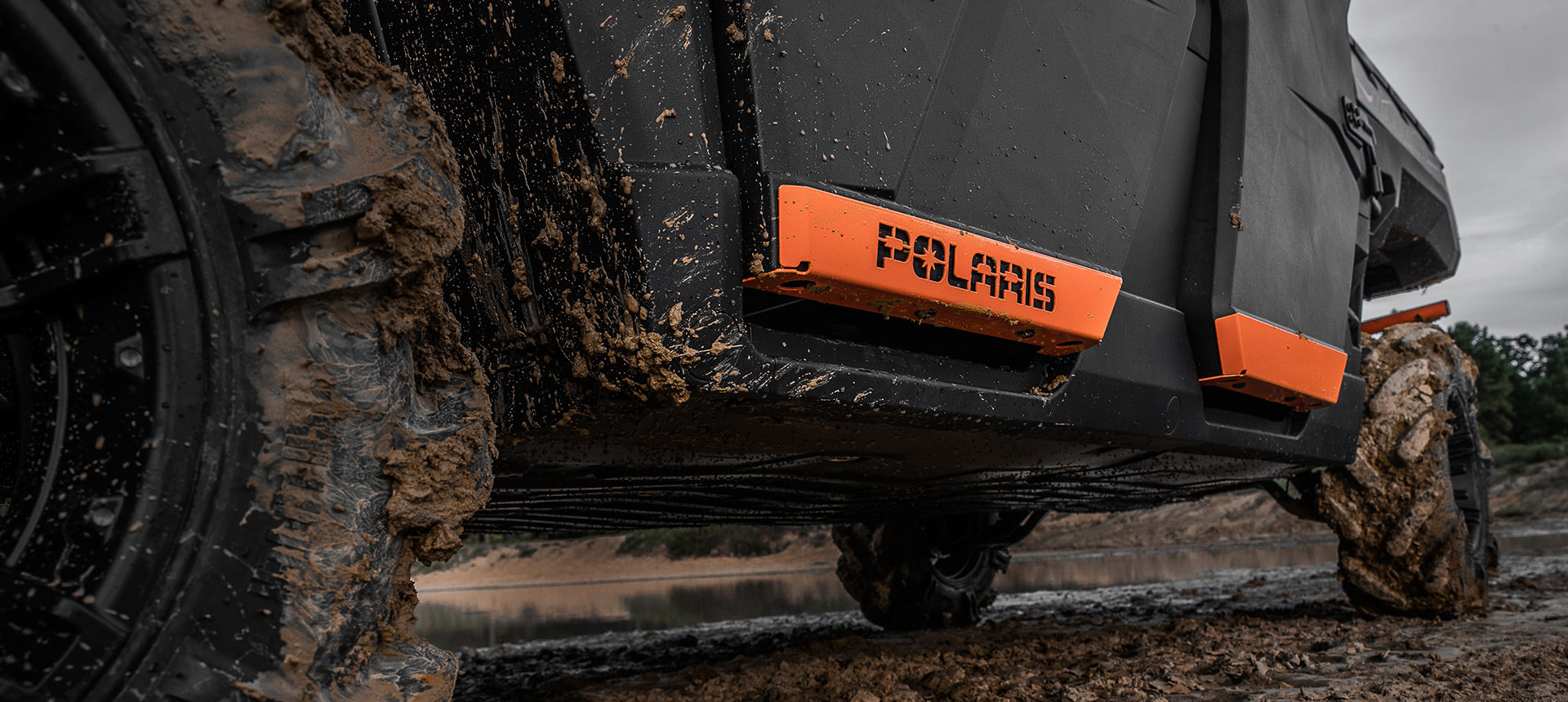
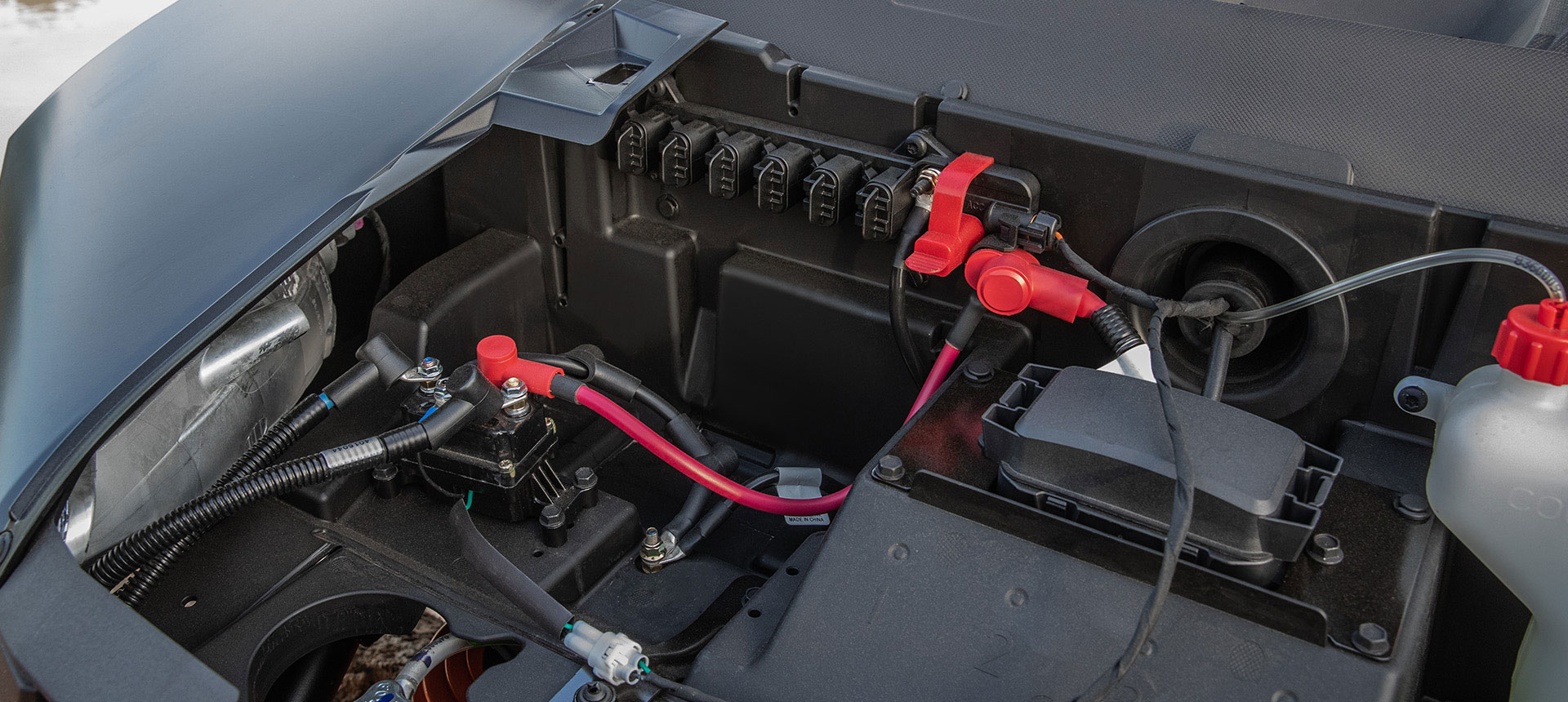
The machines were also built with the assumption that they would get stuck. Factory-installed winches and mud-specific bumpers provided recovery points that were ready to use. Drainage and cleanout features made it easier to deal with the considerable amount of Louisiana mud that came back with us.

The RZR models delivered the best performance and maneuverability, while the RANGERs traded some of that agility for utility and passenger capacity. The RANGER CREW was the most surprising because it managed genuinely difficult terrain despite its length and size.

What I Thought the RANGER High Lifter Edition Needed

After driving the RANGER High Lifter Editions, I identified two areas where the package could be improved.

  1. Room for 30-inch tires: The RANGER used 28-inch Outlaw 2 tires, but I believed the platform should accommodate 30-inch tires. Additional ground clearance is valuable in deep mud and would also benefit owners using the RANGER for hunting, farm work or rough trails.
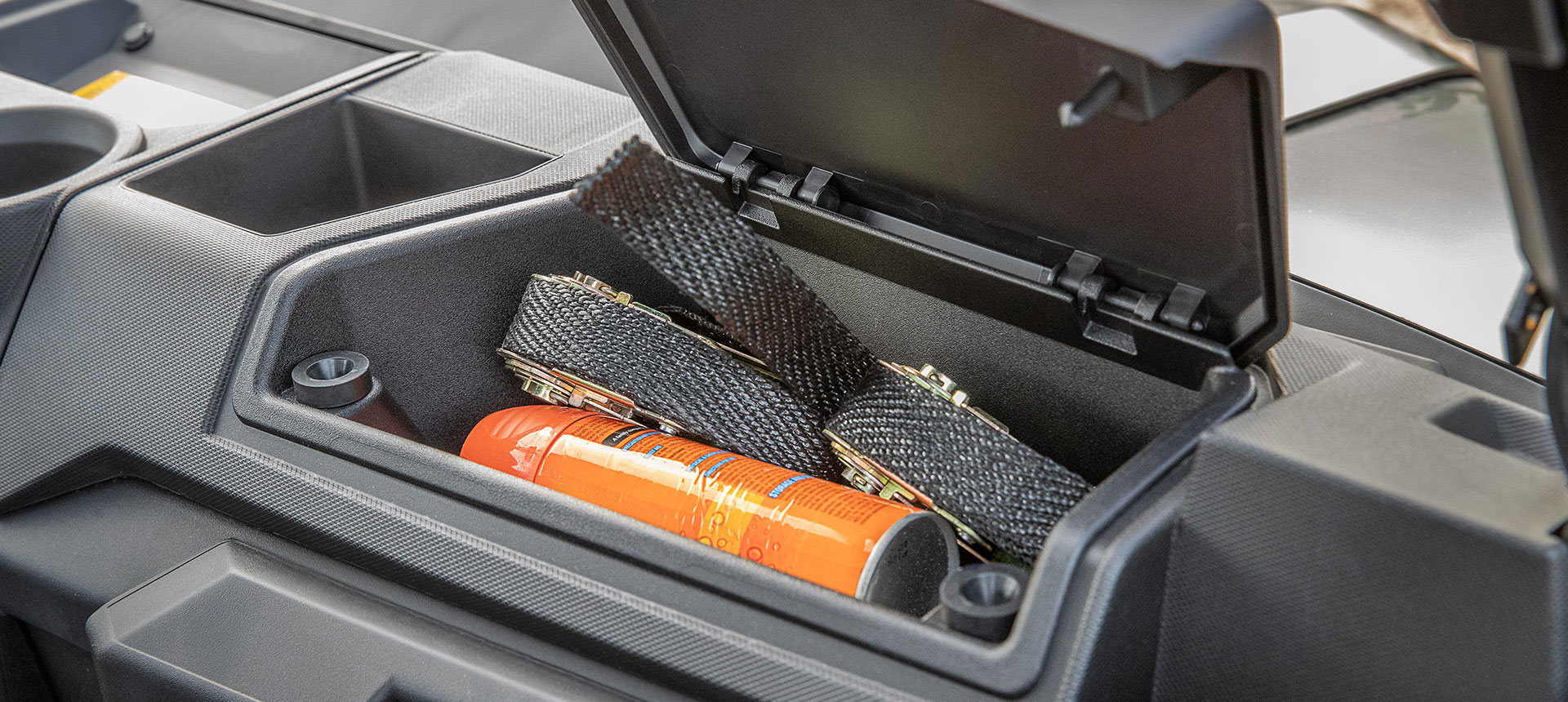
  2. Better storage drainage: Door and dashboard storage areas could retain water and mud. Strategically placed drain openings would make the interior easier to clean after riding through deep water.

These were not complaints about the RANGER’s basic ability. The vehicle performed much better than its long wheelbase suggested it would. They were opportunities to make a capable factory mud machine even better.

What Polaris Improved After Our 2018 Ride

Polaris addressed both areas during the later evolution of the RANGER High Lifter Edition. For 2021, the company installed 30-inch High Lifter Outlaw 2 tires and increased ground clearance to 15 inches. The premium half doors also received improved drainage.

The larger tires gave the RANGER more clearance beneath its chassis and a better chance of reaching solid ground beneath soft mud. That was especially useful on the long-wheelbase CREW, where additional breakover clearance could help keep the center of the vehicle off the bottom of a hole.

Those changes became part of a much longer progression documented in our Polaris High Lifter Edition history.

How the High Lifter Editions Hold Up in Retrospect

The Polaris High Lifter Editions showed that a factory mud UTV could be more than a standard vehicle wearing oversized tires and special graphics. Gearing, airflow, suspension clearance, driveline strength, protection and recovery equipment all mattered once the vehicle entered deep water and mud.

My day at High Lifter Proving Grounds also demonstrated how different chassis configurations affected the experience. The two-seat RZR was the most agile, the RZR XP 4 balanced performance with passenger space, and the RANGER models combined genuine mud capability with the work features expected from a utility UTV.

The six-seat RANGER CREW was the standout surprise. It was long enough to drag its skid plate across the center of deep holes, yet it kept moving far more often than I expected. When it did become stuck, the factory recovery equipment was already in place.

Polaris eventually discontinued the High Lifter name, but the factory mud-machine concept returned with the 2027 Polaris RANGER XP 1000 Mud Edition. The new model uses different tires and takes a more versatile approach, while retaining the raised intakes, arched suspension arms, underbody protection and high-mounted winch that define a purpose-built mud UTV.

For the full evolution of the RZR and RANGER mud models, including a comparison of tires, ground clearance, engine output and major equipment, visit our history of Polaris Mud Edition UTVs.

Polaris RANGER CREW High Lifter Edition Photo Gallery