


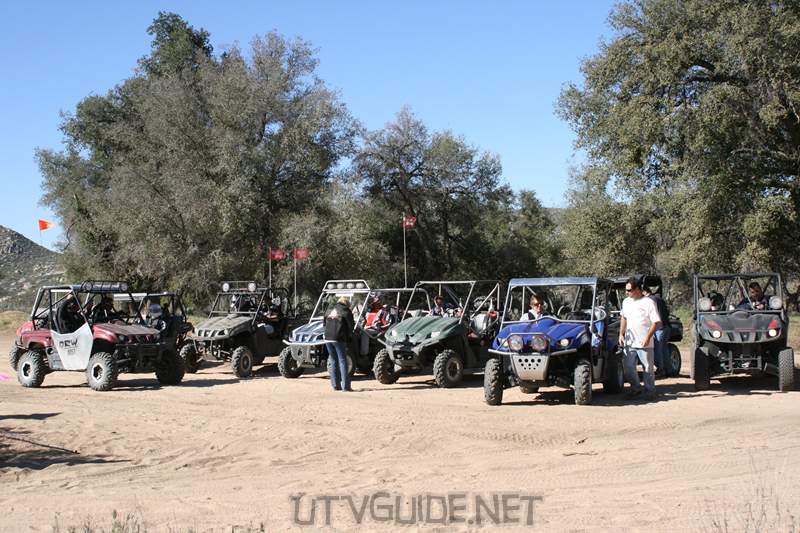
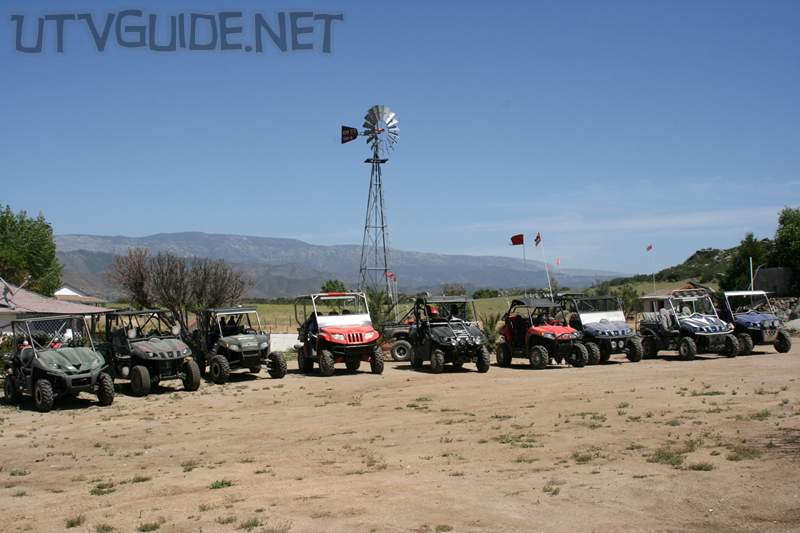
In 2008, a group of 12 UTVs crossed into Baja California for a four-day adventure from Tecate to Mike’s Sky Ranch and Rancho El Coyote. The group included nine Yamaha Rhinos, two Polaris RZRs and one Arctic Cat Prowler.
I joined Cody from Side x Side Action Magazine in a mostly stock 2008 Yamaha Rhino 700 EFI. The route took us from the border through El Hongo, Hacienda Santa Veronica, Constitución de 1857 National Park, Laguna Hanson, Valle de la Trinidad and Mike’s Sky Ranch before returning north.
It was an ambitious trip for early-generation UTVs. Long stretches of dust, deep whoops, graded roads, mountain trails and limited access to parts exposed both the strengths and weaknesses of the machines. Our Rhino completed the trip without a mechanical failure, but the group experienced two flat tires and four Rhino CVT belt failures.
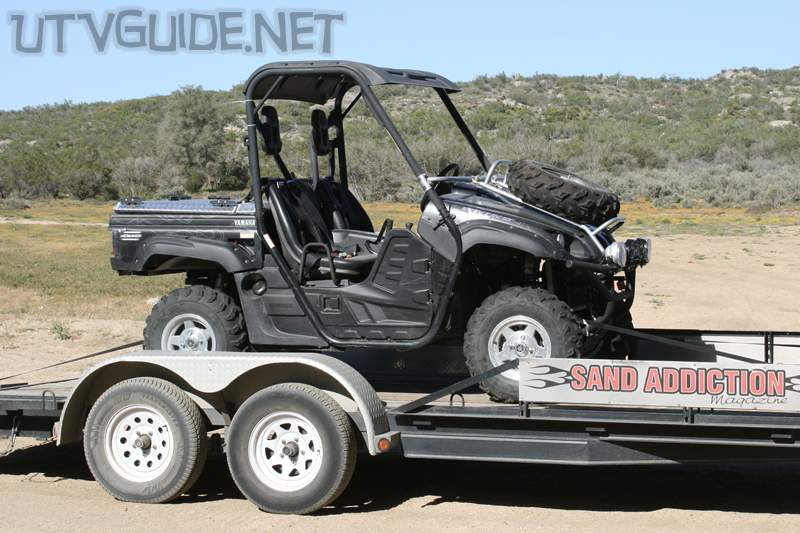
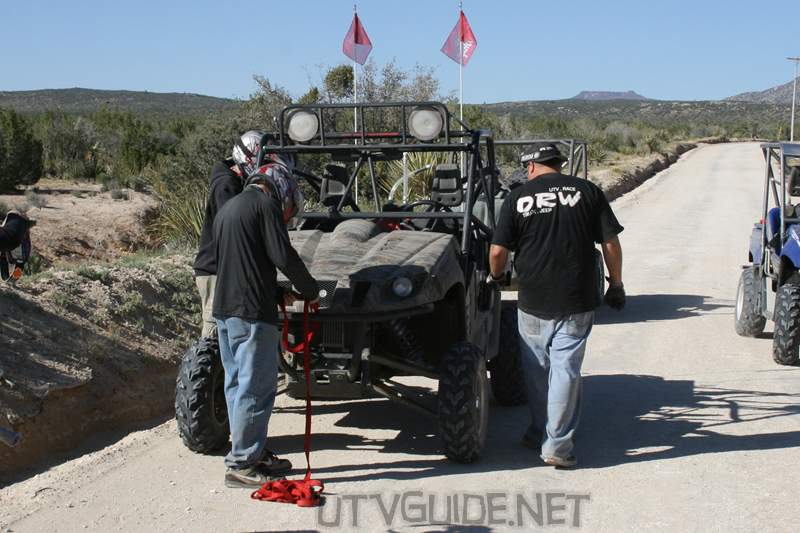
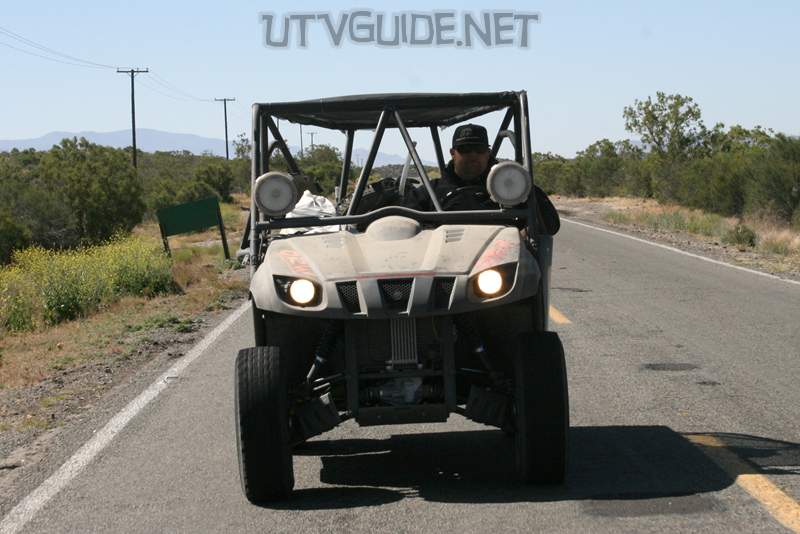
Our 2008 Yamaha Rhino 700 EFI
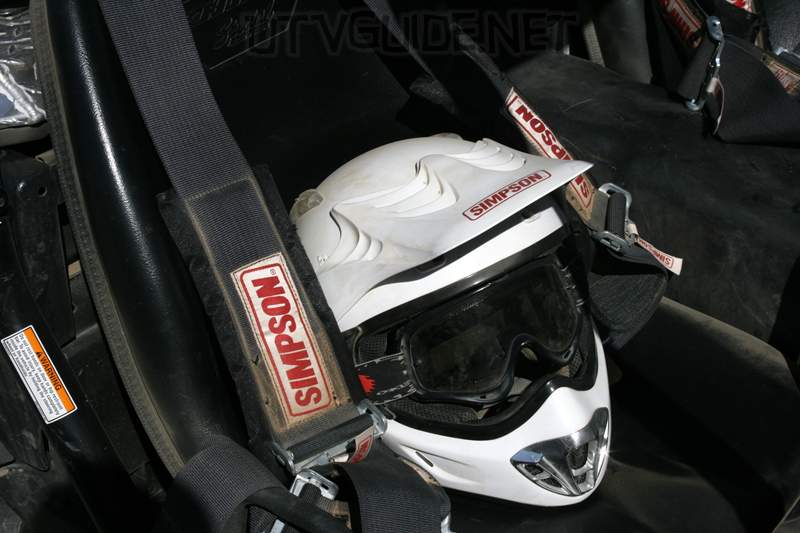
The Rhino was equipped with Simpson five-point harnesses, a Black Rhino Performance harness bar, hood-mounted spare-tire carrier, PIAA auxiliary lights and a cargo-bed cover. It otherwise remained mechanically stock.
The 2008 Yamaha Rhino 700 EFI used a 686cc single-cylinder engine, Yamaha Fuel Injection, an Ultramatic continuously variable transmission and selectable four-wheel drive. Its compact size and predictable drivetrain made it well suited to the slower and more technical portions of the route.
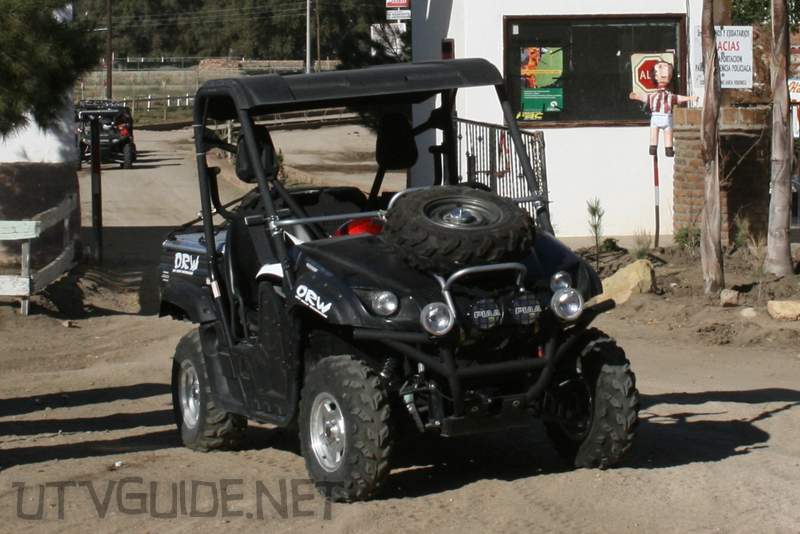
The vehicle performed reliably throughout the trip. Its biggest limitation was the factory speed limiter, which held the Rhino to approximately 41 mph. That was not a major problem on technical trails, but it became noticeable on long graded roads where the RZRs, Teryx and modified Rhino 660s could travel faster.
The Rhino’s influence on recreational UTV adventure riding and the early aftermarket is covered in our history of the Yamaha Rhino.
Day One: Tecate to Hacienda Santa Veronica
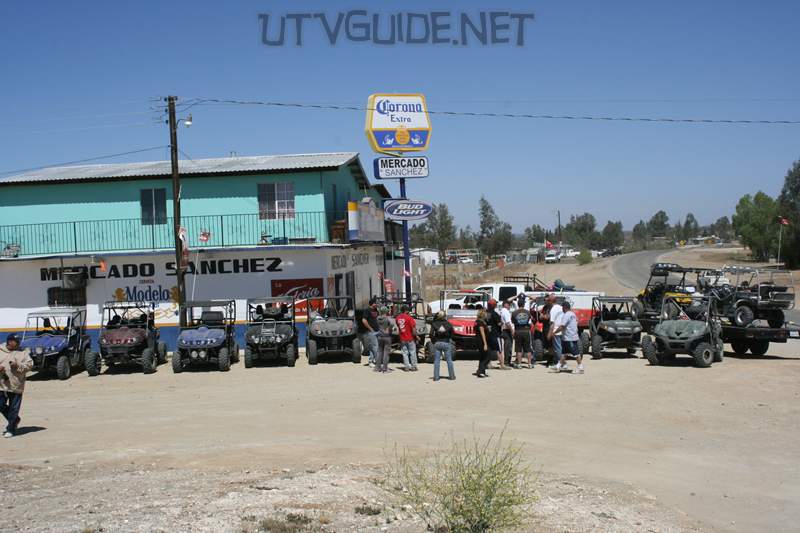
The group met in the United States before heading south to the Tecate border crossing. After entering Mexico, we traveled east toward El Hongo and then continued by dirt road to Hacienda Santa Veronica.

The support vehicle encountered an early problem when its load-leveling equipment came loose on the dirt road between El Hongo and the hacienda. Fortunately, the incident did not appear to cause significant damage.
Hacienda Santa Veronica was our destination for the first night. Located east of Tecate near El Hongo, the former ranch provided lodging, meals and access to an extensive network of Baja backroads and trails. Off-Road Warehouse hosted dinner for the group that evening.
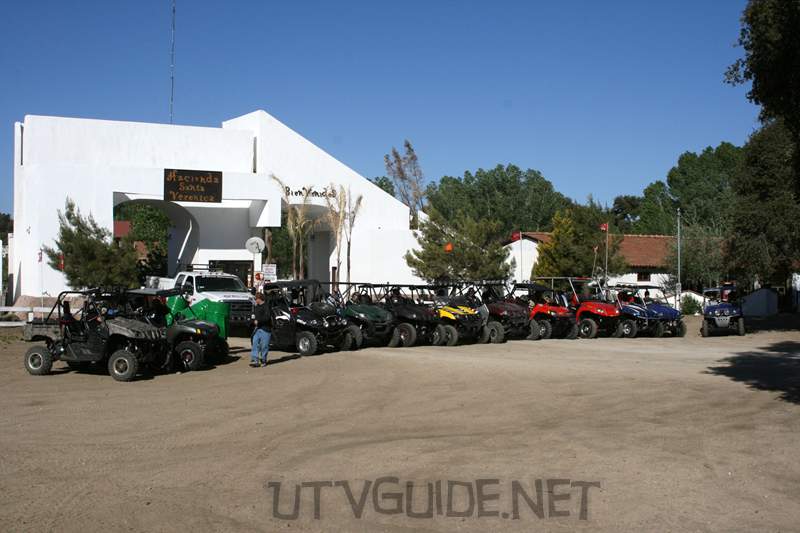
Day Two: Hacienda Santa Veronica to Mike’s Sky Ranch
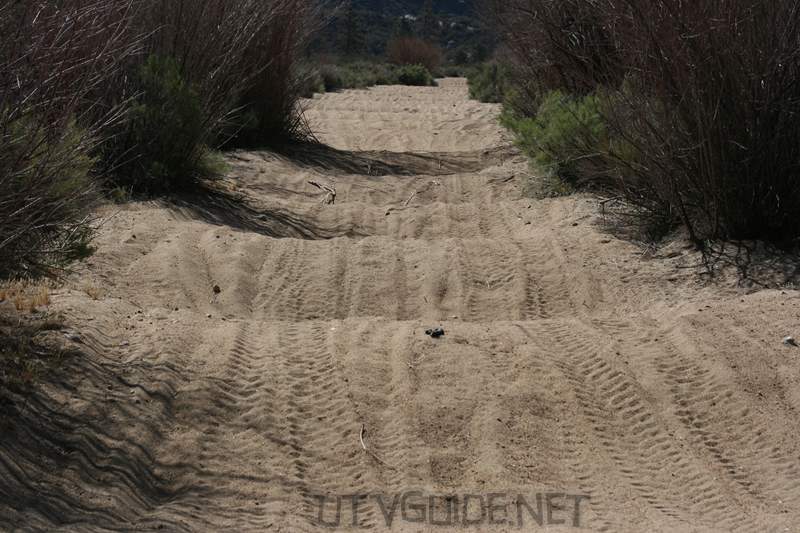
We left Hacienda Santa Veronica on Friday morning and headed toward Constitución de 1857 National Park in the Sierra de Juárez. The route climbed from high-desert terrain into a pine forest and included long sections of rough road and deep whoops.
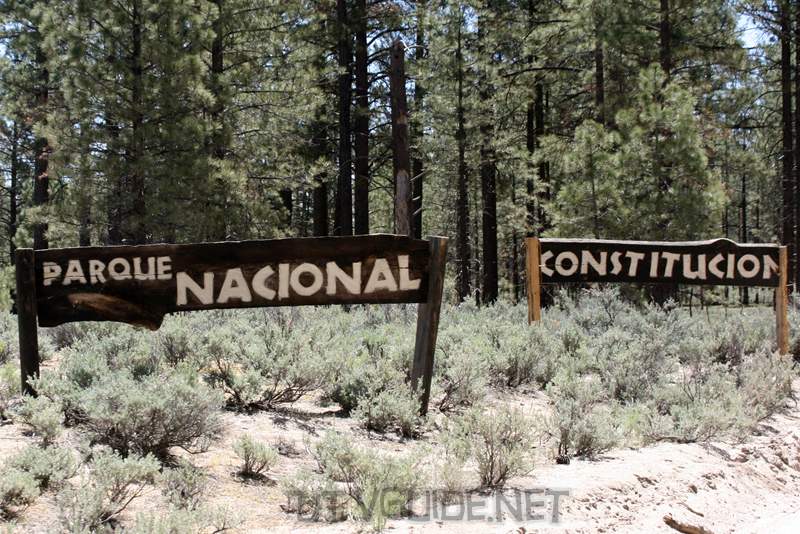
Constitución de 1857 National Park
The terrain changed considerably as we entered Constitución de 1857 National Park. The park occupies part of the Sierra de Juárez east of Ensenada and includes pine forests, mountain roads and Laguna Hanson.
Laguna Hanson is one of the notable natural features in the park. Water levels vary considerably with seasonal precipitation, but the lake provided a memorable stopping point during the trip.

We stopped for fuel at Rancho Ramona south of Laguna Hanson. Remote fuel availability should never be assumed, and the 2008 stop is not confirmation that fuel remains available there today.
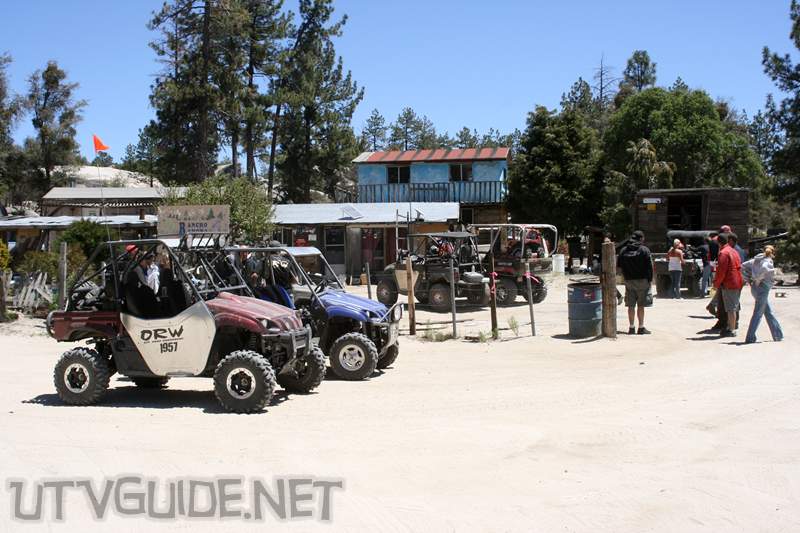
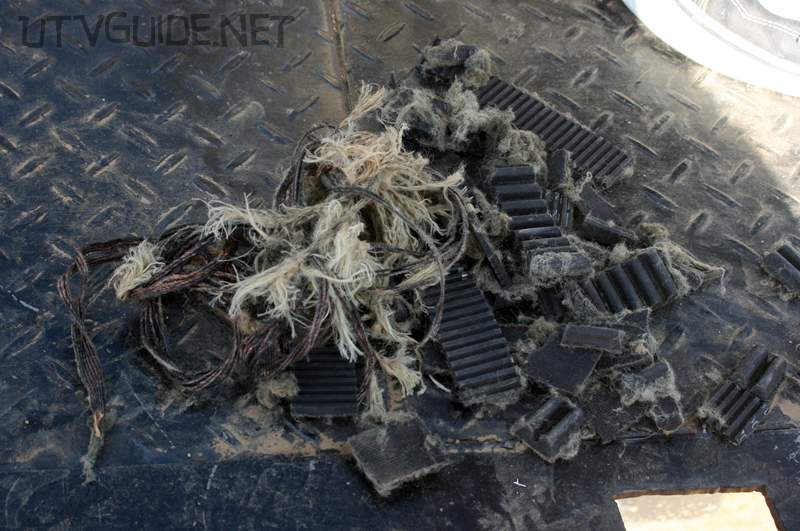
The First Rhino CVT Belt Failure
The first mechanical failure occurred on a graded road near Héroes de la Independencia when one of the Rhinos lost its CVT belt. The disabled machine was initially towed and then loaded onto the trailer behind the chase vehicle for the remainder of the ride to Mike’s Sky Ranch.
From Independencia, the group continued toward Valle de la Trinidad. Much of this portion used faster roads, making the stock Rhino 700’s speed limiter especially noticeable.

Everyone refueled in Valle de la Trinidad and stopped for tacos before turning toward Mike’s Sky Ranch. A second Rhino suffered a CVT belt failure after leaving the valley and was loaded onto the support trailer.
Two Nights at Mike’s Sky Ranch
Mike’s Sky Ranch has long been one of Baja’s most recognizable off-road destinations. The secluded backcountry lodge sits above the Arroyo San Rafael and has hosted generations of motorcycle, buggy, truck and UTV travelers.
Sections of major Baja races have passed through or near the ranch, helping establish its place in off-road culture. For this trip, it provided rooms, meals and a base for the following day’s ride.
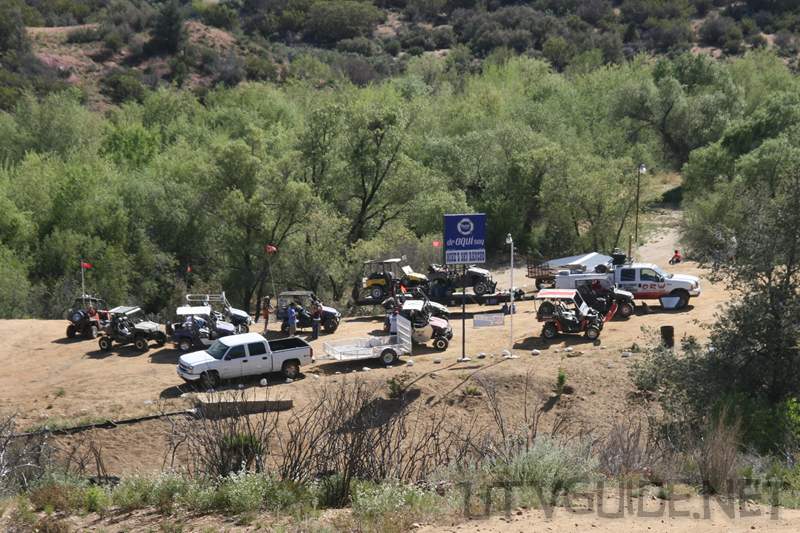
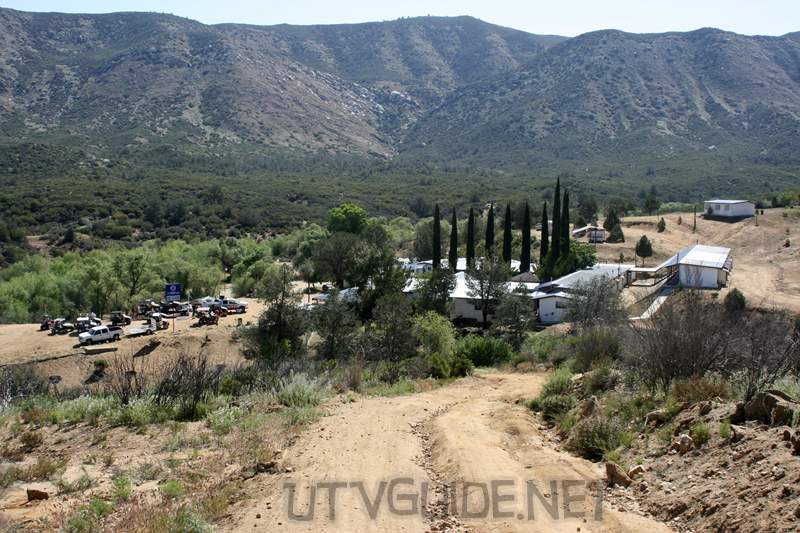
One of the failed belts was replaced Saturday morning using the only spare CVT belt carried by the group. With multiple Rhinos participating in a remote trip, one shared spare proved insufficient.
Day Three: Mike’s Sky Ranch to Rancho El Coyote
Saturday’s route was a day trip from Mike’s Sky Ranch to Rancho El Coyote and back. It included water crossings, rocky terrain and faster desert roads, making it one of the most varied days of the trip.
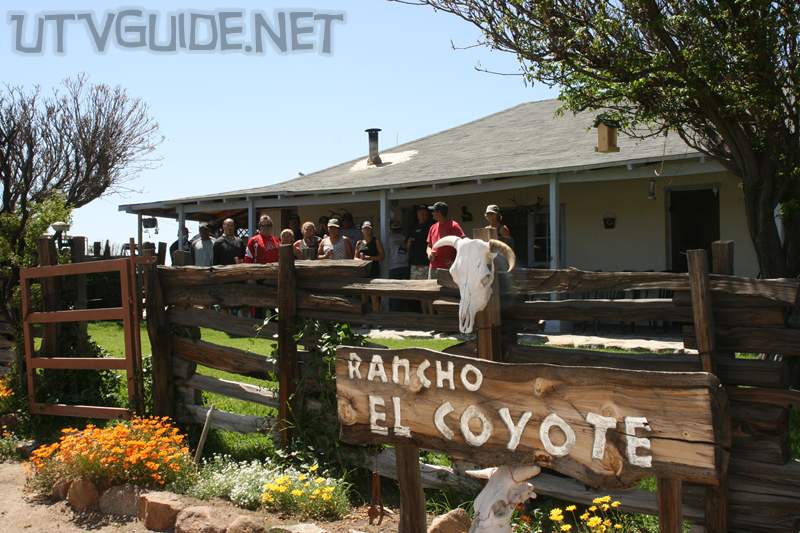
Rancho El Coyote sits in the western foothills of the Sierra San Pedro Mártir. Like Mike’s Sky Ranch, it has a long association with Baja travelers and off-road racing. The group stopped there for lunch before returning to Mike’s.
Day Four: Returning to Hacienda Santa Veronica
On Sunday, the group began the return trip from Mike’s Sky Ranch to Hacienda Santa Veronica. We retraced part of the route through Valle de la Trinidad and Independencia before turning north toward El Hongo.
Another Rhino lost a CVT belt before Valle de la Trinidad and had to be loaded onto the trailer. With only a few miles remaining near the end of the trip, the group experienced its fourth belt failure.
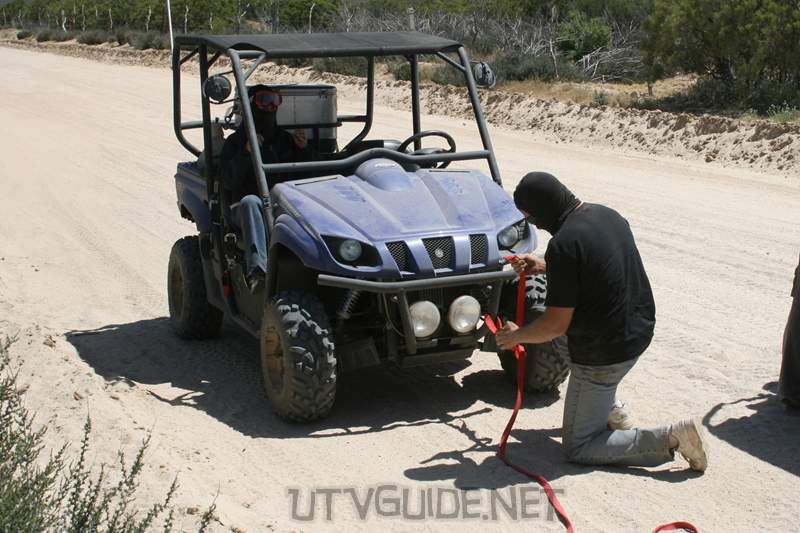
What We Learned About Rhino CVT Belts
All four Rhinos that experienced belt failures reportedly had aftermarket CDIs and CVT intake filters. Some participants suspected that the filters restricted cooling airflow, while others believed the higher speeds permitted by the aftermarket CDIs increased belt heat.
The trip did not provide enough controlled evidence to identify a single cause. Vehicle loading, belt condition, clutch calibration, temperature, sustained speed and airflow could all have contributed.
The practical lesson was much clearer: every belt-driven UTV on a remote trip should carry its own correctly fitting spare belt, along with the tools and knowledge needed to replace it. Our illustrated Yamaha Rhino CVT belt guide explains the basic replacement process and clutch access.
Dust and Air-Filter Maintenance
Dust became another major issue. Several machines began sputtering after the first day because their air filters had accumulated substantial dirt. Most of the Rhino 660 filters required cleaning, while the filter in our Rhino 700 EFI handled the conditions comparatively well.

For a multi-day dusty ride, carrying a clean, pre-oiled replacement filter is preferable to relying entirely on cleaning supplies at camp. The intake tract should also be inspected carefully so dirt does not enter while the filter is being serviced.
Historical Route and Waypoints
The following coordinates were recorded during the 2008 trip. They are preserved as part of the historical report and should not be used as a current navigation plan without verifying access, land status and route conditions.
- Hacienda Santa Veronica: 32°27′31.37″N, 116°21′40.91″W
- Laguna Hanson: 32°02′53.89″N, 115°54′39.25″W
- Rancho Ramona: 32°00′16.21″N, 115°56′52.60″W
- Héroes de la Independencia: 31°36′42.72″N, 115°53′23.19″W
- Valle de la Trinidad: 31°24′29.66″N, 115°44′03.60″W
- Mike’s Sky Ranch: 31°06′33.58″N, 115°38′07.75″W
- Rancho El Coyote: 31°02′24.70″N, 115°45′49.89″W
Planning a Baja UTV Trip Today
This article documents a 2008 group ride and is not a current border-crossing, legal or navigation guide. International travel requirements, insurance rules, vehicle regulations, road access, park restrictions, fuel availability and conditions at remote ranches may have changed substantially.
Before attempting a similar trip:
- Confirm current passport and border-entry requirements.
- Obtain appropriate Mexican vehicle insurance and verify that it covers every tow vehicle, trailer and UTV.
- Carry ownership or registration documents for the tow vehicle, trailer and each UTV.
- Verify where UTV operation is legal, particularly on paved roads and highways.
- Use current maps and navigation data rather than relying on the historical coordinates alone.
- Confirm lodging, meals and fuel directly with each destination.
- Carry spare belts, tires, filters, fluids, tools and recovery equipment.
- Travel with reliable communications and avoid separating from the group.
- Cooperate respectfully with border, police, military and park officials.
- Develop a plan for recovering a disabled vehicle from a remote location.
Why This 2008 Baja Adventure Matters
This trip demonstrated that an early UTV could support a genuine multi-day international backcountry adventure. Our mostly stock Rhino 700 completed the route reliably while carrying two occupants, safety equipment, a spare tire and essential gear.
At the same time, the four CVT belt failures showed how quickly a small mechanical weakness could become a major logistical problem. The successful recovery of those vehicles depended on a chase truck, trailer and group support.
The two Polaris RZRs also represented the beginning of a new performance era. The model would eventually evolve from the compact machine on this trip into the highly specialized platforms covered in the history of the Polaris RZR and the modern Polaris RZR Factory Racing program.
Baja remains one of the world’s most important proving grounds for UTVs. Modern race machines now cross the peninsula at speeds and levels of performance that would have been difficult to imagine in 2008, but the essentials remain unchanged: preparation, durability, navigation, teamwork and respect for the terrain.
Explore more destinations and historical rides in the UTV trip reports.
Historical note: This report documents a 2008 trip. Routes, access, border procedures, insurance requirements, vehicle laws, businesses and fuel availability may have changed. Verify all current information before planning travel in Baja California.
For the wider industry context surrounding the early sport side-by-side era, read UTV History 2008: The Year Sport Side-by-Sides Took Shape.


