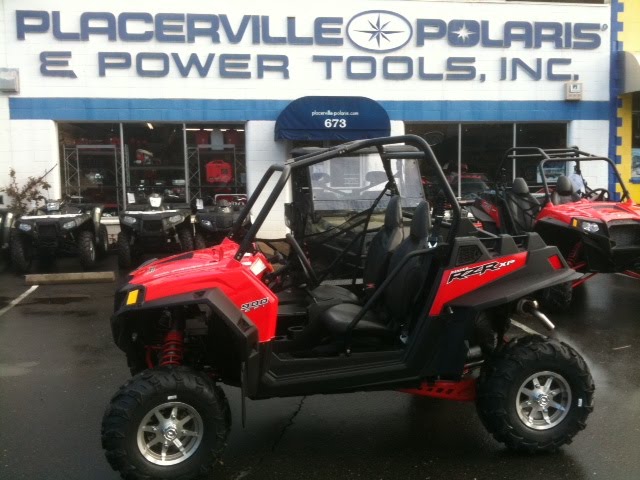
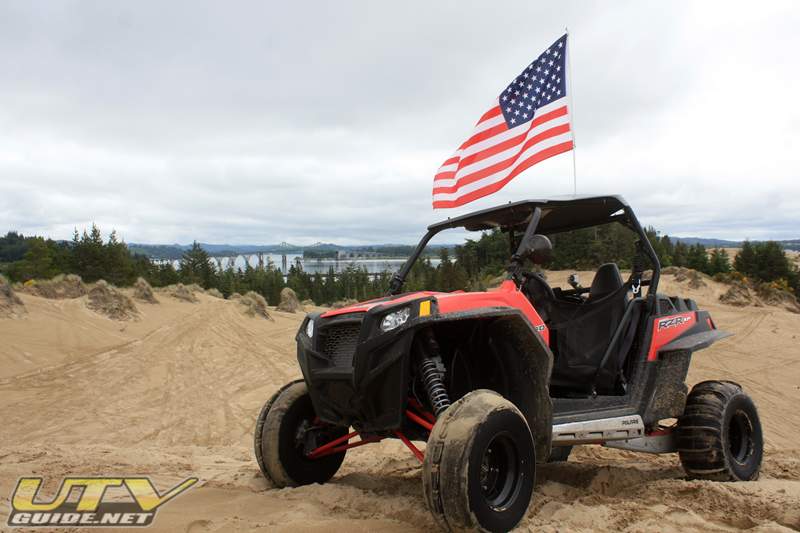
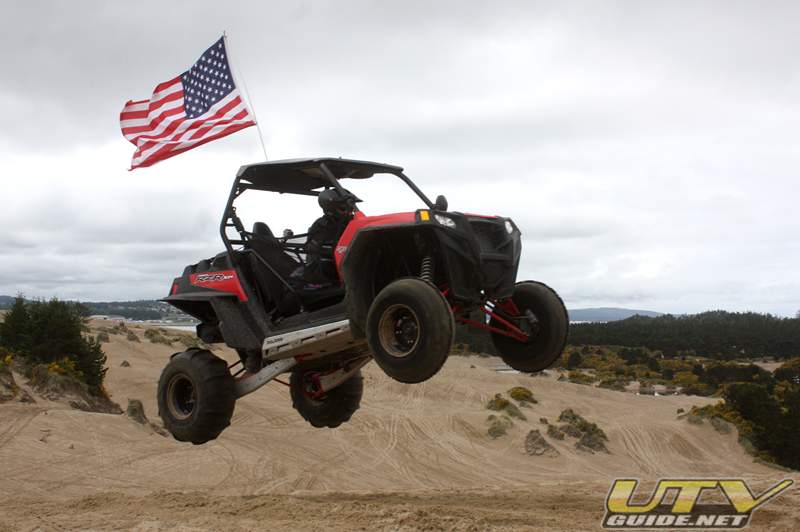
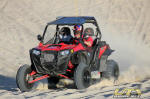
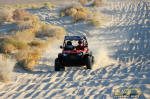
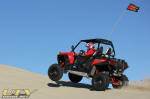
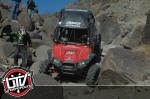
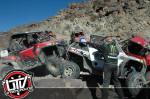
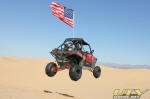
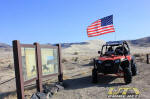
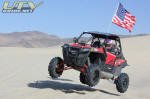
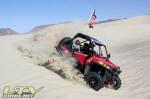
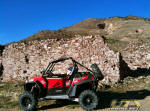
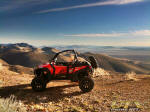
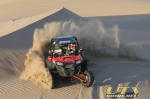
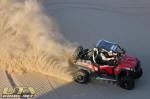
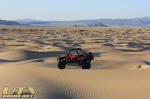
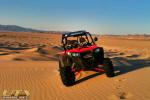
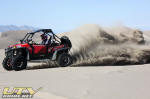
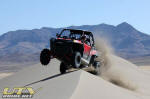
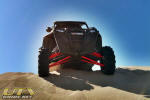
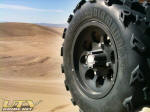
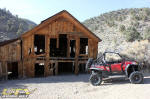
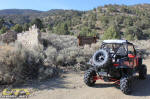
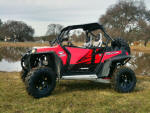
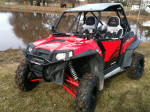
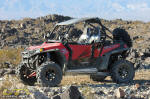
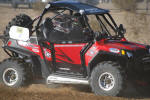
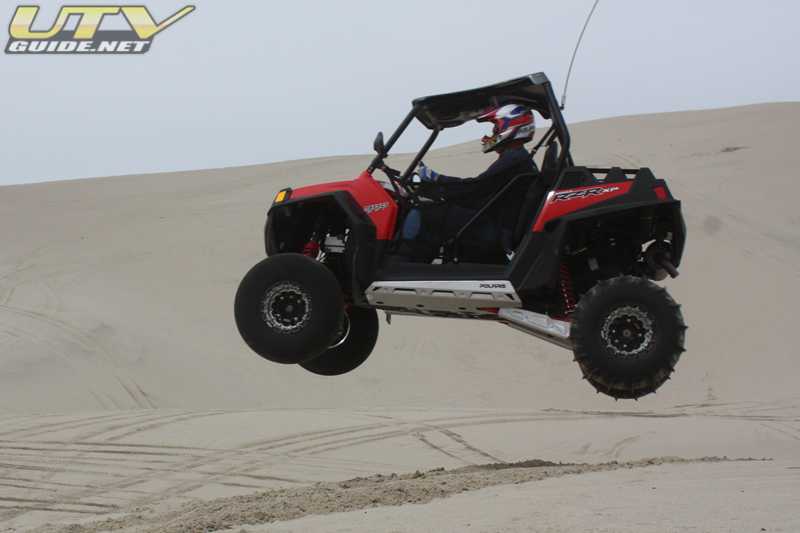
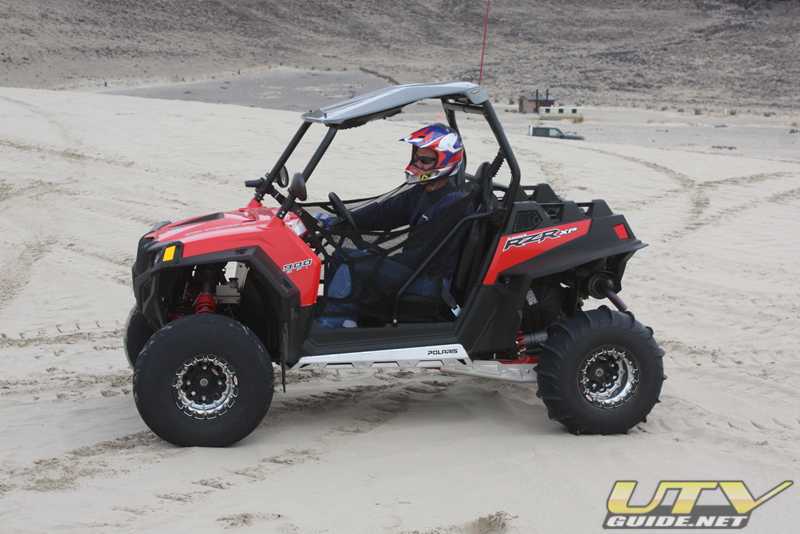
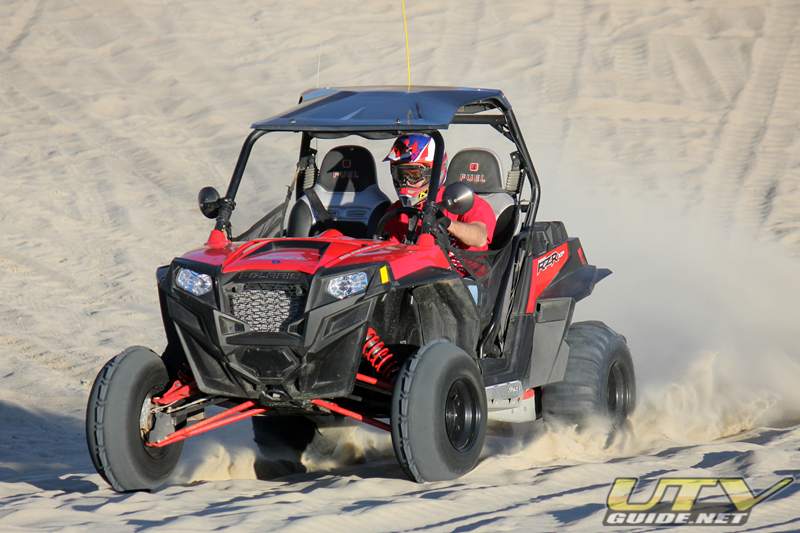
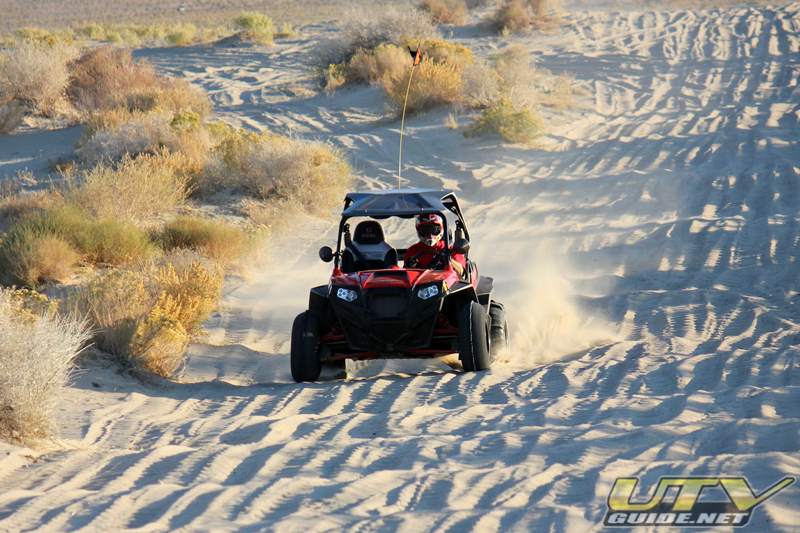
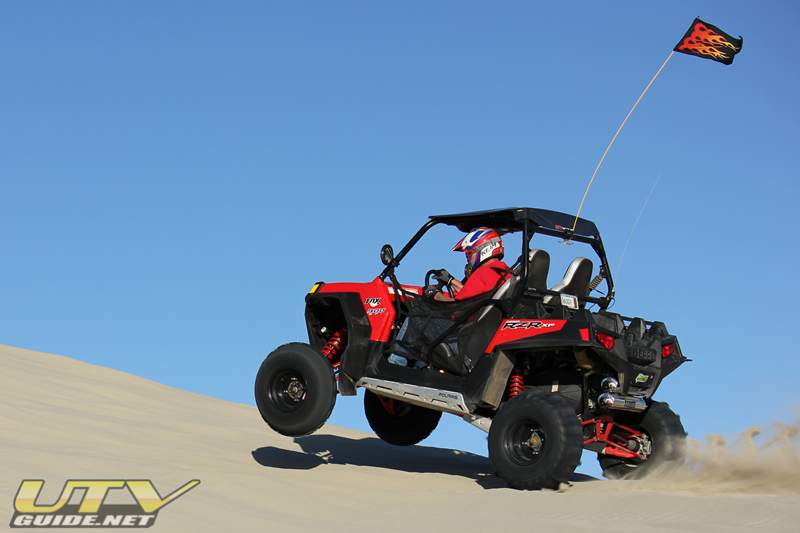
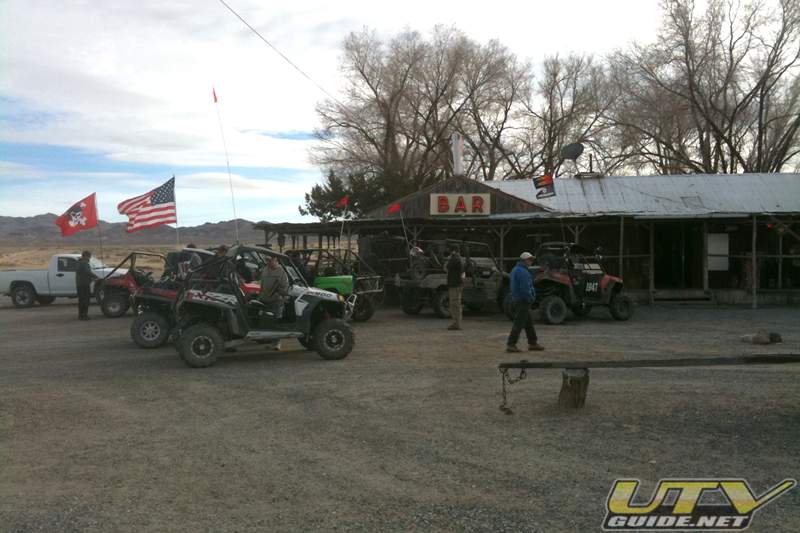
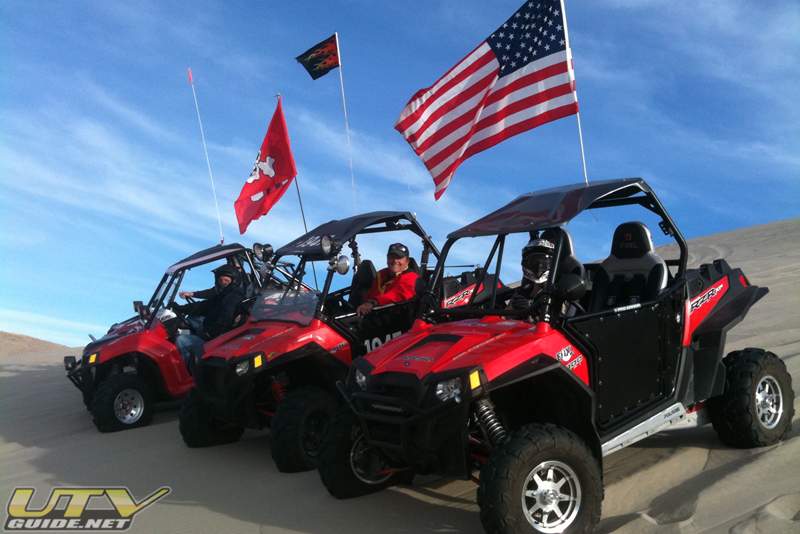
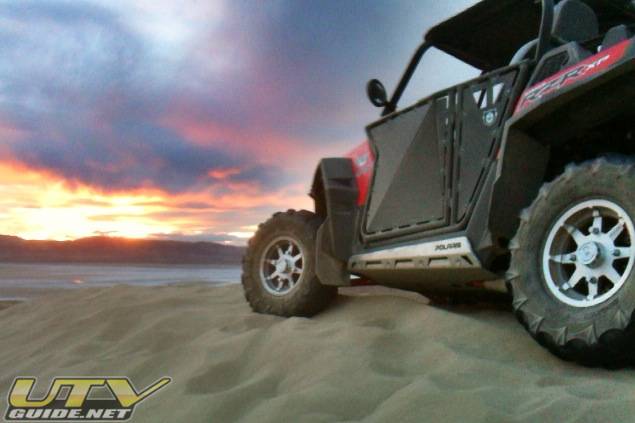
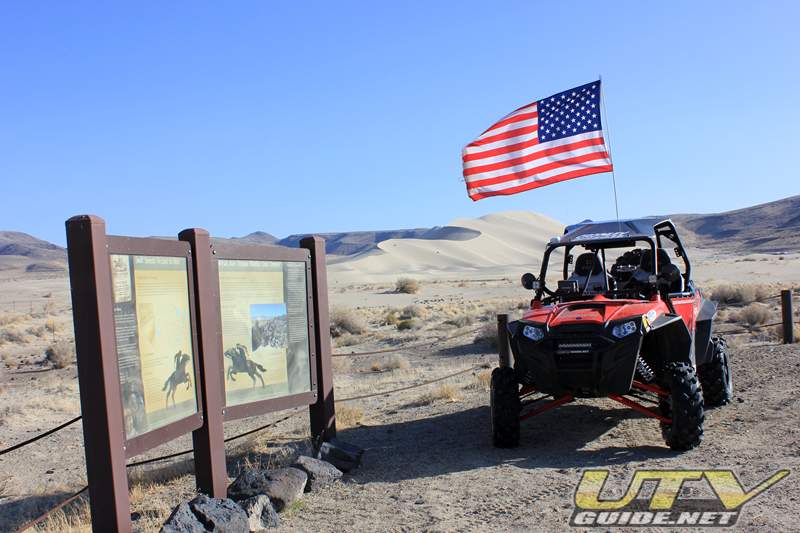
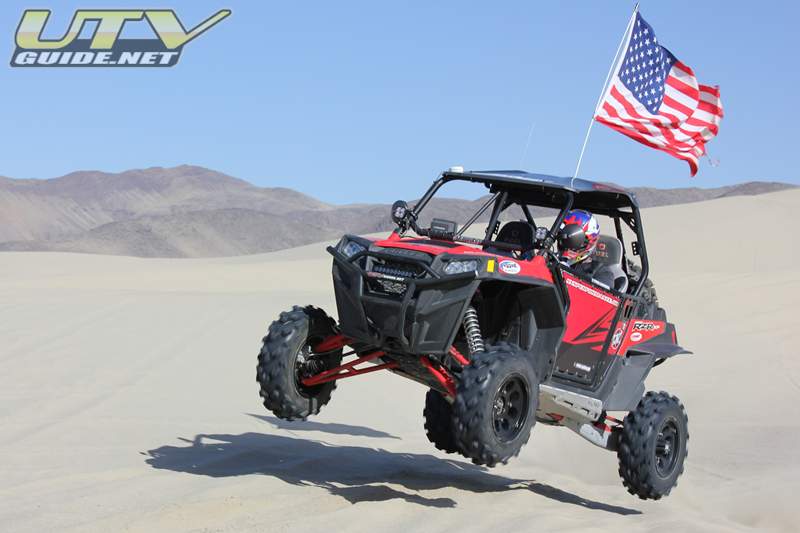
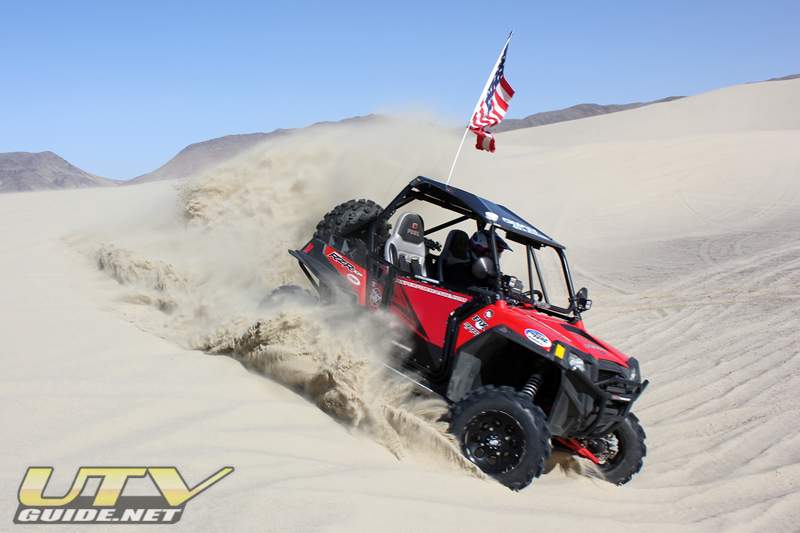
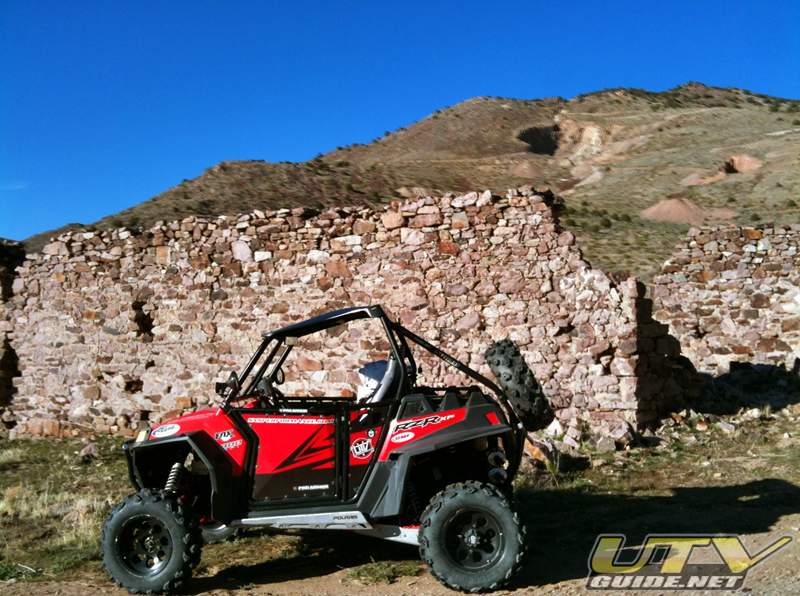
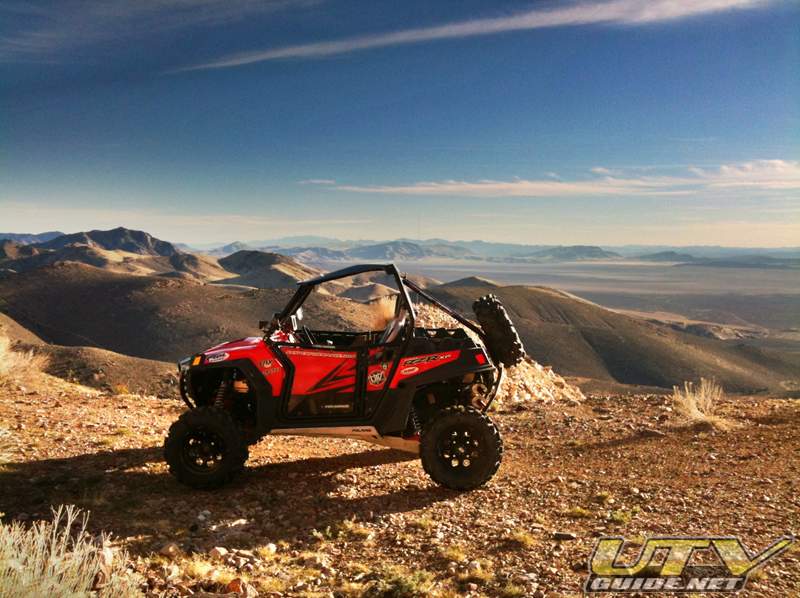
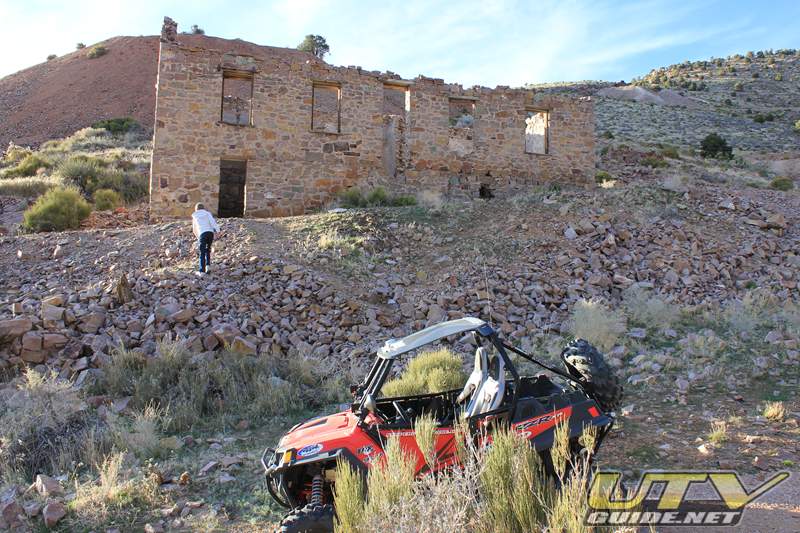
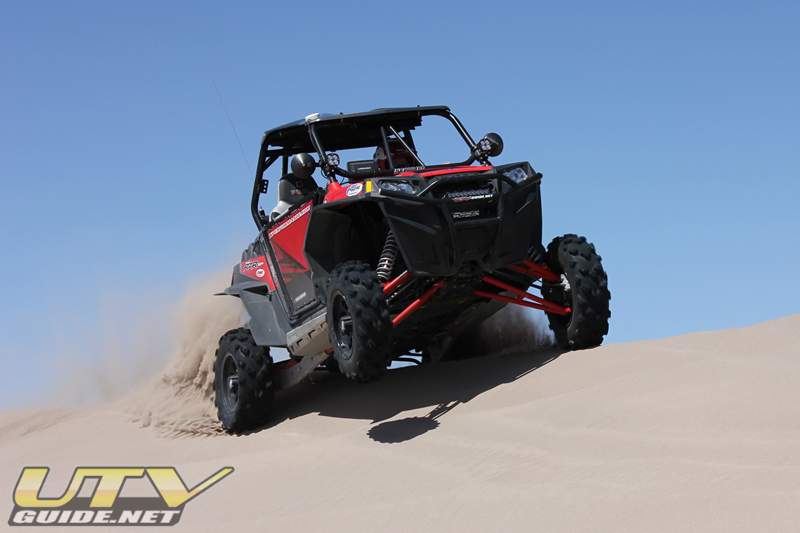
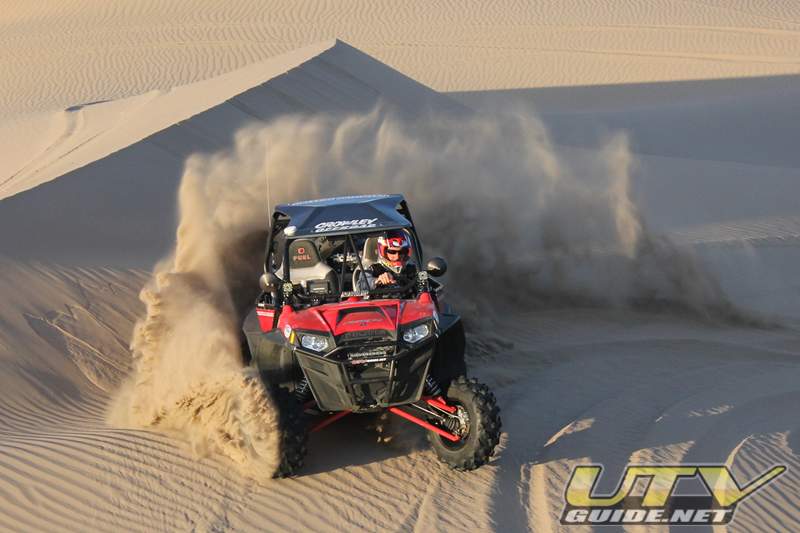
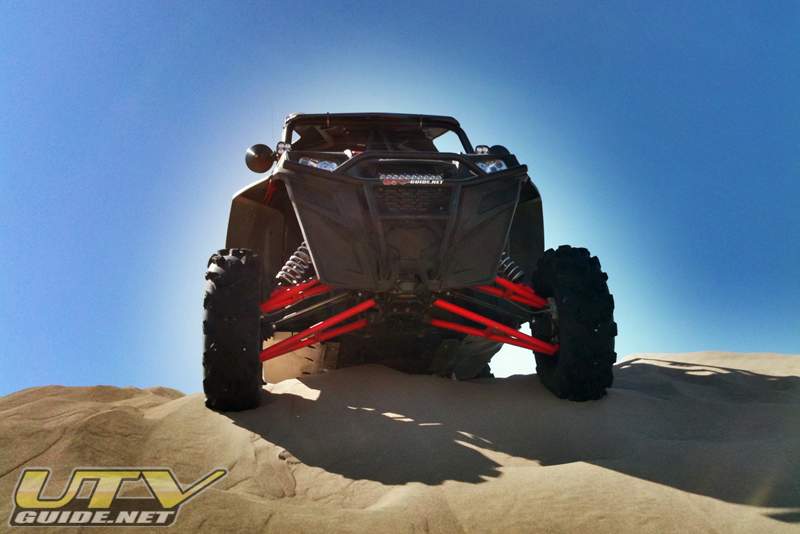
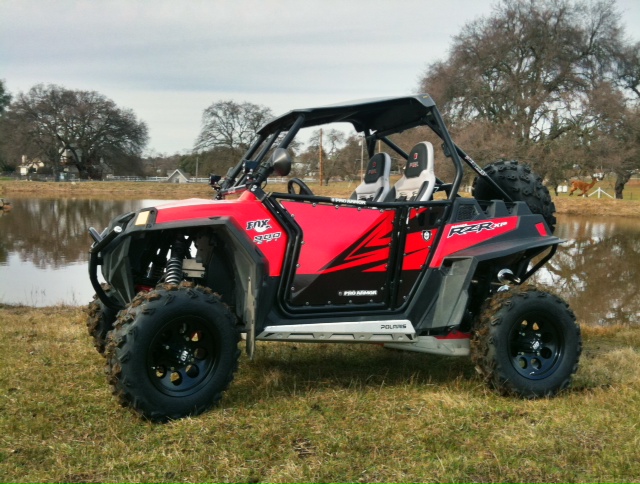
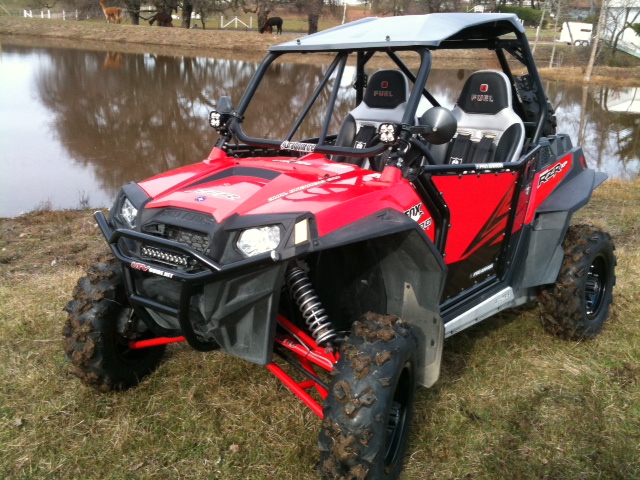
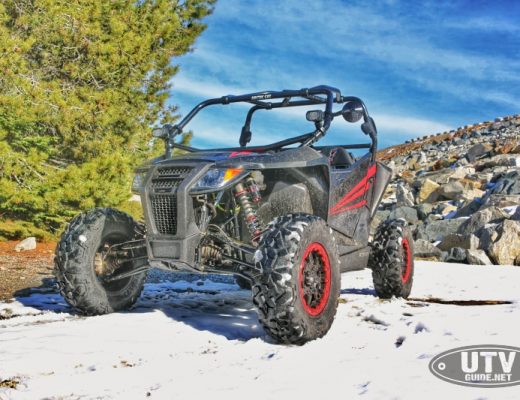
The original Polaris RZR XP 900 was much more than a short-term test vehicle for UTVGuide.net. We bought this 2011 model, modified it over time and used it in the dunes, desert, rocks and competition.
Our time with the XP 900 included trips to Sand Mountain, the Oregon Dunes, Glamis and numerous destinations across Nevada. We also converted it into a race vehicle and finished fourth in the 2012 King of the Hammers UTV race before returning it to recreational dune duty.
This long-term review documents where we drove the RZR XP 900, what we learned from it and the accessories we installed along the way. It is best viewed as an owner’s test and evolving project build rather than a conventional maintenance or reliability log.
Why the RZR XP 900 Was Different
When Polaris introduced the XP 900 for 2011, it represented a major departure from the original RZR platform. Its rear-mounted 875cc ProStar twin produced an advertised 88 horsepower, while the 64-inch chassis used dual A-arms up front and a new three-link trailing-arm rear suspension.
The specifications were impressive for the period:
- 875cc ProStar DOHC twin-cylinder engine
- 88 advertised horsepower
- Automatic Polaris Variable Transmission
- On-Demand True AWD
- 64-inch overall width
- 13.5 inches of front suspension travel
- 14 inches of rear suspension travel
- 13 inches of ground clearance
- FOX Podium X 2.0 piggyback shocks
- 1,190-pound advertised dry weight
Those numbers have been surpassed by newer sport UTVs, but they do not fully explain how dramatic the XP 900 felt in 2011. Its strong naturally aspirated power, low seating position, compact wheelbase and relatively light weight made it quick, agile and easy to place.
Our first exposure came during the original Polaris RZR XP 900 media event. Owning one gave us the opportunity to see whether that initial impression held up across very different terrain.
Sand Mountain Dune Test: March 2011
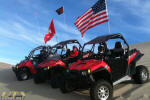
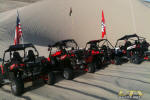
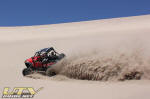
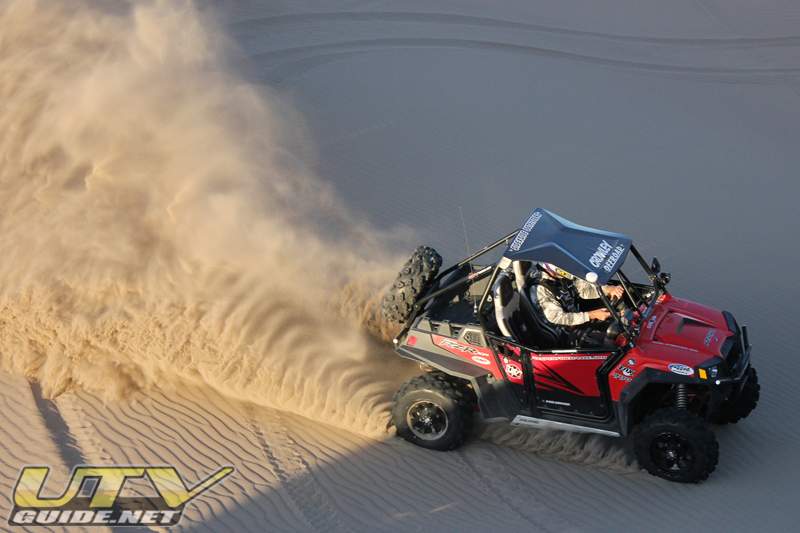
My friend Dave and I loaded our new RZR XP 900s and headed to Sand Mountain, Nevada, for a day of dune testing. Both machines still had stock engines and suspension. The primary changes were dune tires and basic safety equipment.
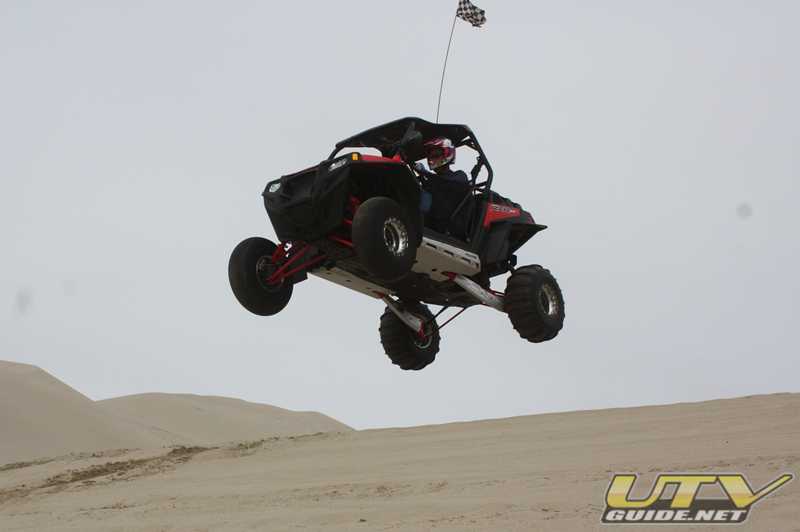
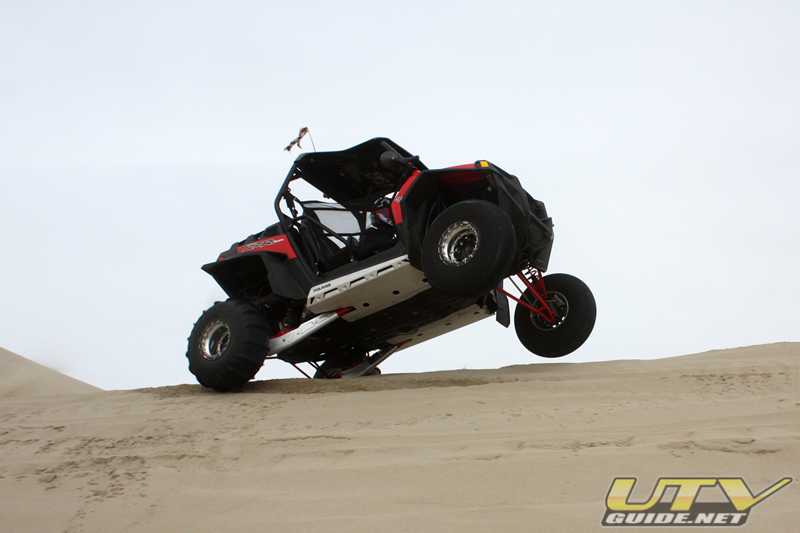
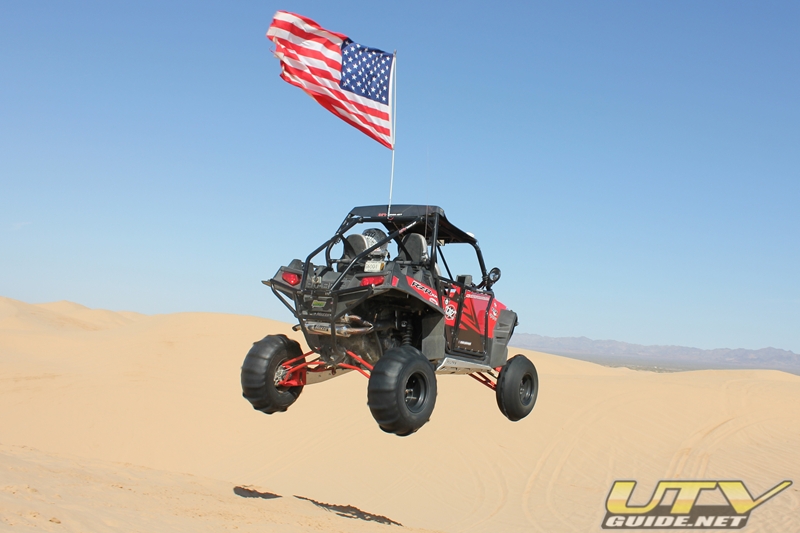
The XP 900’s power-to-weight ratio immediately stood out. It carried enough momentum to climb the steep backside of Sand Mountain with two occupants—something we had not previously accomplished in another UTV so close to stock. Damp sand helped traction, but the performance was still eye-opening for 2011.
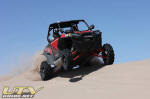
The engine was only part of the story. Its power came on progressively, making it possible to manage traction rather than simply spin the tires. The low center of gravity and wide stance helped the XP remain predictable when crossing dune faces and transitioning over sharp ridges.
The stock FOX shocks also handled jumps surprisingly well. The suspension did not have the wheel travel or damping capacity of a modern long-wheelbase sport UTV, but it was a substantial advance over the machines that preceded it.
Read the complete test: 2011 Polaris RZR XP 900 Dune Test at Sand Mountain.
Oregon Dunes Family Trip: June 2011
A family trip to the Oregon Dunes demonstrated a different side of the XP 900. Rather than spending one day testing its maximum climbing and jumping ability, we used it as a recreational vehicle over a longer visit.
The XP’s compact dimensions and controllable power worked well in the tighter coastal dunes. It remained playful without feeling difficult to manage, reinforcing that the new platform was useful for more than wide-open desert riding.
Read more: 2011 Oregon Dunes Family Trip.
Suspension Testing at Sand Mountain
We returned to Sand Mountain for Halloween 2011 with a new set of FOX shocks. The stock XP 900 suspension had already performed well, but more sophisticated damping adjustments gave us greater control as speeds and expectations increased.
This became a recurring theme with the XP 900: the underlying chassis was capable enough to respond meaningfully to carefully selected upgrades. Suspension tuning did not simply make the machine softer or stiffer. It helped manage body movement, improve control through rough terrain and make landings more predictable.
Four Days in the Nevada Desert: December 2011
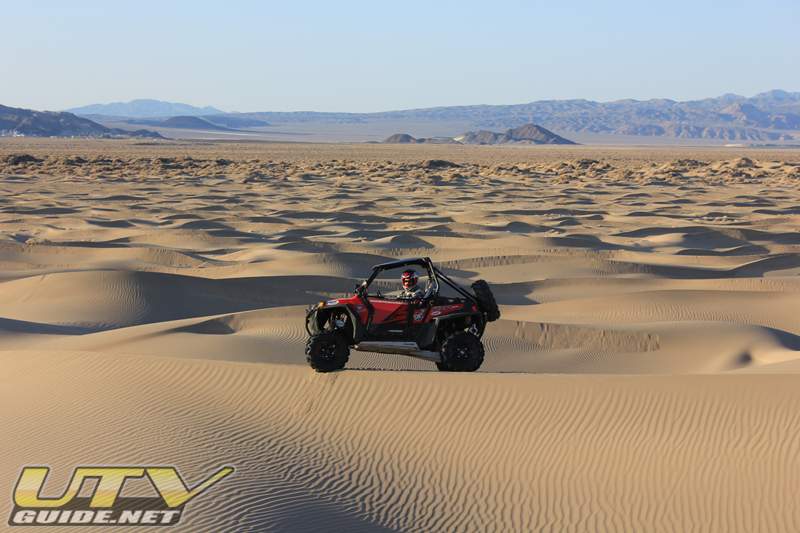
Our December trip combined four days at the dunes with a roughly 90-mile desert ride. The mix of terrain highlighted one of the XP 900’s best qualities: versatility.
Its short wheelbase could not bridge large desert whoops like a modern, longer sport UTV, but it made the XP responsive on winding routes and in technical terrain. Protection, seating and other comfort upgrades became increasingly important as our rides grew longer.
Fourth at the 2012 King of the Hammers
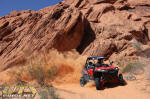
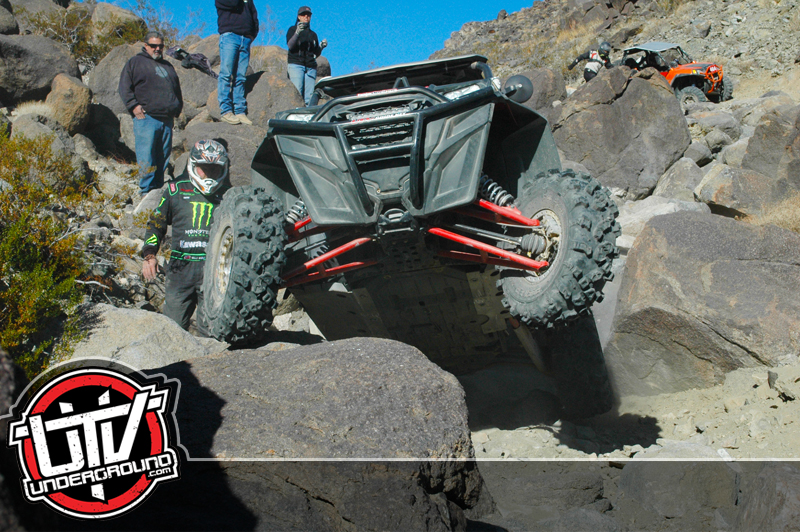
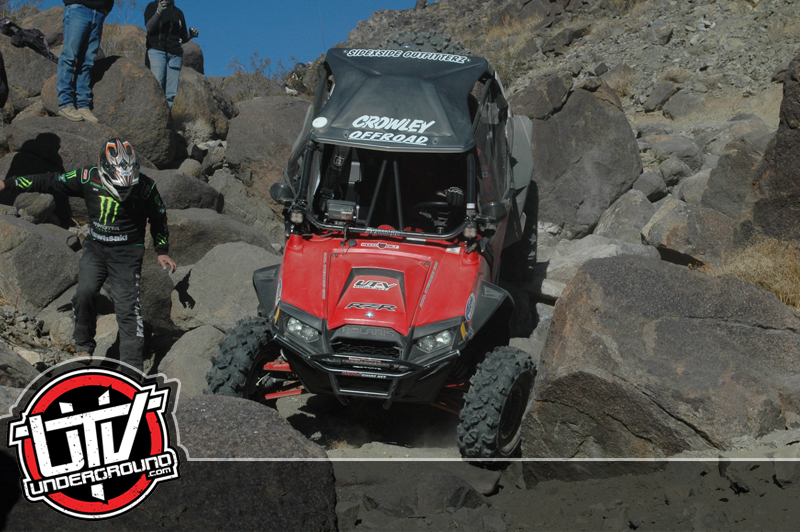
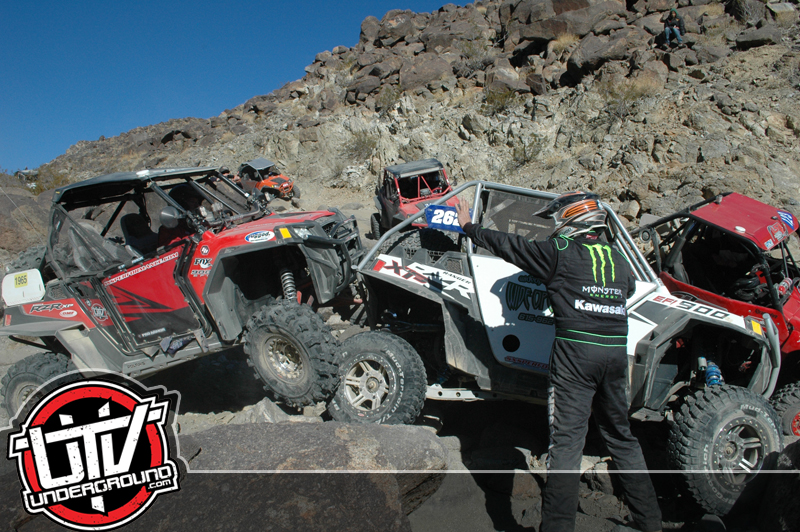
In February 2012, we took the XP 900 to Johnson Valley for the Pit Bull Tires King of the Hammers UTV race. Starting 25th, we worked our way through the field and finished fourth.
King of the Hammers combined high-speed desert sections with punishing rock trails. Preparing the XP required occupant protection, stronger suspension and chassis components, underbody protection, proper seats and harnesses, lighting and appropriate tires. Even with those changes, the race vehicle remained recognizably based on the same XP 900 we had used for recreational trips.
The fourth-place finish provided stronger evidence of the platform’s capability than a conventional short test could. See how the event fits into the broader history of the King of the Hammers UTV race.
From King of the Hammers to Glamis
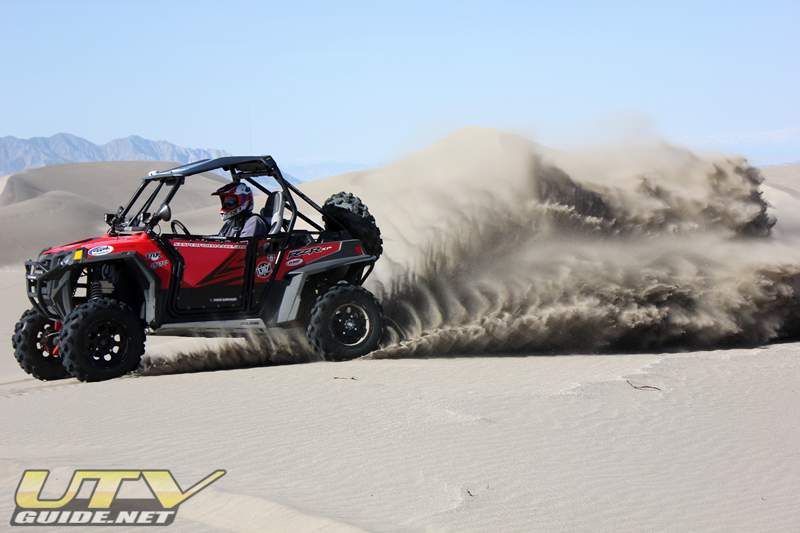
Soon after King of the Hammers, we took the RZR XP 900 to Glamis. With only relatively minor changes between events, the same machine transitioned from crawling rocks and racing across the desert to carving dunes.
That adaptability was one of the strongest conclusions from our long-term experience. The XP 900 was not optimized around only one type of terrain. Its combination of low weight, naturally aspirated power and responsive handling made it an effective foundation for several types of riding.
Read more: 2012 Glamis UTV Industry Ride.
Tour of Nevada: March–April 2012
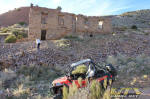
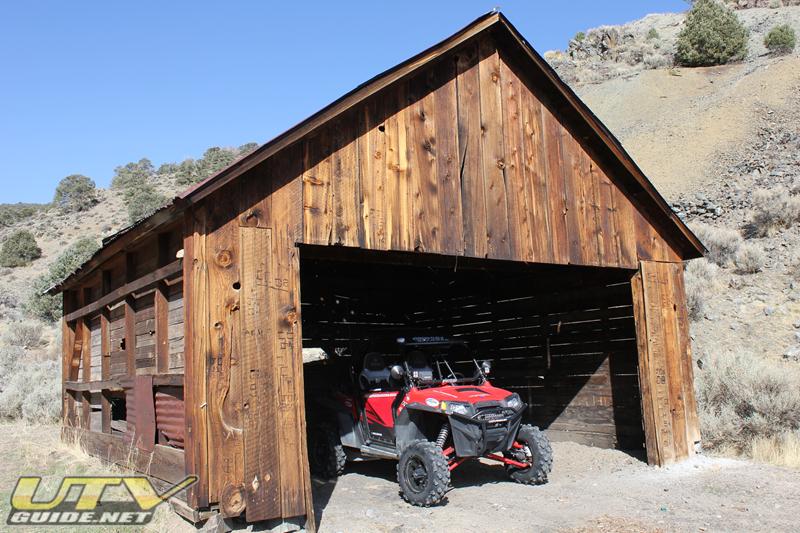
The Tour of Nevada expanded our testing far beyond a single riding area. The route connected dunes, desert trails, historic sites and ghost towns across the state.
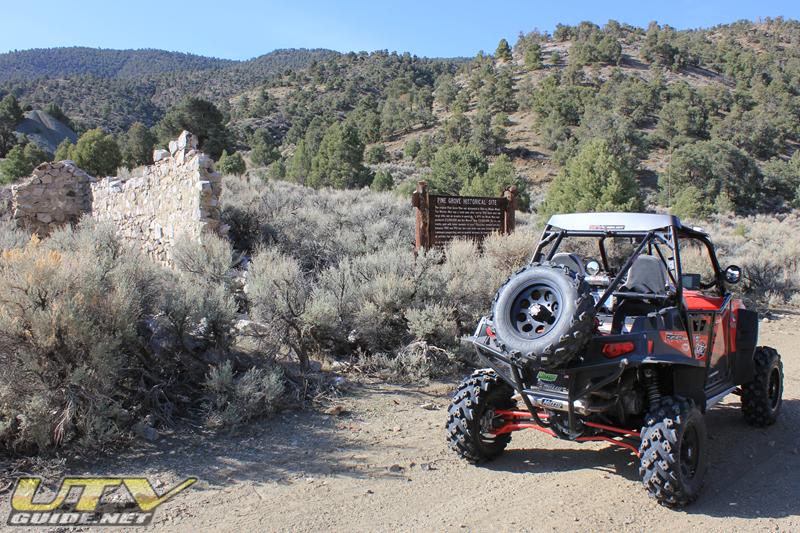
Stops included Sand Mountain Recreation Area, Delamar Ghost Town, Logandale Trails, Amargosa Dunes, Clayton Valley Dunes, Crescent Dunes and Pine Grove Ghost Town. This trip reinforced the value of protection, good seating, navigation preparation and carrying the tools and supplies needed for remote travel.
Read the complete adventure: Tour of Nevada.
Sand Mountain Recreation Area
Delamar Ghost Town
Logandale Trails
Amargosa Dunes
Clayton Valley Dunes
Crescent Dunes
Pine Grove Ghost Town
RZR XP 900 Accessories and Upgrades
Our XP 900 changed as we used it for more demanding trips and events. Some upgrades improved protection or safety, while others addressed suspension, steering, lighting and comfort.
PURE Polaris Protection
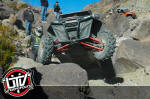
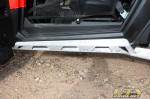
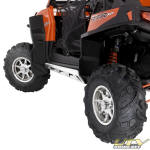
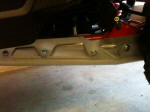
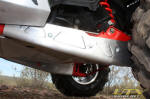
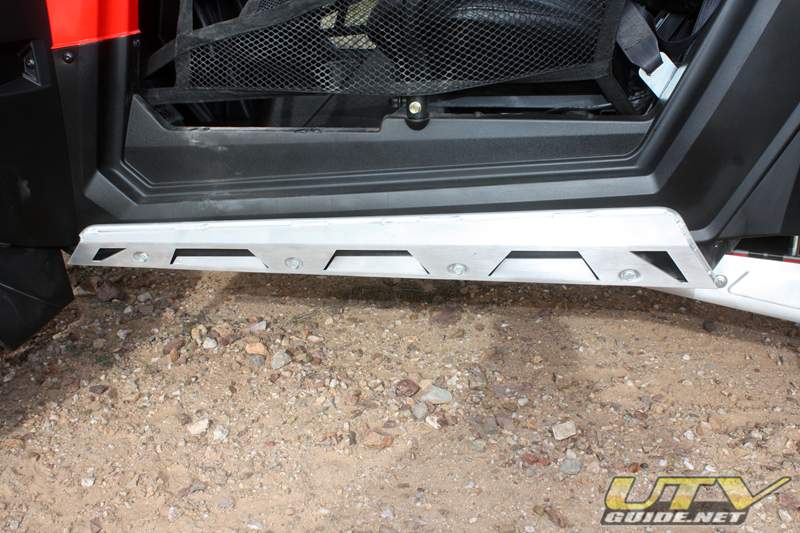
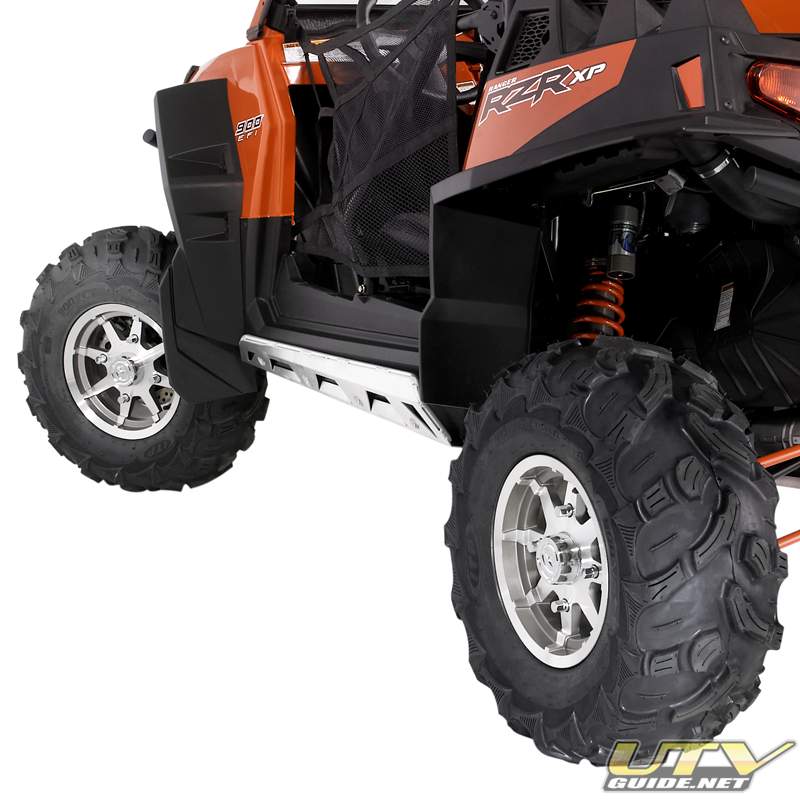
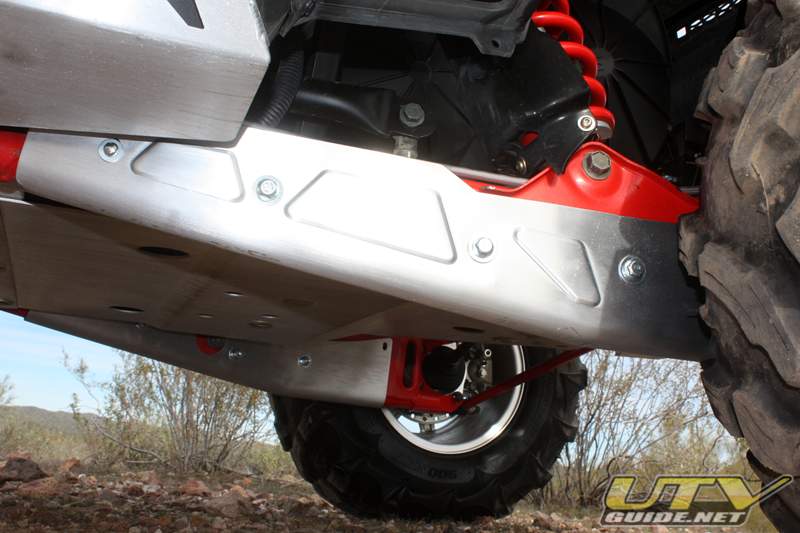
Aluminum rock sliders and trailing-arm guards helped protect exposed chassis and suspension components in rocks and rough desert terrain.
SSV Works Audio and Mirrors
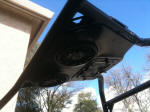
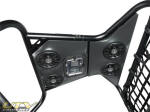
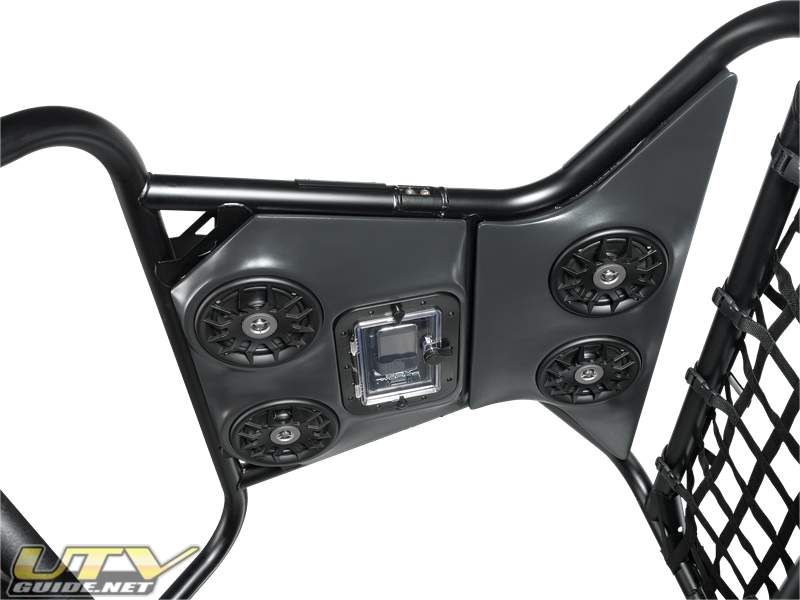
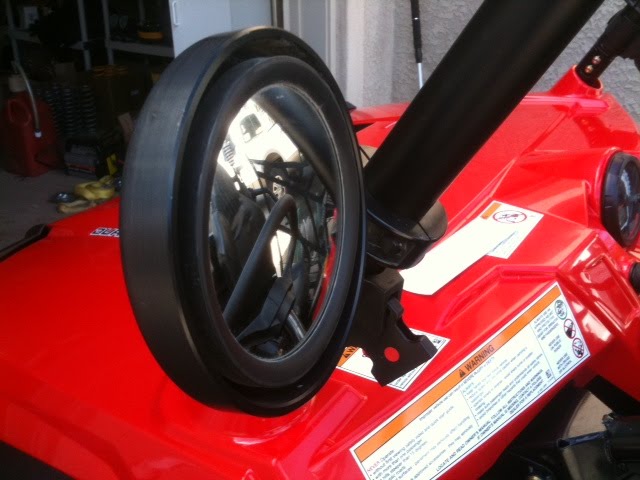
An SSV Works overhead audio system added weather-resistant speakers without consuming cargo space. Billet side mirrors improved visibility on trails and around other vehicles.
Muzzys Exhaust
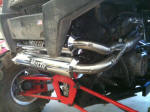
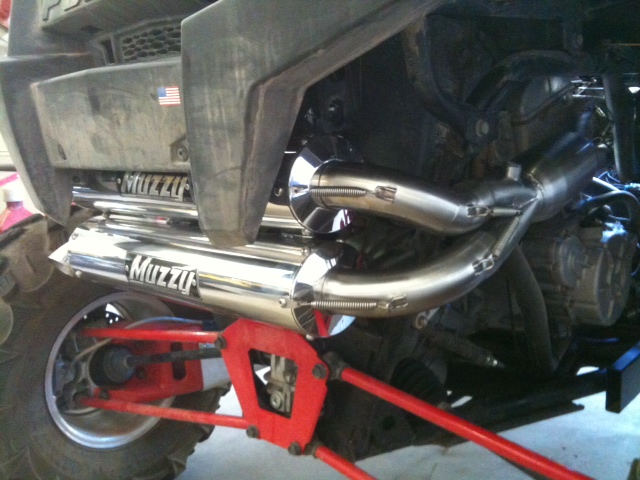
The Muzzys full exhaust used a two-into-one-into-two layout with stepped head pipes, dual aluminum mufflers, spark arrestors and removable quiet cores. A Digi-Tune Pro fuel controller was recommended with the system.
Maier Roof and Wicked Bilt Power Steering
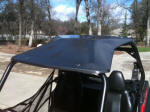
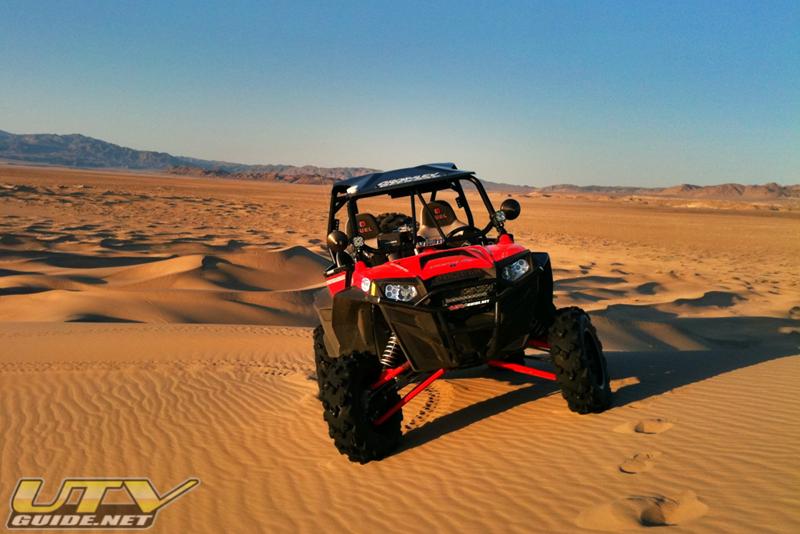
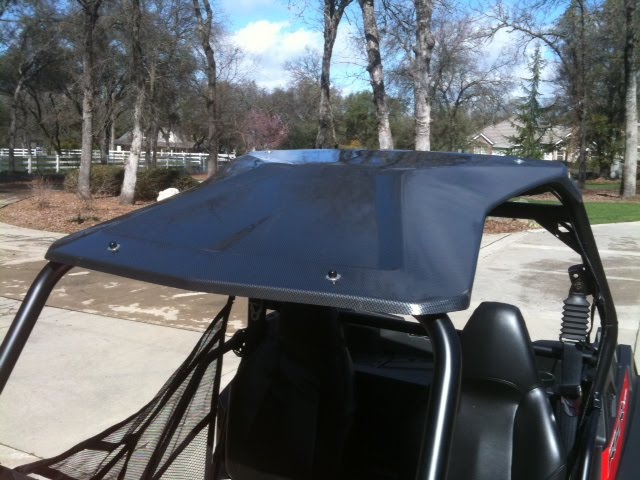
A carbon-fiber-look Maier plastic roof added shade and weather protection. Because the 2011 XP 900 did not come standard with electronic power steering, we installed a Wicked Bilt Electra Steer kit to reduce steering effort and kickback through the steering wheel.
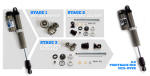
FOX Stage 3 Shock Upgrade
The FOX Stage 3 upgrade added dual-speed compression adjustment, rebound adjustment and internal racing components. It provided a wider tuning range than the original shocks and helped us adapt the suspension for dunes, desert riding and racing.

DragonFire Racing Chassis Components
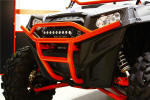
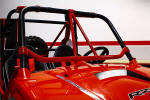
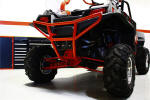
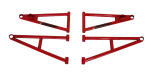
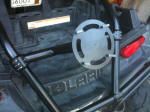
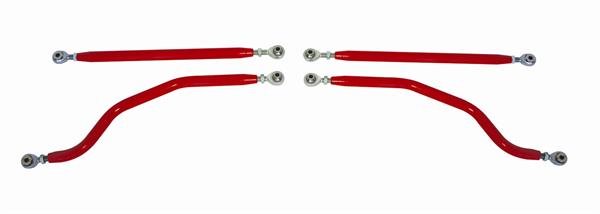
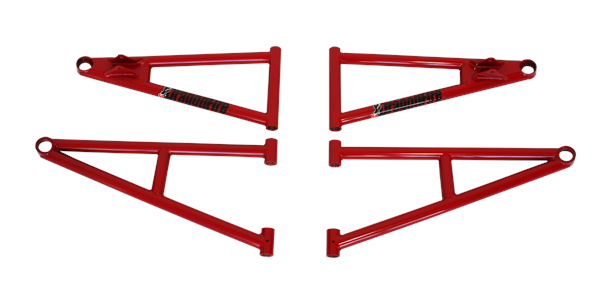
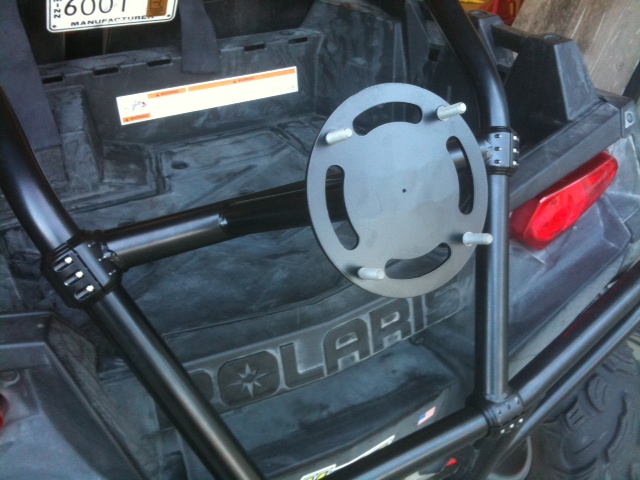
DragonFire Racing components included a forward cage brace, front and rear bumpers, high-clearance rear links, heavy-duty front A-arms and a spare-tire carrier. These upgrades were particularly relevant as the project moved into rocks and racing.
Seats, Doors and Harnesses
The project used Beard and PRP seats at different stages, along with Pro Armor doors, harnesses and window nets from SxSPerformance.com. These were important additions as the vehicle progressed from recreational riding into competition.
Baja Designs Lighting
A Baja Designs Stealth LED light bar on the front bumper and Squadron LED lights on the A-pillars improved visibility during nighttime desert travel and racing.

EMP Half Windshield
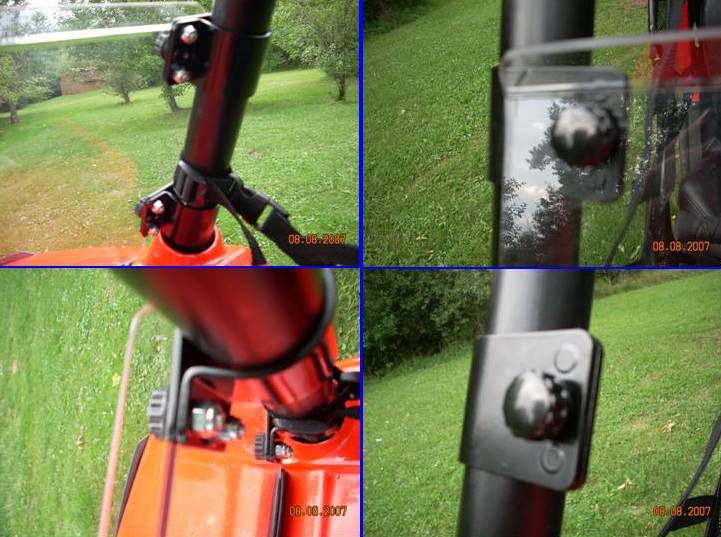
The Extreme Metal Products half windshield used 3/16-inch scratch-resistant polycarbonate and tool-free quick-connect clamps. A half windshield reduced direct airflow into the cockpit without enclosing it like a full windshield.

STI Tires and Wheels
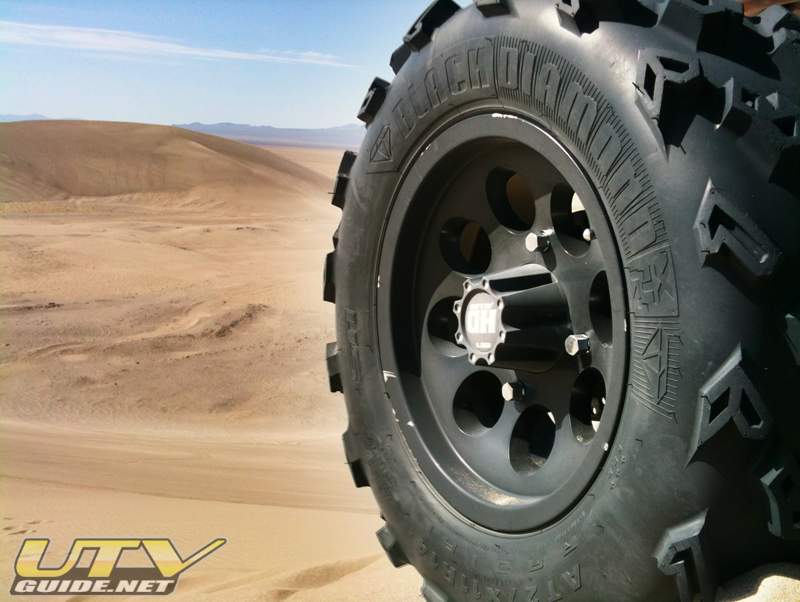
One trail and rock setup used 27-inch STI Black Diamond tires on 14-inch STI HD1 Black wheels. Tire selection changed with the terrain, particularly when moving between desert, rocks and dunes.

XMF Front Shock Tower
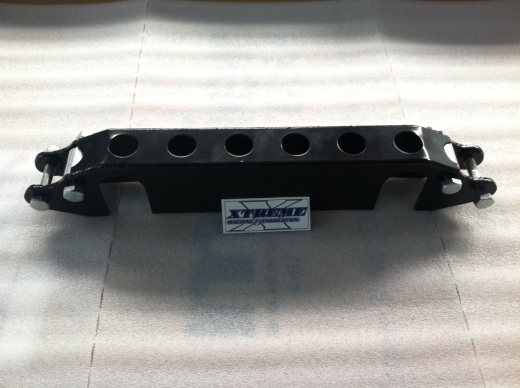
An XMF front shock tower reinforced a critical part of the chassis for more aggressive driving and competition use.

Long-Term Verdict
The 2011 Polaris RZR XP 900 proved to be one of the most versatile sport UTVs of its generation. We could take it dune riding, explore remote desert routes, run technical trails and build it into a competitive King of the Hammers vehicle without losing the responsive personality that made it enjoyable in the first place.
Its greatest strengths were its strong naturally aspirated power, low weight, predictable handling and willingness to respond to suspension and chassis upgrades. Its compact wheelbase kept it agile, although it could not match the stability and rough-terrain speed of the much longer sport UTVs that followed.
By current standards, the XP 900 has modest suspension travel, a small cockpit and relatively basic occupant protection. Any surviving example should be evaluated according to its age, maintenance history and previous use. The air intake, CVT, wheel bearings, suspension joints, frame, cage and electrical accessories deserve careful inspection—especially on a machine that has spent time in dunes or competition.
Viewed in its original context, however, the XP 900 was transformative. It combined a powerful rear-mounted engine, trailing-arm suspension, a 64-inch stance and a genuinely sport-focused chassis at a time when most side-by-sides still had strong utility-vehicle roots.
Our experience confirmed that the XP 900 was more than an impressive specification sheet. It was a capable, adaptable machine that helped establish the formula still used by modern high-performance UTVs.