
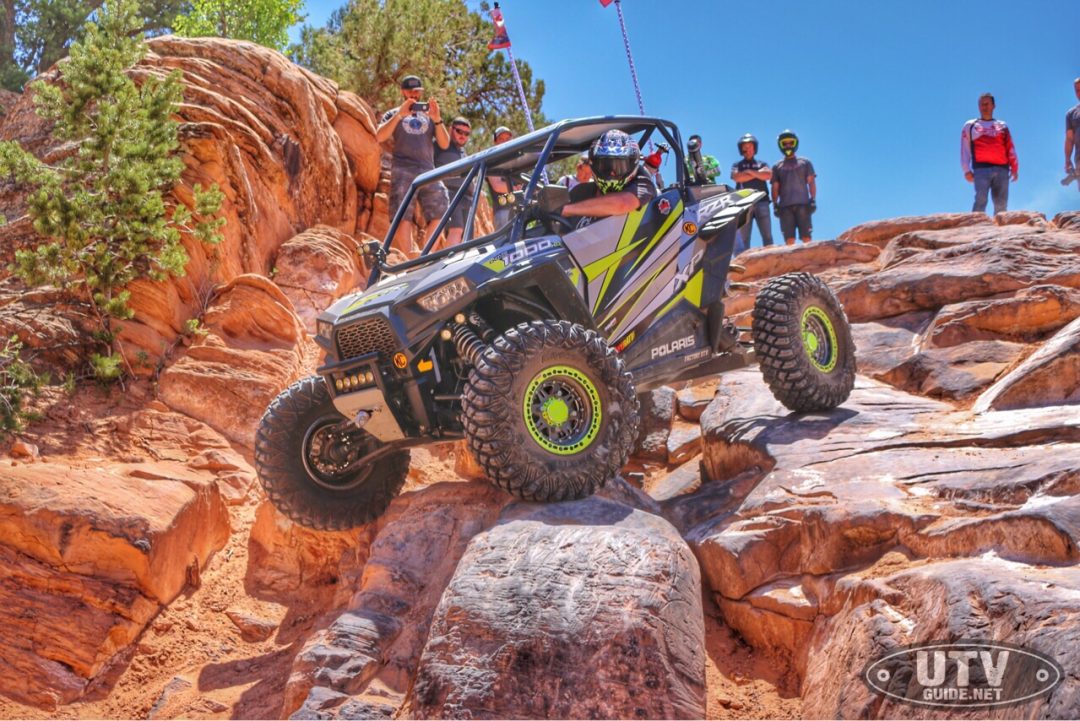
The new Polaris RZR XP 1000 EPS FOX Edition is hands-down, the best performing suspension ever offered on a sport Side by Side, featuring highly-tuned FOX Podium® Internal Bypass Shocks, re-tuned coil-over springs, new front stabilizer bar and softer rear bar. The vehicle offers the next generation of suspension innovation that takes Razor Sharp Performance to a whole new level.
The new RZR XP 1000 EPS FOX Edition is hands-down, the best performing suspension ever offered on a sport Side by Side, featuring highly-tuned FOX Podium® Internal Bypass Shocks, re-tuned coil-over springs, new front stabilizer bar and softer rear bar. The vehicle offers the next generation of suspension innovation that takes Razor Sharp Performance to a whole new level.
The new RZR XP 1000 EPS FOX Edition is hands-down, the best performing suspension ever offered on a sport Side by Side, featuring highly-tuned FOX Podium® Internal Bypass Shocks, re-tuned coil-over springs, new front stabilizer bar and softer rear bar. The vehicle offers the next generation of suspension innovation that takes Razor Sharp Performance to a whole new level.
Even we find it odd; calling a $23,000 UTV a value. For those lucky enough to snag one during its quick 1-year life span, the XP1000 FOX Edition was a steal. Take the standard $20,299 RZR XP 1000 and add upgraded FOX internal bypass shocks (2.5 front, 3.0 rear), a front swaybar kit, Polaris Digital Display, and 6-point harnesses, and youve arrived at the FOX package.
We arent quite sure why Polaris canned the model for 2016. It could be that there wasnt enough of a price disparity between it and the $24,999 XP Turbo (which features a nearly identical suspension package), or it could be that its sales didnt impress the accounting department. Regardless of the reasoning, you simply cannot buy a new XP 1000 and upgrade it to the same level of performance for anywhere close to its price tag.
The advent of the turbo takeover has led to many media outlets eclipsing the non-turbo models in their testing, but we believe that there is a definite advantage to opting for the naturally-aspirated model. Not only are they less expensive, but theyre lighter, easier to maintain, and offer superior throttle response. In short, there is a definite reason why so many racers choose to stay with naturally aspirated power plants.
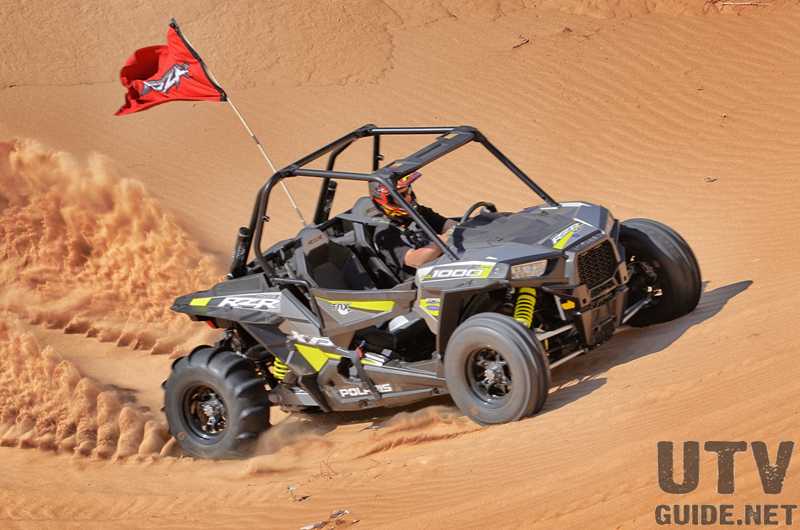
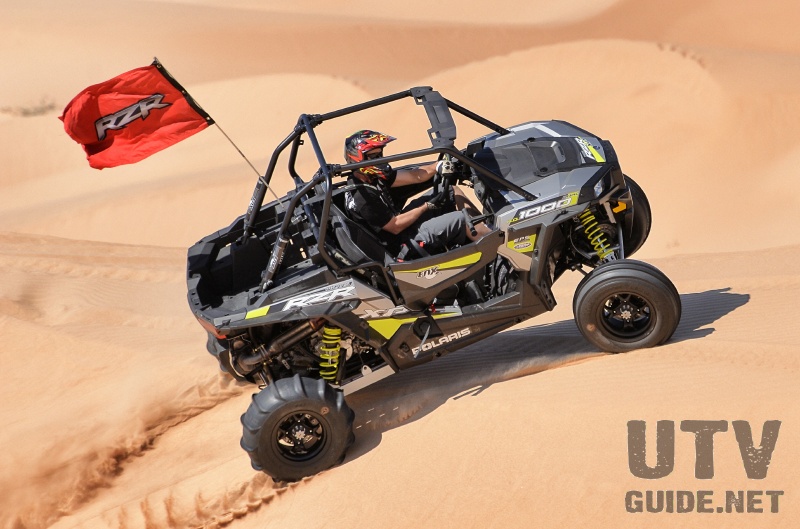
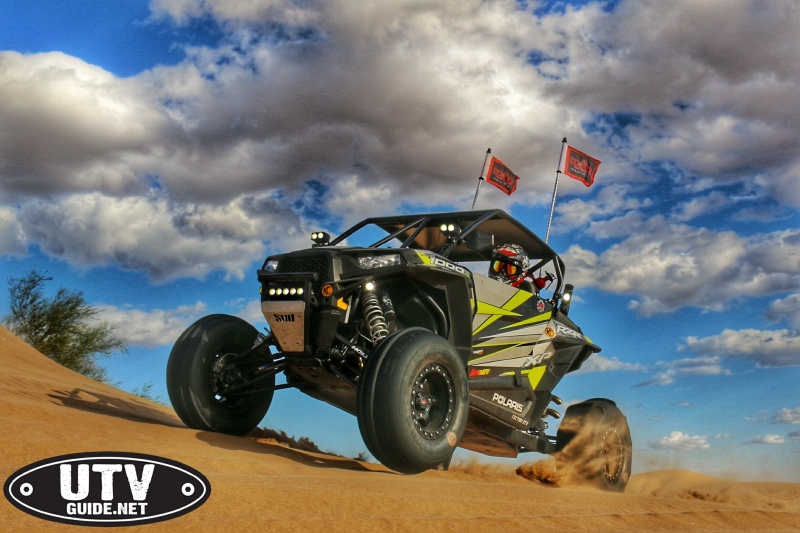
Our stint with the FOX Edition RZR started at the UTV Industry Ride in Glamis, where we got to experience the preview of Polaris next chassis package in one of the most testing environments this side of the Baja Peninsula. Big dunes have the habit of making any suspension setup feel too soft, and RZRs past have been plagued by a front end that was notorious for blowing through its travel and slapping the bump stops on steep transitions. The FOX edition marked a departure from the Walker Evans shock package seen on XP1000s since their introduction, and it offered the most aggressive shock tuning of any stock UTV we had ever tested at the time. Simply put, it had the best suspension setup offered in any OEM UTV to date (see FOX Edition RZR XP 1000 Dune Review).
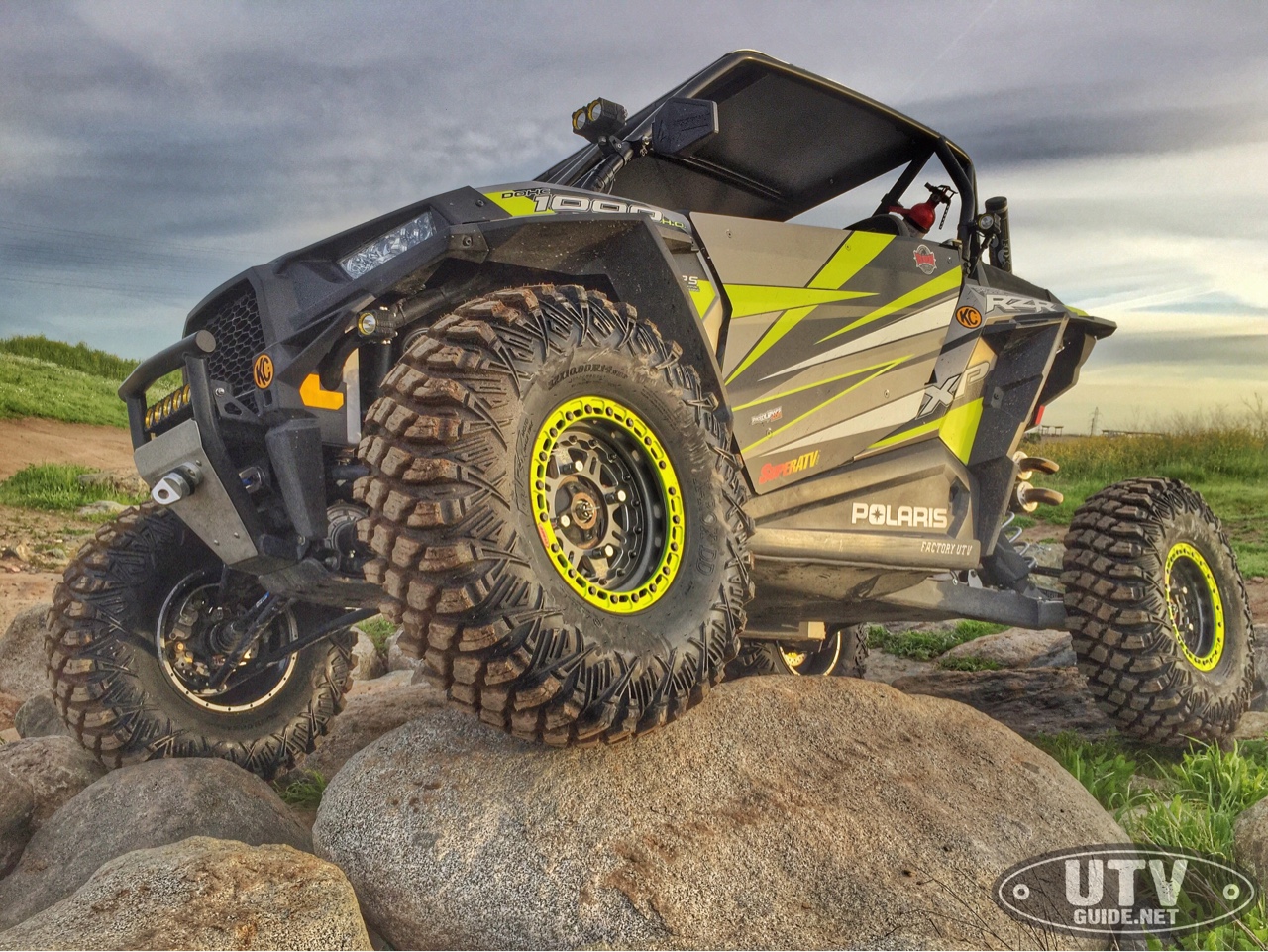
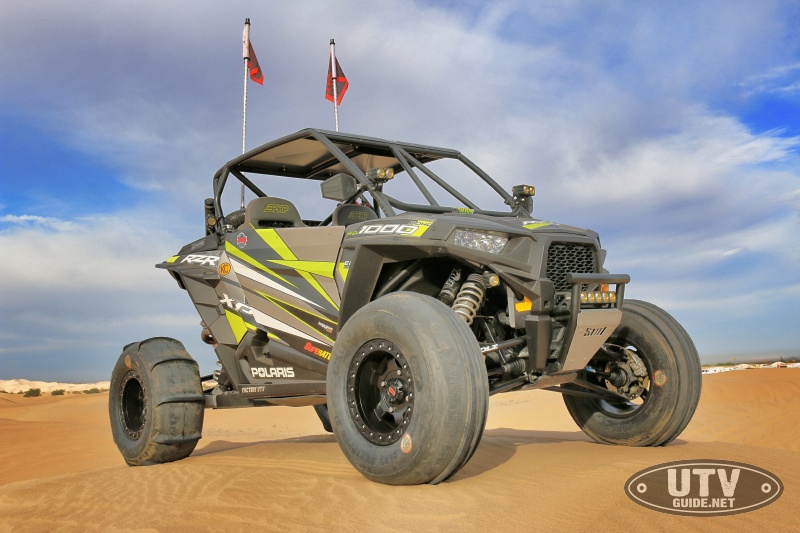
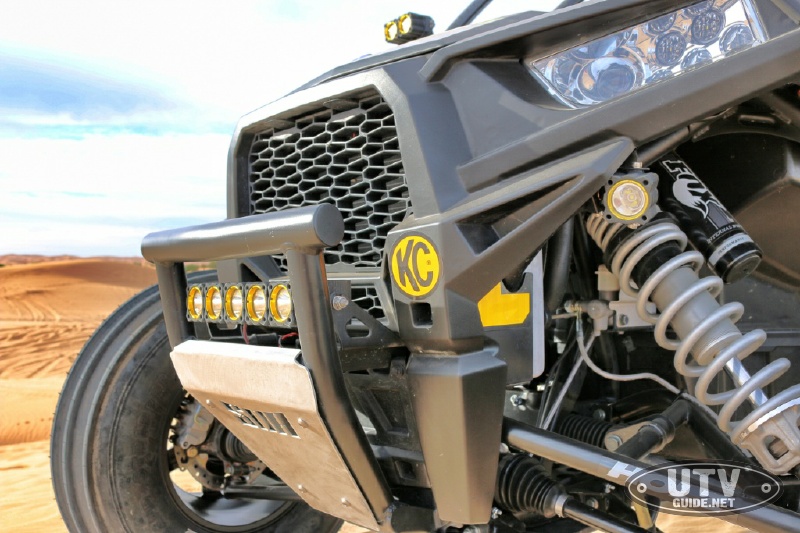
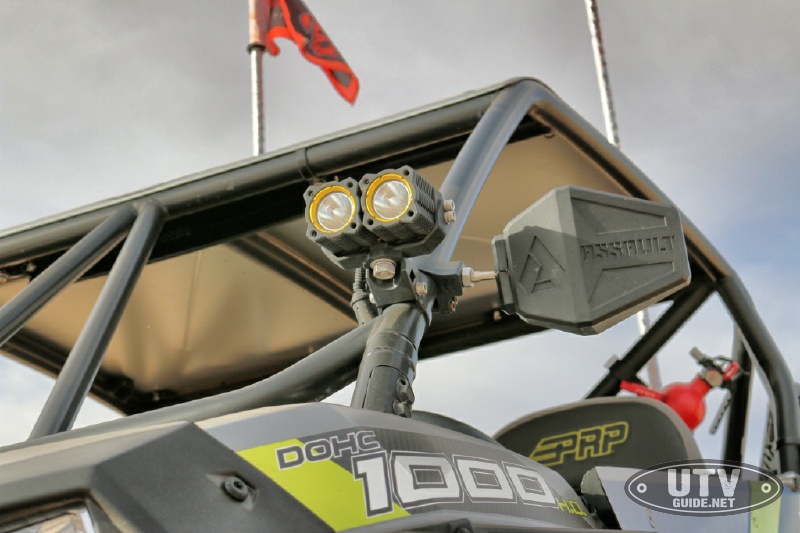
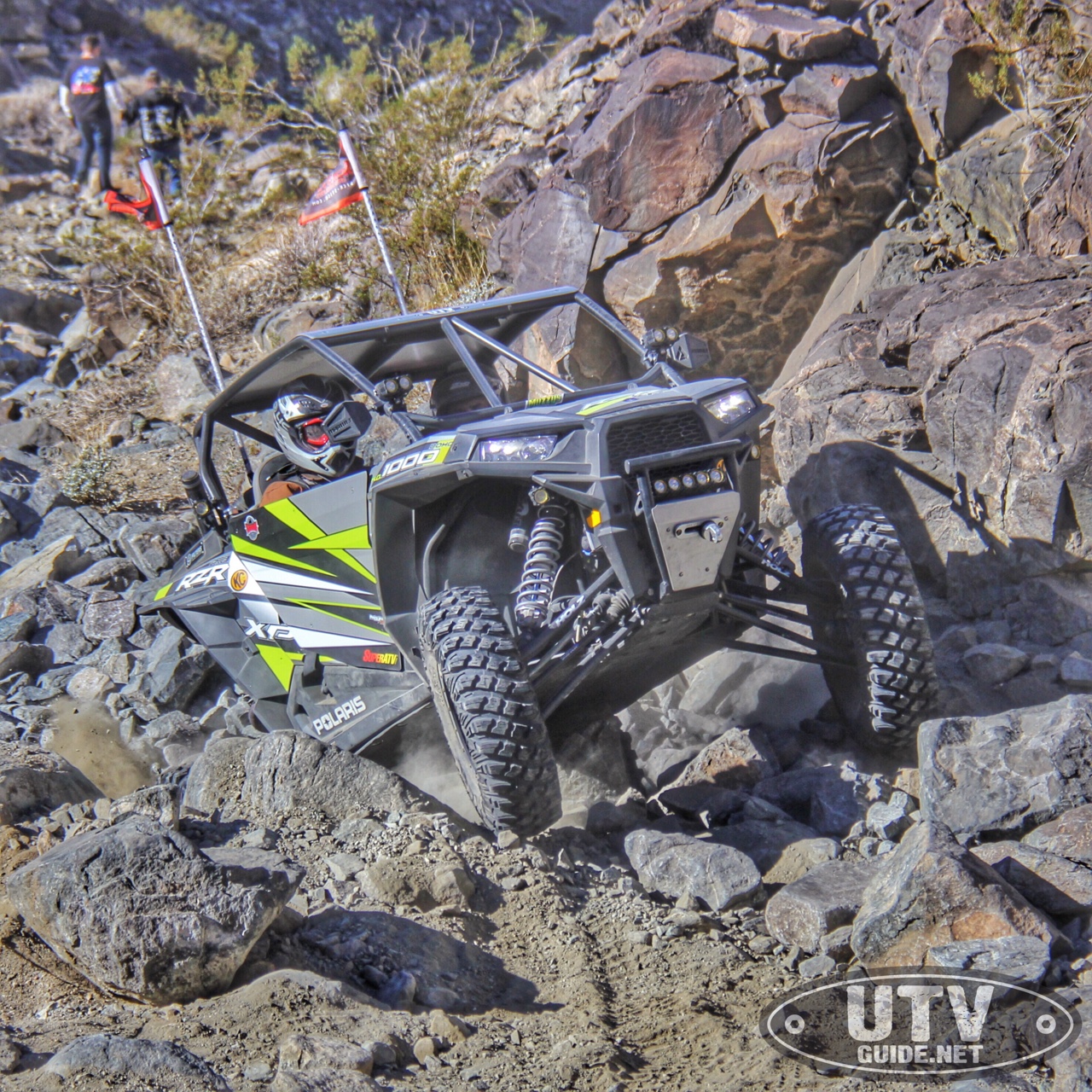
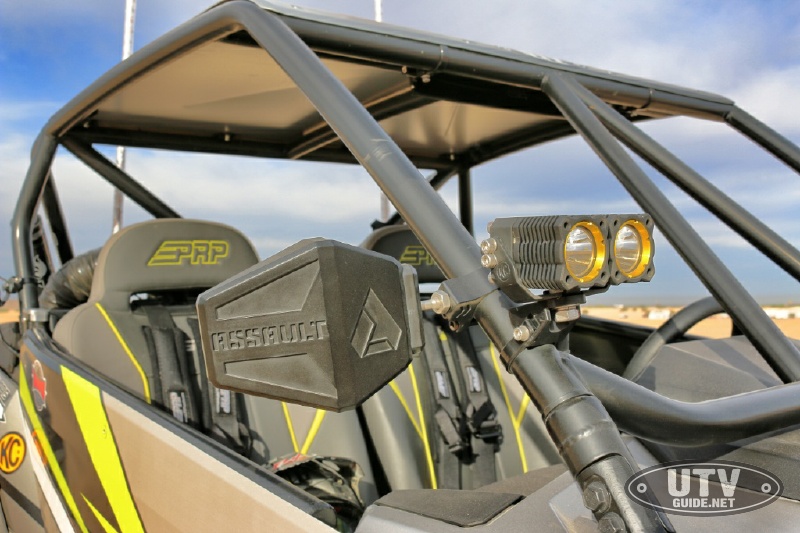
Fast-forward 18 months, and quite a bit has changed. Our time with the FOX Edition has led to a host of upgrades and changes to the machine that have made it better-suited to a wide variety of terrain. SDR Motorsports built us a slick shorty cage, Hi-Bred doors, and front bumper, increasing the protection and smoothing out the look of the car without adding too much weight. Proline Wraps handled the door graphics in a stock graphic continuation package, matching the color and pattern of our stock graphics perfectly. We also installed Assault radius rods, fire extinguisher, and Bomber Series side mirrors for some strength and style. KC HiLites FLEX array lighting and Sick Stick LED whips increased our nighttime presence. Who doesnt like a rolling sun?
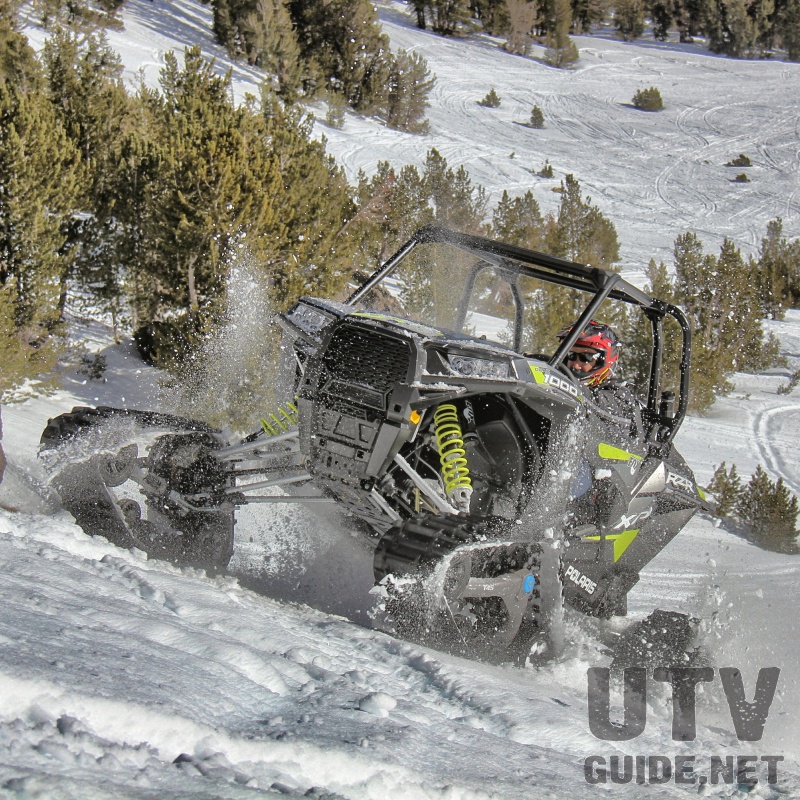
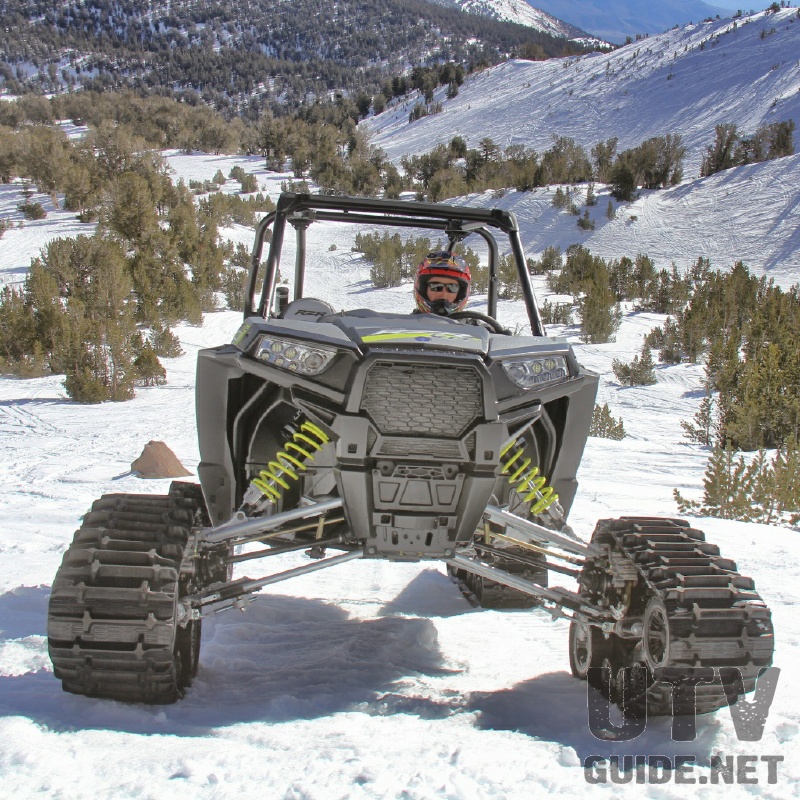
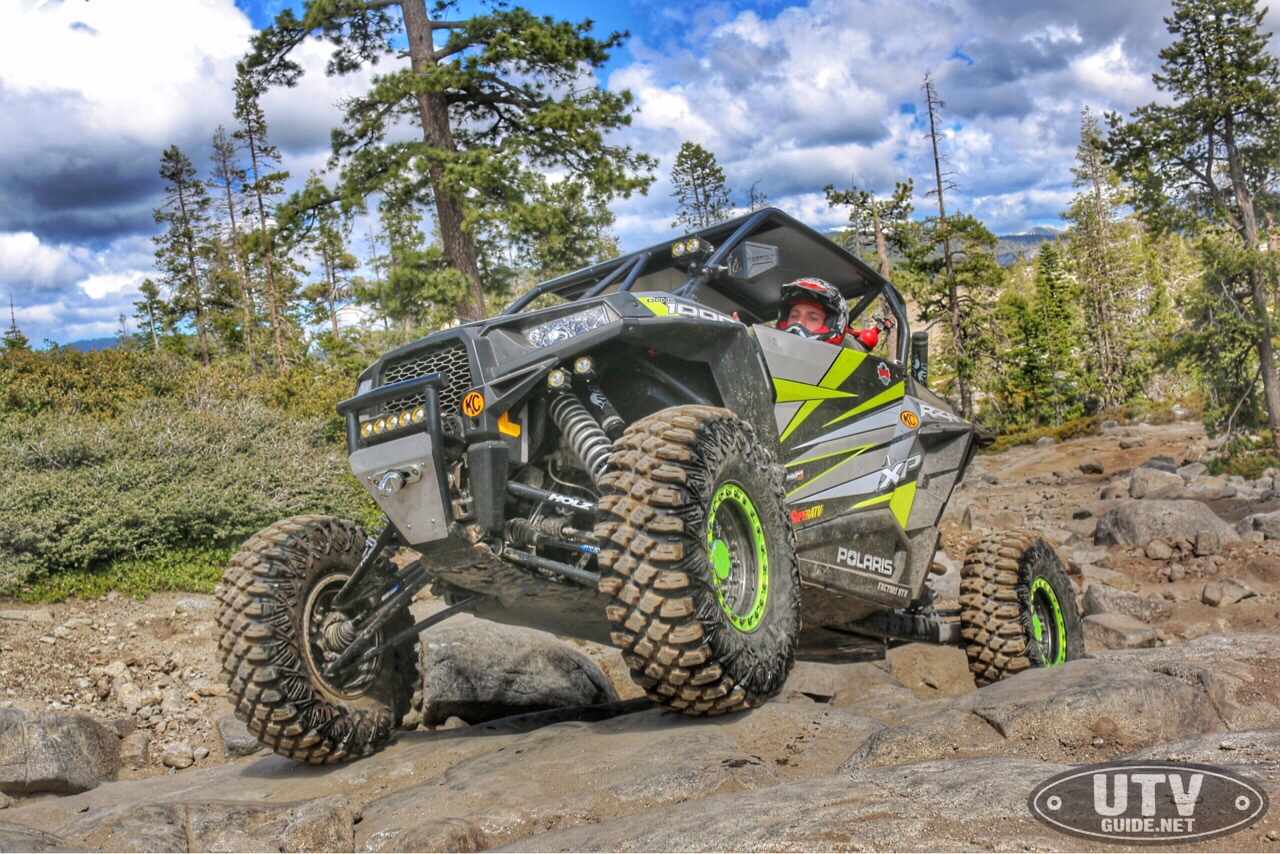
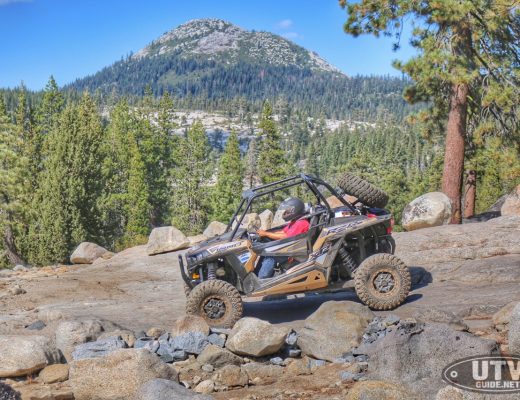
We have tested the FOX Edition everywhere- in the snow using a Camoplast T4S Track setup, on the Rubicon trail using an OMF Beadlock & MotoRace tire combination (See MRT 32x10R14 X_ROX DD Review), and in the sand using GMZ Sand Stripper tires (see GMZ Sand Stripper XL Review). Regardless of the terrain, the FOX Edition remained poised and confident, its revamped suspension setup polishing the cars overall performance to a package that is unbelievably versatile.
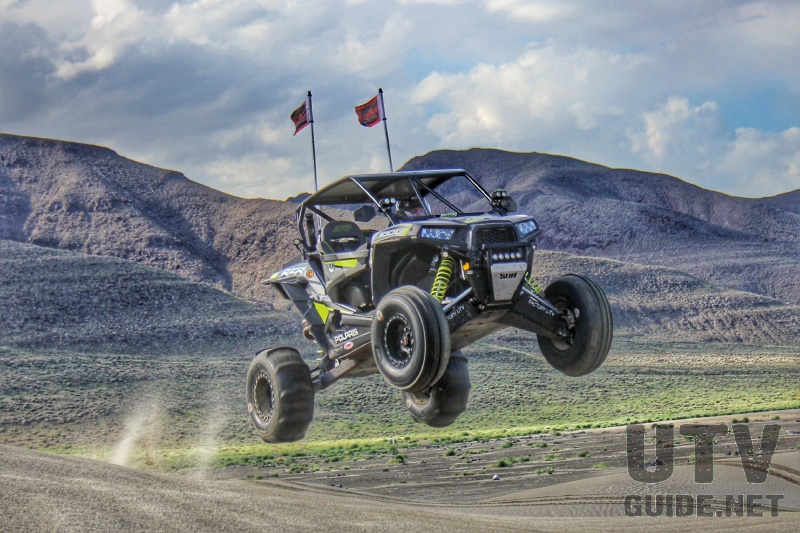
The thing we like about swaybars is that they are removable- If youre going to be spending lots of time in the rocks, you can simply unbolt your swaybars for maximum articulation. Heading to the dunes or the desert? Bolt them back on for flatter cornering and more precise steering. The RZR definitely benefits from its front swaybar, as it increases cornering stability and confidence more than any shock package can do alone. In high-speed sweepers and sharp corners under braking, there is simply no replacement for a well-tuned swaybar package.
While the stock seats and 6-point H style harnesses work well, we elected to swap them out for a set of PRP bucket seats and race-style 4 points. Driver movement in the seat through rough terrain is a major distraction; if you find yourself thinking about bracing yourself or repositioning during a hard ride, youre not fully focused on the trail. On all of our builds, driver & passenger containment is often the first point addressed.
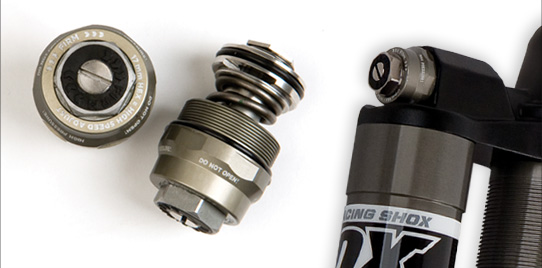
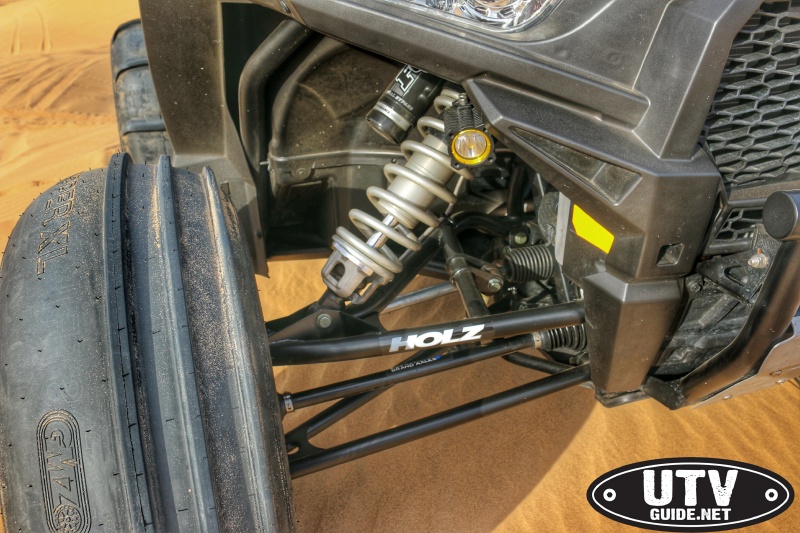
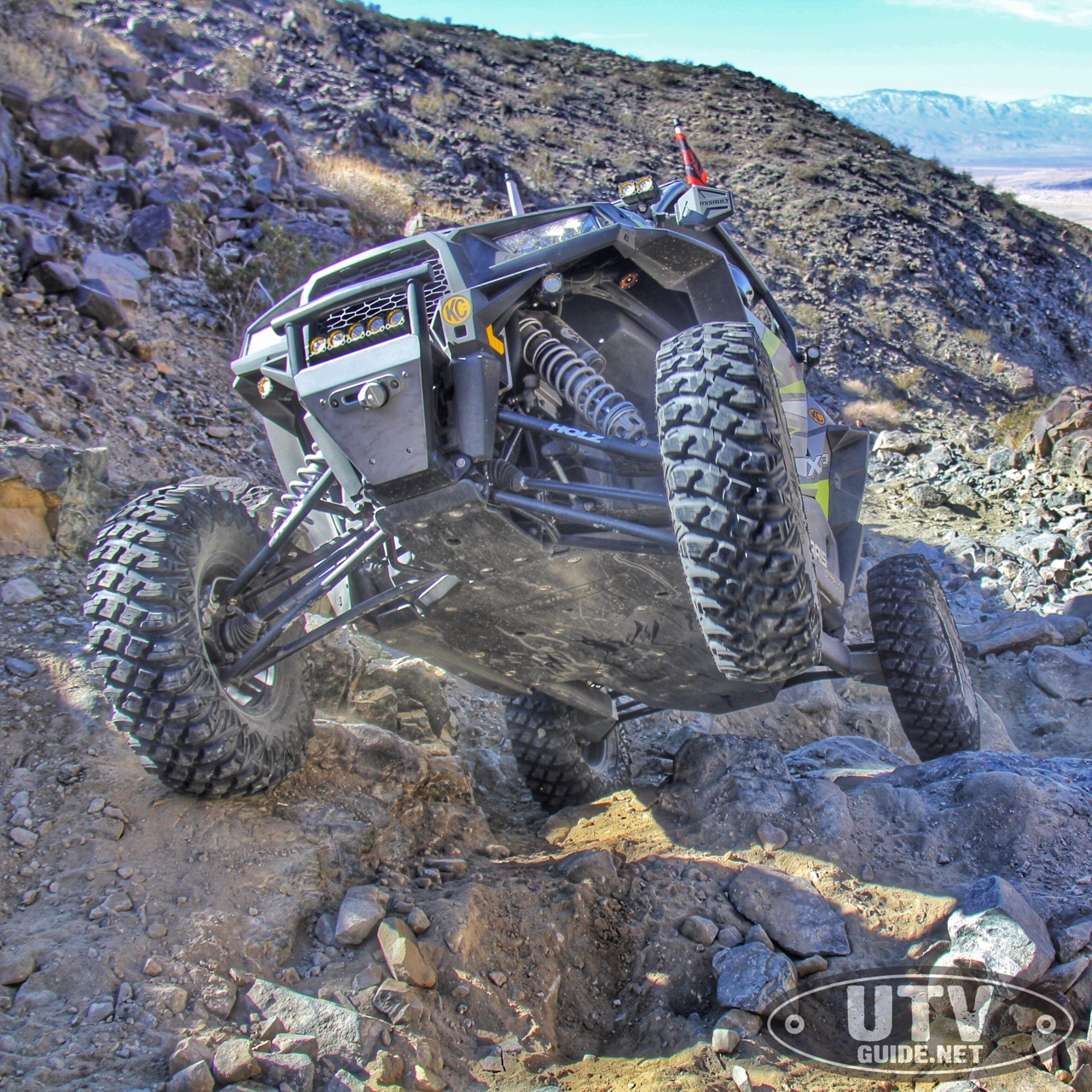
As good as the factory shock package is, there is always room for improvement. We turned to the experts at FOX Shox for their DSC and spring upgrade package, which altered our factory shocks to a full aftermarket-spec kit. The ride became plusher, the bottoming resistance even greater- it was the biggest performance improvement we made to the already-stellar XP1K. As Paul Thede would say, The best youve ridden is the best you know.
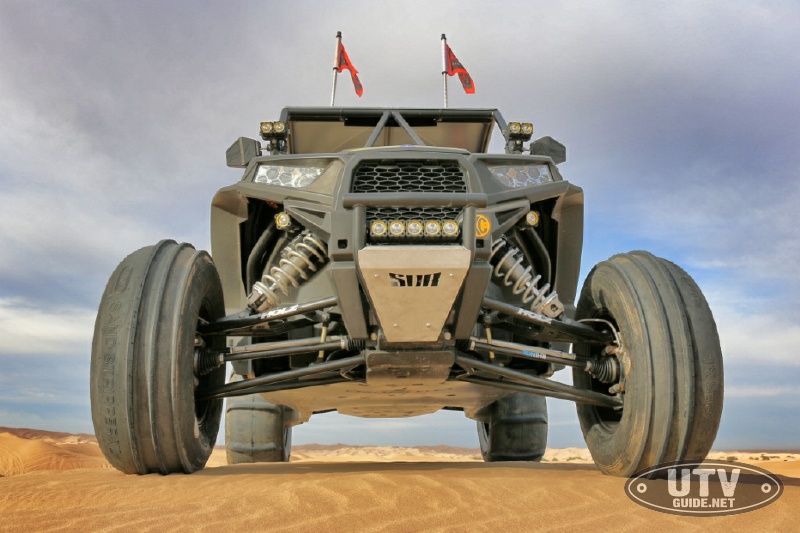
Along with the shock upgrades, we worked with Holz Racing Products to source an HD A-Arm upgrade kit with higher strength ball joints, as we spend quite a bit of time bashing over boulders on the Rubicon. Factory UTV UHMW skid plates now line the bottom of our FOX Edition as well, replacing the flimsy, brittle stock plastic pieces. If you spend ANY time in the rocks, a good set of skid plates should be at the top of your priority list.
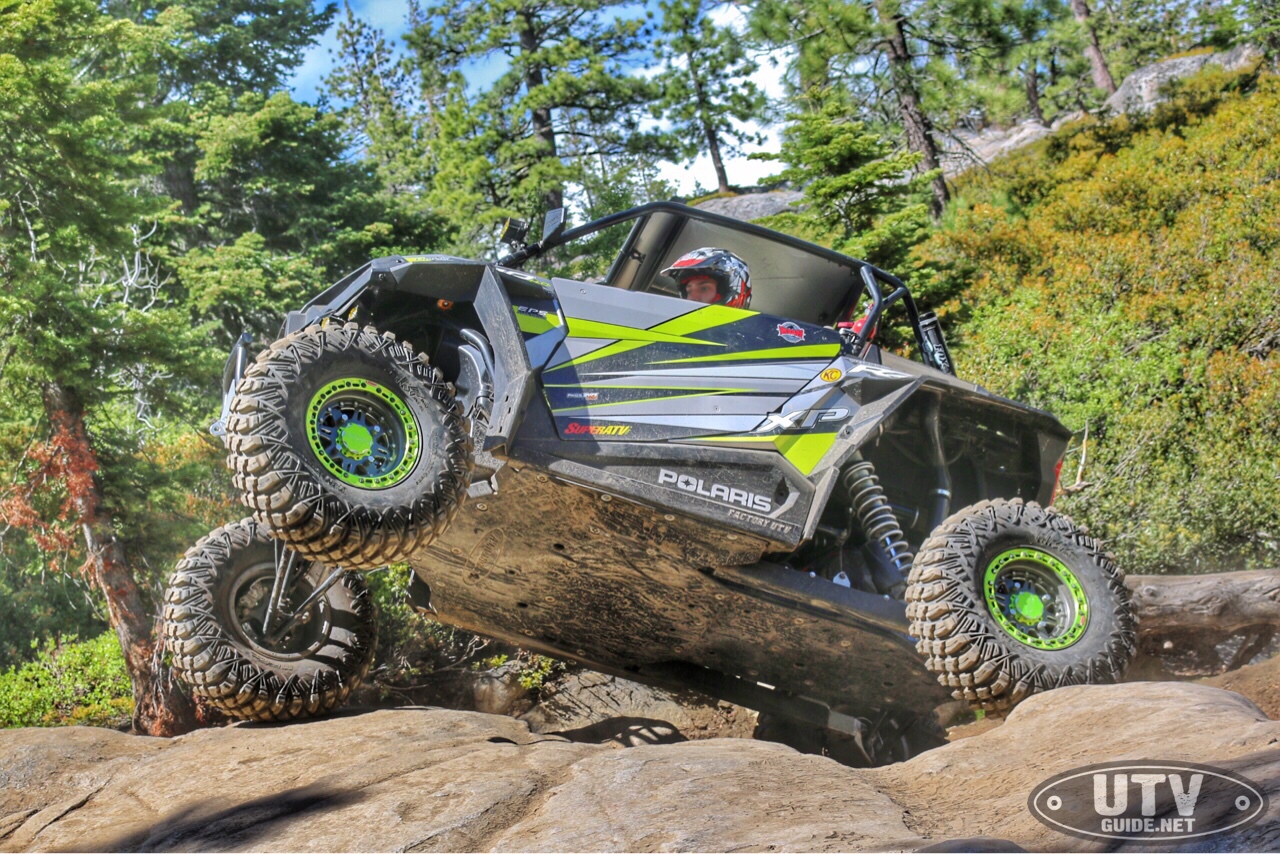
We also added a few unseen performance enhancements to our RZR. Super ATV Rhino Axles and an HD steering box help keep our rig on the trail, and an S&B particulate separator extends our filter service intervals. An EPI Performance clutch kit allows us to get the most out of the XP1000s 110 horsepower twin cylinder engine, and increased our belt lift during high-stress climbing in the rocks and dunes. A Got Sand custom shifter and Rugged Radios intercom kit spruced up our interior, but we decidedly kept the FOX Edition minimalist in comparison to our other builds. There is just something special about a lightweight, stock car that you lose when you bolt on a bunch of heavy parts.
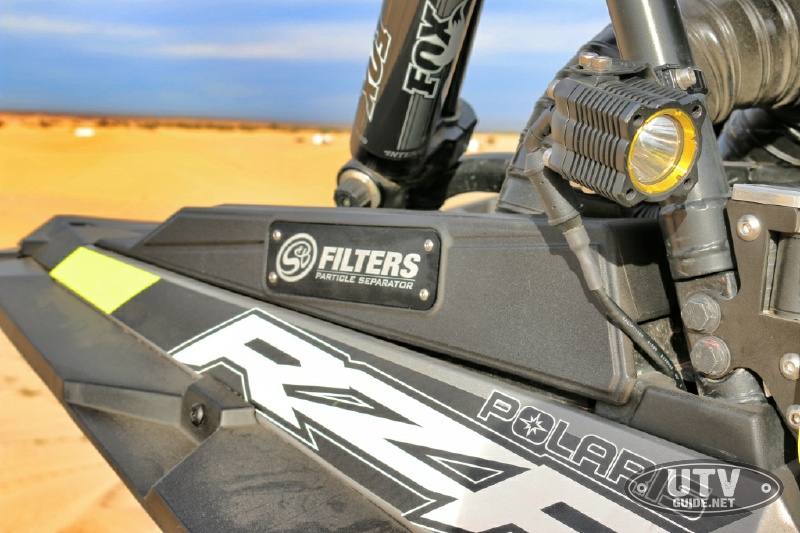
While the FOX Editions life may have been short-lived, it served a great purpose: this car was the testing bed for the XP Turbos suspension package. It was a definite upgrade over the standard car, offering superior bottom-out control thanks to its multi-port internal bypass setup and increased shock cooling capacity from its larger oil volume. Polaris has a habit of previewing bits of their next upcoming model on current cars, so when you see a performance edition XP Turbo drop, rest assured that something new this way comes.
Aftermarket Accessories:
Assault Industries UTV – Radius links, Fire Extinguisher and Mount, Side Mirrors
Website: www.assaultind.com
SDR Motorsports – Roll Cage, Doors, Front Bumper
Website:www.sdrmotorsports.com
KC HiLItes – LED Lights + Accent Lights
Website: www.kchilites.com
GMZ Race Products – Sand Tires and Wheels
Website: www.gmzraceproducts.com
Moto Race Tires – Dirt Tires
Website: www.motoracetire.com
OMF Performance – Dirt Beadlock Wheels
Website: www.omfperformance.com
Factory UTV – UHMW Skid Plate and Rock Sliders
Website: www.factoryutv.net
Muzzys Performance – Dual Exhaust + DigiTune
Rugged Radios – RRP360 Intercom
Website: www.ruggedradios.com
Got Sand? Performance – Shifter
Website: www.gotsand.com
Super ATV – Rhino Axles and Steering Box
Website: www.superatv.com
SickStick.com – Lighted Whips
Website: www.sick-stick.com
ProLine Wraps – Continuation Graphics
Website: www.prolinewraps.com
Holz Racing Products – HD Race A-Arm Kit w/ Ball Joints
Website: www.holzracingproducts.com
FOX – DSC and Dual Rate Spring Upgrade
Website: www.rideFOX.com
S&B Filters – Particulate Separator
Website: www.sbfilters.com
PRP Seats
Website: www.PRPSeats.com
EPI Performance – Clutch Kit
Website: www.epiperformance.com
Trips
Rubicon Trail
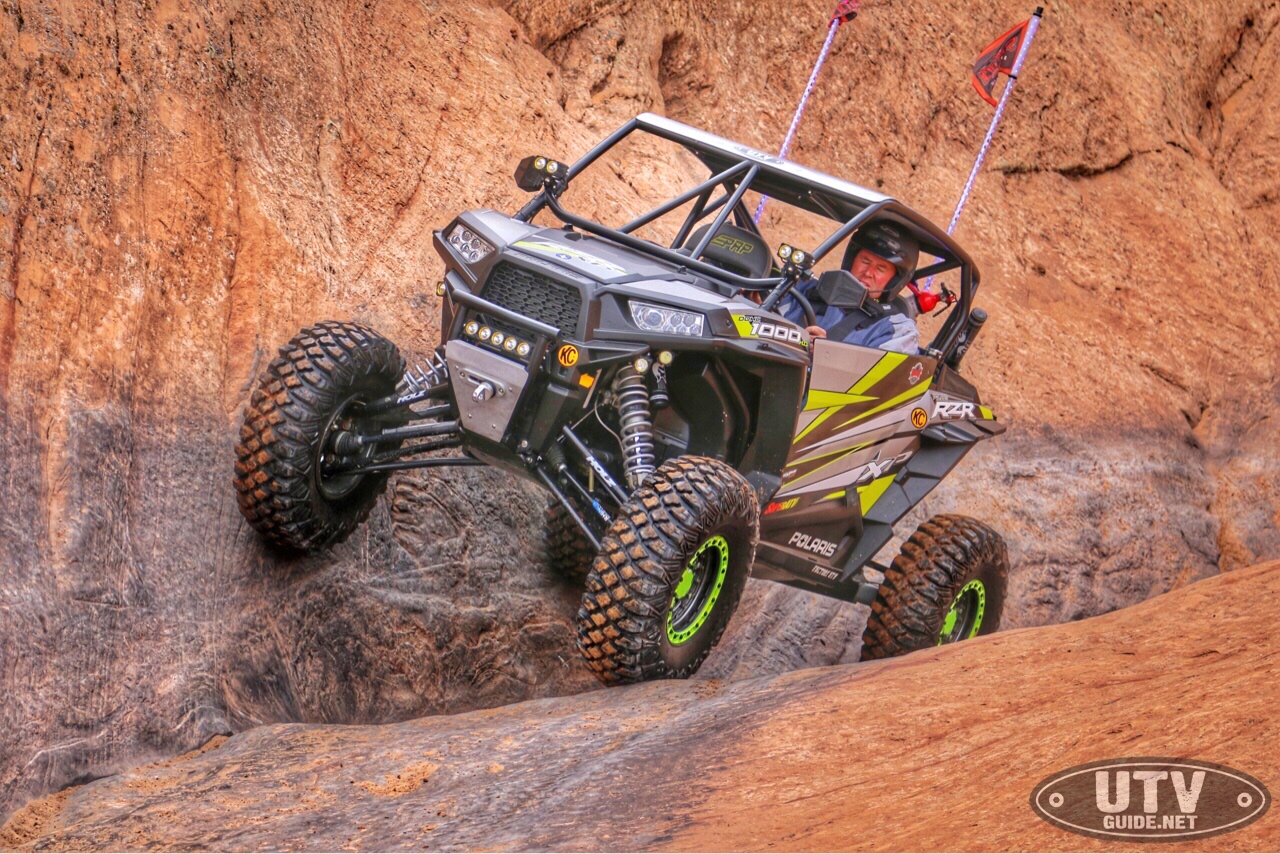
Hells Gate – Hells Revenge in Moab, UT
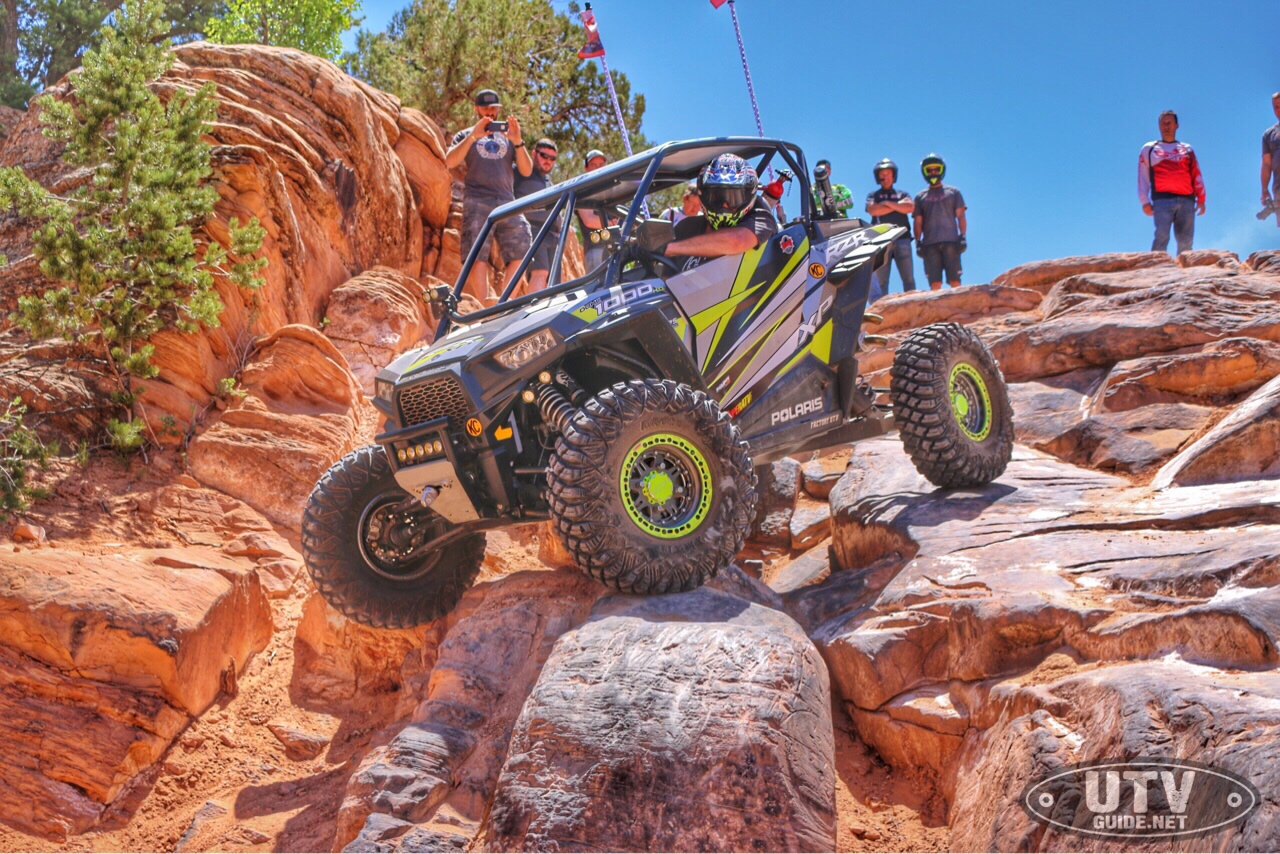
Our FOX Edition RZR XP 1000 coming down High Dive – Behind the Rocks
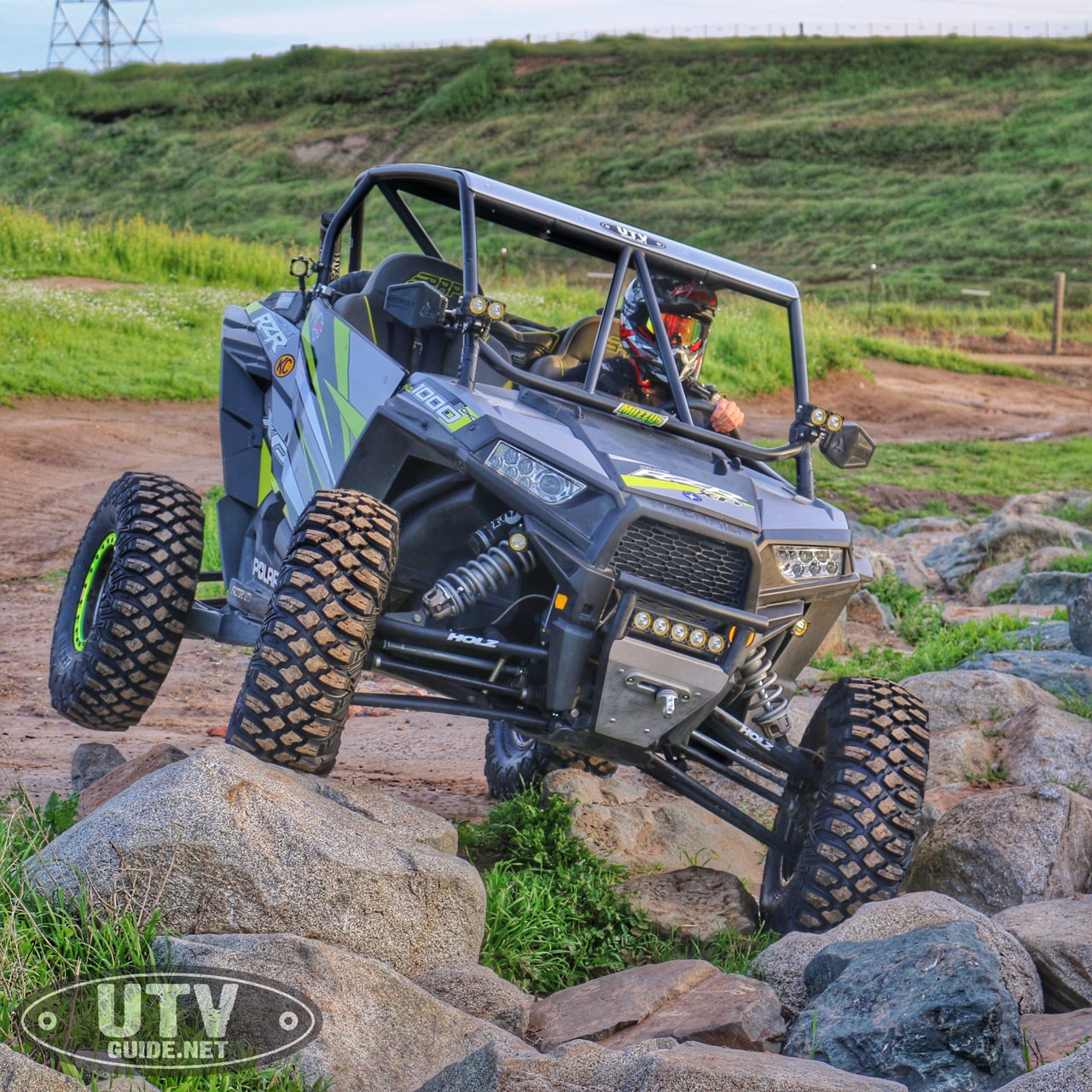
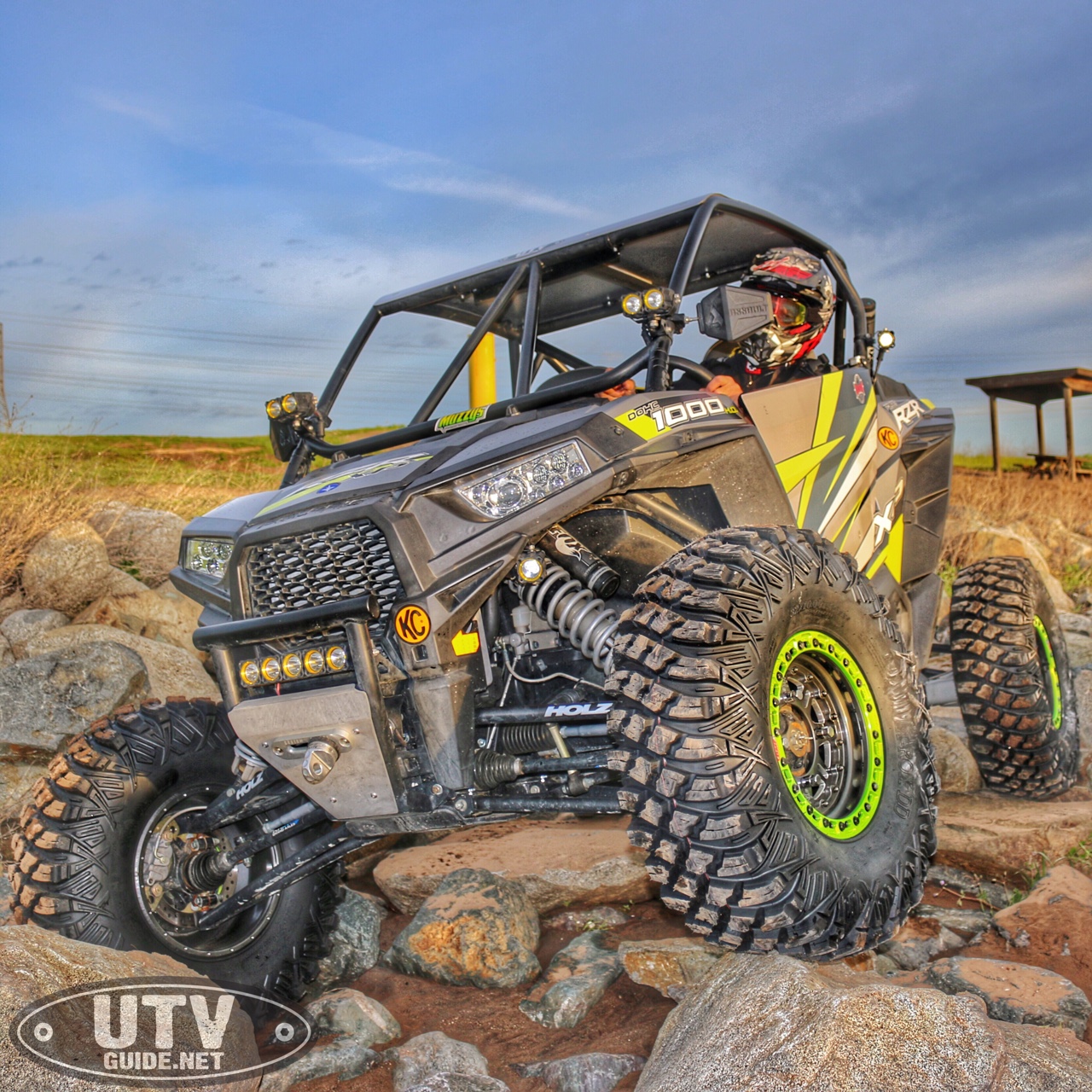
Rock Crawling at Prairie City SVRA
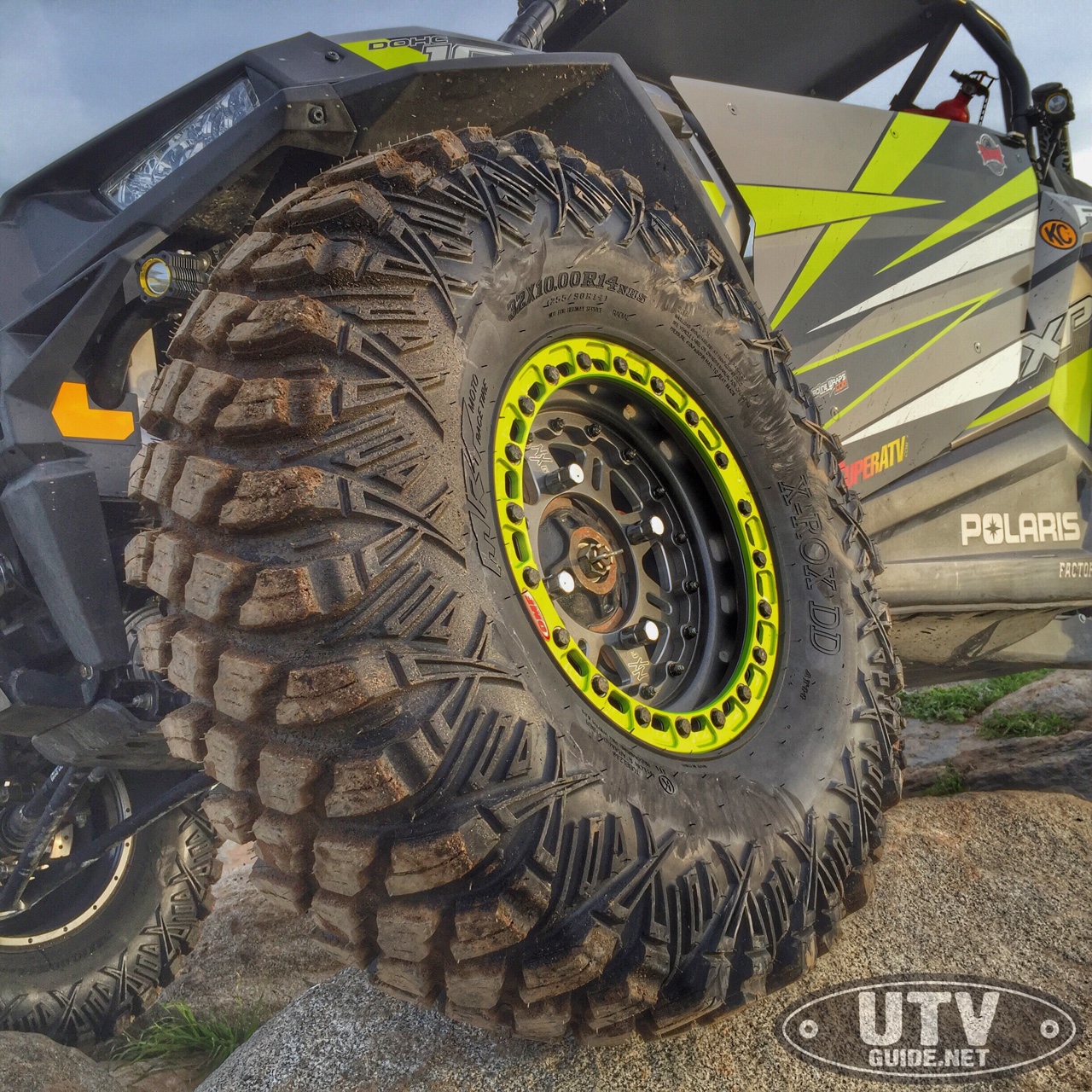
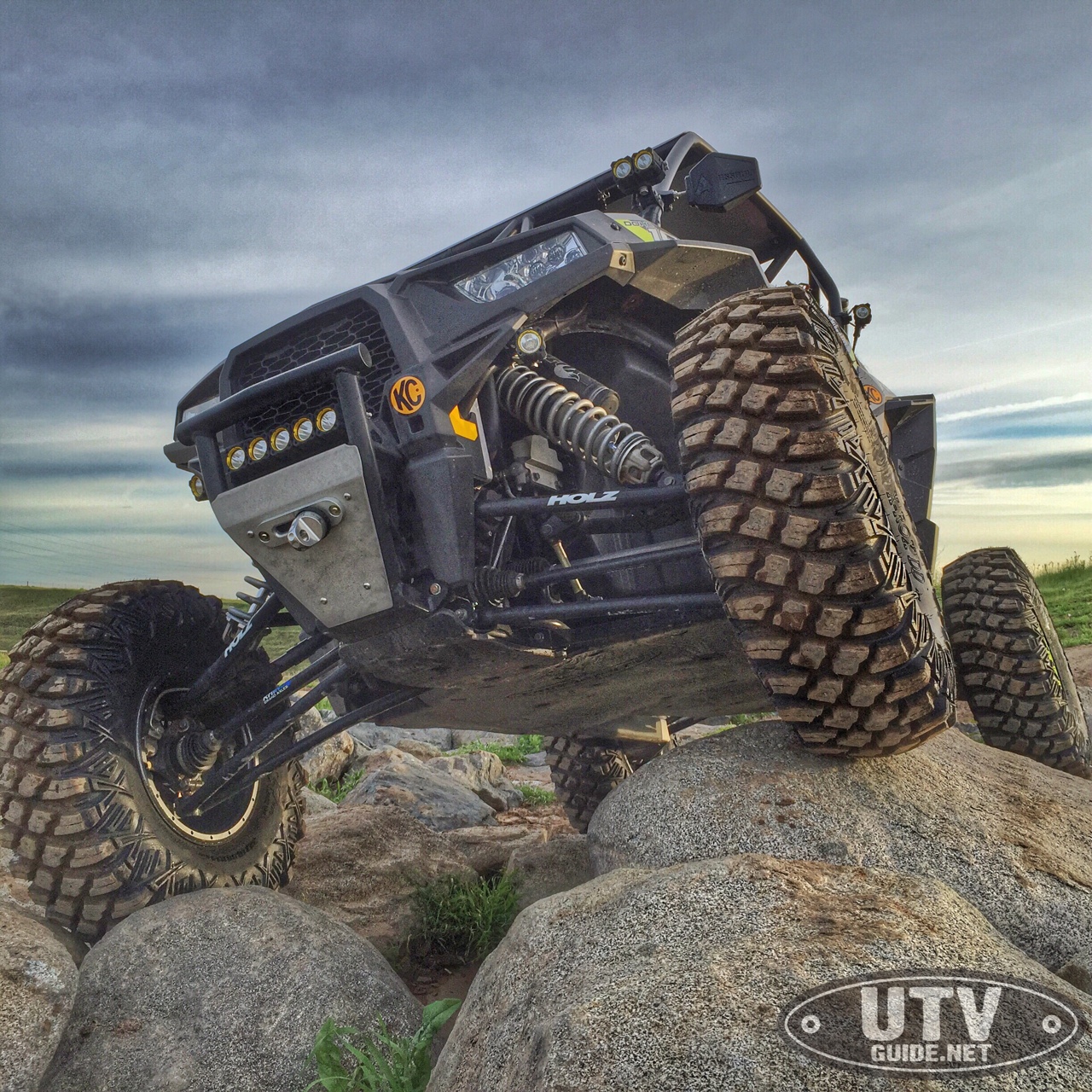
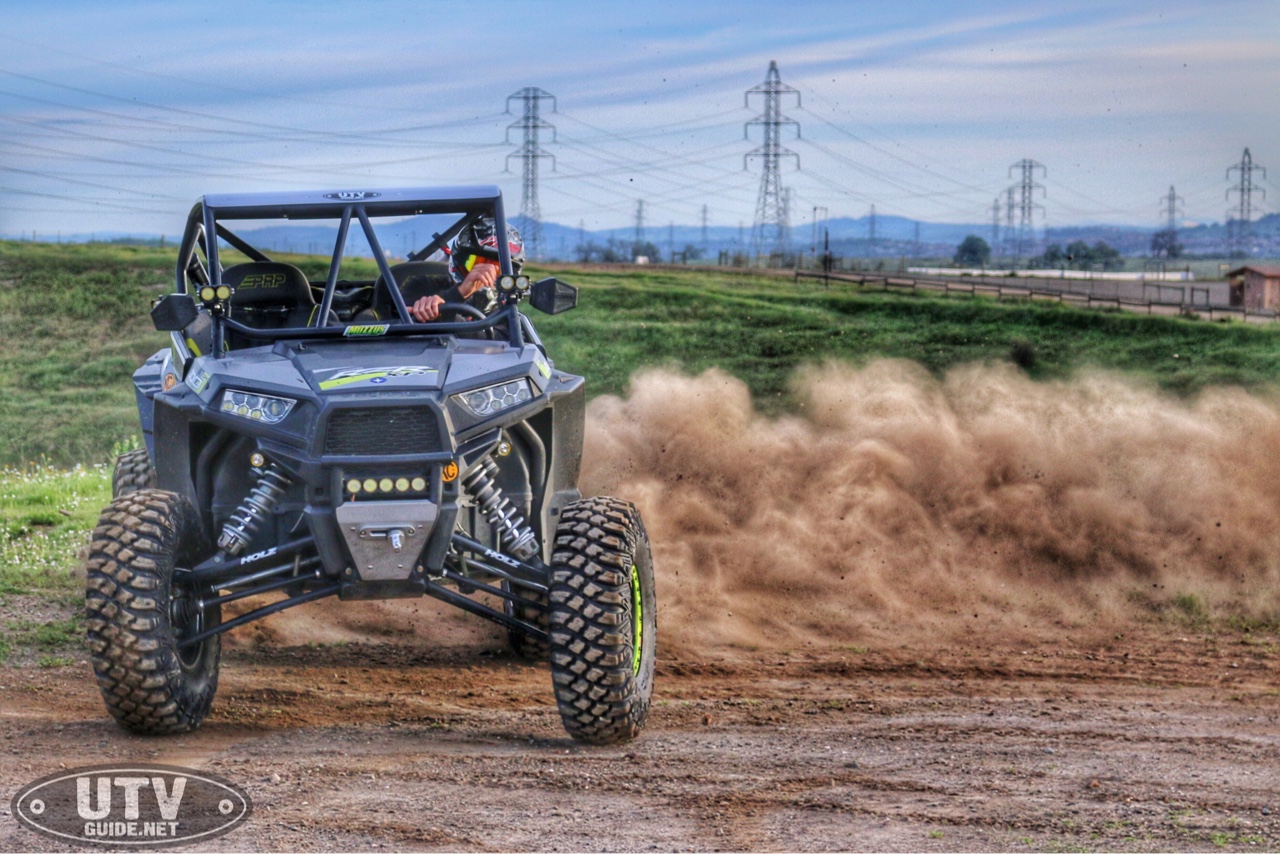
Tire Testing at Prairie City SVRA – See MRT 32x10R14 X_ROX DD Review
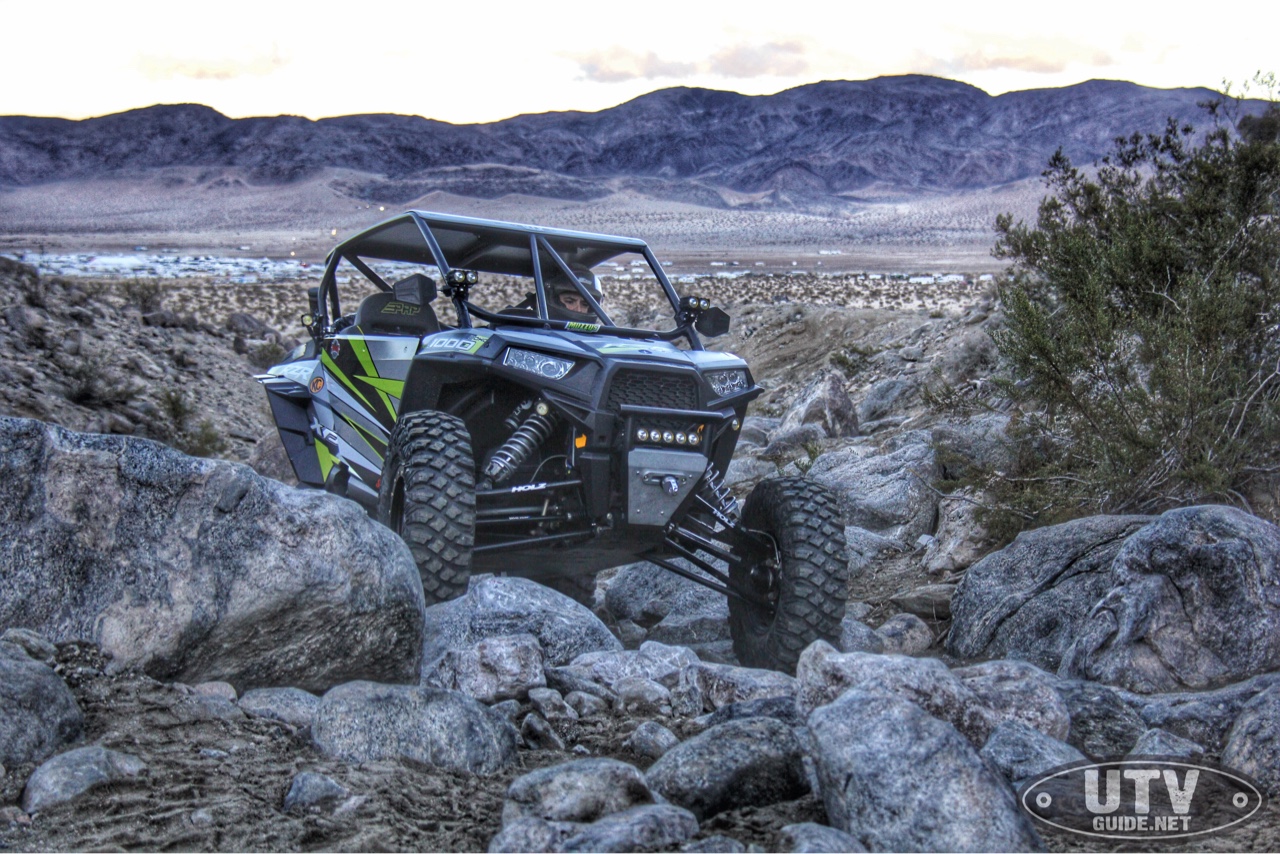
Our FOX Edition RZR XP 1000 on Turkey Claw
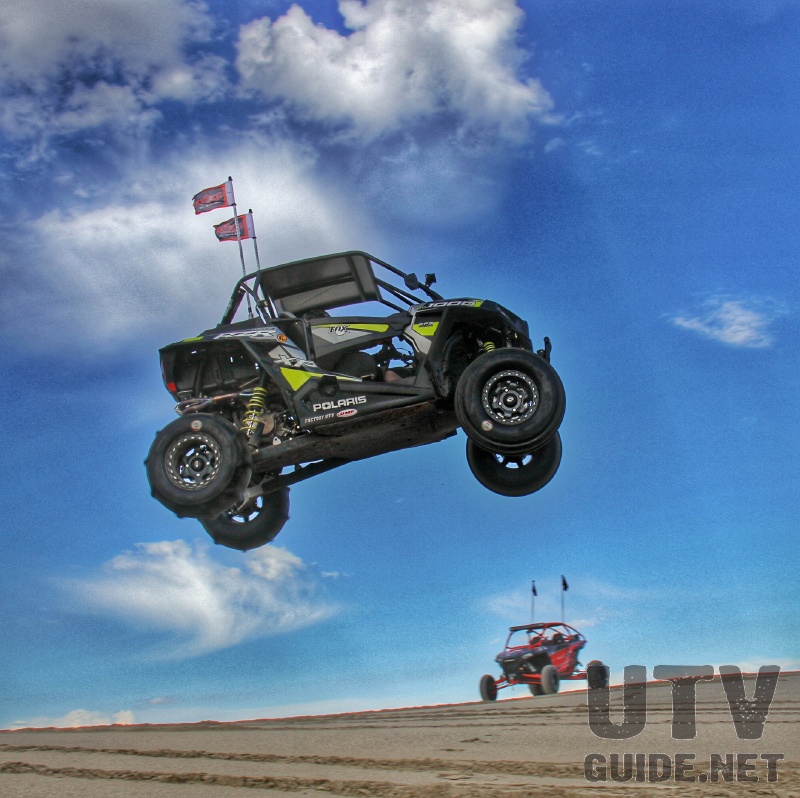
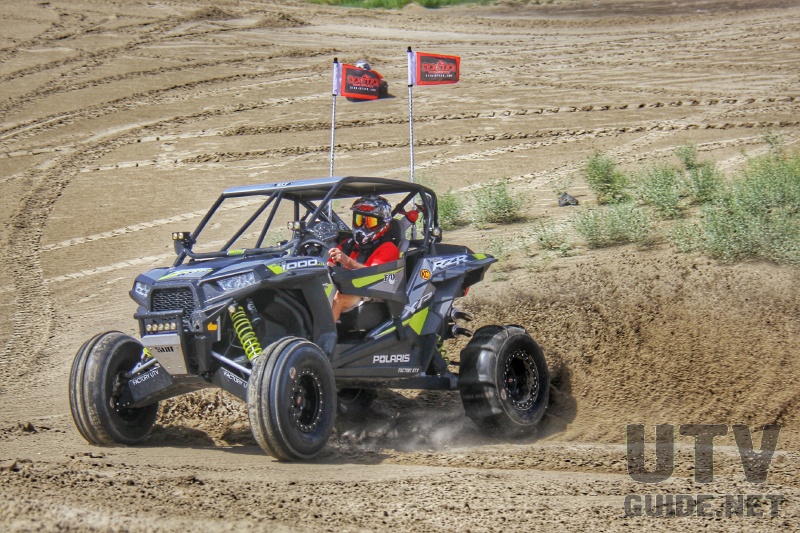
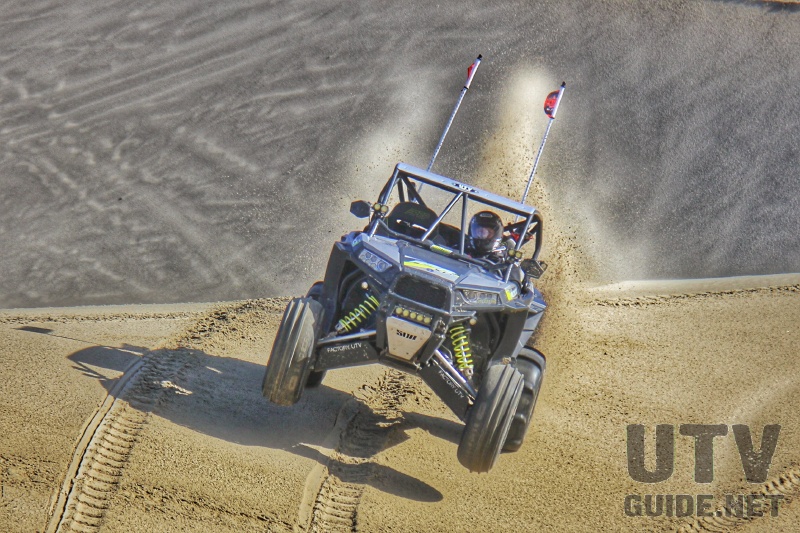
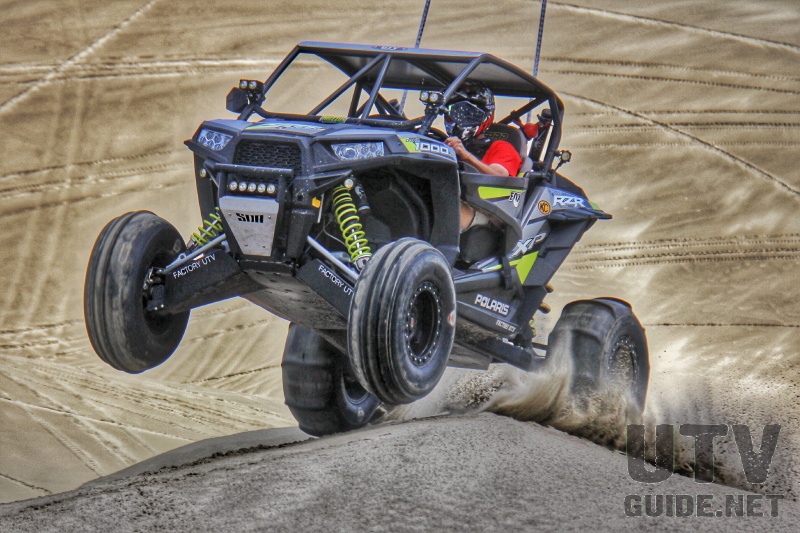
Sand Mountain – July 2015
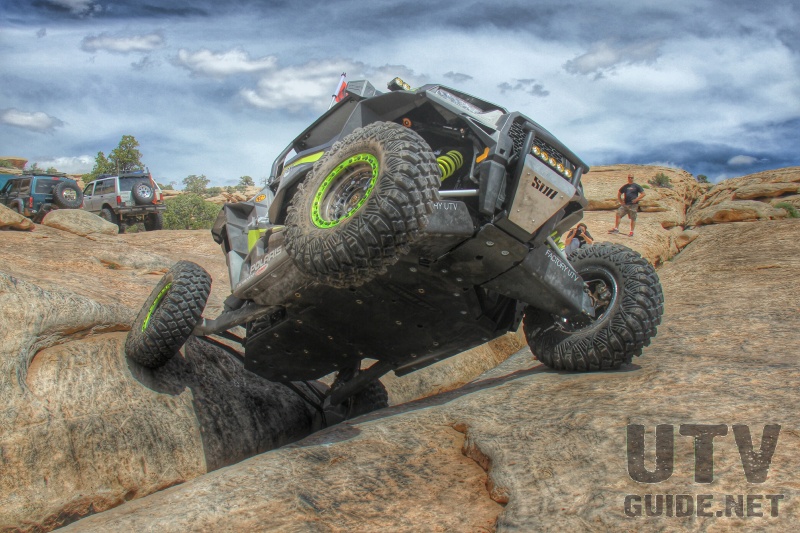
Navigating the Golden Crack on Golden Spike Trail in our FOX RZR XP 1000
Climbing Hell’s Gate on Hell’s Revenge
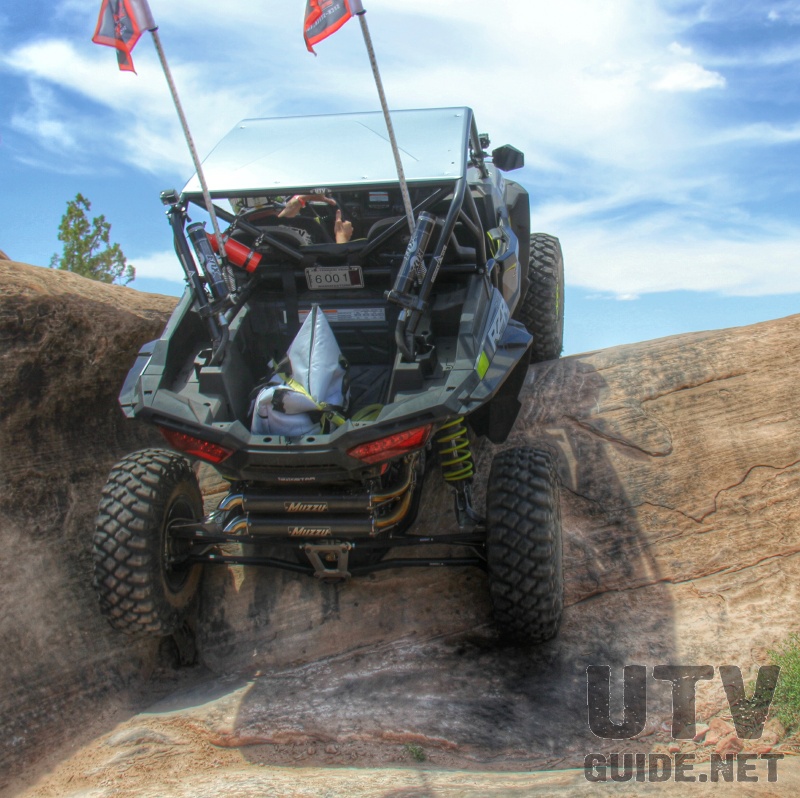
Metal Masher
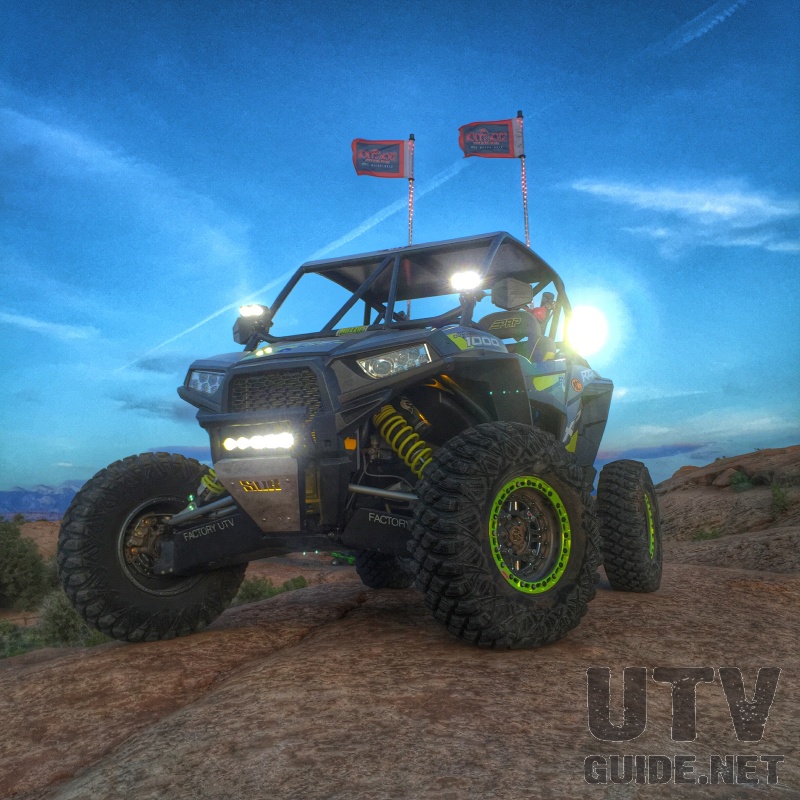
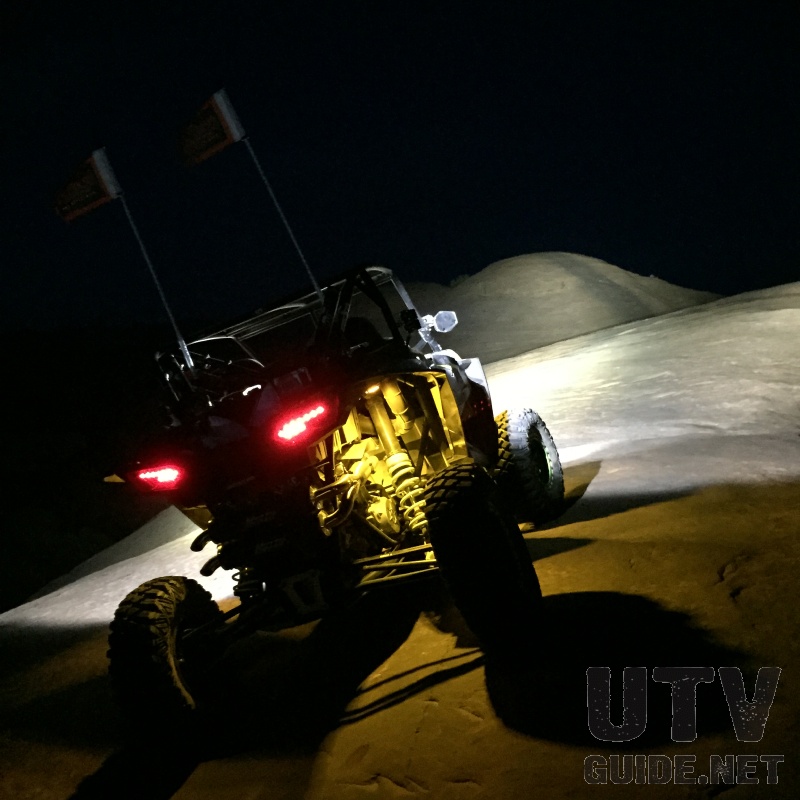
Night ride on Hell’s Revenge
FOX Edition RZR XP 1000 Dune Review – 2015 UTV Industry Ride

1 Comment
2017 Polaris RZR XP 1000 SE Rock Crawling Review – UTV Guide
October 13, 2016 at 3:33 am[…] FOX Edition RZR XP 1000 Long Term Review […]