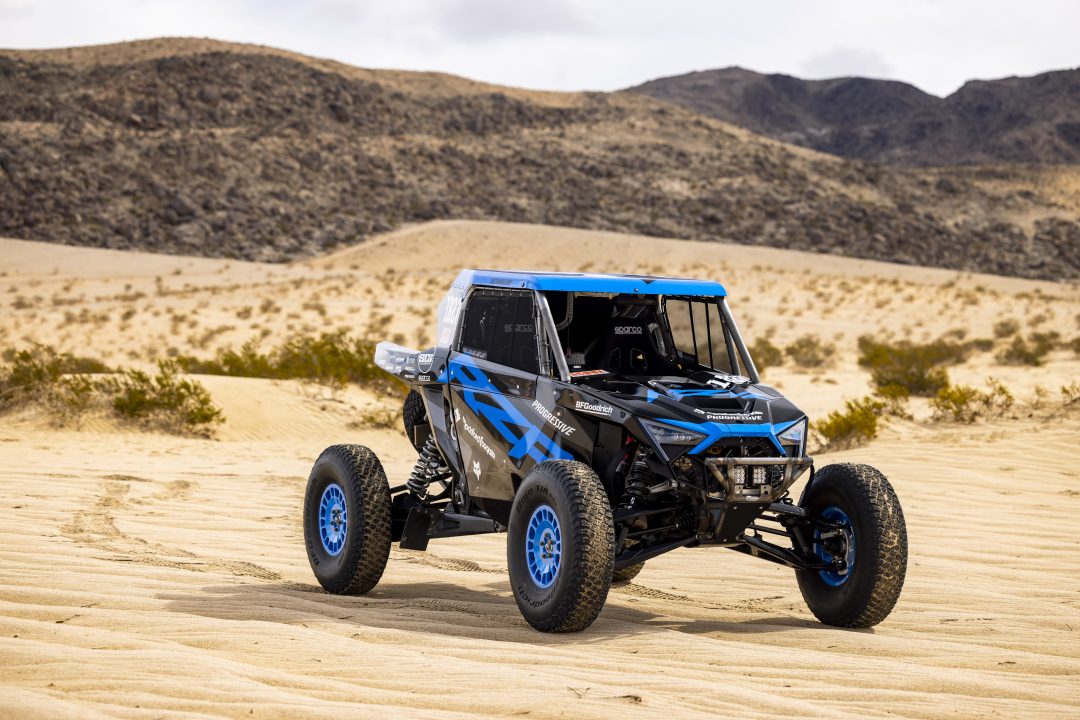
The Evolution of its Class-Leading RZR Pro R, All-New Polaris-Engineered Race UTV Features
Race-Tuned Power, Desert-Proven Strength & Unmatched Control
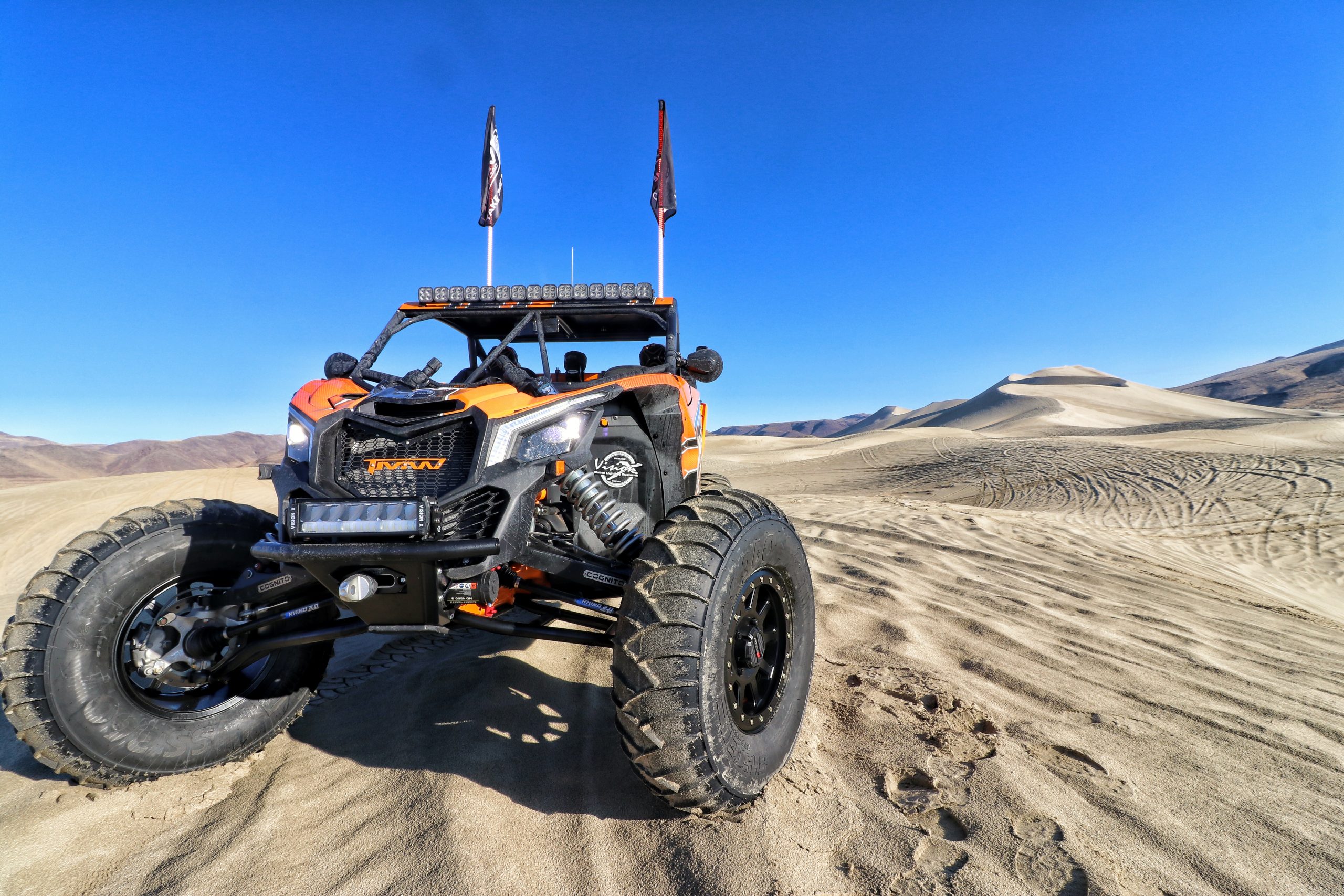
MINNEAPOLIS, MN (March 15, 2023) – Polaris Off Road, the leader in off-road vehicle innovation, today unveiled the industry’s first purpose-built race-ready UTV – the RZR Pro R Factory. Based on its award-winning RZR Pro R platform, RZR Pro R Factory is specifically engineered to thrive against the grueling demands of open desert racing, providing a powerful centerpiece for itsrecently announced Polaris Factory Racing team.
Harkening back to the days when automotive OEMs developed factory-engineered, race-ready trophy trucks for their factory off-road racing programs, Polaris is doing the same with RZR Pro R Factory and breaking entirely new ground for the UTV racing class. Four Pro R Factory vehicles have been developed for the Polaris Factory Racing team, with the team and vehicles making their debut at the upcoming San Felipe 250. This season will see the team compete in the SCORE International series and the Best in the Desert’s Vegas to Reno race.
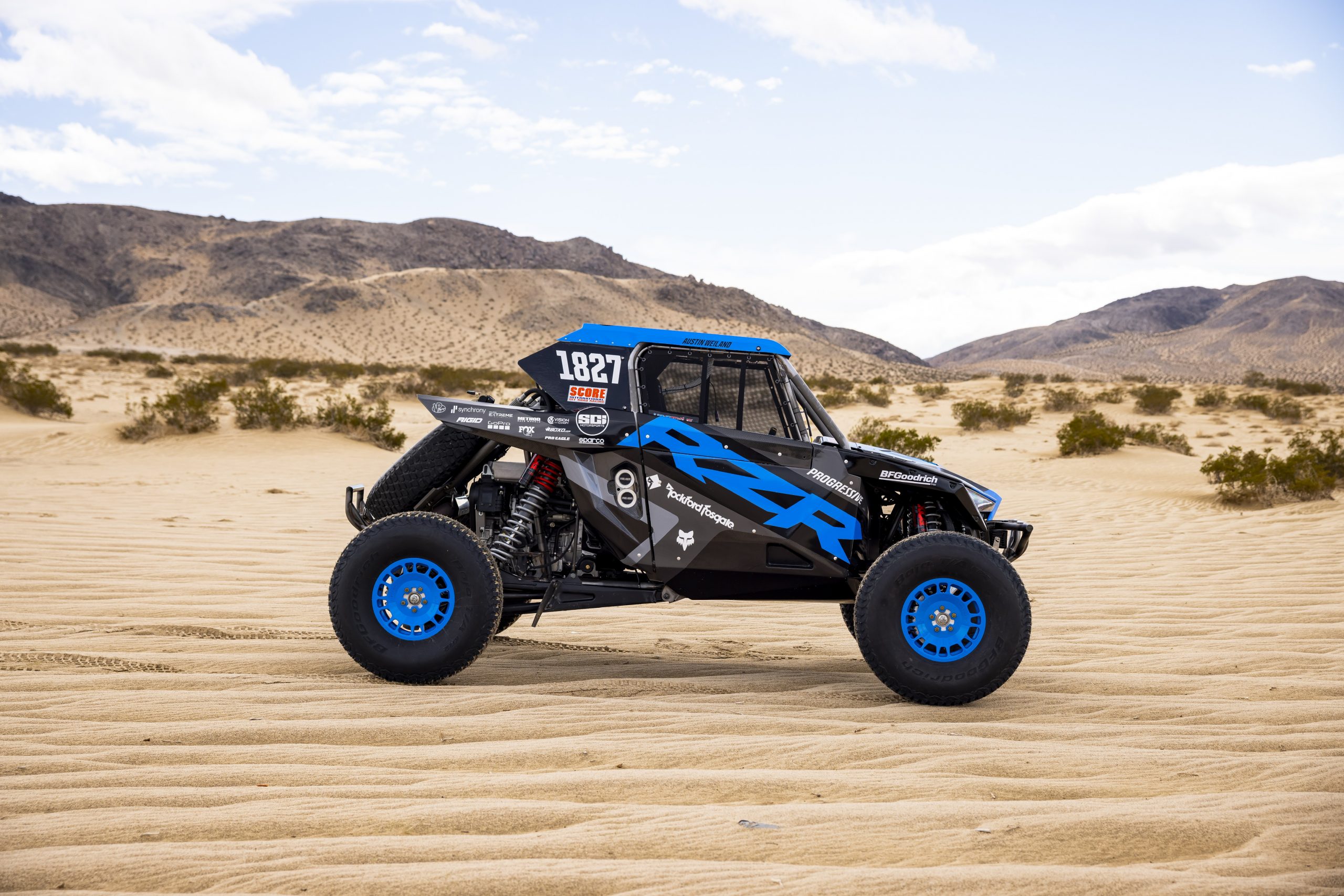
RZR Pro R Factory
“Since the early days when automotive OEMs drove the evolution of off-road racing, to the modern factory racing programs that exist today in auto racing, every legitimate factory racing program has been built around the development of a purpose-built race vehicle, and that’s exactly what we’re doing with the RZR Pro R Factory,” said Reid Wilson, Vice President, Polaris Off Road Recreation. “We are a company of passionate enthusiasts that live and breathe the off-road lifestyle and the development of the RZR Pro R Factory was nothing short of a labor of love. We are excited to arm our new factory racing team with this incredible machine as we embark on our inaugural season at the San Felipe 250.”
Last year, the RZR Pro R demonstrated an elite combination of performance and durability when Brandon Sims captured the 2022 Baja 1000 UTV Overall. With its purpose-built RZR Pro R Factory, Polaris has taken the Pro R platform and elevated it with a race-ready level of power, strength and control that’s capable of withstanding the harsh terrain and unrelenting demands of desert racing’s most daunting events.
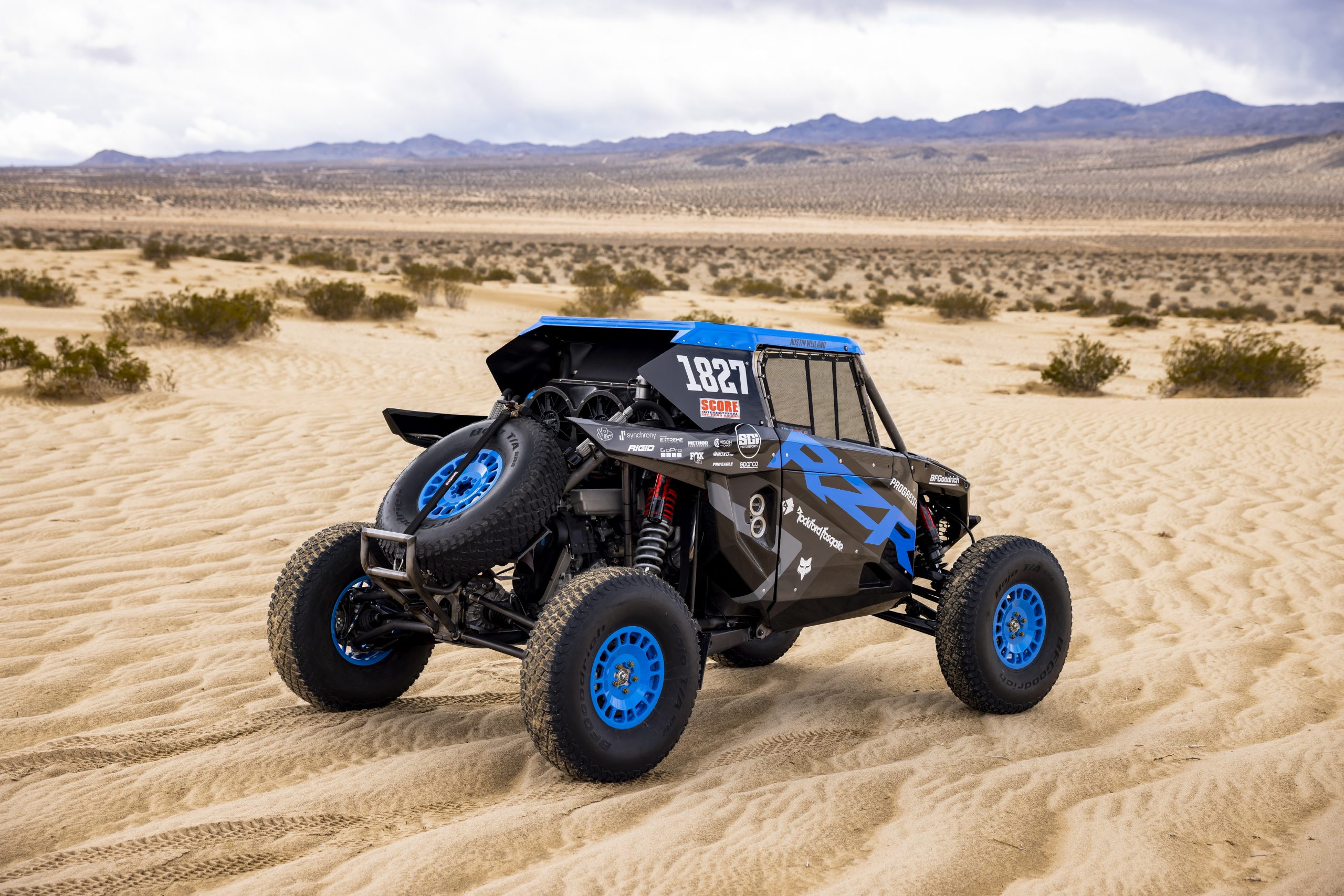
RZR Pro R Factory
Race-Tuned Power
At the heart of the RZR Pro R Factory is the industry’s most powerful engine in a consumer side-by-side, the ProStar Fury 2.0L. In its stock form, the naturally aspirated four-cylinder motor puts out 225 horsepower. Tuned for wide open desert racing, the RZR Pro R Factory’s large rear-mounted radiators and Polaris Lubricants PS-4 Extreme ultimate synthetic engine oil take performance to the limit and allow the factory drivers to push the machine further in the harshest conditions. In addition, a racing-calibrated driveline with race-tuned transmission provides maximum power to the ground. At the same time, high-strength, lightweight materials increase the overall power-to-weight ratio for maximized performance from start to finish.
Desert Proven Strength
Built with a high-strength, lightweight chassis compliant with FIA T4 Class, SCORE, Best in the Desert and Rally Raid race series, the RZR Pro R Factory is ready for any global race event. To withstand the toughest and most extreme terrain, the purpose-built machine features 35” BFGoodrich® Tires that maximize power while staying secure on Method Race Wheels® with exclusive Bead Grip® technology. A full skid plate, front and rear Baja bumper, and cage offer complete vehicle protection so critical components such as the engine and driveline stay protected. In addition, integrated mounts for spare tires, jack and tool kits allow the factory racers to confidently tackle each racecourse, knowing they can get out of tricky situations when needed.
Ultimate Control
Delivering maximum control through the roughest terrain, the RZR Pro R Factory features FOX 3.0 Live Valve X2 Internal Bypass shocks and a race-tuned DYNAMIX DV system. These systems are the ultimate in high performance, independently adjusting the compression and rebound in each shock to keep the vehicle firmly planted through corners and floating across the roughest whoop sections.
To meet the needs of the factory drivers and keep them comfortable throughout the longest races, the RZR Pro R Factory features improved racing ergonomics. With Sparco seats, harnesses, and steering wheel, the racing cockpit provides the comfort needed to stay focused on the next corner, whoop section, or rock climb. Additionally, factory drivers and their co-pilots can closely monitor the course and know what lies ahead with a seven-inch RIDE COMMAND and GPS, all while staying in touch with their pit crew with PCI radio communication systems. RIGID lighting enables the racers to see, and be seen, in the harshest conditions.
At the wheel of each RZR Pro R Factory machine are Polaris RZR’s new factory drivers Austin Weiland, Brock Heger and Cayden MacCachren. As three of the sport’s brightest young drivers, each have extensive off-road racing experience and various accolades to their name.
The Polaris Factory Racing team and RZR Pro R Factory will debut at the San Felipe 250 March 28-April 2, followed by the Baja 400 May 31-June 4, Vegas to Reno August 16-20, the Baja 500 September 12-17, and the Baja 1000 November 13-18, 2023.
Team sponsors include Progressive Insurance®, Rockford Fosgate®, Synchrony® and GoPro®. In addition, the team enjoys support from Polaris Engineered Lubricants, BFGoodrich® Tires, Fox Racing®, Fox Shocks®, Rigid® Lighting, Method Race Wheels®, VP Racing Fuels, BOXO® USA, Sparco and Pro Eagle.
For information about Polaris RZR, visit RZR.Polaris.com, or join the conversation and follow RZR on Facebook, Instagram and Twitter.
About Polaris
As the global leader in powersports, Polaris Inc. (NYSE: PII) pioneers product breakthroughs and enriching experiences and services that have invited people to discover the joy of being outdoors since our founding in 1954. Polaris’ high-quality product line-up includes the Polaris RANGER®, RZR® and Polaris GENERAL™ side-by-side off-road vehicles; Sportsman® all-terrain off-road vehicles; military and commercial off-road vehicles; snowmobiles; Indian Motorcycle® mid-size and heavyweight motorcycles; Slingshot® moto-roadsters; Aixam quadricycles; Goupil electric vehicles; and pontoon and deck boats, including industry-leading Bennington pontoons. Polaris enhances the riding experience with a robust portfolio of parts, garments, and accessories. Proudly headquartered in Minnesota, Polaris serves more than 100 countries across the globe. www.polaris.com