Gen 2 Polaris RZR Pro R Factory: Chassis, Suspension and Race Upgrades

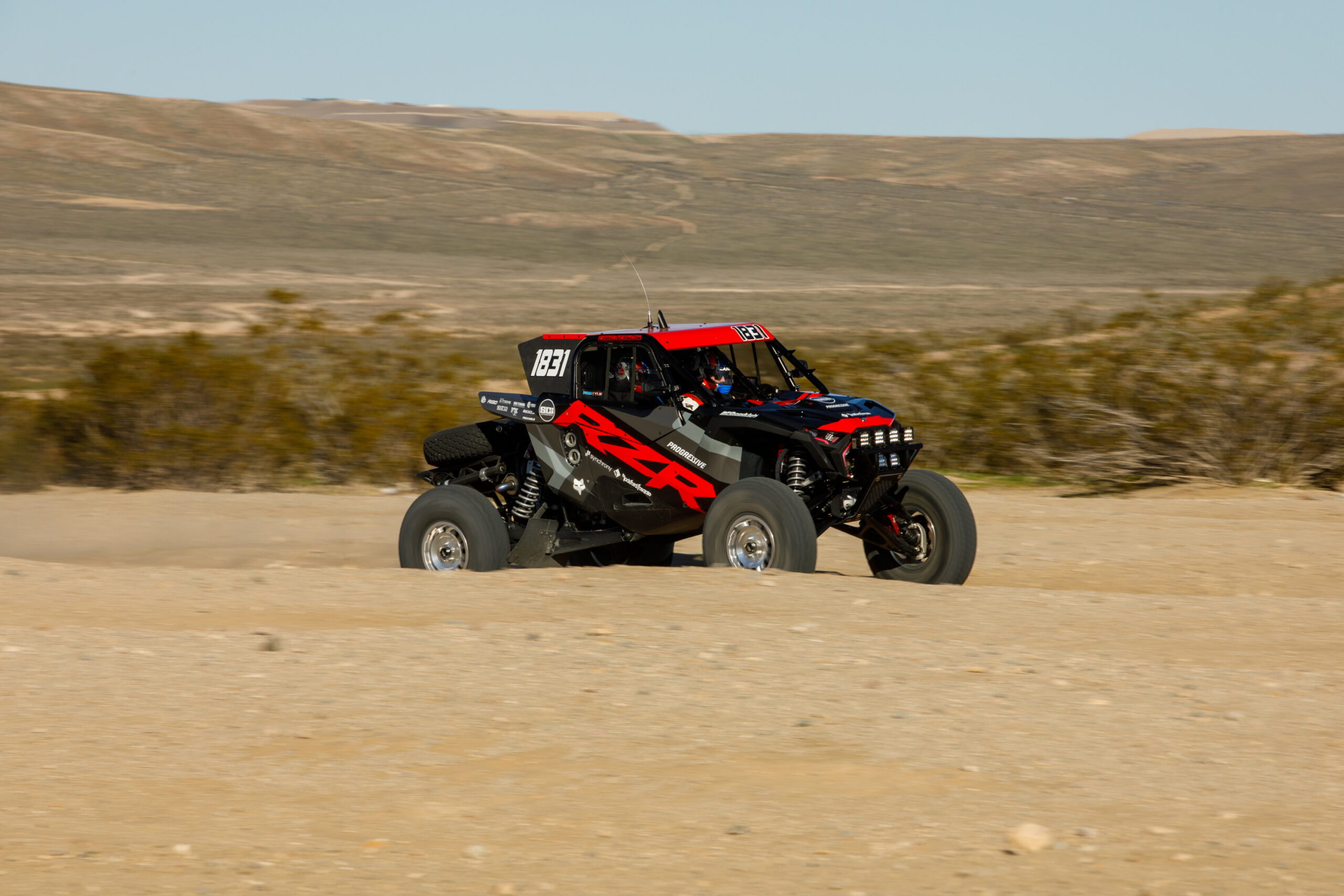
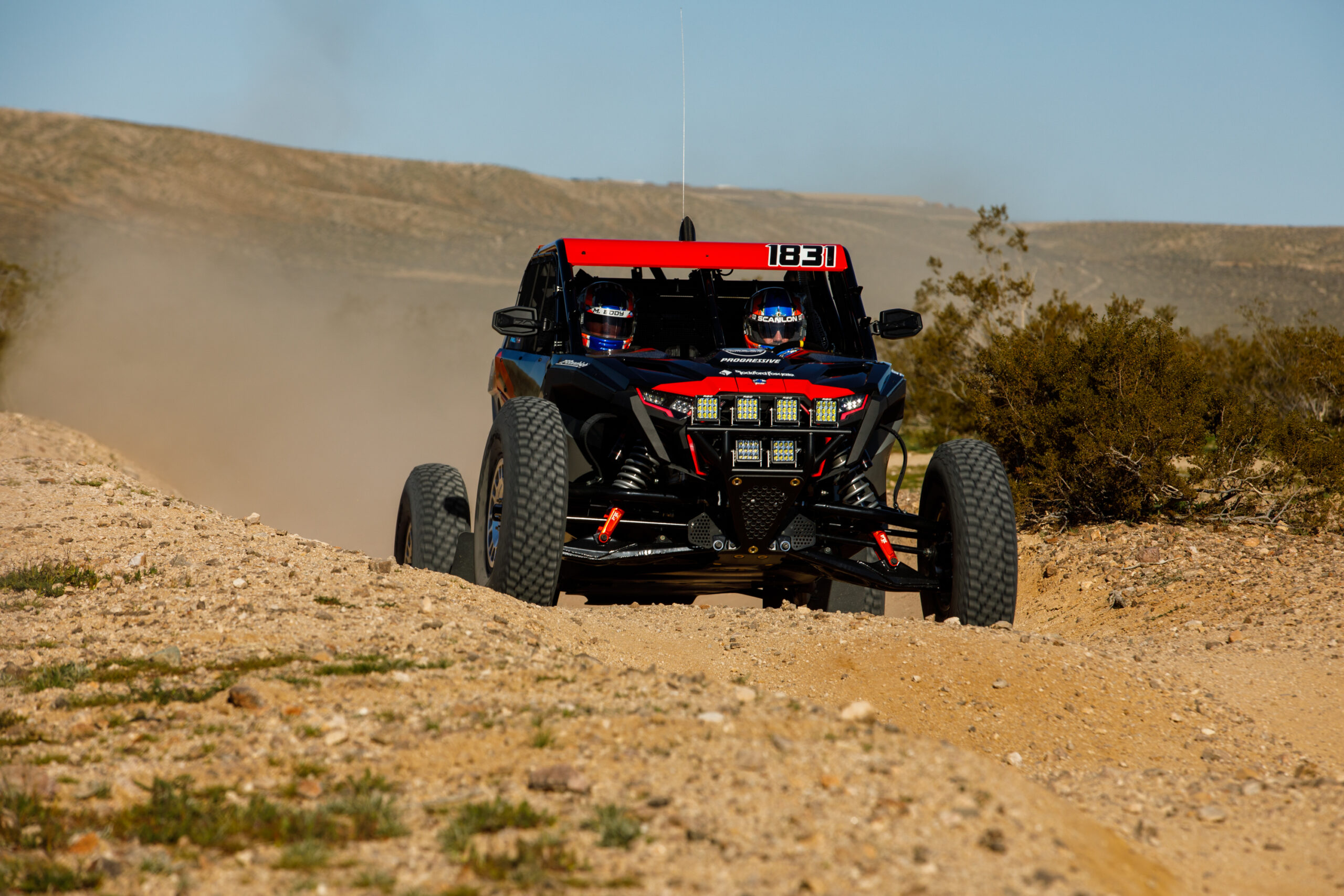
Gen 2 Polaris RZR Pro R Factory desert race UTV

Polaris introduced the second-generation RZR Pro R Factory ahead of the 2024 SCORE San Felipe 250, giving its purpose-built desert race UTV a stronger one-piece chassis, revised cockpit, upgraded brakes, MoTeC electronics and a new race-tuned DYNAMIX DV suspension controller.

The Gen 2 machine was developed from lessons gathered during the team’s championship-winning 2023 season. Rather than abandoning the original design, Polaris concentrated on improving chassis strength, driver comfort, serviceability and performance during long-distance desert races.

It became the next major step in the development of the OEM-backed program covered in our history of Polaris RZR Factory Racing.

Gen 2 Polaris RZR Pro R Factory desert race UTV
The Gen 2 Polaris RZR Pro R Factory was developed specifically for high-speed desert racing.

What Is the Gen 2 Polaris RZR Pro R Factory?

The RZR Pro R Factory is a purpose-built competition vehicle developed by Polaris for professional desert and rally-raid racing. The original version debuted in 2023 as the foundation of the newly established Polaris Factory Racing program.

Instead of sending a recreational UTV to an outside fabrication shop for a conventional race conversion, Polaris engineered the Factory platform as a complete race vehicle. Its chassis, safety structure, fuel system, braking components, electronics and carbon-fiber bodywork were designed around the demands of events such as the SCORE Baja 500 and Baja 1000.

The Gen 2 version retained that basic concept while incorporating feedback collected from drivers, engineers and race crews throughout the first season.

According to Polaris Factory Racing Technical Director Alex Scheuerell, the company’s Minnesota and California engineering teams used the adjustments made during 2023 to refine the vehicle with the goal of securing consecutive championships.

Gen 2 RZR Pro R Factory Upgrades at a Glance

Component Gen 2 upgrade Primary benefit
Chassis One-piece chromoly structure Greater strength, stiffness and cockpit room without increasing frame weight
Bumpers Removable front and rear designs Additional protection and easier replacement
Brakes Complete Alcon racing system Improved heat management and fade resistance
Suspension control Race-tuned DYNAMIX DV module Four settings calibrated for open-desert racing
Electronics MoTeC ECU, power distribution and switch panels Improved configuration, data control and durability
Prop shaft Aluminum and carbon-fiber construction Lower rotating mass and increased torque capacity
Fuel system Larger ATL fuel cell Claimed range of up to 200 miles between fuel stops
Bodywork Expanded use of carbon fiber Reduced weight and improved component access

Production RZR Pro R Components Remained at Its Core

Although the RZR Pro R Factory was built around a specialized competition chassis, much of its core mechanical architecture came from the production Polaris RZR Pro R.

Polaris identified the following production-based components:

  • Naturally aspirated ProStar Fury 2.0-liter four-cylinder engine
  • Front and rear drive systems
  • Transmission
  • Power-steering rack
  • Wheel bearings
  • CVT components and drive belt
  • Control-arm architecture
  • Front and rear knuckles
  • Ball joints
  • Rear trailing arms

Keeping these components connected the racing program to the showroom vehicle, even though the Factory machine received a dedicated chassis, extensive safety equipment and specialized racing systems. Our RZR Pro R versus RZR Pro R Factory comparison provides a closer look at where the two platforms overlap and where they differ.

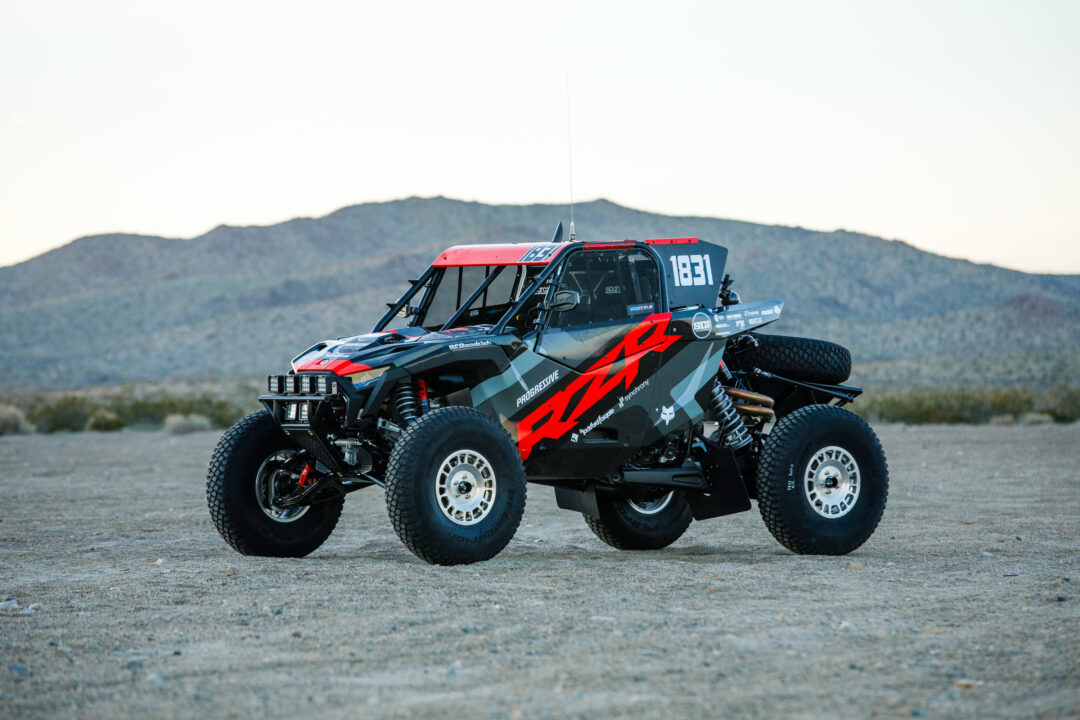
Gen 2 RZR Pro R Factory chassis and carbon-fiber bodywork
The second-generation race vehicle combined production-derived RZR Pro R components with a one-piece competition chassis and lightweight bodywork.

Major Gen 2 RZR Pro R Factory Changes

Stronger One-Piece Chassis

The most important Gen 2 change was its one-piece chromoly chassis. Polaris used computer-aided design and finite element analysis to improve strength, stiffness and cockpit ergonomics without adding frame weight.

Polaris said the integrated safety cage was more than twice as strong as the applicable FIA requirement. The revised structure also created additional room for the driver and co-driver while contributing to improved vehicle stability.

Technique Inc. manufactured the chassis using dedicated production welding fixtures. Applying repeatable fixtures across the Factory Racing fleet helped Polaris maintain consistency between vehicles instead of treating every chassis as an individually fabricated prototype.

Removable Front and Rear Bumpers

Technique Inc. also manufactured new removable front and rear bumpers. The revised designs provided additional protection while making damaged sections easier to replace during race preparation or between events.

That serviceability matters in desert racing, where vehicles can make contact with terrain or other competitors. Polaris also strengthened the mounting provisions for the spare-tire carrier, jack and onboard tool kit.

Revised Cage and Roomier Cockpit

Driver feedback helped shape the revised cage and cockpit. Polaris increased usable interior space while strengthening the safety structure and giving the vehicle a more aggressive exterior profile.

Extra room is especially valuable during long races, where drivers and navigators may spend hours inside the vehicle while wearing helmets, head-and-neck restraints and other safety equipment.

Polaris-Engineered Race Muffler

Polaris developed a new lightweight race muffler for the naturally aspirated ProStar Fury four-cylinder engine. The exhaust was designed to support engine performance, control sound output and give the vehicle a more refined exhaust tone.

Alcon Racing Brake System

Alcon supplied a complete braking system that included rotors, opposed-piston calipers and dual master cylinders.

The package was designed to resist the heat and brake fade produced by repeated high-speed stops. More consistent braking allows a driver to push deeper into braking zones throughout a long race instead of managing a system that becomes less predictable as temperatures rise.

FOX Live Valve X2 Shocks and Race-Tuned DYNAMIX DV

The Gen 2 RZR Pro R Factory used FOX 3.0 Live Valve X2 internal-bypass shocks controlled by a new Polaris-developed DYNAMIX DV suspension control module.

Polaris calibrated the system specifically for high-speed open-desert racing. Drivers could choose from four suspension settings:

  • Comfort: The most compliant setting, intended to reduce fatigue over less aggressive terrain.
  • Baja Soft: A softer desert calibration for rough courses and smaller chop.
  • Baja Medium: A balanced setting for changing terrain and race speeds.
  • Baja Firm: The most controlled setting for aggressive driving, large impacts and sustained whoop sections.

The settings were developed with feedback from the team’s drivers. The objective was to maintain cornering control while allowing the vehicle to carry speed across deep whoops and unpredictable desert terrain.

MoTeC Race Electronics

Polaris partnered with MoTeC for the Gen 2 vehicle’s electronic architecture. The package included a race-calibrated engine control unit, electrical power-distribution equipment and configurable switch panels.

In addition to offering more configuration and data options, the MoTeC components were designed for the vibration, heat, dust and extended operating periods encountered in desert racing.

Aluminum and Carbon-Fiber Prop Shaft

The original steel prop shaft was replaced by a new aluminum and carbon-fiber assembly. Polaris said the lighter design increased torque capacity while reducing rotating mass, contributing to quicker acceleration.

Expanded Carbon-Fiber Bodywork

Polaris increased the amount of carbon fiber used in the exterior panels. Reducing body weight improved the vehicle’s power-to-weight ratio without eliminating the body coverage needed for desert competition.

The removable lightweight panels also gave mechanics better access to components during inspections, maintenance and race preparation.

Long-Range ATL Fuel Cell

An enlarged ATL fuel cell provided a claimed range of up to 200 miles, depending on race conditions and fuel consumption.

Longer range can reduce the number of scheduled fuel stops. Every avoided stop saves time and removes another opportunity for a fueling, communication or mechanical problem to affect the race.

Upgraded Upper Control Arms

New factory-developed upper control arms were designed to be stronger and stiffer while providing additional adjustability. That adjustability allowed the team to refine front suspension geometry and handling for different courses and terrain.

Built on a Championship-Winning Foundation

The first-generation RZR Pro R Factory established an impressive record during its inaugural season. Polaris Factory Racing went undefeated in the three 2023 SCORE Baja races it entered, culminating in a Baja 1000 victory, the SCORE Pro UTV Open championship for Brock Heger and a manufacturer’s championship for Polaris.

The platform’s momentum continued at the beginning of 2024. Xavier de Soultrait and Sébastien Loeb Racing won the 2024 Dakar Rally SSV class in a RZR Pro R Factory, while Heger won the 2024 King of the Hammers Desert Challenge.

Those results gave Polaris a proven foundation for the Gen 2 program. Engineers did not need to replace the original concept. Instead, they concentrated on the areas where greater strength, adjustability, serviceability and driver comfort could improve performance over an entire season.

Polaris Factory Racing’s 2024 Driver Lineup

Polaris selected four drivers to compete in the Gen 2 RZR Pro R Factory during the 2024 season:

  • Brock Heger
  • Cayden MacCachren
  • Max Eddy Jr.
  • Craig Scanlon

The team debuted the redesigned vehicle at the 2024 San Felipe 250. Cayden MacCachren earned the UTV overall victory, Brock Heger finished second and Max Eddy Jr. completed a sweep of the Pro UTV Open podium. Read the complete 2024 San Felipe 250 Polaris race report.

Why the Gen 2 RZR Pro R Factory Mattered

The Gen 2 RZR Pro R Factory demonstrated how quickly an OEM-supported race program could develop when engineers worked directly with drivers and crew members throughout a championship season.

The stronger chassis, roomier cockpit, race-tuned suspension controller, Alcon brakes, MoTeC electronics and enlarged fuel system directly addressed the demands of professional desert racing. At the same time, continued use of the production-based engine, transmission, CVT and driveline components preserved a meaningful connection to the showroom RZR Pro R.

Polaris later expanded the program by offering a limited-production RZR Pro R Factory to private race teams. That made the Gen 2 program more than a factory-only development exercise. It became another step toward making an OEM-engineered, factory-supported race UTV a viable alternative to a one-off custom build.

For the broader story behind the production vehicle that made the Factory program possible, see our history of the Polaris RZR.