Originally published December 15, 2018. This comparison reflects the specifications and performance of the vehicles tested at that time.
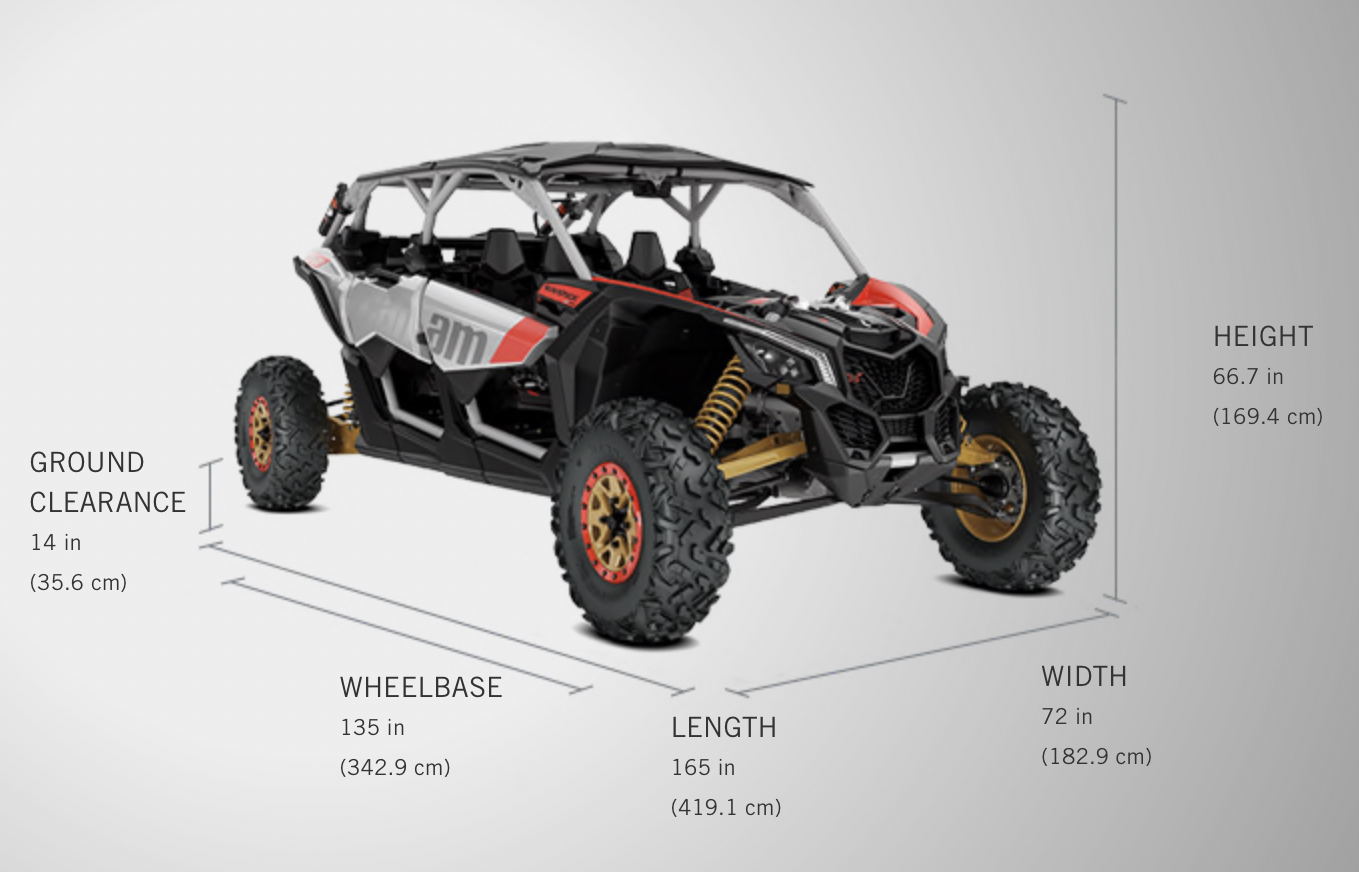
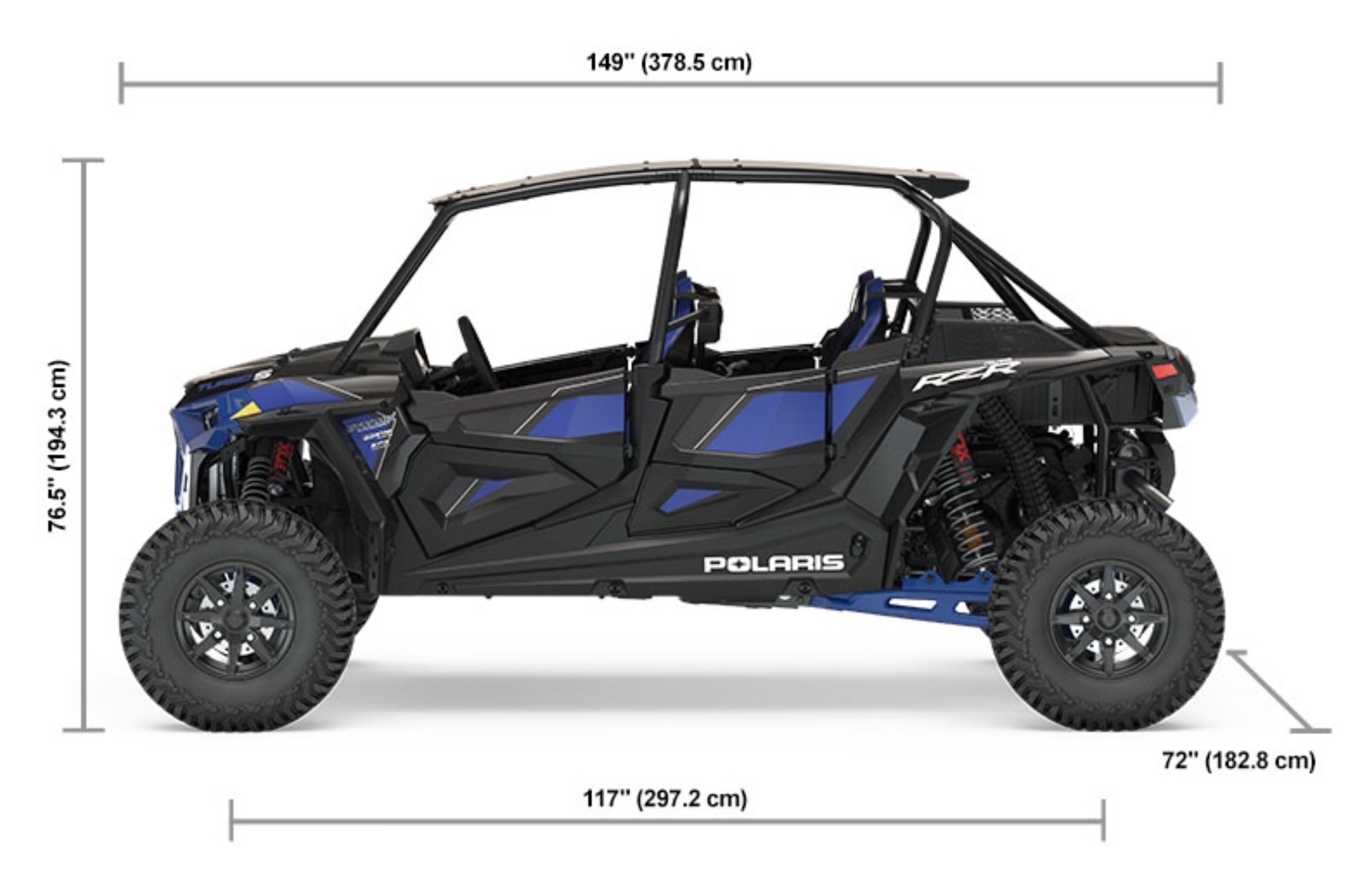
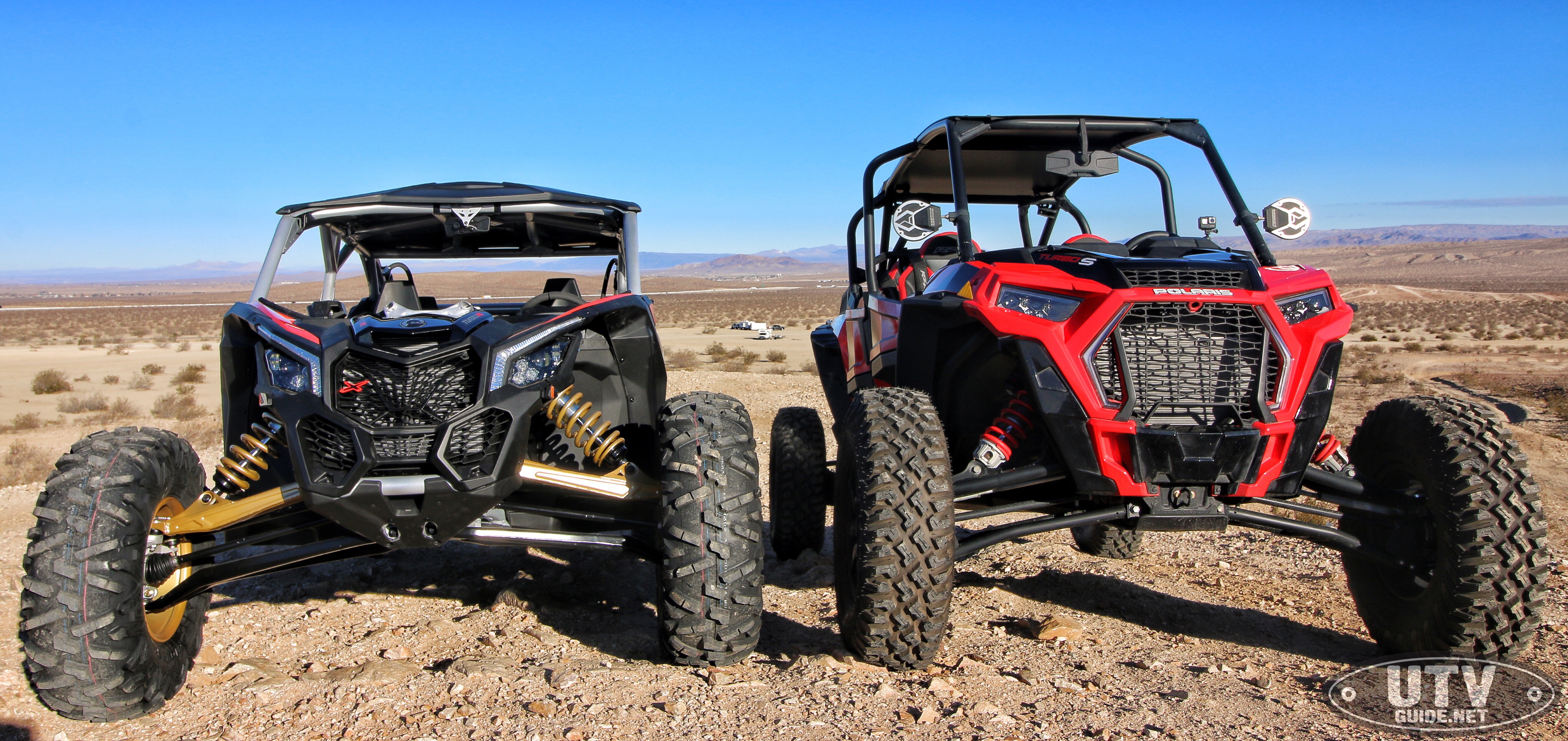
The Polaris RZR XP 4 Turbo S and Can-Am Maverick X3 X RS Max represented two of the most capable four-seat sport UTVs available in 2018. Both measured 72 inches wide, featured turbocharged engines and combined long wheelbases with premium FOX suspension systems designed for high-speed desert and dune riding.
Although their specifications appeared closely matched, the two machines delivered noticeably different experiences from behind the wheel. We brought both four-seat UTVs to Barstow, California, to compare their suspension performance, power, seating positions, passenger room and overall dimensions in demanding desert terrain.
RZR XP 4 Turbo S vs. Maverick X3 Max: The Short Answer
Both machines handled Barstow’s rough desert terrain exceptionally well, but they appealed to different priorities. The Maverick X3 X RS Max offered more passenger room, a lower and sportier seating position, beadlock wheels and better factory underbody protection. The RZR XP 4 Turbo S was approximately 13 inches shorter, provided better forward visibility and featured factory 32-inch tires, RIDE COMMAND and DYNAMIX active suspension.
For carrying four full-size adults comfortably, we preferred the Maverick X3 Max. For riders who wanted a shorter four-seat UTV with an upright driving position and suspension damping that could be changed from the cockpit, the RZR XP 4 Turbo S had several important advantages.
Testing in Barstow’s Rough Desert Terrain
We chose Barstow because the area provides an unusually demanding suspension test. Its desert terrain includes long stretches of whoops, fast sand washes, abrupt drainage cuts and large g-outs that can quickly expose weaknesses in a chassis or shock package.
Both machines were exceptionally capable in these conditions. Their long wheelbases, 72-inch stances and more than 20 inches of suspension travel allowed us to maintain speeds of approximately 60 to 75 mph through some of the better-defined whoop sections. Even when the terrain became ugly, both four-seaters remained impressively composed.
The comparison was less about finding one vehicle capable of handling Barstow and more about identifying how each one delivered that performance.
Suspension Performance and Adjustment
The Polaris RZR XP 4 Turbo S used electronically controlled FOX shocks as part of its DYNAMIX active suspension system. The driver could select Comfort, Sport or Firm from inside the cockpit, making it possible to change the suspension response without stopping.
That adjustability was valuable in Barstow. Comfort worked well while cruising through less demanding terrain, while Sport and Firm added damping support as speeds increased or the trail transitioned into deeper whoops and harder g-outs.
The Can-Am Maverick X3 X RS Max also used premium FOX shocks, but its internal-bypass suspension relied on conventional manual adjustments. Its clickers could be changed using basic hand tools, but the driver could not alter the damping from the cockpit while moving.
Both suspension systems delivered outstanding rough-terrain performance. In certain g-outs, however, we felt comfortable pushing the RZR slightly harder. Its factory 32-inch tires and ability to firm the suspension from the cockpit gave it an advantage when the terrain changed unexpectedly.
Proper ride-height setup was important on the Maverick. Our test vehicle did not arrive with its ride height correctly adjusted, so owners should check the factory setup before judging the suspension or making additional changes.
Wheelbase and High-Speed Stability
Wheelbase played a major role in how well both four-seaters handled Barstow’s whoops. The additional length helped the vehicles bridge gaps and reduced the pitching motion that can make shorter-wheelbase machines less settled in repetitive rough terrain.
Neither vehicle felt too short for serious desert use. Both could attack terrain at speeds that would have been extremely demanding in many earlier sport UTVs. The Maverick’s longer chassis created more interior room, while the shorter RZR was easier to fit onto a trailer or inside a toy hauler.
Power: Twin Cylinder vs. Triple Cylinder
The RZR XP 4 Turbo S was rated at 168 horsepower from its turbocharged twin-cylinder engine. The Maverick X3 X RS Max produced a claimed 172 horsepower from its turbocharged three-cylinder engine.
Despite their different engine configurations and the Can-Am’s small numerical advantage, real-world performance felt very similar. Both delivered strong acceleration and had ample power for running fast through hardpacked desert terrain and sand washes.
The four-horsepower difference was much less significant than the differences in suspension adjustment, seating position, passenger room and vehicle dimensions.
Factory Tire Size
The RZR XP 4 Turbo S came from Polaris with 32-inch tires, and its chassis, suspension and driveline were engineered and validated around that tire size. The larger tires provided additional ground clearance and helped the RZR absorb abrupt edges and g-outs.
The Maverick X3 X RS Max was equipped with 30-inch tires. We had installed 32-inch tires on a Maverick and found that the vehicle handled them, but the model was originally engineered around its smaller factory tires. At the time of this test, we believed Can-Am would benefit from offering a Maverick X3 package developed and validated from the factory with 32-inch tires.
Driving Position and Visibility
The difference in seating position was immediately apparent. The RZR placed the driver more upright and provided a clearer view of the terrain directly in front of the vehicle. That visibility helped when approaching drainage cuts, changing lines through a wash or identifying an unexpected g-out.
The Maverick positioned its occupants lower in the chassis. Forward visibility was not as good, but the seating position created a sportier, more race-inspired sensation. It may not have substantially changed the vehicle’s actual center of gravity, but from behind the wheel the Can-Am felt lower and more aggressive.
We also preferred the shape and feel of the RZR steering wheel, although the Polaris seats moved more than we would have liked in rough terrain.
Passenger Space
The Maverick X3 Max offered more cabin space for both front and rear occupants. Its additional legroom made it the more comfortable choice when carrying four full-size adults.
The RZR still provided a functional four-seat cabin, but its more compact dimensions resulted in less legroom, particularly when compared with the stretched Can-Am. Buyers who regularly ride with four adults should sit in both rows of each vehicle before deciding.
Clutching and Low-Speed Control
The Maverick’s clutch system felt consistently engaged and worked well with its low-range gearing. That combination gave the Can-Am controlled power delivery during slower technical maneuvers.
Neither machine was designed primarily as a technical rock crawler, but clutch engagement and low-speed response still mattered when negotiating washouts, ledges or tight sections between faster desert trails.
Trailer and Toy-Hauler Fit
The Maverick X3 X RS Max was approximately 13 inches longer than the RZR XP 4 Turbo S—roughly 162 inches compared with 149 inches. That difference should not be overlooked.
The extra length helped give the Can-Am its spacious cabin and stable desert manners, but it also required more room on a trailer or inside a toy hauler. Before purchasing either four-seater, buyers should confirm the vehicle’s overall length, tire clearance and available loading space. A machine that does not fit an existing trailer can turn into a much more expensive purchase.
Factory Protection and Equipment
The RZR XP 4 Turbo S offered the more advanced factory display through its RIDE COMMAND system. Along with navigation and vehicle information, the display provided a central interface for the RZR’s electronically controlled suspension.
The Can-Am countered with beadlock wheels and a more substantial HMW skid plate. Underbody protection was one of the RZR’s most obvious weaknesses because its factory skid protection was minimal for a vehicle intended to be driven aggressively through rough desert terrain.
The Maverick’s abbreviated factory doors were another drawback. Full doors would have provided better occupant coverage and additional protection from rocks, sand and other debris.
Key Differences
| Category | Polaris RZR XP 4 Turbo S | Can-Am Maverick X3 X RS Max |
|---|---|---|
| Width | 72 inches | 72 inches |
| Engine | Turbocharged twin cylinder | Turbocharged triple cylinder |
| Claimed output | 168 horsepower | 172 horsepower |
| Approximate length | 149 inches | 162 inches |
| Seating position | More upright with better visibility | Lower and more sport-oriented |
| Passenger room | More compact cockpit | More front and rear legroom |
| Suspension highlight | DYNAMIX electronically controlled FOX shocks | Manually adjustable FOX internal-bypass shocks |
| Factory tire size | 32 inches | 30 inches |
| Display technology | RIDE COMMAND | Conventional instrument display |
| Factory skid protection | Minimal | HMW skid plate |
| Wheels | Non-beadlock wheels | Beadlock wheels |
What We Liked
Polaris RZR XP 4 Turbo S
- DYNAMIX suspension could be adjusted while driving.
- Comfort, Sport and Firm modes made it easy to adapt to changing terrain.
- Upright seating position provided better forward visibility.
- Shorter overall length made the four-seater easier to transport and store.
- Factory 32-inch tires added ground clearance and rough-terrain capability.
- RIDE COMMAND offered advanced navigation and vehicle information.
- The steering wheel had an excellent shape and feel.
Can-Am Maverick X3 X RS Max
- Excellent front and rear legroom for four adults.
- Low seating position created a sporty cockpit experience.
- Clutch engagement and low-range gearing worked well at slower speeds.
- Long wheelbase and FOX suspension performed extremely well in rough terrain.
- Factory HMW skid plate provided better underbody protection.
- Beadlock wheels were included from the factory.
What We Did Not Like
Polaris RZR XP 4 Turbo S
- The seats moved too much in rough terrain.
- Factory skid protection was inadequate for aggressive desert use.
- The cockpit did not offer as much room as the Maverick X3 Max.
Can-Am Maverick X3 X RS Max
- Our vehicle’s ride height was not properly set when delivered.
- The factory doors offered limited occupant coverage.
- Suspension adjustments required stopping and using tools.
- Its additional length required more trailer and storage space.
Both vehicles also carried premium prices. Buyers needed to consider not only the initial purchase price but also the likely cost of full doors, improved skid plates, communication equipment and other desert-safety upgrades.

The Can-Am Maverick X3 X RS Max offered excellent legroom and high-speed desert suspension performance.

The Polaris RZR XP 4 Turbo S combined a compact four-seat chassis with DYNAMIX suspension and factory 32-inch tires.
Which Four-Seat UTV Was Better?
During this 2018 comparison, the Polaris RZR XP 4 Turbo S and Can-Am Maverick X3 X RS Max stood at the top of the four-seat sport UTV category for rough desert terrain. Their combination of long wheelbases, 72-inch widths, turbocharged power and premium FOX suspension allowed both machines to attack Barstow’s whoops and g-outs at remarkable speeds.
The Maverick was the better choice for carrying four adults because it offered more front and rear legroom. Its low seating position also delivered the sportier cockpit experience, while its beadlock wheels and HMW skid plate strengthened its factory equipment package.
The RZR provided better forward visibility, a shorter and easier-to-transport chassis, factory 32-inch tires and the major advantage of DYNAMIX suspension adjustment from the cockpit. In changing terrain, the ability to move between Comfort, Sport and Firm gave the driver more control over how the vehicle responded.
Neither machine was the clear winner in every category. Choose the Maverick X3 X RS Max for passenger room and a low, stretched-out driving experience. Choose the RZR XP 4 Turbo S for its more compact dimensions, upright visibility, 32-inch tires and electronically adjustable suspension.