


Editor’s Update: This Yamaha Rhino 700 review is based on our original testing of a stock 2008 Rhino 700 EFI. We have preserved those firsthand driving impressions while adding specifications, historical context and advice for anyone considering a used Rhino today.
Introduced for the 2004 model year, the Yamaha Rhino 660 helped establish the recreational side-by-side category. For the complete story of its influence on Glamis, the aftermarket and the modern UTV industry, read our history of the Yamaha Rhino.
The 2008 Rhino 700 EFI represented one of the platform’s most important updates. Electronic fuel injection, a larger 686cc engine, four-wheel disc brakes, factory doors and numerous durability improvements made it more refined than the Rhino 660 it replaced.
The Rhino 700 was not the fastest sport UTV or the hardest-working utility machine of its era. Its strength was versatility. It was compact enough for tight trails, useful enough for property work and capable enough to become the foundation for everything from hunting vehicles to long-travel dune builds.

2012 Yamaha Rhino 700 FI Auto 4×4 Sport Edition
Is the Yamaha Rhino 700 Still a Good Used UTV?
A well-maintained Yamaha Rhino 700 can still be a good used side-by-side for property work, hunting, casual trail riding and exploring at moderate speeds. Its 54.4-inch width makes it considerably narrower than most modern recreational UTVs, while Yamaha’s Ultramatic transmission, On-Command four-wheel-drive system and fuel-injected engine have earned a strong reputation for durability.
However, buyers should keep the Rhino’s age and original design in perspective. Its suspension travel, power, braking, stability and occupant protection are well behind today’s machines. Condition is also more important than mileage alone because many Rhinos were heavily modified, driven in sand or mud, or used hard for work.
For a direct look at how the platform compares with a current Yamaha, see our Yamaha Rhino 700 vs. Wolverine X2 1000 comparison.
Moving Up From the Rhino 660
Before driving the 2008 Rhino 700 EFI, we had a straightforward wish list based on our experience with the Yamaha Rhino 660:
- More power
- Electronic fuel injection
- Quieter operation inside the cab
- Improved low-range performance
- Less brake and exhaust-system noise
- A higher top speed
- An unlockable rear differential
Yamaha addressed many of those requests with the Rhino 700, although it stopped short of transforming the machine into a true high-performance sport UTV.
686cc Fuel-Injected Engine
The biggest mechanical change was the move from the Rhino 660’s carbureted engine to a 686cc liquid-cooled single-cylinder engine with Yamaha Fuel Injection. Yamaha also added a four-valve cylinder head, forged piston and 9.2:1 compression ratio.
The advantage of fuel injection was immediately noticeable during cold starts. The Rhino 700 started more easily, settled into a consistent idle and required less attention than a carbureted machine. Fuel injection also made the Rhino better suited to changing elevations and provided a more convenient foundation for aftermarket intake and exhaust modifications.
Despite the larger displacement, stock acceleration did not feel dramatically stronger than the Rhino 660. Yamaha claimed a substantial increase in torque, but from the driver’s seat the difference was more about smoother delivery and easier operation than a major jump in performance.
That was our biggest disappointment with the Rhino 700. The 686cc single provided dependable and usable power, but drivers looking for serious sport performance were still going to want more.
Yamaha Rhino 700 Top Speed
Our stock Rhino 700 reached approximately 42 mph before encountering its rev limiter. That was adequate for trail riding and utility use, but it did not give the new model an advantage over an increasingly competitive group of sport-oriented side-by-sides.
Aftermarket companies quickly offered clutching, intake, exhaust and engine modifications, but a factory top speed closer to 50 mph would have made the Rhino 700 feel like a more substantial performance upgrade over the 660.
Speed should not be the main priority when shopping for a Rhino today. These machines are best suited to lower-speed trail riding and work, particularly when they remain close to their stock width and suspension configuration.
Ultramatic Transmission and On-Command 4WD
The Rhino 700 retained Yamaha’s Ultramatic continuously variable transmission with high, low, neutral and reverse. The system uses a centrifugal clutch to maintain belt tension, helping reduce belt slippage while providing predictable engine braking on descents.
Yamaha’s On-Command system allows the driver to select 2WD, 4WD or locked 4WD. Engaging the front differential lock gives the Rhino impressive traction in rocks, mud, snow and other low-speed terrain.
The rear differential remained permanently locked. This helped traction off-road, but it also increased the turning radius and could cause the inside rear tire to scrub on grass or other delicate surfaces. An unlockable rear differential would have made the Rhino even more versatile for property work.
Handling and Suspension
The Rhino 700 uses independent double-wishbone suspension at all four corners with 7.3 inches of travel. Ground clearance is a useful 12.1 inches, especially considering the machine came with 25-inch tires.
Its compact dimensions made the Rhino easy to maneuver on tight trails, around campsites and across working property. The 75.2-inch wheelbase also helped it negotiate ledges and abrupt terrain without dragging the center of the chassis as easily as many longer machines.
The tradeoff was stability. At only 54.4 inches wide, the stock Rhino required respect on side hills, in dunes and during aggressive cornering. Drivers accustomed to modern 60-, 64- or 72-inch UTVs should not expect the same planted feel.
The Rhino’s suspension worked well at moderate trail speeds, but its limited travel could be overwhelmed in deep whoops or rough terrain. Owners seeking more stability and rough-terrain performance helped create a huge market for wider suspension systems. Our guide to Yamaha Rhino long-travel kits shows how extensively the platform was modified during its peak.
Improved Brakes and Durability
For 2008, Yamaha equipped the Rhino 700 with hydraulic disc brakes at all four wheels. Earlier Rhino models used a sealed, oil-bathed rear brake. The four-wheel disc system provided more consistent braking and made the components easier to inspect and service.
New brake-pad material also addressed the squeaking frequently associated with earlier models.
Yamaha made several less-visible durability improvements, including larger axles and CV joints, CV boot protection, an updated front differential, a larger radiator and a more effective cooling fan and shroud. The CVT intake and exhaust were positioned higher to help protect the belt system in mud and water.
Quieter and More Comfortable Cab
Noise inside the cab was reduced compared with the Rhino 660. Yamaha revised the engine mounts, added a counterbalancer, relocated the air intake beneath the hood and did a better job isolating the engine compartment from the passenger area.
Exhaust volume remained similar, but revised mounts and spherical exhaust joints held the system more securely and reduced the possibility of the pipe rattling against the frame.
Factory rotomolded doors were another major improvement. They provided better protection from mud and debris than the earlier side nets while making the Rhino feel more complete. Yamaha also added a redesigned steering wheel, passenger grab handles, two cupholders and an easily accessible tool-free air filter beneath the hood.
Work and Cargo Capability
The Rhino 700’s steel dumping cargo bed is rated to carry 400 pounds, and its receiver hitch supports up to 1,212 pounds of towing capacity. Those numbers are modest compared with today’s full-size utility UTVs, but the Rhino was never designed to compete directly with a large work-focused machine.
Instead, its advantage was being able to haul tools, hunting equipment, firewood or camping gear without giving up compact trail capability. That versatility also led to the Yamaha Rhino being adopted by first responders, search-and-rescue teams and other government agencies.
A Platform for the UTV Aftermarket
Aftermarket support was one of the Rhino’s greatest strengths. Owners could choose from suspension kits, roll cages, wheels, tires, doors, roofs, bumpers, seats, audio systems and engine upgrades. The Rhino became a blank canvas for owners who wanted to build everything from a practical hunting machine to a highly modified dune UTV.
Our coverage of the 2008 Jagged X Crash provides a look at how quickly long-travel and race-inspired Rhino builds became part of the early sport UTV scene.
That aftermarket history matters when shopping for a used Rhino. A carefully built machine with quality components can be appealing, but poorly engineered suspension, cages or engine modifications may create reliability and safety concerns.
Yamaha Rhino 700 Specifications
| Specification | 2008 Yamaha Rhino 700 EFI |
|---|---|
| Engine | 686cc liquid-cooled SOHC four-stroke single |
| Fuel system | Yamaha Fuel Injection, 41mm |
| Transmission | Ultramatic CVT with High, Low, Neutral and Reverse |
| Drive system | On-Command 2WD, 4WD and locked 4WD |
| Front suspension | Independent double wishbone; 7.3 inches of travel |
| Rear suspension | Independent double wishbone; 7.3 inches of travel |
| Brakes | Four-wheel hydraulic disc brakes |
| Width | 54.4 inches |
| Length | 113.6 inches |
| Wheelbase | 75.2 inches |
| Ground clearance | 12.1 inches |
| Fuel capacity | 7.9 gallons |
| Cargo-bed capacity | 400 pounds |
| Towing capacity | 1,212 pounds |
| Stock top speed | Approximately 42 mph |
What to Check Before Buying a Used Rhino 700
Because every Rhino 700 is now more than a decade old, maintenance history and overall condition should carry more weight than accessories or appearance.
- Cold starting: Make sure the engine starts easily without excessive smoke or mechanical noise.
- CVT operation: Check for smooth engagement, proper engine braking and signs of belt slippage.
- Air-filter maintenance: Dust inside the intake can indicate poor maintenance or an improperly sealed filter.
- Axles and CV boots: Inspect for torn boots, clicking joints or bent axles.
- Wheel bearings and suspension: Check for play in the hubs, bushings, ball joints and tie rods.
- Frame and cage: Look for cracks, repairs, bent mounting points or evidence of a rollover.
- Cooling system: Confirm that the radiator is clean and the cooling fan operates correctly.
- Modifications: Examine the workmanship of aftermarket cages, wiring, suspension and engine components.
- Safety updates: Have a Yamaha dealer check the VIN for any outstanding factory campaigns or updates.
Yamaha Rhino 700 Review: Final Thoughts
The Yamaha Rhino 700 EFI was an important improvement to an already influential platform. Fuel injection made it easier to start and more adaptable to elevation changes, while four-wheel disc brakes, factory doors, cooling upgrades and reduced cab noise made it noticeably more refined than the Rhino 660.
It still did not deliver the power or speed we wanted from a next-generation sport UTV. The permanently locked rear differential also limited its finesse during tight turns and work on sensitive surfaces.
Even with those shortcomings, the Rhino 700 remained one of the most versatile side-by-sides of its era. It could work during the week, explore tight trails on the weekend and serve as the starting point for an almost unlimited range of custom builds.
Today, the Rhino 700 makes the most sense as a compact and relatively simple used UTV for moderate-speed recreation or light utility work. Buy according to condition, avoid poorly executed modifications and remember that its capabilities and stability are not comparable to those of a modern recreational side-by-side.
Yamaha Rhino 700 FAQ
What years was the Yamaha Rhino 700 produced?
The Rhino 700 EFI arrived for the 2008 model year and remained part of Yamaha’s U.S. side-by-side lineup through 2013.
How fast does a stock Yamaha Rhino 700 go?
During our testing, the stock Rhino 700 reached approximately 42 mph before encountering its rev limiter. Tire size, clutch condition, elevation and modifications can affect the speed of an individual machine.
How much horsepower does a Yamaha Rhino 700 have?
Yamaha did not prominently publish an official horsepower rating for the Rhino 700. The machine was tuned primarily for low-speed torque, durability and manageable trail performance rather than maximum horsepower.
Is the Rhino 700 fuel injected?
Yes. The Rhino 700 uses Yamaha Fuel Injection with a 41mm throttle body. Fuel injection was one of its most significant improvements over the carbureted Rhino 660.
Does the Yamaha Rhino 700 have power steering?
Some later and special-edition Rhino 700 models were offered with electric power steering, but not every Rhino 700 included EPS. Used buyers should verify the equipment on the specific model they are considering.
Is the Yamaha Rhino 700 reliable?
The 686cc engine, Ultramatic transmission and On-Command four-wheel-drive system have a strong reputation when properly maintained. Problems on used machines are more likely to be related to age, neglected maintenance, hard use or poorly installed modifications.
Is a Yamaha Rhino 700 good for trail riding?
Its compact width, short wheelbase, selectable four-wheel drive and 12.1 inches of ground clearance make the Rhino 700 well suited to tight trails at moderate speeds. Its narrow stance and limited suspension travel require more caution than a modern recreational UTV.
The 686cc displacement (26cc increase over the Rhino 660), and Yamaha Fuel Injection (YFI) combine to provide the Rhino 700 with a 20% increase in torque.
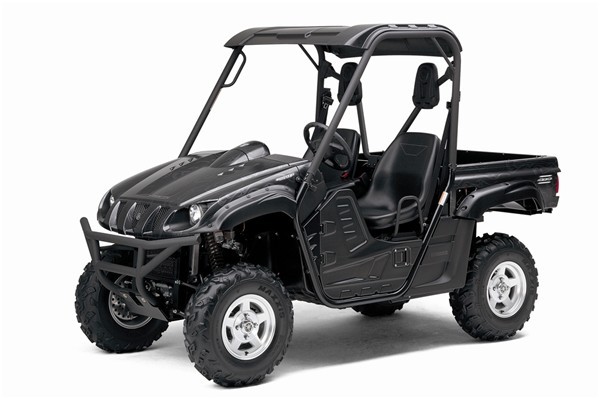
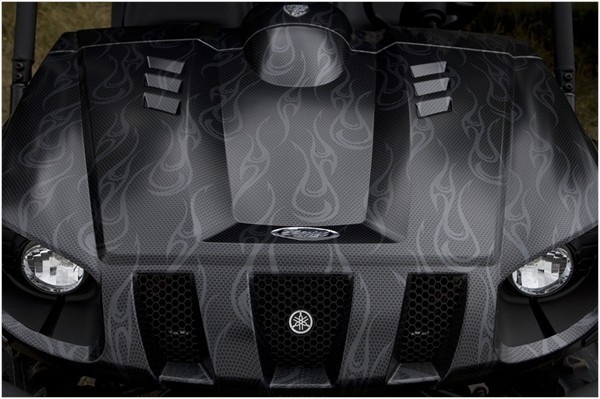
Midnight Armor (new color choice)
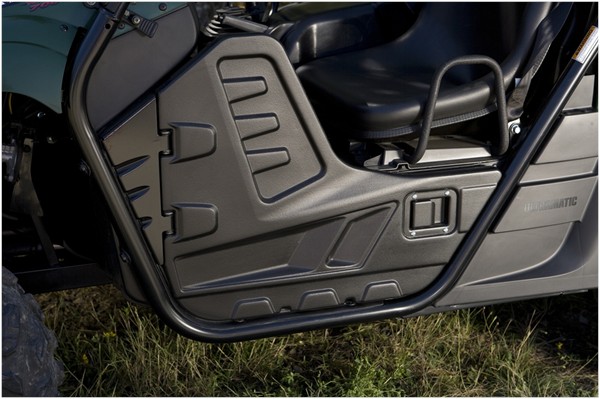
New Doors
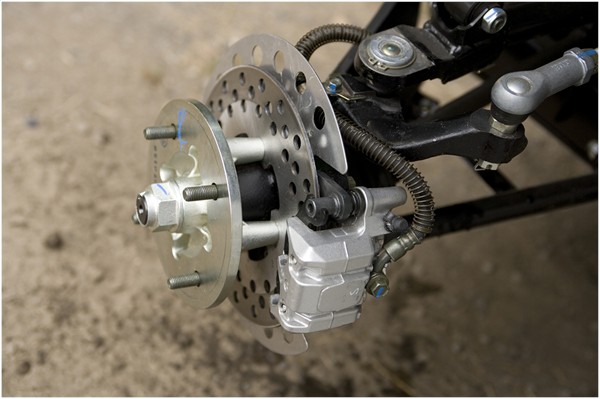
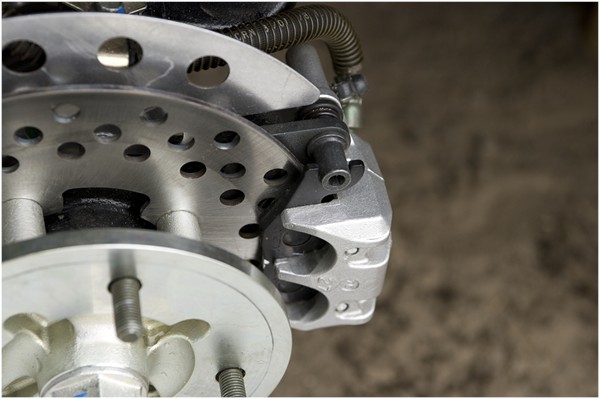

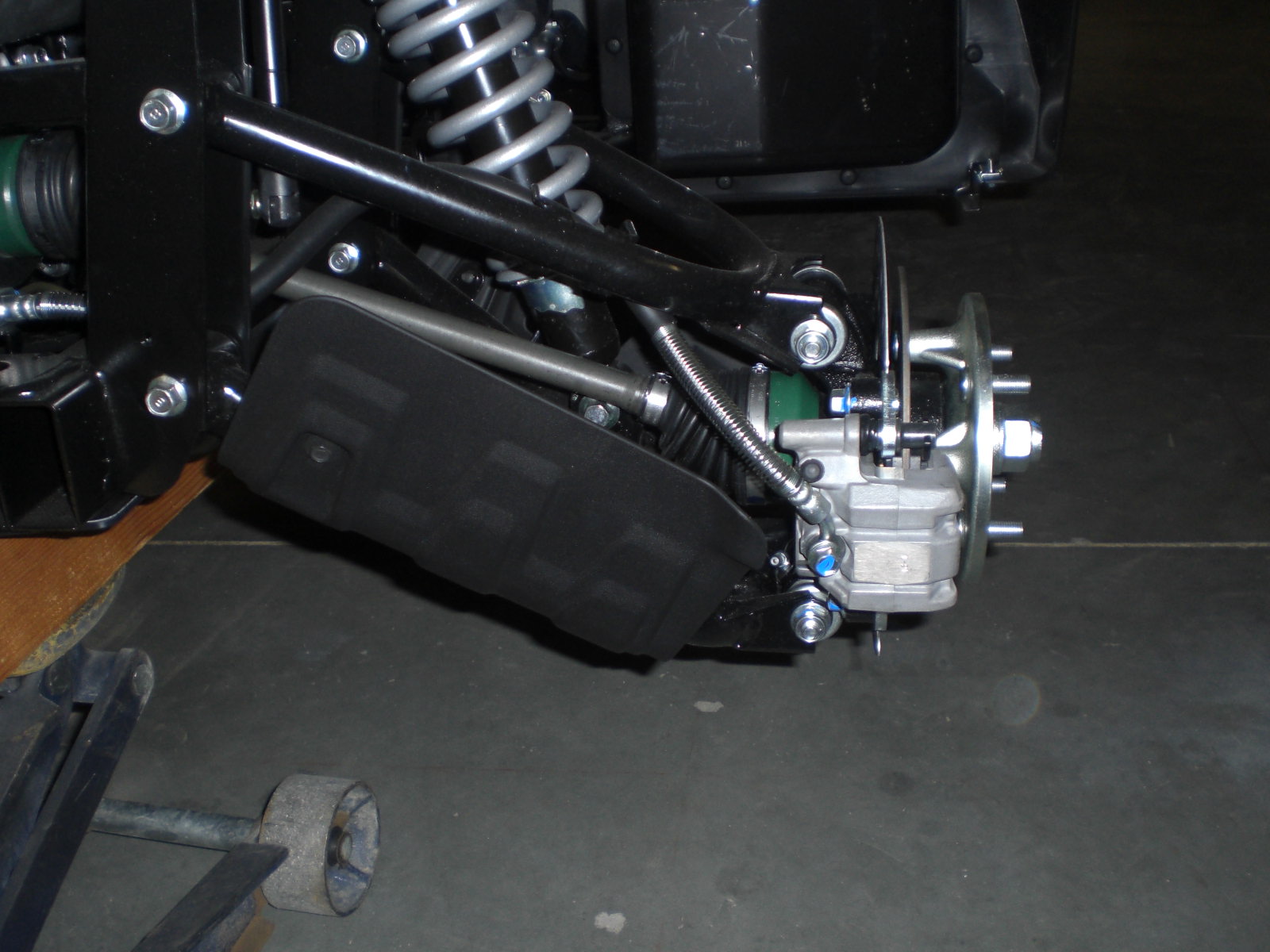
Front/Rear Brakes
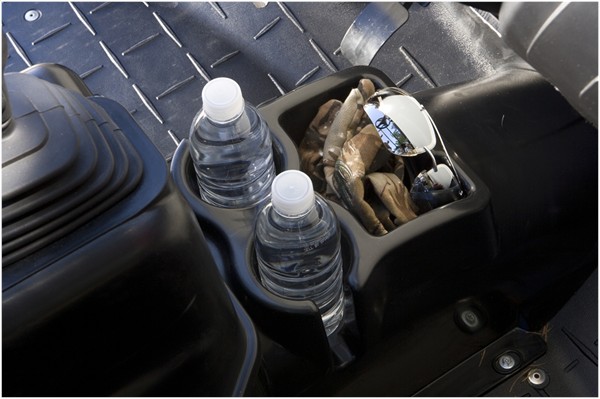
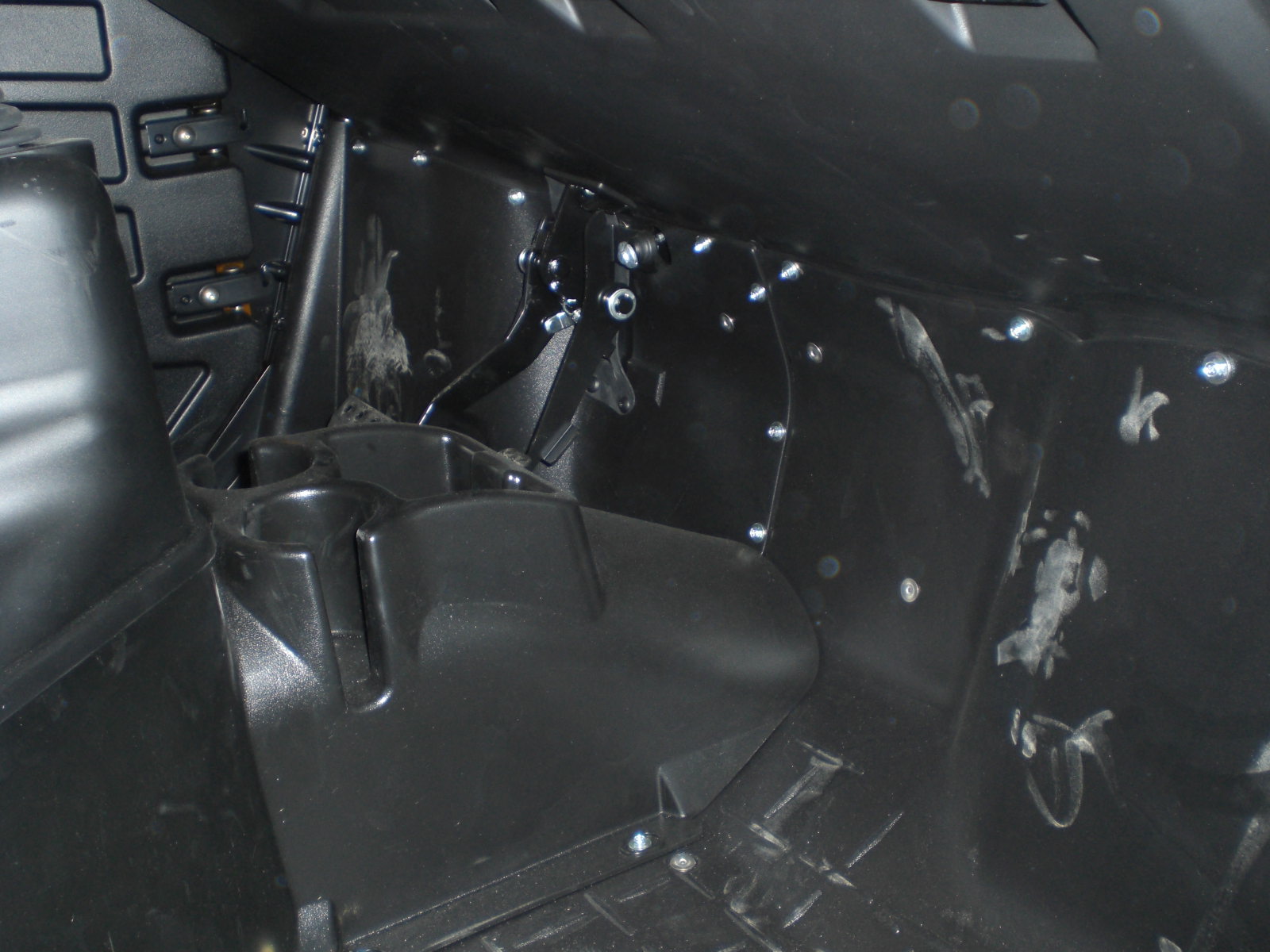
Cup Holder
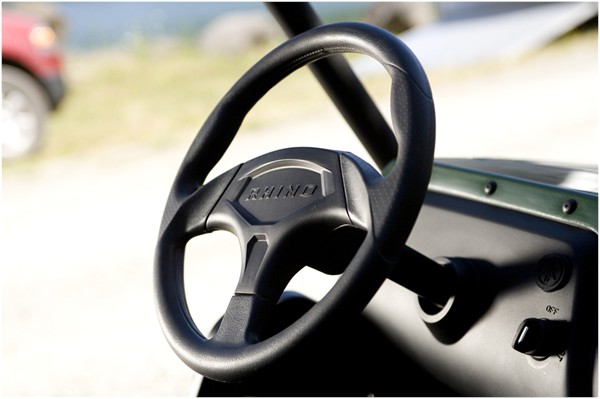
Steering Wheel
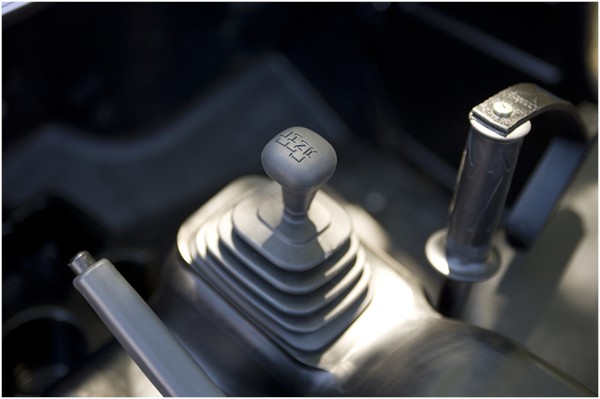

Shifter, new Parking Brake and Passenger Grab Handle
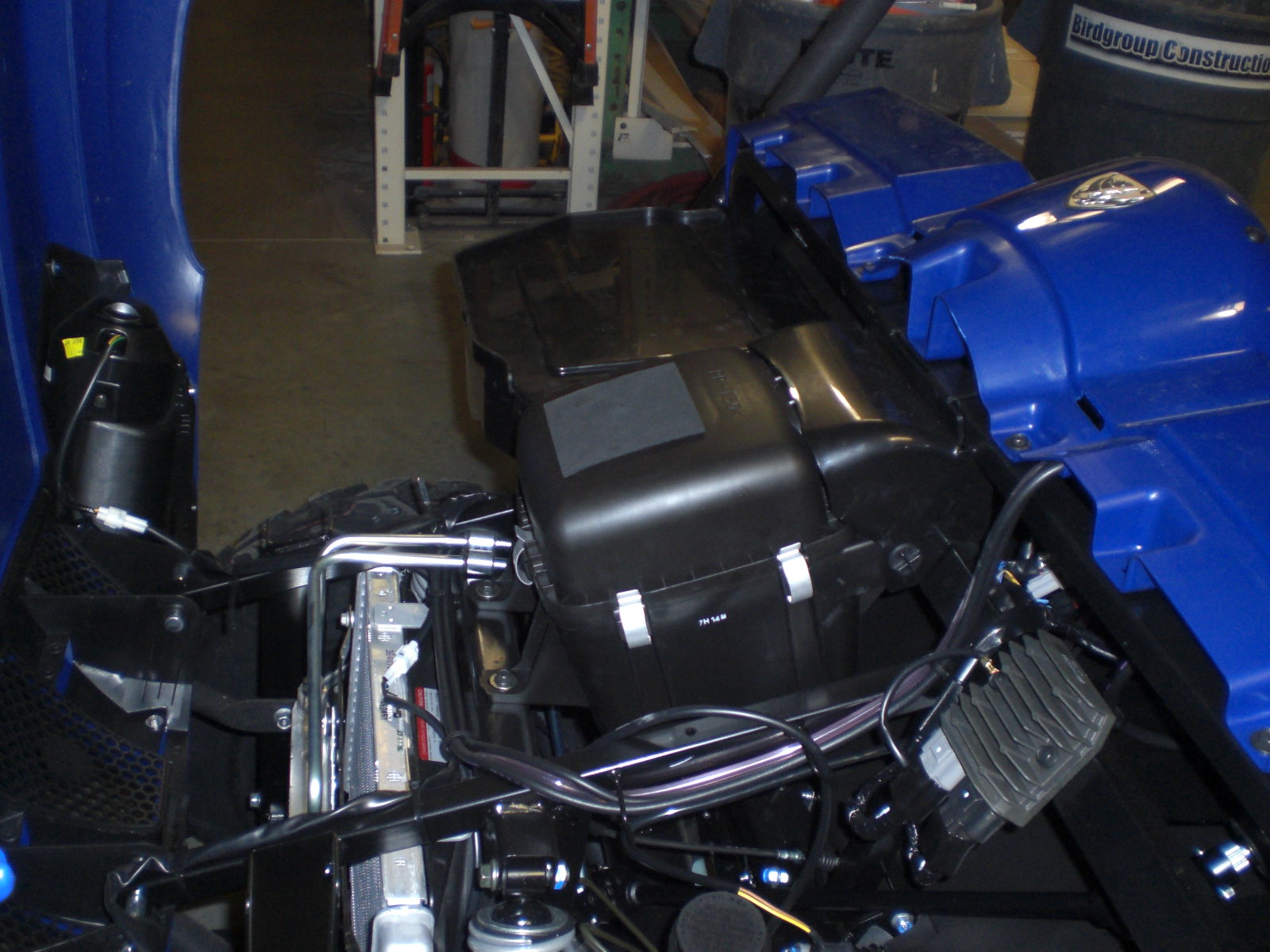
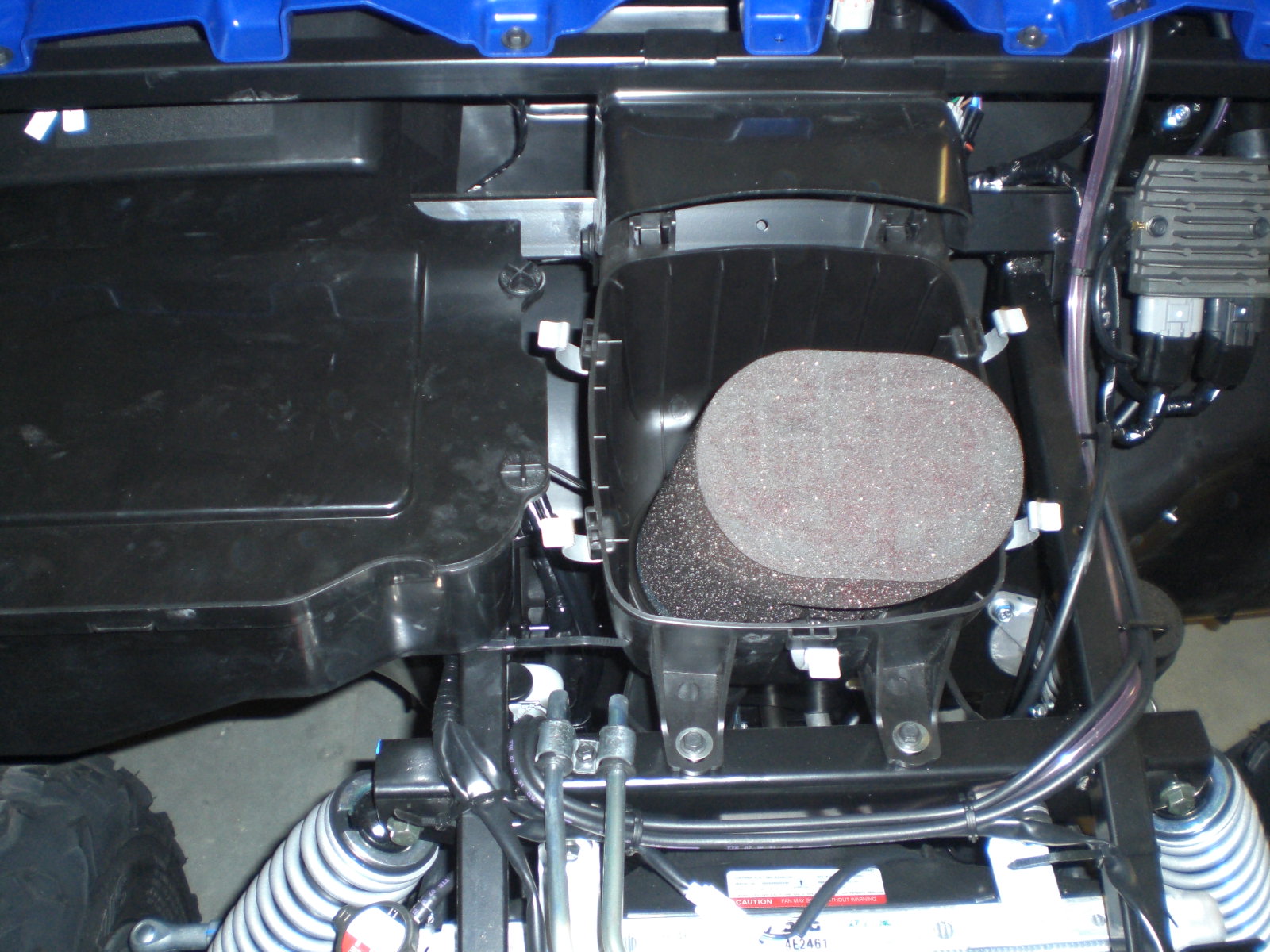
Under Hood Air Filter
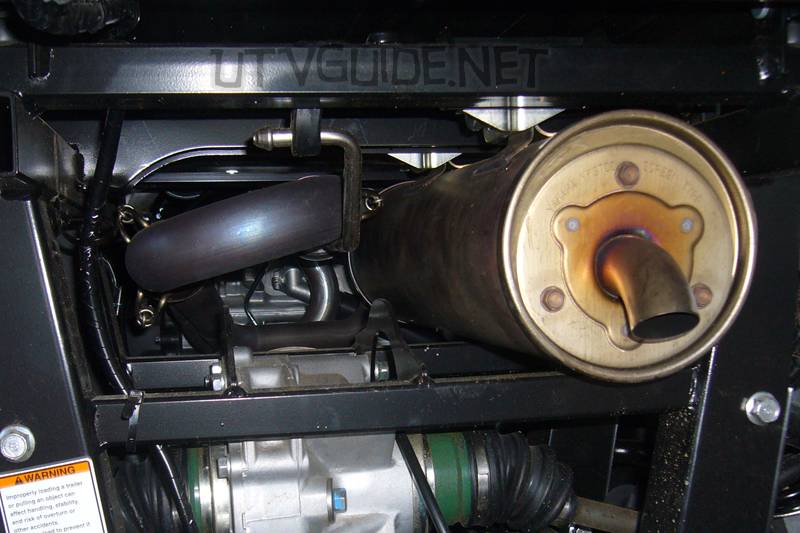
Exhaust is supported much better than pre-2008 models.


