

In 2008, we loaded our Polaris RZR and Kawasaki Teryx for a family road trip to the Oregon Dunes National Recreation Area. Our destination was the Coos Bay riding area near North Bend, where coastal dunes, forest-lined sand trails and Pacific Ocean access create a completely different experience from the desert dunes of California and Arizona.
The trip combined several days of UTV riding with camping, changing coastal weather and family side trips along Oregon’s Highway 101. It was also an opportunity to use two of the most important early sport UTVs in an environment that tested their suspension, clutching and sand performance.

Preparing the RZR and Teryx
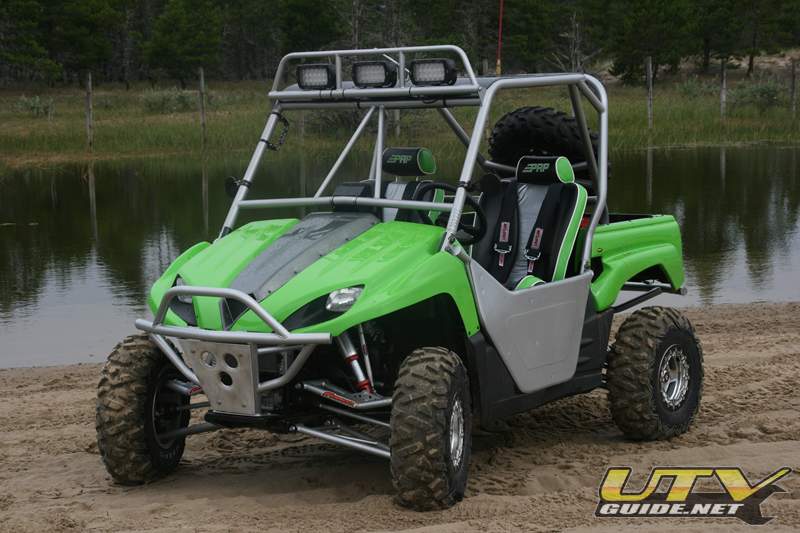
Our two primary machines for the trip were a 2008 Polaris RZR 800 and a Kawasaki Teryx. Both represented a major shift away from purely utility-oriented side-by-sides, but they approached recreational performance differently.
The RZR was compact, relatively light and designed around a more driver-focused seating position. The Teryx used a V-twin engine and a larger chassis that provided a solid foundation for long-travel suspension, engine modifications and adventure equipment.

Both vehicles were ongoing UTVGuide.net projects. See the components, modifications and development behind the 2008 Polaris RZR 800 build and our extensively modified 2008 Kawasaki Teryx build.
These machines also represent an important moment in UTV development. The broader stories of both platforms can be found in the history of the Polaris RZR and the evolution of the Kawasaki Teryx.
The Road to Oregon
Traveling to the Oregon coast was part of the experience. The route took us past Mount Shasta and through Southern Oregon, with an overnight stop at Valley of the Rogue State Park.


Breaking up a long tow made the drive more manageable for the family and gave us time to check the trailer and vehicles before continuing toward North Bend.
Understanding the Oregon Dunes
The Oregon Dunes National Recreation Area stretches along approximately 40 miles of the Oregon coast. Its three principal OHV riding areas are commonly identified with Florence, Winchester Bay and Coos Bay.
These are distinct riding areas rather than one continuous off-road route. Riders cannot simply travel through the dunes from Coos Bay to Winchester Bay or Florence. Highway travel is required to move between the three areas.
The Coos Bay dunes are the southernmost and largest of the three riding areas. They include the Horsfall and Spinreel areas, with a mixture of open dunes, vegetated sand corridors, forest-lined trails and designated beach access.
For a more detailed look at how its major landmarks and riding sections connect, see our virtual tour of the Coos Bay sand dunes.

Camping Near North Bend
We stayed at the KOA campground near North Bend, between Hauser and Spinreel. The campground provided a convenient base for the family and allowed us to reach the riding area without loading the UTVs onto the trailer each day.
The first day brought rain, which is always a possibility along the Oregon coast. The weather can change quickly, so riders should arrive prepared for cool temperatures, wind, rain and wet camping equipment—even during the summer.


The Hauser Access Route
The most significant drawback to our campsite was the route from the campground to the open dunes. A substantial portion included hard-packed road or pavement, which was less than ideal for UTVs equipped with fresh paddle tires.
Paddle tires work extremely well in soft sand but can wear quickly and handle poorly on hard surfaces. Riders using them should confirm the current surface and access requirements before selecting a campground or staging area.

The Hauser Beach access trail was also heavily whooped during our visit. The long sequence of bumps made the trip to the beach uncomfortable and placed a continuous load on the suspension.

Trail conditions, campground connections and designated routes can change. This description documents what we encountered in 2008 and should not be treated as a current access guide.
Riding the Coos Bay Dunes
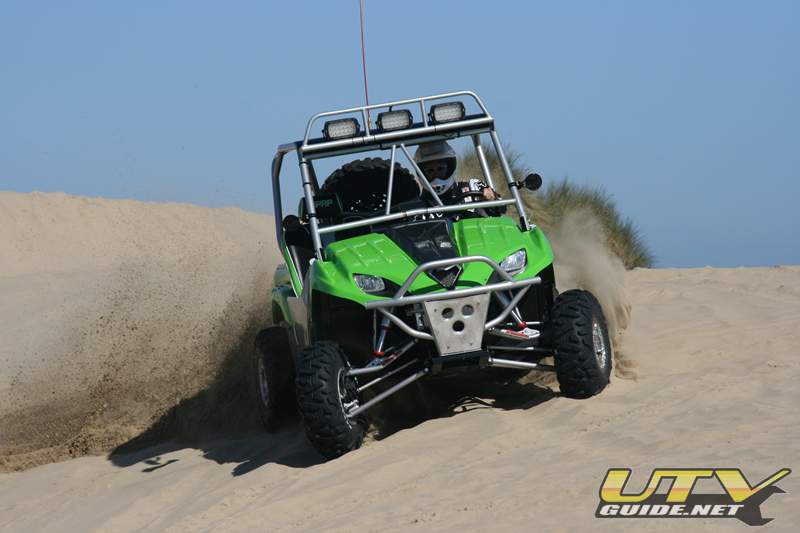
Once we reached the open sand, the Oregon Dunes provided a distinctive mix of terrain. Riders could transition from broad dune faces to narrower trails surrounded by coastal vegetation and then continue toward the beach.
The cooler temperatures and frequently damp sand also created different conditions from a hot desert dune trip. Moisture can firm the sand and improve flotation, although rain, fog and reduced visibility introduce their own challenges.


A Family-Friendly UTV Destination
This trip was about more than driving the RZR and Teryx. The campground, coastal scenery and nearby attractions made it possible to combine a UTV vacation with activities for the entire family.
That combination remains one of the Oregon Dunes’ defining strengths. The riding areas are close to communities with lodging, food, fuel and services, while Highway 101 provides access to beaches, overlooks and other coastal destinations.
Coos Bay has also developed into an important gathering place for the modern UTV community. Our coverage of UTV Takeover at Coos Bay shows how the destination has evolved from the relatively quiet riding area we visited in 2008 into the home of a major multi-day UTV event.
Rainy-Day Trip to Sea Lion Caves
When the rain made a full day in the dunes less appealing, we headed north on Highway 101 to Sea Lion Caves near Florence. The attraction provided a useful family side trip and a chance to see more of the Oregon coast.
Sea Lion Caves is reached through an elevator descending to the large coastal cavern. Conditions and the number of visible sea lions vary with the season, weather and movement of the animals.


West Coast Game Park
We also visited the West Coast Game Park south of Bandon. Like Sea Lion Caves, it gave the family another activity away from the UTVs while exploring the southern Oregon coast.

How the Oregon Dunes Have Changed
This report reflects our experience in 2008. Campgrounds, rental companies, dealerships, access routes, permit requirements and operating rules may have changed considerably since then. The original list of nearby UTV dealers and rental businesses has been removed because it should not be relied upon for current travel planning.
OHV access at the Oregon Dunes has also remained an active land-use issue. Riders interested in its current challenges should read our report on the ongoing fight over Oregon Dunes OHV access.
Before a trip, verify current information with the managing agencies, including:
- Open OHV riding areas and designated routes
- Required permits and safety equipment
- Seasonal restrictions or closures
- Beach-access rules and tide conditions
- Campground access from the dunes
- Current sound and vehicle requirements
Why This 2008 Trip Still Matters
The trip captured the Oregon Dunes during the early development of the sport UTV market. The original Polaris RZR was beginning to change expectations for factory performance, while the Kawasaki Teryx gave builders a V-twin platform that could be adapted for dunes, desert riding and technical trails.
It also demonstrated why the Oregon Dunes remain such a memorable UTV destination. Few riding areas combine coastal sand, forests, beach access, cool weather, camping and family attractions in the same trip.
We returned with newer UTVs several years later. See our 2011 Oregon Dunes family UTV trip for another look at riding the Oregon coast as the vehicles and our builds continued to evolve.
This story is part of a pivotal period when the Yamaha Rhino aftermarket, Polaris RZR and Kawasaki Teryx reshaped the side-by-side industry. Explore the complete story in our history of the UTV industry in 2008.
Explore more destinations and historical rides in the UTV trip reports.
Historical note: This article documents a 2008 trip. Access routes, businesses, prices, permits and regulations may have changed. Consult official current information before traveling or riding in the Oregon Dunes National Recreation Area.


