


Our 2009 Polaris RZR S 800 long-term review followed the original wide-track RZR through hundreds of miles of dunes, desert trails, rocks and mountain terrain. Testing began at Gordon’s Well in October 2008 and continued through Glamis, King of the Hammers, Sand Mountain and northern Nevada during the spring of 2009.
The RZR S expanded on the original 50-inch RZR with a 60-inch stance, long-travel suspension and more aggressive performance tuning. Over five months of testing, it proved to be a remarkably versatile sport side-by-side.
Gordon’s Well — October 2008
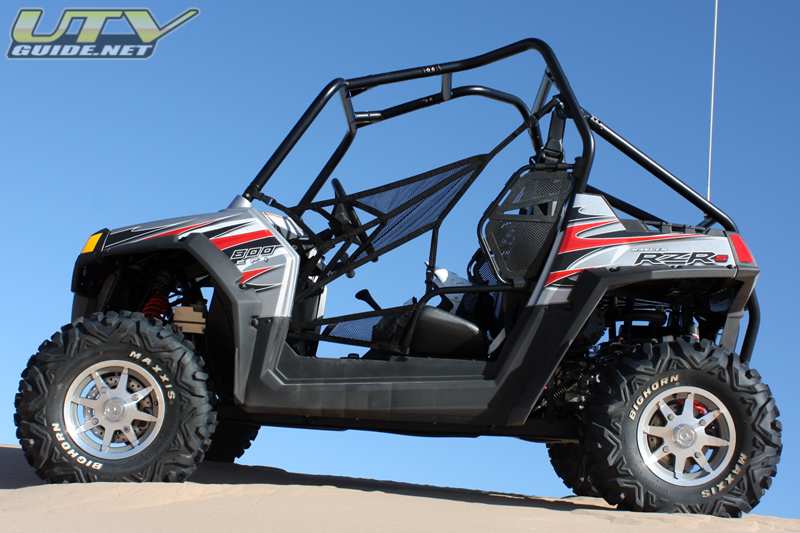
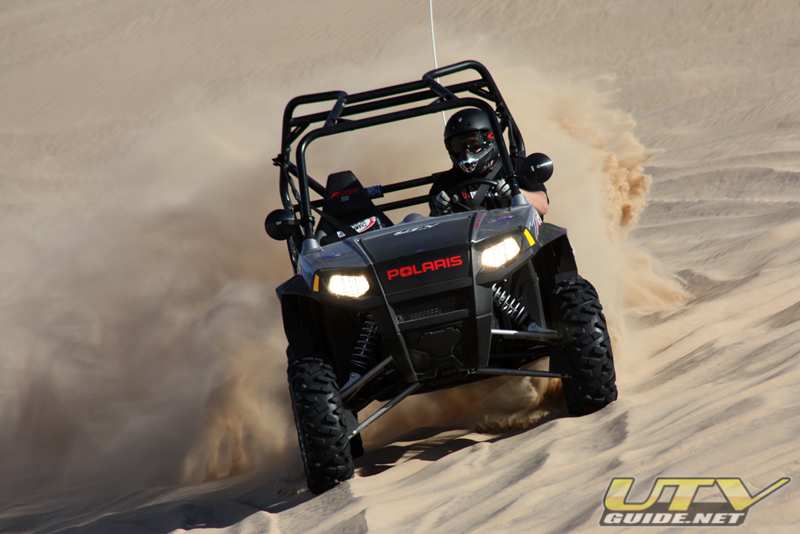
Our first outing with the RZR S took place at Gordon’s Well in the southern portion of the Imperial Sand Dunes Recreation Area. The vehicle was completely stock, and we did not even lower the air pressure in its 26-inch Maxxis Bighorn tires.
Despite running the stock tire pressure, the RZR S climbed the hill at Patton Valley and Test Hill. Both are among the steeper climbs found in the southern dunes.
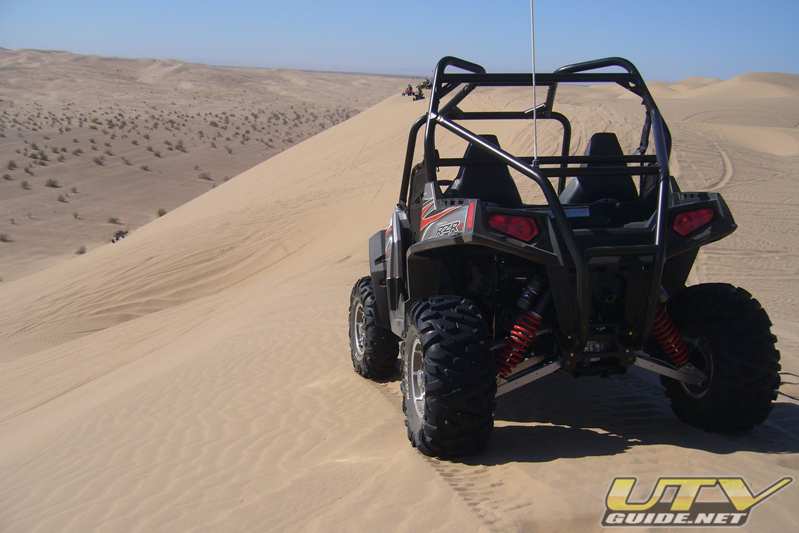
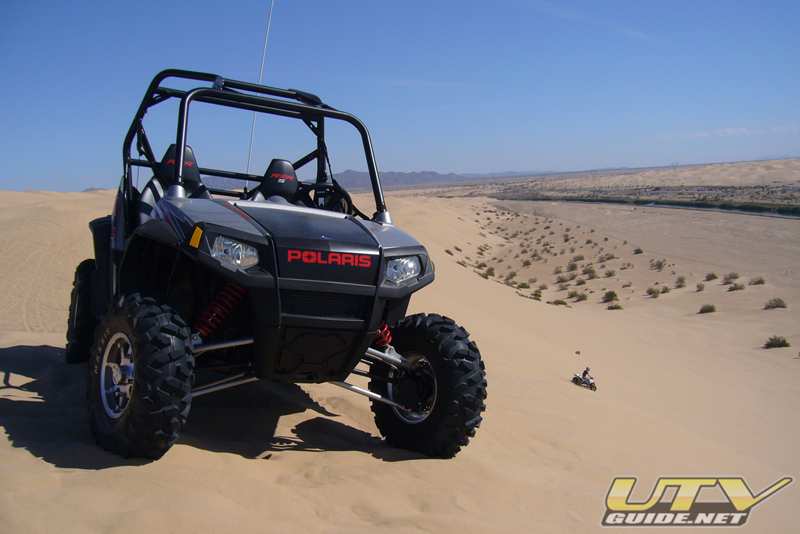
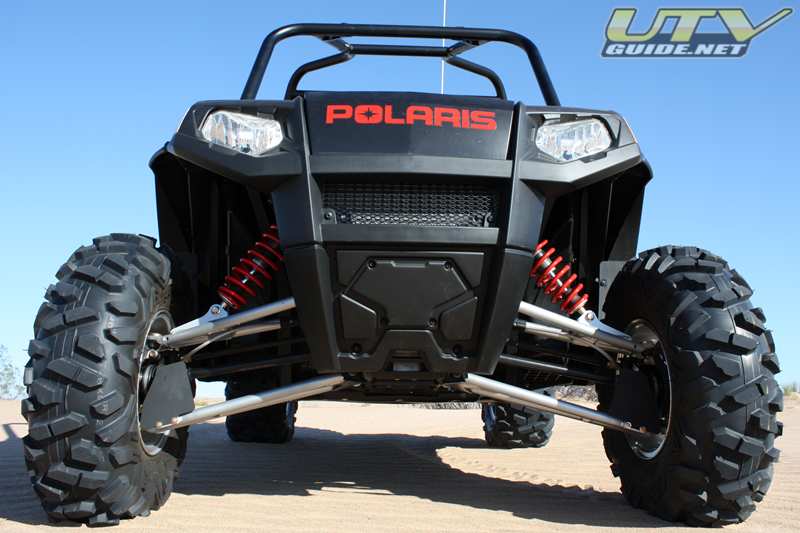
For straight hill-climbing performance in the dunes, the RZR S had noticeably more power than the original RZR. It also felt stronger out of the box than the contemporary Yamaha Rhino and Kawasaki Teryx.

Glamis — January 2009


We logged approximately 125 miles in the RZR S during a January weekend at Glamis. The machine ran flawlessly throughout the trip.
We camped at Pad 2 on Gecko Road and covered a large portion of the dunes, including China Wall, the Flagpole, Lizard Hill, Oldsmobile Hill, Glamis Flats and Osborne Overlook.


See more photos and details in our January 2009 Glamis trip report.
King of the Hammers — February 2009
The RZR S spent a week at Johnson Valley during the 2009 King of the Hammers. We used it as a chase vehicle and to reach photography locations along the racecourse.
The terrain included sand, high-speed desert whoops and rocky trails. We put approximately 75 miles of particularly hard use on the RZR S, and it performed flawlessly.


Side x Side Action Magazine also had a demo RZR S in camp, and both vehicles were used extensively during Friday’s buggy race.
Sand Mountain — March 2009
A father-and-son weekend at Sand Mountain, Nevada, added another 75 miles to the RZR S. It reached the top of Sand Mountain without difficulty before we headed across the desert to Dixie Valley and returned through End of the World.
Once again, the RZR S completed the trip without a mechanical problem.


Glamis — March 2009
We returned to Glamis and logged another 100 trouble-free miles. During this trip, Joey DiGiovanni of UTVUnderground took the RZR S for a drive.
We also worked with FOX Racing Shox to test a set of 2.0 piggyback RC2 shocks. The adjustable replacement shocks provided an opportunity to experiment with the RZR S chassis and suspension performance in the dunes.

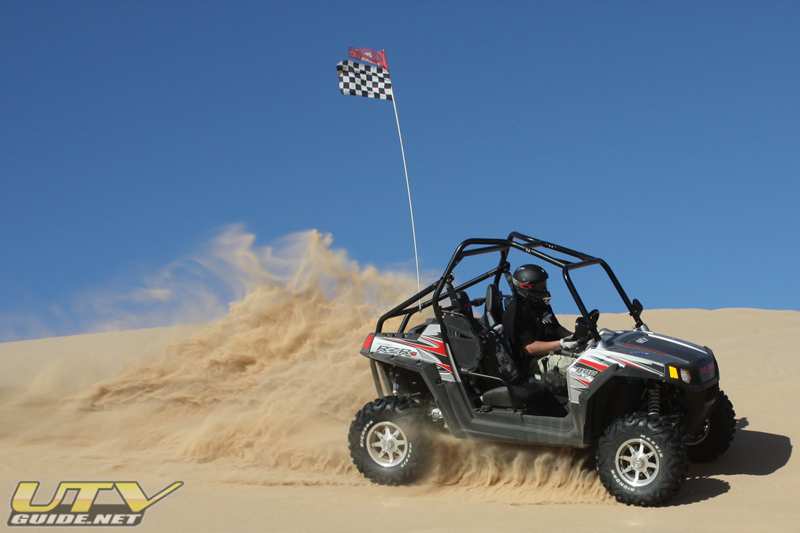
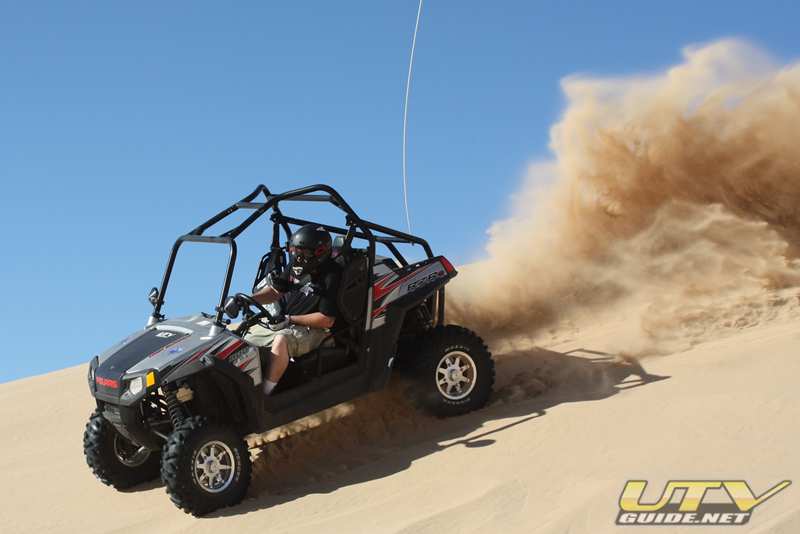
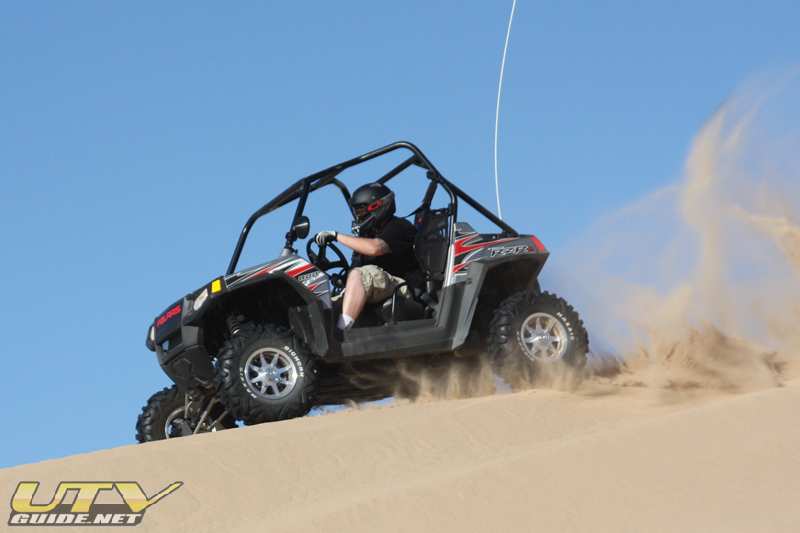

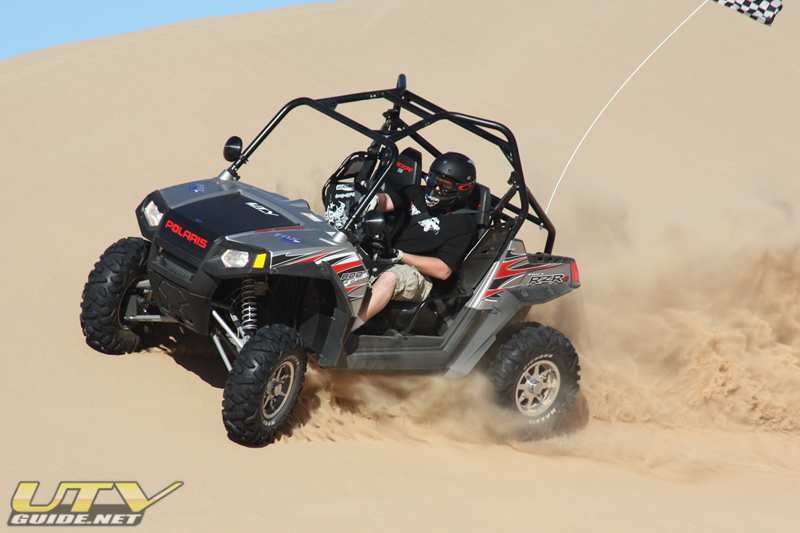
Read more about this outing in our March 2009 Glamis Dune Tour report.
Smith Valley, Nevada — April 2009
Over Easter weekend, we added another 170 miles while exploring northern Nevada. The route included fast graded roads, tight washes, steep hill climbs and elevations approaching 9,000 feet.
The variety of terrain highlighted the RZR S platform’s versatility. It remained reliable throughout the trip and once again performed flawlessly.
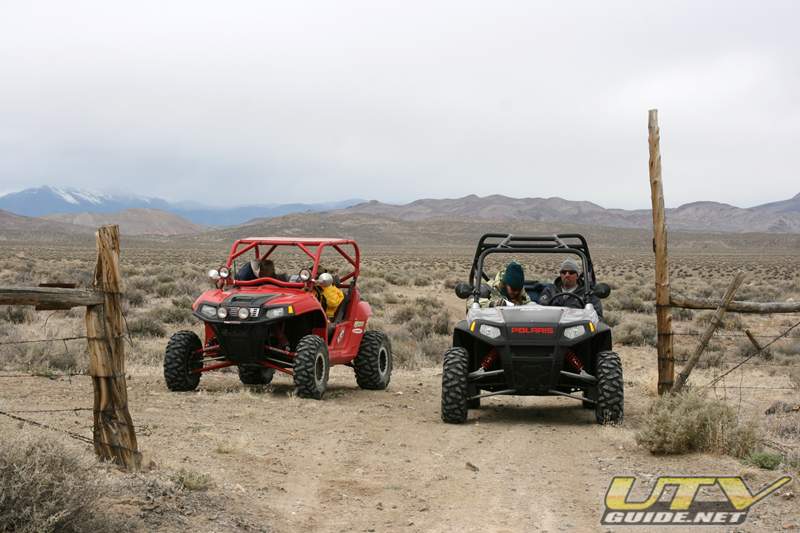

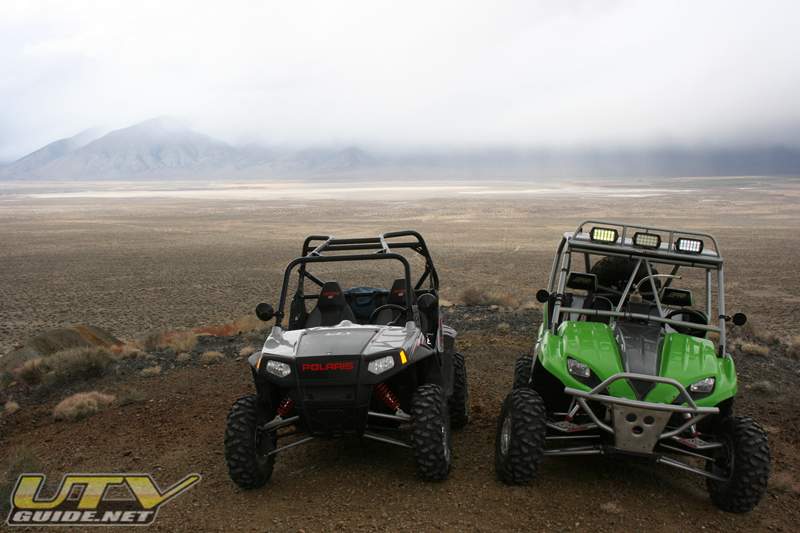
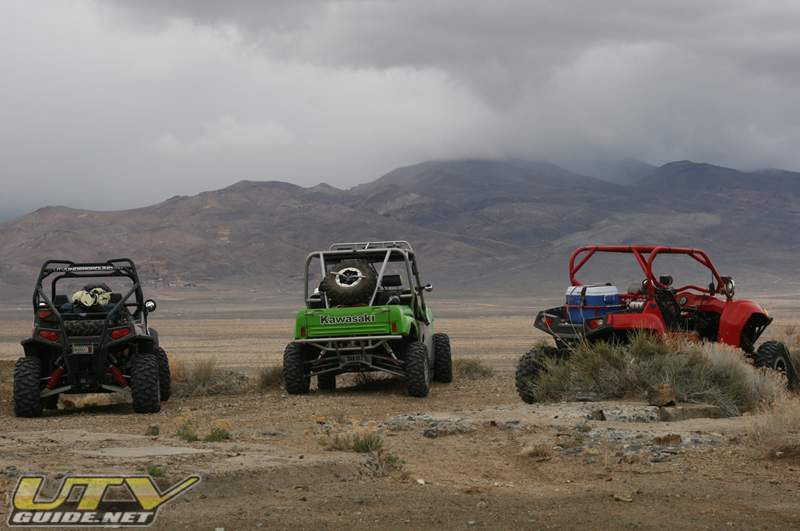
See the complete route and additional photos in our Smith Valley UTV ride report.
Additional Polaris RZR S Photos


Long-Term Review Verdict
Across several hundred miles, the 2009 Polaris RZR S handled dunes, desert whoops, rocky trails, graded roads, tight washes and high-elevation terrain without a significant mechanical problem.
Its wider stance and long-travel suspension made it considerably more capable at speed than the original RZR, while its compact size still allowed it to work well as a trail, chase and exploration vehicle. The original RZR S helped establish the wide-track sport side-by-side formula that would become a major part of the broader Polaris RZR family.


